
A Travel Guide to San Juan
San Juan, the vibrant capital of Puerto Rico, is a captivating blend of rich history, colorful culture, and stunning natural beauty. As a U.S. territory, it offers the convenience of domestic travel for U.S. citizens—no passport required—while delivering a unique Caribbean experience. From the cobblestone streets of Old San Juan, a UNESCO World Heritage Site, to pristine beaches and a thriving culinary scene, San Juan is a destination that caters to history buffs, foodies, beach lovers, and adventure seekers alike. Here’s a comprehensive travel guide to help you plan your visit.
Why Visit San Juan?
Founded in 1521, San Juan is one of the oldest European-founded cities in the Americas, boasting over 500 years of history. Its historic forts, vibrant neighborhoods like Condado and Santurce, and proximity to natural wonders like El Yunque National Forest make it a multifaceted destination. The city’s Afro-Puerto Rican heritage, eclectic music scene, and delicious cuisine—think mofongo and piña coladas—create a lively atmosphere. With year-round warm weather (average temperatures in the 80s°F), San Juan is perfect for a cultural getaway or a relaxing beach vacation.
How to Get There
San Juan is easily accessible, serving as the Caribbean’s airport hub:
By Air: Luis Muñoz Marín International Airport (SJU): Located in Carolina, just 3 miles from San Juan, SJU is the main gateway with direct flights from major U.S. cities (e.g., Miami, New York, Atlanta) and international destinations. Airlines like United, JetBlue, and budget carriers like Frontier and Avelo offer frequent flights, with one-way fares starting at $100. Fernando Luis Ribas Dominicci Airport (SIG): A smaller airport in Isla Grande for regional flights to Vieques or Culebra. U.S. citizens don’t need a passport, but international travelers should check visa requirements via the U.S. State Department’s Visa Wizard.
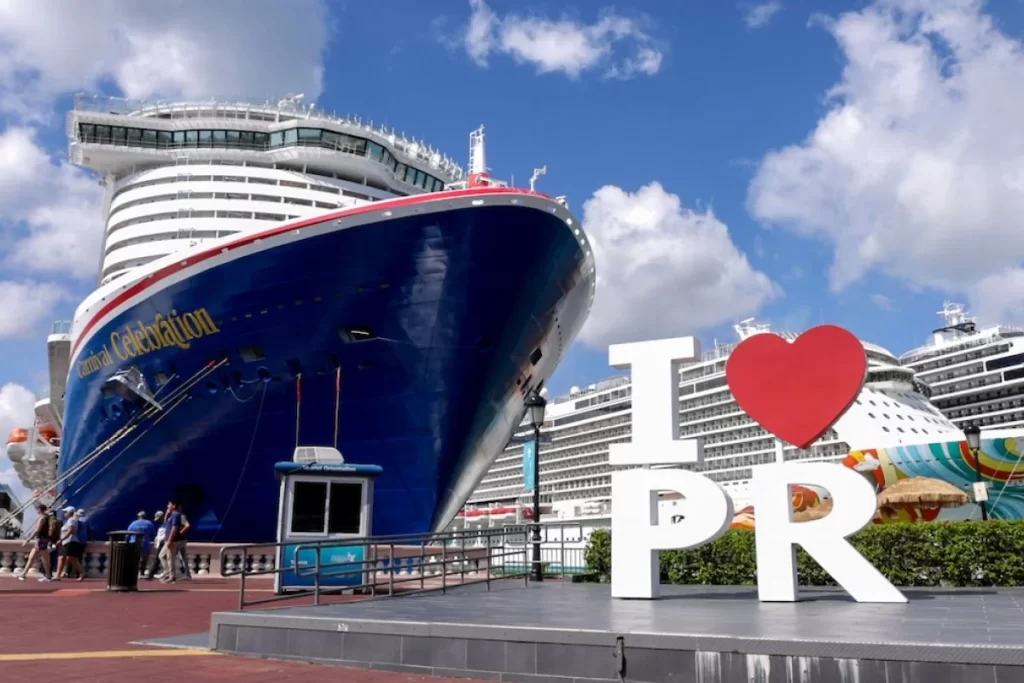
By Cruise: San Juan’s port is the second-largest cruise ship port in the Western Hemisphere, serviced by lines like Carnival, Celebrity, and Princess Cruises. It’s a popular departure or stopover point for Caribbean itineraries.
Getting Around: Walking: Old San Juan is highly walkable, with most attractions within a compact area. Public Transport: The Metropolitan Bus Authority (AMA) and Tren Urbano (light rail) connect parts of the city, but routes and schedules can be unreliable. Fares are affordable (~$0.75–$1.50). Taxis/Rideshares: Taxis from SJU have fixed rates (e.g., $21 to Old San Juan), and Uber is widely available. Rental Cars: Ideal for day trips to El Yunque or Fajardo’s bioluminescent bay. Book via rental agencies at SJU, but note traffic congestion during peak hours (6–9 AM, 4–7 PM).
Best Time to Visit
Peak Season (December–April): Warm, dry weather (77–84°F) makes this ideal for beach days and outdoor exploration. Book early to avoid high prices and crowds. Shoulder Seasons (May–June, September–November): Fewer crowds and lower costs, but September–November is hurricane season, with higher rainfall risks.
Off-Season (July–August): Hotter and more humid, but affordable with vibrant local festivals. Events: Visit in January for the Festival de la Calle de San Sebastián, a lively street festival with music and dance.
Tip: Check weather forecasts and avoid peak hurricane season (September–early November) if possible.
Top Attractions
Castillo San Felipe del Morro
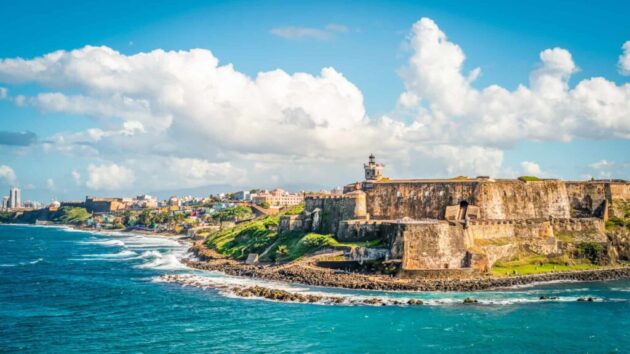
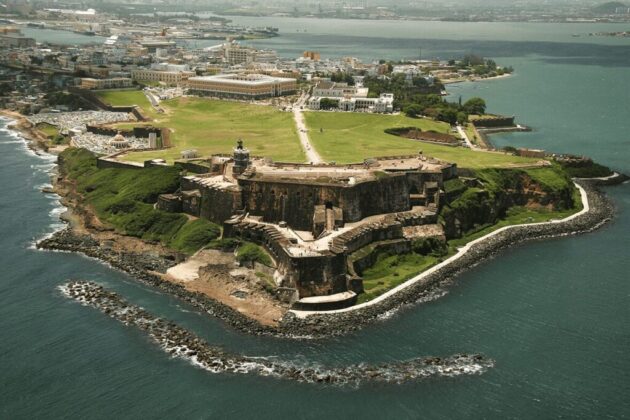
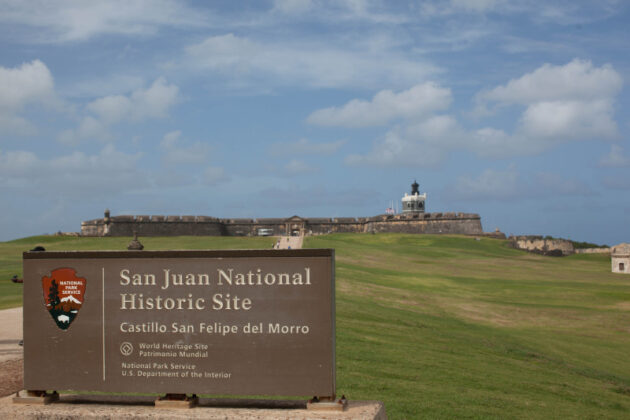
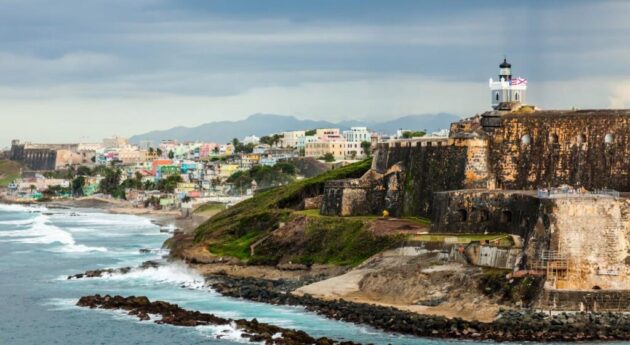
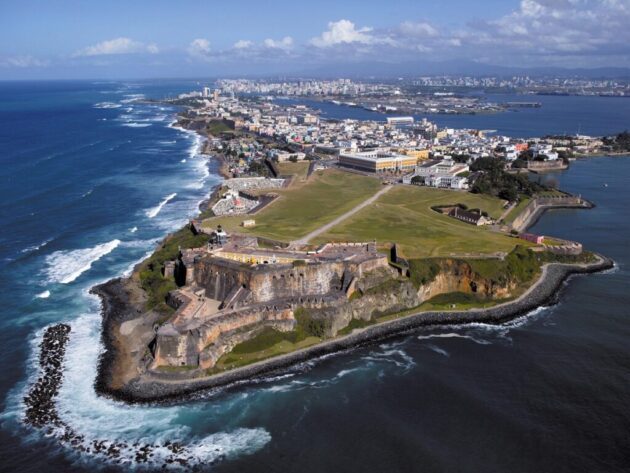
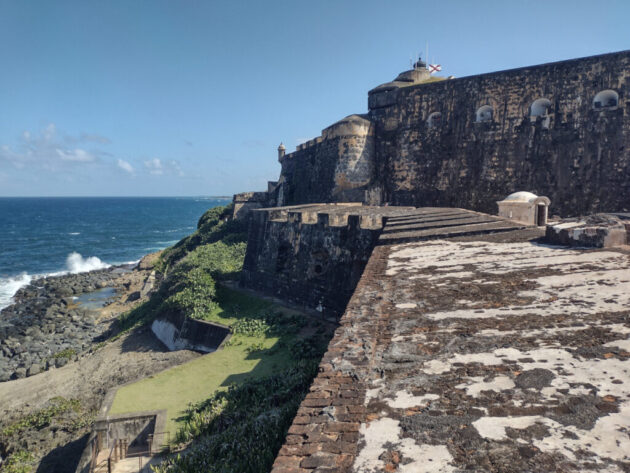
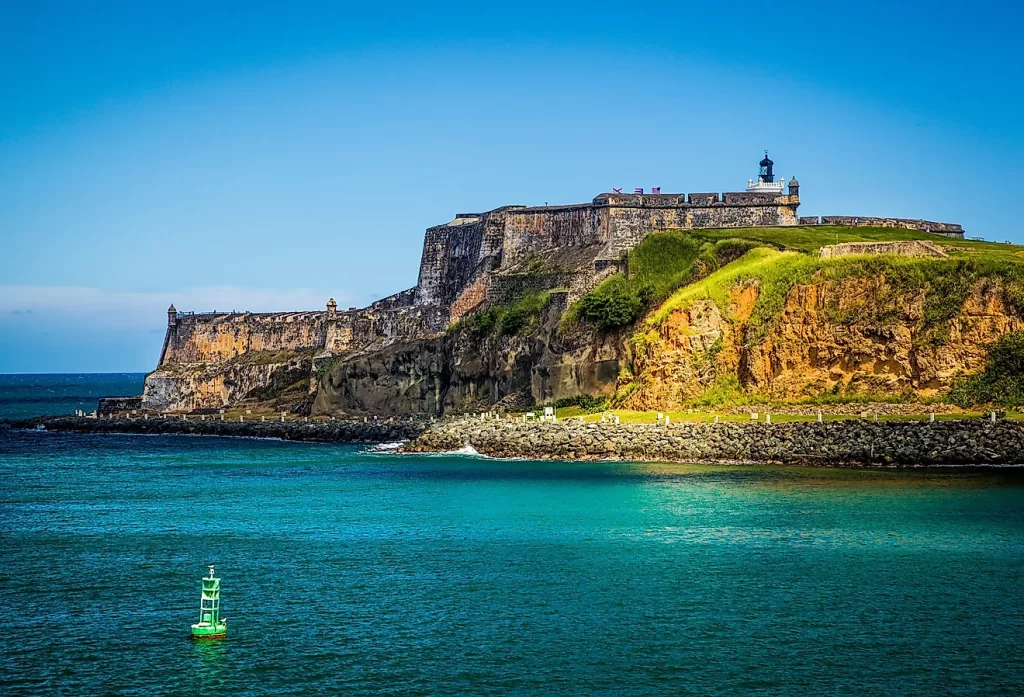
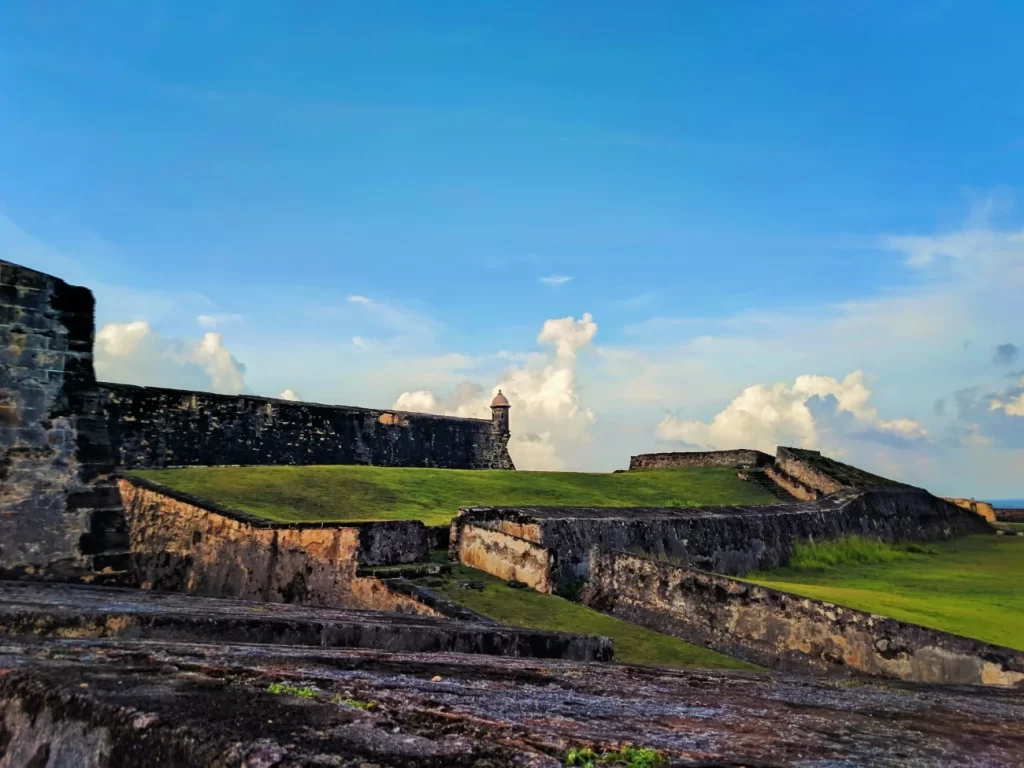
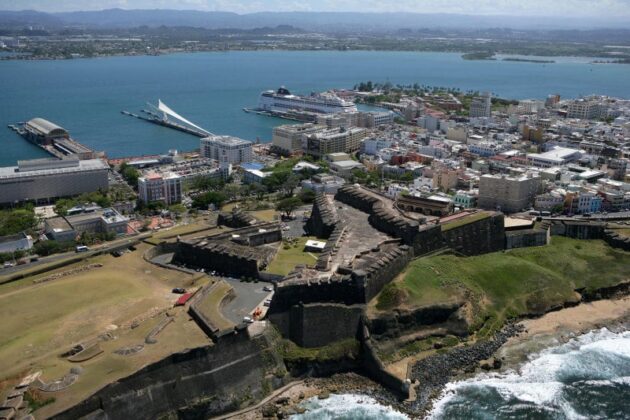
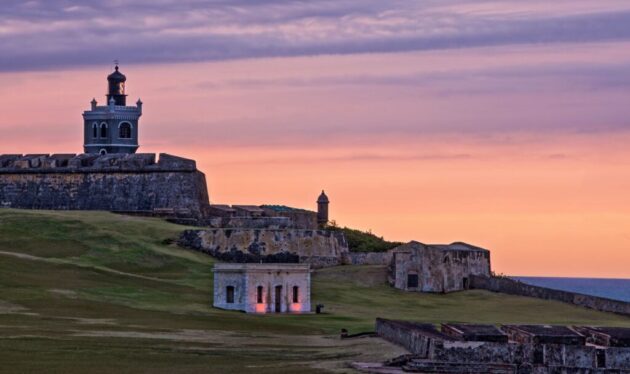
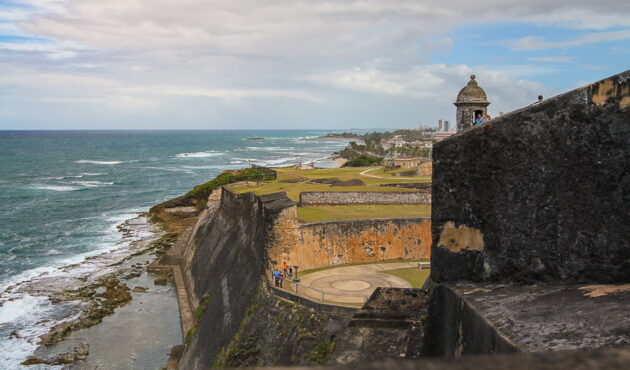
Castillo San Felipe del Morro, commonly known as El Morro, is a majestic 16th-century fortress perched on the northwestern tip of Old San Juan, Puerto Rico. This UNESCO World Heritage Site, part of the San Juan National Historic Site, is one of the island’s most iconic landmarks, offering a deep dive into Puerto Rico’s colonial history, stunning ocean views, and a chance to explore a military masterpiece.
Castillo San Cristóbal
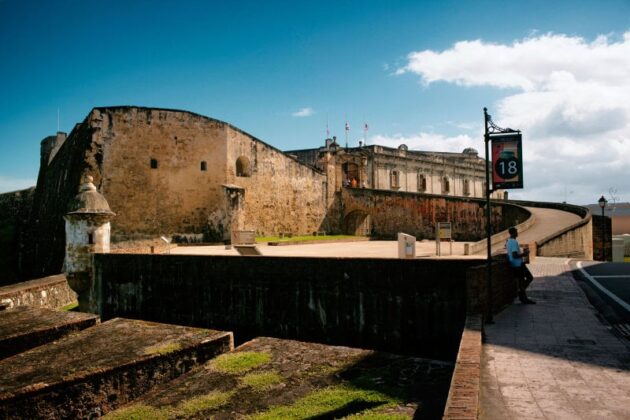
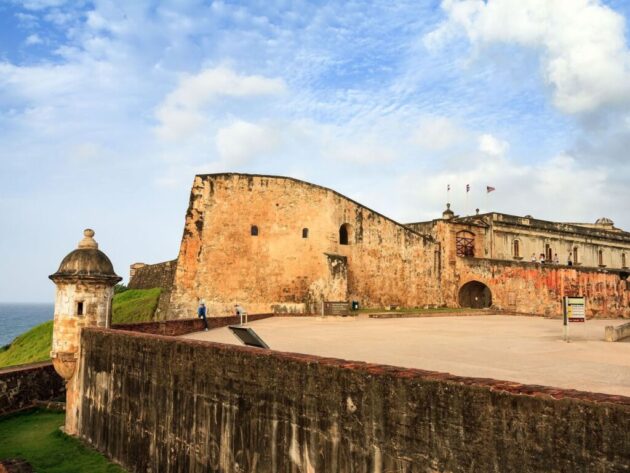
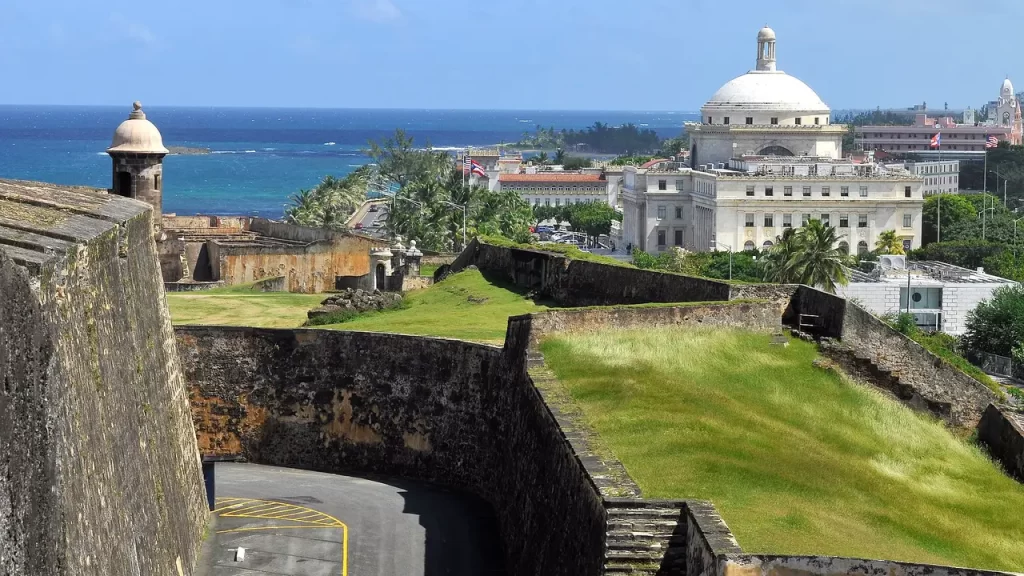
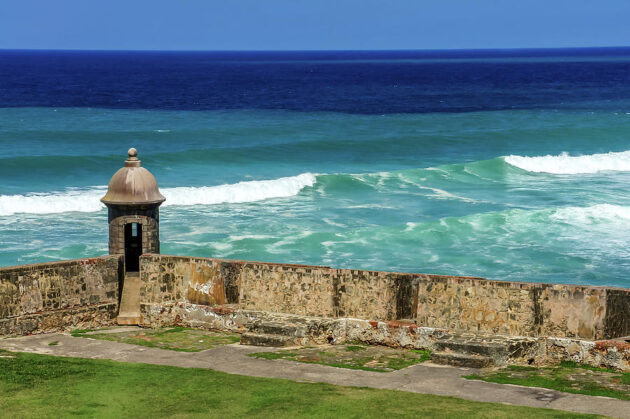
Castillo San Cristóbal was constructed between 1634 and 1790 to protect San Juan from land-based attacks, complementing its sister fortress, Castillo San Felipe del Morro (El Morro), which guarded the sea. Spanning 27 acres and rising 150 feet above sea level, the fort offers a fascinating glimpse into Puerto Rico’s military history, breathtaking panoramic views of the Atlantic Ocean and Old San Juan, and a chance to step back in time. Recognized as a UNESCO World Heritage Site since 1983, it’s a cultural gem that blends history with natural beauty.
Museo de las Américas
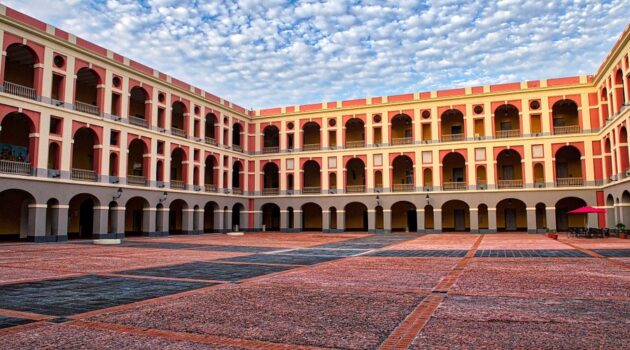
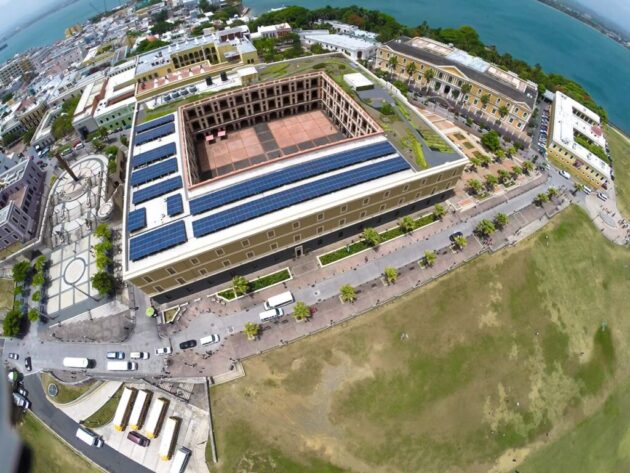
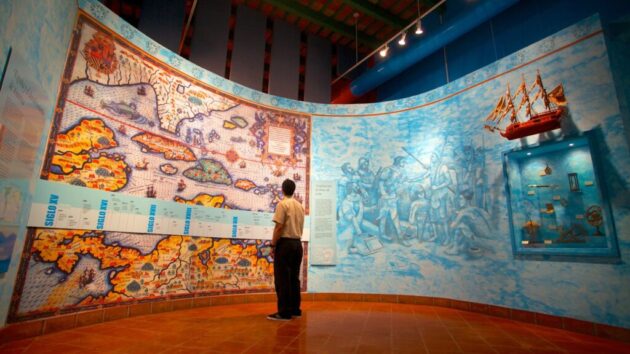
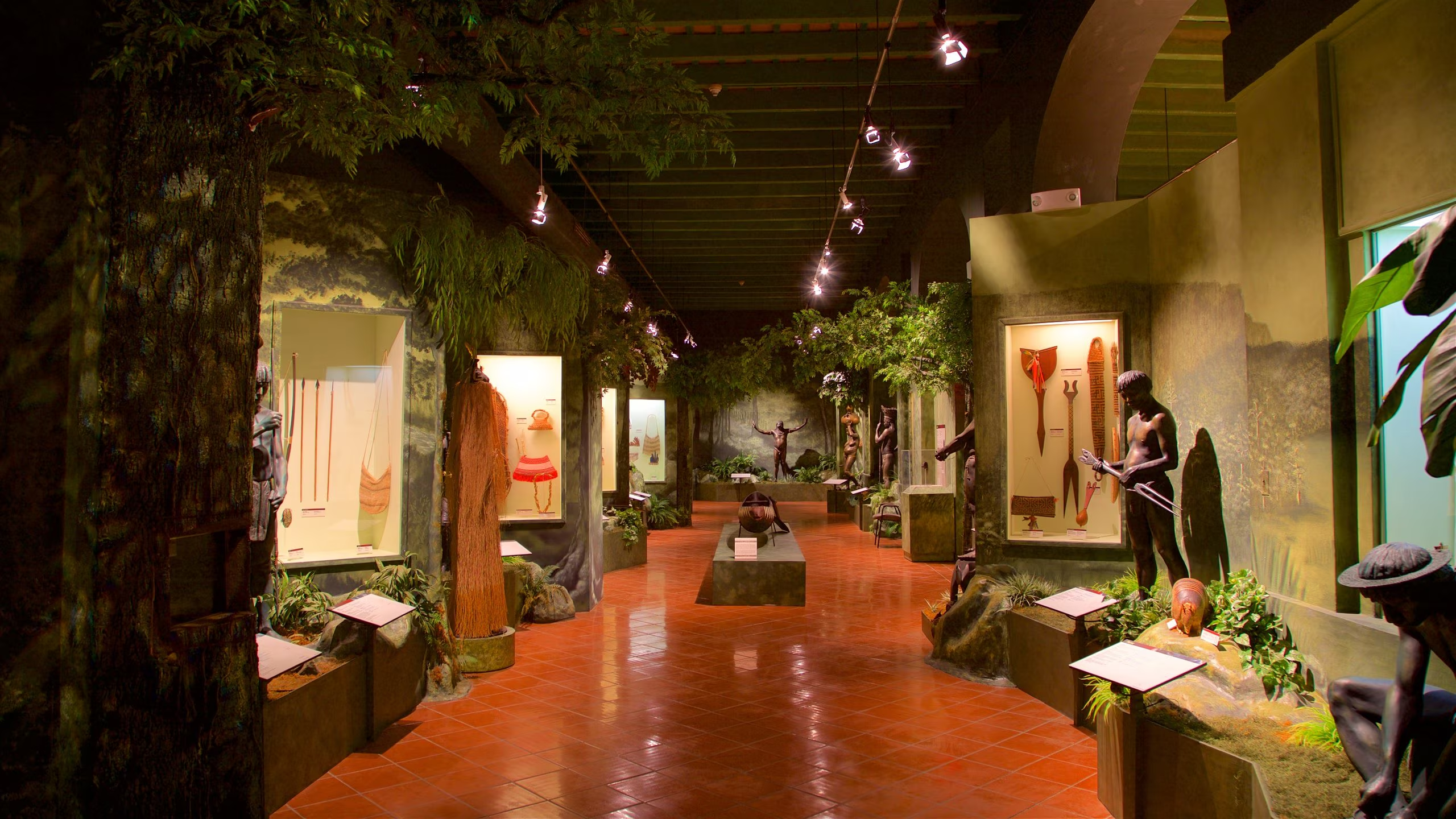
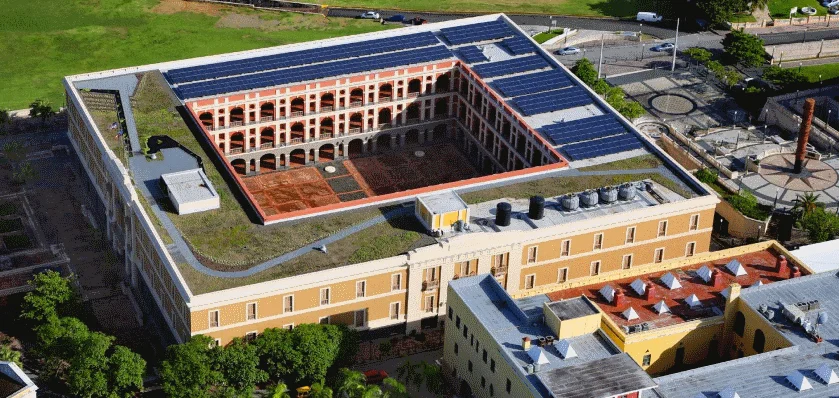
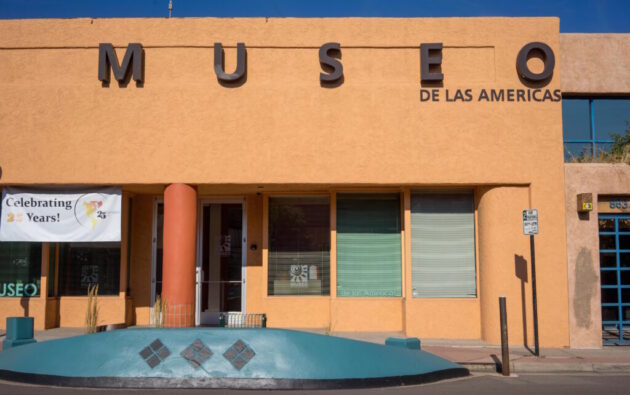
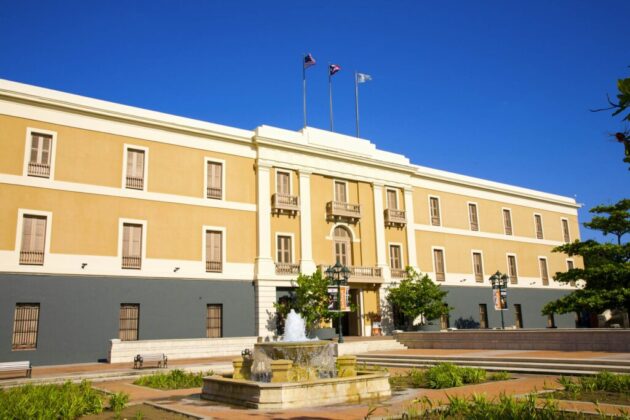
The Museo de las Américas was founded in 1992 by renowned Puerto Rican archaeologist Ricardo Alegría to commemorate the 500th anniversary of the European arrival in the Americas. Its mission is to showcase the history and culture of the Americas, from pre-Columbian times to the present, through a blend of permanent and temporary exhibitions. The museum is situated on the second floor of the Cuartel de Ballajá, a striking 19th-century structure that once housed over 1,000 Spanish soldiers. The building itself is an architectural marvel, with a spacious courtyard that often hosts events and artisan fairs.
Catedral de San Juan Bautista
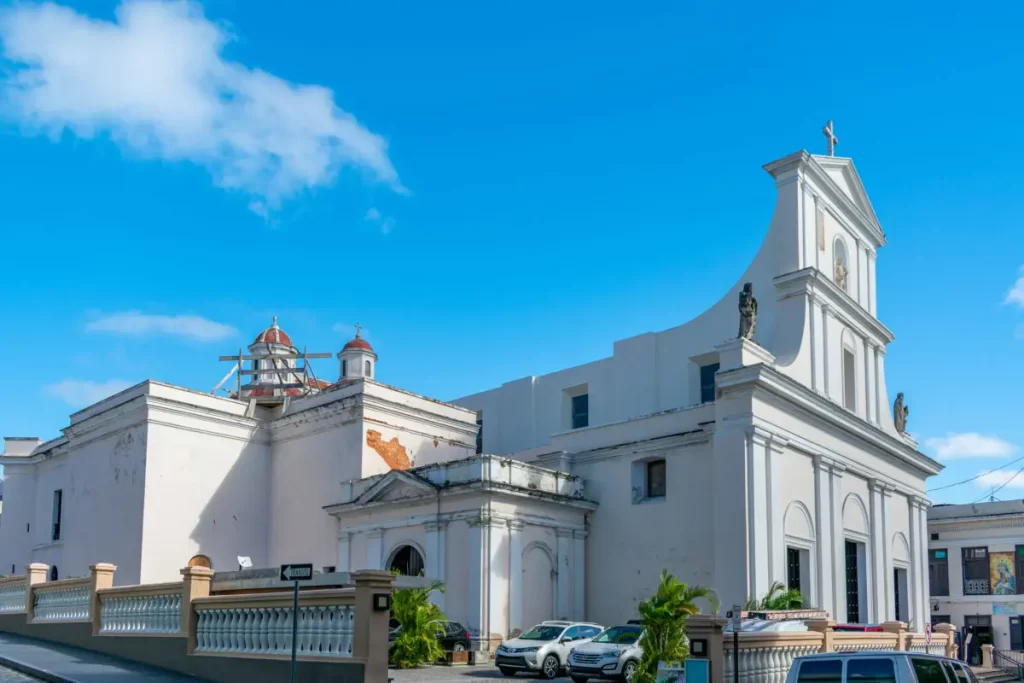
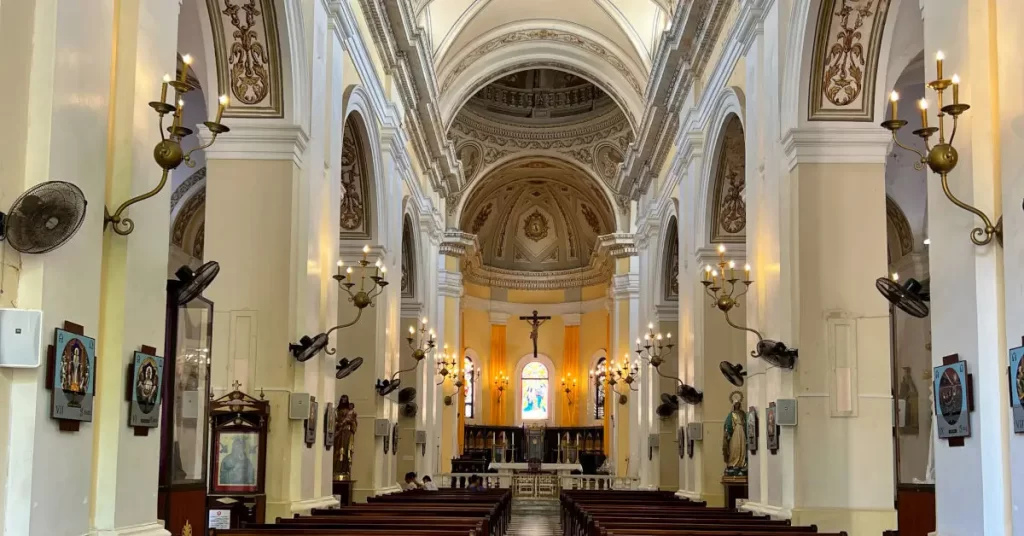
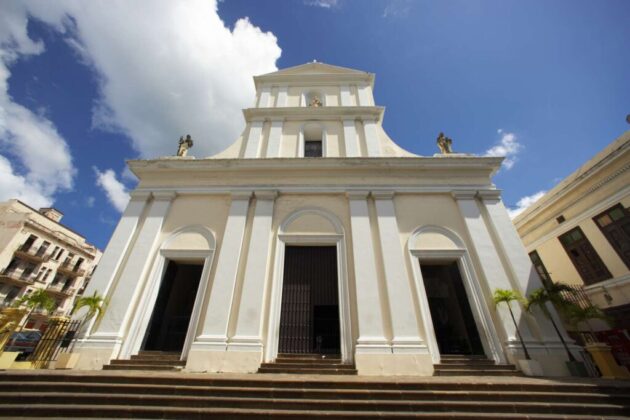
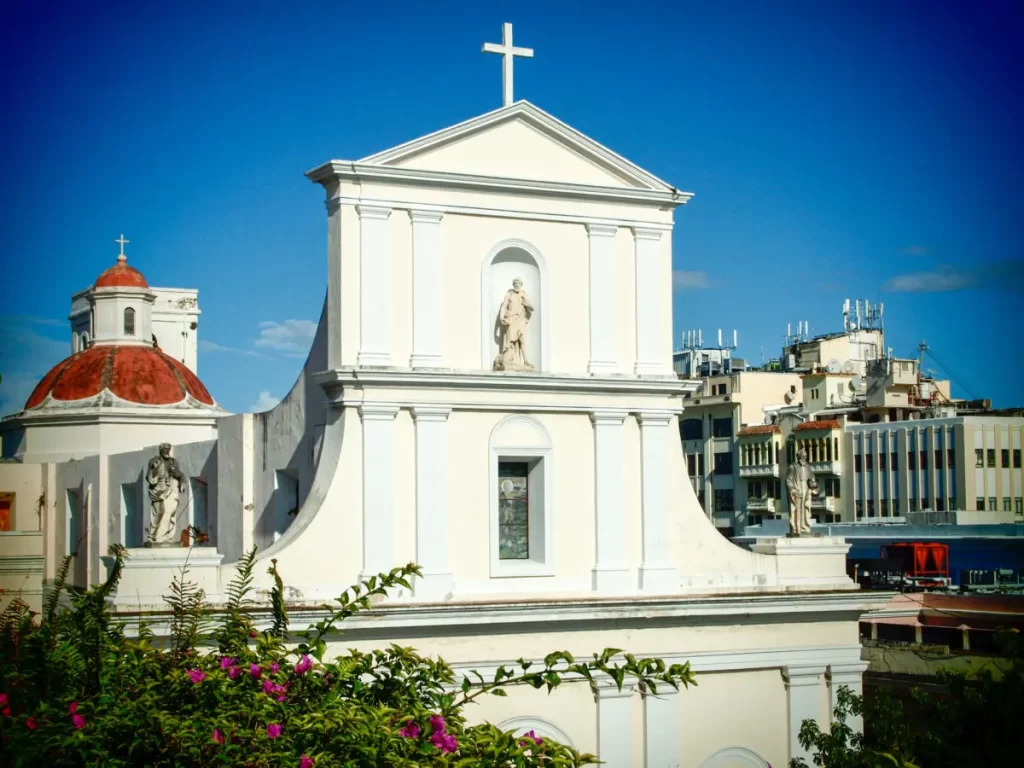
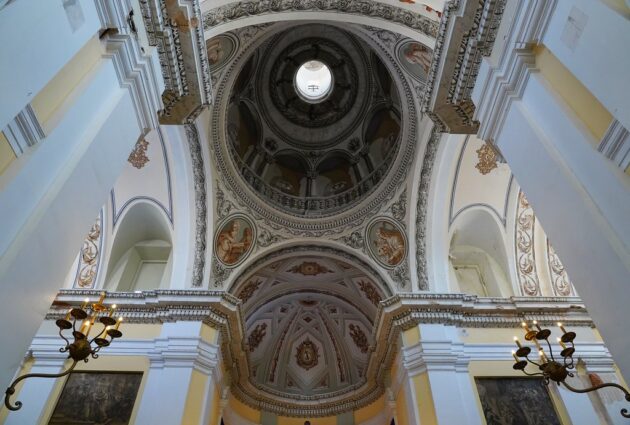
The Catedral de San Juan Bautista is the seat of the Archdiocese of Puerto Rico and holds the distinction of being the second-oldest cathedral in the Western Hemisphere, with its origins dating back to 1521. The current structure, built in 1540 after the original wooden church was destroyed by a hurricane, showcases a mix of Gothic and neoclassical styles that have evolved over centuries. It’s not only a place of worship but also a repository of historical treasures, including the tomb of Spanish explorer Juan Ponce de León and the relic of St. Pio, a Roman martyr.
Puerta de San Juan
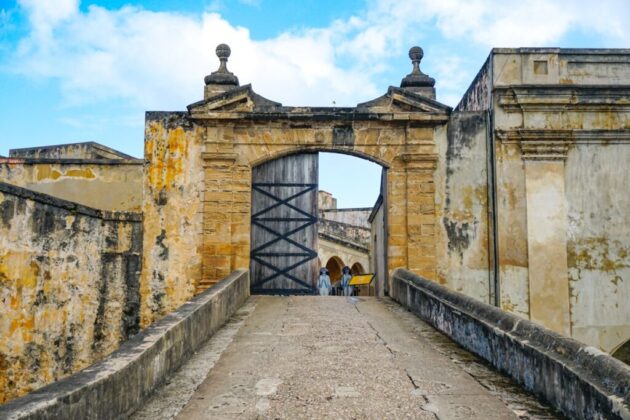
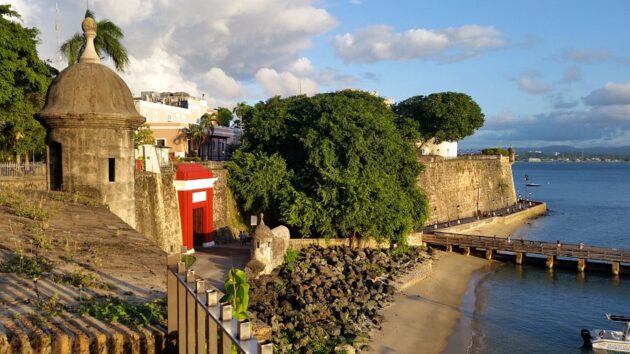
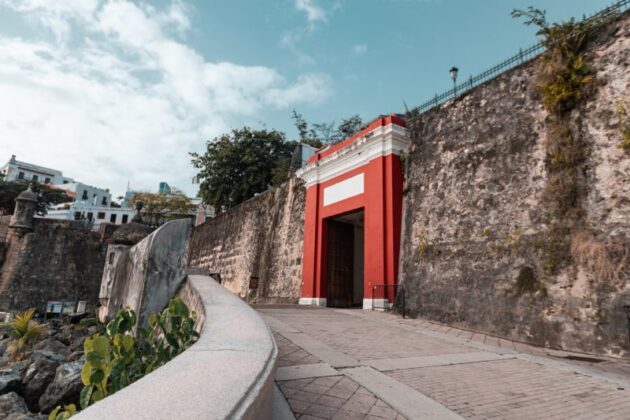
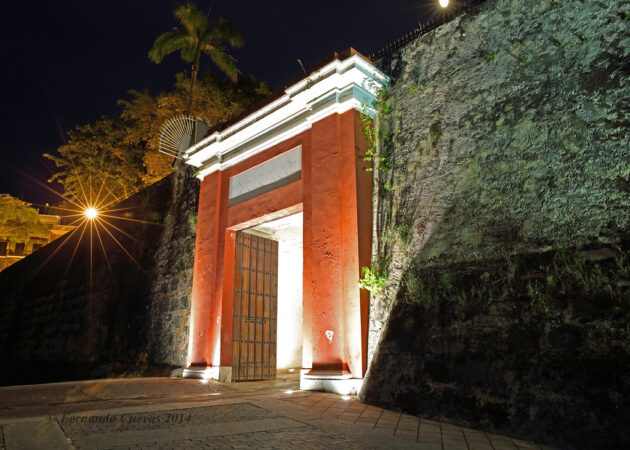
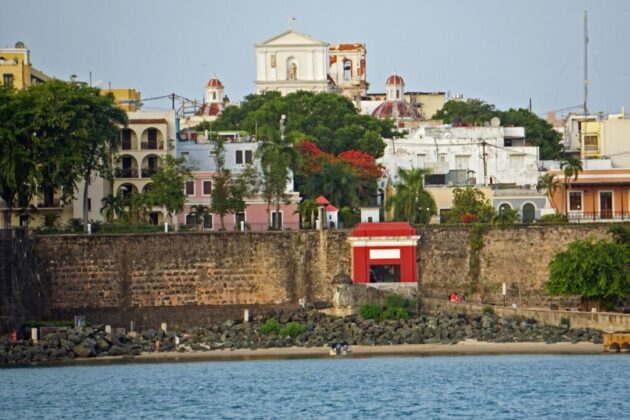
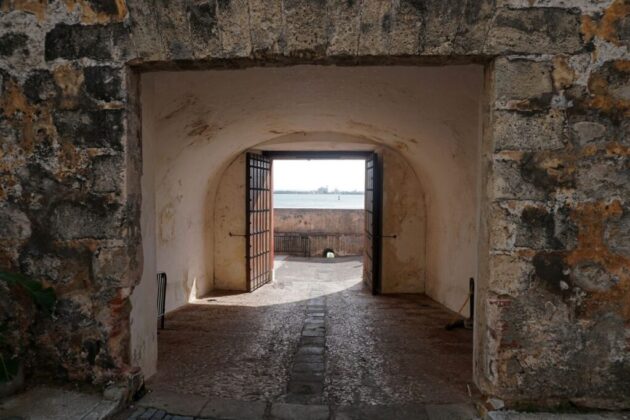
The Puerta de San Juan, built in 1635, was once the main gateway into the fortified city of San Juan during the Spanish colonial era. Standing 16 feet tall with walls 20 feet thick, it was designed to protect the city from invaders. Of the five original gates that controlled access to Old San Juan, this is the only one still standing today, making it a precious piece of history.
Museo de Arte de Puerto Rico
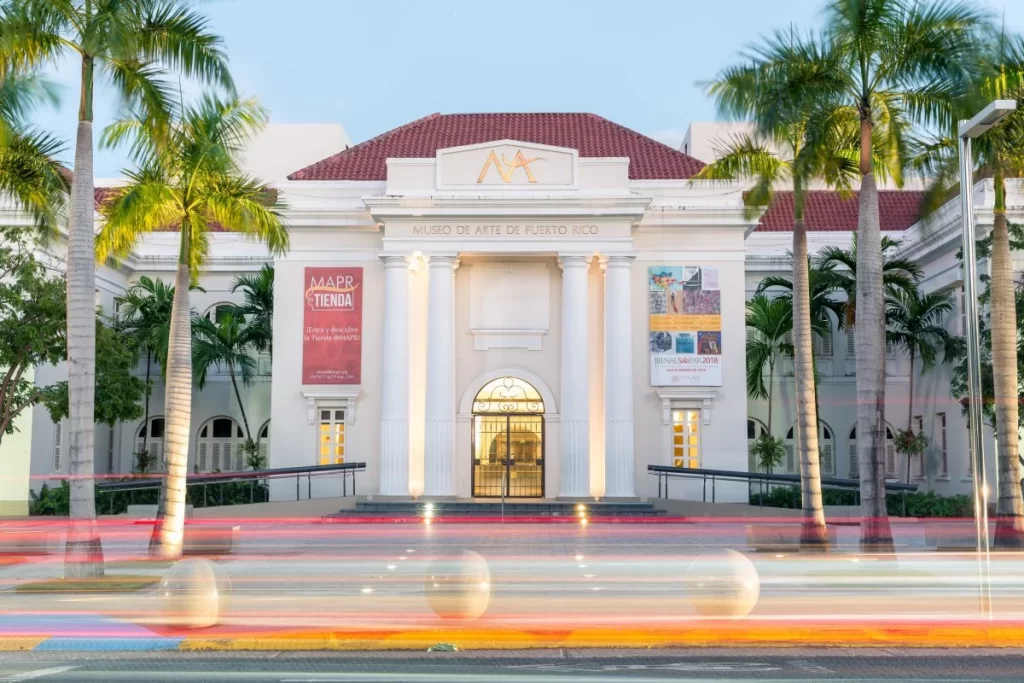
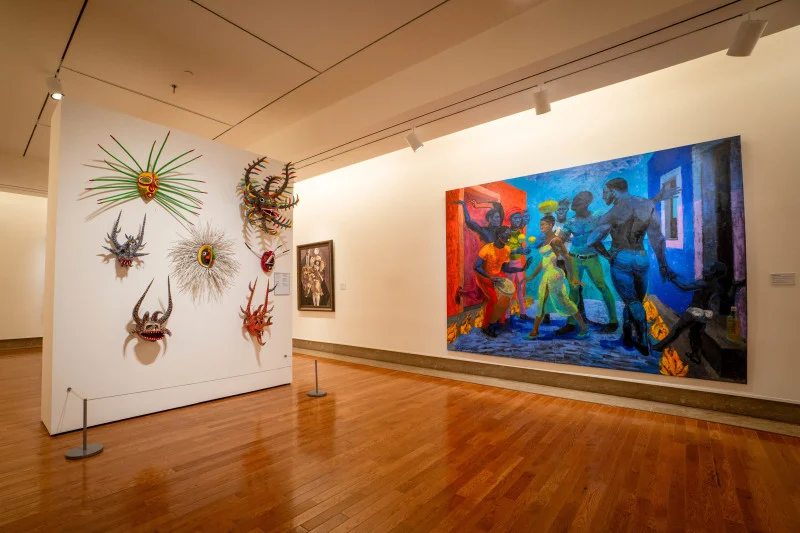
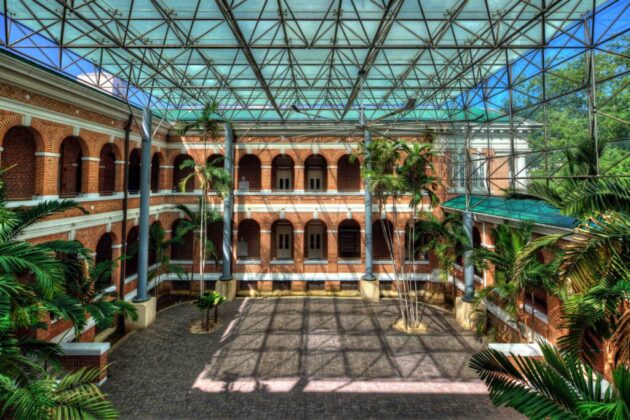
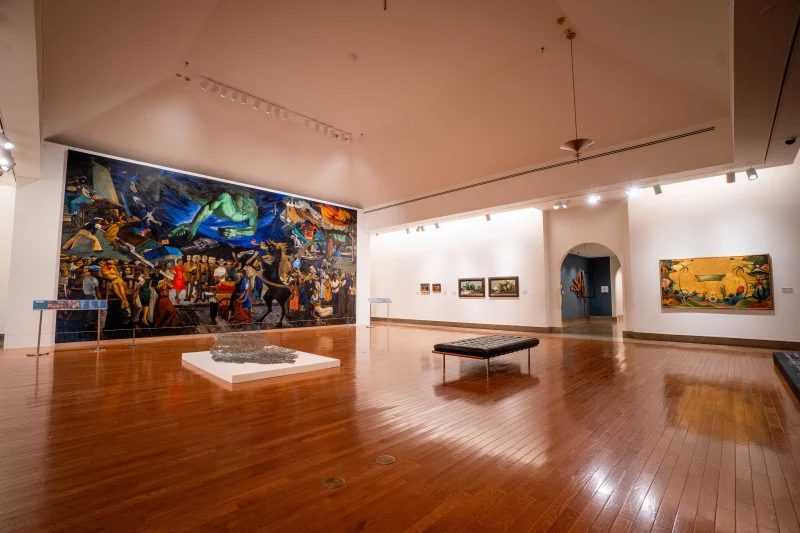
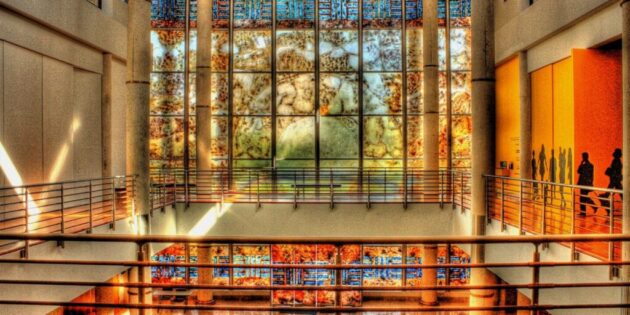
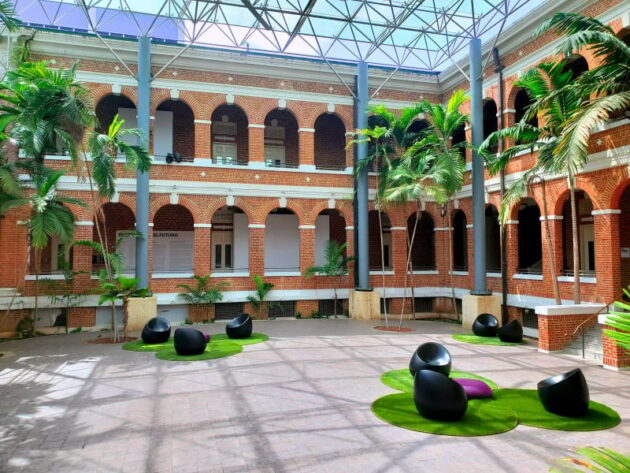
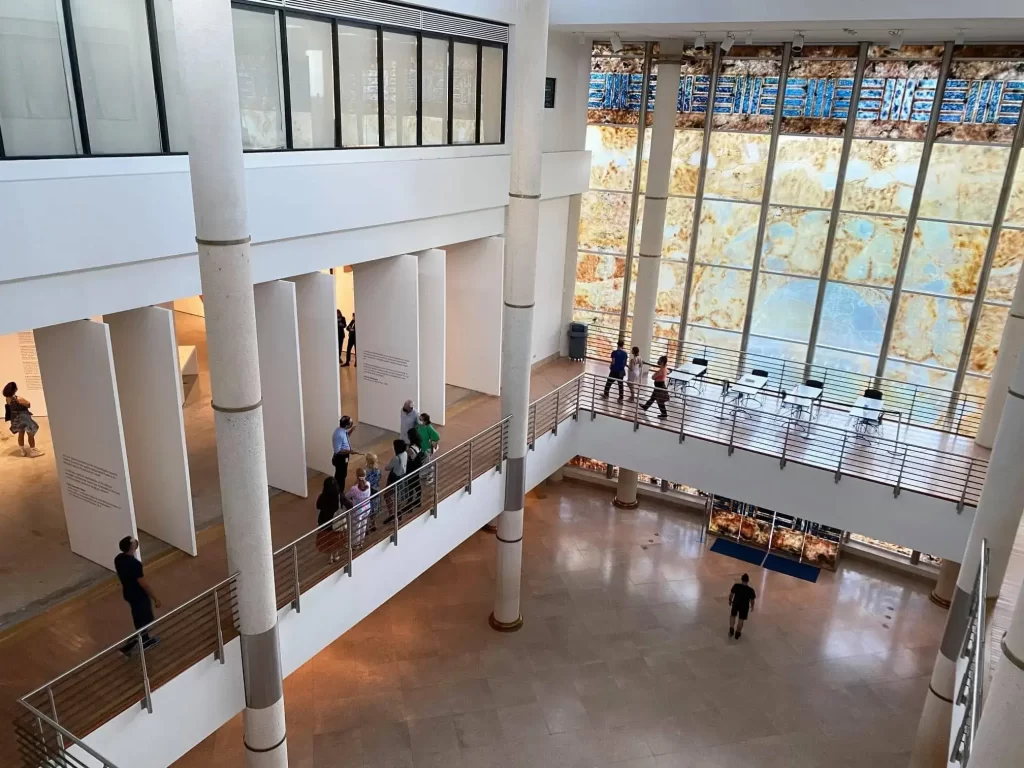
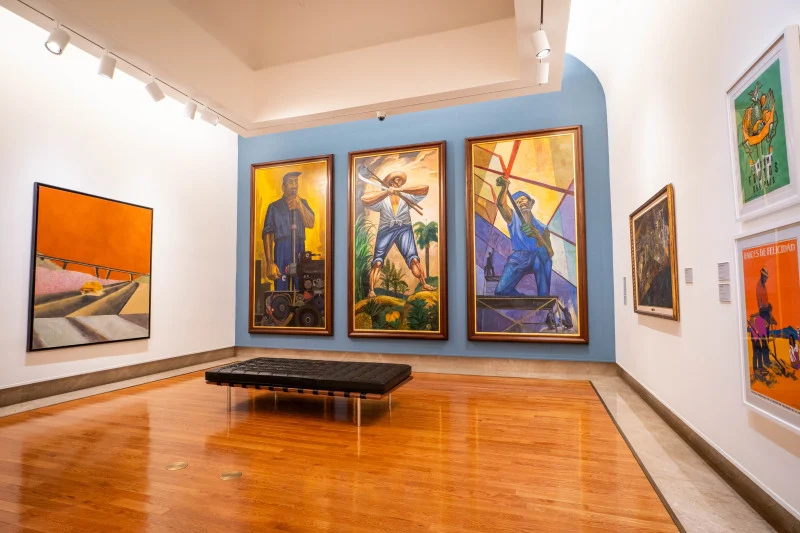
The Museo de Arte de Puerto Rico, inaugurated on July 1, 2000, is one of the Caribbean’s largest art museums, spanning 130,000 square feet. Housed in a beautifully restored neoclassical building—originally the San Juan Municipal Hospital—it features 24 exhibition galleries showcasing artwork from the 17th century to the present day. The museum’s mission is to promote the appreciation of visual arts from Puerto Rico and beyond, making it a cultural gem in the heart of San Juan.
Plaza de Armas
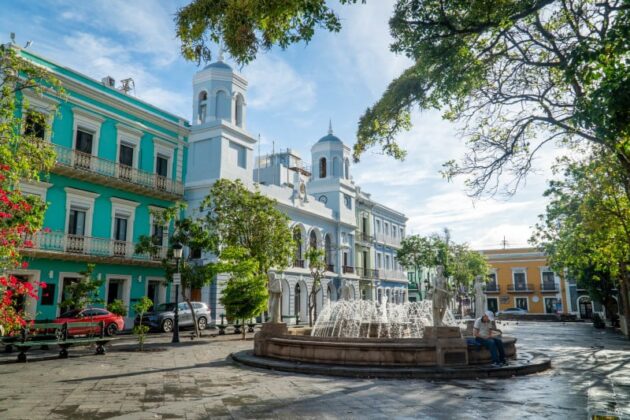
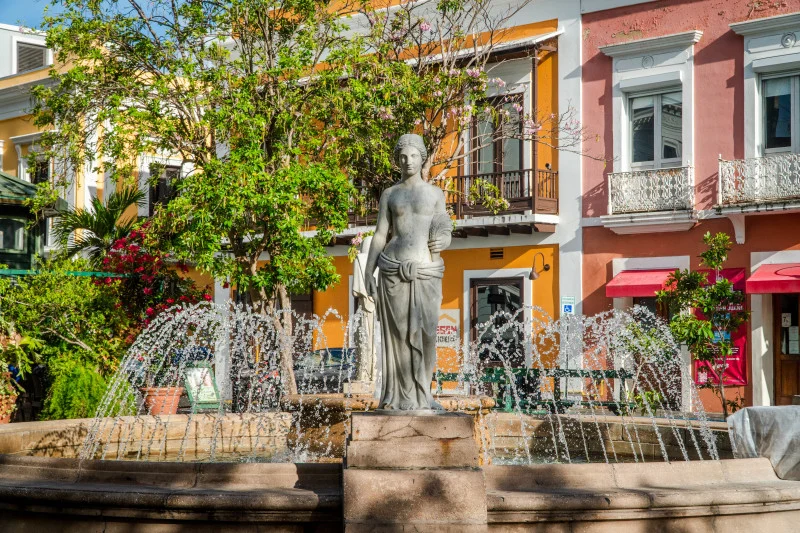
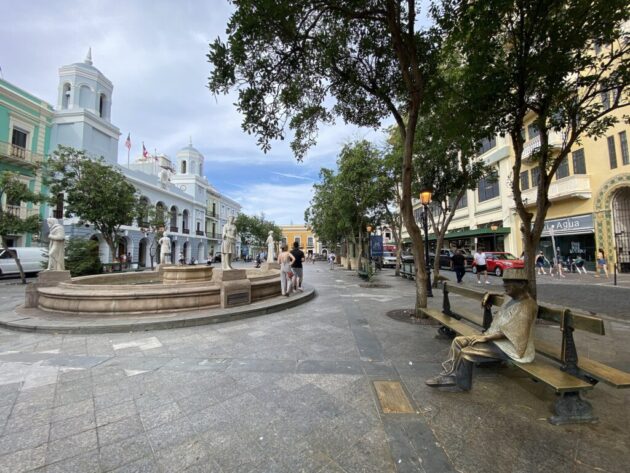
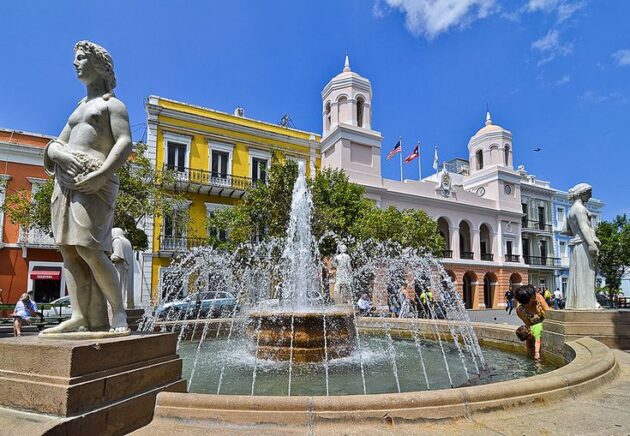
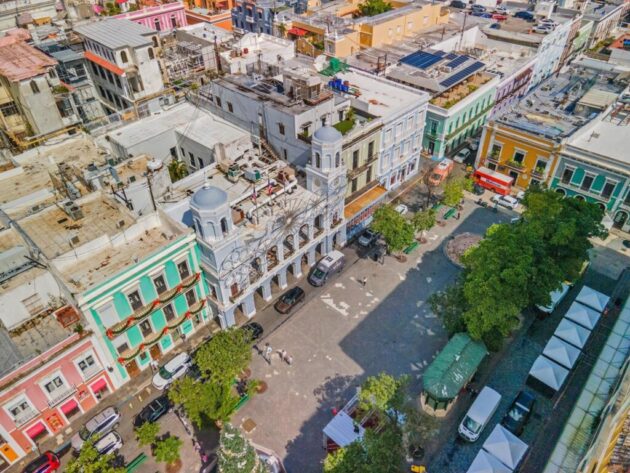
Plaza de Armas, established in 1521 by Spanish settlers, was originally designed as the main square of San Juan and served as a site for military drills—hence its name, which translates to “Armory Square.” Over the centuries, it has evolved into a lively gathering place for locals and tourists alike. Surrounded by colonial architecture, the plaza features a central fountain, statues, and significant government buildings, making it a focal point of Old San Juan’s rich heritage.
La Fortaleza
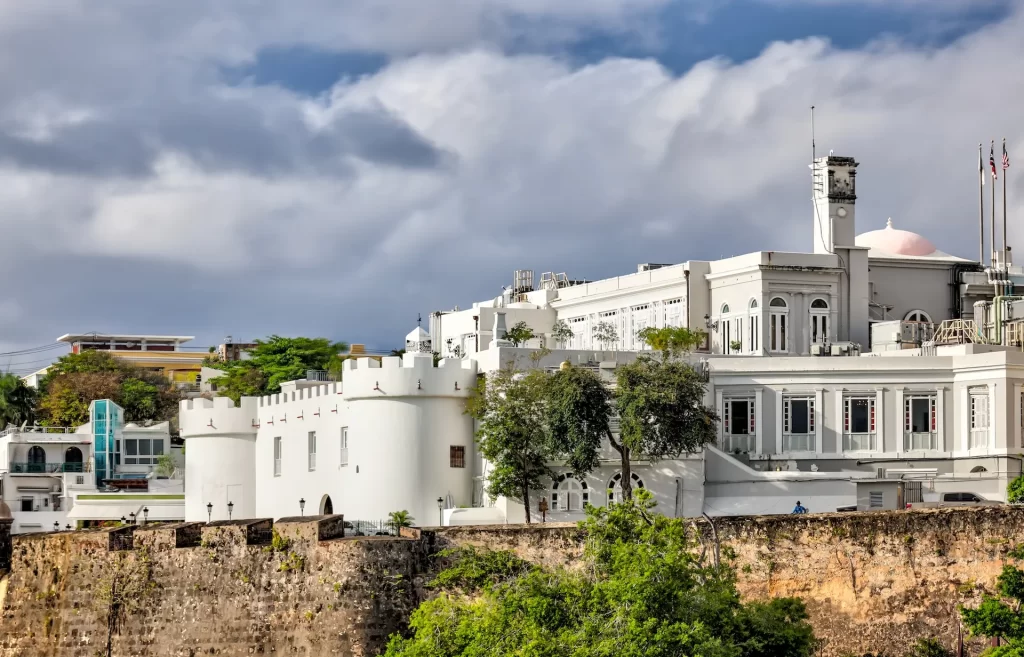
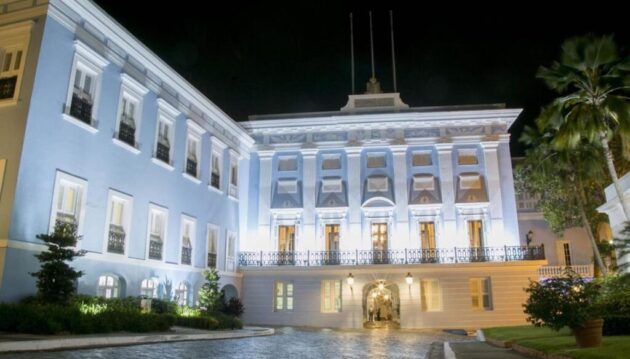
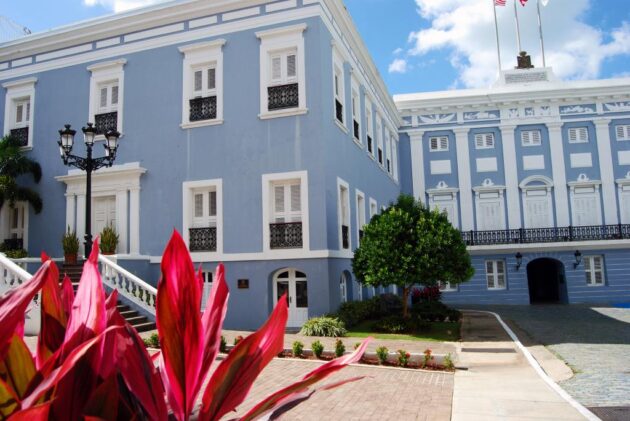
Built between 1533 and 1540, La Fortaleza is the oldest governor’s mansion in continuous use in the Western Hemisphere. Originally constructed as a fortress to defend San Juan from invaders, it evolved over centuries into a palatial residence. Its pastel blue exterior, colonial design, and strategic location overlooking San Juan Bay make it a must-see for history buffs and casual travelers alike.
Paseo de la Princesa (Princess Pathway)
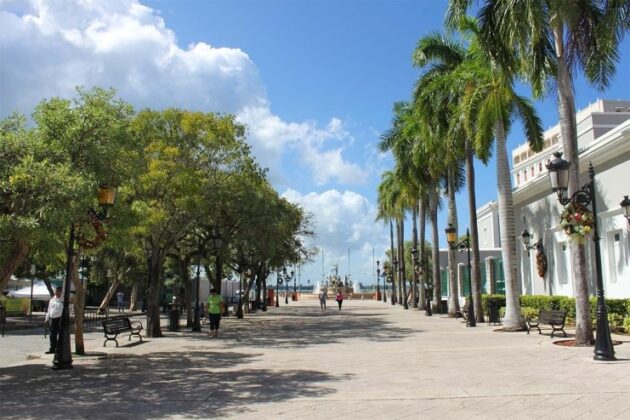
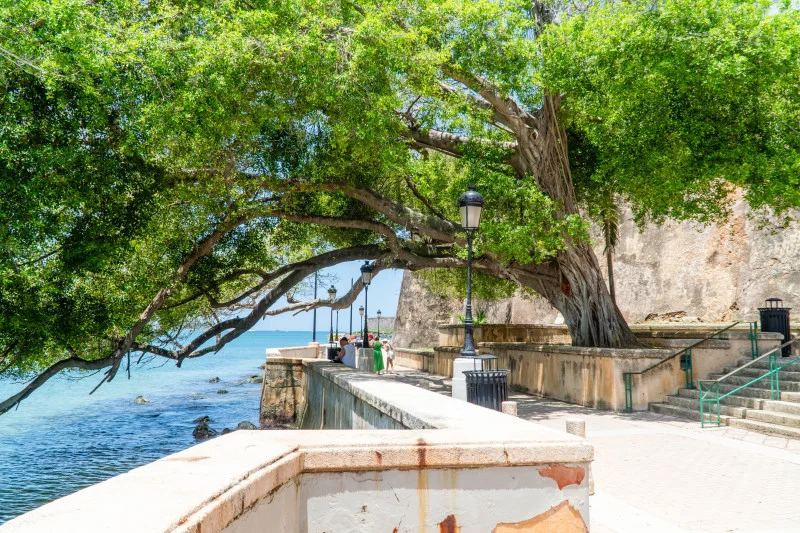
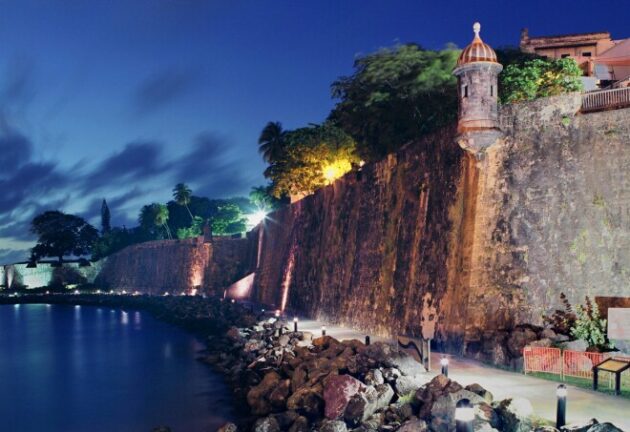
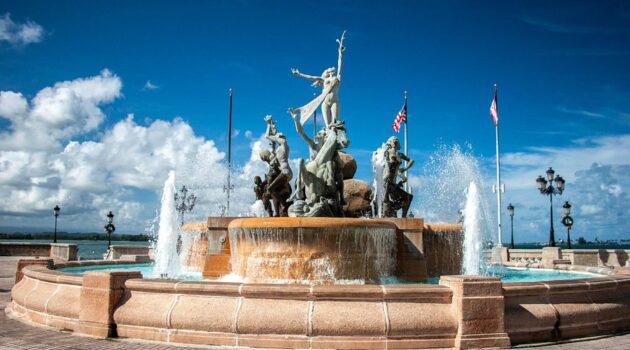
Paseo de la Princesa, often referred to as the “Princess Pathway,” is one of the most scenic and beloved promenades in Old San Juan, Puerto Rico. This historic walkway, built in 1853, offers a perfect blend of natural beauty, cultural charm, and historical significance, making it a must-visit spot for any traveler exploring the vibrant capital city.
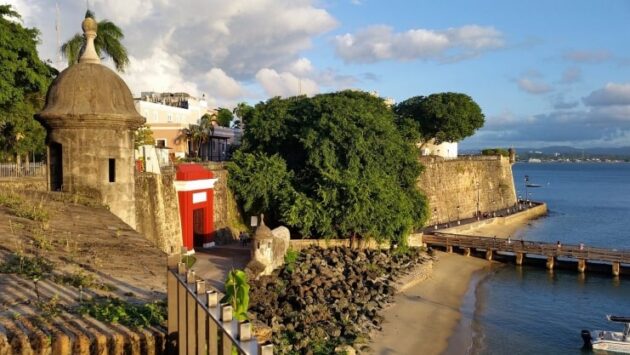
Parque de las Palomas
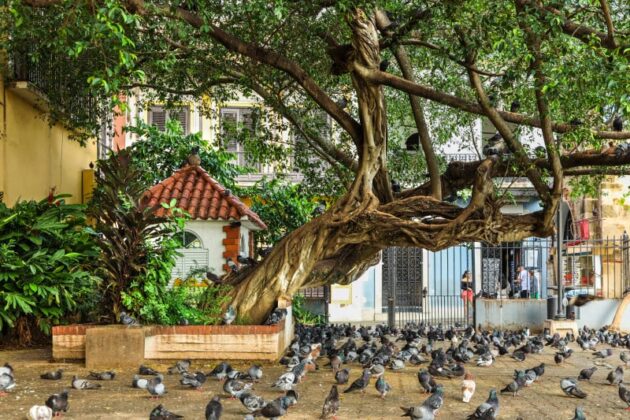
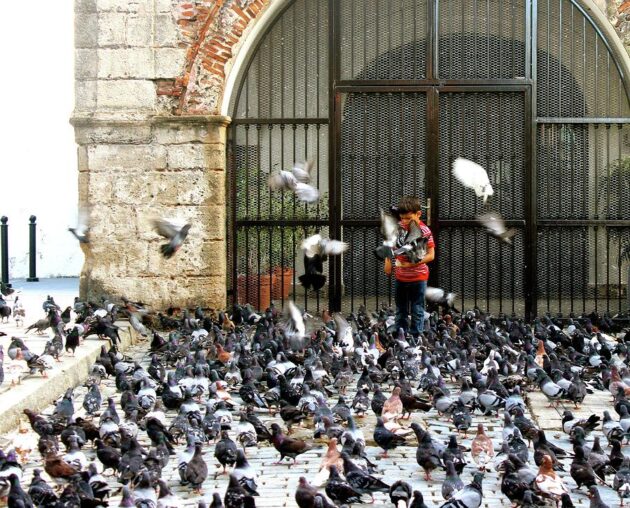
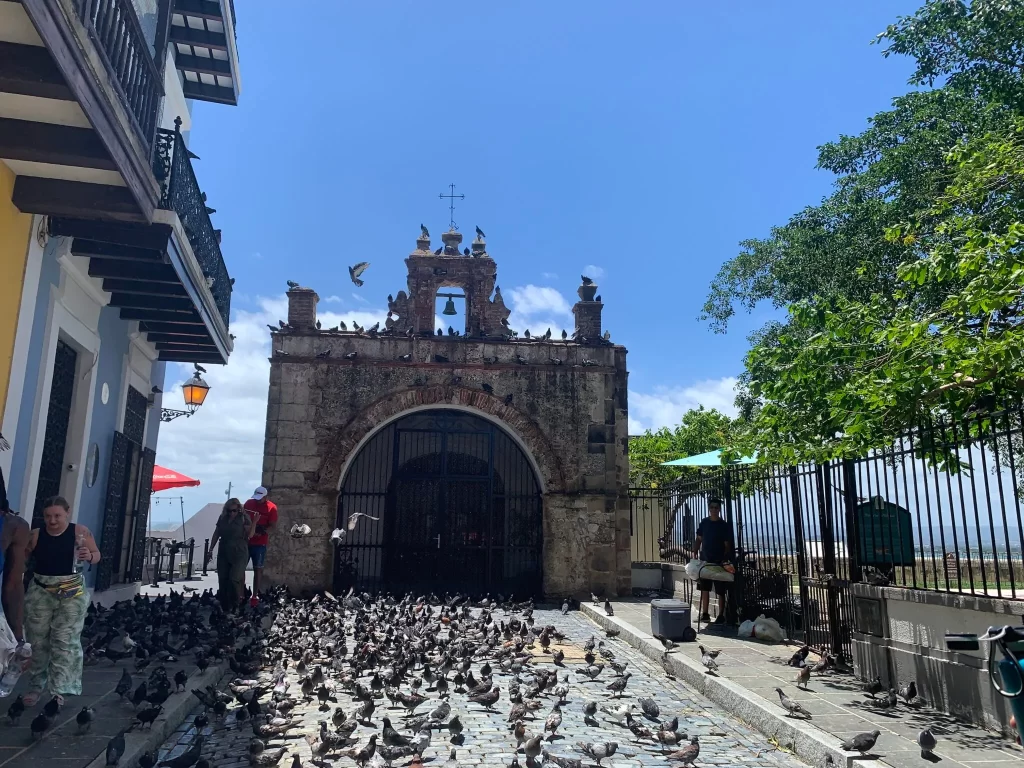
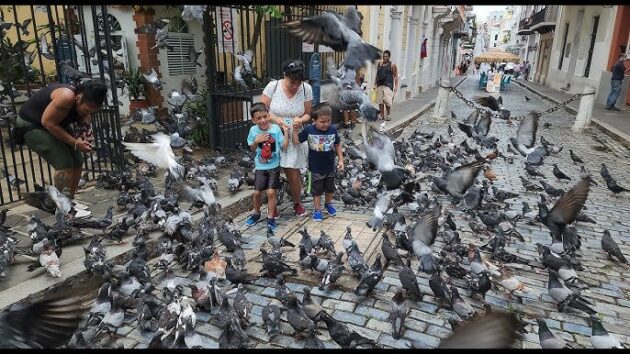
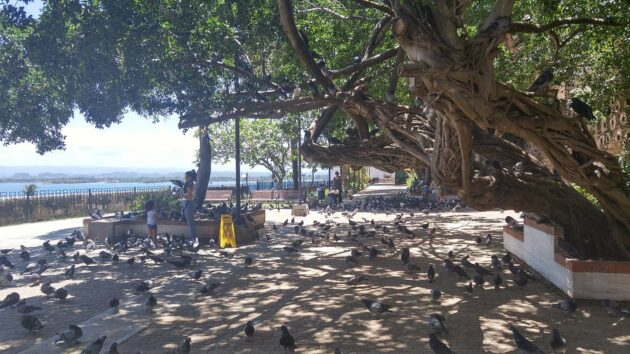
Parque de las Palomas is located at the southern end of Calle del Cristo, right next to the historic Capilla del Cristo. Perched atop the old city wall, the park is famous for its large population of friendly pigeons, which have made it their home for centuries. Beyond the birds, the park offers breathtaking views of San Juan Bay, making it a perfect stop during your exploration of Old San Juan’s cobblestone streets and colonial architecture.
Walkway of the Presidents
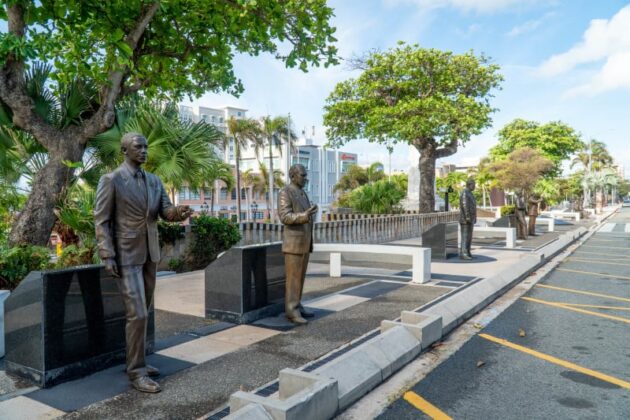
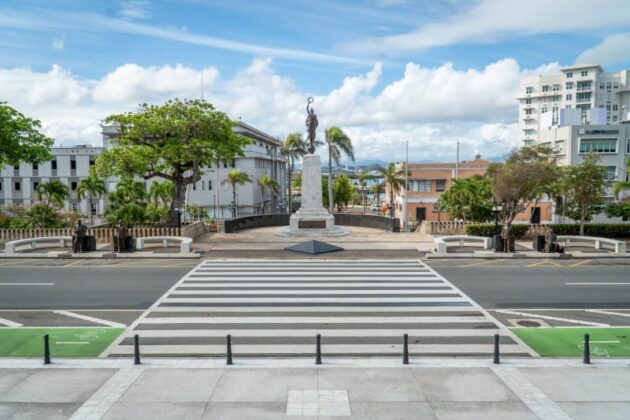
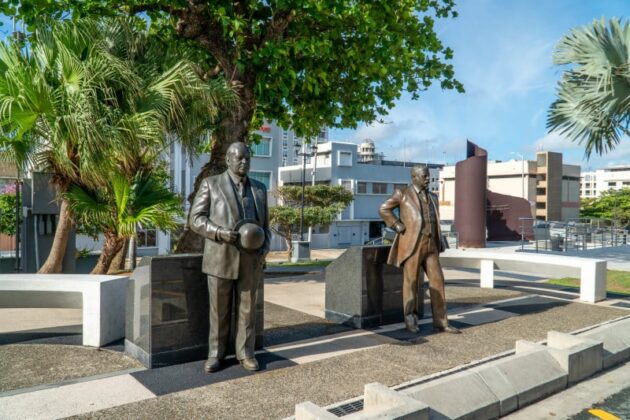
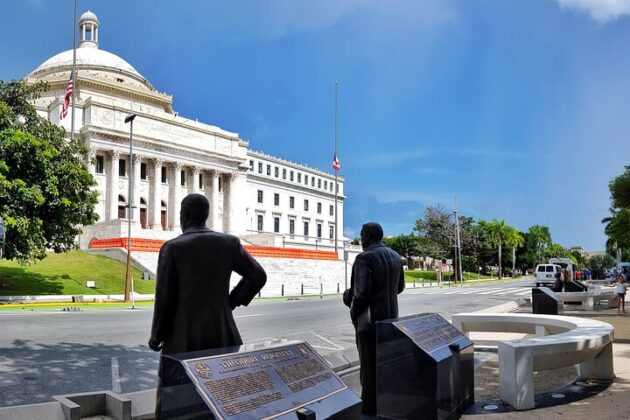
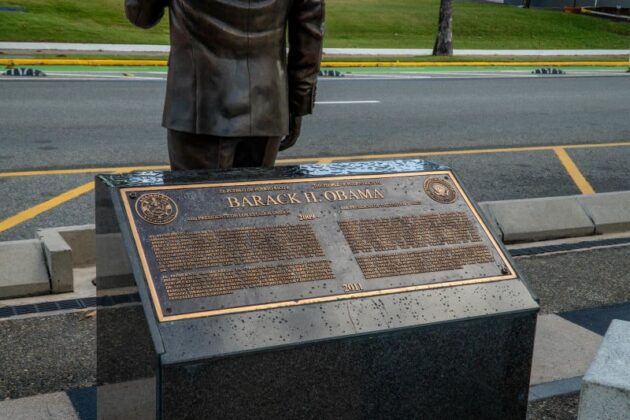
The Walkway of the Presidents honors nine U.S. presidents who made official visits to Puerto Rico since it became a U.S. territory after the Spanish-American War in 1898. The current lineup includes Theodore Roosevelt, Herbert Hoover, Franklin D. Roosevelt, Harry S. Truman, Dwight D. Eisenhower, John F. Kennedy, Lyndon B. Johnson, Gerald Ford, and Barack Obama. Each statue is accompanied by a plaque detailing the context and significance of their visit, offering a glimpse into the political and cultural ties between Puerto Rico and the U.S. While more recent presidents like Donald Trump and Joe Biden have also visited, their statues have yet to be added as of April 2025, though plans may be in progress.
I Love PR Sign
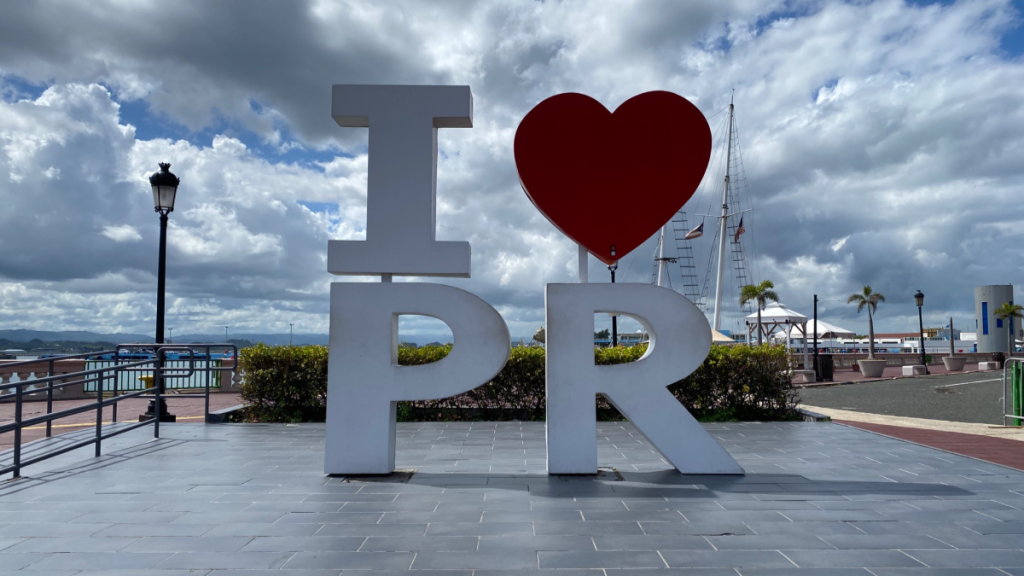
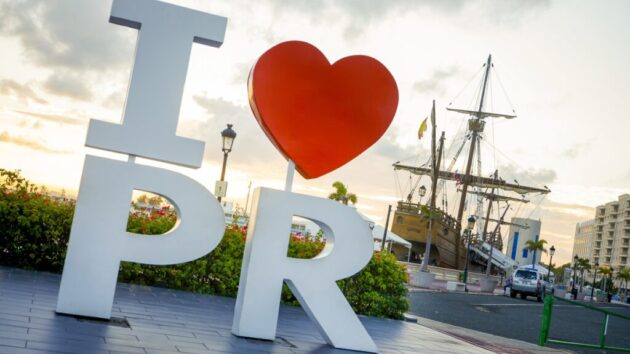
The “I Love PR Sign” is one of the most iconic landmarks in San Juan, Puerto Rico, and a must-visit spot for travelers looking to capture the spirit of the island. Located near the cruise port in Old San Juan, this vibrant sign is a colorful declaration of Puerto Rican pride and a perfect backdrop for memorable photos.
Plaza Colón
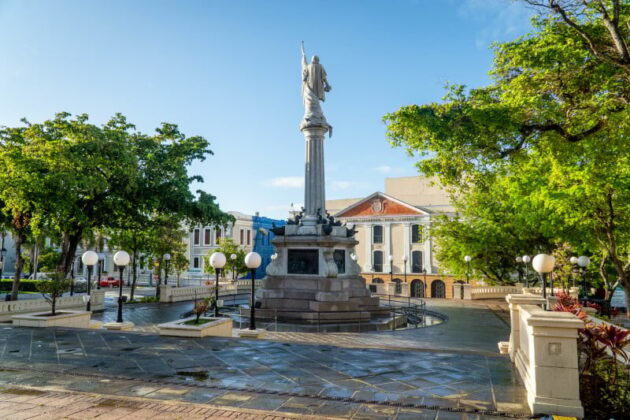
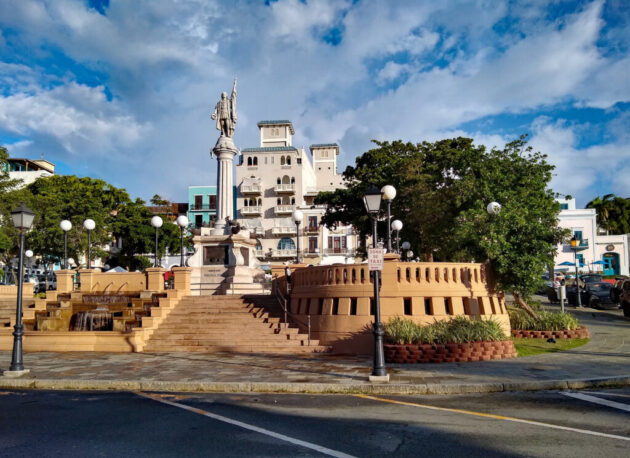
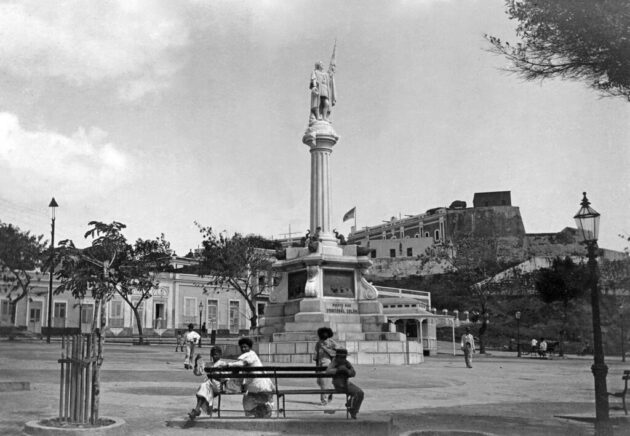
Plaza Colón, located in the heart of Old San Juan, Puerto Rico, is a historic and vibrant public square that serves as an ideal starting point for exploring the city’s rich culture and colonial charm. Named after Christopher Columbus (Cristóbal Colón in Spanish), this plaza is not only a picturesque landmark but also a lively hub surrounded by cafes, shops, and significant historical sites.
Where to Eat
San Juan’s culinary scene blends Taíno, Spanish, African, and Caribbean influences:
La Casita Blanca (Santurce): Homestyle Puerto Rican dishes like mofongo and lechón. ~$15–20/entree. Vianda (Santurce): Farm-to-table dining with a James Beard-nominated chef. ~$30–50/entree. Marmalade (Old San Juan): Upscale dining with multi-course meals. ~$100–200 for fine dining. Princesa Cocina Cultura (Old San Juan): Caribbean-inspired dishes like swordfish and coconut flan. Peko Peko (Santurce): Authentic Japanese ramen. ~$12–18. Vía Láctea (Santurce): Vegan ice cream with unique flavors like guava panetela.
Street Food: Try piraguas (shaved ice) or empanadillas at Mercado Agrícola Natural (Saturdays, 8 AM–noon). Tip: Bring small bills ($1–5) for street vendors, as some don’t accept cards. Tipping follows U.S. standards (15–20%).
Where to Stay
Old San Juan: Hotel El Convento: A historic luxury hotel, part of the “Historic Hotels of America.” ~$200–350/night. Sheraton Old San Juan: Central location, ideal for walking tours. ~$150–250/night.
Condado: Condado Vanderbilt Hotel: A luxurious oceanfront resort with fine dining. ~$300–500/night. La Concha Renaissance Resort: Beachfront with vibrant nightlife. ~$200–350/night.
Isla Verde: Intercontinental Hotel: Steps from the beach with a spa. ~$250–400/night. Ocean Park: Guest Houses: Budget-friendly options with beach access. ~$80–150/night.
Budget: Hostels like Outsite (co-living for digital nomads) start at ~$50–100/night. Tip: Book early for peak season (December–April) via Booking.com or Ctrip.
Tips for a Great Visit
Safety: San Juan is generally safe, with a strong police presence in tourist areas. Avoid dark, empty streets in Santurce or La Perla at night. Currency: U.S. dollars are used, and credit cards are widely accepted, but carry small bills for vendors.
Language: Spanish and English are official languages, but Spanish is more common outside tourist areas. Learn basic phrases like “buen provecho” (enjoy your meal). Packing: Bring sunscreen, mosquito repellent, a hat, and comfortable shoes for cobblestone streets. Pack light, tropical clothing.
Etiquette: Embrace “island time”—businesses may open late. Tip generously (15–20%) and greet locals warmly. Sustainability: Use eco-friendly sunscreen to protect marine life, especially for bioluminescent bay tours.
Final Thoughts
San Juan is a Caribbean gem where history, culture, and natural beauty collide. Wander the colorful streets of Old San Juan, savor mofongo at a local eatery, dance to salsa under the stars, or kayak through glowing waters in nearby Mosquito Bay. With its accessibility, vibrant energy, and diverse attractions, San Juan offers an unforgettable escape. Plan your trip around the shoulder seasons for fewer crowds, immerse yourself in the Boricua spirit, and let San Juan’s charm captivate you.
Happy travels!