A Travel Guide to Congaree National Park
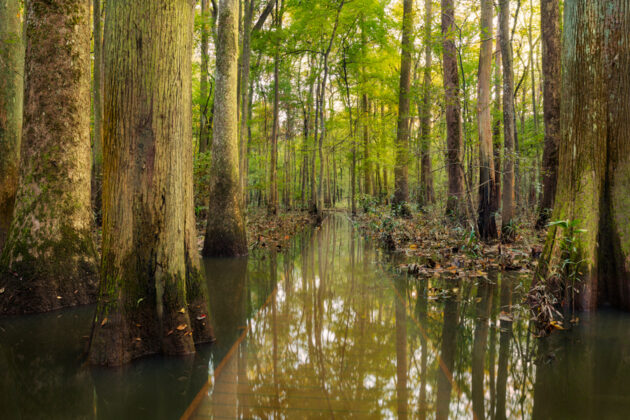
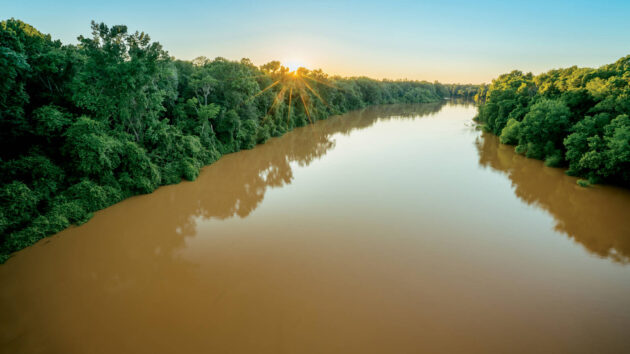
Congaree National Park, located in central South Carolina, is a hidden gem preserving the largest intact expanse of old-growth bottomland hardwood forest in the southeastern United States. Spanning 26,692 acres, this lush floodplain forest, nourished by the Congaree and Wateree Rivers, boasts towering trees, rich biodiversity, and a serene wilderness. Designated a national park in 2003 and a UNESCO Biosphere Reserve, Congaree offers hiking, paddling, and unique natural spectacles like synchronous fireflies. This guide will help you plan an unforgettable visit to this enchanting destination.
Why Visit Congaree National Park?
Congaree National Park is a haven for nature lovers, offering a rare glimpse into a primeval forest with some of the tallest temperate deciduous trees in the world, including champion loblolly pines and bald cypresses. Its diverse ecosystem supports wildlife like river otters, deer, bobcats, and over 200 bird species, making it a Globally Important Bird Area. The park’s tranquil trails, scenic waterways, and annual firefly displays provide a unique blend of adventure and tranquility. Its proximity to Columbia, South Carolina’s capital, makes it an accessible escape from urban life.
How to Get There
Congaree National Park is located 18 miles southeast of Columbia, South Carolina, and is easily reachable by car. Public transportation options are limited, so driving is recommended.
By Car: From Columbia: Take I-77 to Exit 5, then follow SC Hwy 48 East (Bluff Road) for 8 miles. Turn onto Old Bluff Road for 4.5 miles to the park entrance at 100 National Park Road, Hopkins, SC 29061. The Harry Hampton Visitor Center is 1 mile from the entrance. The drive takes about 30–40 minutes. From Charleston, SC: Approximately 2 hours via I-26 W and SC-48. From Charlotte, NC: About 2 hours via I-77 S. Parking: Free lots are available at the Visitor Center, with limited spaces for oversized vehicles.
By Public Transport: The COMET bus from Columbia (Assembly & Gervais South to Congaree Bluff South) takes about 1 hour 18 minutes and costs $16–20, but service is limited to 5 times a week. A car is still needed to reach the park entrance from the bus stop. Nearest airport: Columbia Metropolitan Airport (CAE), 30 minutes away, with flights from major U.S. cities like Atlanta, Charlotte, and Chicago.
By Canoe/Kayak: Experienced paddlers can access the park via the 50-mile Congaree River Blue Trail, starting in Columbia and ending in the park. Rentals are available through outfitters like Palmetto Outdoors.
Tip: Use the park’s physical address (100 National Park Road, Hopkins, SC 29061) for GPS navigation, as some systems may struggle to locate the entrance.
Best Time to Visit
Spring (March–May): Ideal for mild temperatures (60–80°F/18–27°C), blooming wildflowers, and the famous Synchronous Firefly Festival (mid-May to mid-June). Firefly viewing requires a lottery-based vehicle pass due to high demand. Fall (September–November): Comfortable weather (50–75°F/10–24°C) and vibrant foliage make this a great time for hiking and photography.
Summer (June–August): Hot and humid (80–95°F/27–35°C) with frequent mosquitoes. Early morning visits and bug spray are essential. Winter (December–February): Cooler (40–60°F/4–16°C) and less crowded, with fewer insects, but some trails may be muddy due to flooding.
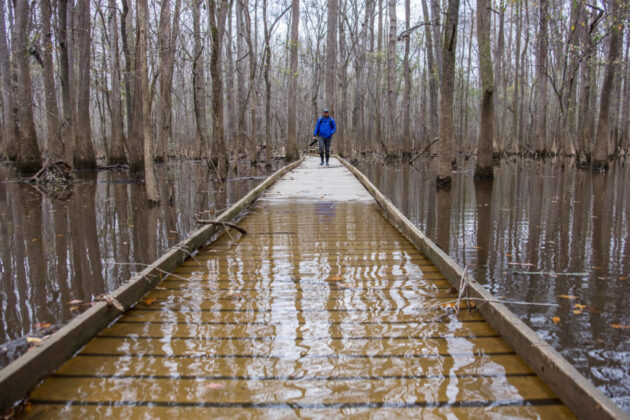
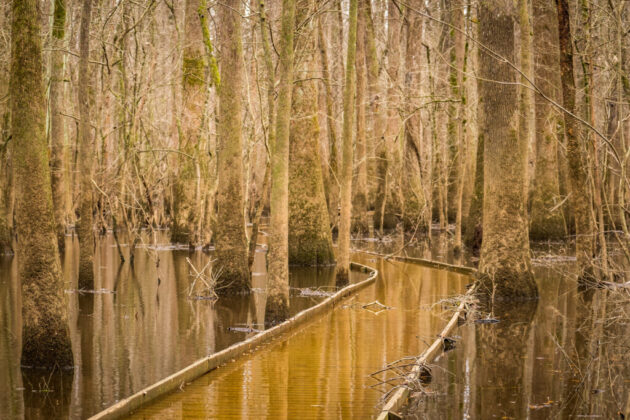
Note: The park floods about 10 times a year, mostly in winter, covering up to 80% of the area. Check water levels and trail conditions at the Visitor Center or online before visiting.
Tickets and Opening Hours
Entrance Fee: Free for all visitors. Camping Fees: Longleaf and Bluff Campgrounds: $10–20 per night, reservable via Recreation.gov. Backcountry Camping: Free with a permit (apply 72 hours in advance via the park website).
Opening Hours: Park: Open 24/7, year-round. Harry Hampton Visitor Center: 9:00 AM–5:00 PM daily, closed on federal holidays.
Guided Tours: Free ranger-led programs (e.g., canoe tours, night hikes, owl prowls) are offered, primarily on Saturdays. Check the park calendar or call (803) 776-4396 for schedules.
Construction Alert: From January 2025 to summer 2026, sections of the Boardwalk Loop Trail (B, C, D, F) will be closed for replacement. Detours will be in place, so check current conditions at the Visitor Center.
What to See and Do
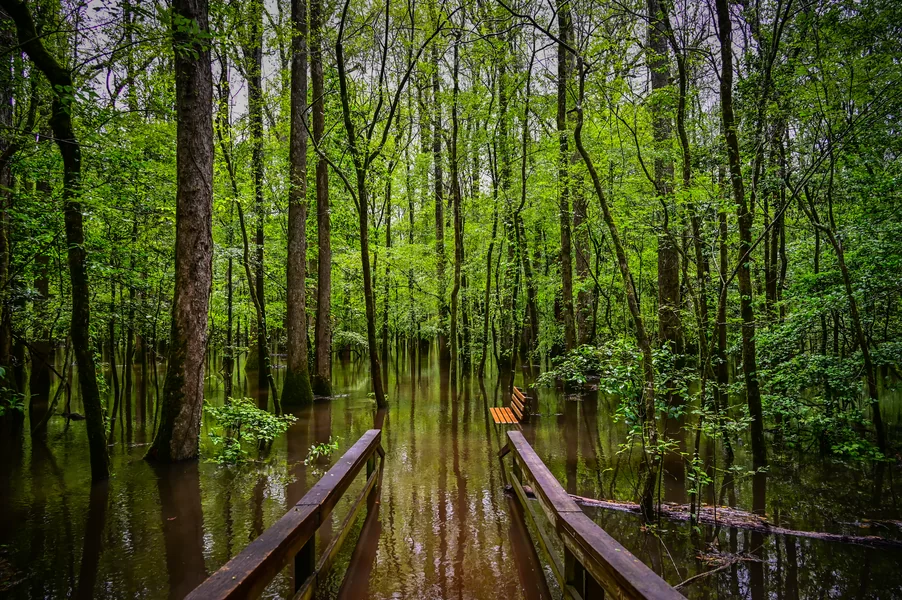
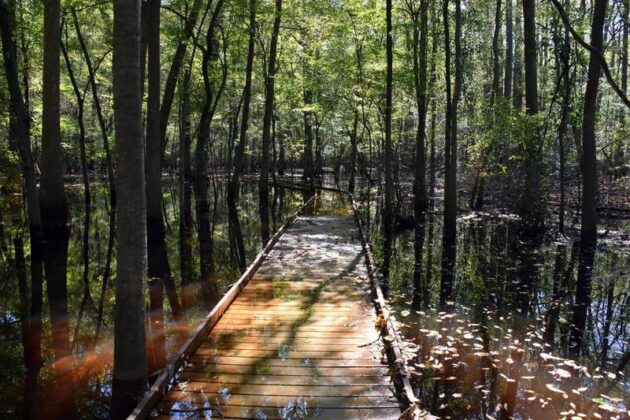
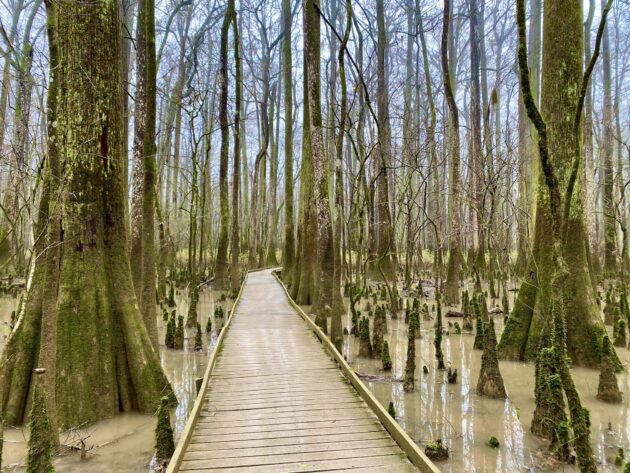
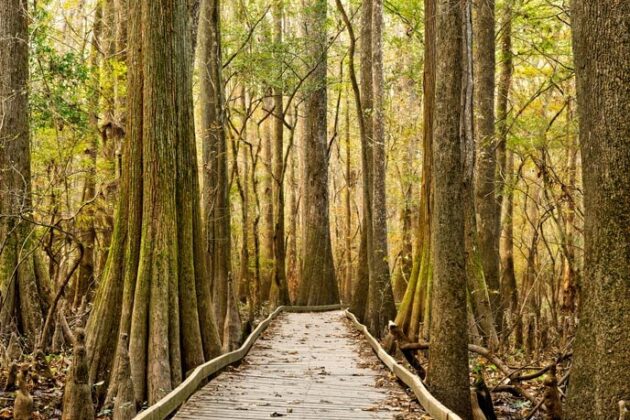
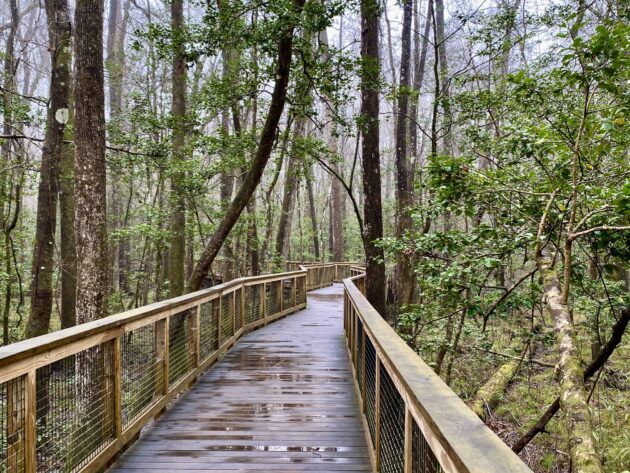
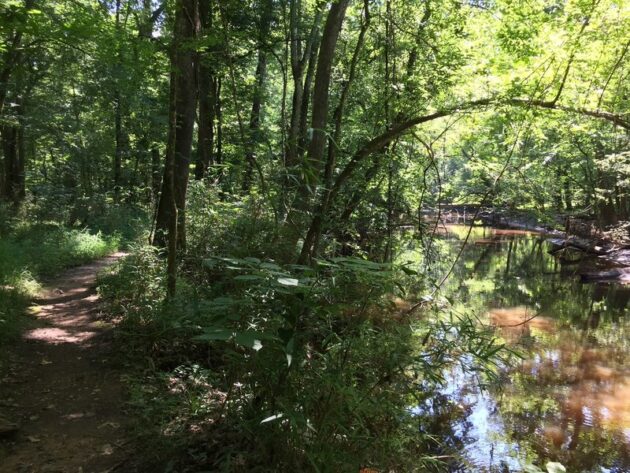
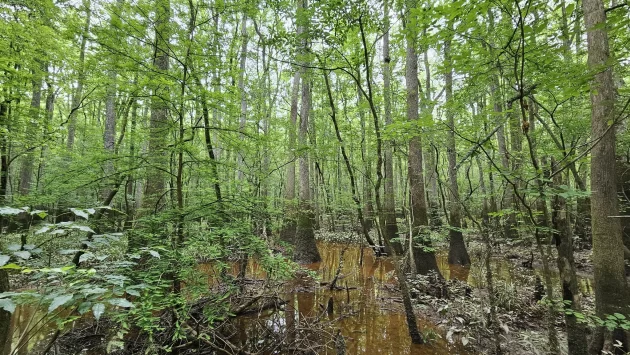
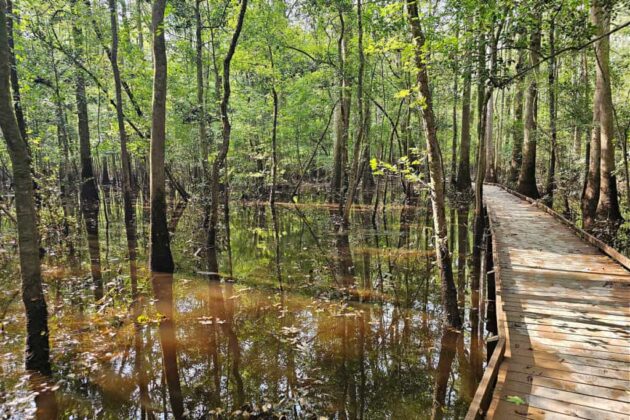
Hiking: Boardwalk Loop Trail (2.4 miles/3.9 km): The Boardwalk Loop Trail in Congaree National Park, United States, is a 2.4 to 2.6-mile elevated boardwalk that offers an accessible and immersive introduction to the park’s old-growth bottomland hardwood forest. This easy, family-friendly trail winds through towering bald cypress, water tupelo, and loblolly pine trees, featuring unique ecosystems like muck swamps and Weston Lake, where visitors might spot turtles, gar, and diverse bird species.
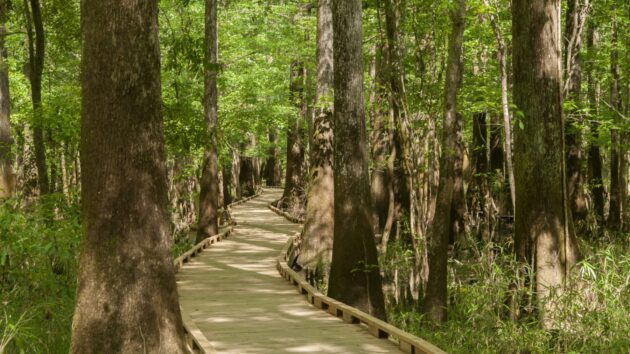
Weston Lake Loop Trail (4.6 miles/7.4 km): The Weston Lake Loop Trail in Congaree National Park, South Carolina, is a scenic 4.4-mile (round trip) moderate hike that showcases old-growth bottomland hardwood forests, towering bald cypress and tupelo trees, and diverse wildlife such as otters, deer, and various bird species. The trail follows Cedar Creek and passes by Weston Lake Slough, offering views of cypress knees and wetland ecosystems. Hikers should be prepared for muddy conditions, potential flooding, and abundant mosquitoes, especially in summer.
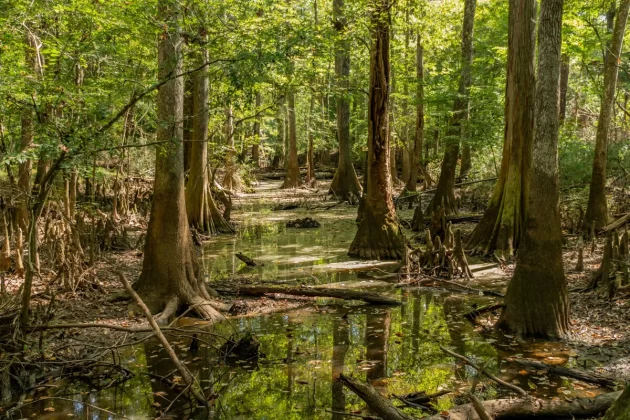
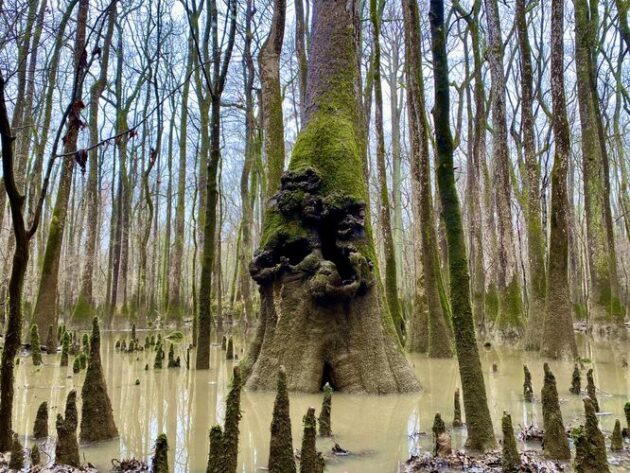
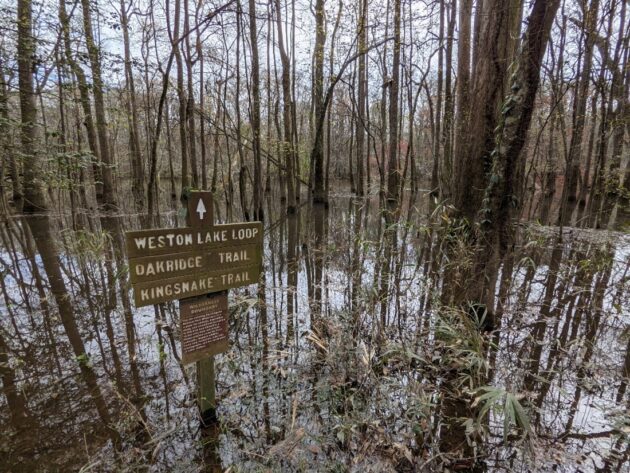
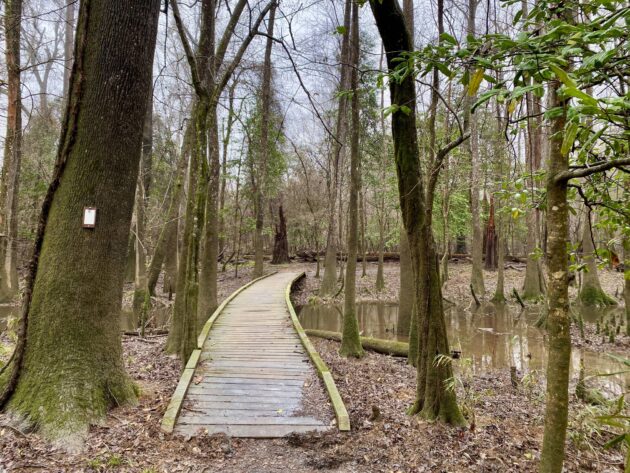
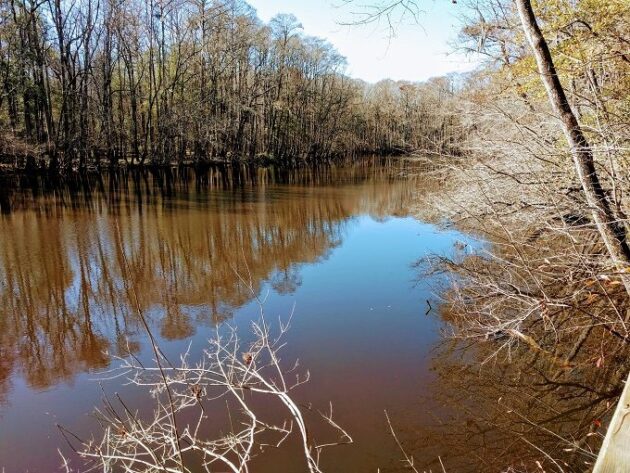
Oakridge Trail (7.5 miles/12 km): The Oakridge Trail in Congaree National Park, South Carolina, is a scenic hiking route that traverses an old-growth bottomland hardwood forest, featuring towering trees such as bald cypress, water tupelo, and champion oaks, some reaching heights comparable to a 16-story building. Rated as “Difficult” by the National Park Service due to navigation challenges like fallen trees and occasional flooding, the 6.6-mile loop (or 3.5-mile one-way, depending on the route) offers a wilderness experience with abundant wildlife, including deer, otters, and various bird species.
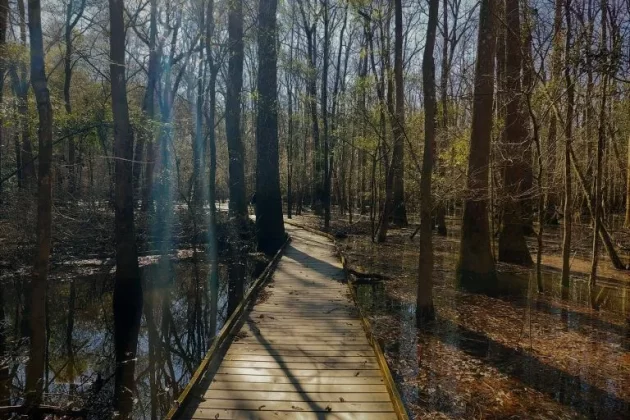
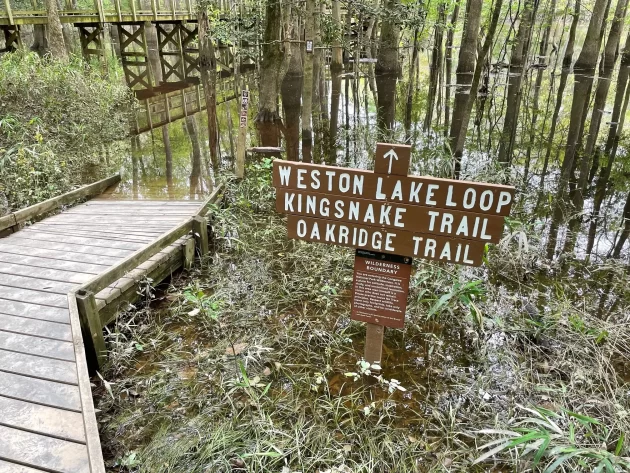
Kingsnake Trail (11.1 miles/17.8 km): The Kingsnake Trail in Congaree National Park, South Carolina, is a remote 11.7-mile (round trip) hiking path known for its diverse wildlife, old-growth forests, and proximity to Cedar Creek. This out-and-back trail features towering trees like cherrybark oak and bald cypress, scenic sloughs, and remnants of historic logging roads. Though rated “difficult” due to potential navigation challenges from fallen trees and flooding, it offers a peaceful hike with opportunities to spot wood ducks, barred owls, and other wildlife.
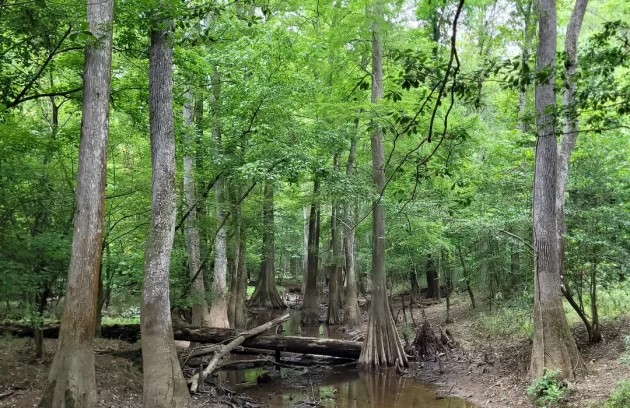
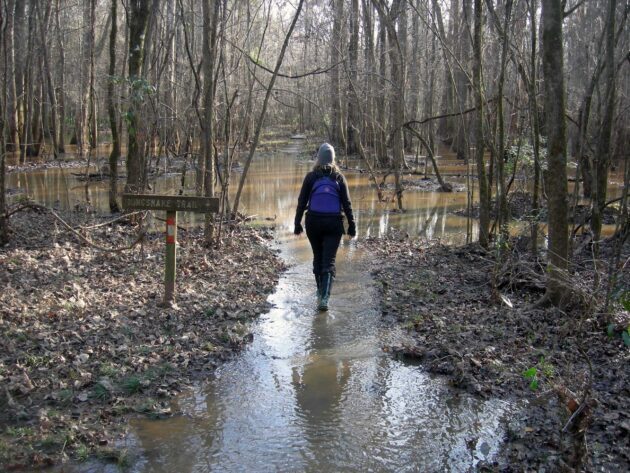
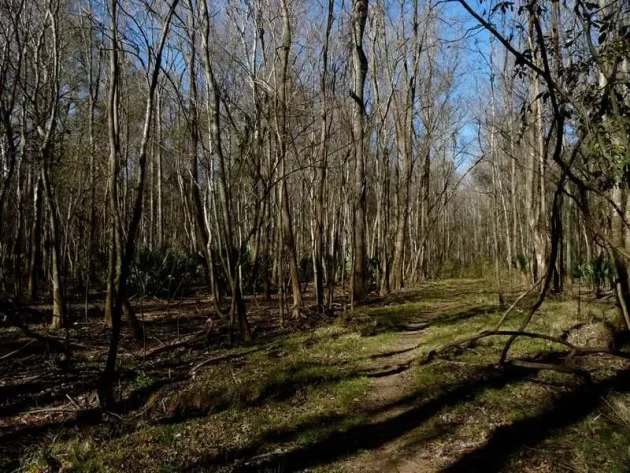
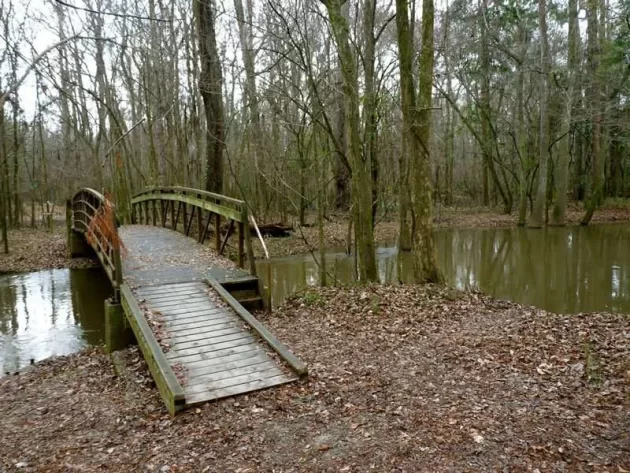
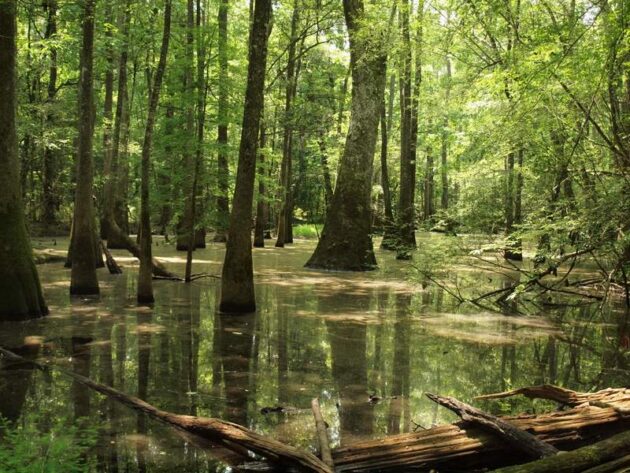
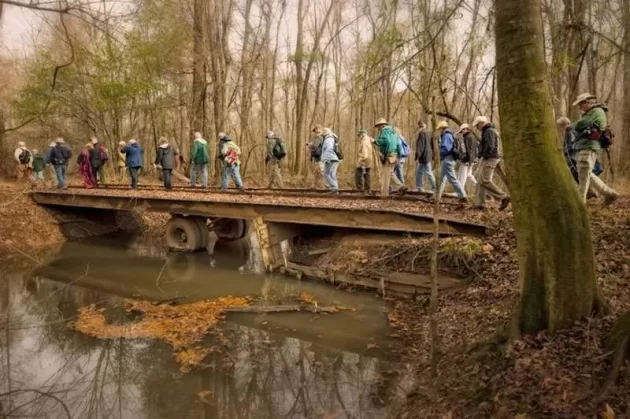
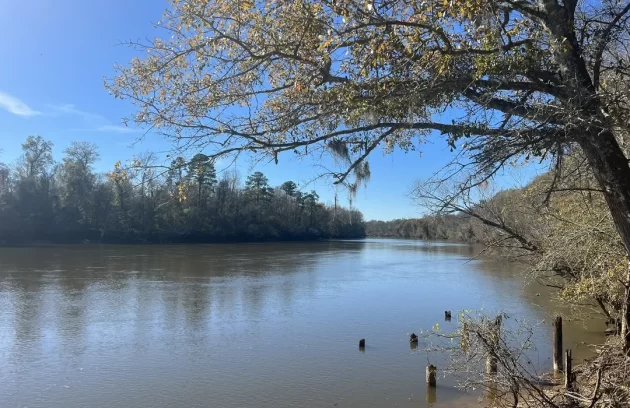
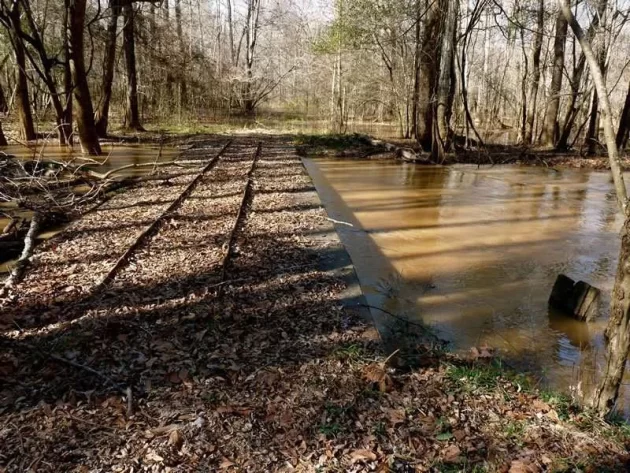
Bates Ferry Trail (2.2 miles/3.5 km round-trip): The Bates Ferry Trail in Congaree National Park, South Carolina, is a 1.1-mile (one-way) historic trail that follows an old causeway and ferry road dating back to the 18th century, offering a glimpse into the region’s transportation history. Opened in 2015, it leads to the scenic Congaree River and features remnants of a 1923 bridge, diverse wildlife (including deer, birds, and otters), and a side trail to the massive General Greene Tree, a centuries-old bald cypress with a 30-foot circumference.
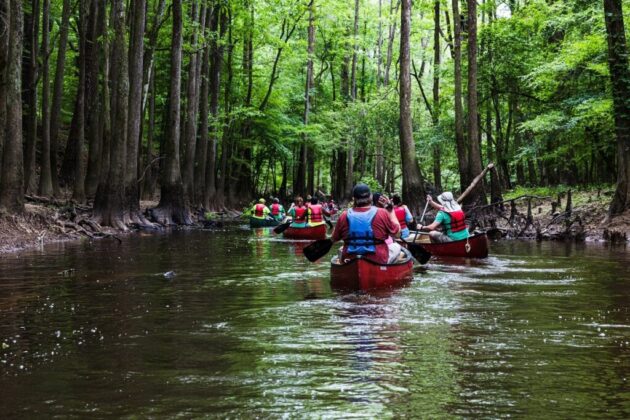
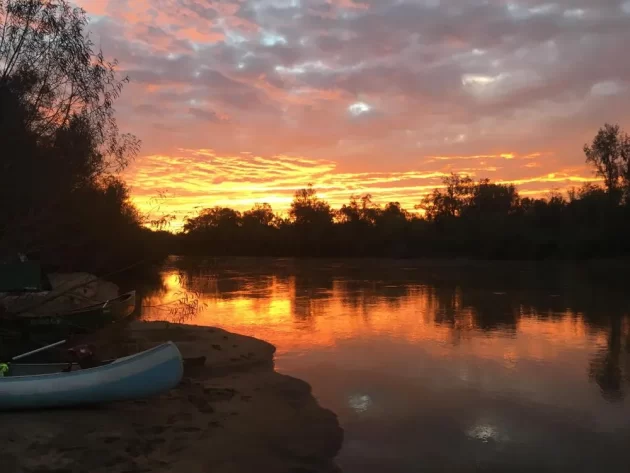
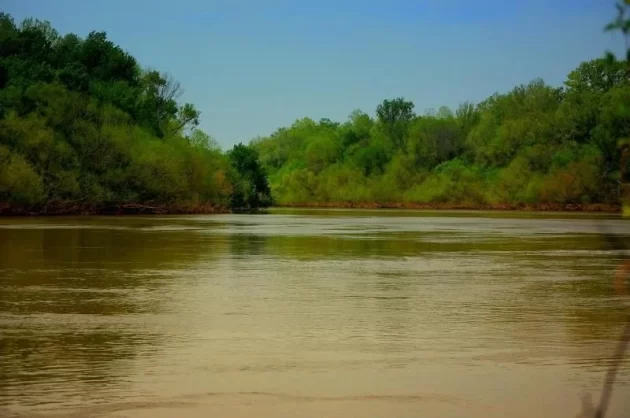
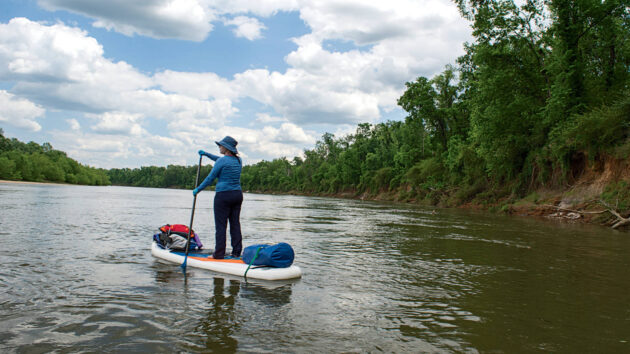
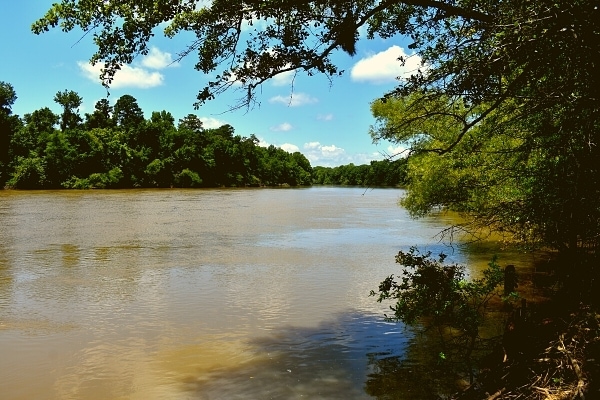
Canoeing and Kayaking: Paddle the 20-mile Cedar Creek Canoe Trail through the forest’s shaded waterways, spotting otters, turtles, and birds. Rentals are available from outfitters like Palmetto Outdoors or Carolina Outdoor Adventures.
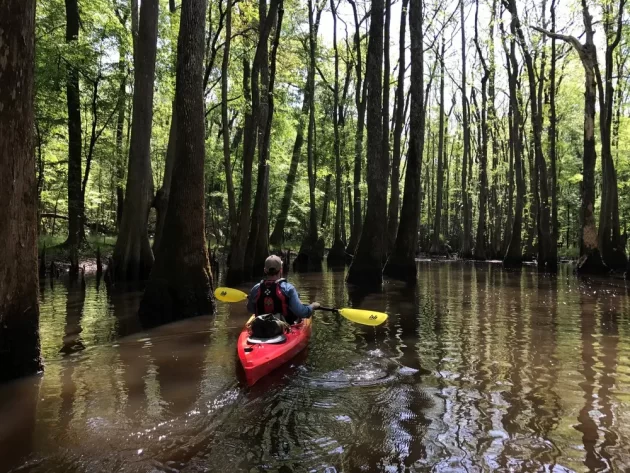
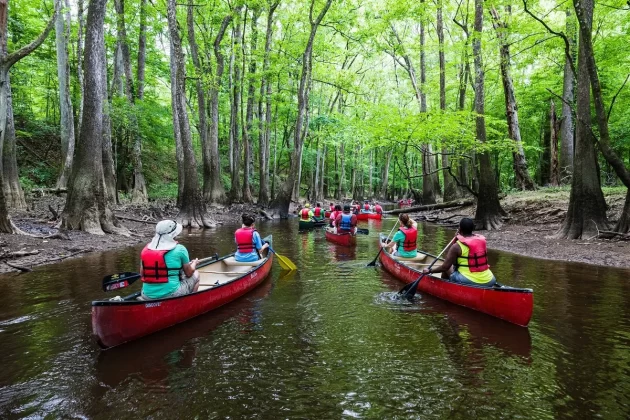
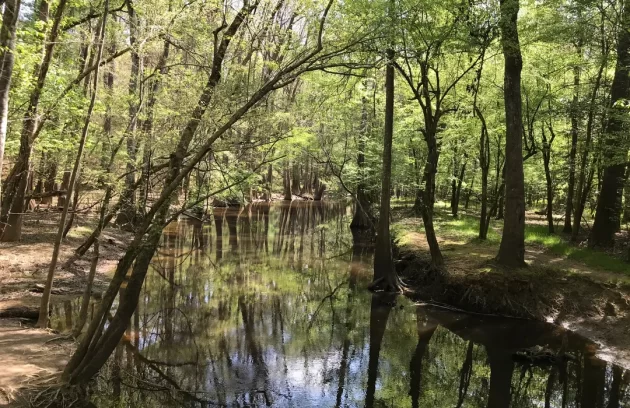
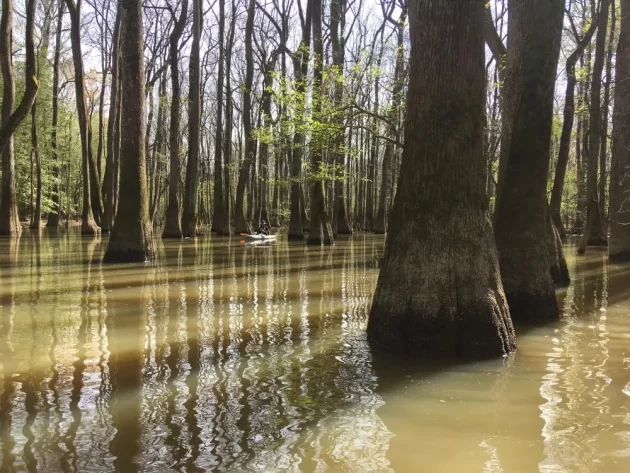
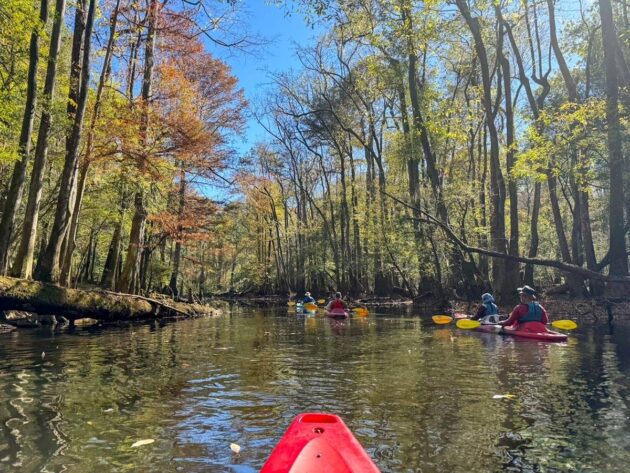
The 50-mile Congaree River Blue Trail offers a multi-day adventure from Columbia to the park for experienced paddlers.
Synchronous Firefly Viewing: From mid-May to mid-June, witness the rare spectacle of synchronous fireflies. Entry is via a lottery system (apply in April via Recreation.gov). Bring a red flashlight to protect the fireflies’ habitat.
Birdwatching: As a Globally Important Bird Area, Congaree is home to species like the red-cockaded woodpecker and barred owl. Bring binoculars and check the park’s birding guide for tips.
Fishing: Allowed with a valid South Carolina fishing license. Catch-and-release is encouraged along Cedar Creek and the Congaree River.
Ranger-Led Programs: Join free activities like forest yoga, owl prowls, or guided canoe tours. The Firefly Festival and educational talks at the Visitor Center offer deeper insights into the park’s ecology.
Where to Eat
In the Park: No dining facilities are available. Bring your own food and water for picnics. Picnic areas are located near the Visitor Center.
Nearby: Columbia (30 minutes away) offers diverse dining options, from Southern cuisine at Mr. Friendly’s New Southern Cafe to casual eats at Zesto of West Columbia. Fast-food chains and grocery stores are also available along SC-48.
Tip: Pack bug spray and a reusable water bottle, as mosquitoes are prevalent, and hydration is key in the humid climate.
Where to Stay
Camping in the Park: Longleaf Campground: Near the entrance, with tent sites ($10–20/night) and accessible facilities. Bluff Campground: A quieter site, 1 mile from the Visitor Center, with similar rates. Backcountry Camping: Free with a permit, ideal for experienced campers seeking solitude.
Nearby Hotels (Columbia, 30 minutes away): Hampton Inn & Suites Columbia/Southeast-Ft. Jackson: Budget-friendly with free breakfast, ~$100–150/night. Hilton Garden Inn Columbia/Harbison: Mid-range, ~$120–180/night. Graduate Columbia: Boutique hotel with Southern charm, ~$150–200/night.
Booking: Use platforms like Expedia or Recreation.gov for campground reservations. Book early for spring and fall visits.
Tips for a Great Visit
Prepare for Humidity: The park’s subtropical climate is humid, especially in summer. Wear lightweight, breathable clothing and apply eco-friendly insect repellent (check the “Mosquito Meter” at the Visitor Center). Check Trail Conditions: Flooding can make trails muddy or impassable. Visit the Harry Hampton Visitor Center or www.nps.gov/cong for updates.
Wildlife Safety: Alligators are rare but present in deeper waters. Keep a safe distance from wildlife, and don’t feed animals. Accessibility: The Boardwalk Loop Trail and Visitor Center are wheelchair-accessible, with adaptive programs available.
Photography: The dense canopy and Spanish moss create stunning photo opportunities, but avoid flash during firefly season. Combine Your Trip: Pair your visit with Columbia’s attractions, like the South Carolina State House or Riverbanks Zoo, or explore nearby Poinsett State Park for its unique flora.
Final Thoughts
Congaree National Park is a testament to the beauty and resilience of nature, offering a rare chance to explore one of the last old-growth bottomland forests in the U.S. From its towering trees to its tranquil waterways and mesmerizing firefly displays, the park invites you to slow down and connect with the wilderness. Whether you’re hiking the Boardwalk Loop, paddling Cedar Creek, or marveling at the General Greene Tree, Congaree promises an adventure filled with wonder. Plan ahead, embrace the humidity, and let this South Carolina treasure captivate you.
Happy travels!