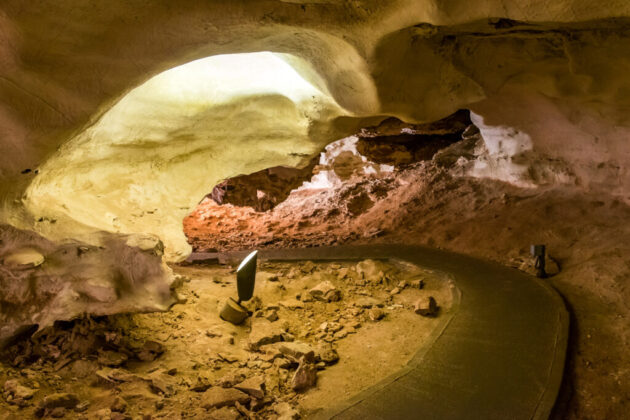
A Travel Guide to South Dakota
South Dakota, known as the “Mount Rushmore State,” is a captivating destination in the heart of the Great Plains, offering a blend of iconic landmarks, rugged natural beauty, and rich cultural heritage. From the monumental carvings of Mount Rushmore to the dramatic landscapes of Badlands National Park and the vibrant Native American history, South Dakota is a treasure trove for adventurers, history buffs, and families alike. This guide will help you plan an unforgettable trip to this diverse and welcoming state.
Why Visit South Dakota?
South Dakota is a land of contrasts, where vast prairies meet towering rock formations, and modern cities coexist with historic Wild West towns. Home to the iconic Mount Rushmore National Memorial and the ongoing Crazy Horse Memorial, the state is steeped in history and culture, particularly that of the Lakota, Dakota, and Nakota tribes. Its natural wonders, including Badlands National Park and Custer State Park, offer breathtaking scenery and abundant wildlife, while charming towns like Sioux Falls and Rapid City provide urban comforts. With scenic drives, outdoor adventures, and unique roadside attractions like Wall Drug, South Dakota delivers something for every traveler.
How to Get There
South Dakota is accessible by air, road, or a combination of both, with major highways and regional airports making travel convenient:
By Air: Sioux Falls Regional Airport (FSD) in the southeast and Rapid City Regional Airport (RAP) in the west are the state’s main gateways, served by airlines like American, United, Delta, Frontier, and Allegiant. Flights from major U.S. cities (e.g., Chicago, Denver) take 1–3 hours, with round-trip fares typically ranging from $150–$400. Smaller airports in Aberdeen, Watertown, and Pierre offer limited commercial services.
By Car: Interstate 90 (I-90) runs east-west across South Dakota, connecting Sioux Falls to Rapid City and passing near major attractions like Badlands National Park and Wall Drug. Interstate 29 (I-29) runs north-south in the eastern part of the state, ideal for accessing Sioux Falls. Scenic byways like the Badlands Loop State Scenic Byway, Spearfish Canyon Scenic Byway, and Native American Scenic Byway offer stunning drives through diverse landscapes.
By Bus or Train: Intercity bus services (e.g., Greyhound) connect South Dakota to neighboring states, but there is no intercity passenger rail service. Renting a car is highly recommended for flexibility, as rideshare services like Uber and Lyft are less reliable outside major cities.
Tip: Fly into Rapid City for quick access to the Black Hills and Mount Rushmore, or Sioux Falls for eastern attractions and a vibrant city experience.
Best Time to Visit
South Dakota’s climate varies significantly, with warm summers (up to 27°C in July) and cold winters (down to -10°C in February). The best time to visit depends on your preferences:
Late Spring to Early Fall (May–September): Ideal for warm weather, vibrant greenery, and peak tourist activities. This is the busiest season, with attractions like Mount Rushmore and Custer State Park drawing crowds. Book accommodations early. Fall (September–October): Cooler temperatures and golden foliage in the Black Hills make this a great time for hiking and photography, with fewer crowds.
Winter (December–March): Perfect for a quieter visit, with opportunities for snowshoeing or cross-country skiing in the Black Hills, though some attractions may have limited hours. Avoid: Peak holiday periods like Memorial Day or Labor Day for fewer crowds, and check weather forecasts for winter travel due to potential snowstorms.
Cultural Events: Attend a traditional powwow in summer to experience Native American culture, or visit during the Sturgis Motorcycle Rally (August) for a lively atmosphere, though expect higher prices and crowds.
Major Attractions
Mount Rushmore National Memorial
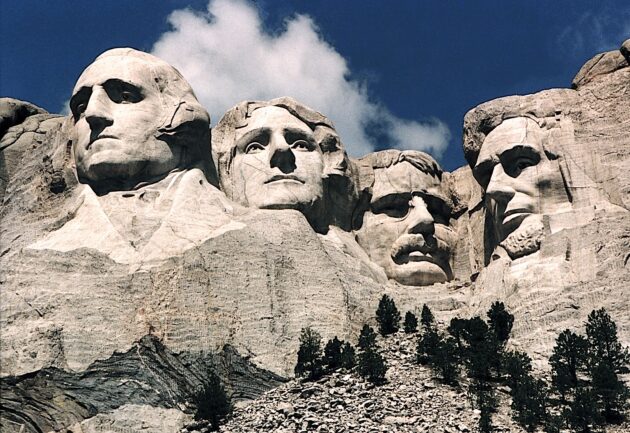
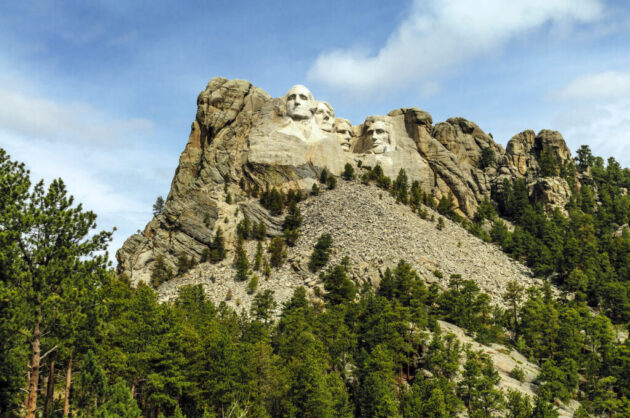
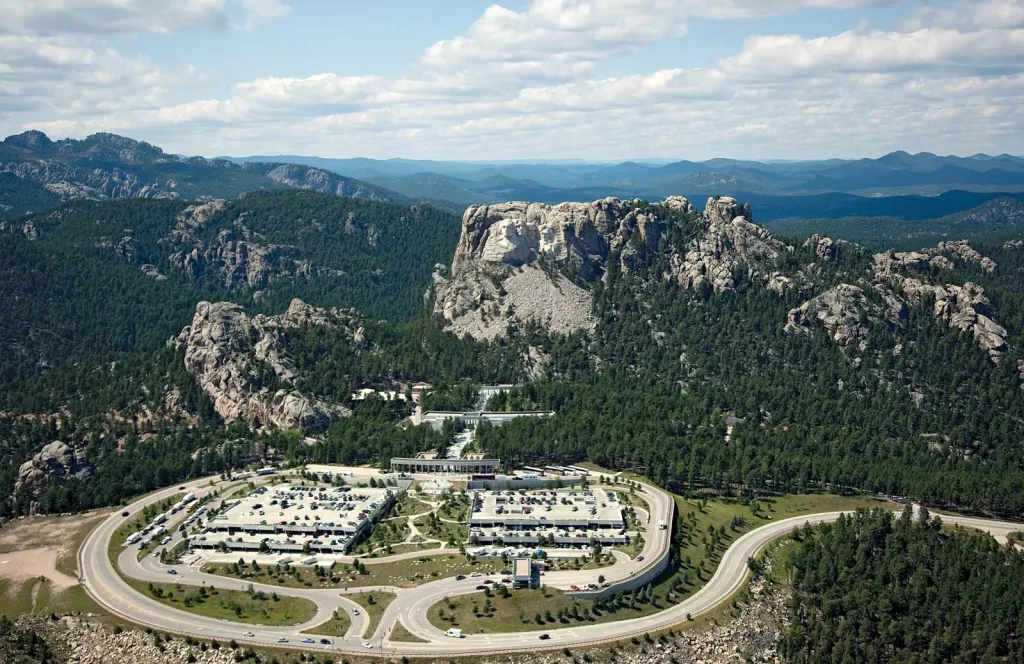
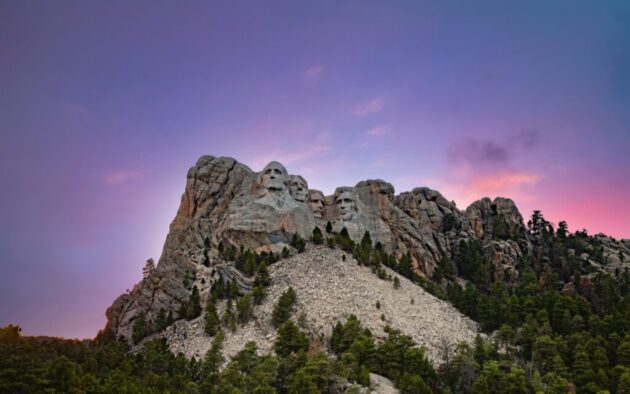
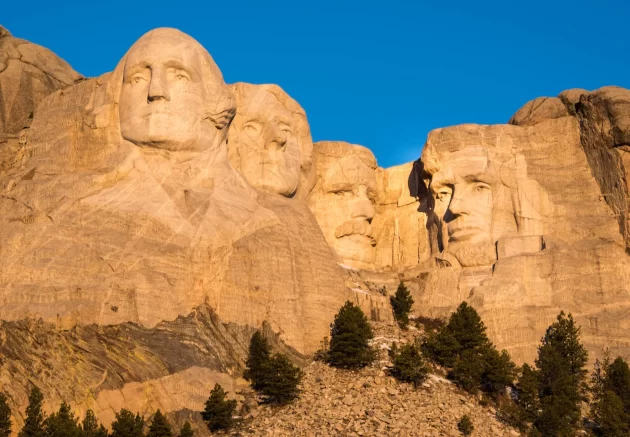
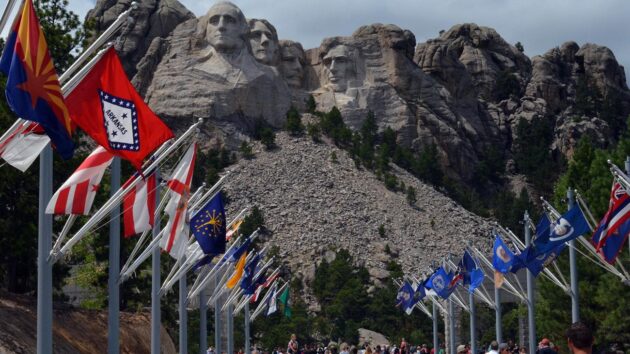
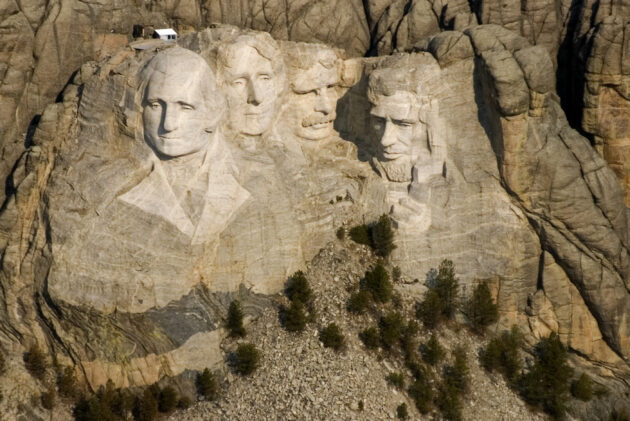
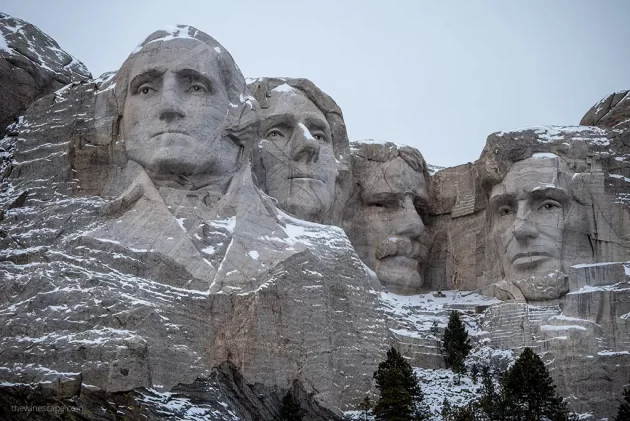
Mount Rushmore National Memorial, located in the Black Hills of South Dakota, is an iconic American landmark featuring the colossal carved faces of four U.S. presidents—George Washington, Thomas Jefferson, Theodore Roosevelt, and Abraham Lincoln. This monumental sculpture, often called the “Shrine of Democracy,” draws millions of visitors annually for its historical significance, stunning craftsmanship, and scenic surroundings.
Badlands National Park
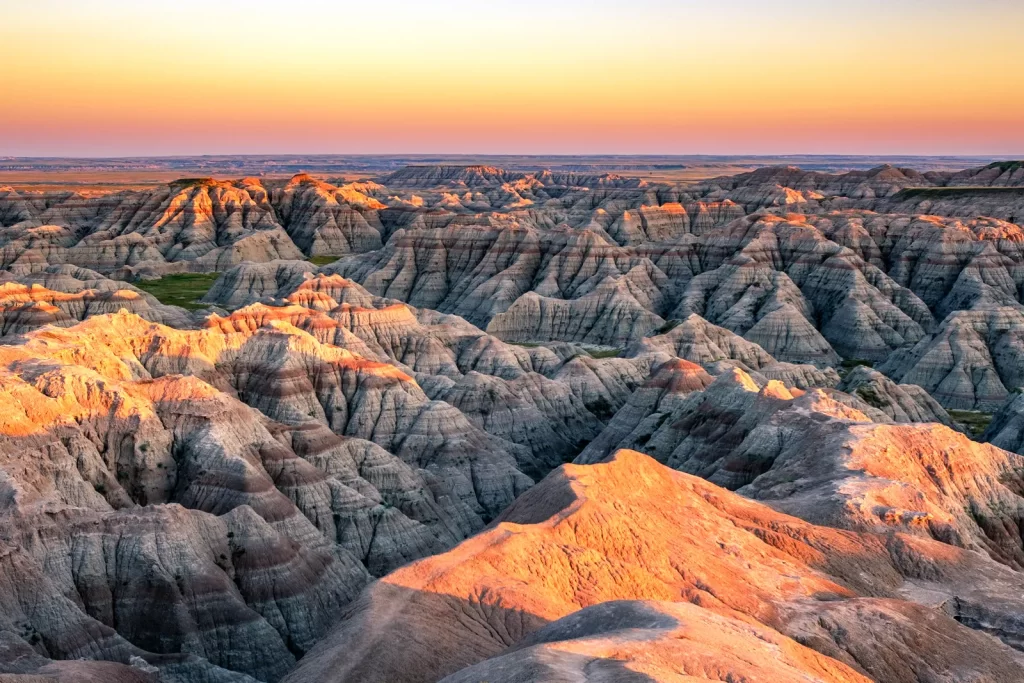
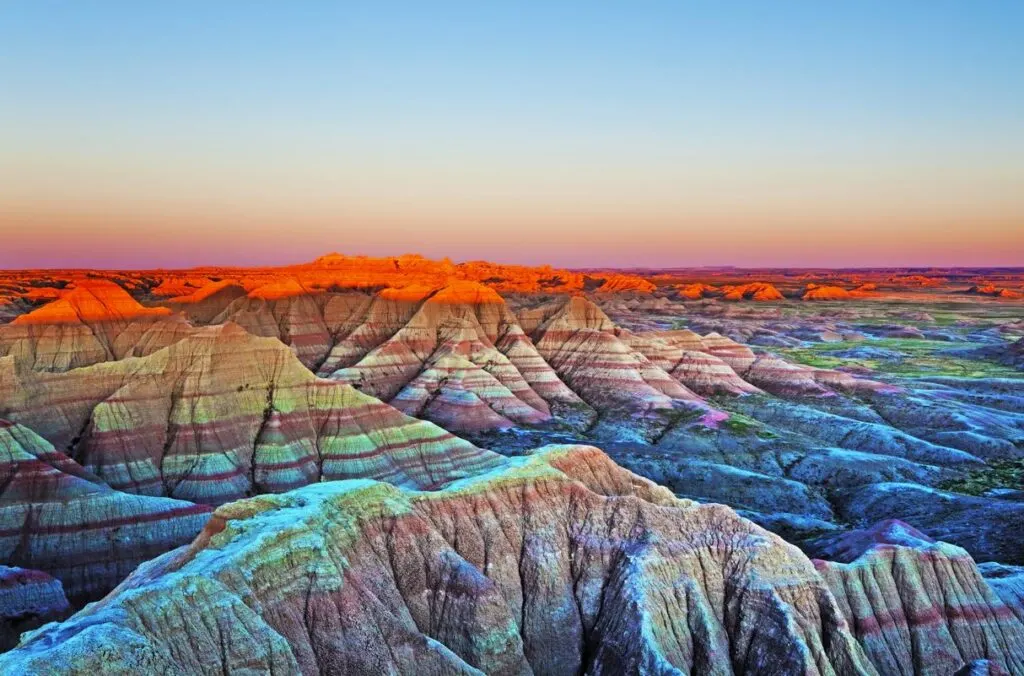
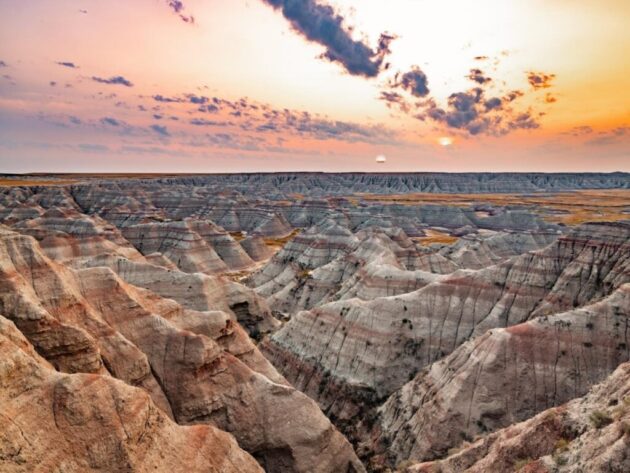
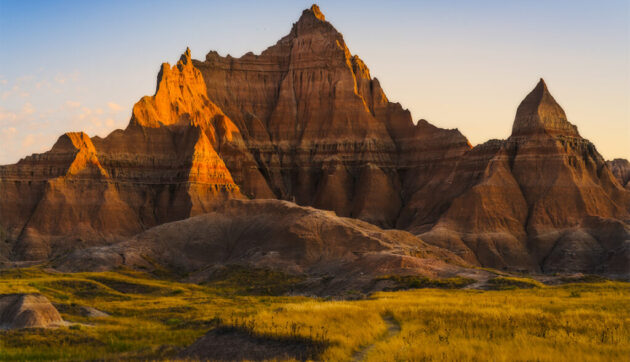
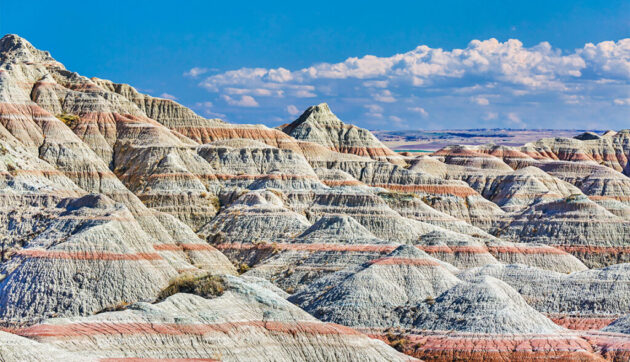
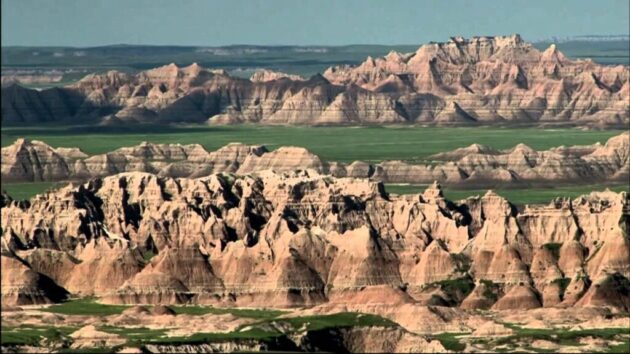
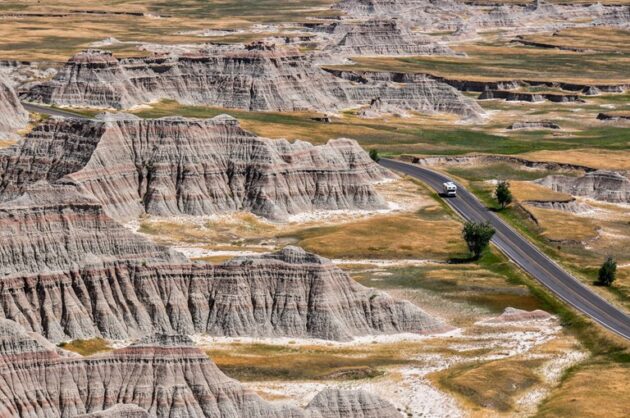
Badlands National Park, located in southwestern South Dakota, is a geological wonderland of jagged buttes, colorful spires, and vast prairies. Spanning 244,000 acres, it’s renowned for its otherworldly landscapes, rich fossil beds, and abundant wildlife, including bison, bighorn sheep, and prairie dogs. Named “Mako Sica” (bad lands) by the Lakota people due to its harsh terrain and extreme weather, this park offers breathtaking scenery, hiking, and a glimpse into millions of years of history.

Custer State Park
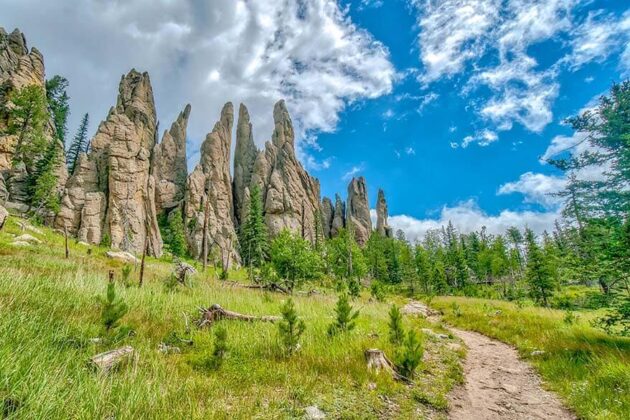
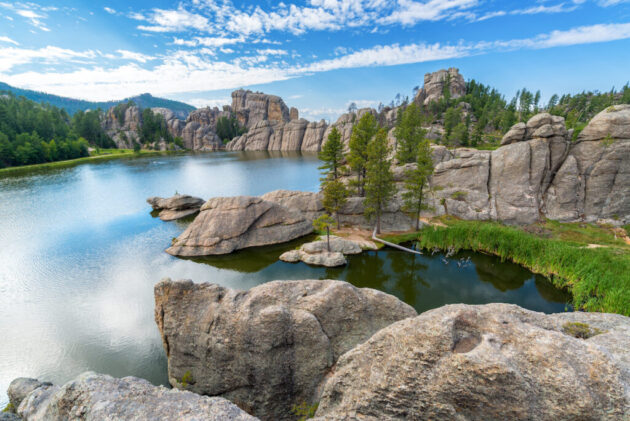
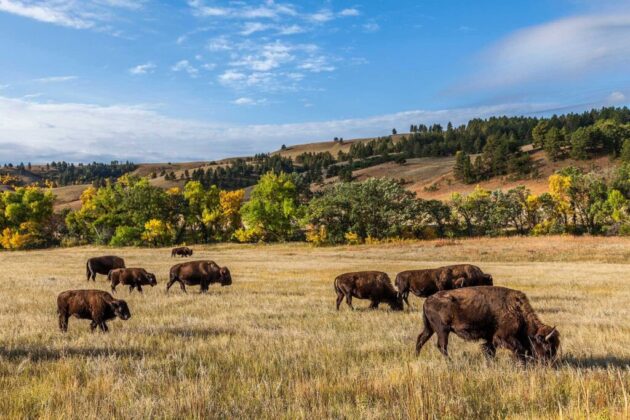
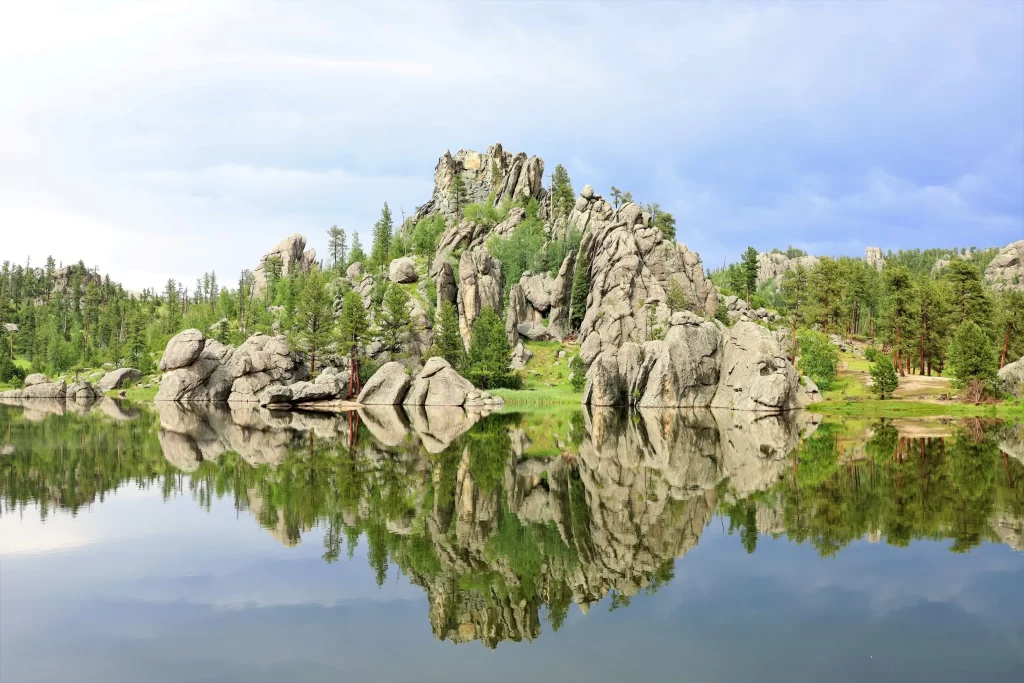
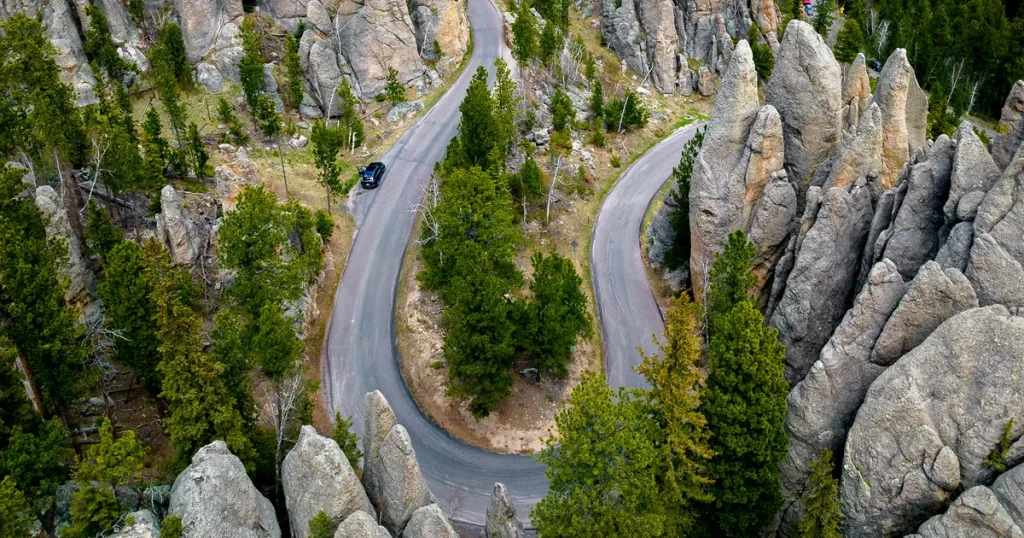
Custer State Park offers a unique blend of natural beauty, abundant wildlife, and rich history. Home to over 1,400 bison, along with pronghorn, elk, bighorn sheep, and the famous “begging burros,” the park is a top destination for wildlife viewing. Its three scenic drives—Wildlife Loop Road, Needles Highway, and Iron Mountain Road—showcase stunning vistas, from rolling prairies to rugged granite peaks.
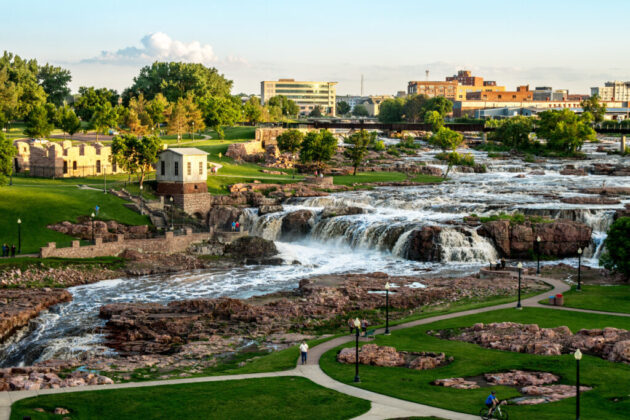
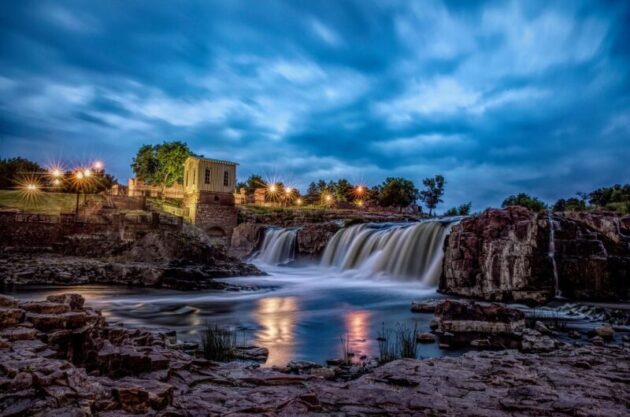
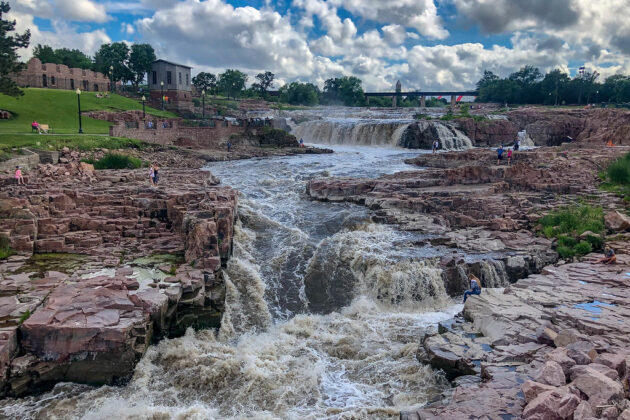
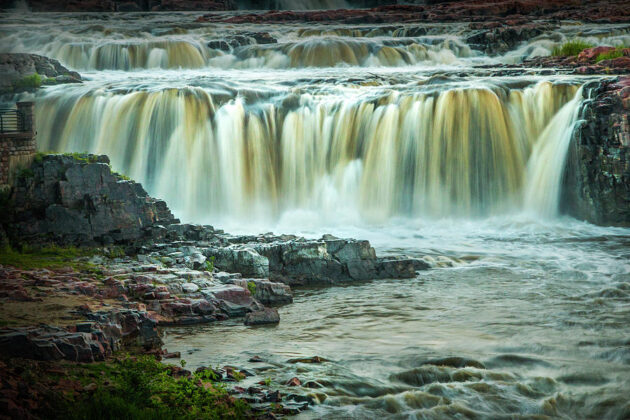
Falls Park, Sioux Falls
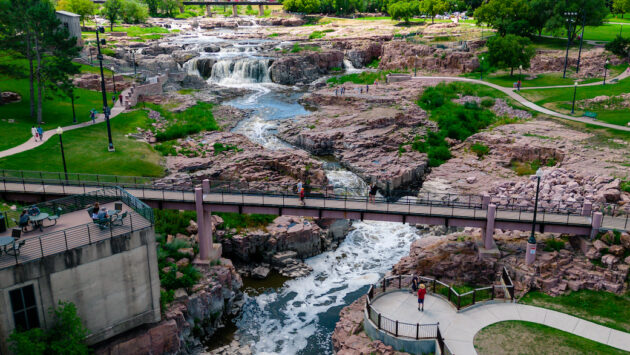
Falls Park, located in the heart of Sioux Falls, South Dakota, is the city’s namesake and a must-visit destination for travelers seeking natural beauty, history, and a vibrant urban park experience. Spanning 128 acres along the Big Sioux River, the park features cascading waterfalls, historic structures, scenic trails, and a lively atmosphere with seasonal events.
Crazy Horse Memorial
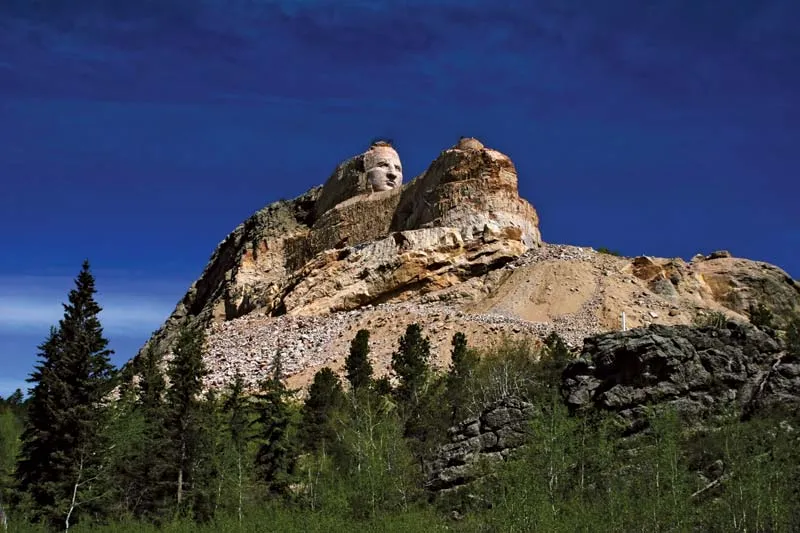
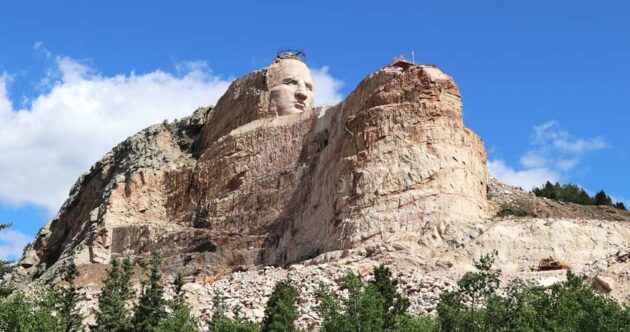
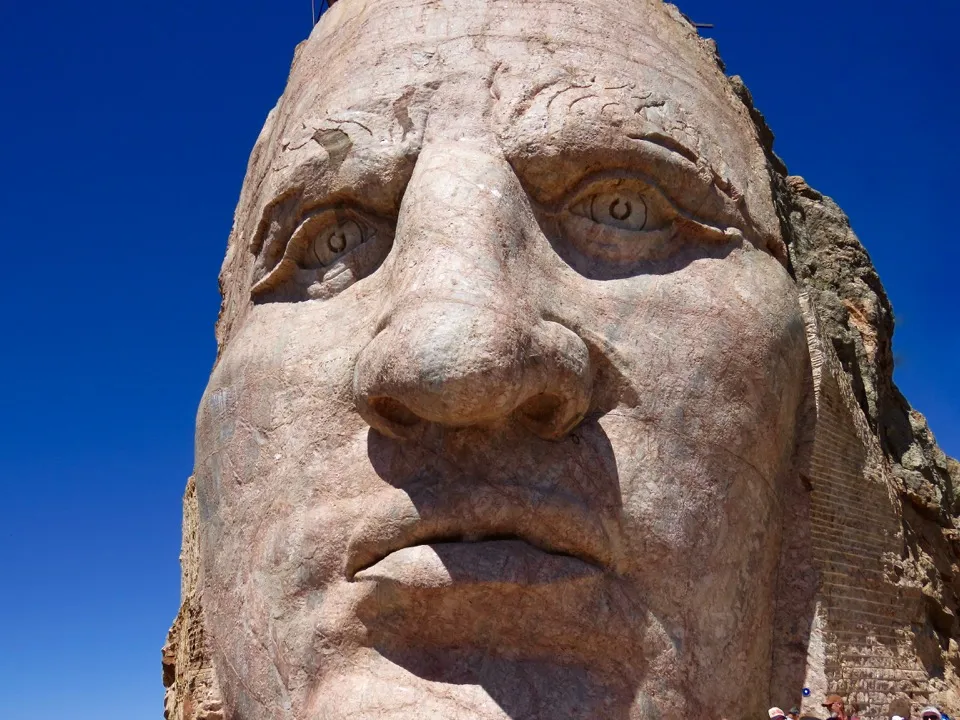
The Crazy Horse Memorial in South Dakota, USA, is a massive mountain carving honoring the legendary Oglala Lakota warrior Crazy Horse, who famously led Native American forces to victory against General Custer at the Battle of Little Bighorn in 1876. Initiated in 1948 by sculptor Korczak Ziolkowski at the request of Lakota Chief Henry Standing Bear, the monument—carved from Thunderhead Mountain—aims to symbolize Indigenous pride and resistance.
Wind Cave National Park
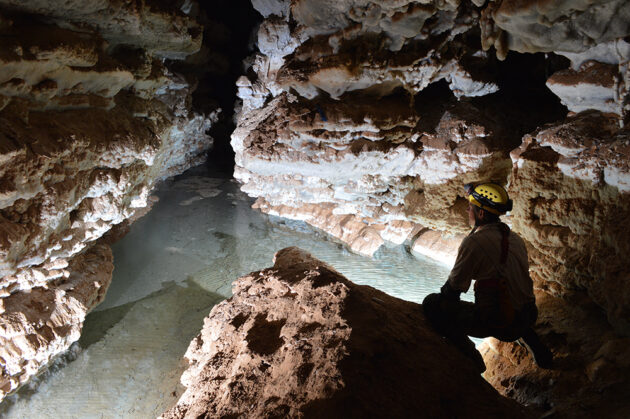
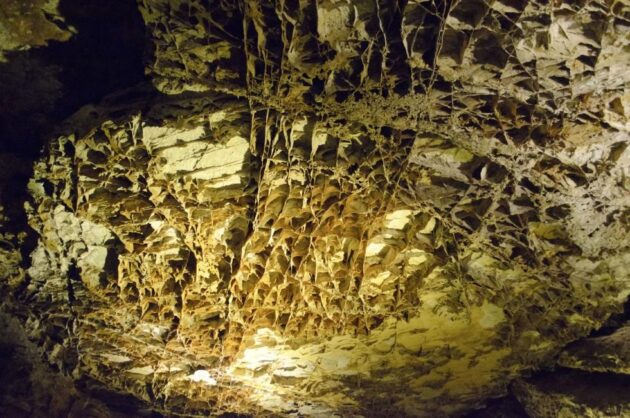
Wind Cave National Park, located in South Dakota, USA, is renowned for its extensive underground cave system, which spans over 155 miles (as of recent explorations) and is one of the longest and most complex caves in the world. Established in 1903 by President Theodore Roosevelt, it holds the distinction of being the first cave designated as a national park globally. The cave is famous for its unique boxwork formations (honeycomb-like calcite structures), accounting for nearly 95% of the world’s known occurrences of this geological feature.
Where to Eat
South Dakota’s culinary scene blends hearty Midwest flavors with Native American influences:
Local Dishes: Try chislic (skewered, grilled meat with garlic salt) or gabubu bread (a skillet bread similar to fry bread). Pair chili with a cinnamon roll, a quirky local favorite. Sioux Falls: Minerva’s for steaks or Bread & Circus Sandwich Kitchen for creative sandwiches.
Rapid City: Firehouse Brewing Co. for pub fare or Black Hills Burger and Pizza Co. for local flavors. On-Site: National parks have limited dining (snack bars or cafes), so pack snacks or picnic supplies for day trips.
Tip: Many restaurants in smaller towns close early, so plan meals accordingly.
Where to Stay
Rapid City: Hotel Alex Johnson (historic, ~$100–$200/night). Under Canvas Mount Rushmore (glamping, ~$200–$400/night).
Sioux Falls: Hilton Garden Inn Sioux Falls Downtown (~$120–$180/night). AeroStay Hotel (budget-friendly near airport, ~$80–$120/night).
Custer/Black Hills: Custer State Park Lodges (cabins and lodges, ~$100–$250/night). Bavarian Inn, Black Hills (~$90–$150/night).
Camping: Badlands National Park and Custer State Park offer campgrounds ($15–$40/night). RV parks are also widely available.
Booking Tip: Reserve accommodations 3–6 months in advance for summer visits, especially near the Black Hills. Use platforms like Expedia or Booking.com for deals.
Tips for a Great Visit
Plan a Road Trip: A 4–7 day itinerary covering the Black Hills, Badlands, and Mount Rushmore is ideal. Start in Rapid City, visit Custer State Park, Crazy Horse, and Mount Rushmore, then loop to Badlands via I-90, stopping at Wall Drug. Accessibility: Mount Rushmore’s main viewing areas are accessible, but some trails in Badlands or Custer may be challenging for those with mobility issues. Check park websites for details.
Pack Smart: Bring sturdy walking shoes, sunscreen, a water bottle, and layers for unpredictable weather. A day bag is useful for hikes. Respect Native Culture: Be mindful when visiting tribal lands or cultural sites. Follow guidelines at powwows and avoid restricted areas. Combine Attractions: Bundle visits to Mount Rushmore, Crazy Horse, and Custer State Park for a comprehensive Black Hills experience.
Final Thoughts
South Dakota is a destination where history, nature, and culture converge to create unforgettable experiences. From gazing at the towering faces of Mount Rushmore to hiking the rugged Badlands or witnessing bison roam Custer State Park, the state offers a perfect blend of adventure and reflection. Plan your visit around its iconic landmarks, scenic drives, and vibrant Native American heritage, and let South Dakota’s wild beauty leave you inspired.
Happy travels!