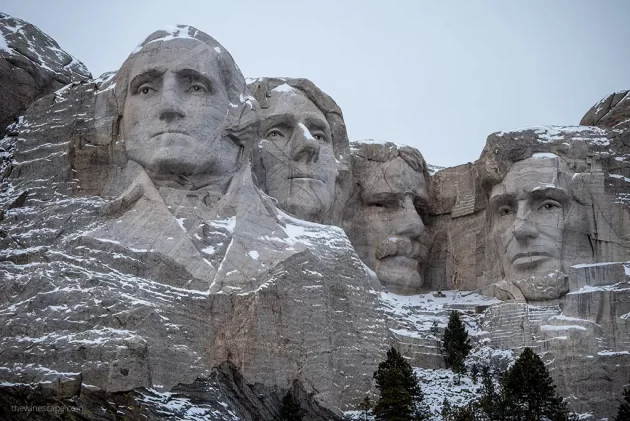
A Travel Guide to Mount Rushmore National Memorial
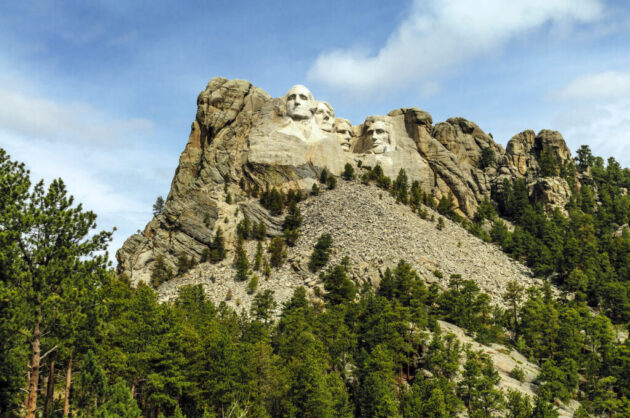
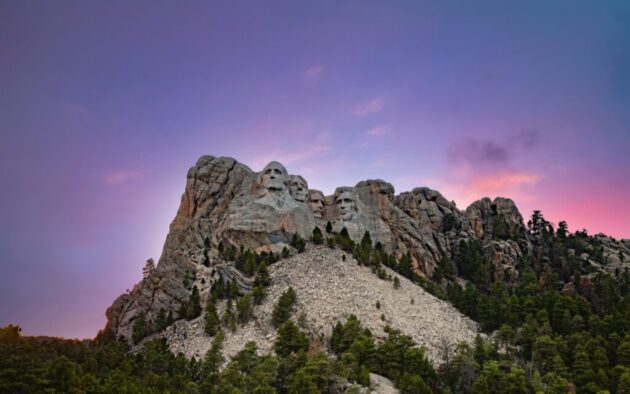
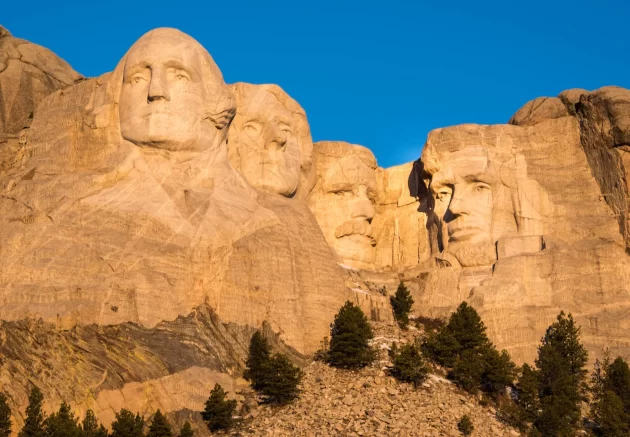
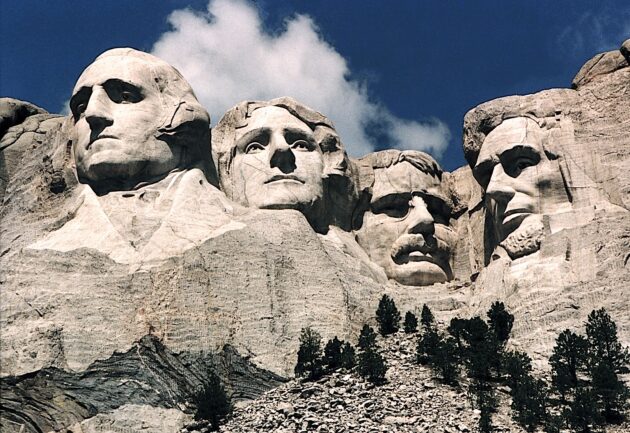
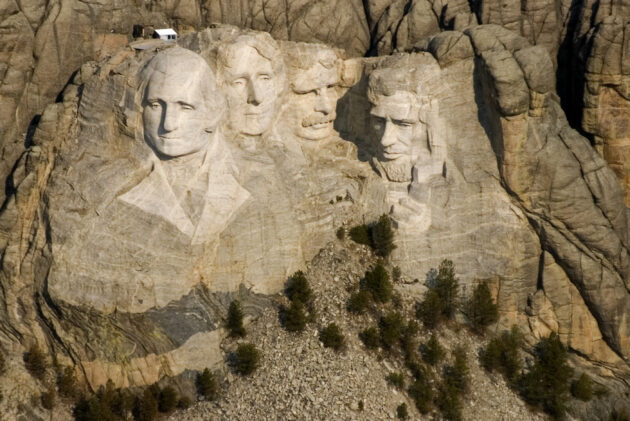
Mount Rushmore National Memorial, located in the Black Hills of South Dakota, is an iconic American landmark featuring the colossal carved faces of four U.S. presidents—George Washington, Thomas Jefferson, Theodore Roosevelt, and Abraham Lincoln. This monumental sculpture, often called the “Shrine of Democracy,” draws millions of visitors annually for its historical significance, stunning craftsmanship, and scenic surroundings. Whether you’re a history buff, a nature lover, or simply exploring the American Midwest, this guide will help you plan a memorable visit to Mount Rushmore.
Why Visit Mount Rushmore?
Carved into a granite mountainside between 1927 and 1941, Mount Rushmore symbolizes American ideals of freedom and leadership. The 60-foot-tall presidential faces, created by sculptor Gutzon Borglum, offer a striking visual and a glimpse into U.S. history. Beyond the monument, the Black Hills region provides opportunities for outdoor adventures, Native American cultural experiences, and visits to nearby attractions like Custer State Park and Badlands National Park. The memorial is a perfect stop for families, road-trippers, and anyone seeking to connect with American heritage.
How to Get There
Mount Rushmore is located near Keystone, South Dakota, about 25 miles southwest of Rapid City. Here’s how to reach it:
By Air: The closest major airport is Rapid City Regional Airport (RAP), about 35 miles (45-minute drive) from Mount Rushmore. Major airlines like American, Delta, and United offer flights from cities like Denver, Chicago, and Minneapolis. From the airport, rent a car (recommended for flexibility) or take a shuttle/taxi (~$50–70 one way).
By Car: Mount Rushmore is easily accessible via US-16A or SD-244. From Rapid City, take US-16 south to Keystone, then follow signs to the memorial (well-marked route). Driving distances: Rapid City: 25 miles (40 minutes); Sioux Falls, SD: 370 miles (5.5 hours); Denver, CO: 390 miles (6 hours).
By Bus/Tour: Guided tours from Rapid City or Keystone are available through operators like Gray Line or Rushmore Tramway Adventures. These often include stops at other Black Hills attractions (e.g., Crazy Horse Memorial). Public transit is limited, so tours or rental cars are the most practical options.
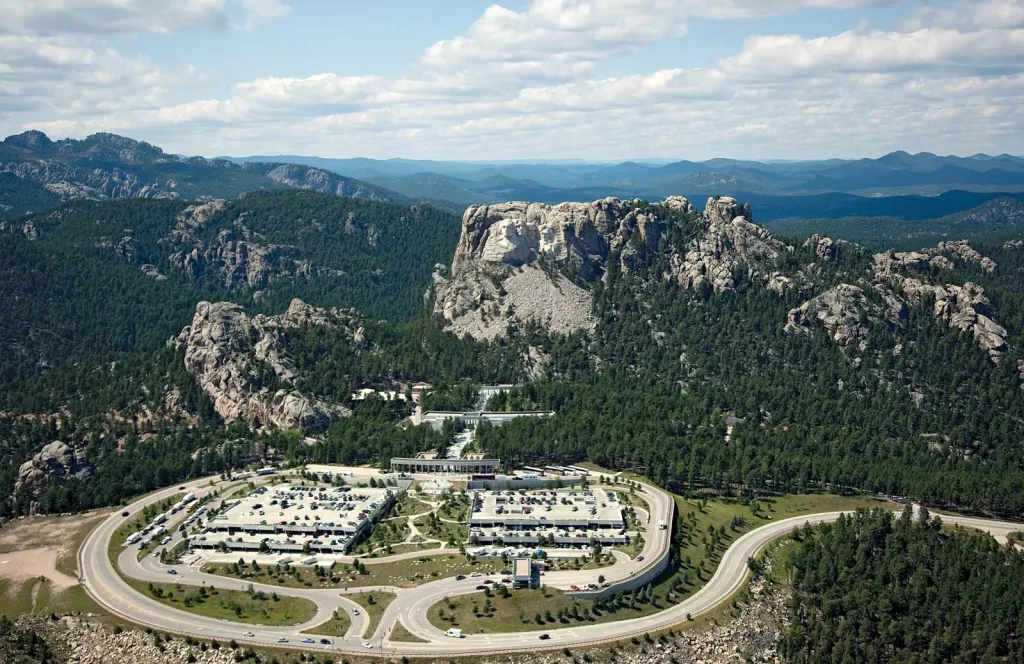
Parking: The memorial has a large parking structure with a fee of $10 per vehicle (valid for one year). Seniors (62+) pay $5, and active military park free.
Best Time to Visit
Summer (June–August): Warm weather (70–85°F) and long days make summer the most popular time. Expect crowds, especially around July 4th, when patriotic events draw large groups. Book accommodations early.
Spring (March–May) and Fall (September–November): Milder temperatures (50–70°F) and fewer visitors make these seasons ideal for a quieter experience. Fall foliage in the Black Hills is stunning.
Winter (December–February): Cold (20–40°F) with occasional snow, but the monument is striking against a snowy backdrop. Some facilities may have reduced hours, and trails can be icy.
Tip: Visit early in the morning (8–10 AM) to avoid crowds and enjoy cooler weather. The Evening Lighting Ceremony (May–September, 9 PM) is a must-see, featuring ranger talks and the monument illuminated against the night sky.
Tickets and Opening Hours
Admission: Entry to Mount Rushmore is free, but the parking fee ($10) is required for private vehicles.
Opening Hours: The memorial is open year-round, 5:00 AM–11:00 PM (shorter hours in winter). Visitor facilities (Information Center, Lincoln Borglum Visitor Center) are open 8:00 AM–10:00 PM in summer, 8:00 AM–5:00 PM in winter. The Evening Lighting Ceremony runs nightly from late May to September (check exact times on the National Park Service website).
Guided Tours: Ranger-Led Talks: Free, offered daily (check schedules at the Information Center). Audio Tour: Rent a self-guided audio wand for $5 to learn about the monument’s history. Sculptor’s Studio Tour: Free, explores Gutzon Borglum’s creative process (seasonal).
Tip: No advance tickets are needed, but arrive early during peak season to secure parking and avoid lines for tours or facilities.
What to See and Do
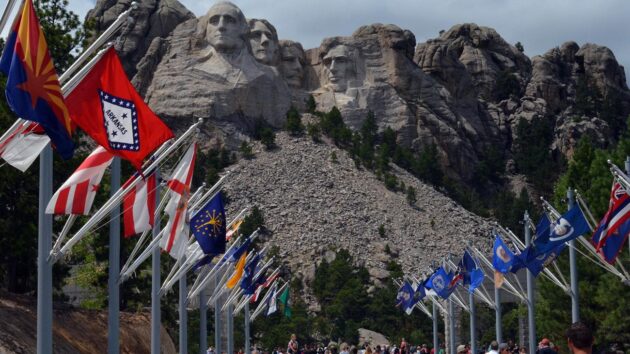
View the Monument: The Avenue of Flags leads to the Grand View Terrace, offering the best vantage point for photos of the presidential faces. Each state’s flag lines the pathway, adding a patriotic touch. The Lincoln Borglum Visitor Center (below the terrace) features exhibits, a 14-minute film on the monument’s creation, and historical artifacts.
Hiking Trails: Presidential Trail: A 0.6-mile loop (easy, with stairs) takes you closer to the monument, offering unique angles and views of the presidents’ faces. It includes informational plaques about the carving process. Blackberry Trail: A 1-mile trail (moderate) connects to the surrounding Black Hills, ideal for nature lovers.
Evening Lighting Ceremony: Held nightly in summer (9:00 PM, ~30 minutes), this free event includes a ranger talk, a short film, and the illumination of the monument. Arrive early for seating in the amphitheater. Sculptor’s Studio: Located near the Grand View Terrace, this studio displays Borglum’s tools, models, and plans, offering insight into the monumental effort behind Mount Rushmore.
Lakota, Nakota, and Dakota Heritage Village: A small exhibit near the visitor center highlights Native American history and perspectives, acknowledging the sacred Black Hills’ significance to Indigenous communities.
Where to Eat
Carvers’ Marketplace: The only on-site dining option, located near the Grand View Terrace. It serves American fare like burgers, salads, and ice cream (inspired by Thomas Jefferson, who popularized ice cream in America). Prices range from $8–15. Open 8:00 AM–8:00 PM in summer.
Nearby Dining: In Keystone (3 miles away), try Ruby House Restaurant for hearty American meals or Powder House Lodge for steak and local flavors ($15–30). Rapid City offers more variety, including chains and local eateries.
Tip: Bring water and snacks, especially if hiking or visiting during peak hours when the marketplace may be crowded.
Where to Stay
Mount Rushmore is a day trip from Rapid City or Keystone, but staying nearby enhances your experience:
Keystone (3 miles away): K Bar S Lodge: A cozy, rustic hotel with mountain views, starting at $100–150/night. Rushmore Express Inn & Suites: Budget-friendly with modern amenities, ~$80–120/night.
Rapid City (25 miles away): Hotel Alex Johnson: Historic and upscale, starting at $150–200/night. Howard Johnson by Wyndham: Affordable, ~$60–100/night.
Camping: Custer State Park (20 miles away) offers campgrounds like Game Lodge Campground ($20–30/night). Book early via the South Dakota State Parks website.
Tip: Book accommodations 3–6 months in advance for summer visits, as hotels and campgrounds fill up quickly.
Tips for a Great Visit
Dress for the Weather: South Dakota’s weather can change rapidly. Bring layers, comfortable shoes for trails, and sunscreen for sunny days. Photography: The best photo spots are the Grand View Terrace and Presidential Trail. Early morning light enhances the monument’s details.
Respect the Site: Stay on designated trails and avoid climbing restricted areas to preserve the monument and ensure safety. Combine Your Trip: Pair Mount Rushmore with nearby attractions:
Crazy Horse Memorial (17 miles): A massive, ongoing sculpture honoring Native American heritage. Custer State Park (20 miles): Wildlife (bison, pronghorn) and scenic drives.
Badlands National Park (80 miles): Dramatic landscapes and hiking. Accessibility: The Grand View Terrace and Visitor Center are wheelchair-accessible. The Presidential Trail has stairs but offers partial access for mobility-impaired visitors.
Final Thoughts
Mount Rushmore National Memorial is more than a sculpture—it’s a testament to American history, ingenuity, and the beauty of the Black Hills. Whether you’re marveling at the presidents’ faces, hiking scenic trails, or soaking in the patriotic atmosphere of the Evening Lighting Ceremony, the memorial offers a profound experience. Plan your visit to include nearby attractions, arrive early to beat the crowds, and take time to appreciate both the monument and the rich cultural and natural surroundings of South Dakota.
Happy travels!