A Travel Guide to Big Bend National Park
Located in the remote southwest corner of Texas along the Rio Grande, Big Bend National Park is a vast, rugged, and breathtakingly beautiful destination that spans over 800,000 acres. Known for its dramatic desert landscapes, towering Chisos Mountains, deep canyons, and unparalleled stargazing, this national park is a haven for adventurers, nature lovers, and those seeking solitude. As one of the least-visited national parks in the contiguous U.S., Big Bend offers a unique opportunity to experience untamed wilderness. This guide will help you plan an unforgettable trip.
Why Visit Big Bend National Park?
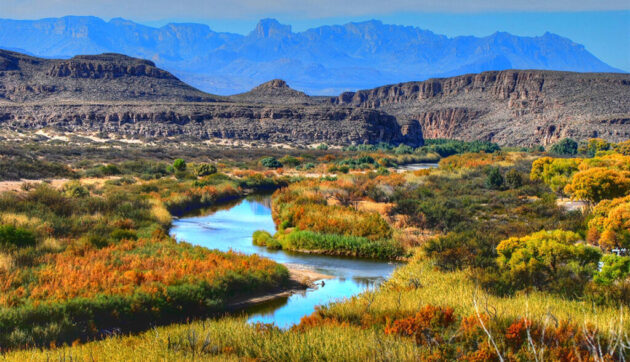
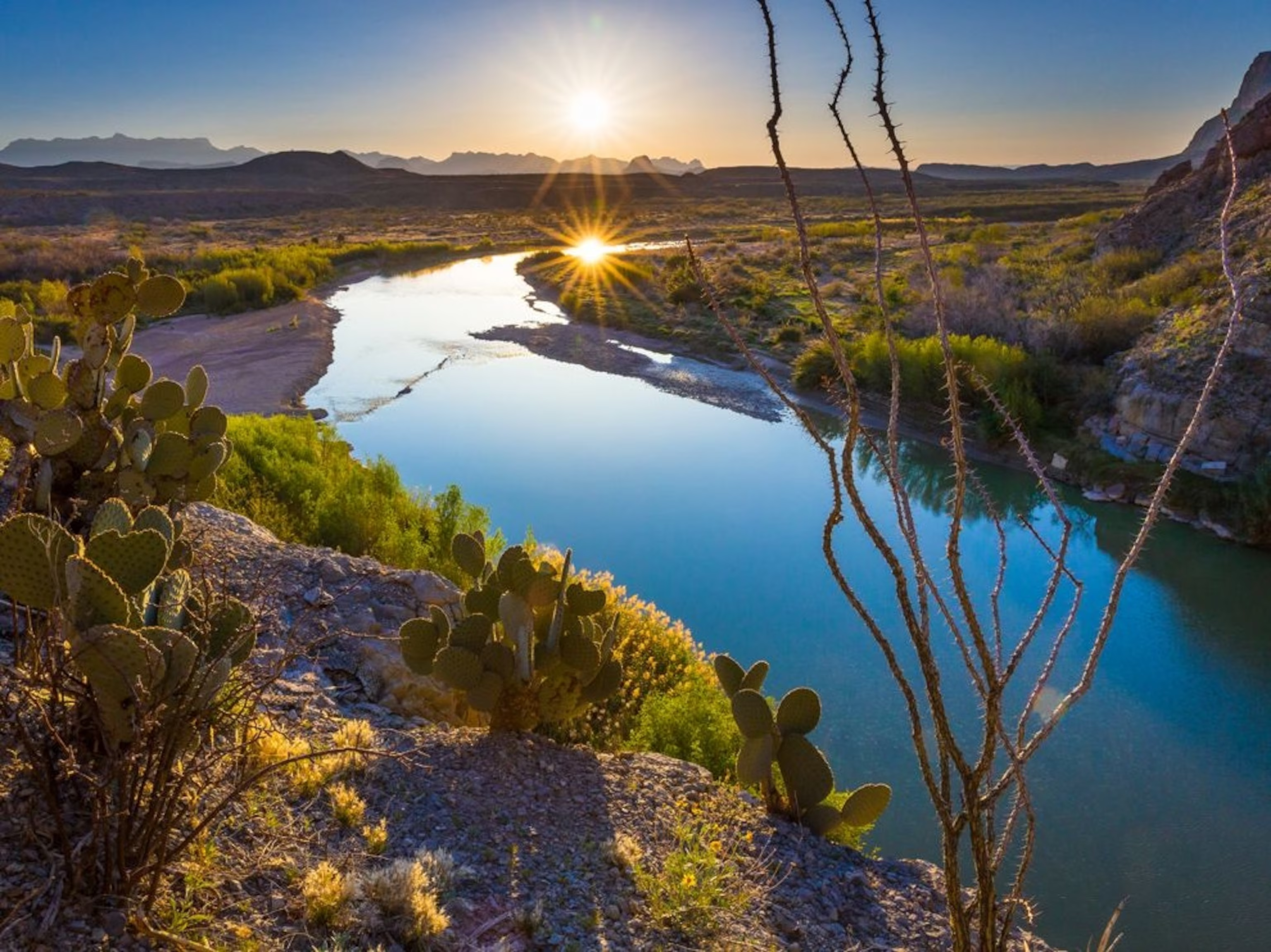
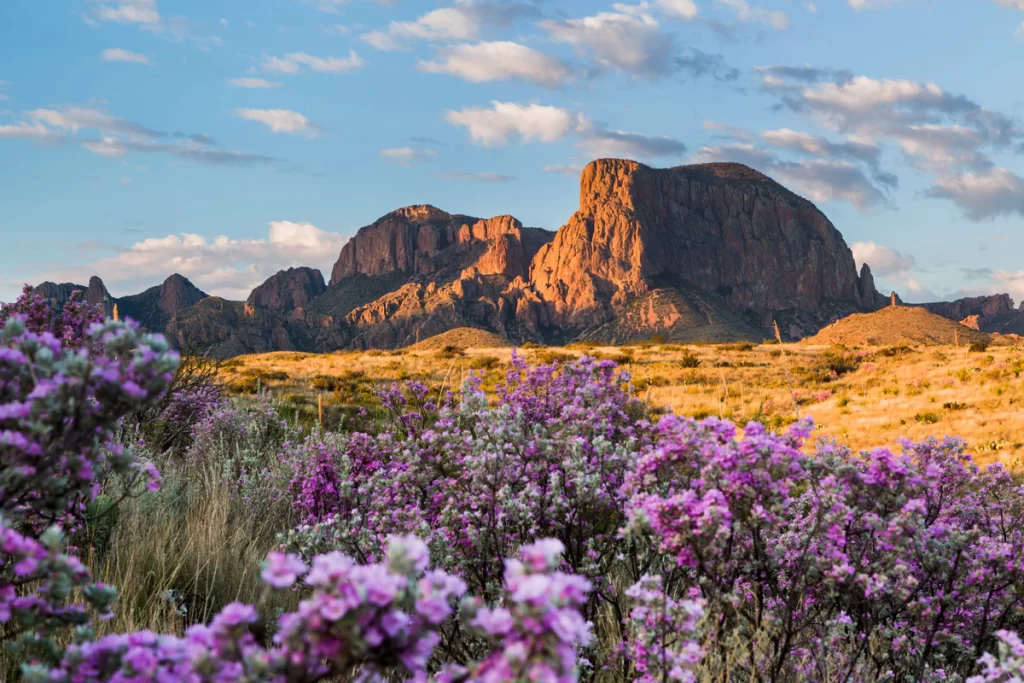
Big Bend is a land of contrasts, encompassing three distinct environments: the Chihuahuan Desert, the Chisos Mountains, and the Rio Grande River. It’s the only U.S. national park containing an entire mountain range, the Chisos, and is home to diverse wildlife, including black bears, mountain lions, and over 450 bird species. Recognized as an International Dark Sky Park, it boasts some of the darkest skies in North America, perfect for stargazing. With over 150 miles of hiking trails, scenic drives, and river adventures, Big Bend offers endless exploration in a remote setting that feels like another world.
How to Get There
Big Bend’s remote location requires planning, as it’s far from major cities and lacks public transportation:
By Car: Driving is the primary way to reach the park. Major routes include: From Austin or San Antonio: Take Interstate 10 to Fort Stockton, then U.S. 385 south to the park (6.5–8 hours, ~400–450 miles). From Houston: Via Interstate 10, about 8.5–10 hours (~600 miles). From Dallas: Via Interstate 20 to Midland, then south, about 7.5–8 hours (~500 miles). From El Paso: Via Interstate 10 and U.S. 385, about 4.5 hours (~300 miles). Roads are well-maintained but can be lonely. Fill up on gas in Alpine or Marathon, as the nearest full-service stores are in Fort Stockton (2 hours away).
By Air: The closest commercial airport is Midland-Odessa (235 miles, ~3-hour drive). El Paso International Airport (300 miles, ~4.5 hours) offers more flight options. Rent a car at either airport, preferably an SUV for unpaved roads like those to Ernst Tinaja. Private flights can land at Lajitas Golf Resort, a luxury option near the park.
By Train: Amtrak’s Sunset Limited stops in Alpine, 80 miles from the park (1-hour drive). You’ll need to rent a car or arrange a shuttle.
Note: Cell phones may switch to Mountain Time near the park, but Big Bend is in Central Time. Double-check your phone to avoid scheduling issues.
Best Time to Visit
Peak Season (October–April): Moderate temperatures (highs of 60–80°F, lows of 38–60°F) make this ideal for hiking and camping. Spring (March–April) brings wildflowers, while fall offers pleasant weather. Book accommodations early for holidays like Thanksgiving and Spring Break.
Summer (May–September): Extremely hot, with temperatures along the Rio Grande reaching 100–115°F. Best for solitude seekers accustomed to desert heat, but be cautious of heat illness and flash floods during the rainy season.
Stargazing: Year-round, but clearest during winter months under new moon phases due to minimal light pollution.
Weather Tip: Bring layers, as temperatures vary significantly between the desert (hotter) and Chisos Mountains (cooler). Carry 1 gallon of water per person per day, especially for hiking.
Tickets and Fees
Entrance Fee: $30 per vehicle (7 days). An America the Beautiful Pass ($80 annually) covers Big Bend and all U.S. national parks. Camping Fees: Developed campgrounds (Chisos Basin, Rio Grande Village, Cottonwood) cost $16–33/night. Backcountry permits are $10. Reservations are required via recreation.gov.
Hours: The park is open 24/7 year-round, but visitor centers (e.g., Panther Junction, Chisos Basin) operate from 8:30 AM–5:00 PM, with seasonal variations. Tip: Purchase the National Park Handbook ($5.95) and trail guides ($1.25 each) at visitor centers for detailed insights into flora, fauna, and geology.
What to See and Do
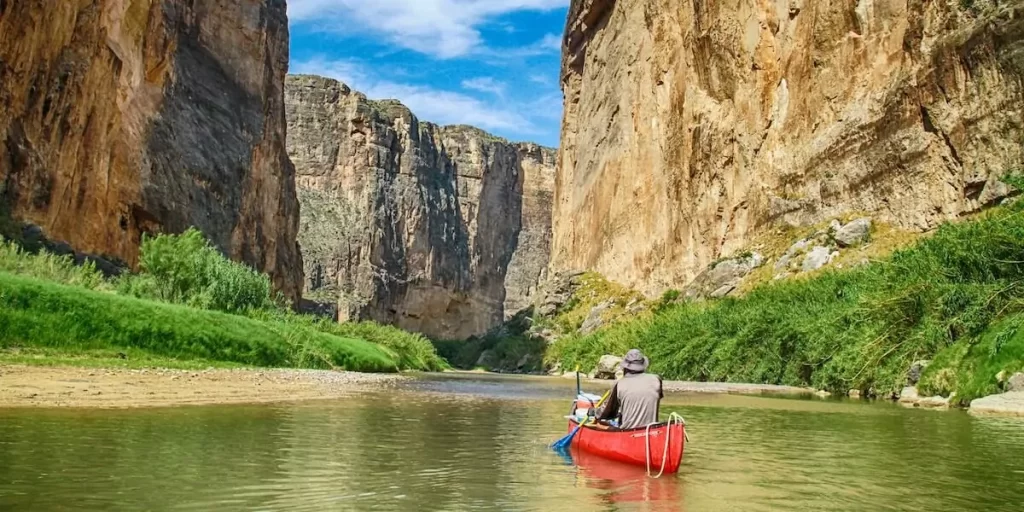
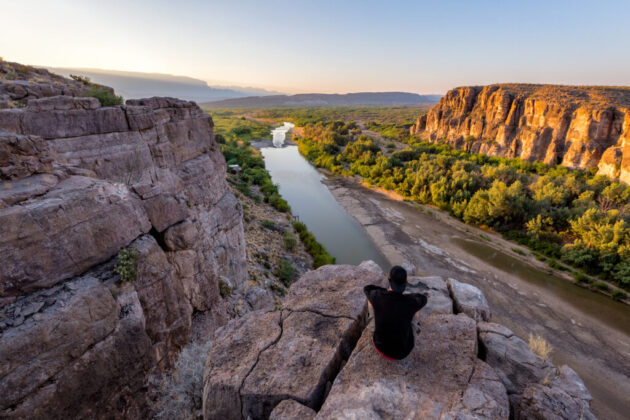
Hiking: Santa Elena Canyon Trail (1.7 miles, easy): A stunning walk along the Rio Grande through a narrow, high-walled canyon. Arrive early to avoid crowds.
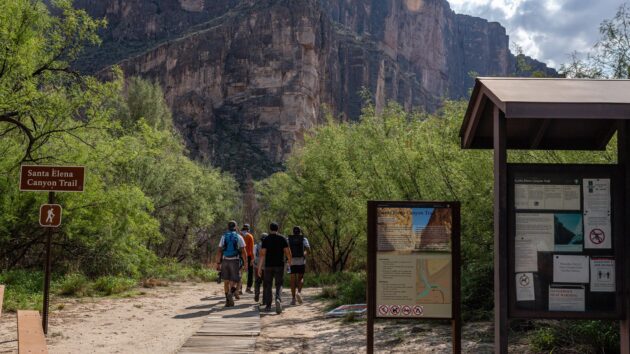
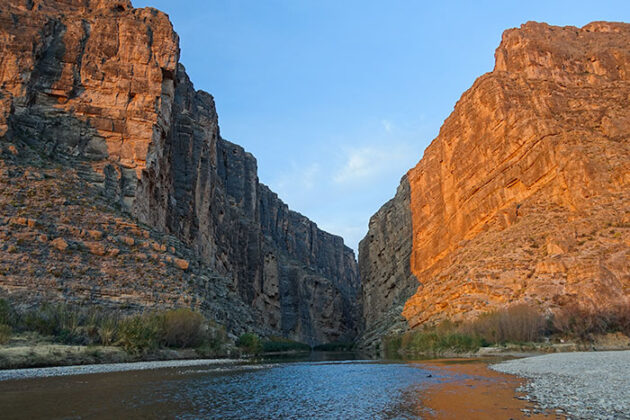
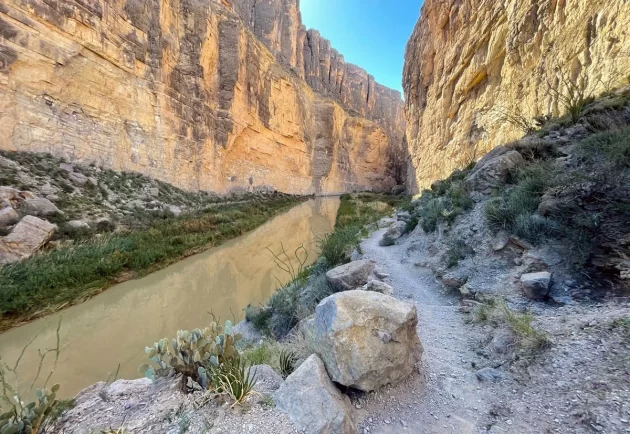
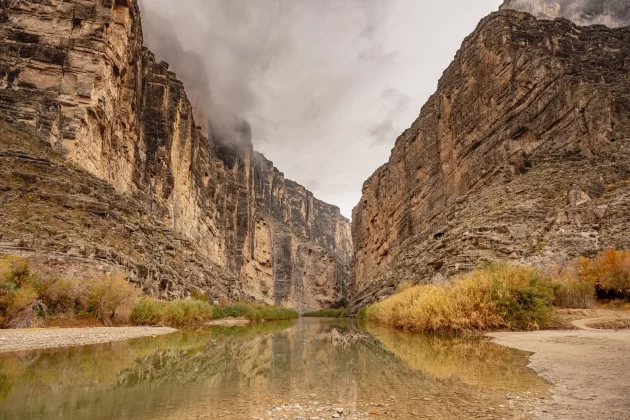
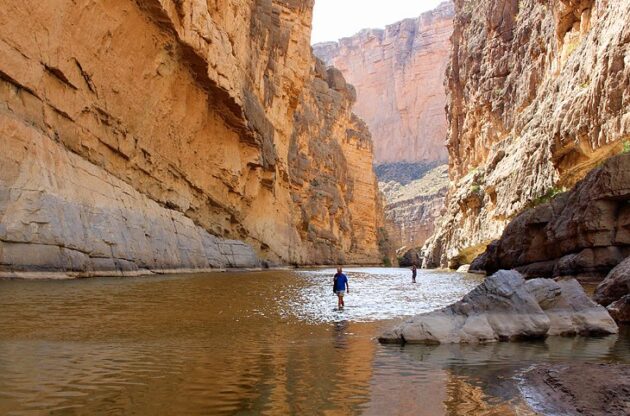
Lost Mine Trail (4.8 miles, moderate): Offers panoramic views of the Chisos Mountains and Casa Grande Peak. Ideal for sunrise hikes.
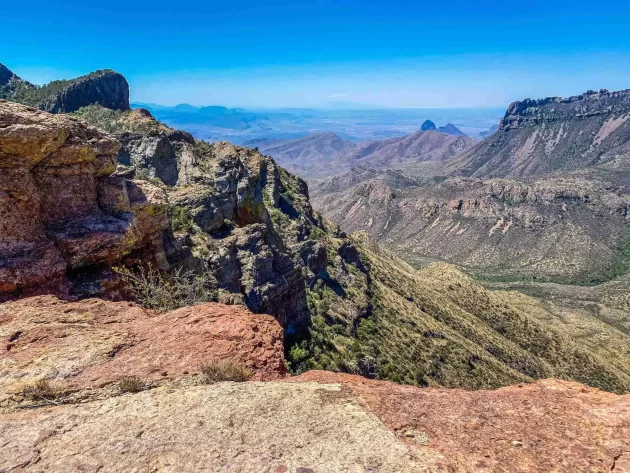
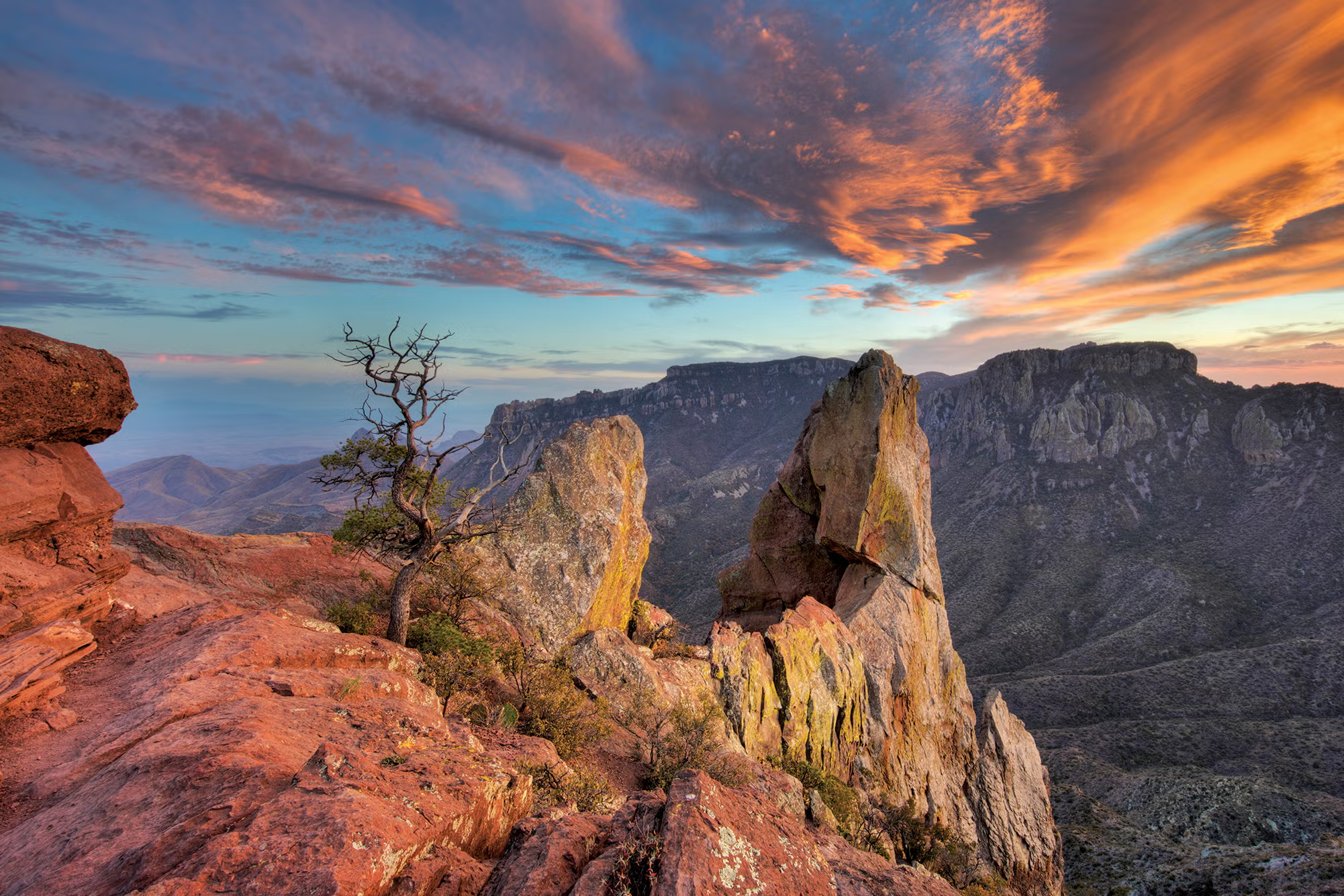
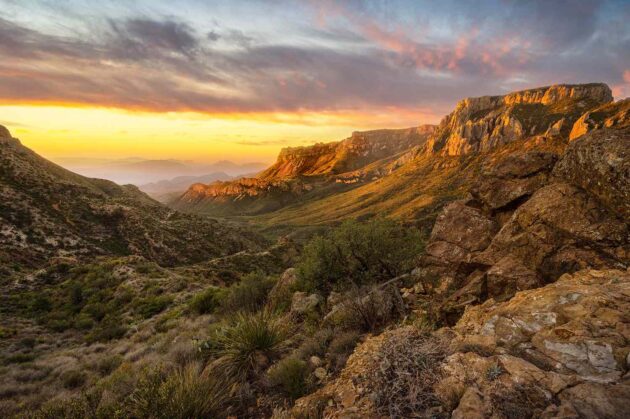
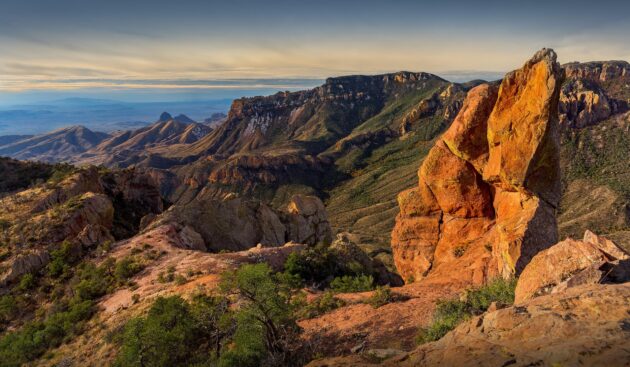
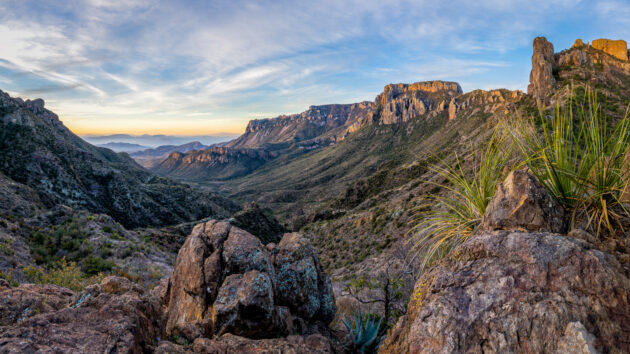
South Rim Trail (12–14.5 miles, strenuous): A challenging hike with 2,000 feet of elevation gain, showcasing sweeping desert vistas.
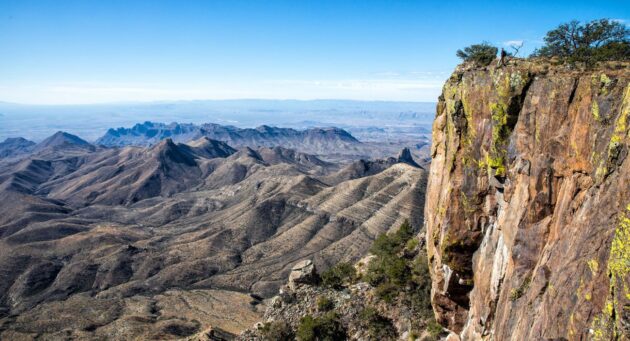
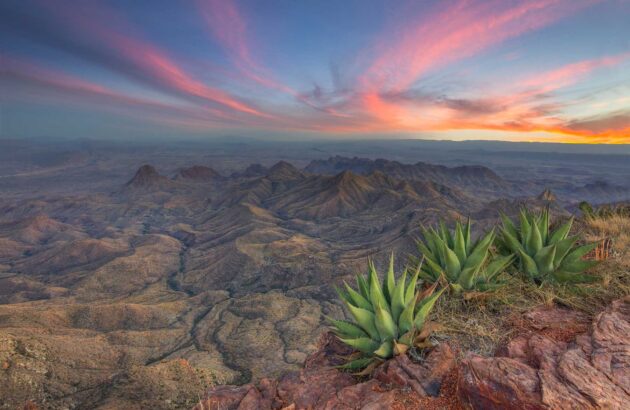
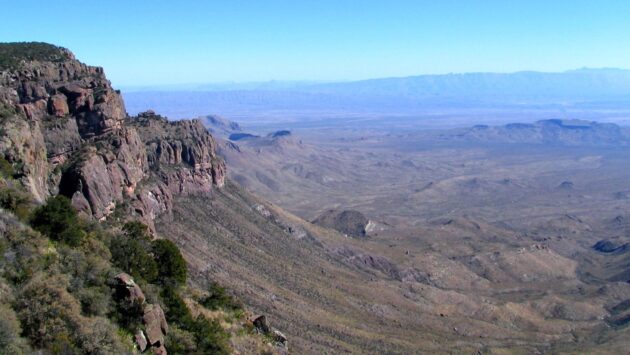
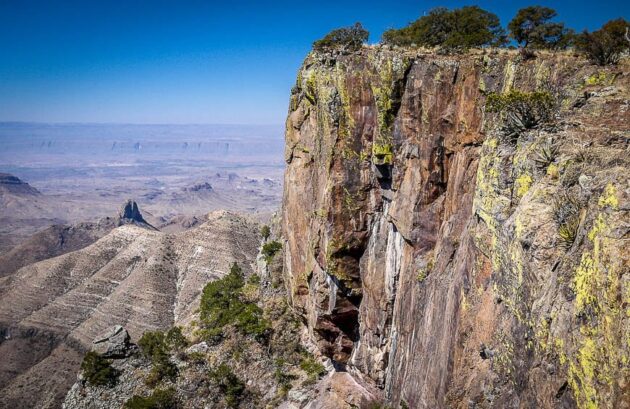
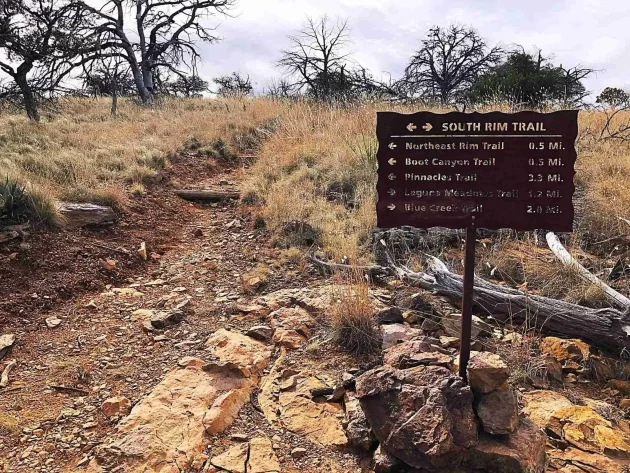
Emory Peak (10.5 miles, strenuous): Climb to the park’s highest point (7,825 feet) for unbeatable views.
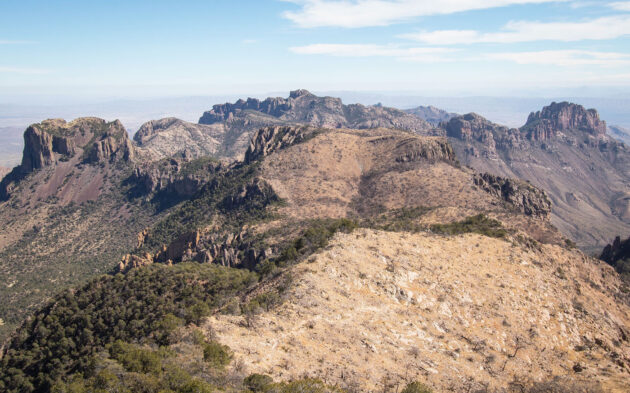
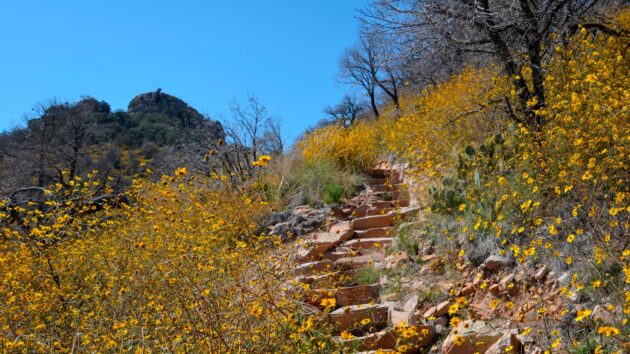
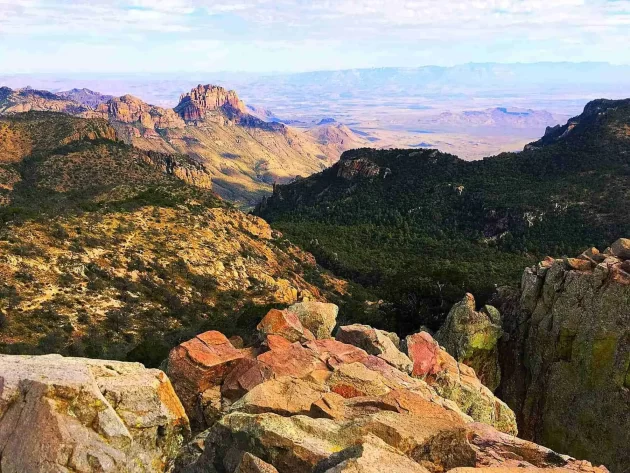
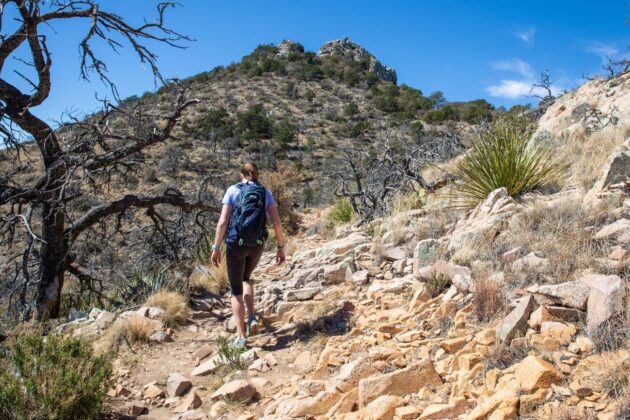
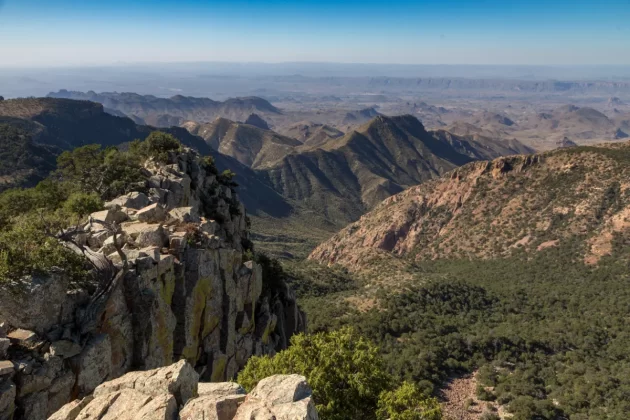
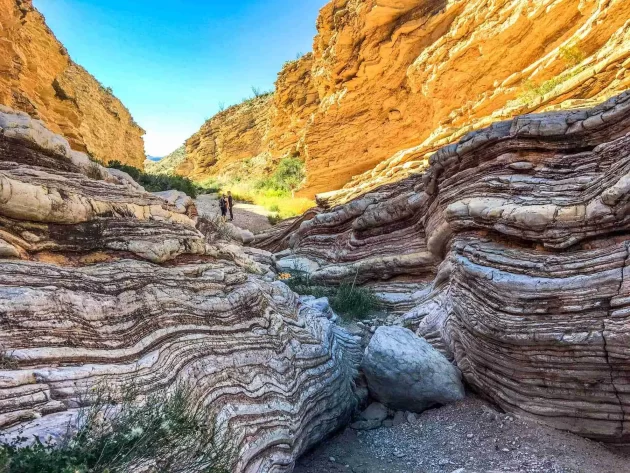
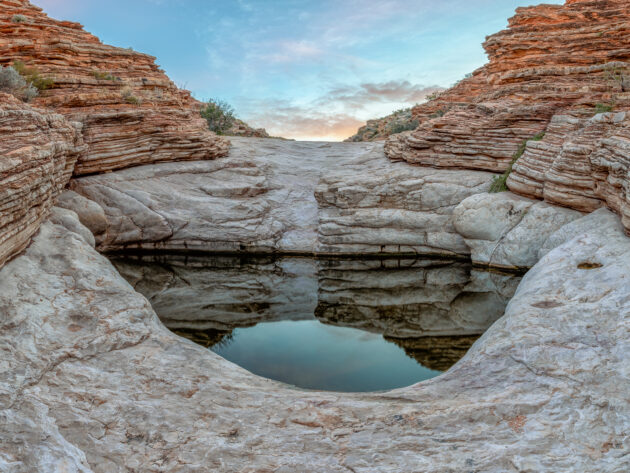
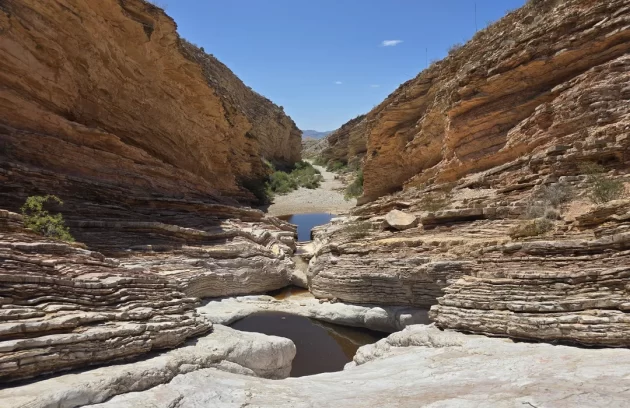
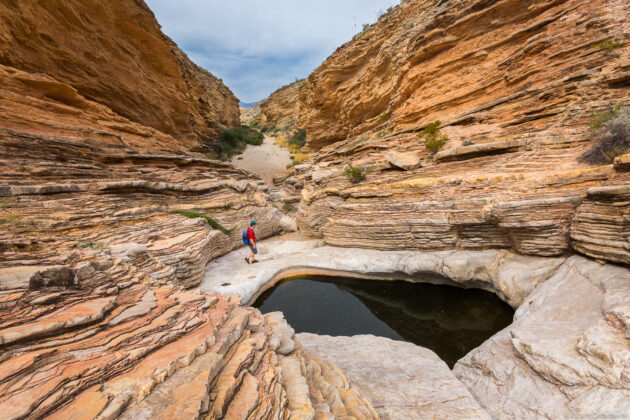
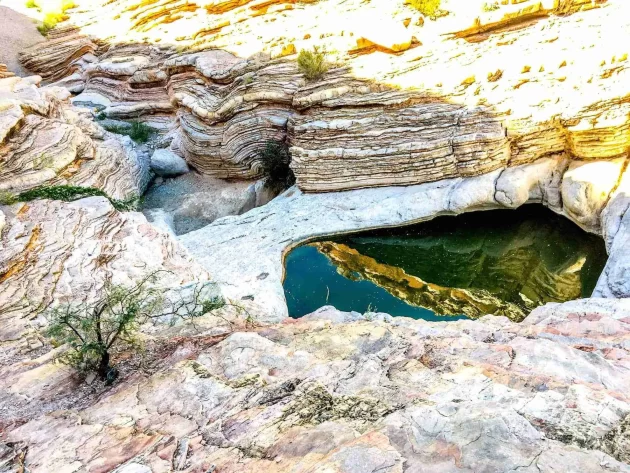
Ernst Tinaja (1.6 miles, easy): A short trail to colorful limestone waterholes in a slot canyon, best accessed with a high-clearance vehicle.
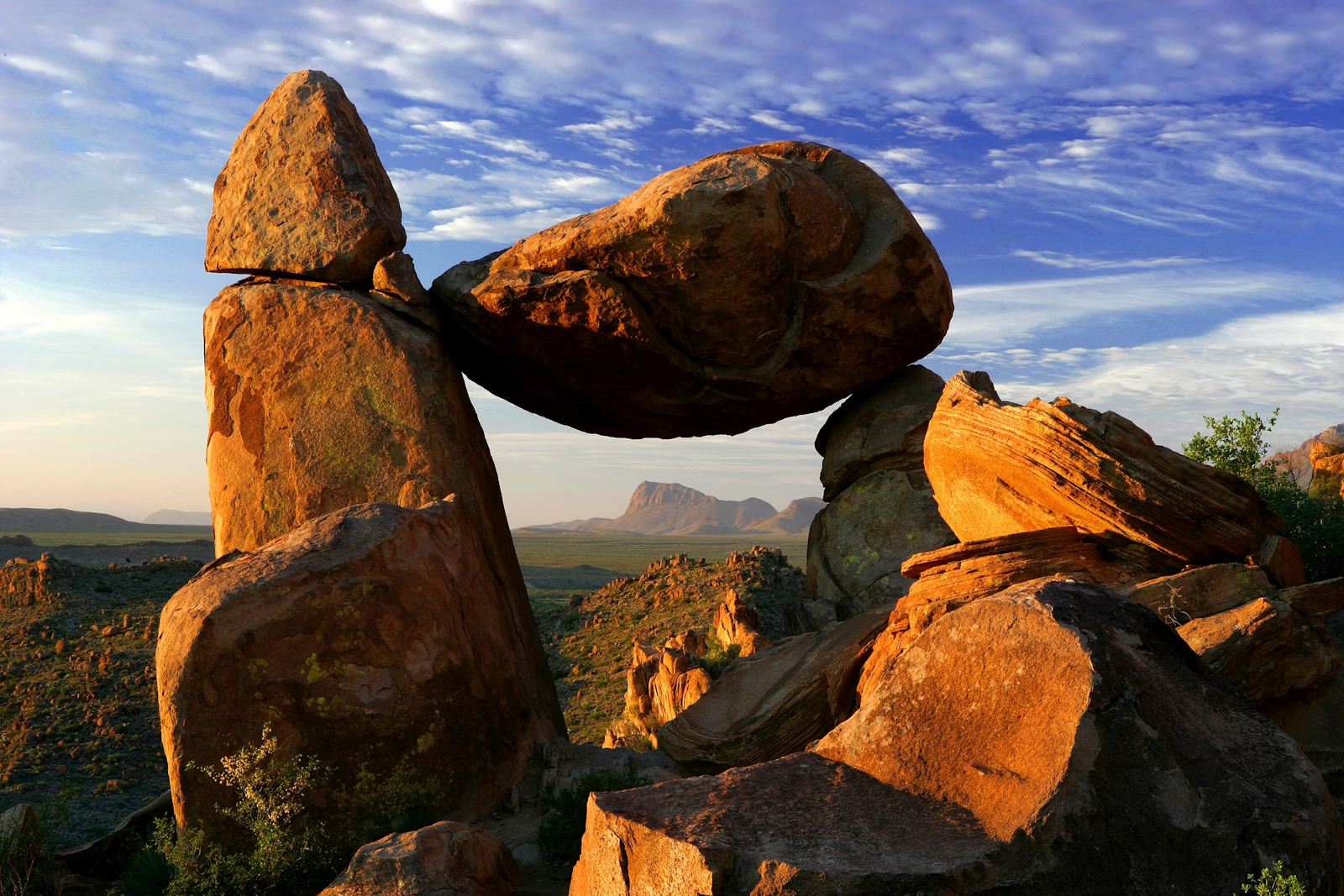
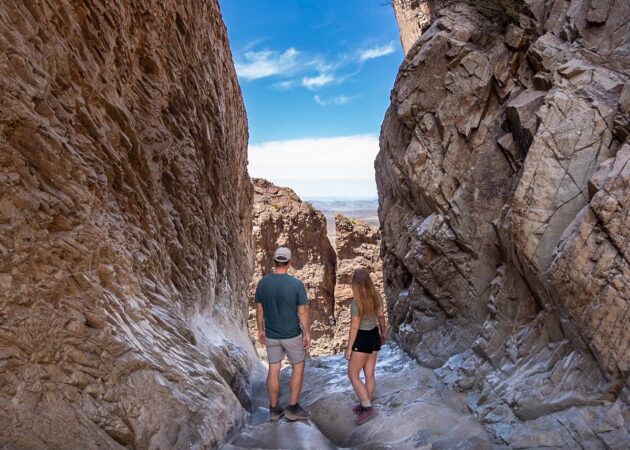
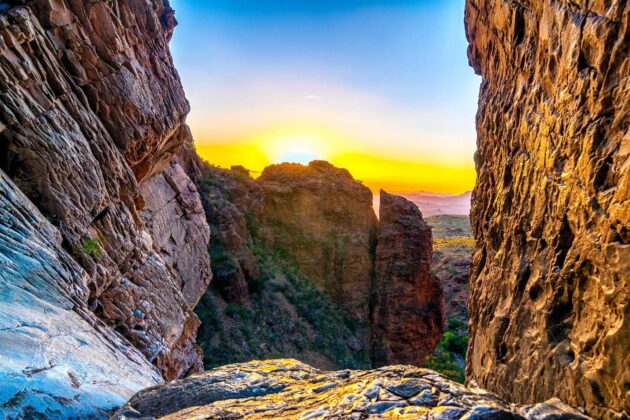
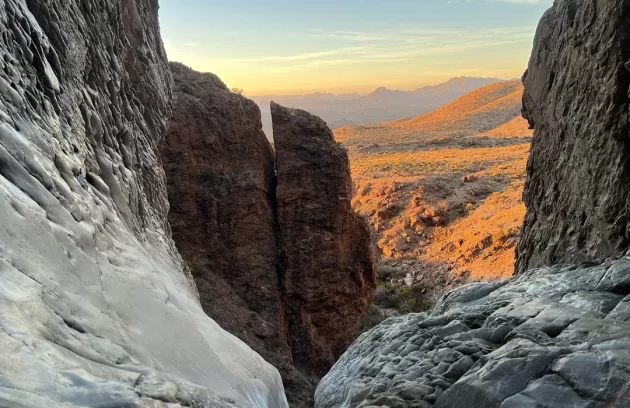
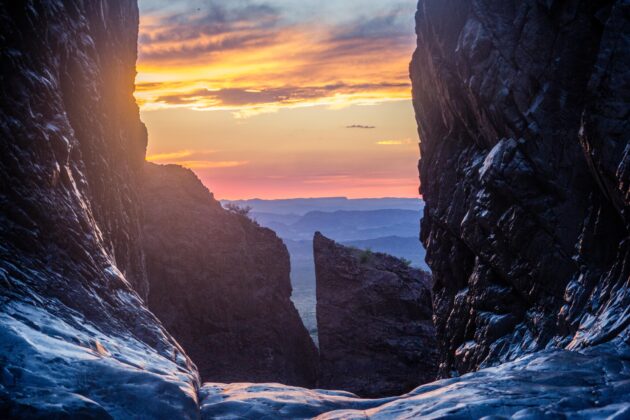
Window Trail (5.6 miles, moderate): A scenic hike to a rock notch framing the desert, perfect for sunset.
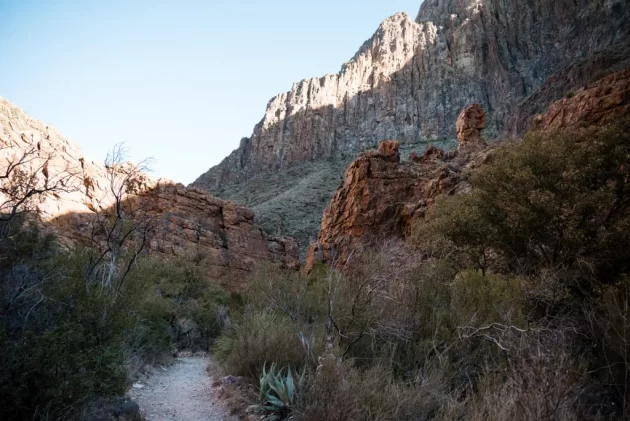
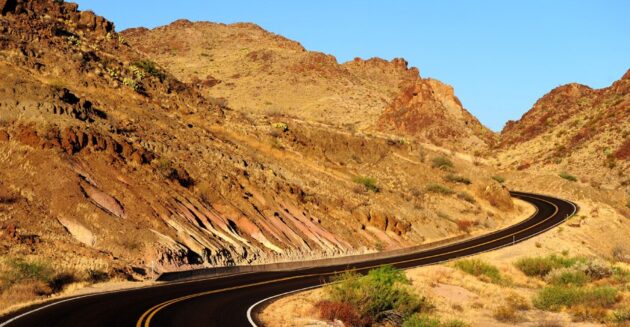
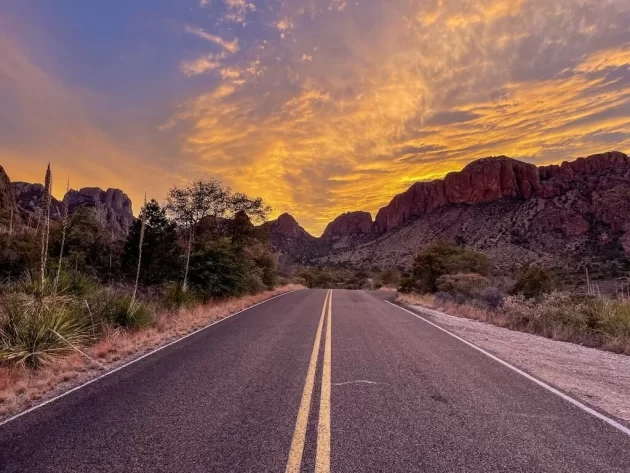
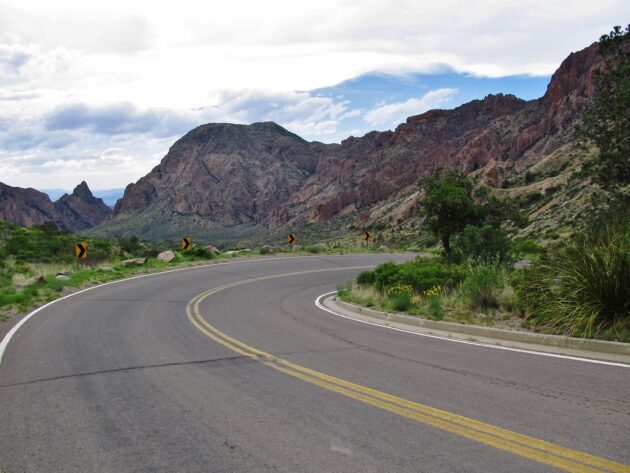
Scenic Drives: Ross Maxwell Scenic Drive (30 miles): Showcases diverse geology, desert landscapes, and access to trails like Santa Elena Canyon.
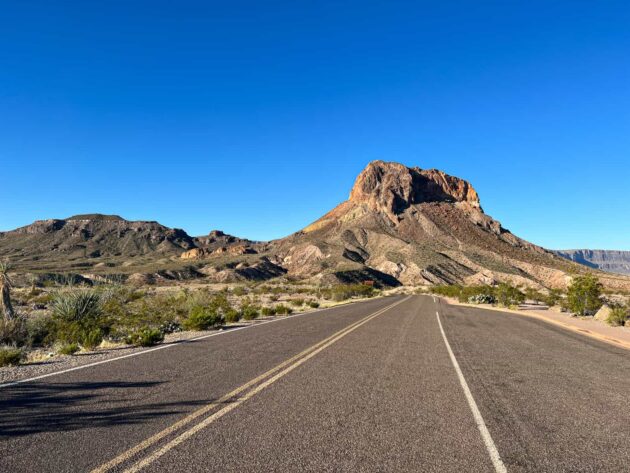
Chisos Basin Road: A winding 10-mile drive into the heart of the Chisos Mountains, offering stunning views and trailhead access.
River Activities: Canoeing/Kayaking: Float the Rio Grande through canyons like Santa Elena or Boquillas. Half-day to multi-day trips are available via outfitters like Big Bend River Tours or Far Flung Outdoor Center.
Hot Springs Historic District: Soak in 105°F natural springs along the Rio Grande, surrounded by ancient rock art (check for closures).
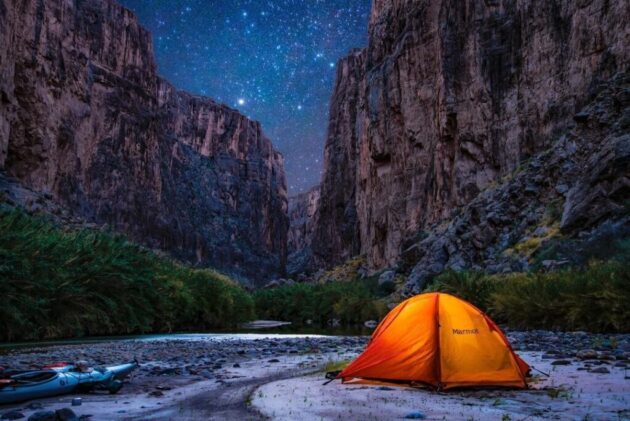
Stargazing: As an International Dark Sky Park, Big Bend is ideal for stargazing. Join ranger-led night sky programs or visit the McDonald Observatory (2 hours away in Fort Davis) for telescope sessions. Bring binoculars for enhanced views.
Wildlife Watching: Spot bobcats, mule deer, javelinas, and birds like red-tailed hawks. Early morning or late evening hikes increase sighting chances. The Rio Grande Village Nature Trail is great for birdwatching.
Cross-Border Visit: Visit Boquillas del Carmen, a small Mexican village accessible via a short boat ride across the Rio Grande (bring a passport). Enjoy local food and crafts.
Ranger-Led Programs: Free guided walks and talks on geology, wildlife, and history are offered weekly. Check schedules at visitor centers.
Where to Stay
Inside the Park: Chisos Mountains Lodge: The only hotel in the park, offering basic rooms and stone cottages with stunning views. Book well in advance (closures planned for 2025 due to construction). ~$100–150/night.
Campgrounds: Four developed sites (Chisos Basin, Rio Grande Village, Cottonwood, and primitive backcountry options). Book via recreation.gov. $16–33/night. Backcountry Camping: Permits required for remote sites, ideal for solitude seekers. Pack light and bring all gear.
Outside the Park: Terlingua (26 miles): Offers quirky accommodations like Basecamp Terlingua (tipis, bubble tents) and La Posada Milagro Guesthouse. ~$80–200/night. Lajitas (40 miles): Lajitas Golf Resort provides luxury lodging, a golf course, and activities like ziplining. ~$200–400/night. Marathon (70 miles): Gage Hotel, a historic property with authentic Western charm. ~$150–300/night.
Private Campgrounds: Options like Big Bend Travel Park, BJ’s RV Park, or Stillwell Store offer RV hookups and tent sites ($3.50–15/night).
Where to Eat
Inside the Park: The Chisos Basin Lodge Restaurant offers basic meals (burgers, salads, ~$10–20). A small camp store at Rio Grande Village has snacks. Stock up on groceries in Fort Stockton or Alpine before arriving.
Terlingua (26 miles): Starlight Theatre Restaurant: A local favorite for chicken-fried antelope, chili, and sotol margaritas. Live music and a lively porch vibe. ~$15–30. Long Draw Pizza: Casual spot for pizza in a rustic setting. ~$10–20. DB’s Rustic Iron BBQ: Known for Texas brisket and Mexican Coke. ~$10–20.
Marathon (70 miles): French Company Grocer for sandwiches and snacks. ~$5–15.
Tip: Pack a cooler with food and water, as dining options are limited and the nearest full grocery store is 2 hours away in Fort Stockton.
Tips for a Great Visit
Prepare for Remoteness: No public transport, limited cell service (spotty except at Panther Junction), and sparse amenities. Bring gas, water (1 gallon/person/day), food, and a paper map. Pet Policy: Dogs are allowed in campgrounds and on roads but not on trails or off-leash. Consider leaving pets at home.
Hiking Safety: Wear sturdy shoes, watch for snakes, and avoid overestimating your abilities. Check weather for flash flood risks. Border Crossings: U.S. Border Patrol checkpoints are common on roads to the park. Carry ID and expect possible inspections.
Combine Your Trip: Visit Big Bend Ranch State Park for rugged trails and river floats, Marfa for art and culture, or Fort Davis for the McDonald Observatory and historic sites.
Final Thoughts
Big Bend National Park is a hidden gem where vast deserts, towering mountains, and the mighty Rio Grande create a landscape unlike anywhere else in Texas. Whether you’re hiking to Emory Peak, floating through Santa Elena Canyon, or stargazing under a sky full of stars, the park’s raw beauty and solitude are unforgettable. Plan ahead, embrace the remoteness, and immerse yourself in this wild corner of West Texas for an adventure that will stay with you long after you leave.
Happy travels!