A Travel Guide to Guadalupe Mountains National Park
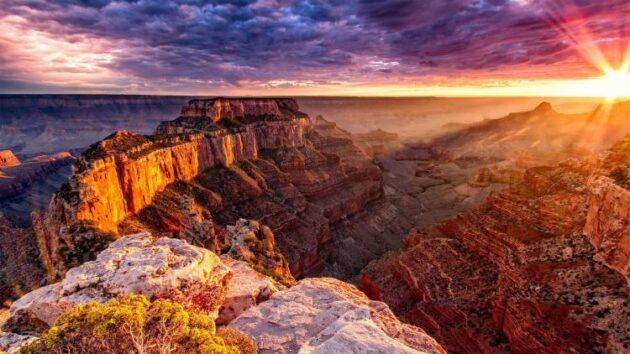
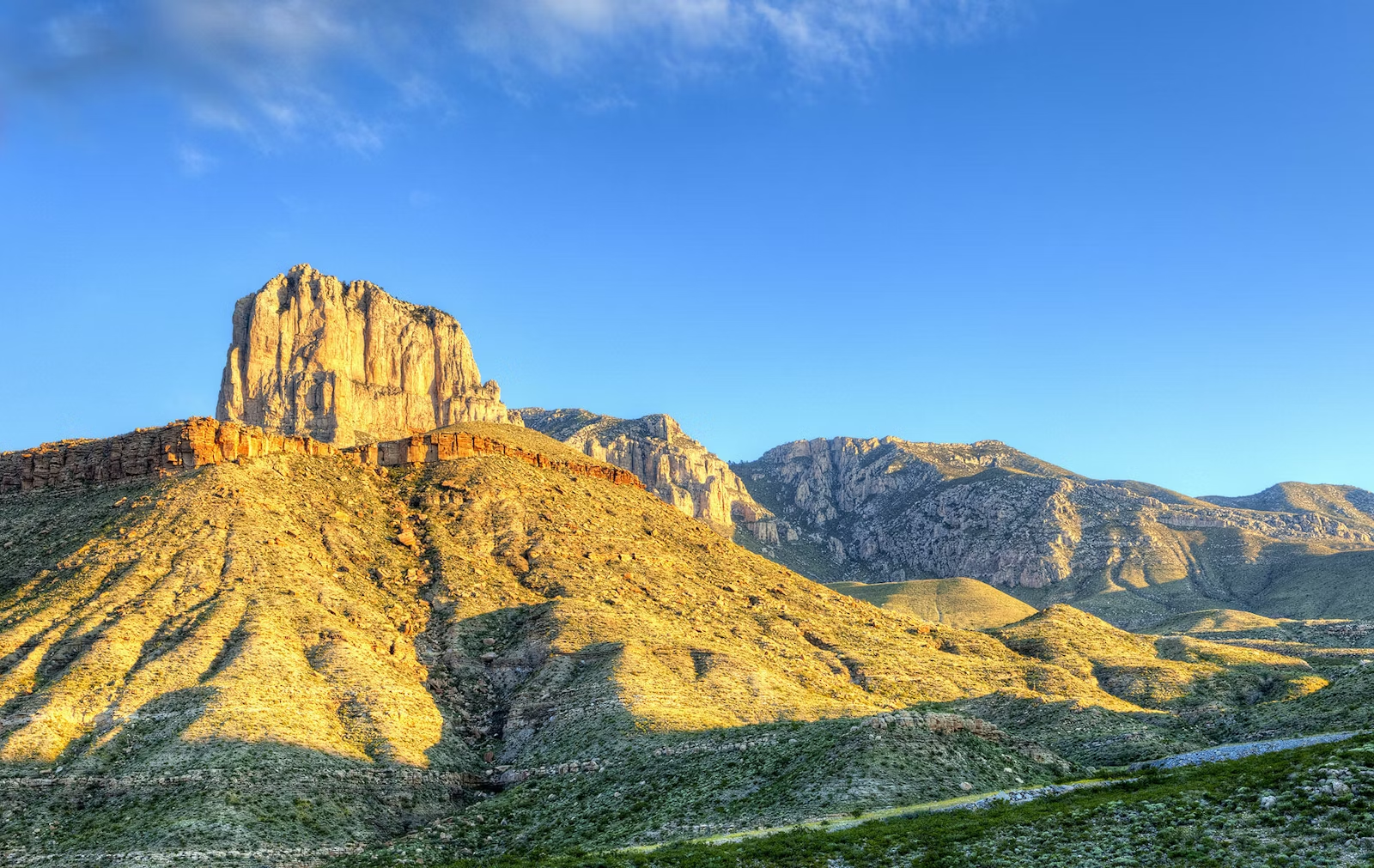
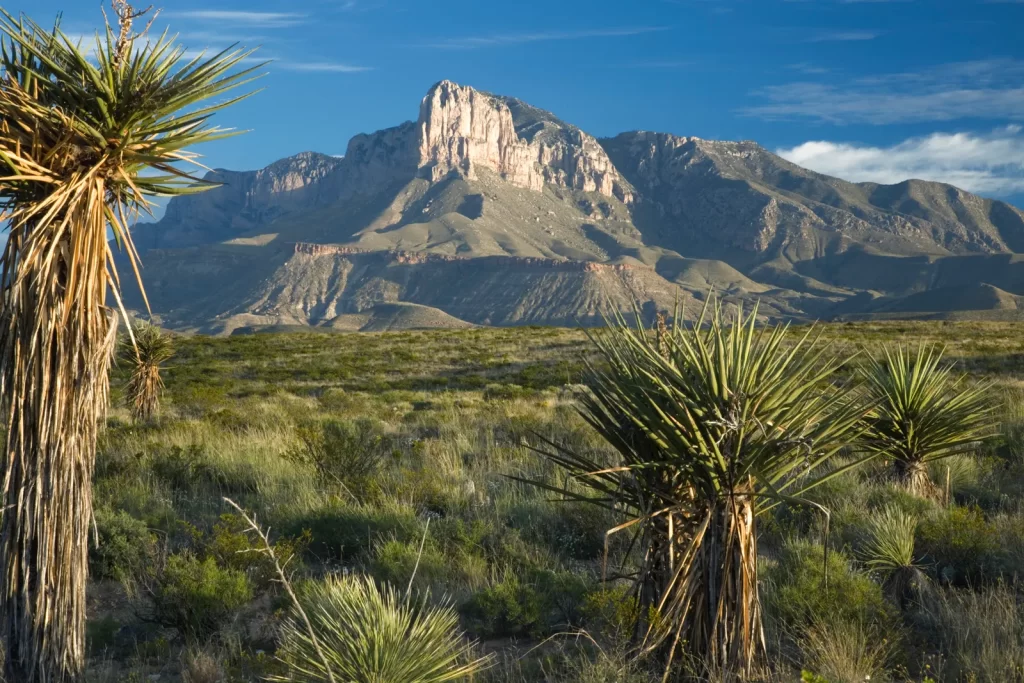
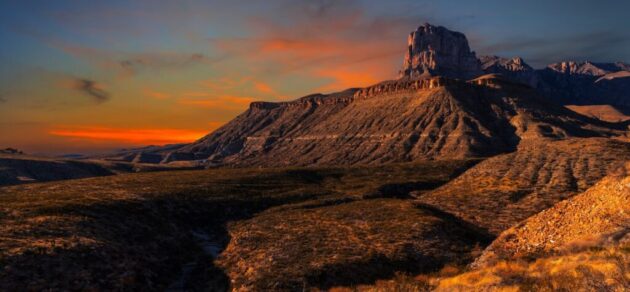
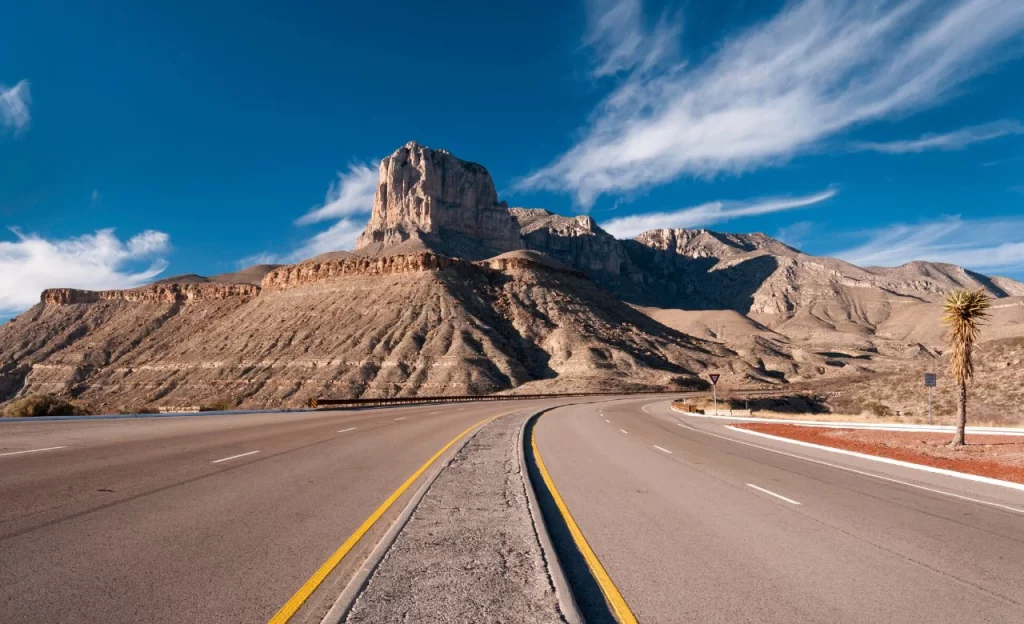
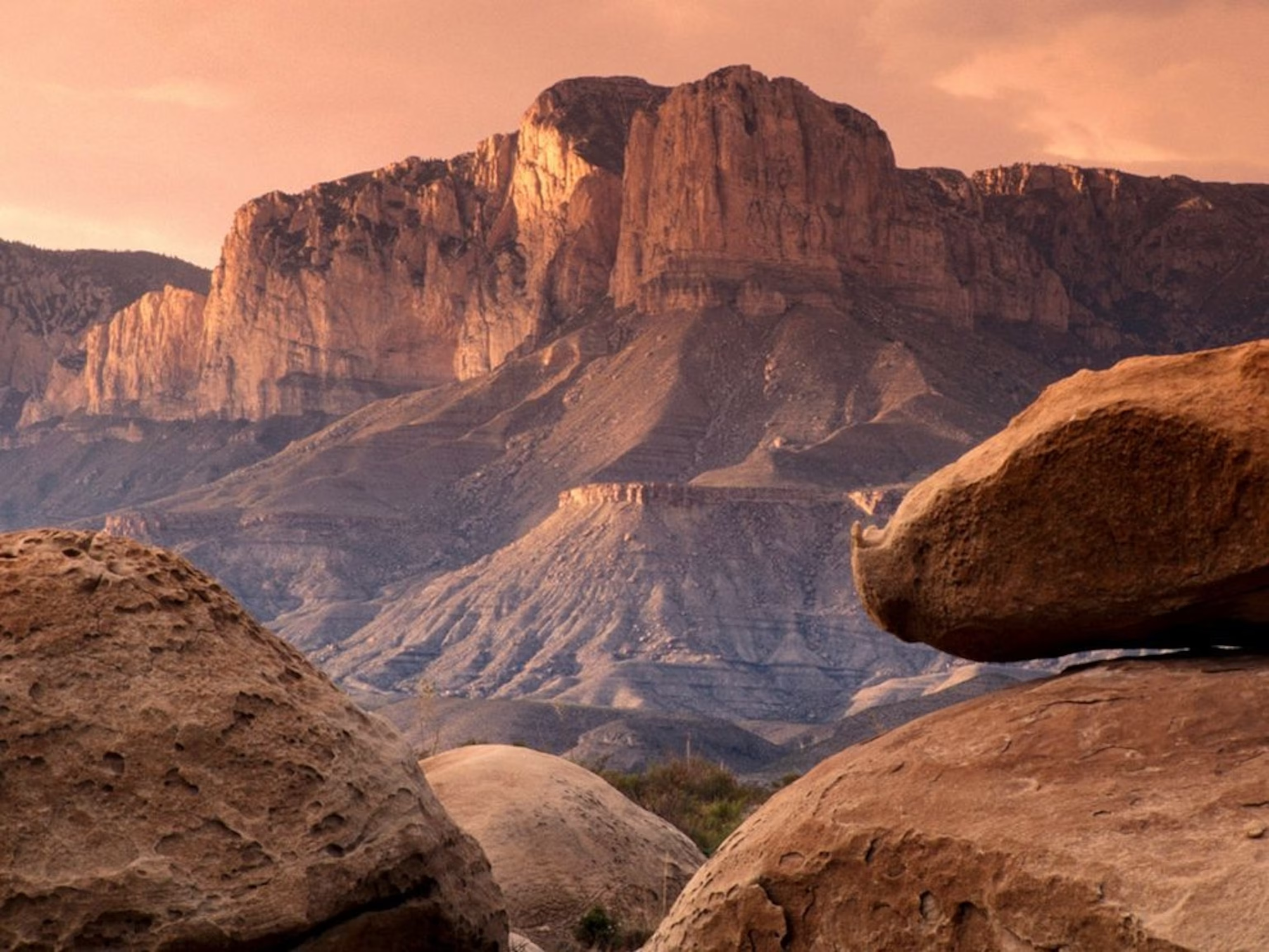
Tucked away in the remote Chihuahuan Desert of West Texas, Guadalupe Mountains National Park is a hidden gem that offers rugged beauty, rich geological history, and unparalleled opportunities for adventure. Established in 1972, the park spans 86,367 acres and is home to the four highest peaks in Texas, including Guadalupe Peak (8,751 feet), the state’s highest point, and the iconic El Capitan rock formation. With its ancient Permian fossil reef, diverse ecosystems, and over 80 miles of hiking trails, this park is a paradise for hikers, history buffs, and stargazers. This guide will help you plan an unforgettable visit to this lesser-known national park.
Why Visit Guadalupe Mountains National Park?
Guadalupe Mountains National Park is unlike any other destination in Texas. It preserves the world’s most extensive exposed Permian fossil reef, formed 260 million years ago when the area was an ancient sea. The park’s dramatic limestone peaks, deep canyons, and vibrant fall foliage in McKittrick Canyon offer stunning vistas and a sense of isolation rare in more popular national parks. With minimal light pollution, it’s also one of the best places in the U.S. for stargazing. Whether you’re summiting Guadalupe Peak, exploring historic ranches, or marveling at fossilized coral, the park promises a unique blend of natural beauty and cultural history.
How to Get There
Located in West Texas near the New Mexico border, Guadalupe Mountains National Park is remote, with the closest major city being El Paso, 110 miles west. Here are the main ways to reach the park:
By Car: The park is accessible via U.S. Highway 62/180, with the Pine Springs Visitor Center serving as the main entrance. From El Paso, it’s a 1.5–2-hour drive (103 miles). From Carlsbad, New Mexico (55 miles north), it takes about 45 minutes.
Note: The park has no scenic drive, so most attractions require hiking. The last 7 miles to the Salt Basin Dunes are unpaved and bumpy, requiring a high-clearance vehicle.
By Air: El Paso International Airport (ELP) is the closest major airport, offering flights from major U.S. cities via airlines like American, Delta, and Southwest. From there, rent a car for the 1.5-hour drive.
Alternatively, Cavern City Air Terminal in Carlsbad, New Mexico, offers limited flights, and Midland International Air & Space Port (180 miles east) is another option.
By Public Transport: Public transport options are limited. The closest Amtrak station is in El Paso, followed by a 1.5-hour drive. Buses from Houston or Dallas to El Paso (18–22 hours, $150–$440) are available but require transfers. Renting a car from El Paso is recommended for flexibility.
Tip: Fill up on gas in El Paso, Carlsbad, or Van Horn, as services near the park are scarce.
Best Time to Visit
Spring (March–May) and Fall (September–November): These seasons offer mild temperatures (60s–70s°F) and are ideal for hiking. Fall brings vibrant foliage in McKittrick Canyon, with bigtooth maples turning brilliant red and orange. Spring is perfect for wildflowers and moderate weather.
Summer (June–August): Daytime temperatures often exceed 100°F on the desert floor, with cooler conditions at higher elevations. Thunderstorms are common, so plan hikes for early mornings.
Winter (December–February): Temperatures range from 30s to 50s°F, with occasional snow in the mountains. Trails may be icy, but the park is quiet, offering solitude.
Stargazing Tip: The park’s dark skies are best enjoyed during a new moon to avoid moonlight interference. Bring binoculars for an enhanced experience.
Tickets and Opening Hours
Opening Hours: The park is open year-round, 24/7, but visitor centers have specific hours: Pine Springs Visitor Center: 8:00 AM–4:30 PM (Mountain Time), occasionally extended during peak seasons. McKittrick Canyon Visitor Center: Open daily during peak seasons (April, October–November), but hours vary. Dog Canyon Visitor Center: Open intermittently due to staffing; check ahead.
Entrance Fees: $10 per person (ages 16+), valid for 7 days. Free for children under 16 and holders of the America the Beautiful Pass ($80 annually, covers all U.S. national parks). Interagency Access Pass accepted for U.S. citizens with disabilities.
Permits: Required for backcountry camping and certain activities like horseback riding or livestock use at the Frijole Horse Corral. Obtain permits at the Pine Springs Visitor Center or via Recreation.gov.
What to See and Do
The park’s rugged terrain and lack of paved roads make hiking the primary way to explore. With over 80 miles of trails, there’s something for every skill level.
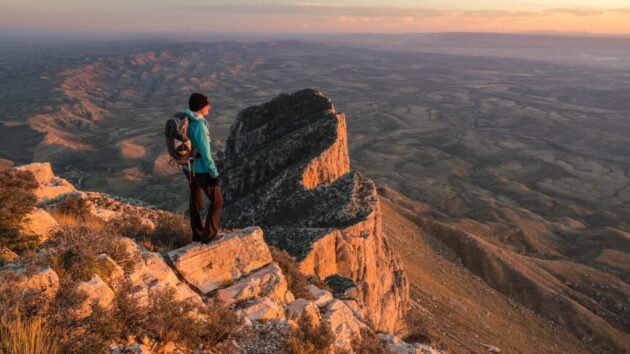
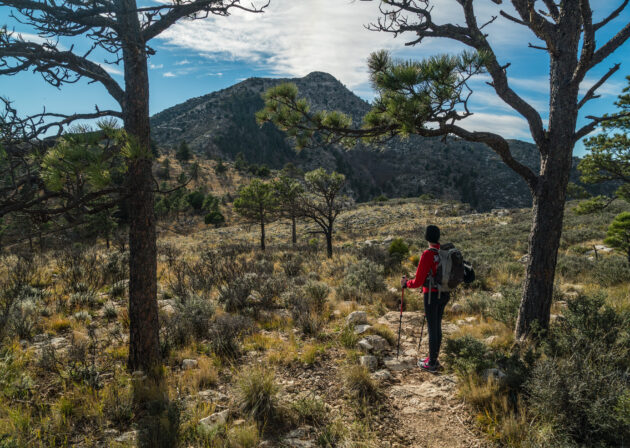
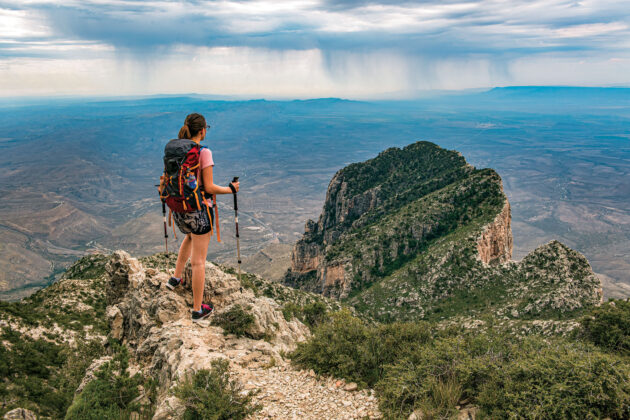
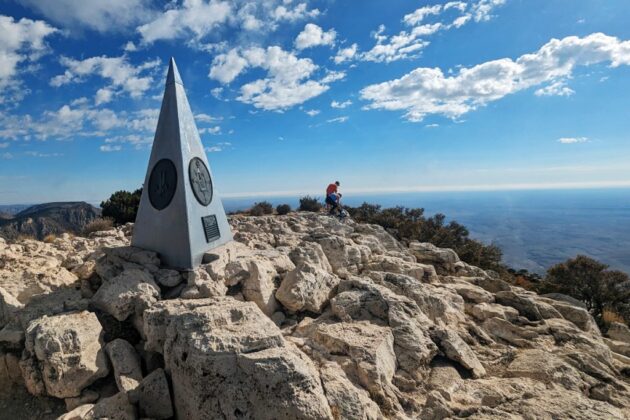
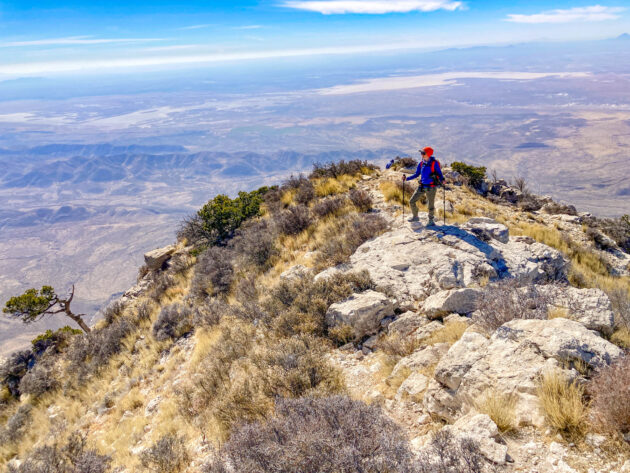
Guadalupe Peak Trail: Distance: 8.4 miles round-trip; Difficulty: Strenuous (3,000 ft elevation gain); Duration: 6–8 hours. The most popular trail leads to the “Top of Texas” at 8,751 feet, offering panoramic views of the Chihuahuan Desert and El Capitan. Start early to avoid heat and wind, and bring sturdy boots for rocky terrain. A monument at the summit commemorates the Butterfield Overland Mail route.
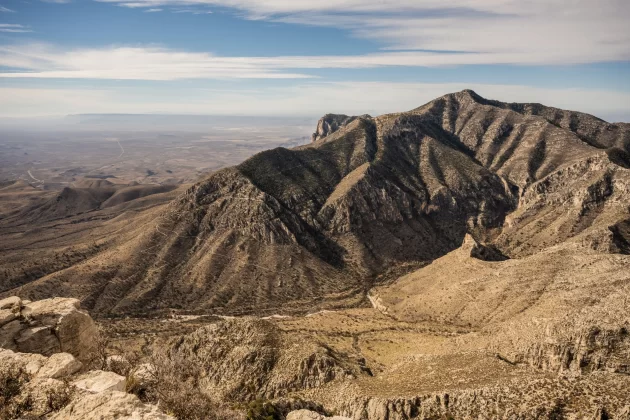
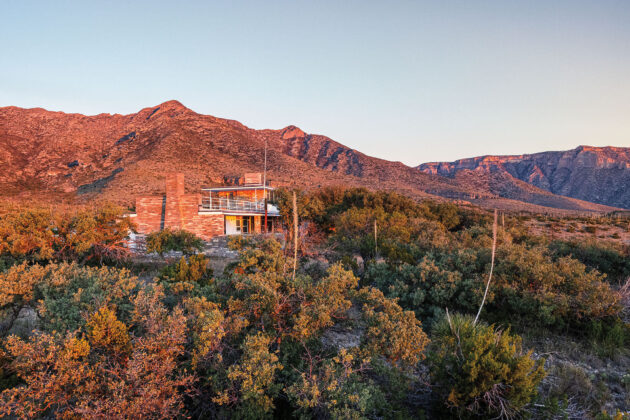
McKittrick Canyon Trail: Distance: 4.8–10 miles round-trip (depending on endpoint); Difficulty: Moderate to strenuous. Known for its stunning fall foliage (October–November), this trail winds through a lush canyon with bigtooth maples and a historic stone cabin built by geologist Wallace Pratt. The trailhead is at the McKittrick Canyon Visitor Center.
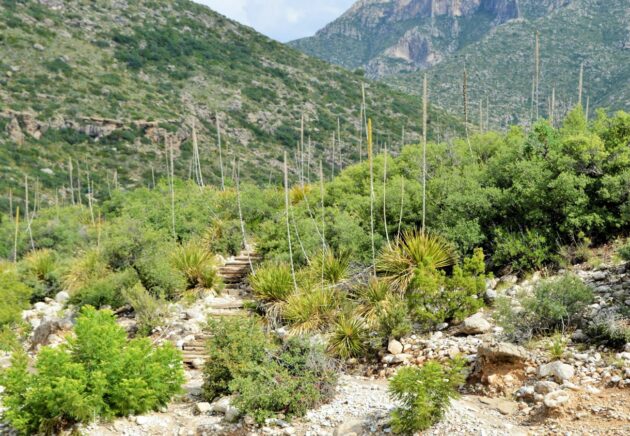
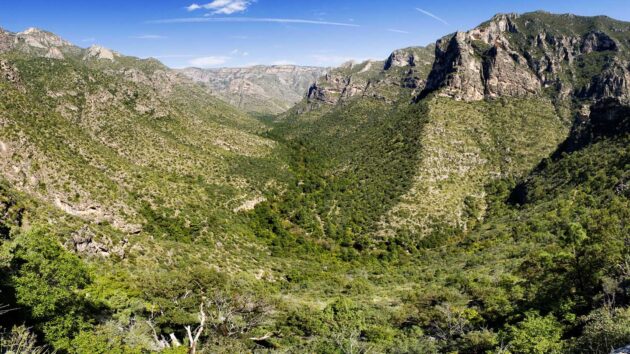
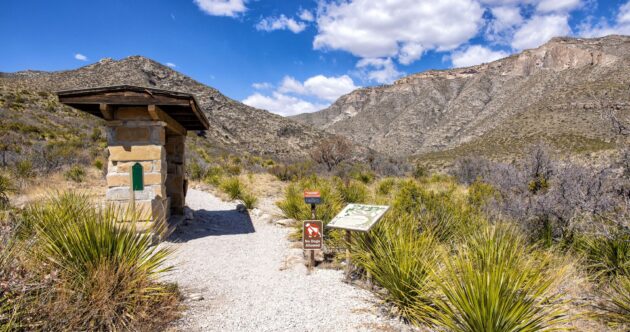
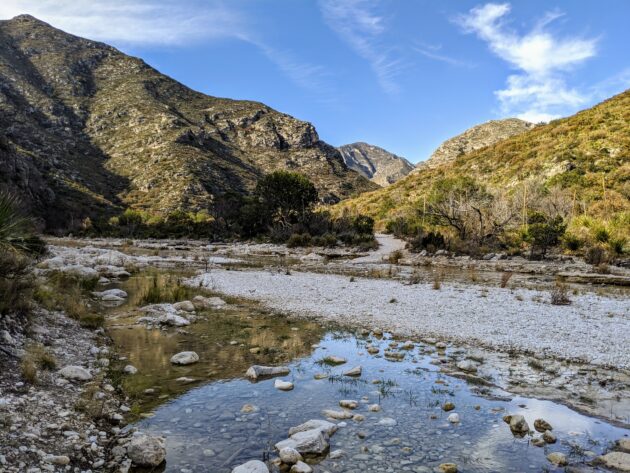
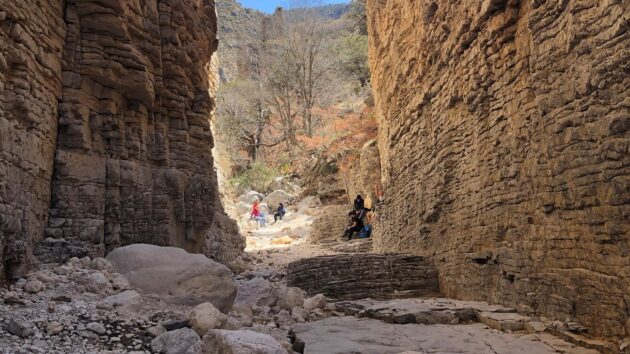
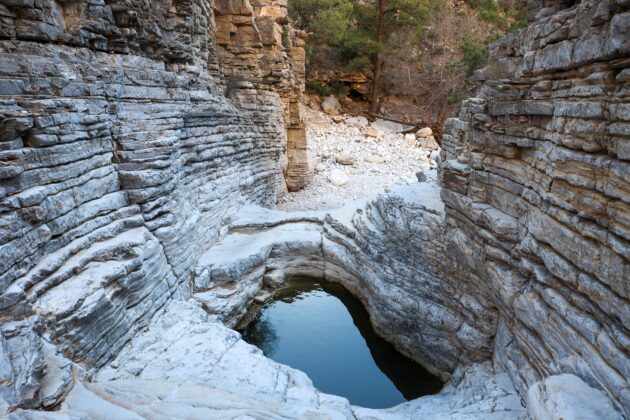
Devil’s Hall Trail: Distance: 4.2 miles round-trip; Difficulty: Moderate. This trail leads to a narrow slot canyon with dramatic rock formations. It’s a favorite for its scenic beauty and moderate challenge, accessible from the Pine Springs trailhead.
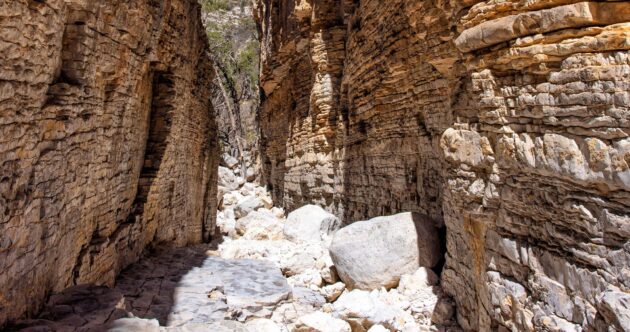
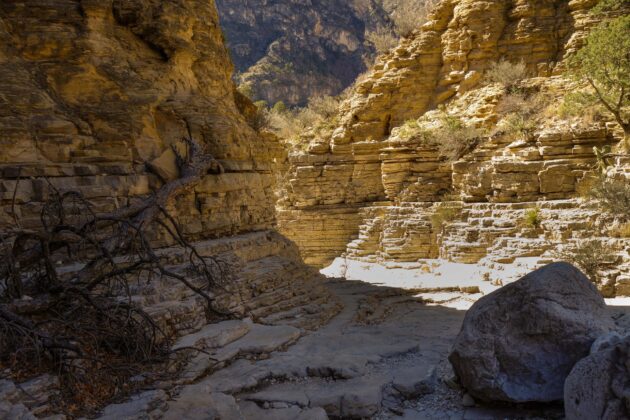
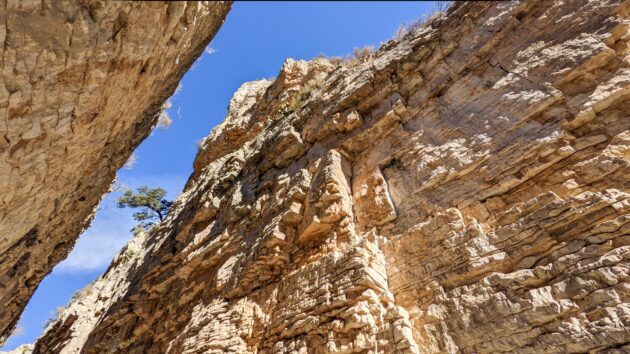
Frijole Ranch and Smith Spring Trail: Distance: 2.4 miles round-trip (Smith Spring); Difficulty: Easy to moderate. Visit the historic Frijole Ranch, a restored 1876 ranch with a museum showcasing local history. The trail to Smith Spring and Manzanita Spring offers a shaded, family-friendly hike to a serene oasis. The Frijole Ranch parking area is wheelchair-accessible.
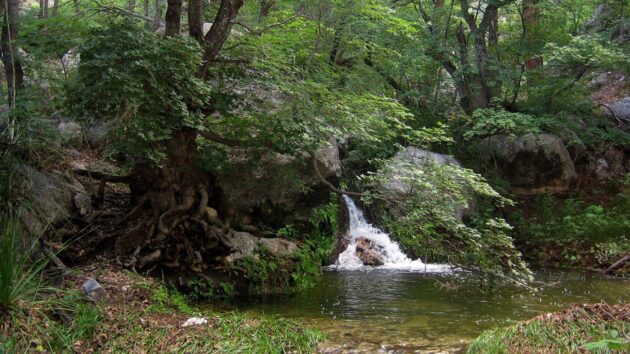
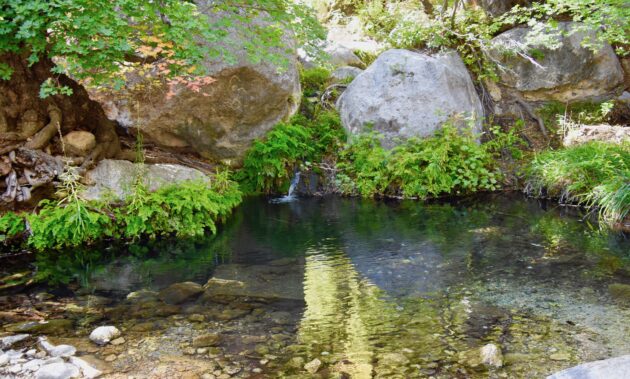
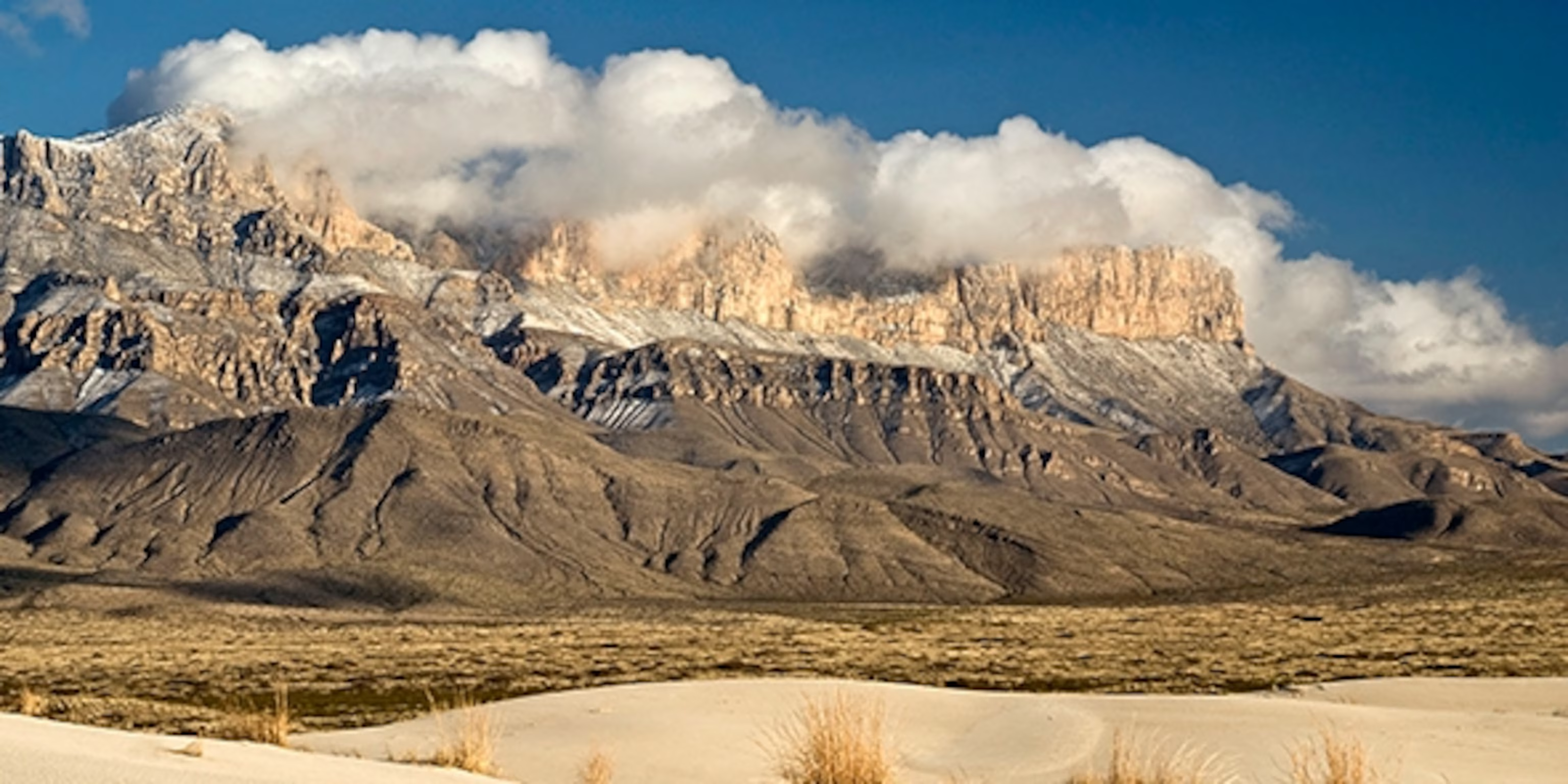
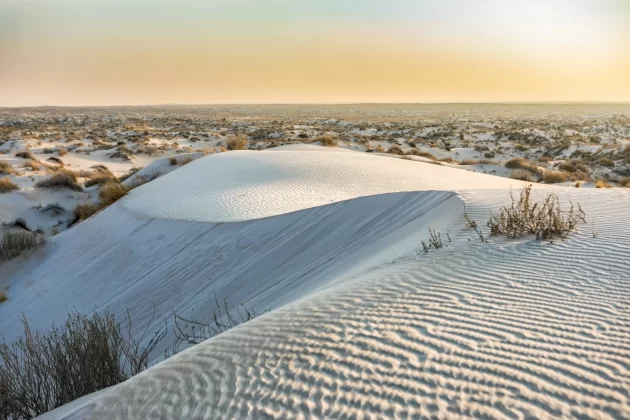
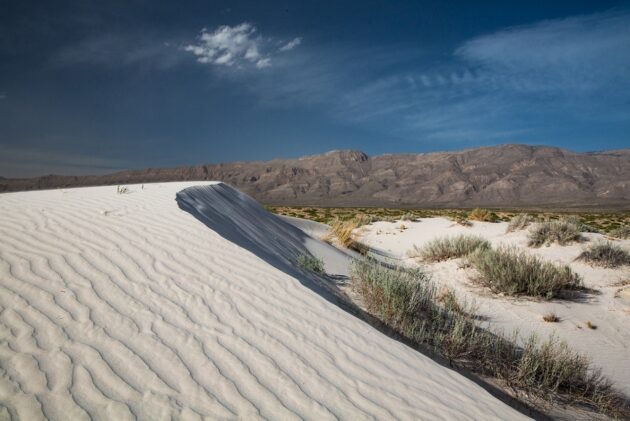
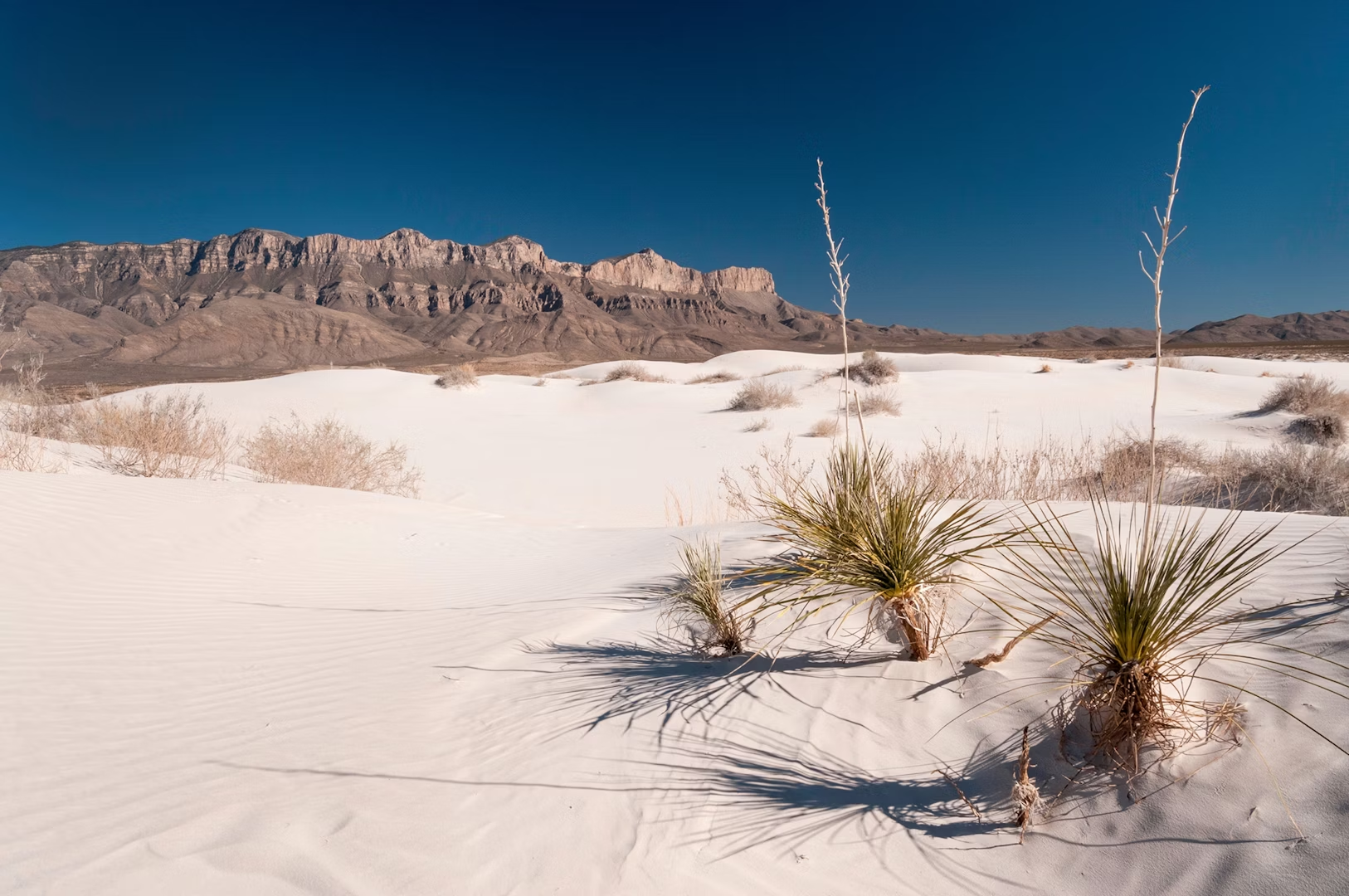
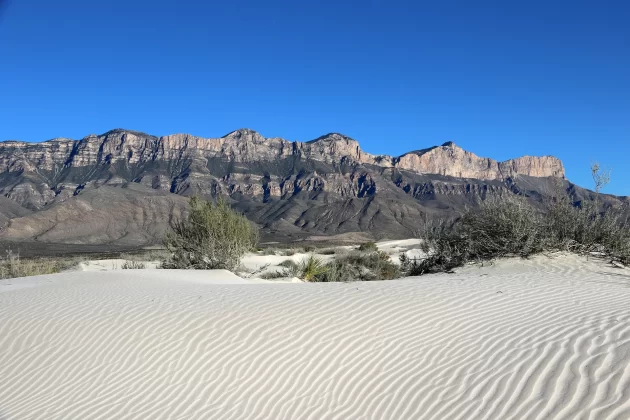
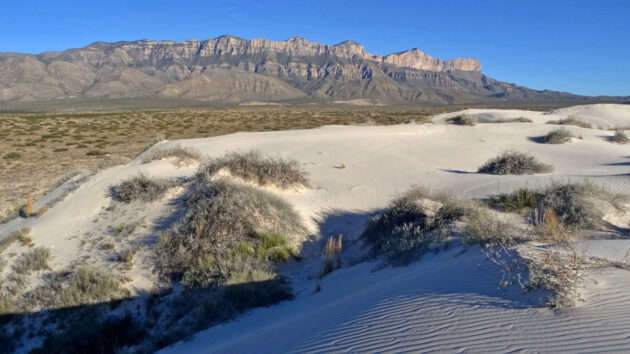
Salt Basin Dunes: Located on the park’s west side, these gypsum dunes offer a surreal landscape. The 1.5-mile round-trip hike is easy but requires a 7-mile unpaved drive to the trailhead. Be prepared for a lack of signage.
Stargazing: The park’s remote location and minimal light pollution make it ideal for stargazing. Join a ranger-led stargazing program (check the park’s calendar) or set up at Pine Springs Campground for a night under the Milky Way.
Historical Sites: Explore remnants of the Butterfield Overland Mail stagecoach route near Pine Springs and the Pinery Station ruins. The Williams Ranch (1908) and Pratt Lodge in McKittrick Canyon offer glimpses into the region’s ranching history.
Accessibility Note: The Pine Springs, McKittrick Canyon, and Dog Canyon visitor centers are mobility equipment and stroller-accessible, with wheelchair-accessible bathrooms and picnic areas. The Manzanita Spring trail is paved and accessible.
Where to Stay
Camping: Pine Springs Campground: The main campground near the visitor center offers 20 tent sites and 13 RV sites (no hookups, flush toilets, potable water). Reservations are recommended via Recreation.gov, especially in spring and fall. Dog Canyon Campground: Located on the remote north side (2-hour drive from Pine Springs), it has 9 tent and 4 RV sites, ideal for solitude. First-come, first-served as of 2025. Frijole Horse Corral Campground: A group site for livestock users, reservable for non-equestrian groups.
Outside the Park: Bureau of Land Management sites like Chosa Campground and Sunset Reef Campground offer free or low-cost camping (no facilities). Dispersed camping is available along County Road 424 in New Mexico.
Lodging: No lodges exist within the park. The nearest hotels are in Carlsbad, New Mexico (55 miles, limited options), Van Horn, Texas (62 miles), or El Paso (110 miles). Budget options start at $80/night, while mid-range hotels like Holiday Inn Express in Carlsbad cost $120–$200/night.
Tip: Book camping early for peak seasons. For hotels, use Booking.com or Expedia for deals in Carlsbad or El Paso.
Where to Eat
In the Park: No dining facilities are available. Bring your own food and water, as there are no reliable water sources on trails. Picnic areas are available at Pine Springs and Frijole Ranch.
Nearby: Limited dining options exist in White’s City, New Mexico (35 miles north) or Van Horn, Texas (62 miles south), offering fast food and diners (e.g., Chuy’s Restaurant in Van Horn, $10–20/meal). Carlsbad has more variety, including chain restaurants like Chili’s.
Tip: Pack a cooler with snacks, sandwiches, and plenty of water for your visit, as services are sparse.
Tips for a Great Visit
Prepare for Hiking: Trails are rocky and often steep. Wear sturdy hiking boots, bring a map, and carry the Ten Essentials (e.g., water, first aid kit, navigation tools). No water is available on trails, so bring at least 1 gallon per person for longer hikes. Weather Awareness: Expect strong winds (up to 100 mph in spring) and sudden storms in summer. Check forecasts and avoid high trails during thunderstorms.
Wildlife Safety: The park is home to mountain lions, black bears, and rattlesnakes. Keep a safe distance, store food securely, and make noise on trails to avoid surprises. Combine Your Trip: Visit nearby Carlsbad Caverns National Park (32 miles north) for a complementary experience exploring limestone caves. A 3.5-hour drive south takes you to Big Bend National Park for more desert adventures.
Leave No Trace: Follow the seven Leave No Trace principles to protect the park’s delicate ecosystem, especially in the 46,850-acre wilderness area. Air Quality Note: Haze from nearby oil and gas operations in the Permian Basin can occasionally affect visibility. Check air quality reports before stargazing or long hikes.
Final Thoughts
Guadalupe Mountains National Park is a rugged, off-the-beaten-path destination that rewards adventurous travelers with breathtaking vistas, ancient fossils, and a deep connection to Texas’ wild west heritage. Whether you’re conquering Guadalupe Peak, wandering through McKittrick Canyon’s autumn colors, or stargazing under pristine skies, the park offers a sense of solitude and wonder. Plan ahead, pack wisely, and embrace the isolation of this unique corner of the Chihuahuan Desert for an unforgettable experience.
Happy travels!