A Travel Guide to Utah
Utah, known as the “Beehive State,” is a haven for adventurers, nature lovers, and culture enthusiasts. Famous for its five stunning national parks—collectively called The Mighty 5—along with world-class ski resorts, vibrant cultural scenes, and diverse landscapes ranging from red rock deserts to snow-capped mountains, Utah offers an unforgettable travel experience. Whether you’re hiking through slot canyons, skiing “The Greatest Snow on Earth,” or exploring the cultural heritage of Salt Lake City, this guide will help you plan your perfect Utah adventure.
Why Visit Utah?
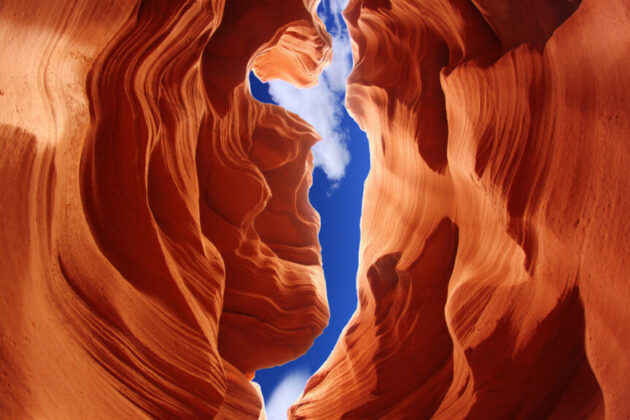
Utah’s diverse terrain includes the dramatic red rock formations of its national parks, the towering Wasatch Mountains, the surreal Bonneville Salt Flats, and over 40 state parks. The state is a paradise for outdoor activities like hiking, skiing, mountain biking, and rock climbing. Beyond nature, Utah boasts a rich cultural heritage, with Native American history, Mormon pioneer landmarks, and a thriving arts scene in cities like Salt Lake City and Park City. Its accessibility, with over 65% of the state being public land, makes it a dream destination for explorers of all levels.
How to Get There
Utah is well-connected by air, road, and public transport, with Salt Lake City International Airport (SLC) serving as the primary gateway.
By Air: Salt Lake City International Airport (SLC): The state’s largest airport, offering 700 routes, including nonstop international flights from Amsterdam, London, and Paris. Domestic connections include Austin, Los Angeles, and Phoenix. Other Airports: Provo Municipal Airport (PVU) serves domestic routes, while St. George Regional Airport (SGU) and Canyonlands Field Airport (CNY) near Moab cater to southern and eastern Utah. Flights to SLC from major U.S. cities take 2–4 hours, with round-trip fares typically ranging from $100–$300.
By Car: Utah’s 3,600 miles of state highways and 977 miles of interstate make road trips ideal. Major routes include I-15 (Wasatch Range to St. George), Highway 191 (through Moab), and Highway 89 (to Bryce Canyon and Zion). Renting a car is recommended for exploring national parks, as public transport to these areas is limited.
By Public Transport: Buses and trains connect Salt Lake City, Ogden, and Provo, but rural areas and national parks are less accessible without a vehicle. Consider guided tours for hassle-free park visits.
Tip: Rent a 4WD vehicle for off-road adventures in places like Canyonlands or Moab’s backcountry trails.
Best Time to Visit
Utah’s semi-arid climate means hot summers (up to 38°C) and cold winters with heavy snowfall in the north (averaging 500 inches annually). The best times to visit depend on your activities:
Spring (March–May): Ideal for national park visits, with mild weather (15–25°C) and blooming wildflowers. Avoid crowds by visiting mid-week. Summer (June–August): Perfect for hiking and water sports, but expect high temperatures in southern Utah. Early mornings are best for outdoor activities.
Fall (September–October): Optimal for national parks, with cooler temperatures (10–20°C), vibrant foliage, and fewer crowds. Mid-October is especially recommended for pleasant weather. Winter (December–February): A skier’s paradise, with world-class resorts like Park City and Deer Valley. Southern Utah’s parks are less crowded, though some trails may be icy.
Packing Tips: Bring comfortable hiking shoes, sunscreen, a sun hat, and a reusable water bottle year-round. In winter, pack warm layers, waterproof jackets, and thick coats for northern Utah.
Must-Visit Destinations
Zion National Park
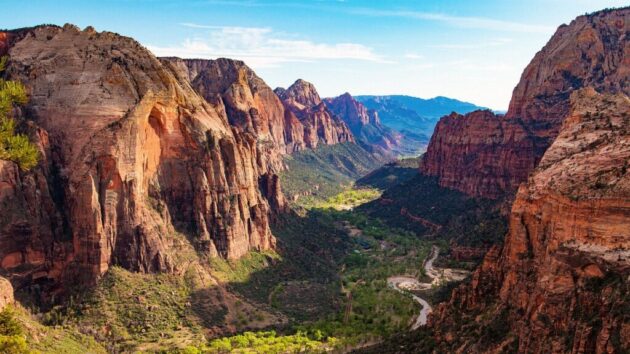
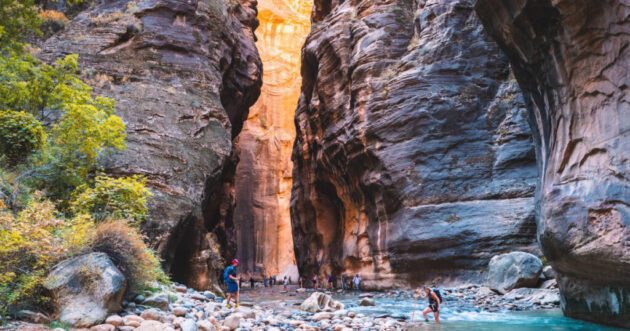
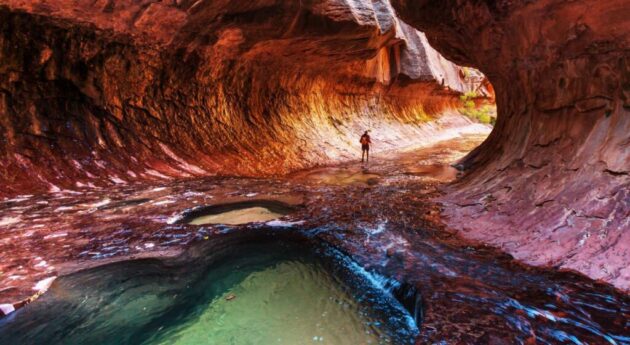
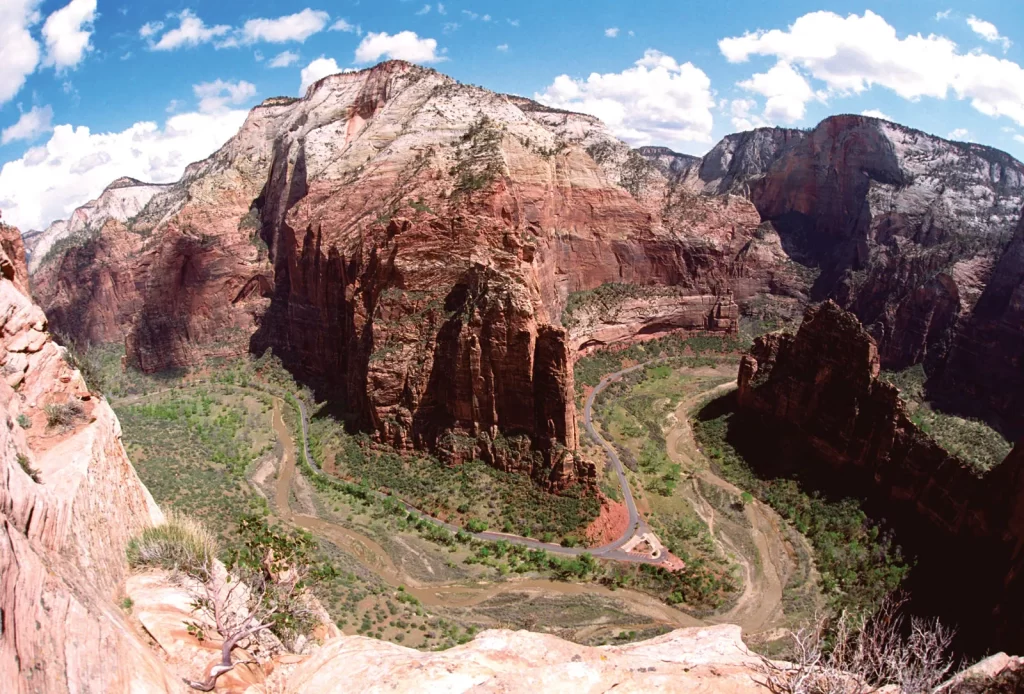
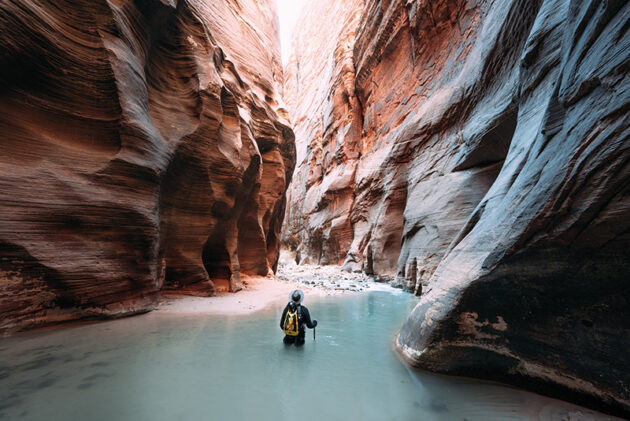
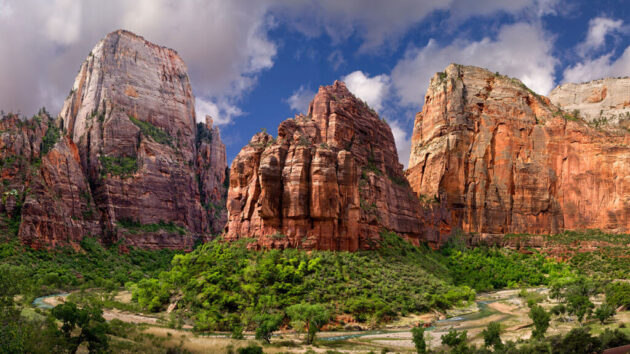
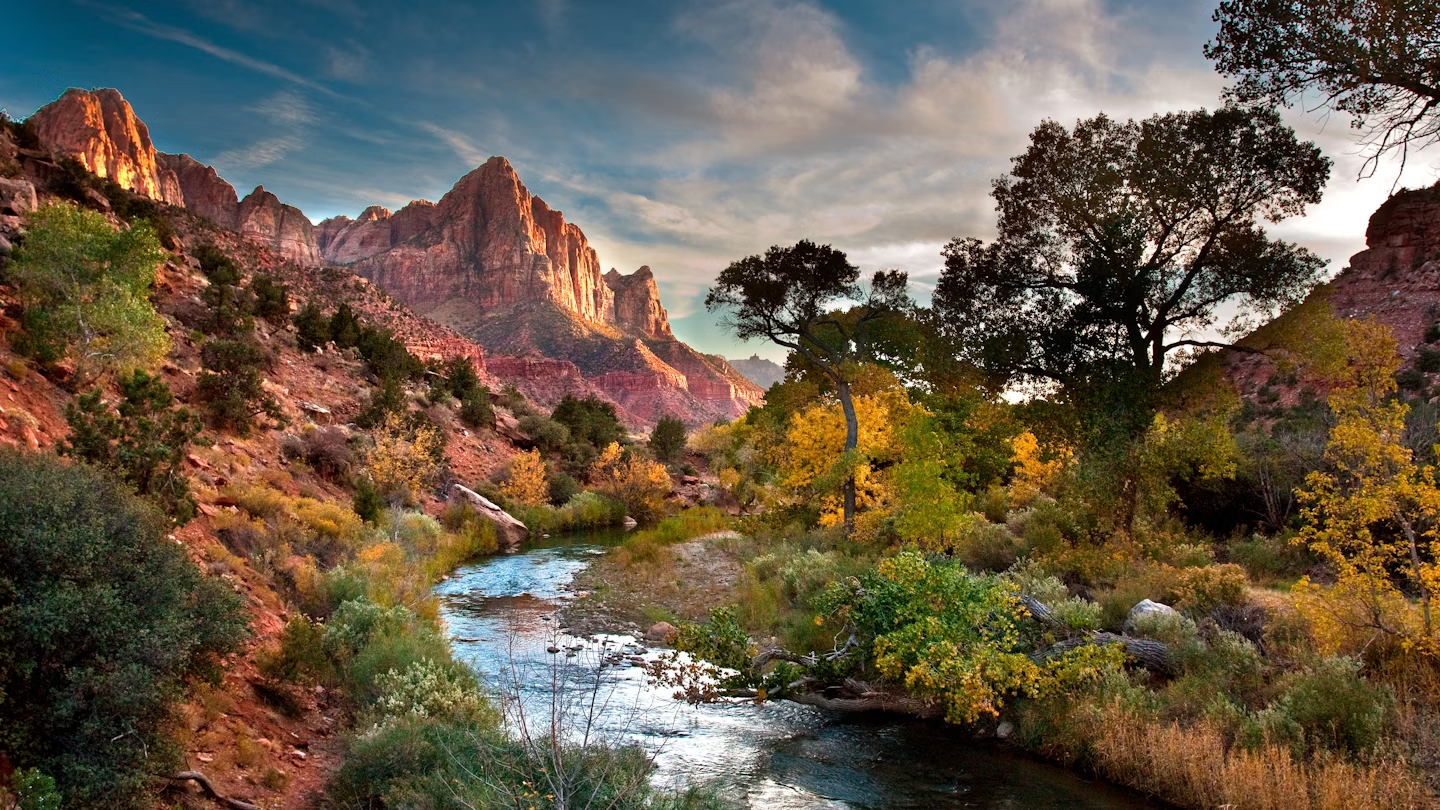
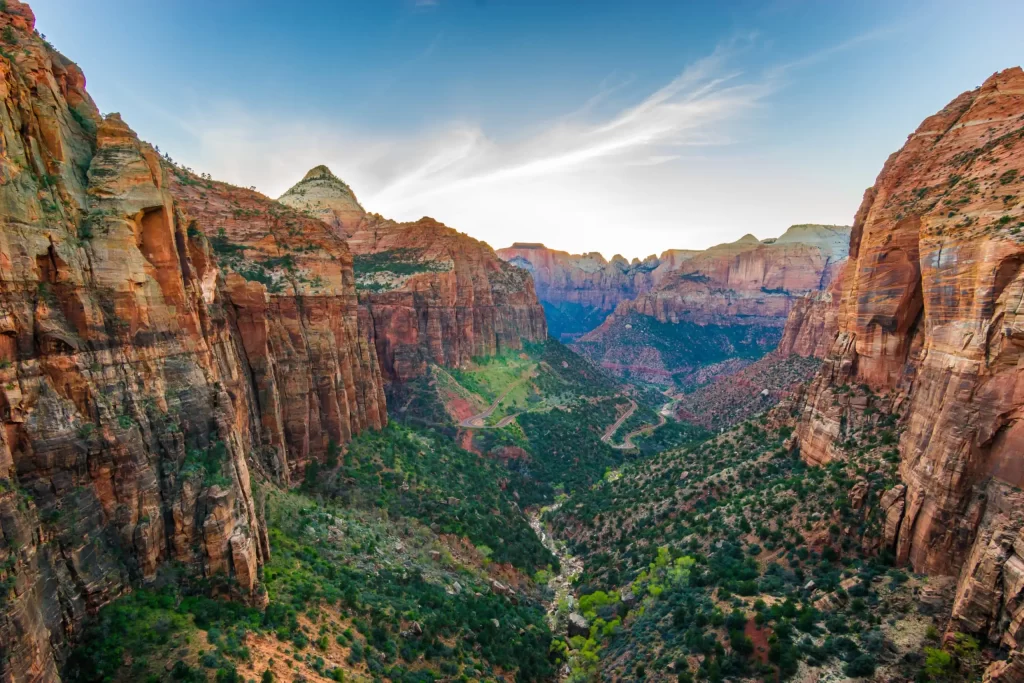
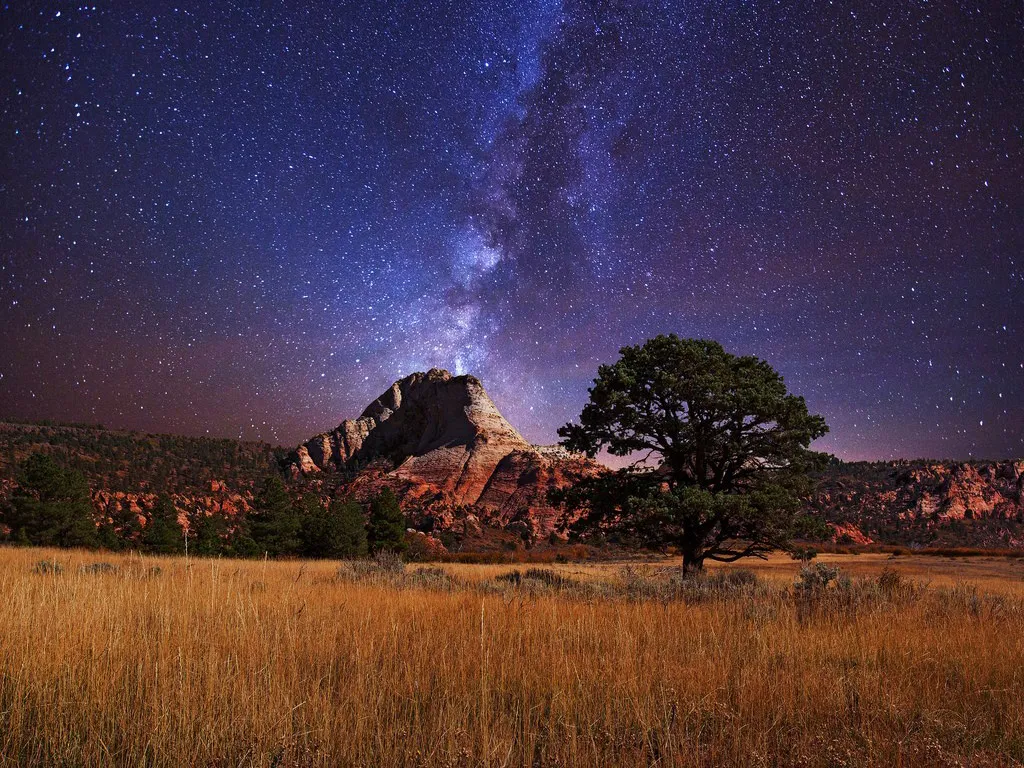
Zion National Park, located in southwestern Utah, is a breathtaking showcase of dramatic red and white sandstone cliffs, deep canyons, and diverse ecosystems. As one of Utah’s “Mighty Five” national parks, it draws over 4.6 million visitors annually with its iconic hikes like Angels Landing and The Narrows, stunning vistas, and rich history.
Bryce Canyon National Park
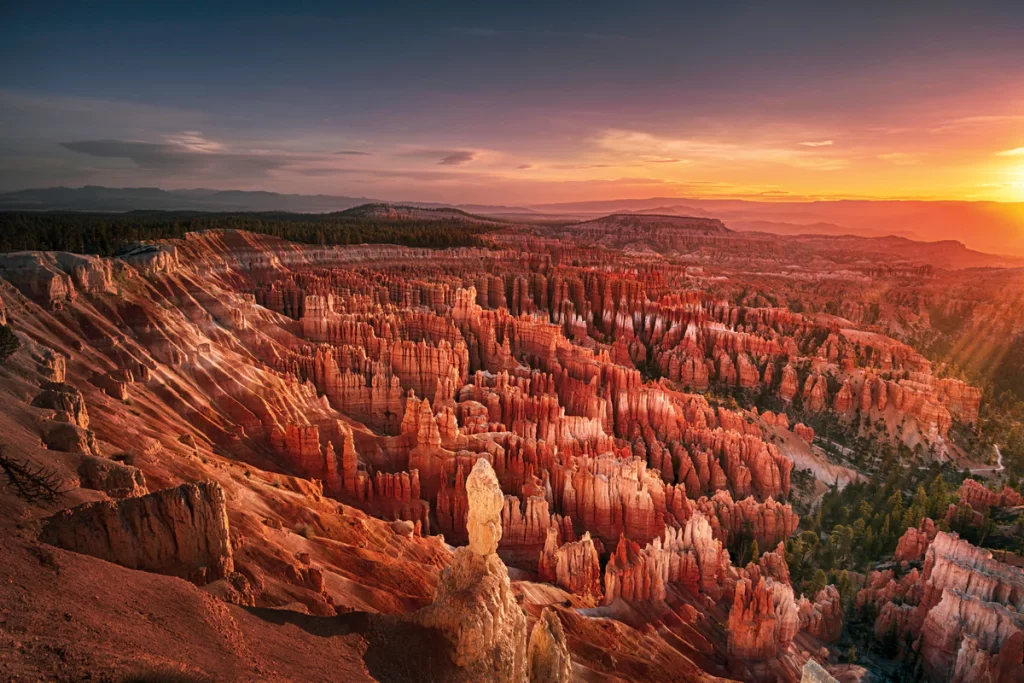
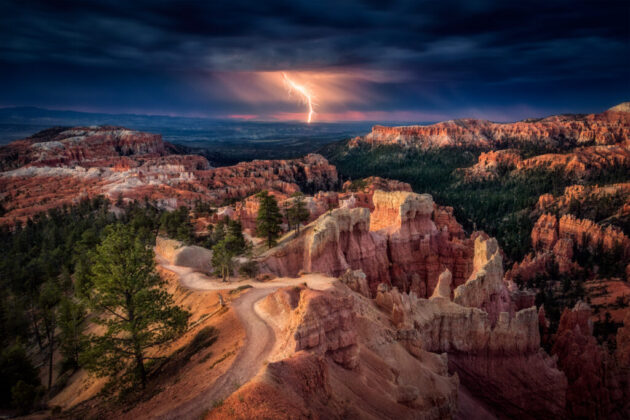
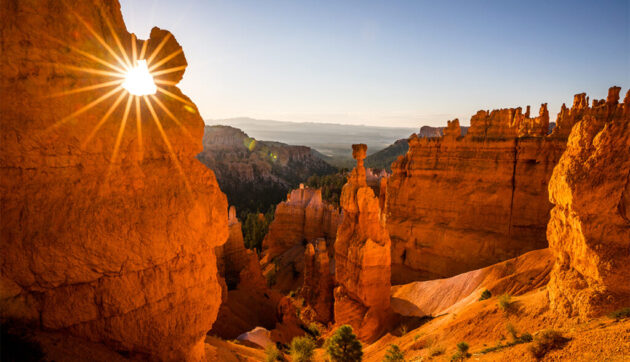
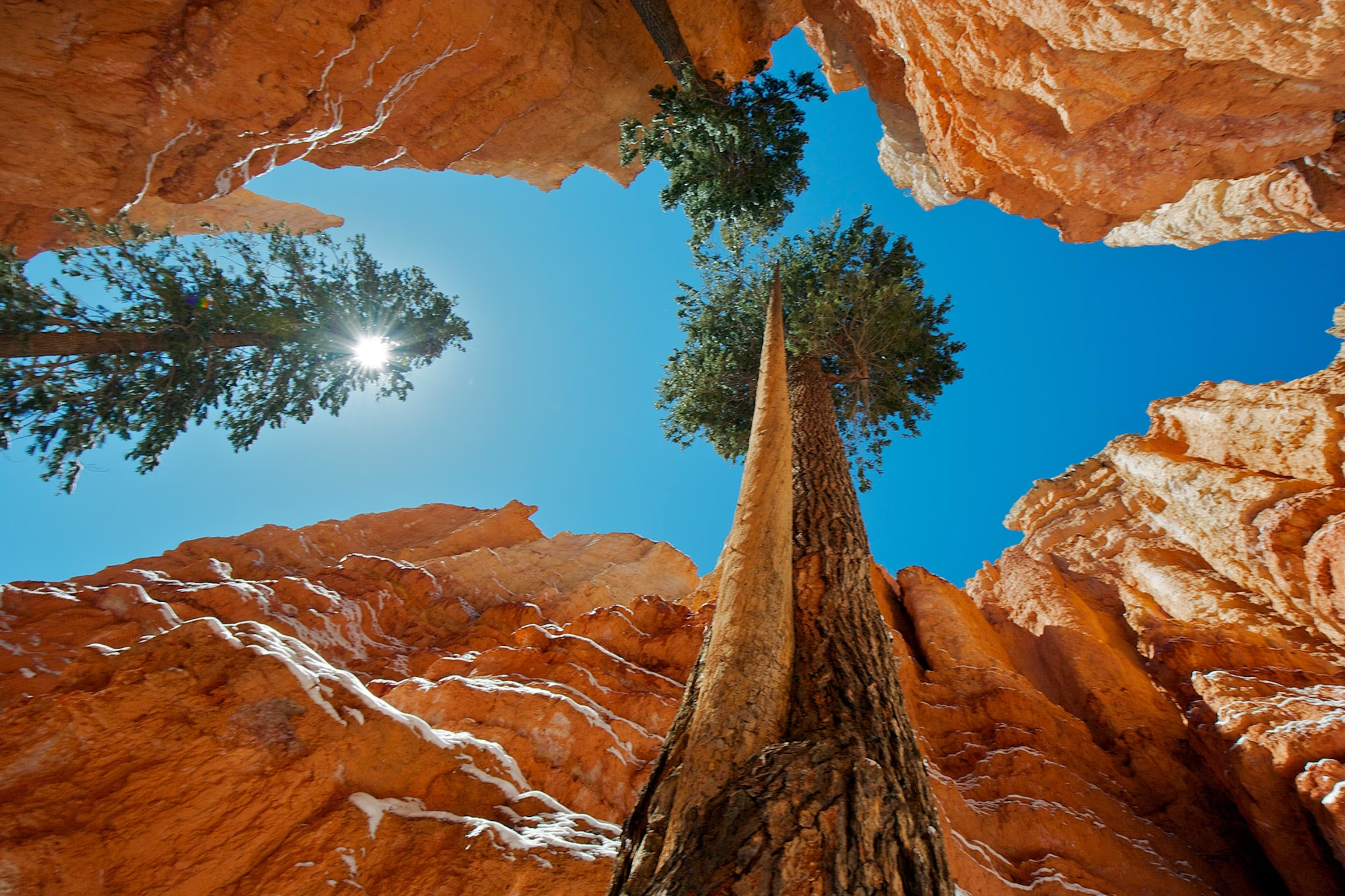
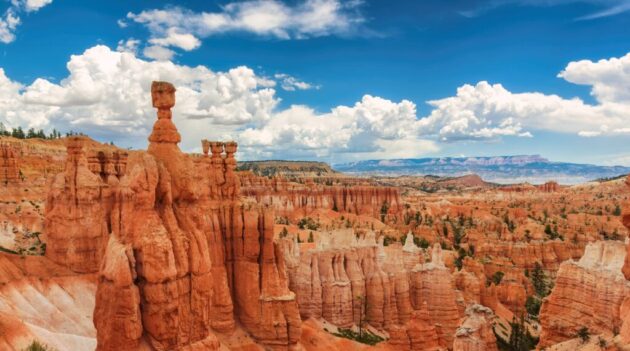
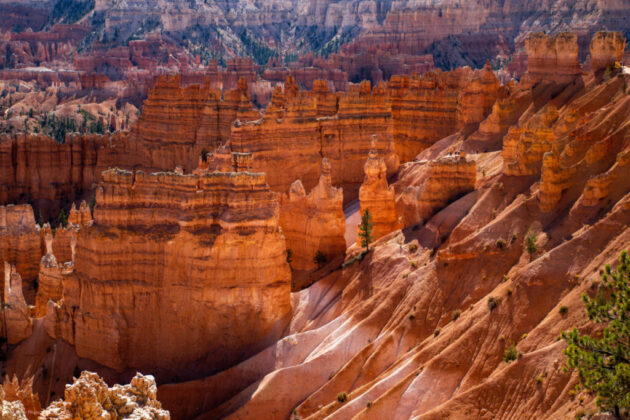
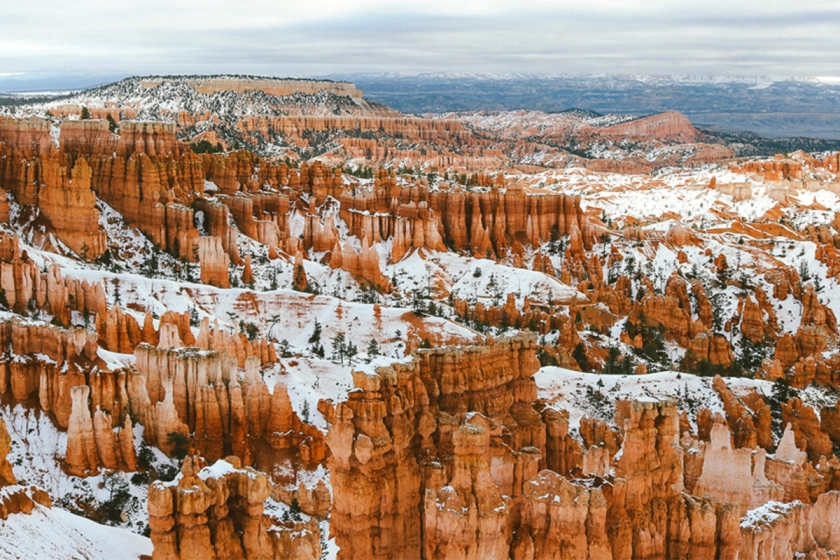
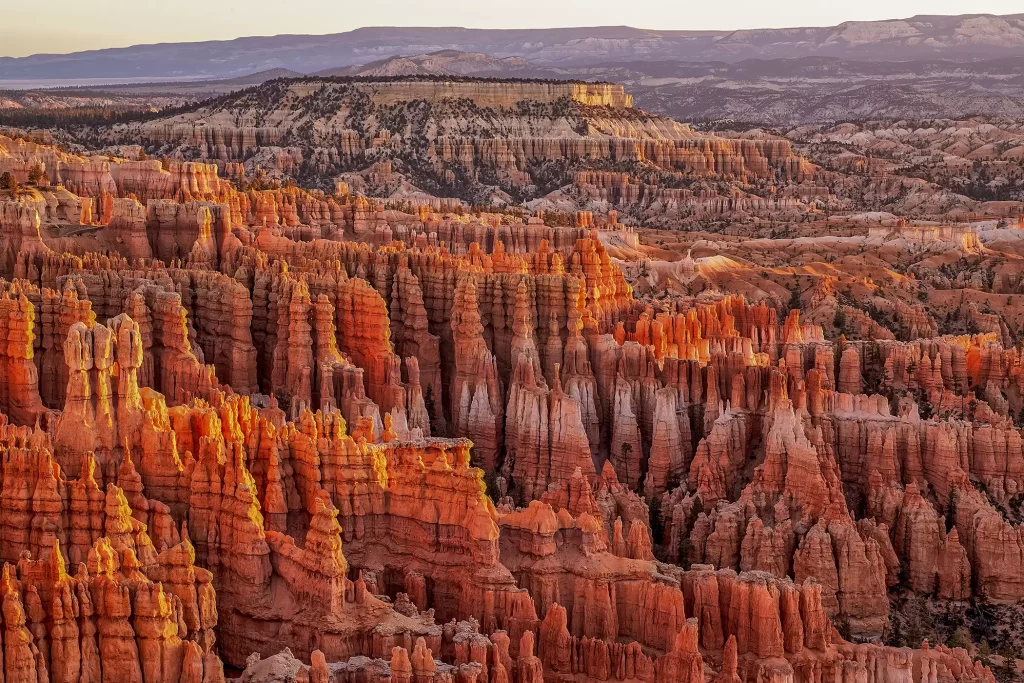
Bryce Canyon National Park, located in southern Utah, is a geological wonderland renowned for its vibrant hoodoos—spire-shaped rock formations that create a surreal, otherworldly landscape. Covering 35,835 acres, this park offers breathtaking vistas, hiking trails, and stargazing opportunities, making it a must-visit for nature lovers, photographers, and adventure seekers.
Arches National Park
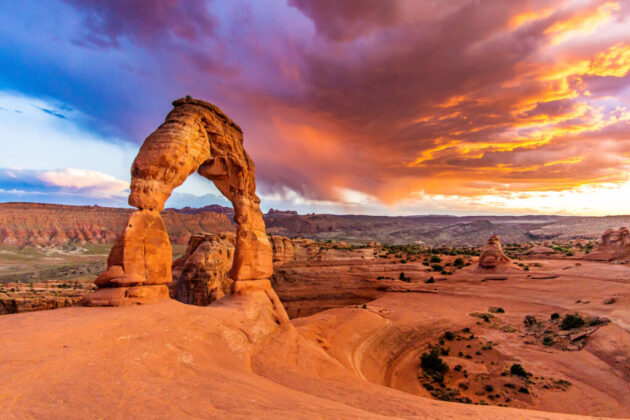
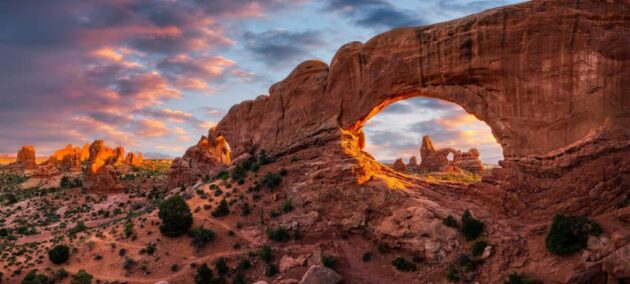
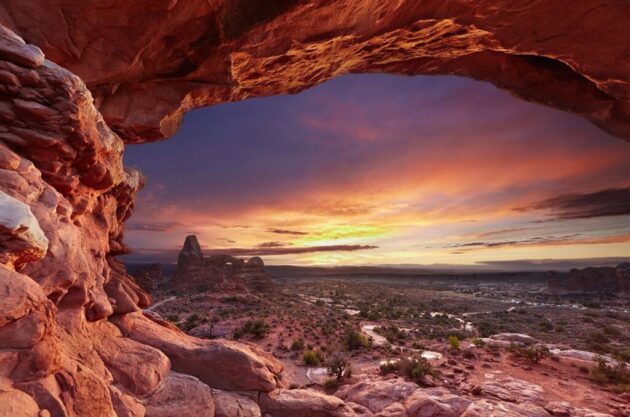
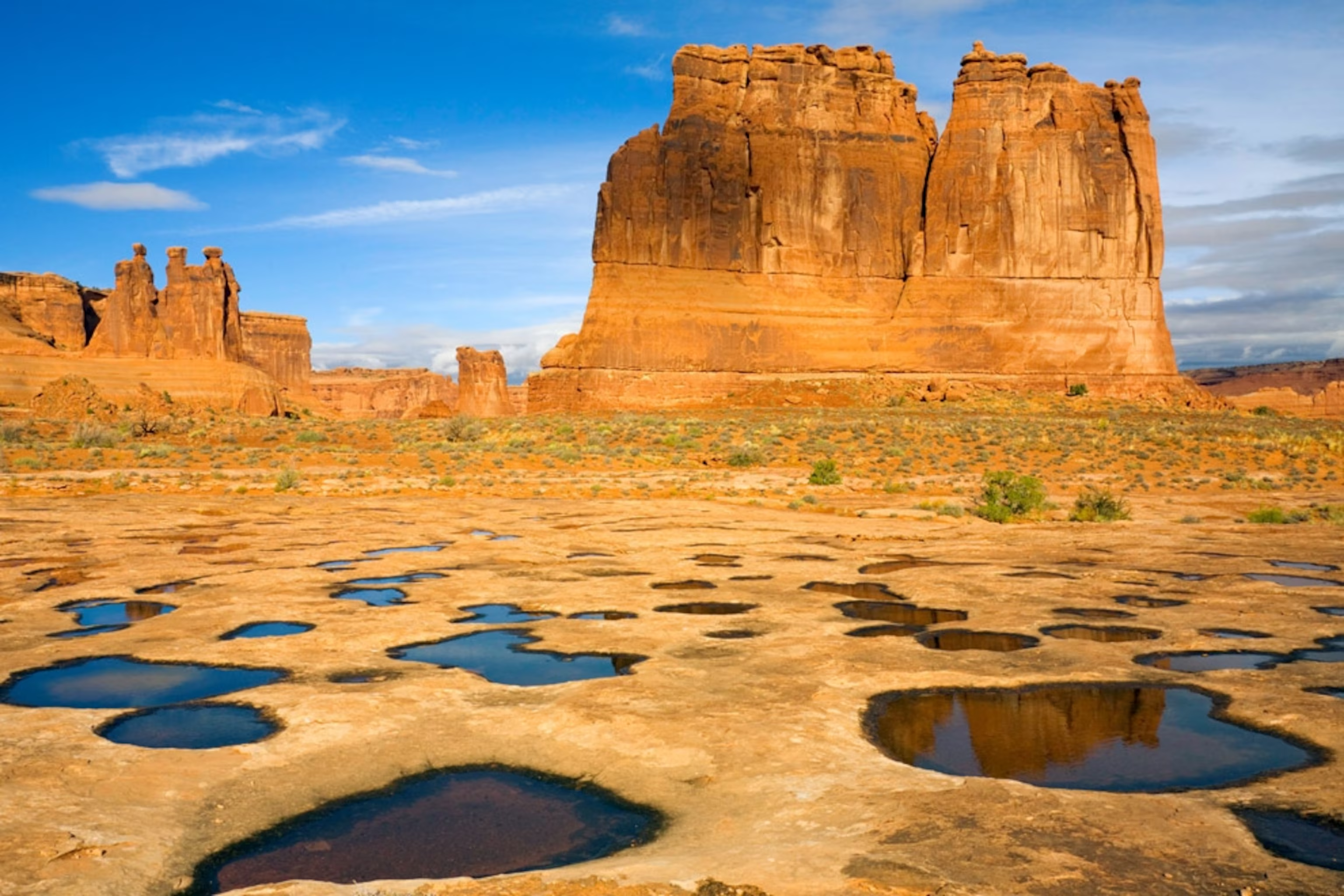
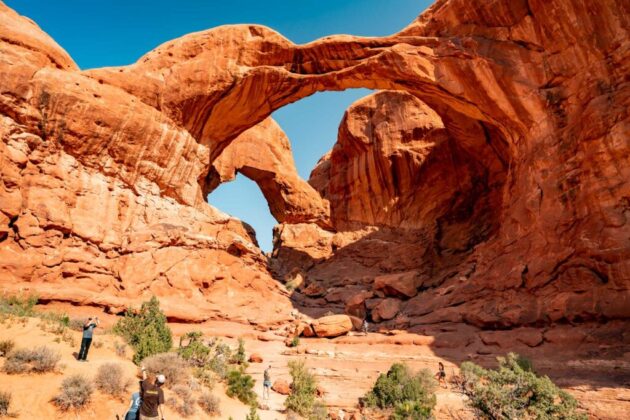
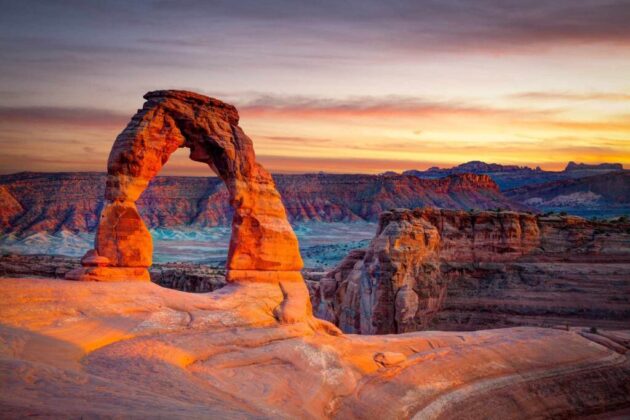
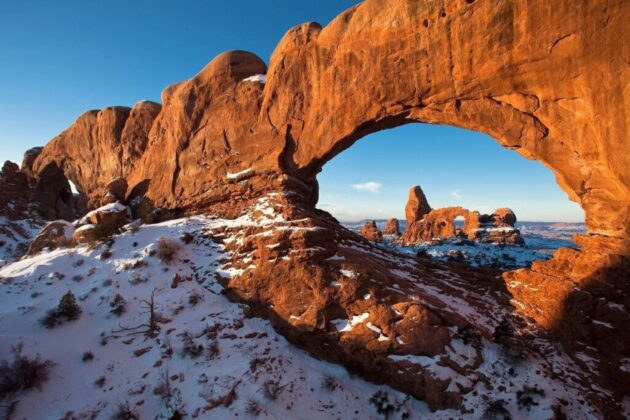
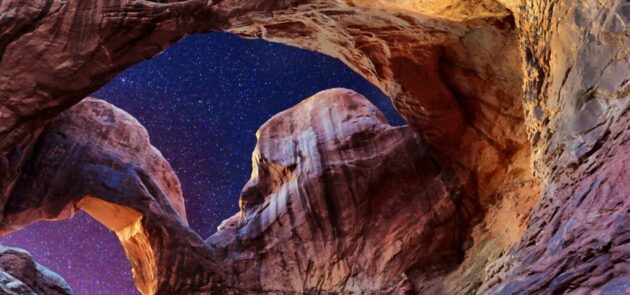
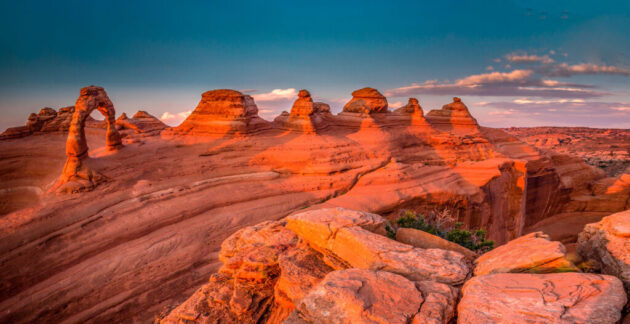
Arches National Park, located in southeastern Utah near the town of Moab, is a geological masterpiece renowned for its natural sandstone arches, towering rock formations, and breathtaking desert landscapes. Home to over 2,000 natural arches, including the iconic Delicate Arch, this park spans 76,679 acres and offers a stunning backdrop for hiking, photography, and stargazing.
Canyonlands National Park
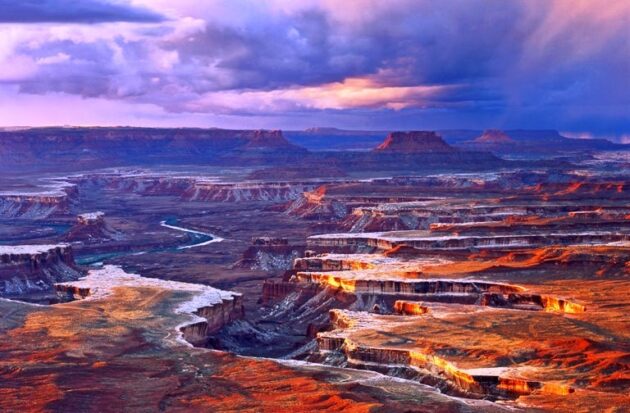
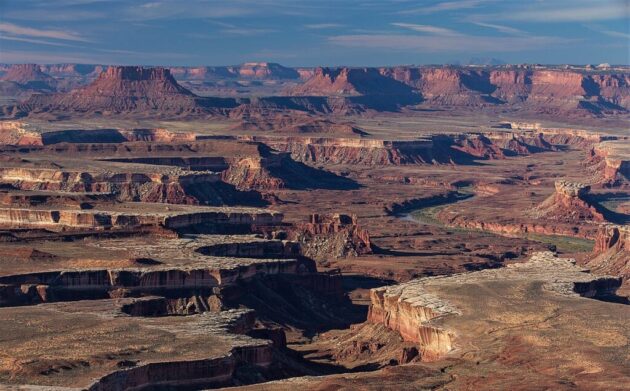
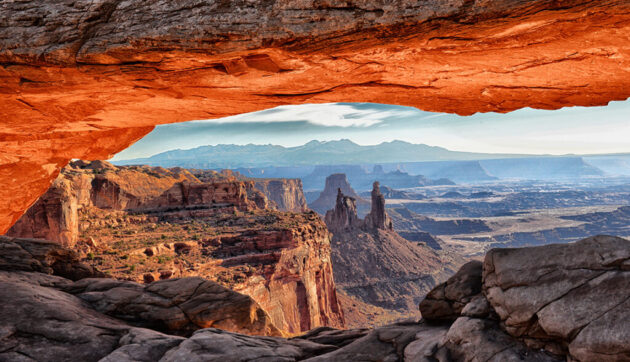
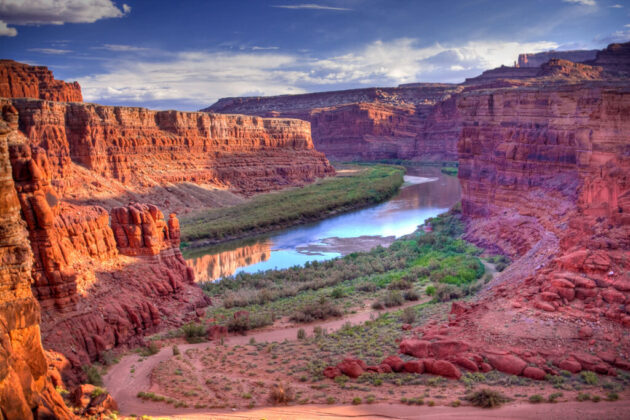
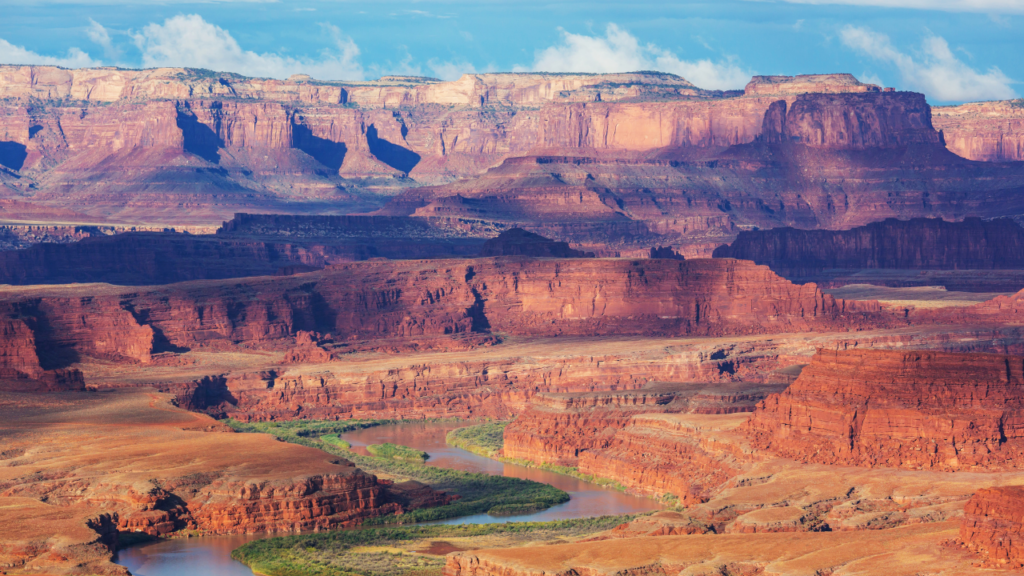
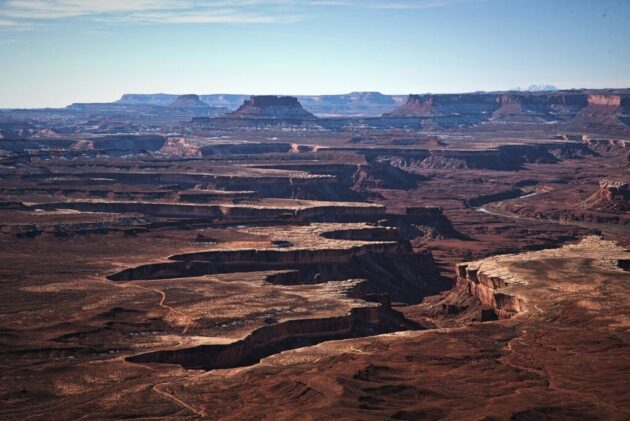
Canyonlands National Park, located in southeastern Utah near the town of Moab, is a breathtaking expanse of rugged desert landscapes carved by the Colorado and Green Rivers. Covering 337,598 acres, it’s Utah’s largest national park and a haven for adventurers, photographers, and nature lovers. Divided into four distinct districts—Island in the Sky, The Needles, The Maze, and the rivers themselves—this park offers diverse experiences, from scenic drives to challenging backcountry treks.
Capitol Reef National Park
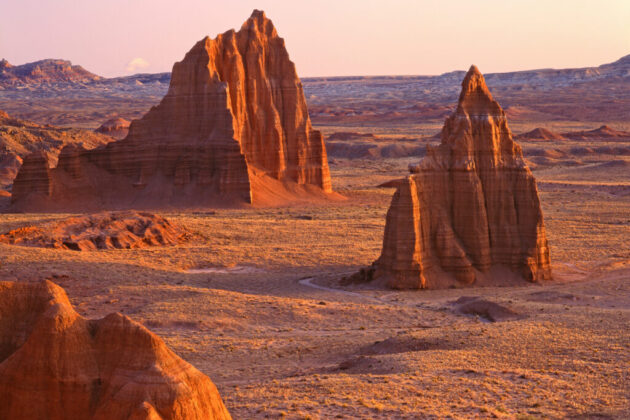
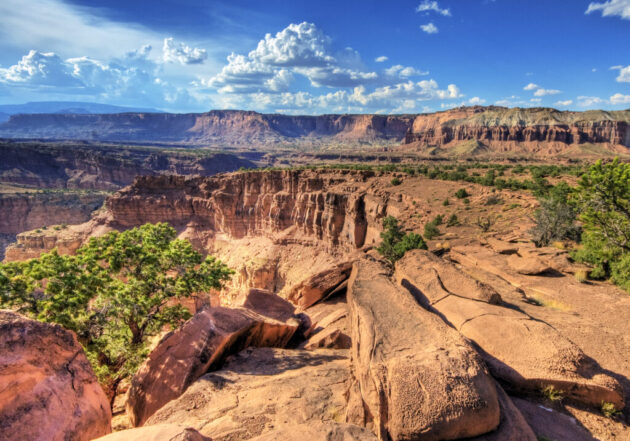
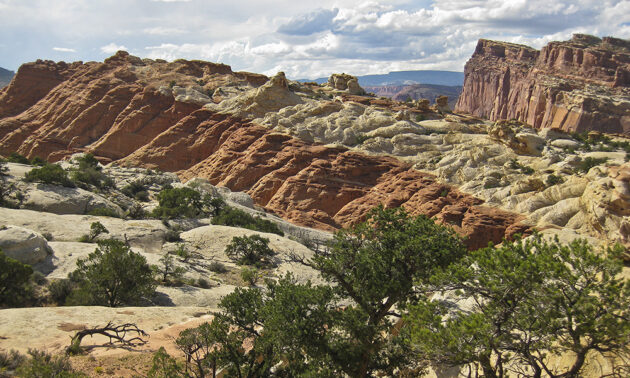
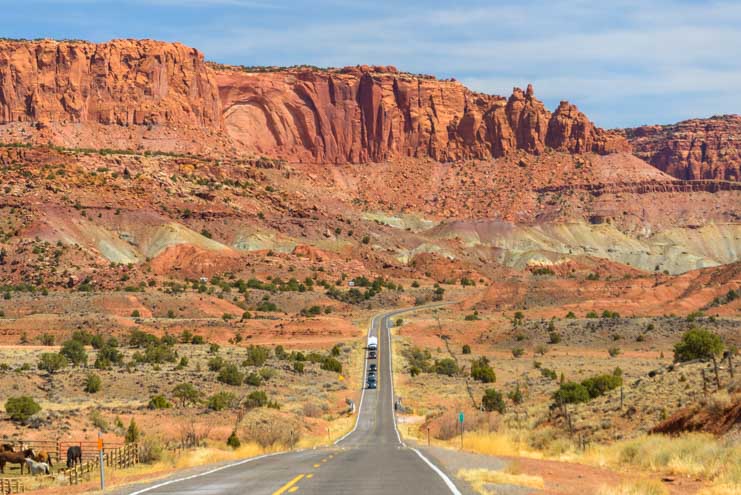
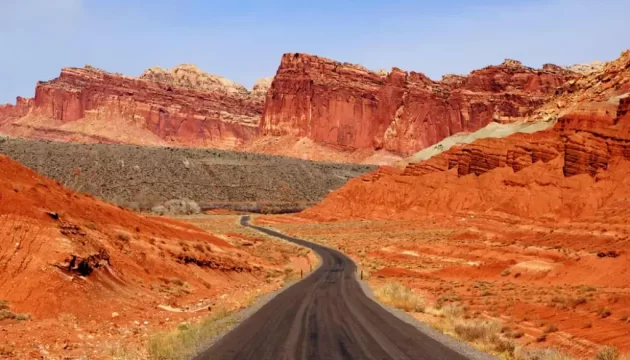
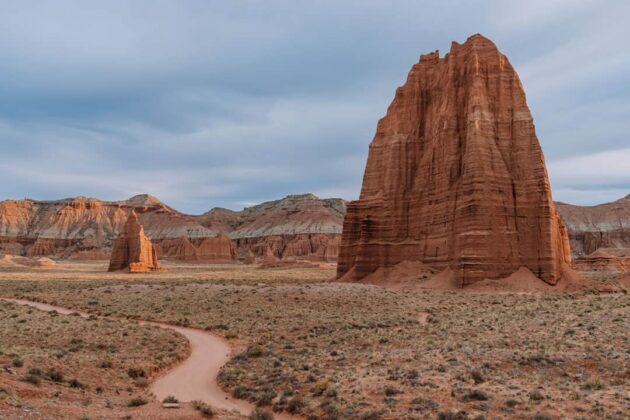
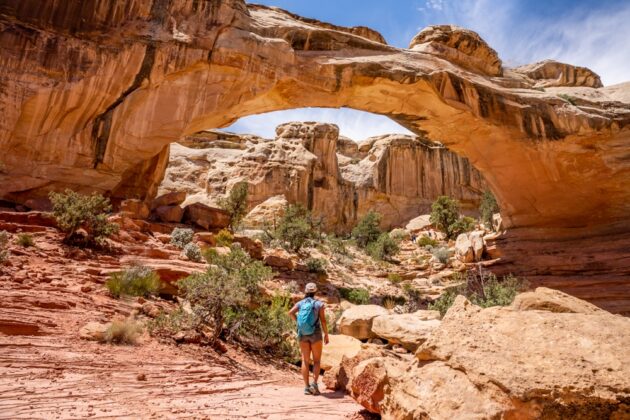
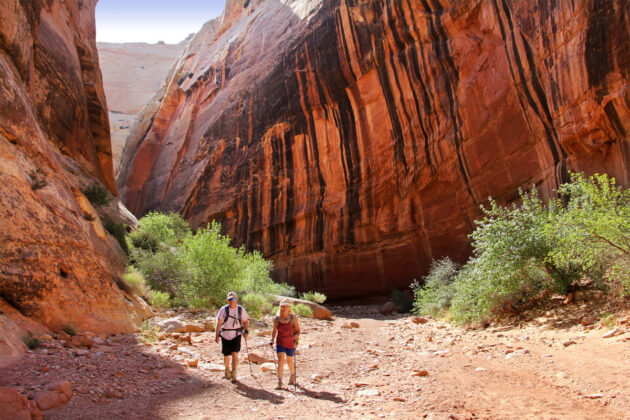
Tucked away in south-central Utah, Capitol Reef National Park is a hidden gem among the state’s “Mighty 5” national parks. Spanning 241,904 acres, it showcases the dramatic Waterpocket Fold, a 100-mile-long geological monocline that creates a stunning landscape of colorful sandstone cliffs, domes, canyons, and monoliths. Less crowded than Zion or Arches, Capitol Reef offers breathtaking scenery, rich history, and endless outdoor adventures, making it a must-visit for nature lovers, hikers, and stargazers.
Bonneville Salt Flats
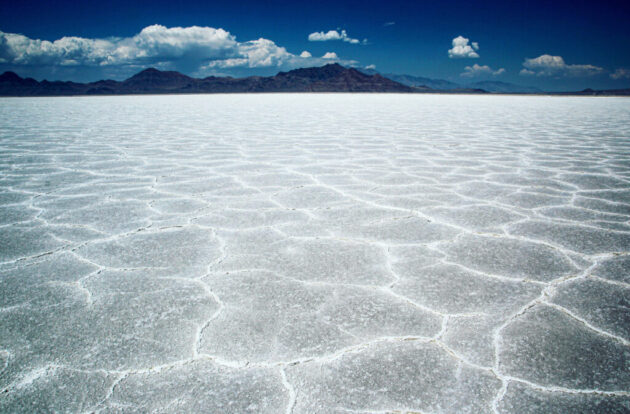
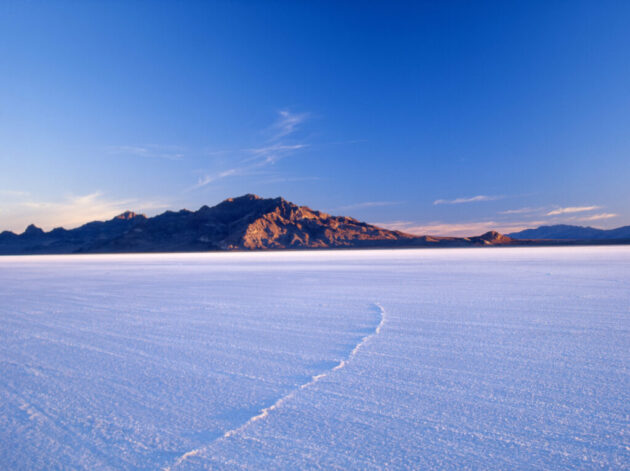
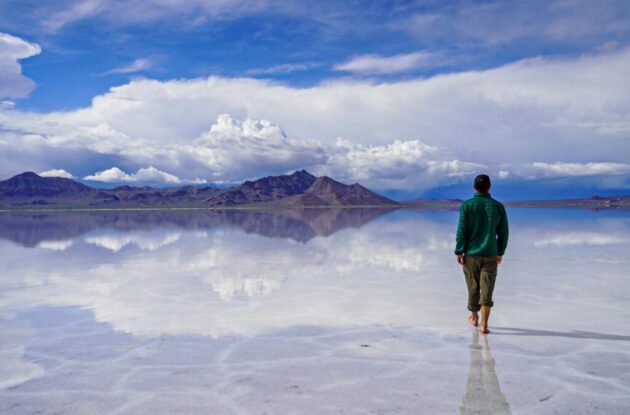
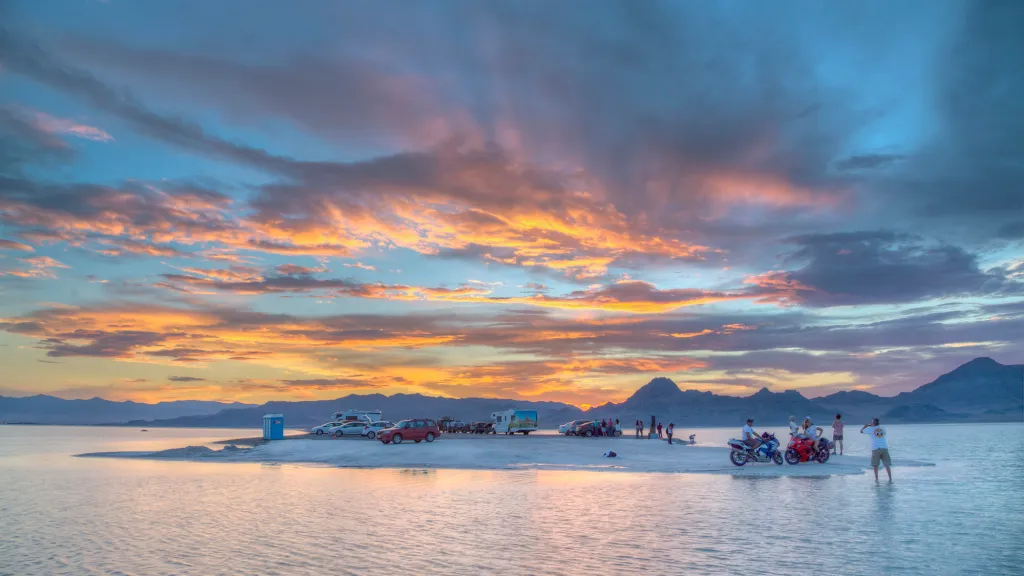
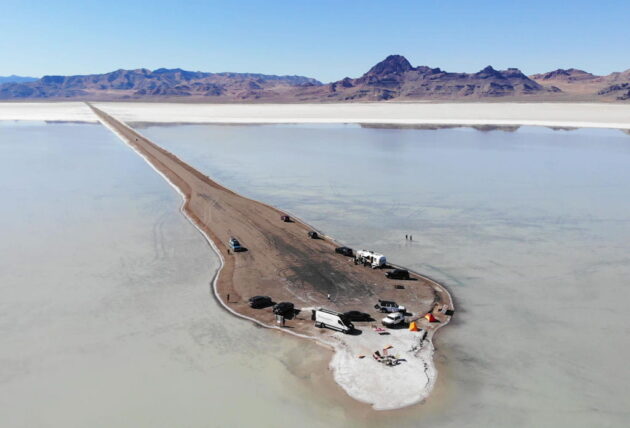
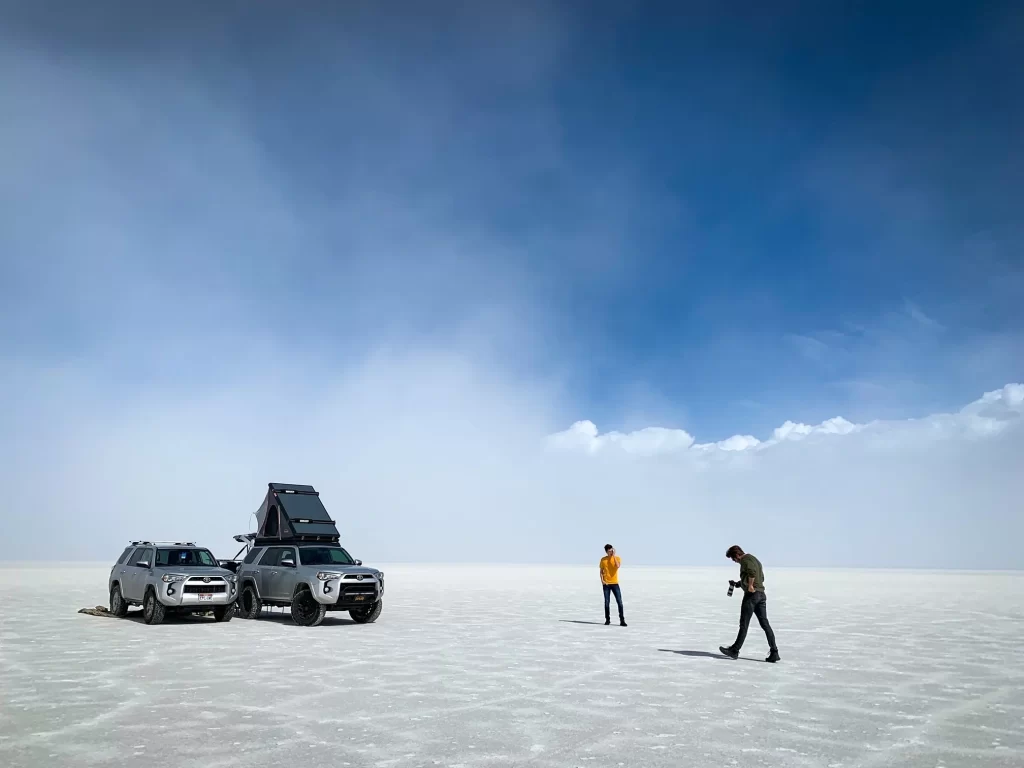
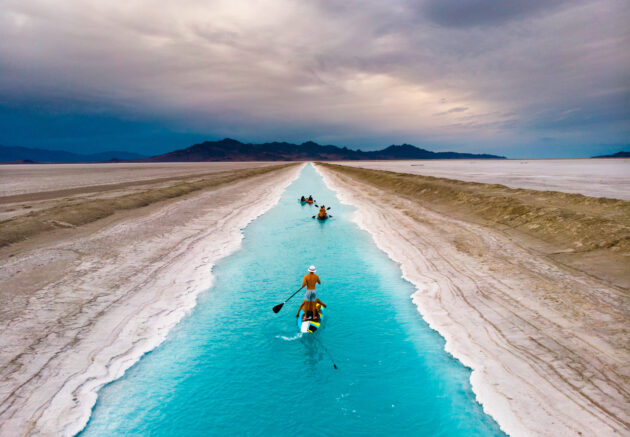
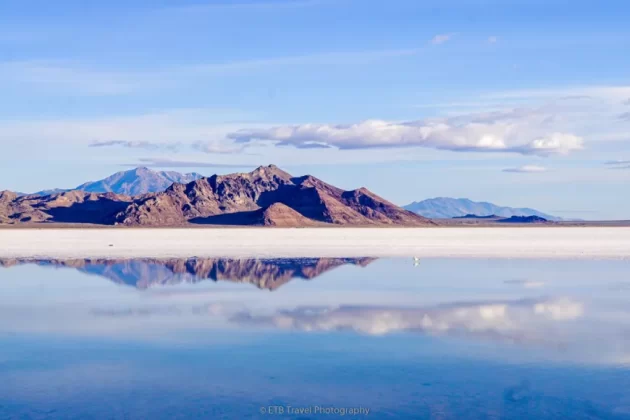
The Bonneville Salt Flats, located in northwestern Utah near the Nevada border, is a surreal and iconic destination known for its vast, dazzling white salt crust stretching over 30,000 acres. A remnant of the ancient Lake Bonneville, this otherworldly landscape is a haven for photographers, adventure seekers, and speed enthusiasts, famous for hosting land speed records at the Bonneville Speedway.
Park City
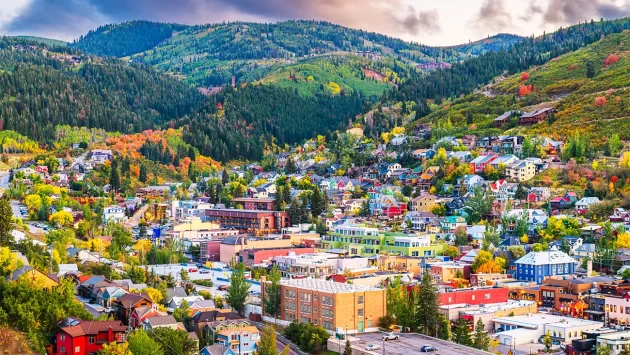
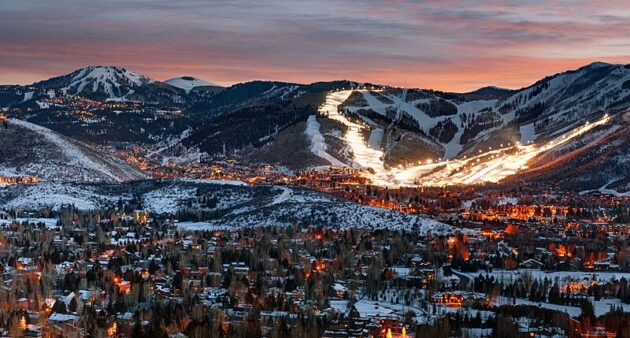
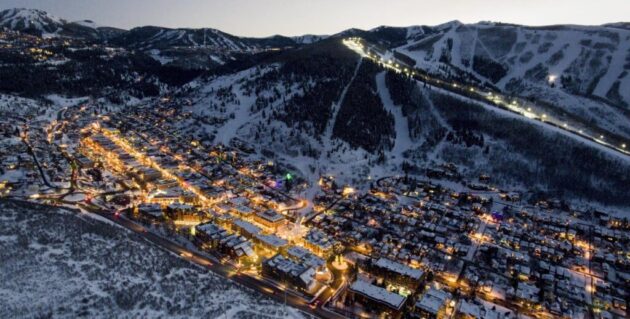
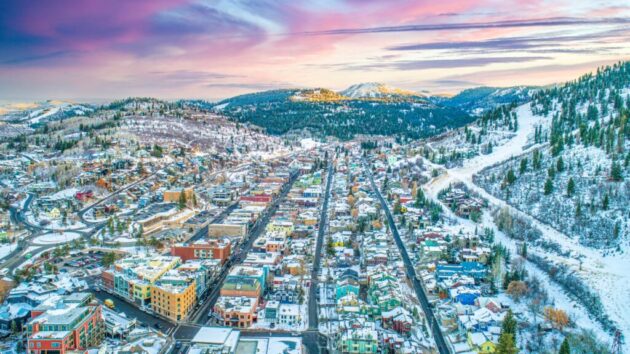
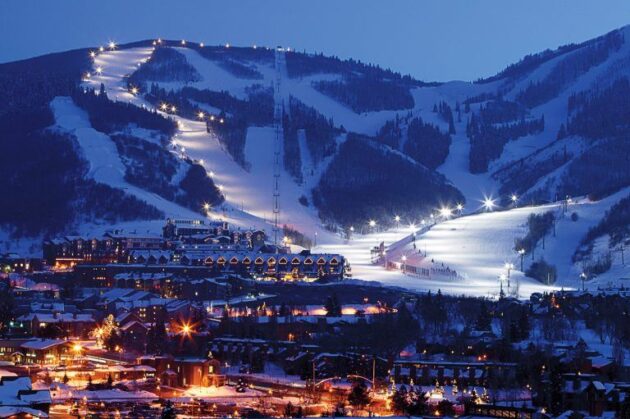
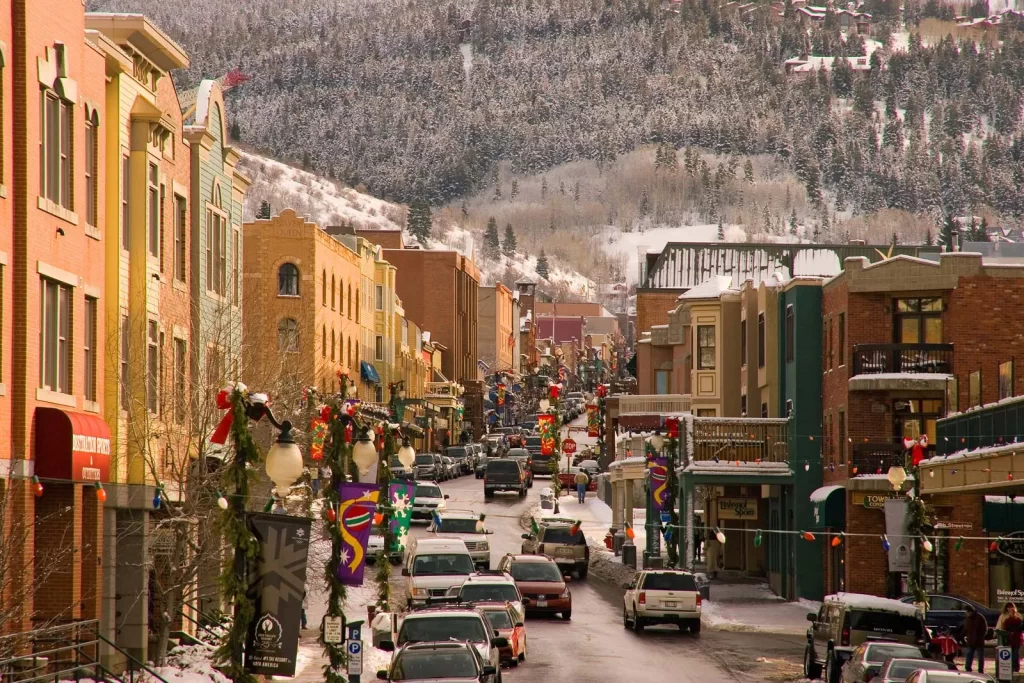
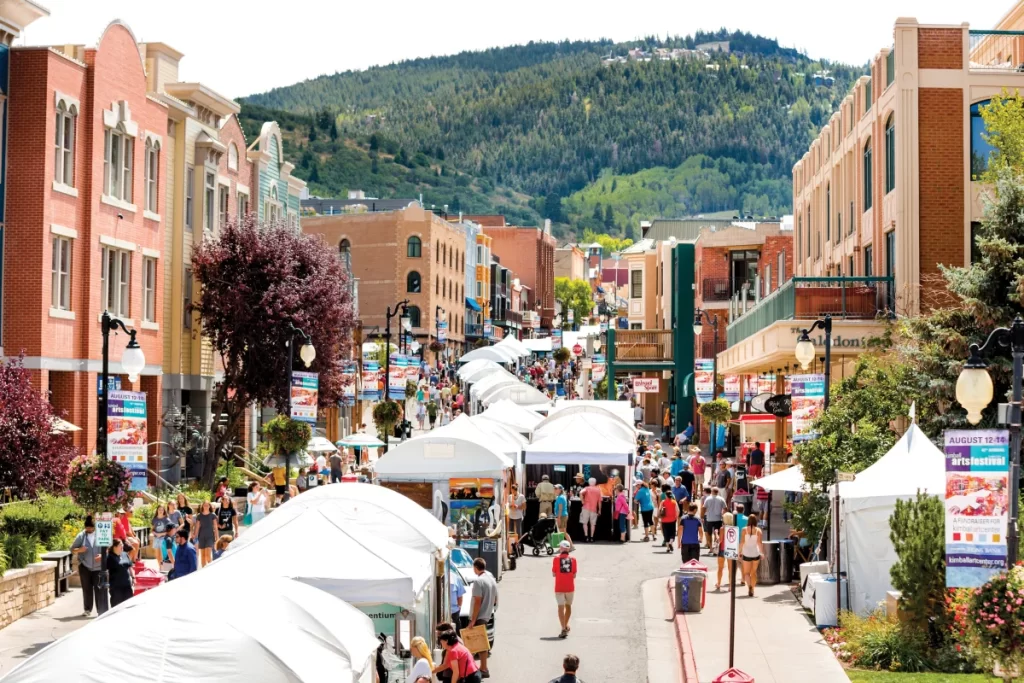
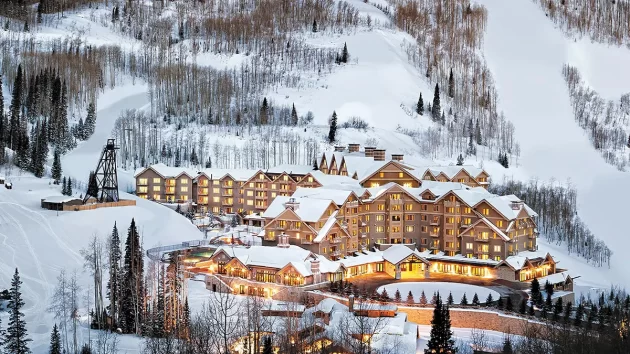
Park City, Utah, is a world-class mountain destination nestled in the Wasatch Range, just 35 minutes from Salt Lake City International Airport. Renowned for its premier ski resorts, vibrant cultural scene, and year-round outdoor adventures, this former silver mining town blends rugged natural beauty with upscale charm. Home to the Sundance Film Festival and the 2002 Winter Olympics, Park City offers something for everyone—skiers, hikers, foodies, and art lovers alike.
Dead Horse Point State Park
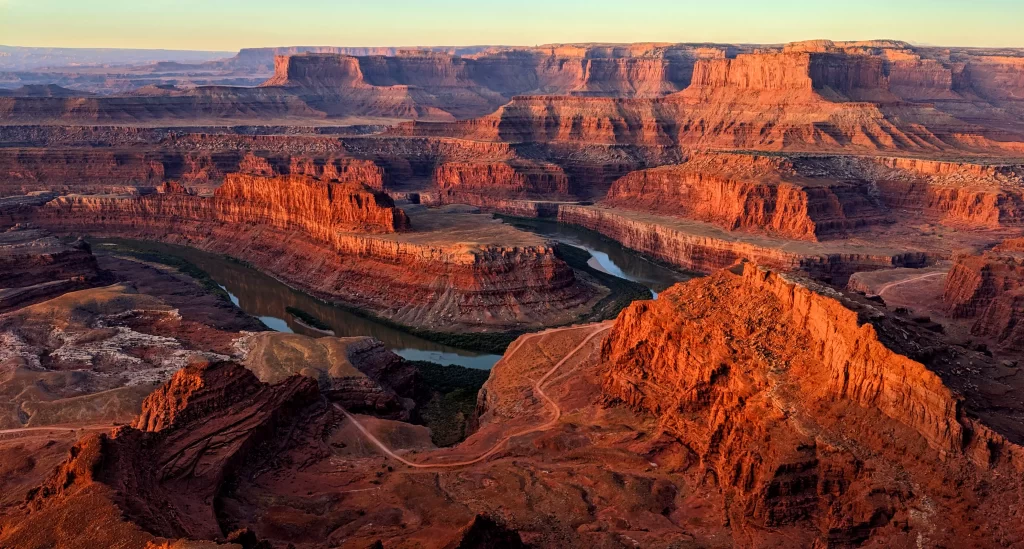
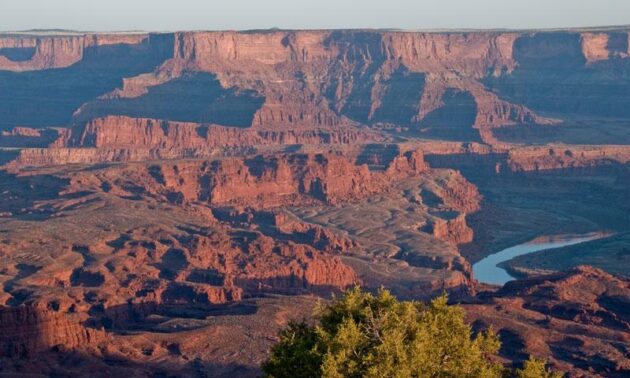
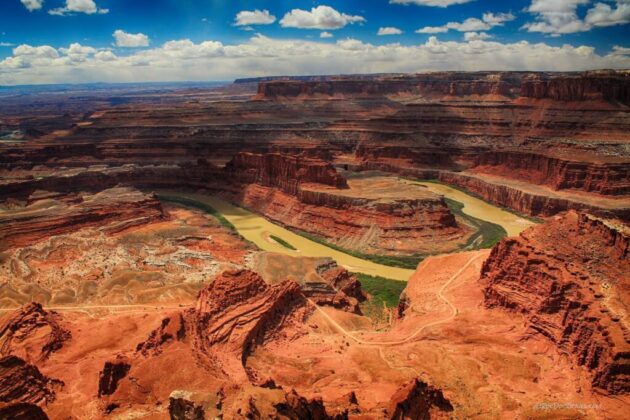
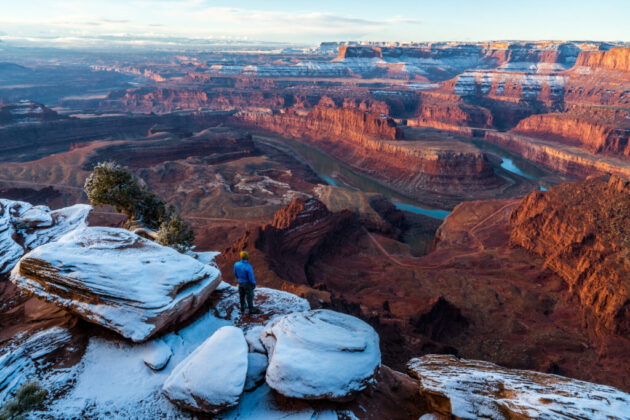
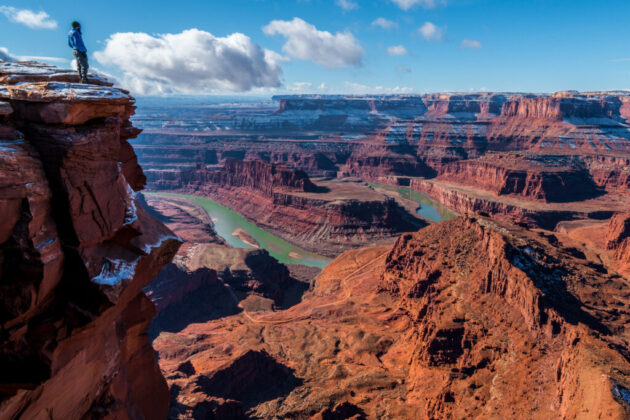
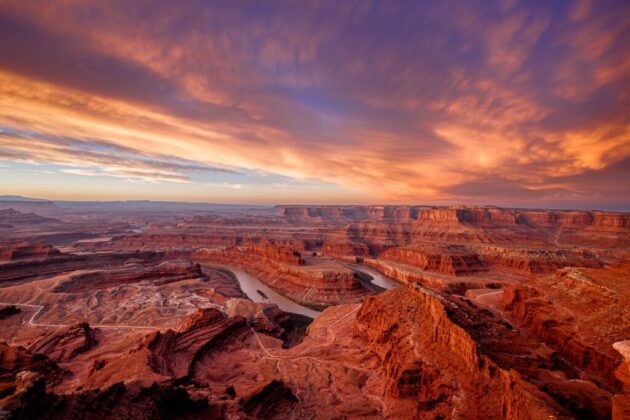
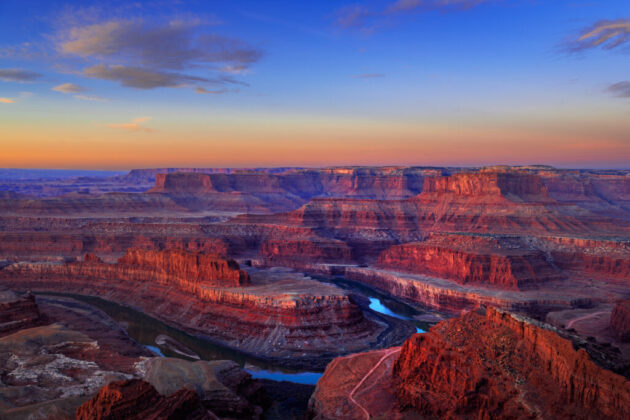
Dead Horse Point State Park, located in southeastern Utah near Moab, is a stunning state park perched on a dramatic mesa overlooking the Colorado River. Known for its breathtaking views of deep canyons and the river’s dramatic 180-degree bend, the park earned its name from a grim legend—cowboys once used the isolated peninsula as a natural corral, and abandoned horses tragically perished there. The park’s overlooks, particularly Dead Horse Point, offer panoramic vistas rivaling nearby national parks like Canyonlands.
Goblin Valley State Park
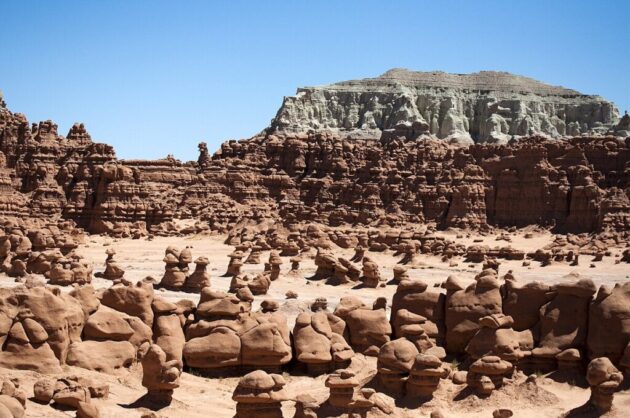
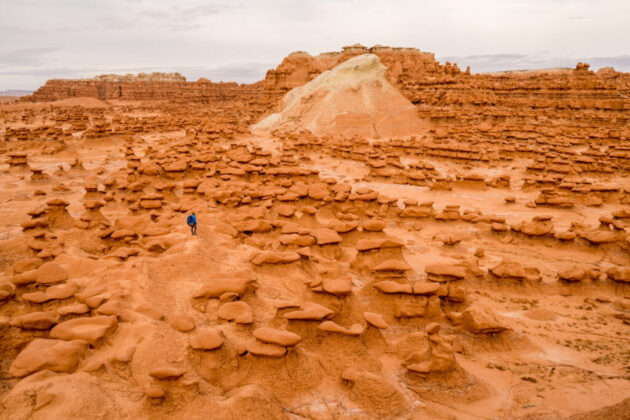
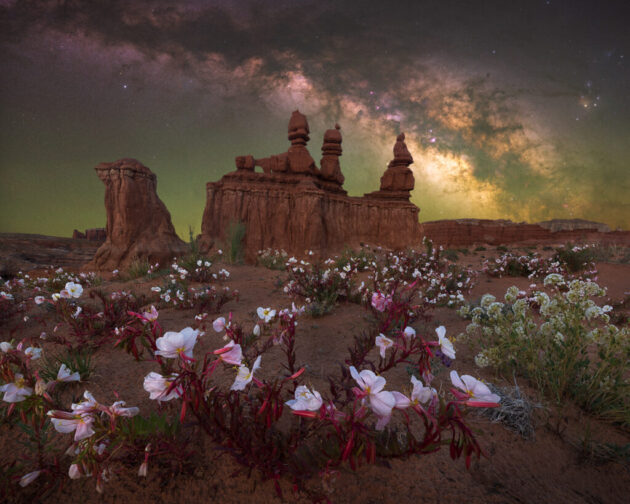
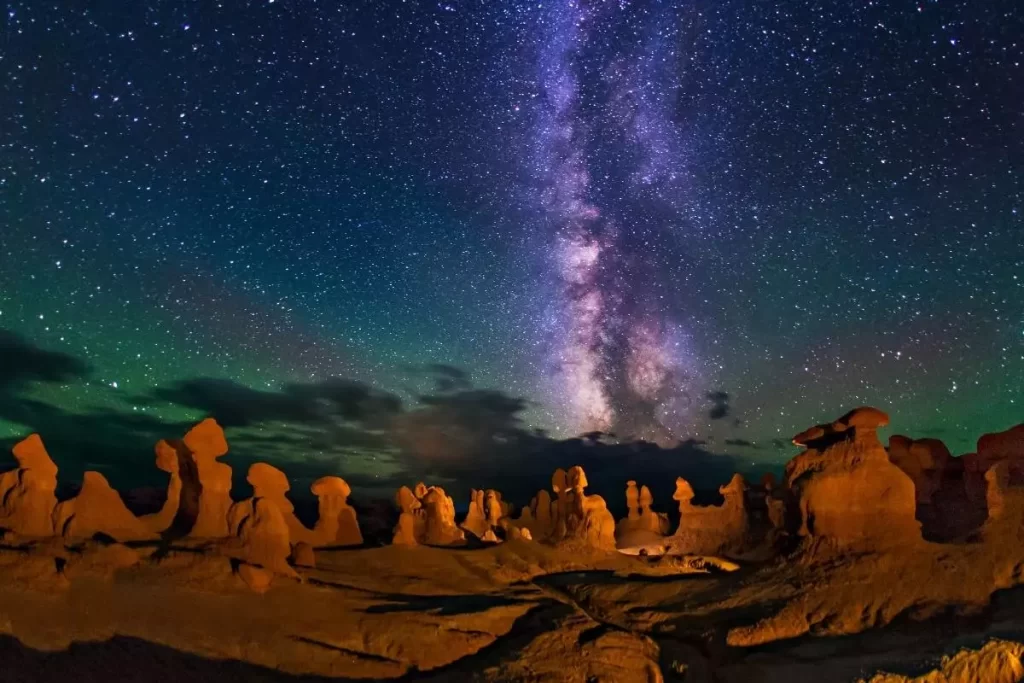
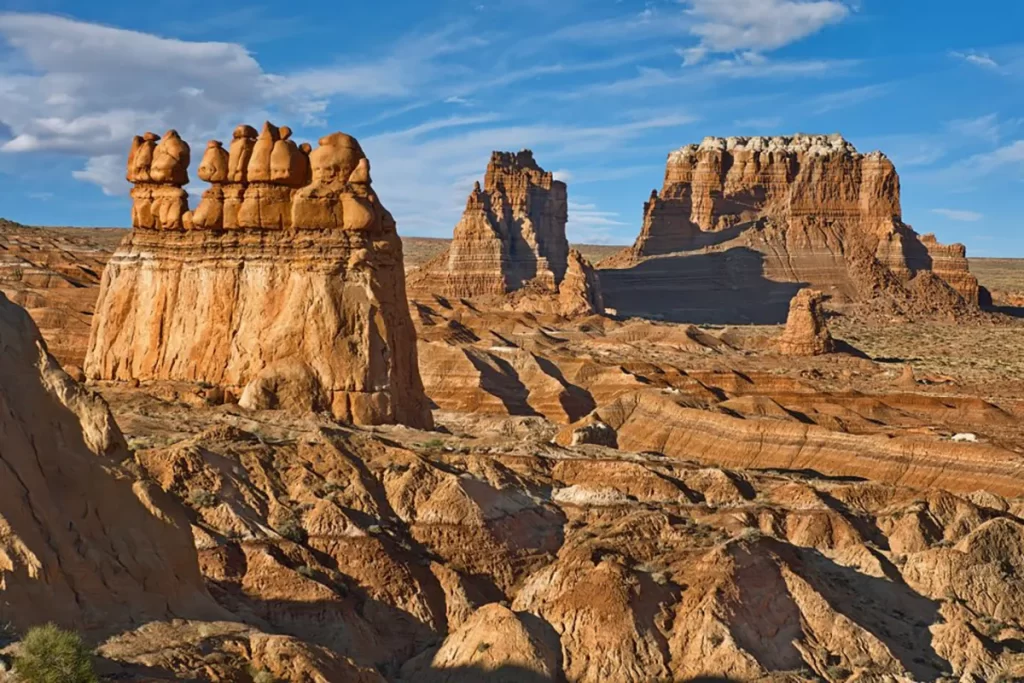
Goblin Valley State Park, located in Utah, United States, is renowned for its surreal landscape filled with thousands of mushroom-shaped rock formations called “hoodoos” or “goblins,” sculpted by millions of years of erosion. The park offers unique hiking, camping, and stargazing opportunities, with its otherworldly terrain often compared to a Martian landscape. Popular activities include exploring the three main valleys, canyoneering in Goblin’s Lair, and mountain biking on nearby trails.
Grand Staircase-Escalante National Monument
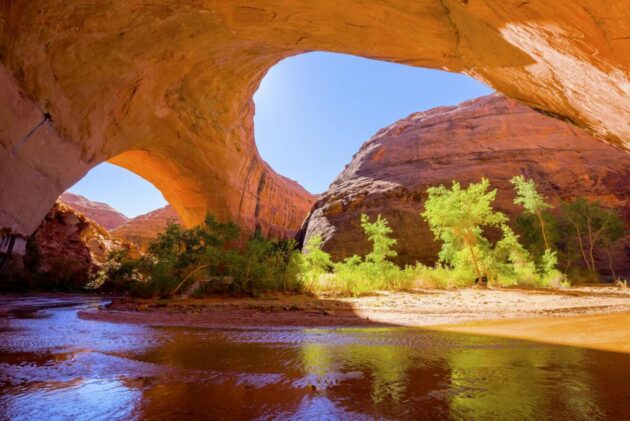
Grand Staircase-Escalante National Monument (GSENM) in southern Utah, established in 1996 by President Bill Clinton, spans approximately 1.88 million acres, making it one of the largest national monuments in the U.S.. Managed by the Bureau of Land Management (BLM), it features a dramatic geological “staircase” of colorful cliffs, vast canyons, and unique rock formations like toadstool hoodoos and Grosvenor Arch—a rare double arch. The monument is divided into three distinct units: the Grand Staircase, Kaiparowits Plateau, and Escalante Canyons, offering rugged landscapes with slot canyons, fossil-rich layers, and remote wilderness.
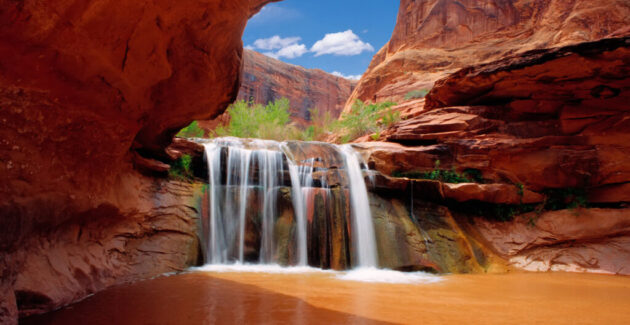
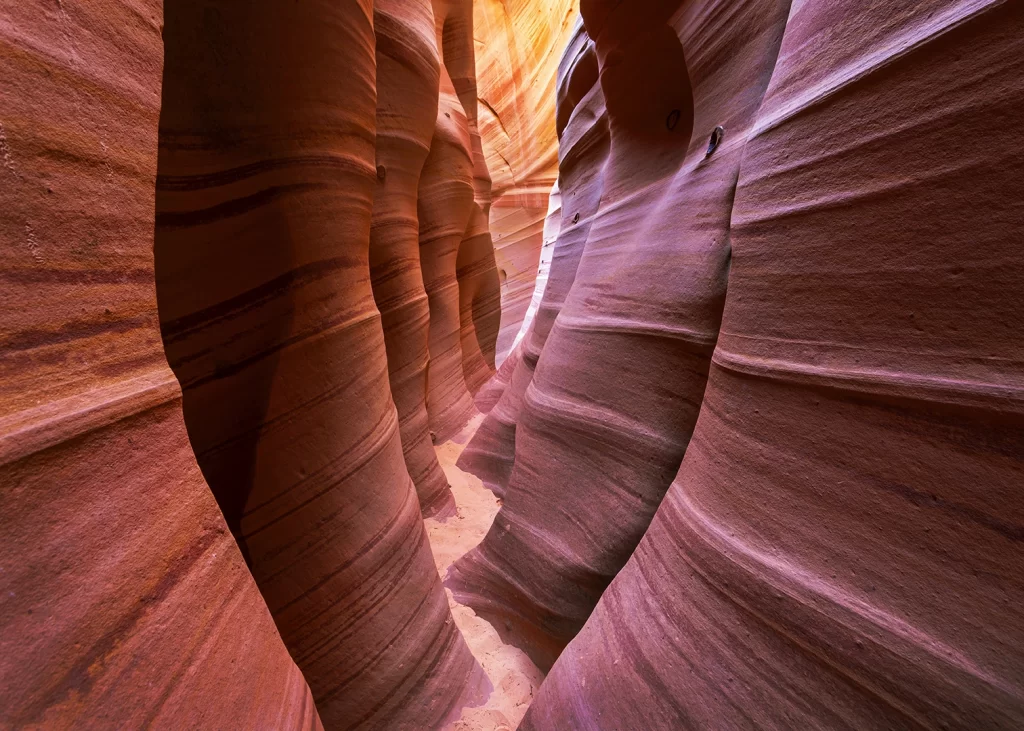
Salt Lake City
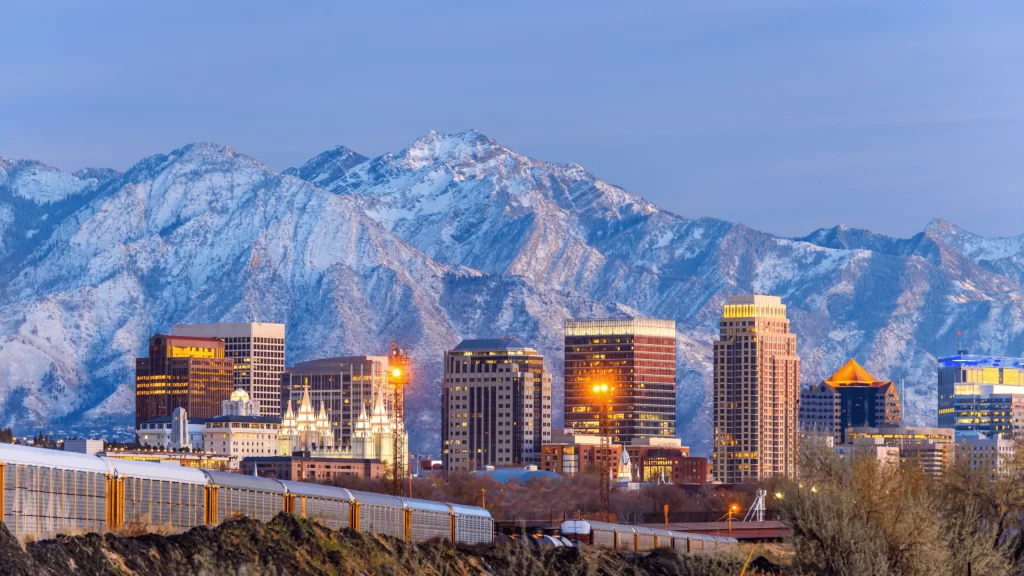
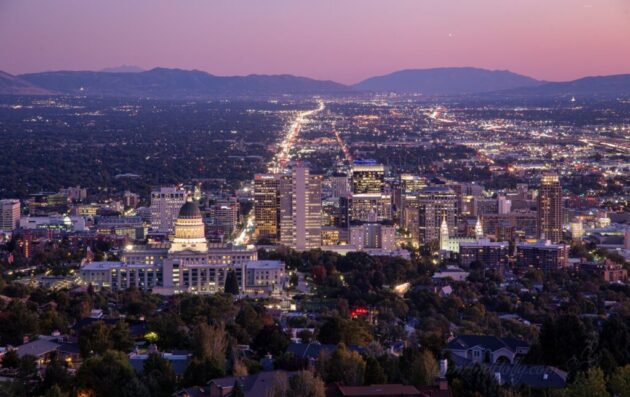
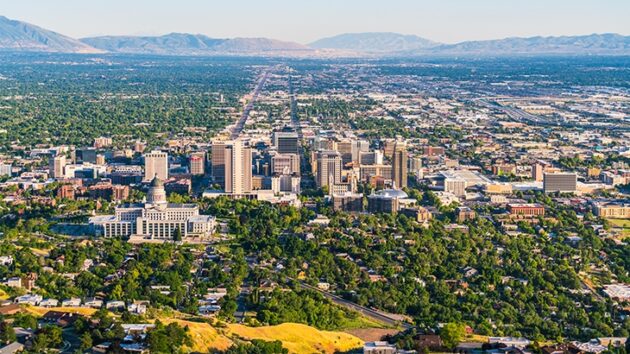
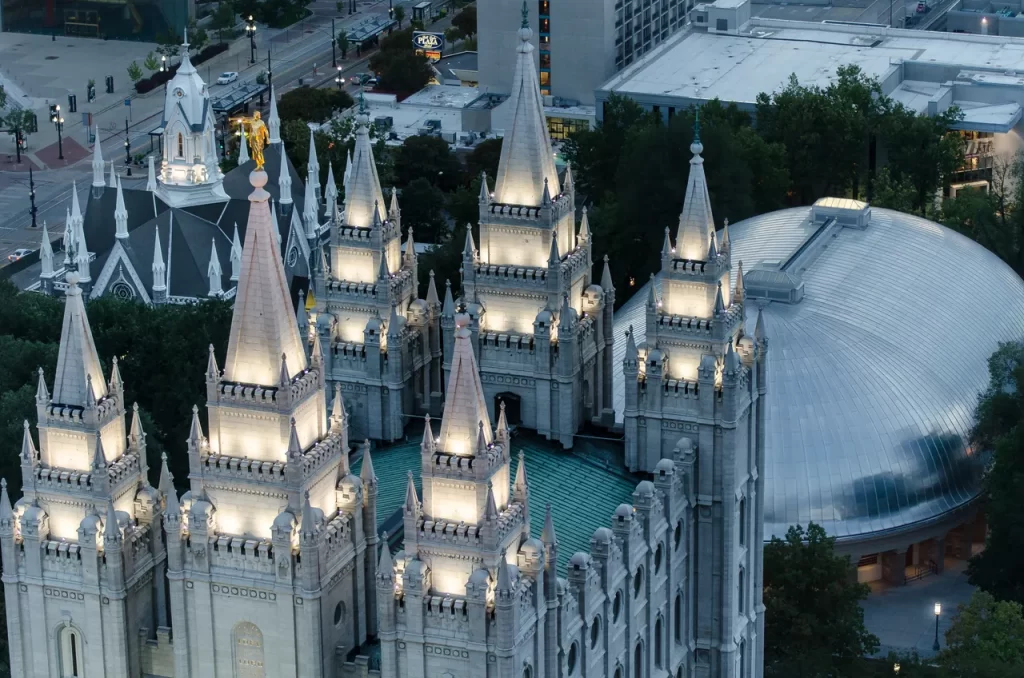
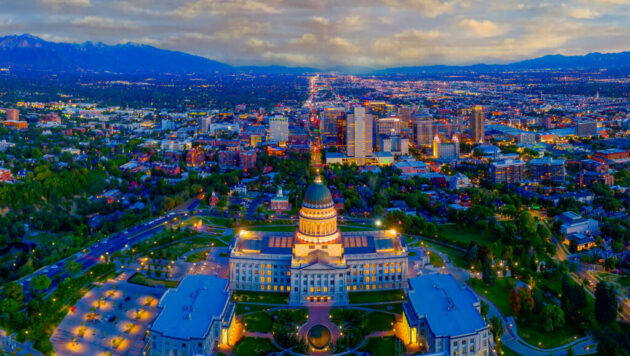
Utah’s capital, Salt Lake City, is rich in history and culture. Visit Temple Square, the headquarters of the Church of Jesus Christ of Latter-day Saints, and explore the city’s vibrant downtown area with museums, restaurants, and shopping. The nearby Great Salt Lake offers unique recreation, such as floating in the salty water.
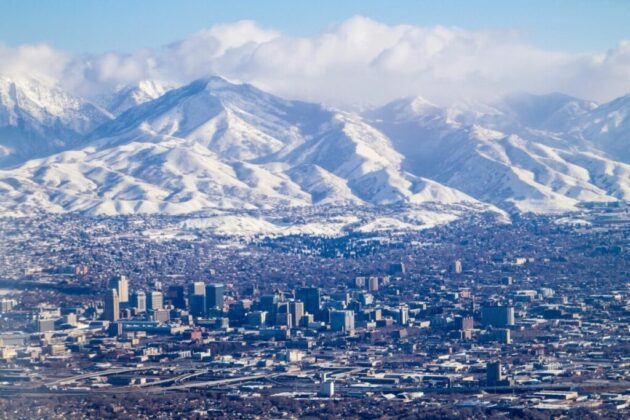
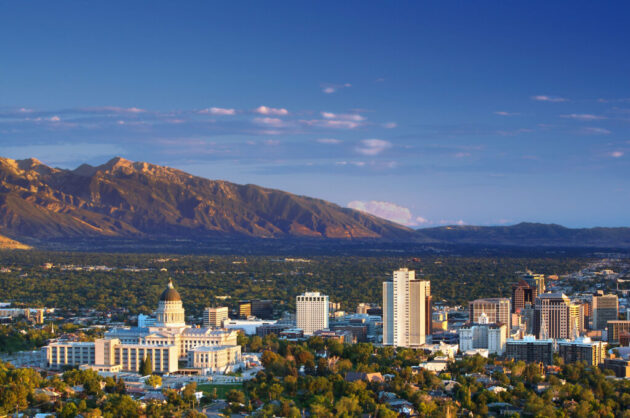


Park City
A world-class destination for winter sports, Park City is home to the largest ski resort in the United States—Park City Mountain. In addition to skiing and snowboarding, visitors can enjoy the annual Sundance Film Festival, which showcases independent films from around the world.
Monument Valley
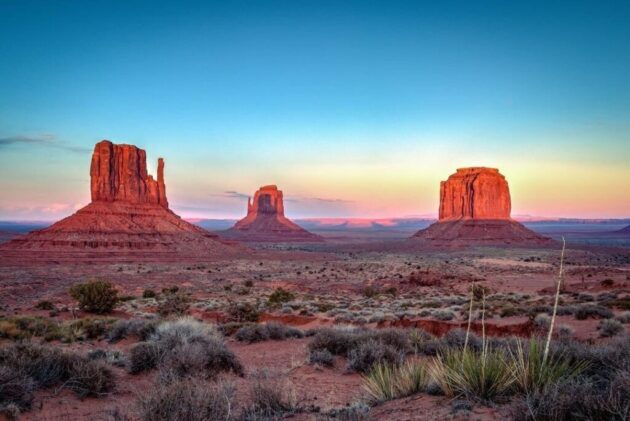
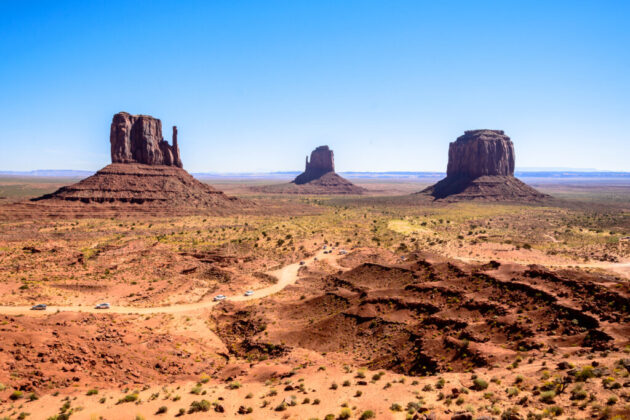
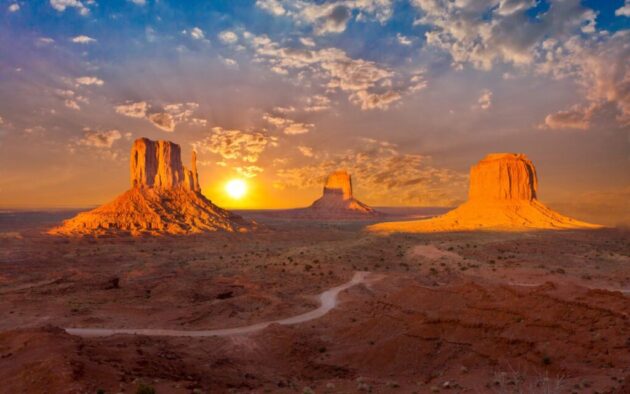
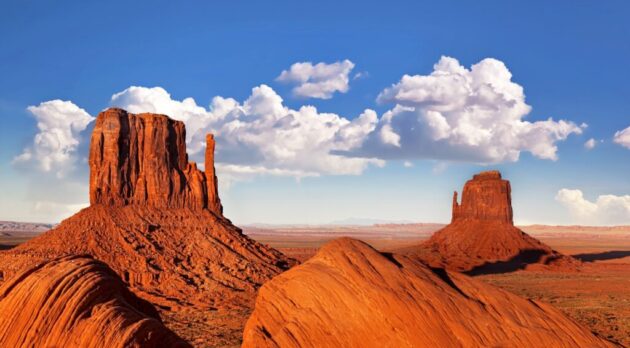
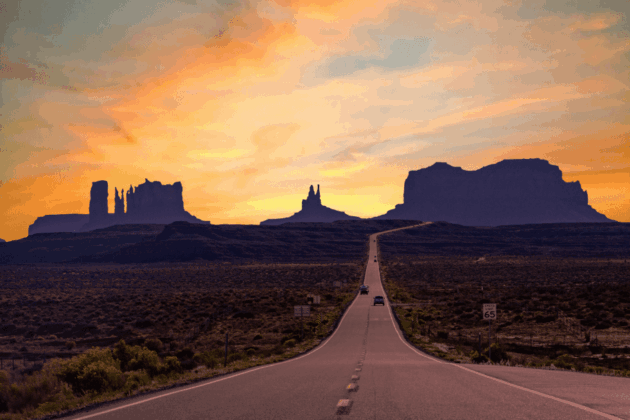
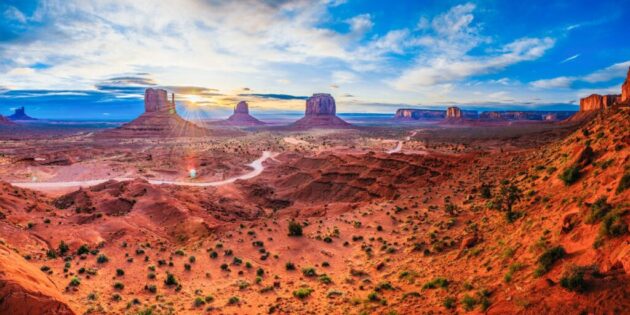
Located on the Utah-Arizona border, Monument Valley features towering sandstone formations and a dramatic desert landscape. The area is iconic for its use in Western films and is a must-see for photography enthusiasts and those seeking a true Wild West experience.
Where to Eat
Salt Lake City: Try Red Iguana for Utah-style Mexican food or Crown Burgers for the pastrami burger with fry sauce. Moab: Moab Diner offers hearty American fare, while Desert Bistro serves upscale dishes.
Park City: High West Distillery combines craft whiskey with gourmet food, perfect after skiing. On-the-Go: Pack snacks and water for national park visits, as dining options are limited. Some parks have small cafes (e.g., Capitol Reef’s Gifford Homestead for pies).
Where to Stay
Salt Lake City: Grand America Hotel (5-star, ~$200–$350/night): Luxury with urban access. Little America Hotel (3-star, ~$100–$150/night): Affordable comfort.
Moab (for Arches/Canyonlands): Sorrel River Ranch (4-star, ~$300–$500/night): Scenic riverside luxury. Moab Springs Ranch (mid-range, ~$150–$250/night): Cozy bungalows.
St. George (for Zion/Bryce): Inn on the Cliff (3-star, ~$120–$200/night): Stunning views. Red Mountain Resort (4-star, ~$200–$400/night): Wellness-focused.
Camping: National and state parks offer campsites ($15–$40/night). Book early for popular sites like Zion or Arches.
Tip: Book accommodations 6–12 months in advance for peak seasons (spring/fall). Use platforms like Booking.com or VisitUtah.com.
Tips for a Great Visit
Plan Ahead: Reserve national park entries, campsites, and guided tours early, especially for Arches and Zion. Tread Lightly: Utah’s ecosystems are fragile. Stick to trails, avoid touching petroglyphs, and pack out all trash.
Stay Hydrated: The dry climate can dehydrate you quickly. Carry at least 1 liter of water per person for hikes. Check Conditions: Weather can change rapidly, especially in winter. Monitor road and trail conditions via park websites or Utah.gov.
Combine Destinations: Create a 6–14-day itinerary starting in Salt Lake City, covering The Mighty 5, Monument Valley, and northern Utah’s Antelope Island or Flaming Gorge. Accessibility: Many attractions, like scenic drives and short trails, are accessible to all ability levels. Check park websites for details.
Final Thoughts
Utah is a destination where nature’s grandeur meets cultural richness. From the awe-inspiring arches of Arches National Park to the serene slopes of Park City, the state offers endless opportunities for adventure and reflection. Whether you’re chasing sunsets over Bryce Canyon’s hoodoos, hiking Zion’s dramatic trails, or savoring a pastrami burger in Salt Lake City, Utah promises memories that last a lifetime. Plan thoughtfully, embrace the outdoors, and let Utah’s landscapes inspire your journey.
Happy travels!