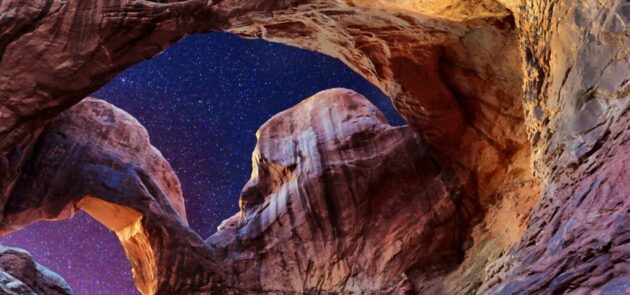
A Travel Guide to Arches National Park
Arches National Park, located in southeastern Utah near the town of Moab, is a geological masterpiece renowned for its natural sandstone arches, towering rock formations, and breathtaking desert landscapes. Home to over 2,000 natural arches, including the iconic Delicate Arch, this park spans 76,679 acres and offers a stunning backdrop for hiking, photography, and stargazing. Whether you’re an outdoor adventurer or a casual traveler, this guide will help you plan an unforgettable visit to one of America’s most spectacular national parks.
Why Visit Arches National Park?
Arches National Park is a bucket-list destination for its unique geological formations, sculpted by millions of years of erosion, wind, and weather. The park’s dramatic red rock landscapes, clear night skies (it’s an International Dark Sky Park), and diverse hiking trails make it a haven for nature lovers. From short, family-friendly walks to challenging treks, the park caters to all levels of explorers. Its proximity to other Utah gems like Canyonlands National Park and Moab’s adventure scene adds to its appeal as a must-visit destination.
How to Get There
Arches National Park is located 5 miles north of Moab, Utah, making it easily accessible by car. Here are the main transportation options:
By Car: From Salt Lake City, UT (230 miles, ~3.5 hours): Take I-15 South to US-6 East, then US-191 South to Moab. The park entrance is off US-191. From Grand Junction, CO (110 miles, ~1.5 hours): Follow I-70 West to US-191 South. The park has ample parking at the visitor center and trailheads, but spaces fill up quickly during peak seasons.
By Air: The nearest airport is Canyonlands Field Airport (CNY) in Moab (18 miles, ~20 minutes), with limited regional flights. Grand Junction Regional Airport (GJT) (125 miles, ~2 hours) offers more flight options. Salt Lake City International Airport (SLC) (240 miles, ~4 hours) is the closest major hub. Rent a car from these airports for flexibility.
By Shuttle or Tour: Moab offers shuttle services and guided tours to the park, ideal for those without a car. Companies like Moab Adventure Center provide day trips starting at $100–$150 per person.
Tip: A high-clearance vehicle is recommended for unpaved roads like the Willow Flats area, but most attractions are accessible via paved roads.
Best Time to Visit
Spring (March–May) and Fall (September–November): Ideal for mild weather (50–75°F/10–24°C), vibrant desert blooms, and fewer crowds. Fall offers stunning sunsets and clear skies.
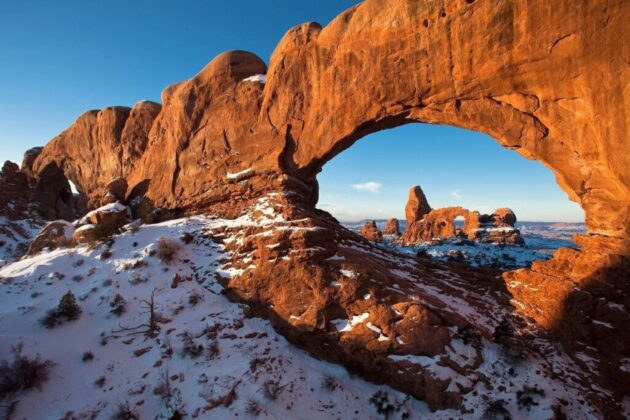
Summer (June–August): Hot (up to 100°F/38°C), but early mornings or evenings are manageable. Crowds peak, and parking can be challenging. Winter (December–February): Cooler (20–50°F/-6–10°C) with occasional snow, offering solitude and dramatic snowy landscapes. Some trails may be icy.
Crowd Tip: The park sees over 1.8 million visitors annually. Arrive before 8 AM or after 4 PM to avoid crowds and secure parking, especially at popular trailheads like Delicate Arch.
Tickets and Entry
Entrance Fee: $30 per vehicle (valid for 7 days); $15 per person (walk-in or bike); $25 per motorcycle. Free for holders of the America the Beautiful Pass ($80 annually, covers all U.S. national parks).
Timed Entry (April–October): From April 1 to October 31, a Timed Entry Reservation is required for entry between 7 AM and 4 PM. Book online at recreation.gov up to 3 months in advance ($2 fee). Reservations are released in monthly blocks (e.g., April slots open in January).
Opening Hours: Open 24/7, year-round. The Visitor Center is open daily from 8 AM–5 PM (extended hours in peak season).
What to See and Do
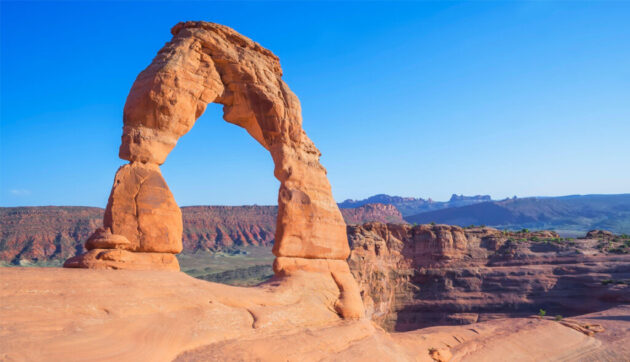
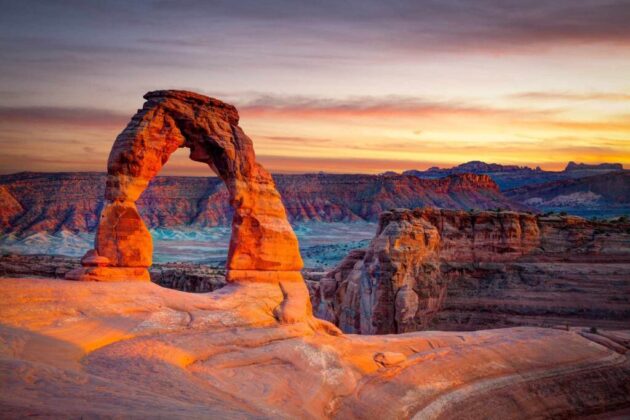
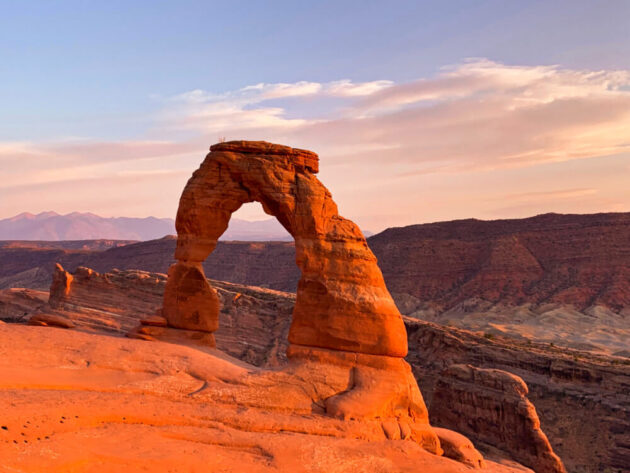
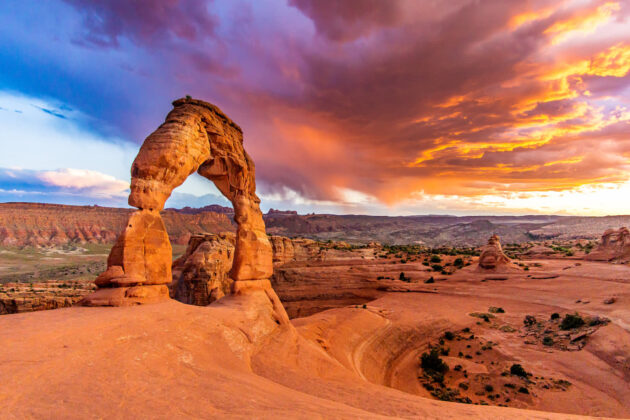
Iconic Arches and Landmarks: Delicate Arch: Utah’s most famous natural arch, featured on license plates. A 3-mile round-trip hike (moderate, 480 ft elevation gain) leads to this stunning formation. Sunset is the best time for photos.
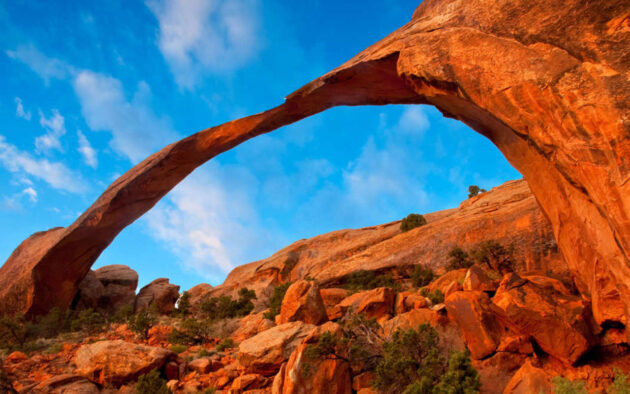
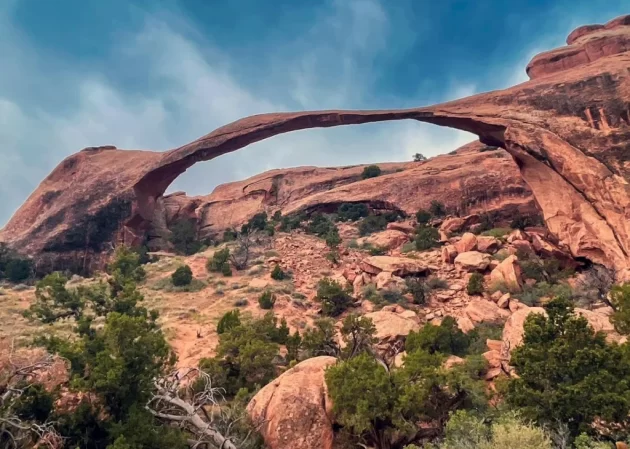
Landscape Arch: The world’s longest natural arch (306 ft), accessible via a 1.9-mile round-trip hike (easy) in the Devils Garden area.
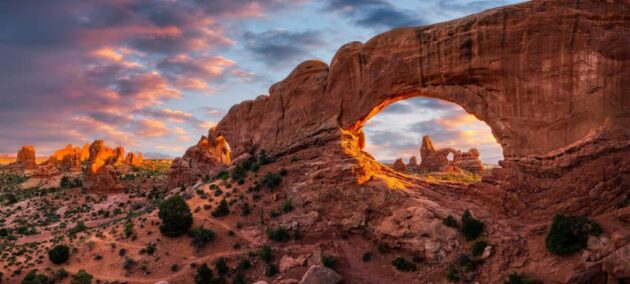
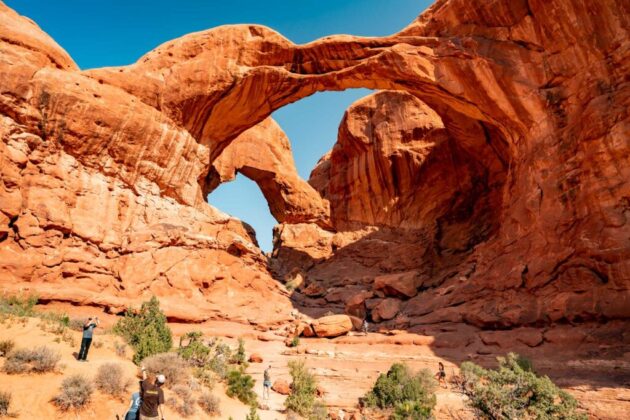
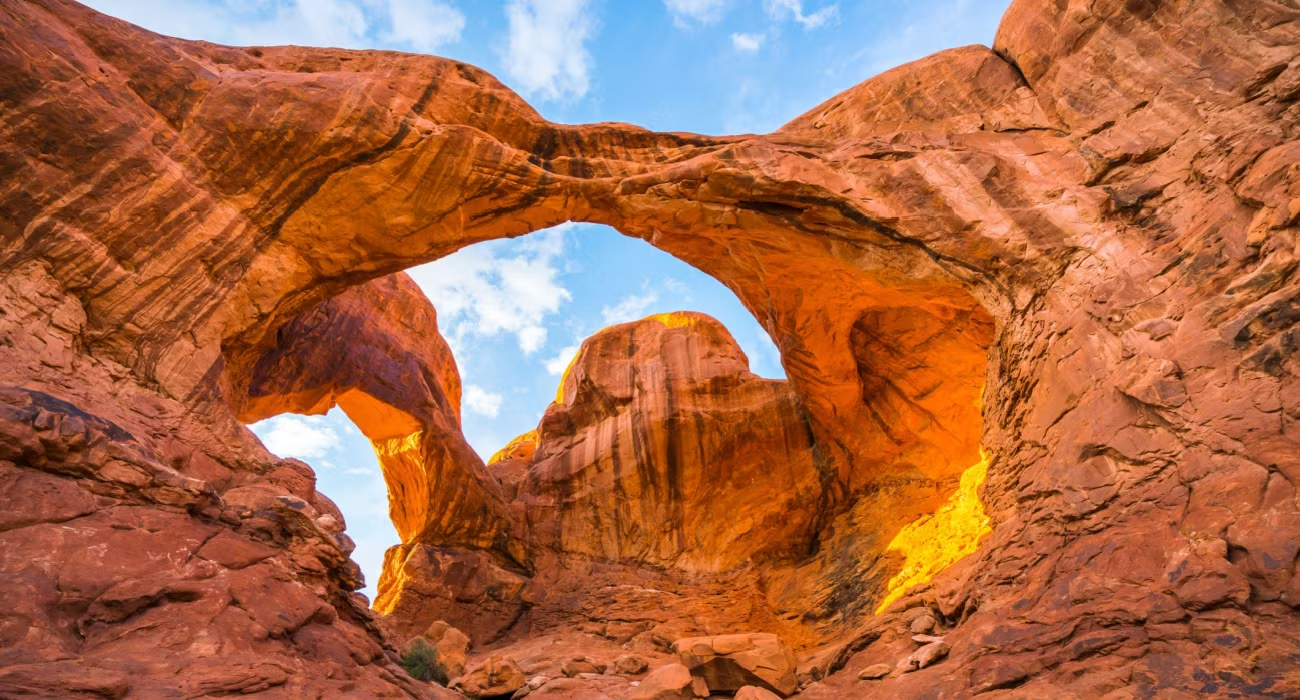
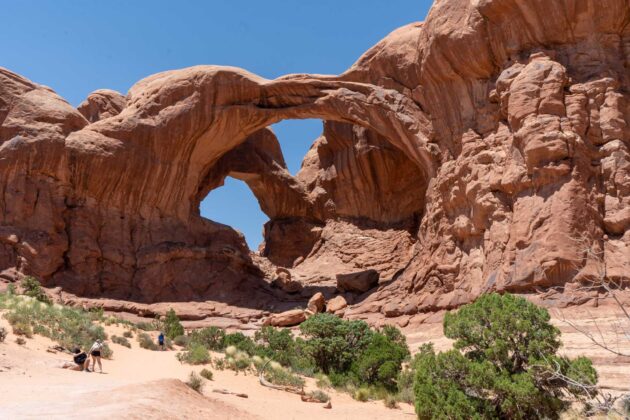
Double Arch: A dramatic pair of arches in the Windows Section, reachable by a 0.5-mile round-trip walk (easy).
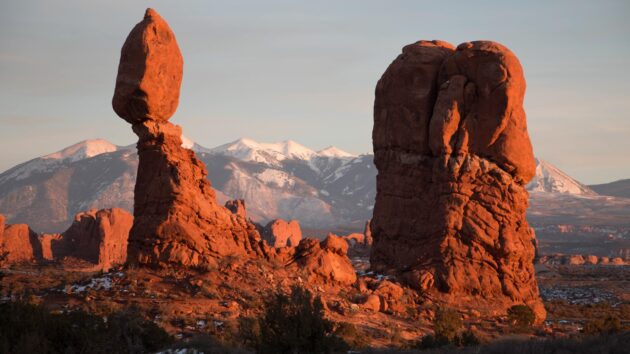
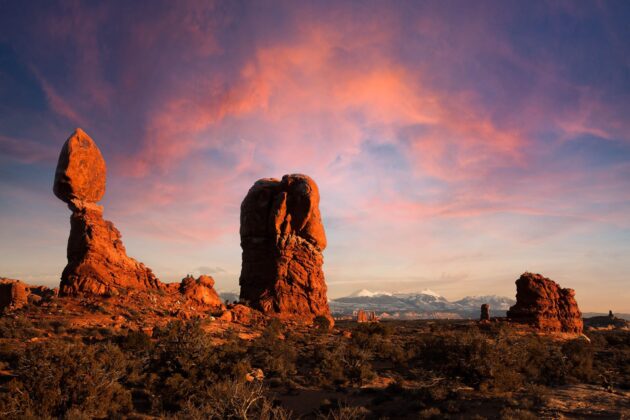
Balanced Rock: A 128-ft rock formation defying gravity, perfect for a quick stop and photos.
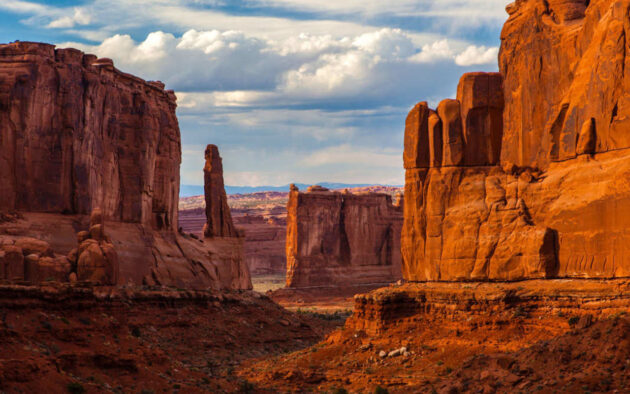
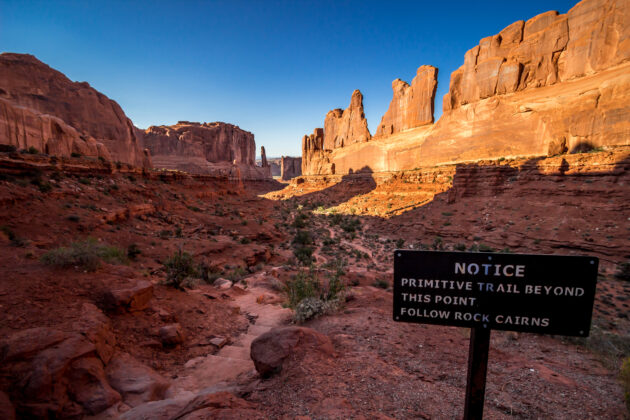
Hiking Trails: Park Avenue Trail (1.8 miles round-trip, easy): A scenic walk through towering sandstone monoliths, ideal for beginners.
Devils Garden Trail (7.9 miles round-trip, strenuous): A full loop with multiple arches, including Landscape Arch and Double O Arch, for experienced hikers.
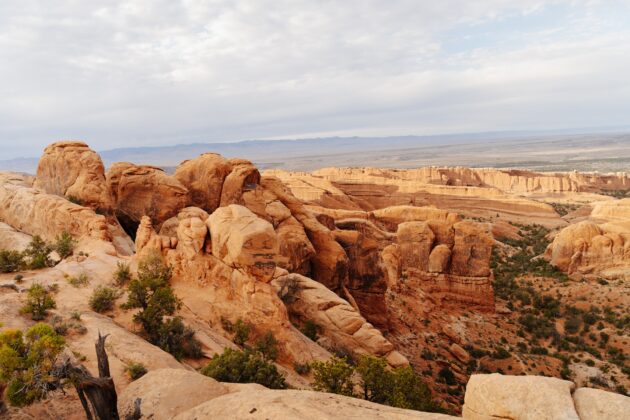
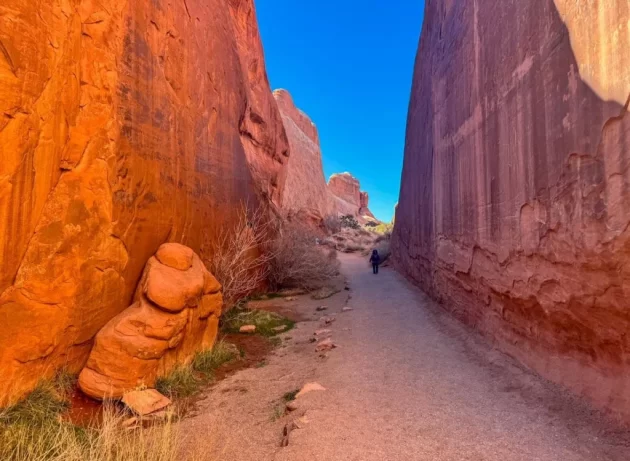
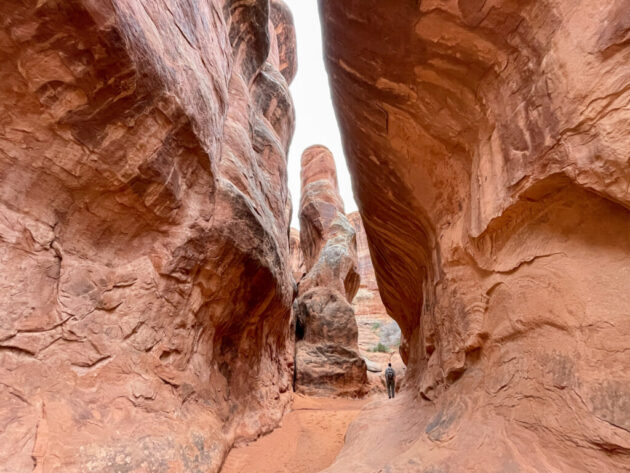
Fiery Furnace (2 miles, strenuous): A ranger-guided or permitted self-guided hike through a maze of narrow canyons. Book tours ($16–$20) in advance.
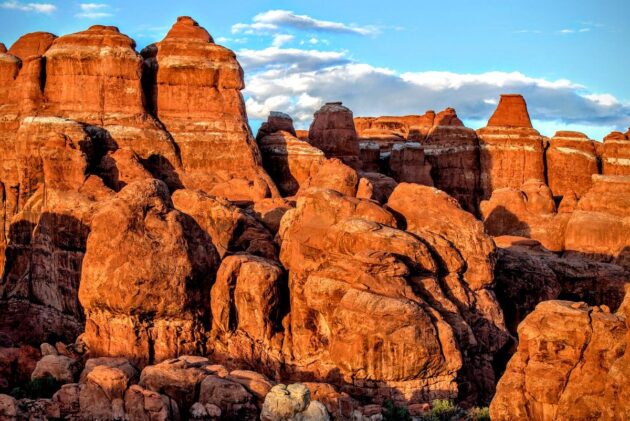
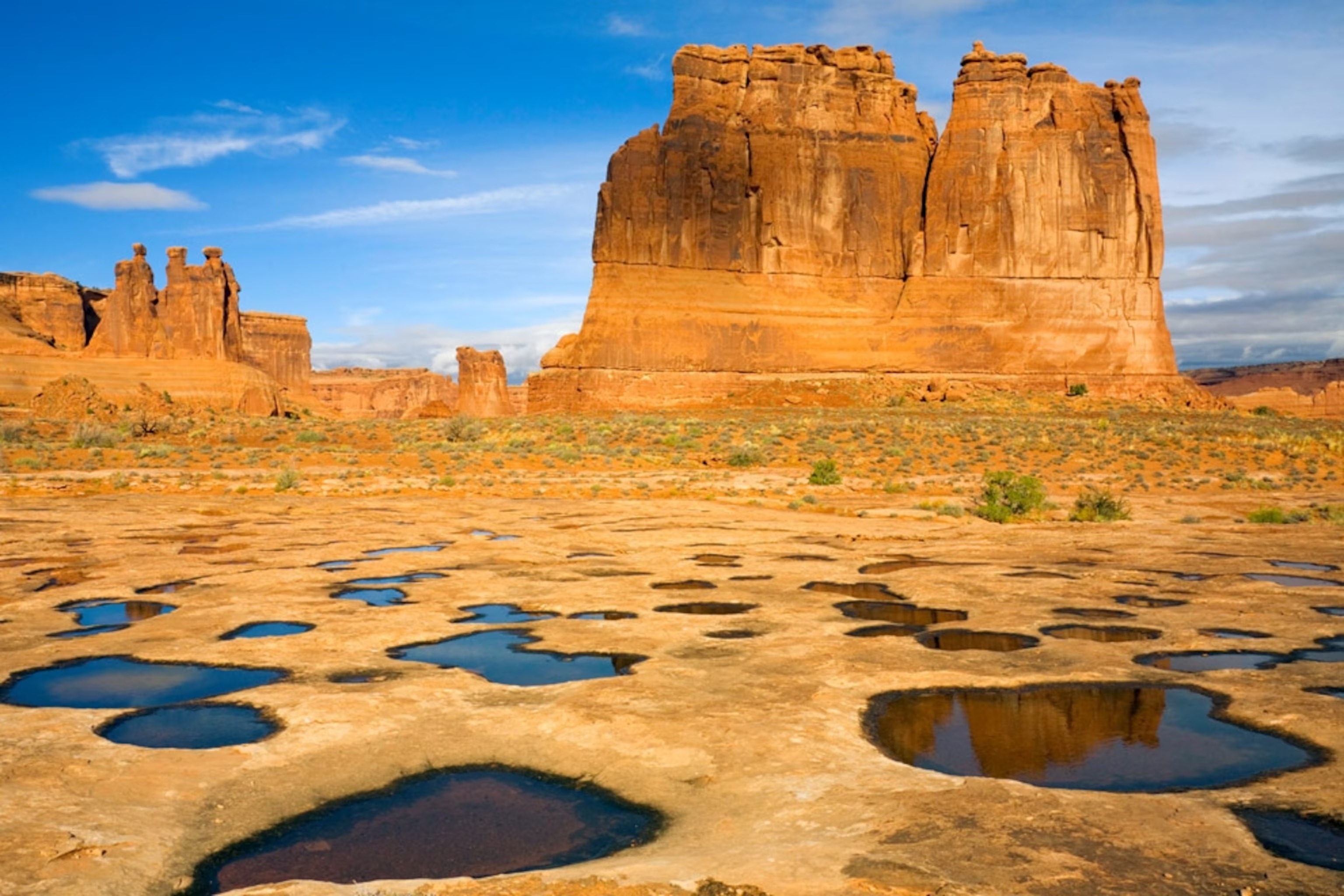
Scenic Drive: The 36-mile round-trip Arches Scenic Drive covers major sights like Balanced Rock, the Windows Section, and Courthouse Towers. Allow 2–3 hours with stops. Side roads like Windows Road and Delicate Arch Road offer additional viewpoints.
Stargazing: As an International Dark Sky Park, Arches offers incredible night skies. Join ranger-led stargazing programs (check the visitor center for schedules) or visit viewpoints like Panorama Point after dark.
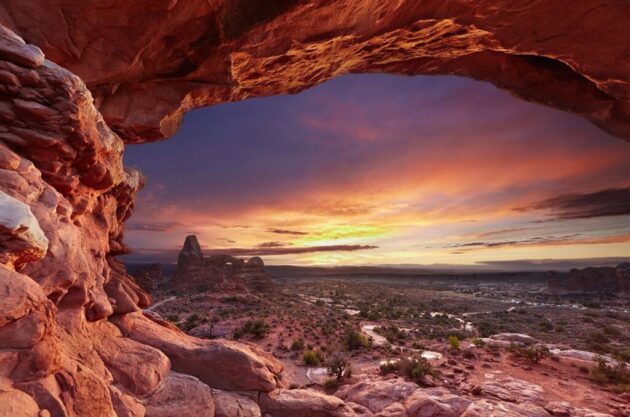
Photography and Ranger Programs: The park is a photographer’s paradise, with golden hour (sunrise/sunset) offering the best light. Join a Photography Tour ($100–$150) for expert guidance. Ranger-led talks and walks (free or $10–$20) provide insights into geology and ecology.
Where to Eat
Inside the Park: No restaurants are available, but the Visitor Center sells bottled water and snacks. Bring your own food for picnics at designated areas like Balanced Rock or Devils Garden.
Moab (5 miles away): Moab Diner: Classic American fare, affordable ($10–$20). Pasta Jay’s: Italian dishes, great for families ($15–$25). Sunset Grill: Upscale dining with views ($20–$40).
Tip: Pack a cooler with water, snacks, and sandwiches, as dining options are limited and temperatures can be extreme.
Where to Stay
In Moab: Hampton Inn Moab (3-star, ~5 miles): Comfortable with pool, ~$150–$250/night. Sorrel River Ranch (4-star, ~20 miles): Luxury with desert views, ~$400–$600/night. Moab Springs Ranch: Cozy cabins and bungalows, ~$200–$350/night. Budget: Hostels like Lazy Lizard Hostel (~$40–$80/night) or campgrounds.
Camping in the Park: Devils Garden Campground: The only campground in Arches, with 51 sites ($25/night). Book 6 months in advance at recreation.gov for March–October. First-come, first-served in winter. Amenities include flush toilets and drinking water but no showers.
Nearby BLM Camping: Bureau of Land Management sites along Highway 128 or Kane Creek Road offer dispersed camping ($15–$20/night).
Tips for a Great Visit
Stay Hydrated: Utah’s desert climate is dry. Carry at least 1 gallon of water per person for hikes. Dress Appropriately: Wear sturdy hiking shoes, a hat, sunscreen, and layered clothing for temperature swings.
Respect Nature: Stick to trails to protect fragile desert ecosystems. Pets are not allowed on trails or viewpoints. Plan Hikes Early: Start hikes at sunrise to avoid heat and crowds, especially for Delicate Arch or Fiery Furnace.
Combine Your Trip: Visit Canyonlands National Park (30 miles away) or explore Moab’s adventure activities like mountain biking or river rafting.
Final Thoughts
Arches National Park is a geological wonderland that captivates with its surreal arches, towering spires, and vast desert vistas. Whether you’re hiking to Delicate Arch, marveling at the night sky, or simply soaking in the serene beauty, the park offers an unforgettable experience. Plan ahead for timed entry, pack for the desert, and embrace the adventure of exploring one of America’s most iconic landscapes.
Happy travels!