Bryce Canyon National Park Travel Guide (2026)
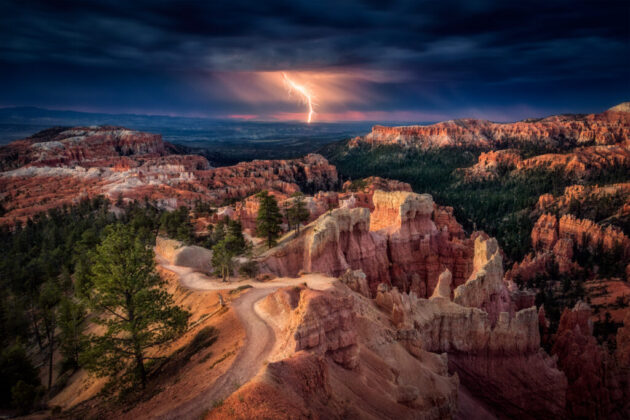
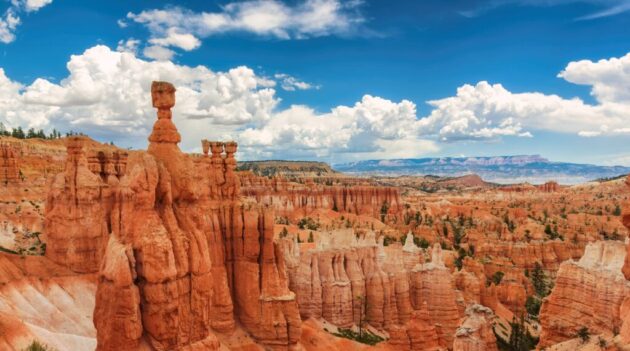
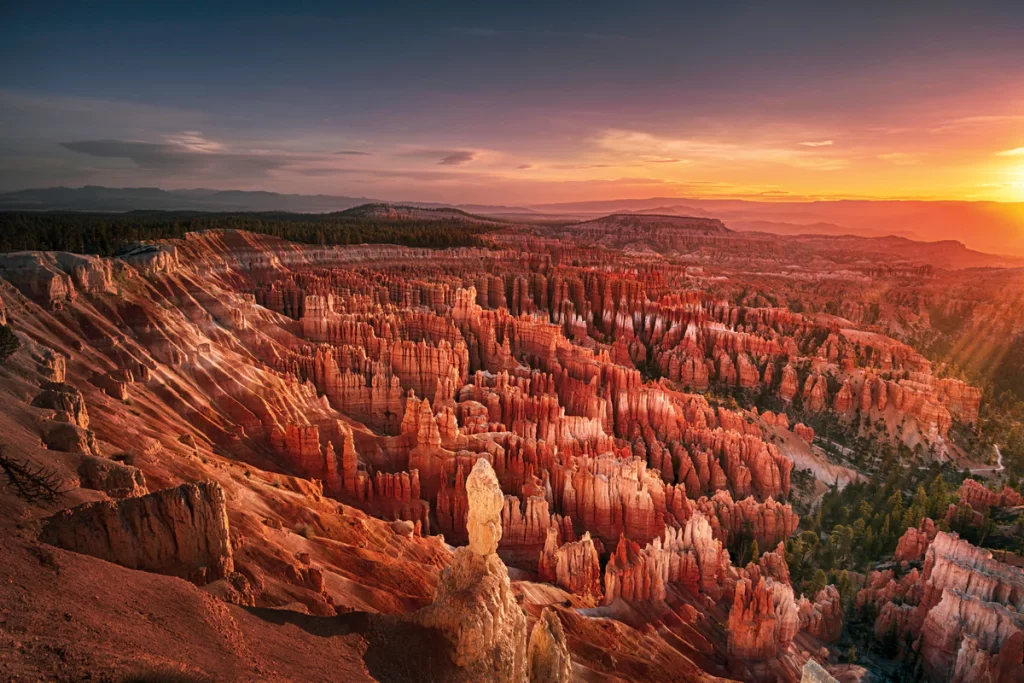
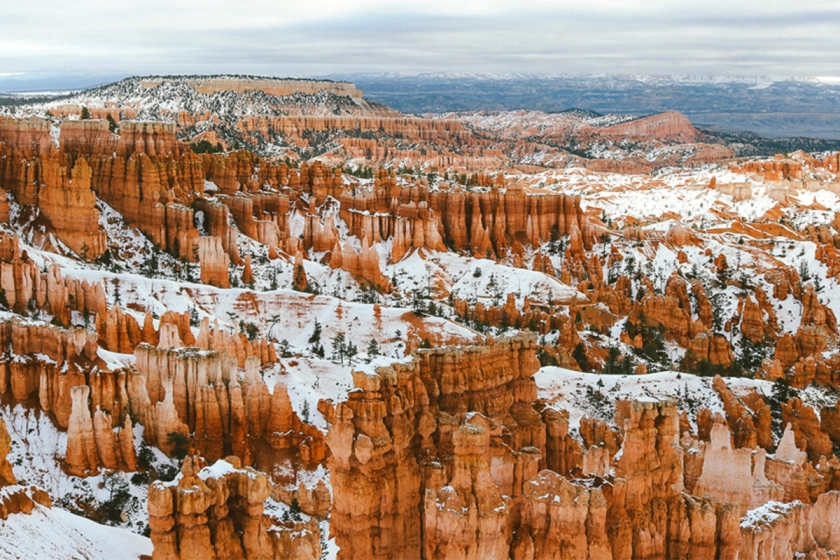
Bryce Canyon National Park, located in southern Utah, is a geological wonderland renowned for its vibrant hoodoos—spire-shaped rock formations that create a surreal, otherworldly landscape. Covering 35,835 acres, this park offers breathtaking vistas, hiking trails, and stargazing opportunities, making it a must-visit for nature lovers, photographers, and adventure seekers.
Why Visit Bryce Canyon National Park?
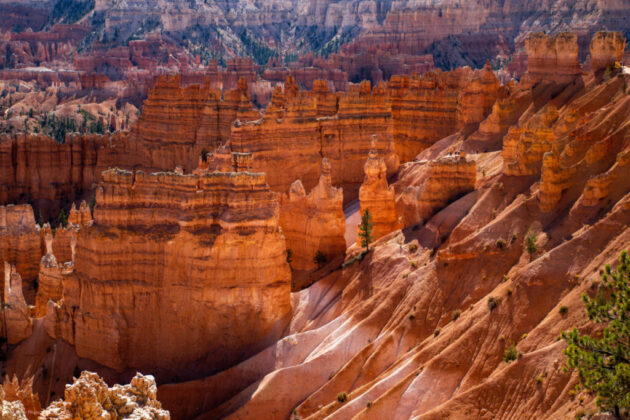
Unlike traditional canyons carved by rivers, Bryce Canyon is a series of natural amphitheaters filled with thousands of colorful hoodoos, formed by erosion over millions of years. The park’s high elevation (8,000–9,000 feet) offers crisp air, stunning sunrises, and some of the darkest skies in the U.S., earning it International Dark Sky Park status.
How to Get There
Bryce Canyon National Park is in southern Utah, about 270 miles from Las Vegas, Nevada, and 260 miles from Salt Lake City, Utah. Here are the main ways to reach it:
By Car: The park is accessible via Utah State Route 12 and U.S. Route 89. From Las Vegas, take I-15 north to UT-20, then follow UT-63 to the park entrance (4–4.5 hours). From Salt Lake City, take I-15 south to UT-20, then UT-63 (4–4.5 hours). Rental cars are available in Las Vegas or Salt Lake City. Parking is available at the visitor center and major viewpoints (free with park admission).
By Shuttle: From April to October, the Bryce Canyon Shuttle operates free service from the park’s gateway town, Bryce Canyon City, to major viewpoints (e.g., Bryce Point, Inspiration Point). It’s included with your park pass and reduces traffic congestion. External shuttle services from Las Vegas or Zion National Park are available through tour operators like Bryce Canyon Scenic Tours.
By Air: The nearest major airports are Harry Reid International Airport (Las Vegas, 270 miles) and Salt Lake City International Airport (260 miles). Smaller regional airports, like Cedar City Regional Airport (80 miles) or St. George Regional Airport (125 miles), offer limited flights. From these airports, rent a car or book a guided tour to reach the park.
By Bus/Tour: Guided day tours from Las Vegas or Zion National Park are offered by companies like Canyon Tours or Viator, starting at $100–$150 per person.
Tip: A car offers the most flexibility for exploring the park and nearby areas like Zion National Park (80 miles away).
Best Time to Visit
Spring (March–May): Mild temperatures (40–60°F) and fewer crowds make spring ideal for hiking. Wildflowers bloom, adding color to the landscape. Summer (June–August): Warm days (70–85°F) and clear skies attract peak crowds. Early mornings or late afternoons are best to avoid heat and congestion.
Fall (September–November): Cooler temperatures (30–60°F) and vibrant foliage create stunning views. Crowds thin out after Labor Day. Winter (December–February): Snow blankets the hoodoos, offering a magical contrast. Trails may be icy, but cross-country skiing and snowshoeing are available. Daytime temperatures range from 20–40°F.
Stargazing Tip: For the best night-sky viewing, visit during a new moon to maximize visibility of stars and the Milky Way. The park’s Astronomy Festival (usually in June) offers guided stargazing with telescopes.
Tickets and Opening Hours
Opening Hours: The park is open 24/7, year-round, though some facilities (e.g., visitor center) have specific hours: Visitor Center: 8:00 AM–6:00 PM (spring/fall), 8:00 AM–8:00 PM (summer), 8:00 AM–4:30 PM (winter). Shuttle Service: 8:00 AM–6:00 PM (April–October, extended hours in summer).
Entrance Fees: Private vehicle: $35 (valid for 7 days). Individual (on foot, bike, or motorcycle): $20. America the Beautiful Pass: $80 (covers all U.S. national parks for one year). Free entry on select days, like National Public Lands Day (late September).
Booking: No reservations are required for entry, but purchase passes online via recreation.gov or at the entrance to save time. Camping and lodging should be booked in advance during peak seasons.
What to See and Do
Bryce Canyon’s compact size makes it easy to explore in a day, but multi-day visits allow deeper exploration. Key activities include:
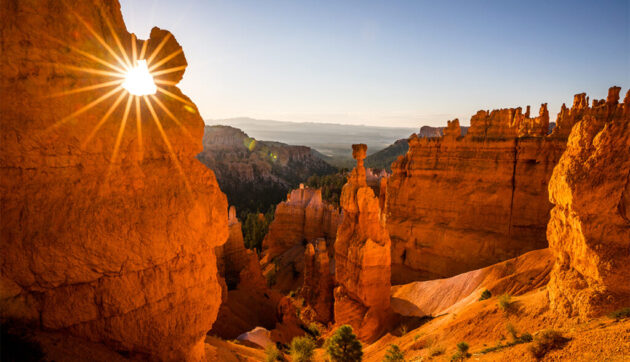
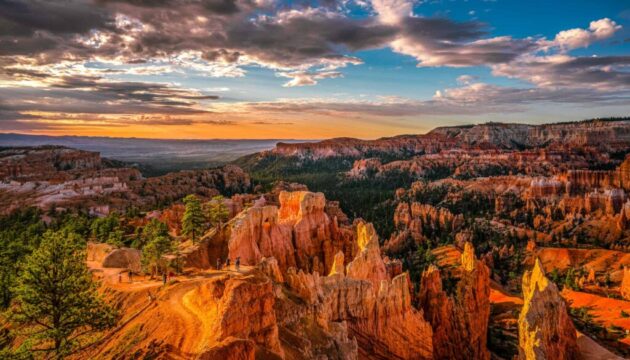
Scenic Viewpoints: Sunrise Point and Sunset Point: Perfect for watching the hoodoos glow at dawn or dusk. Easily accessible with minimal walking.
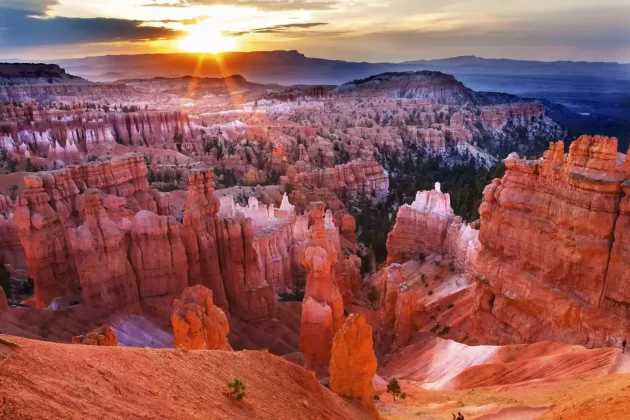
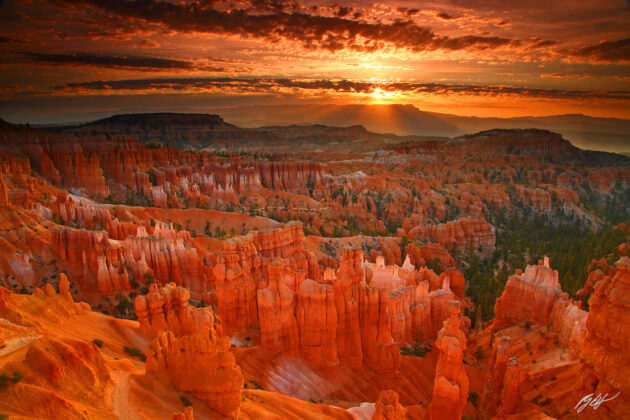
Inspiration Point: Offers panoramic views of the main amphitheater.
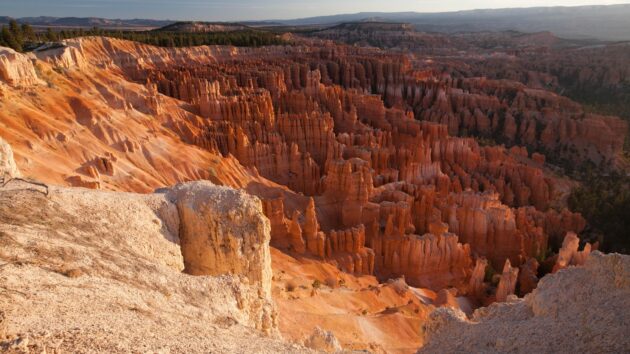
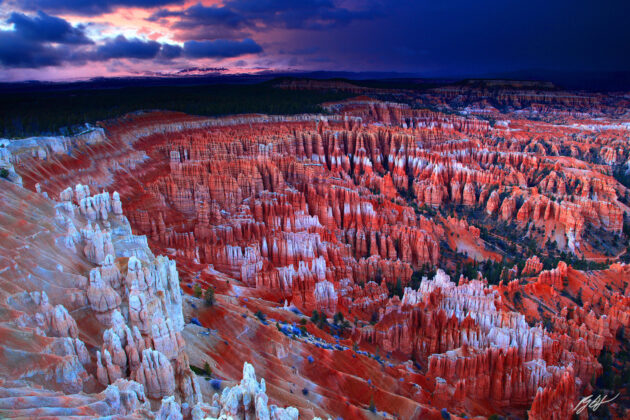
Bryce Point: Ideal for sunrise photography, showcasing the vast hoodoo landscape.
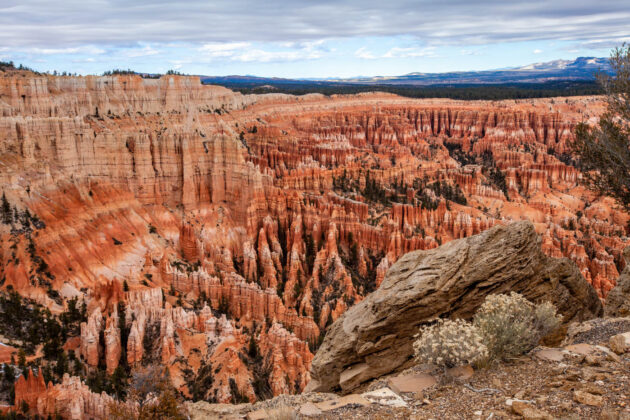
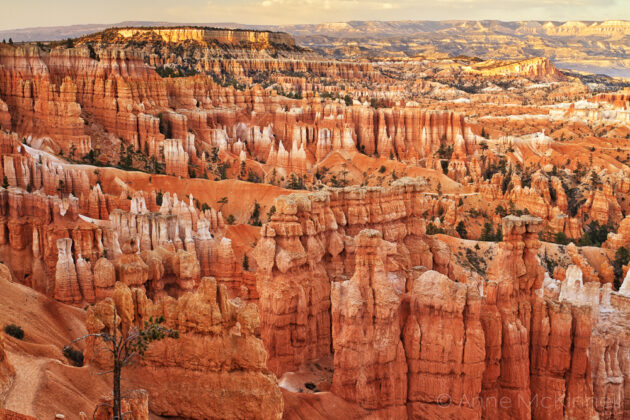
Rainbow Point: At the park’s southern end (18 miles from the entrance), it’s the highest viewpoint at 9,115 feet.
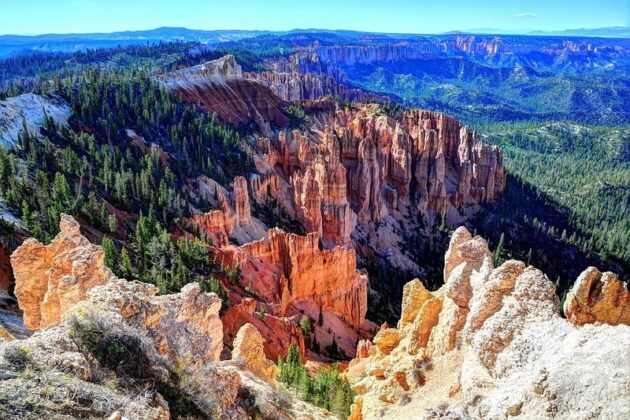
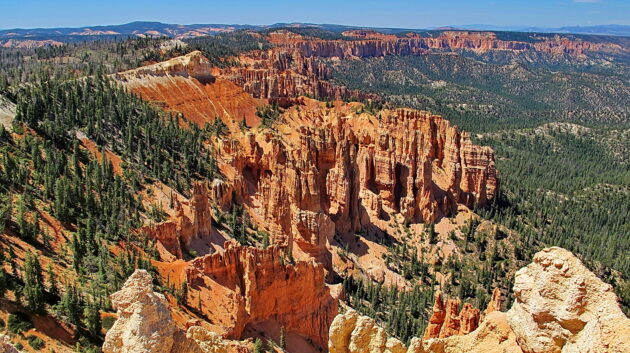
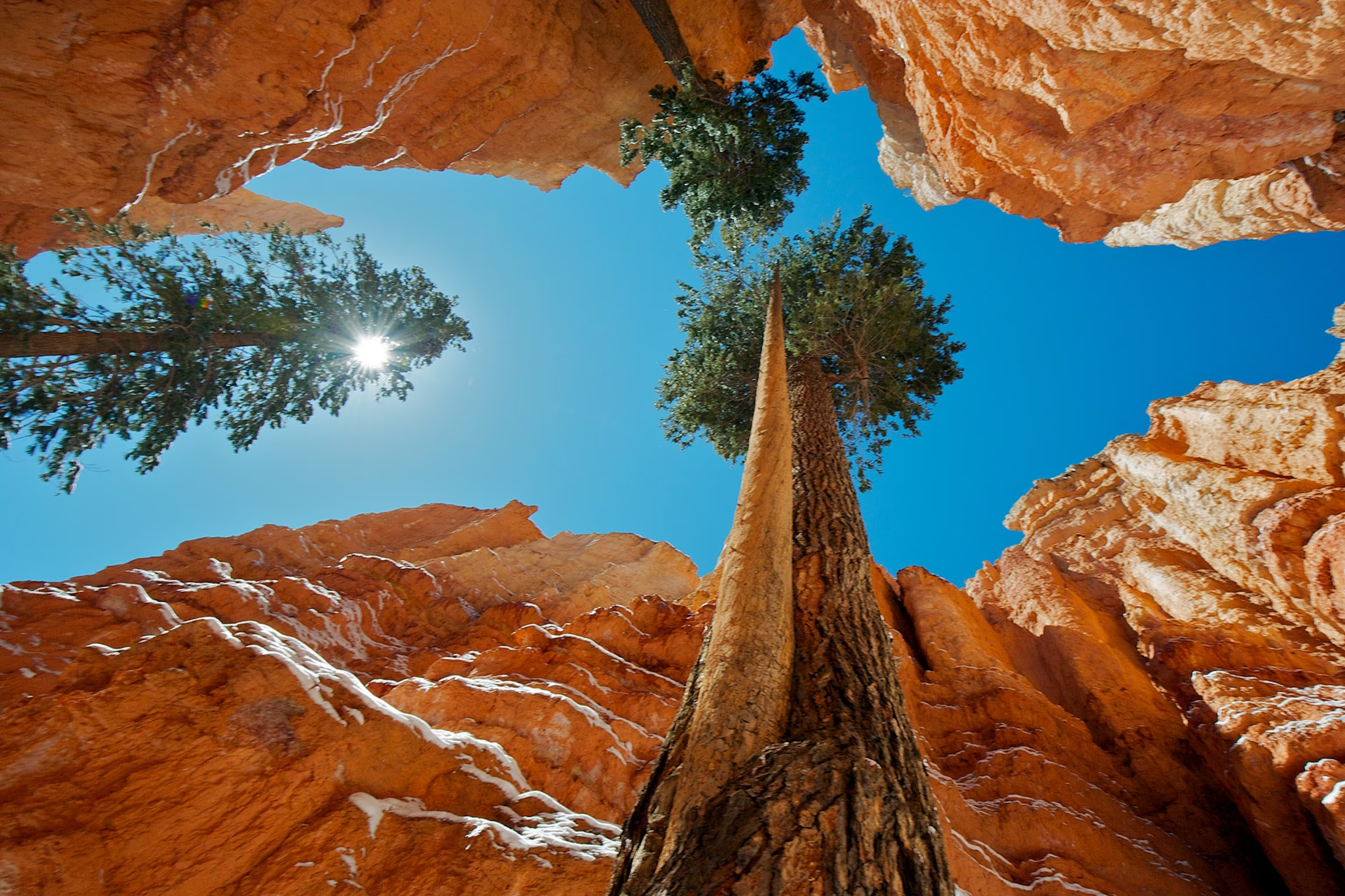
Hiking Trails: Navajo Loop Trail (1.3 miles, moderate): Descends into the amphitheater, passing iconic hoodoos like Thor’s Hammer. Combine with the Queen’s Garden Trail (3.5 miles total) for a popular loop.
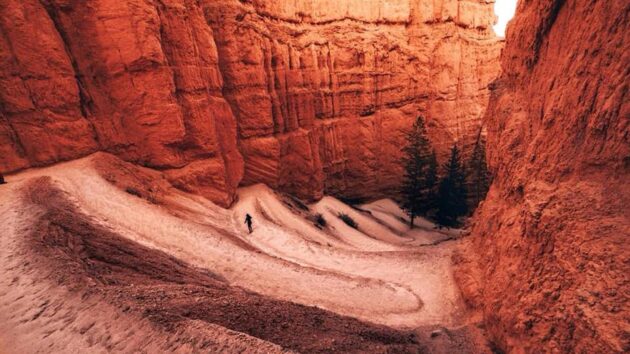
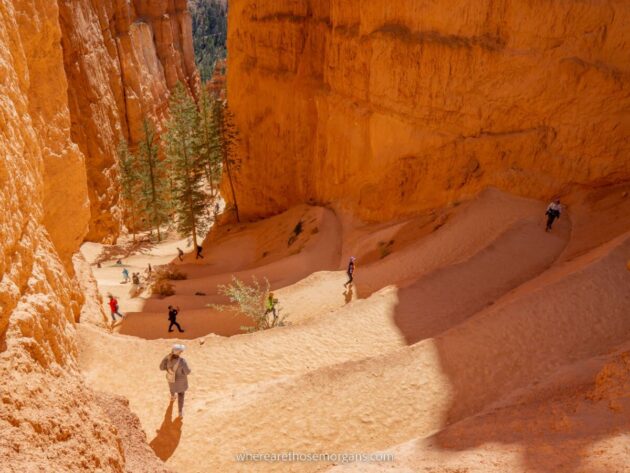
Fairyland Loop (8 miles, strenuous): Less crowded, with stunning views of colorful rock formations.
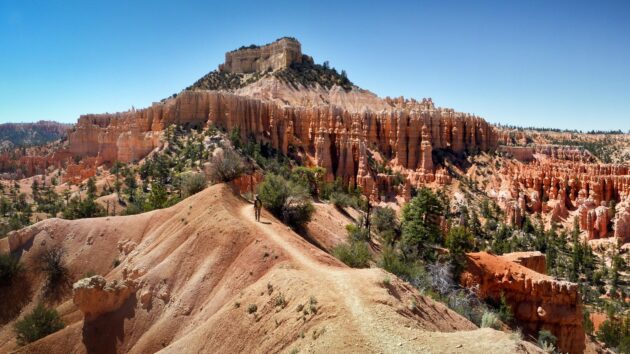
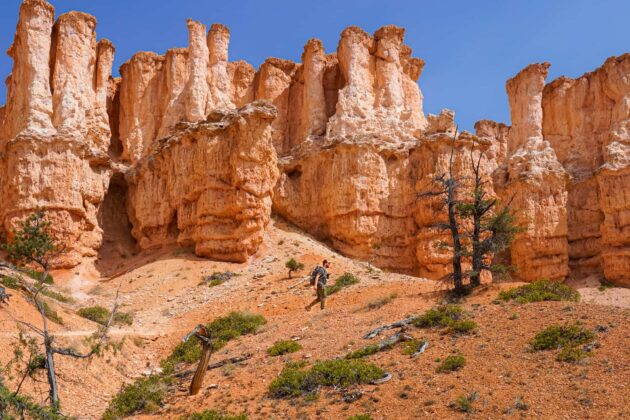
Peekaboo Loop (5.5 miles, strenuous): A challenging trail through hoodoos and natural arches, ideal for experienced hikers.
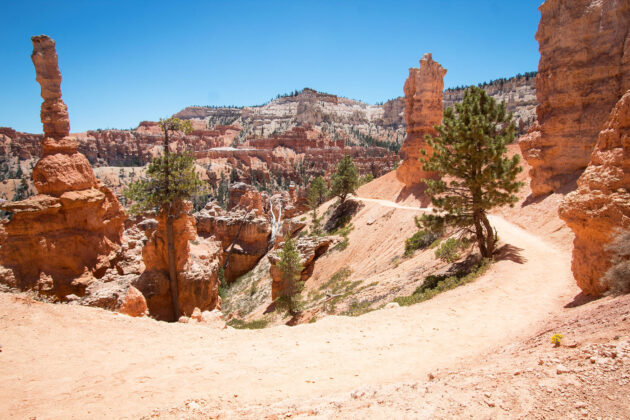
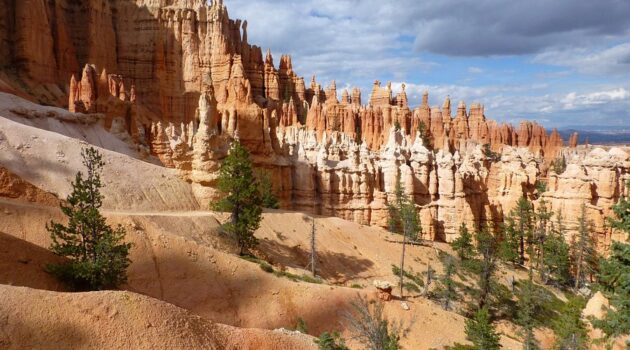
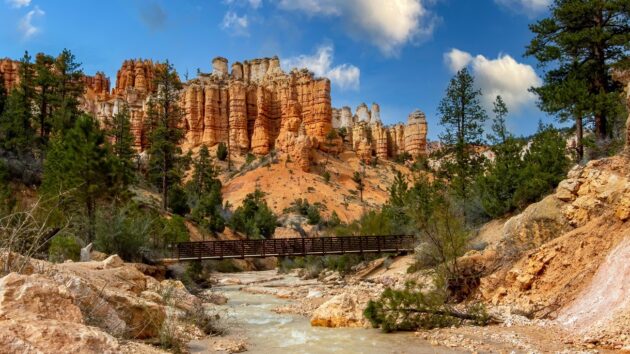
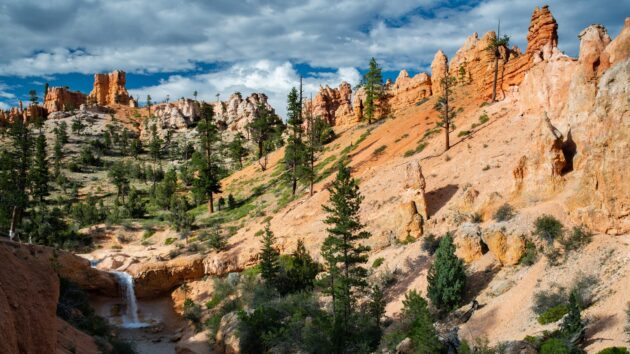
Mossy Cave Trail (0.8 miles, easy): A short, family-friendly hike to a small cave and waterfall (best in spring).
Stargazing: Join ranger-led Full Moon Hikes or Astronomy Programs (check schedules at the visitor center). The park’s dark skies reveal thousands of stars, planets, and the Milky Way. Bring binoculars or attend a telescope session for an enhanced experience.
Horseback Riding: Guided trail rides (2–3 hours) through the canyon are offered by Canyon Trail Rides (April–October, $65–$90). Book in advance.
Winter Activities: Snowshoeing and cross-country skiing are available on marked trails like the Paria Ski Loop. Rentals are offered at the visitor center.
Where to Eat
Inside the Park: Bryce Canyon Lodge Dining Room: Offers breakfast, lunch, and dinner with locally inspired dishes like trout and bison burgers (entrees $15–$30). Reservations recommended for dinner. General Store (near Sunrise Point): Sells snacks, sandwiches, and drinks ($5–$10).
Bryce Canyon City (2 miles from entrance): Ruby’s Inn Cowboy Buffet & Steak Room: Classic American fare, including steaks and BBQ ($10–$25). Bryce Canyon Pines Restaurant: Known for homemade pies and comfort food ($8–$20).
Tip: Pack a picnic for lunch at viewpoints like Picnic Area near Sunrise Point to save money and enjoy the scenery.
Where to Stay
Inside the Park: Bryce Canyon Lodge: The only in-park lodging, offering historic cabins and motel-style rooms (April–October, $150–$300/night). Book 6–12 months in advance via brycecanyonlodge.com. North Campground and Sunset Campground: Open year-round (Sunset seasonal), with tent sites ($20/night) and RV sites ($30/night). Reserve via recreation.gov.
Bryce Canyon City: Best Western Plus Ruby’s Inn: A large hotel with pool and dining, starting at $100–$200/night. Bryce Canyon Grand Hotel: Modern amenities, from $120–$250/night. Budget Options: Motels like Bryce View Lodge offer rooms for $80–$150/night.
Nearby Towns: Tropic (12 miles away): Quaint guesthouses and Airbnbs, like Bryce Pioneer Village ($70–$150/night). Panguitch (25 miles away): Budget-friendly motels and historic B&Bs ($50–$120/night).
Tip: Book accommodations early for summer and fall. Camping is a great budget option, but bring warm layers for chilly nights.
Tips for a Great Visit
Dress in Layers: High elevation means cool mornings and evenings, even in summer. Sturdy hiking shoes are essential for trails. Stay Hydrated: The dry climate and altitude can cause dehydration. Carry a reusable water bottle (refill stations at visitor center).
Sun Protection: Use sunscreen, hats, and sunglasses, as UV exposure is high. Trail Safety: Stick to marked trails to avoid loose rocks and erosion. Check weather forecasts, as flash floods can occur in summer.
Combine Your Trip: Pair Bryce Canyon with Zion National Park (80 miles, 1.5 hours) or Grand Staircase-Escalante National Monument (30 miles) for a multi-park adventure.
Final Thoughts
Bryce Canyon National Park is a geological masterpiece that captivates with its vibrant hoodoos, serene trails, and star-filled skies. Whether you’re hiking into the amphitheater, capturing sunrise at Bryce Point, or gazing at the Milky Way, the park offers an awe-inspiring escape into nature. Plan your visit around the seasons, pack for adventure, and prepare to be enchanted by one of Utah’s most spectacular landscapes.
Happy travels!