


A Travel Guide to Salt Lake City
Nestled in a valley surrounded by the majestic Wasatch Mountains and the Great Salt Lake, Salt Lake City (SLC), Utah’s vibrant capital, offers a unique blend of urban sophistication, outdoor adventure, and rich cultural heritage. Known for its Mormon history, world-class skiing, and burgeoning culinary scene, SLC is a year-round destination that surprises visitors with its diversity and laid-back charm. Whether you’re exploring historic sites, hitting the slopes, or savoring local cuisine, this guide will help you plan an unforgettable trip to Salt Lake City.
Why Visit Salt Lake City?
Salt Lake City combines the best of both worlds: a manageable, friendly urban center with easy access to breathtaking natural landscapes. The city is the global headquarters of the Church of Jesus Christ of Latter-day Saints (LDS), offering cultural landmarks like Temple Square, but it’s also home to a thriving LGBTQ+ community and a dynamic food scene, making it far more diverse than its reputation suggests. With world-class ski resorts just 30 minutes away, hiking trails in the nearby canyons, and a calendar packed with festivals and events, SLC caters to adventurers, families, and culture enthusiasts alike.
How to Get There
Salt Lake City is one of North America’s most accessible destinations, thanks to its major international airport and well-connected transportation options:
By Air: Salt Lake City International Airport (SLC) is 6 miles west of downtown, serving as a hub for Delta Airlines. A $4 billion redevelopment has made it a modern, efficient gateway. Taxis to downtown cost $25–$30, while ride-hailing services like Uber or Lyft are similarly priced. The Utah Transit Authority (UTA) TRAX light rail (Green Line) connects the airport to downtown in about 20 minutes for $2.50.
By Car: SLC is at the crossroads of I-15 and I-80, making it ideal for road trips. It’s a 4-hour drive from Moab (gateway to Arches and Canyonlands National Parks) or 5–6 hours from Yellowstone and Grand Teton National Parks. Car rentals are available at the airport or downtown, with daily rates starting at $40.
By Public Transit: UTA offers free bus service within a six-block downtown area. The broader TRAX system connects to suburbs like Sandy and West Valley City, where attractions like America First Field are located.
Tip: If planning to visit nearby ski resorts or national parks, renting a car is recommended for flexibility.
Best Time to Visit
Winter (December–March): Ideal for skiing and snowboarding at resorts like Alta, Snowbird, Brighton, or Solitude, just 30–45 minutes from downtown. Expect powdery snow and temperatures ranging from 20°F to 40°F (-6°C to 4°C). Spring (April–May): Mild weather (50°F–70°F) and fewer crowds make this a great time for hiking and sightseeing. Spring festivals, like the Cherry Blossom Festival at Red Butte Garden, add vibrancy.
Summer (June–August): Warm days (80°F–90°F) are perfect for hiking, biking, or floating in the Great Salt Lake. The Utah Days of ’47 Rodeo (July) is a cultural highlight. Autumn (September–November): Crisp temperatures (50°F–70°F) and colorful foliage in the Wasatch Mountains make this a scenic time for outdoor activities.
Note: Many businesses close on Sundays due to the city’s religious heritage, so plan shopping or dining for other days.
What to See and Do
Temple Square
Temple Square in Salt Lake City, Utah, is the global headquarters of The Church of Jesus Christ of Latter-day Saints (LDS Church) and a major religious and tourist destination. Spanning 10 acres (40,000 m²), it features iconic structures such as the Salt Lake Temple, the Tabernacle (known for its acoustics and famous Mormon Tabernacle Choir), the Assembly Hall, and the Seagull Monument commemorating a pioneer-era miracle. The square attracts millions of visitors annually, offering free guided tours by multilingual missionaries.


Utah State Capitol
The Utah State Capitol, located in Salt Lake City, is the governmental seat of Utah and a prominent architectural landmark. Designed in a neoclassical style reminiscent of the U.S. Capitol in Washington, D.C., it features a grand Byzantine-style dome, marble interiors, and intricate murals. Completed in 1916, the building sits on a hill overlooking downtown Salt Lake City, offering panoramic views of the surrounding area. Known for its “Beehive” sculpture symbolizing Utah’s nickname as the “Beehive State,” the Capitol is open to the public for free tours and showcases historical exhibits, legislative chambers, and ornate artwork.


Red Butte Garden
Red Butte Garden is a scenic botanical garden and arboretum located at the foothills of the Wasatch Mountains in Salt Lake City, Utah. Operated by the University of Utah, it spans over 100 acres and features beautifully landscaped gardens, native plant displays, and miles of hiking trails through natural vegetation. The garden is open year-round and includes a flowing creek (Red Butte Creek) as well as an outdoor amphitheater for events. Visitors can enjoy seasonal blooms, educational programs, and stunning mountain views, making it a popular destination for nature lovers and hikers alike.


Great Salt Lake
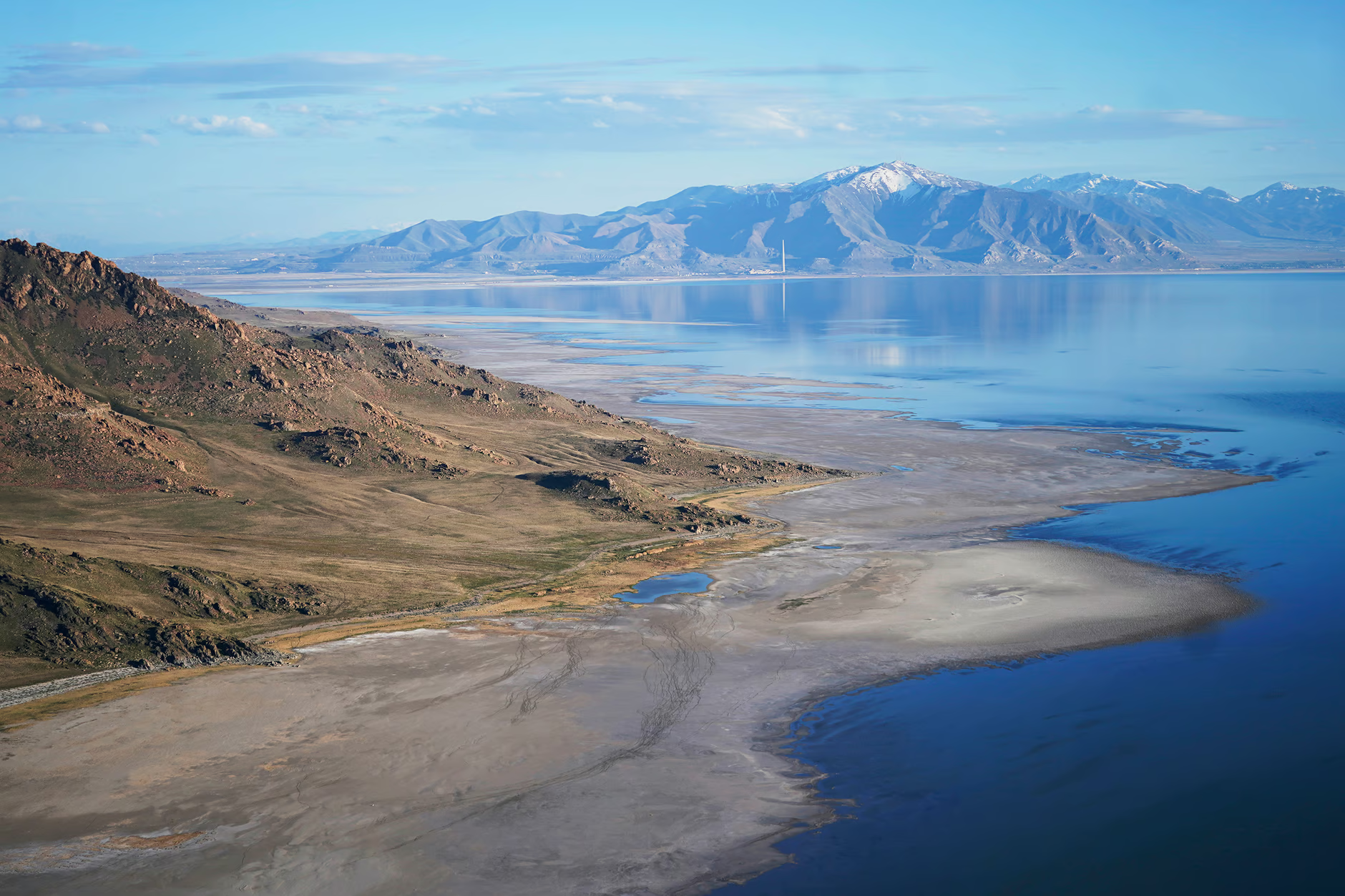
The Great Salt Lake, located near Salt Lake City, Utah, United States, is the largest saltwater lake in the Western Hemisphere. Known for its high salinity, it is a remnant of ancient Lake Bonneville and supports unique ecosystems. Salt Lake City, the state capital, lies between the lake and the Wasatch Mountains, serving as a cultural, economic, and outdoor recreation hub for the region. The lake and city are iconic landmarks of the American West.


The Leonardo Museum
The Leonardo Museum in Salt Lake City, located at 209 500 S, is a unique museum that explores the intersections of science, technology, art, and creativity through interactive exhibits and innovative displays, offering visitors a chance to engage with unexpected connections between these fields.


Utah’s Hogle Zoo
Utah’s Hogle Zoo, located in Salt Lake City, is a popular 42-acre zoo founded in 1931. It houses over 800 animals from around the world, including elephants, lions, giraffes, and endangered species. The zoo features immersive exhibits like African Savanna and Rocky Shores, along with educational programs and conservation efforts. A family-friendly destination, it offers seasonal events and interactive experiences, making it a key attraction in Utah.


Natural History Museum of Utah
The Natural History Museum of Utah, located in Salt Lake City, is a premier institution showcasing the state’s rich natural and cultural heritage. Housed in the striking Rio Tinto Center, the museum features interactive exhibits across multiple floors, including dinosaur fossils, Native American artifacts, minerals, and ecological displays. Highlights include a vast collection of over 30,000 paleontological specimens, hands-on activities for children, and stunning views of the Wasatch Mountains and Salt Lake Valley from its outdoor terraces.


Salt Lake City Public Library
The Salt Lake City Public Library, located in Salt Lake City, Utah, is a striking architectural landmark designed by Moshe Safdie and opened in 2003. The six-story building features a distinctive curved glass wall, an expansive atrium filled with natural light, and a rooftop garden offering panoramic views of the Wasatch Mountains. Its design includes a triangular main structure housing book stacks and reading areas, a rectangular administration wing, and a glass-enclosed “urban room” lined with shops and meeting spaces. The library also integrates sustainable elements, such as a double-glazed south-facing “lens” for seasonal light and heat control.


Big Cottonwood Canyon
Big Cottonwood Canyon, located southeast of Salt Lake City, Utah, is a scenic 30-kilometer canyon known for its stunning natural beauty and outdoor recreational opportunities. The canyon features towering peaks like Mount Superior (11,040 feet) and Mount Raymond (10,241 feet), lush forests of pine and aspen, and cascading streams. Popular for hiking, biking, and skiing, it houses renowned ski resorts such as Brighton and Solitude, attracting visitors year-round.


Bonneville Salt Flats
The Bonneville Salt Flats, located in northwestern Utah near the Nevada border, is a surreal and iconic destination known for its vast, dazzling white salt crust stretching over 30,000 acres. A remnant of the ancient Lake Bonneville, this otherworldly landscape is a haven for photographers, adventure seekers, and speed enthusiasts, famous for hosting land speed records at the Bonneville Speedway.


Skiing at Alta and Snowbird
If you’re visiting during the winter months, Salt Lake City is surrounded by world-class ski resorts like Alta and Snowbird, offering some of the best powder skiing in the U.S.


Where to Eat
SLC’s culinary scene is surprisingly diverse, with influences from East Africa to Western Asia, alongside local specialties like fry sauce and Navajo tacos.
Valter’s Osteria: Upscale Italian with tableside service; reservations recommended. Red Iguana: Famous for Mexican dishes like mole and Navajo tacos.
Oquirrh: Seasonal comfort food, including confit chicken pot pie, in a cozy setting. Laziz Kitchen: Modern Lebanese with small plates like muhammara and falafel; known for drag brunches.
Squatters Pub Brewery: Local brews and hearty pub fare. City Creek Center: A modern mall with dining options from fast food to upscale restaurants.
Where to Stay
SLC offers lodging for every budget, with most hotels charging for parking ($10–$20/day).
Luxury: Grand America Hotel: A 5-star option with a spa, courtyard, and light rail access; from $200/night. Kimpton Hotel Monaco: Stylish downtown hotel in a historic 1923 building; from $150/night.
Mid-Range: Hilton Salt Lake City Center: Recently renovated, central location; from $120/night. Hyatt Regency Salt Lake City: Trendy, near downtown attractions; from $130/night.
Budget: City Creek Inn & Suites: Basic amenities, under $100/night. Radisson (Wiley Post Drive): Airport proximity with shuttle service; from $90/night.
Tip: For ski trips, consider staying at on-mountain resorts like Alta or Snowbird for direct slope access.
Tips for a Great Visit
Pack for the Weather: Layers are key, as temperatures vary widely, especially in winter or when moving between city and mountains. Use Public Transit: TRAX and free downtown buses make exploring easy and affordable.
Plan Around Renovations: Temple Square’s limited access continues until 2026. Check updates before visiting. Combine with National Parks: SLC is a gateway to Utah’s Mighty 5 (Zion, Bryce Canyon, Arches, Canyonlands, Capitol Reef), with Moab a 4-hour drive away.
Respect Local Culture: While SLC is inclusive (with strong LGBTQ+ support), the LDS influence means some areas are conservative, and Sunday closures are common. Book Events Early: Secure tickets for concerts (e.g., Keith Urban at Utah First Credit Union Amphitheatre, July 18, 2025) or sports events in advance.
Final Thoughts
Salt Lake City is a destination of contrasts—where urban energy meets mountain serenity, and pioneer history blends with a youthful, creative vibe. From floating in the Great Salt Lake to skiing world-class slopes, exploring Mormon heritage, or dining on inventive cuisine, SLC offers something for every traveler. Plan your visit to embrace both the city’s cultural gems and its proximity to Utah’s stunning outdoors, and you’ll leave with memories of a truly unique American adventure.
Happy travels!


