A Travel Guide to Green Mountain National Forest
Nestled in the heart of Vermont, the Green Mountain National Forest spans over 400,000 acres across southwestern and central Vermont, offering a breathtaking blend of rugged mountains, dense forests, sparkling lakes, and vibrant fall foliage. Established in 1932, this forest is a haven for outdoor enthusiasts, with over 900 miles of trails, diverse wildlife, and year-round recreational opportunities. Whether you’re a hiker, camper, or nature lover, this guide will help you plan an unforgettable adventure in one of New England’s most stunning natural treasures.
Why Visit Green Mountain National Forest?
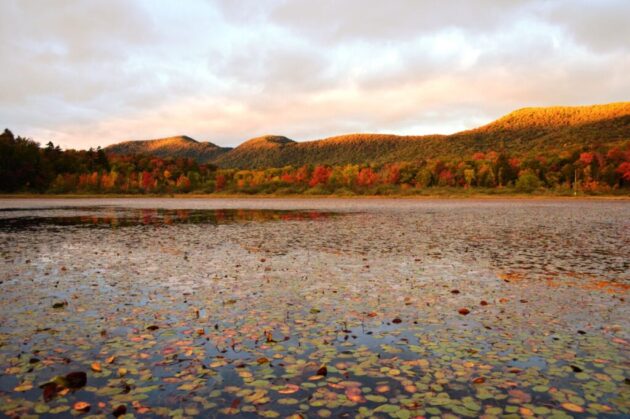
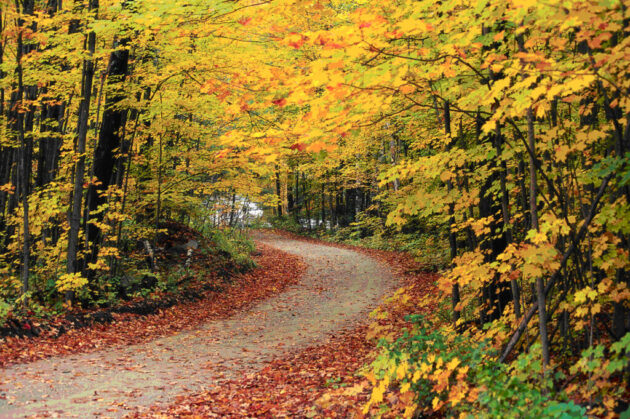
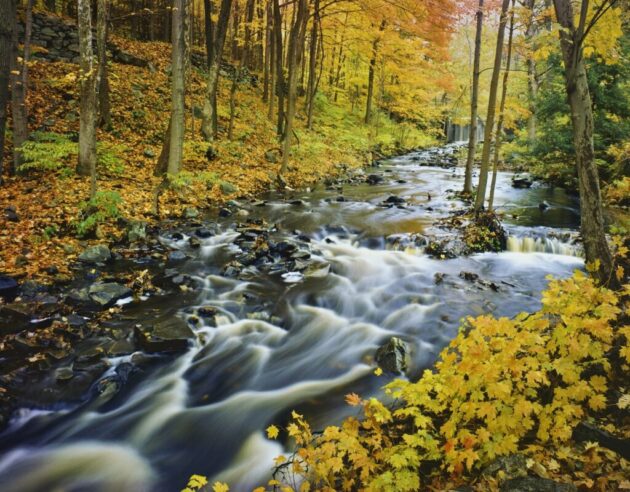
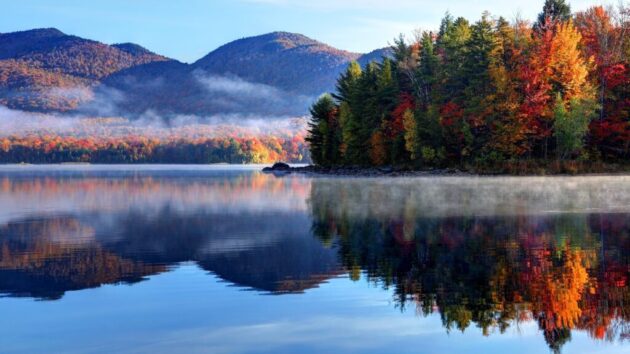
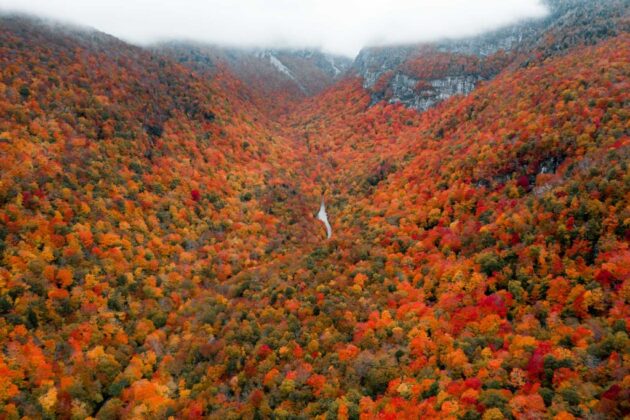
The Green Mountain National Forest is a four-season destination known for its scenic beauty and rich biodiversity. It’s home to iconic trails like the Appalachian Trail and Long Trail, the oldest long-distance hiking trail in the U.S. The forest’s granite peaks, cascading waterfalls, and serene ponds make it a paradise for hiking, camping, and wildlife watching. In autumn, the forest transforms into a vibrant display of red, orange, and gold foliage, considered among the best in the world. With activities ranging from skiing in winter to kayaking in summer, it’s a must-visit for anyone seeking to connect with nature.
How to Get There
Located in Bennington, Addison, Rutland, Windham, Windsor, and Washington counties, the forest is easily accessible from major cities in the Northeast.
By Car: From Burlington, VT (1–1.5 hours): Take I-89 south to Route 4 or Route 100, which lead to forest entrances like Rochester or Manchester. From Boston, MA (2.5–3 hours): Drive I-93 north to I-89, then follow Route 4 west toward Rutland or Killington. From New York City (4–5 hours): Take I-87 north to Route 7 or Route 9, connecting to southern access points like Bennington. Parking is available at trailheads and recreation areas (e.g., Hapgood Pond, Grout Pond). Fees may apply at developed sites ($5–10/day).
By Public Transit: Public transport options are limited. The closest Amtrak station is in Rutland, VT, with connections from New York or Albany. From Rutland, rent a car or use local taxis to reach forest entrances (15–30 minutes). Bus services like Greyhound or Vermont Translines stop in towns like Bennington or Manchester, requiring a taxi or shuttle to trailheads.
By Air: Fly into Burlington International Airport (BTV) (1.5 hours away) or Albany International Airport (ALB) (1–2 hours away). Rent a car for the scenic drive to the forest.
Tip: A car is highly recommended for flexibility, as many trailheads and campgrounds are remote. Check road conditions, as some forest roads may be unpaved or impassable in winter.
Best Time to Visit
Spring (March–May): Wildflowers bloom, and trails are less crowded, though muddy conditions are common due to snowmelt. Summer (June–August): Warm weather (60–80°F) is ideal for hiking, camping, and paddling. Expect more visitors, especially on weekends.
Autumn (September–October): Peak fall foliage (early October) draws crowds for its spectacular colors. Book campsites and lodging well in advance. Winter (November–February): Perfect for skiing, snowshoeing, and snowmobiling, with resorts like Killington and Stratton nearby. Trails can be icy, so gear up appropriately.
Weather Tip: Vermont’s weather is unpredictable. Pack layers, rain gear, and sturdy boots year-round. Autumn is the busiest season, so plan for crowds during foliage season (late September to mid-October).
Tickets and Permits
Entry: The forest is free to enter for general use, such as hiking and dispersed camping. Developed Sites: Some campgrounds (e.g., Chittenden Brook, Hapgood Pond) and day-use areas charge fees ($10–20/night for camping, $5–10 for parking).
Permits: No permits are required for hiking or backcountry camping, but check for specific regulations at developed sites. For example, campfires may require a free permit in certain areas.
Maps: Download the Motor Vehicle Use Map or FSTopo Map from the U.S. Forest Service website for free, as GPS signals can be unreliable. Paper maps are available at ranger stations in Mendon or Rochester ($5–10).
Tip: Purchase a Green Mountain National Forest Recreation Pass ($30/year) for unlimited access to fee-based day-use areas if planning multiple visits.
What to See and Do
Hiking: Long Trail: The oldest long-distance trail in the U.S., stretching 270 miles from Massachusetts to Canada. Popular segments include the Lye Brook Falls Trail (4.6 miles, moderate) and Stratton Mountain (7.6 miles, strenuous, with panoramic views). Appalachian Trail: Overlaps with the Long Trail in parts, offering scenic day hikes like the Griffith Lake Trail (6 miles, moderate). Robert Frost Trail: A gentle 1-mile loop near Middlebury, inspired by the poet, perfect for families.
Waterfalls and Swimming Holes: Lye Brook Falls: A 2.3-mile hike to a 125-foot cascading waterfall, one of Vermont’s tallest. Texas Falls: A short, accessible trail near Hancock with a picturesque waterfall and picnic area. Secret Swimming Holes: Explore spots like Warren Falls or Bartlett Falls for a refreshing dip (check water safety).
Camping: Developed Campgrounds: Chittenden Brook Campground (17 sites, $10/night) and Hapgood Pond Campground (28 sites, $20/night) offer amenities like toilets and potable water. Dispersed Camping: Free in most areas, but follow Leave No Trace principles. Popular spots include Grout Pond for backcountry camping. Cabins: Rent rustic cabins like the Silver Lake Cabin through the U.S. Forest Service ($50–100/night).
Paddling and Fishing: Lakes like Silver Lake and Emerald Lake are ideal for kayaking and canoeing. Rentals are available in nearby towns like Manchester ($20–40/day). Fish for trout in streams like Chittenden Brook or Otter Creek. A Vermont fishing license is required ($28 for residents, $54 for non-residents).
Winter Activities: Ski or snowboard at nearby resorts like Killington or Stratton Mountain (20–30 minutes away). Snowshoe or cross-country ski on trails like Moosalamoo National Recreation Area. Rentals cost $15–25/day.
Wildlife Watching: Spot moose, black bears, white-tailed deer, and wild turkeys, especially at dawn or dusk. Birdwatchers can see species like warblers and hawks. Bring binoculars and stay at a safe distance.
Where to Eat
On-Site: No dining facilities exist within the forest, but picnic areas (e.g., Texas Falls, Hapgood Pond) are perfect for self-prepared meals. Bring a cooler with food and water.
Nearby Towns: Manchester (South): Enjoy farm-to-table dining at The Crooked Ram (craft beer and pub fare, $15–30) or Ye Olde Tavern (historic setting, $20–40). Rutland (Central): Try Roots the Restaurant for local cuisine ($15–35) or Table 24 for comfort food ($10–25). Rochester (North): Grab sandwiches at Sandy’s Books & Bakery ($8–15) or dine at The Huntington House Inn ($20–40).
Tip: Stock up on groceries in towns like Rutland or Bennington for camping or picnicking. Local farmers’ markets (e.g., Manchester Farmers’ Market, Thursdays in summer) offer fresh produce.
Where to Stay
Camping: Chittenden Brook Campground: Near Rochester, ideal for families with flush toilets and water ($10–15/night). Hapgood Pond Campground: In Peru, VT, with lake access and hiking trails ($20/night). Dispersed Camping: Free in backcountry areas, but no amenities. Check regulations on the U.S. Forest Service website.
Lodging Nearby: Manchester, VT: The Equinox Resort (luxury, $200–400/night) or The Inn at Manchester (cozy B&B, $120–200/night). Rutland, VT: Hampton Inn Rutland (mid-range, $100–150/night) or Comfort Inn Trolley Square (budget, $80–120/night). Rochester, VT: The White River Inn & Suites (charming, $100–180/night).
Cabins and Vacation Rentals: Book forest cabins via recreation.gov or Airbnb for private homes near trailheads ($50–200/night).
Booking Tip: Reserve campgrounds and lodging 3–6 months in advance for peak fall season via recreation.gov or Booking.com.
Tips for a Great Visit
Pack Smart: Bring sturdy hiking boots, bug spray (eco-friendly), a reusable water bottle, and layers for unpredictable weather. A map and compass are essential, as cell signals are unreliable. Respect Nature: Follow Leave No Trace principles—pack out all trash, avoid disturbing wildlife, and stick to designated trails to protect the ecosystem.
Plan for Foliage: For peak fall colors, check Vermont’s foliage tracker online and visit in early October. Popular spots like Stratton Mountain can get crowded, so arrive early. Safety: Some trails are remote, and roads may be impassable in winter. Inform someone of your itinerary and carry a first-aid kit.
Combine Your Trip: Pair your visit with nearby attractions like Killington Resort (skiing), Bennington Battle Monument (history), or Woodstock Village (charming town, 30 minutes away).
Final Thoughts
The Green Mountain National Forest is a gem of Vermont, offering endless opportunities to explore nature’s beauty, from its majestic peaks to its hidden waterfalls. Whether you’re hiking the Long Trail, camping under starry skies, or marveling at autumn’s fiery foliage, the forest delivers an unforgettable experience. Plan ahead, embrace the seasons, and immerse yourself in the granite backbone of Vermont’s wilderness.
Happy adventures.