A Travel Guide to First Landing State Park
First Landing State Park, located in Virginia Beach, Virginia, is a historic and natural gem spanning 2,888 acres along the Chesapeake Bay. As Virginia’s most-visited state park, it marks the site where English colonists first landed in 1607 before establishing Jamestown. With 1.5 miles of sandy beach, 20 miles of trails, and diverse ecosystems like cypress swamps and maritime forests, it’s a haven for outdoor enthusiasts, history buffs, and families. This guide will help you plan a memorable visit to this coastal treasure.
Why Visit First Landing State Park?
First Landing offers a unique blend of history, nature, and recreation. Its historical significance as the site of the first English landing in America is complemented by its rich biodiversity, including rare plants, wildlife, and serene waterways. Whether you’re hiking through bald cypress swamps, kayaking in the tranquil Chesapeake Bay, or relaxing on a less-crowded beach, the park provides a peaceful escape from urban Virginia Beach. Its proximity to the city also makes it an easy day trip or a base for a longer adventure.
How to Get There
First Landing State Park is located at 2500 Shore Drive, Virginia Beach, VA 23451, easily accessible from major highways and nearby cities.
By Car: From I-64, take Exit 282 (Northampton Blvd./US 13 North). After eight traffic lights, turn right onto Shore Drive/US 60. Drive 4.5 miles to the park entrance.
Drive Times: Northern Virginia: ~3.5 hours; Richmond: ~2 hours; Norfolk/Virginia Beach: 20–30 minutes; Parking is available at the South Gate (for Chesapeake Bay Center, camping, and cabins) or North Gate (for Trail Center and trails). Fees are $7/weekday or $10/weekend per vehicle (April–October).
By Public Transport: During warmer months, a shuttle bus runs from Virginia Beach’s Pacific Avenue to the park’s main entrance (~45-minute intervals, cash only, ~$5). Check schedules in advance. Alternatively, take a bus to Virginia Beach and use a taxi or ride-hailing service (e.g., Uber) to reach the park.
By Foot or Bike: The park is accessible via the Cape Henry Trail from the Virginia Beach Boardwalk. Entry is free for pedestrians and cyclists.
Best Time to Visit
Spring (March–May): Mild weather and blooming wildflowers make it ideal for hiking and biking. Fewer crowds than summer. Summer (June–August): Warm temperatures (up to 32°C) attract families for beach activities and kayaking. Weekends are busy, so visit on weekdays to avoid crowds.
Autumn (September–November): Cooler temperatures and vibrant foliage create stunning scenery, perfect for photography and hiking. Winter (December–February): Quieter with crisp air, ideal for peaceful walks. Some facilities (e.g., campsites) may close, but cabins remain available.
Note: The park is open daily from 7:00 AM to dusk for day use, with 24-hour access for overnight guests. Check for cabin renovations (scheduled November 2024–October 2026) before booking.
Tickets and Fees
Entrance Fees: Vehicles: $7/weekday, $10/weekend (April–October); free for pedestrians/cyclists. Boat ramp: $5 (waived for overnight guests). Annual pass: Available for frequent visitors, covering all Virginia state parks (~$75–$150).
Activity Fees: Camping: $24–$32/night (tent/RV sites, plus tax and reservation fees). Cabins: $94–$139/night (varies by season and residency). Picnic shelter rental: ~$100 for up to 80 guests. Pet fees: $5/night (campsites), $10/night (cabins).
Booking: Reserve campsites, cabins, or yurts online via the Virginia State Parks website (reservevaparks.com). Book early for summer and holidays.
What to See and Do
Hiking and Biking: The park features 19 miles of trails across nine routes, ranging from easy to moderate. Highlights include: Cape Henry Trail (6 miles, bike-friendly): A sandy path spanning the park, passing swamps and forests.
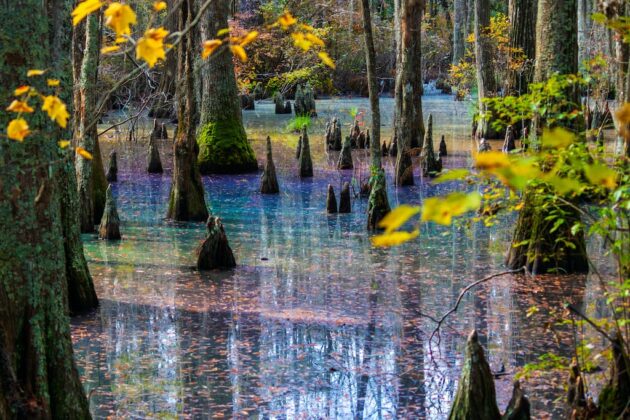
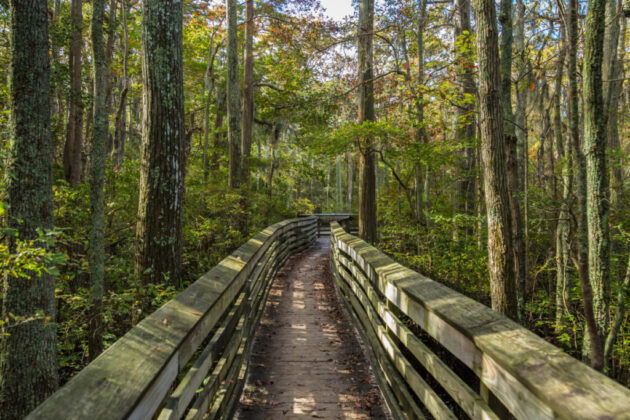
Bald Cypress Trail (1.5 miles): A scenic loop through cypress swamps with boardwalks and observation platforms. Long Creek Trail (5 miles): Follows the Chesapeake Bay with excellent birdwatching (herons, owls, woodpeckers). Osmanthus Trail (3 miles): A quieter loop through marshes and forests, ideal for solitude.
Bike rentals are available at the Bay Store. Guided hikes with rangers are offered regularly—check the Trail Center for schedules.
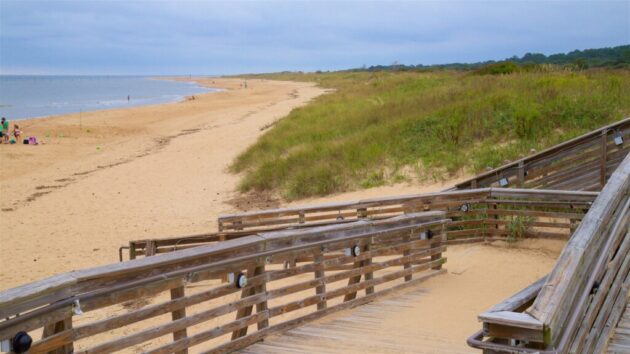
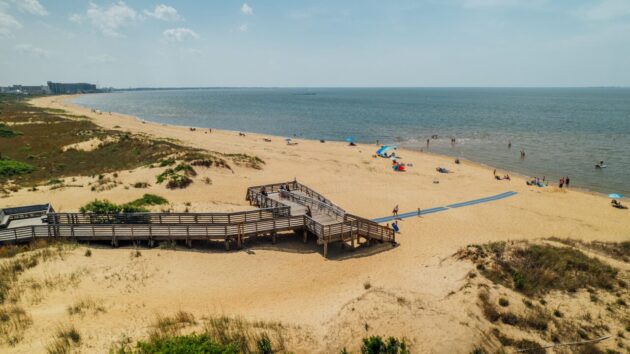
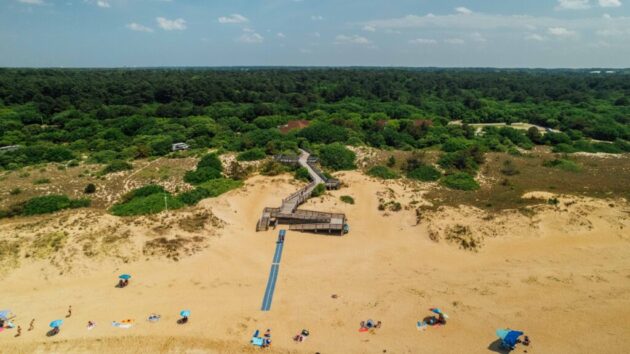
Beach Activities: The park’s 1.5-mile Chesapeake Bay beach is accessible via four boardwalks. It’s perfect for swimming (no lifeguards), sunbathing, and family outings. The calm waters are ideal for kids, but bring insect repellent due to nearby vegetation.
Boating and Kayaking: Launch kayaks, canoes, or motorboats at The Narrows (64th Street entrance). Kayak rentals are available seasonally (~$30–$50). Guided tours by operators like Chesapean Outdoors offer 2-hour trips through Broad Bay and Linkhorn Bay. Swimming is prohibited at The Narrows due to currents.
Fishing and Crabbing: Fish from the beach or boat for striped bass, flounder, or bluefish. A Virginia saltwater fishing license is required (~$17.50 for non-residents). Crabbing is popular at The Narrows, yielding blue crabs.
Historical and Educational Experiences: Visit the Chesapeake Bay Center for exhibits on the park’s history, including the 1607 landing and Blackbeard’s pirate lore. The adjacent Bay Store sells snacks and supplies. Join a Guided Naturalist Tour (spring/fall, ~$20–$40, book two weeks in advance) to learn about the park’s ecosystems and history.
Camping and Cabins: Choose from 200 campsites (tent/RV, some with water/electric hookups) or 20 cabins with kitchens and air conditioning. Four yurts offer a unique glamping experience. Reservations are essential, especially in summer.
Children’s Activities: The Chesapeake Bay Center offers Junior Ranger programs and summer camps (ages 6–12) with hands-on activities like turtle exhibits.
Where to Eat
On-Site: The Cape Snack Bar and Gifts (near the South Gate) serves hot dogs, burgers, and fries (open Memorial Day–Labor Day, 9:00 AM–10:00 PM; hours vary off-season). The Bay Store offers snacks and camping supplies.
Nearby: Virginia Beach’s boardwalk (10–20 minutes away) has restaurants like Waterman’s Surfside Grille (seafood, ~$15–$30) or casual spots like Chick’s Oyster Bar. For quick bites, chains like Starbucks are available nearby.
Picnicking: Bring your own food for a picnic at the park’s shaded areas, equipped with tables and grills. The picnic shelter is rentable for groups.
Where to Stay
In the Park: Campsites and Yurts: Ideal for nature lovers, starting at $24/night. Book via reservevaparks.com. Cabins: Cozy with modern amenities, perfect for families (~$94–$139/night). Note renovation closures from November 2024 to October 2026.
Nearby in Virginia Beach: Hilton Virginia Beach Oceanfront (4-star, ~15-minute drive): Luxury with ocean views, ~$150–$300/night. Comfort Suites Beachfront (3-star, ~10-minute drive): Budget-friendly, ~$80–$150/night. Airbnb/Vrbo: Rentals near the boardwalk offer options for groups, starting at ~$50/night.
Tip: Book accommodations early for summer and holiday weekends. Check Virginia Beach’s tourism website (visitvirginiabeach.com) for deals.
Tips for a Great Visit
Accessibility: The park offers wheelchair-accessible bathrooms, a playground, and paved sections of the Cape Henry Trail. Beach wheelchairs are available (call 757-412-2300 to reserve).
Pet Policy: Pets are welcome but must be leashed (max 6 feet). Fees apply for overnight stays ($5–$10/night). Prepare for Noise: The park is near a military training center, which may cause occasional loud sounds, especially at night. This poses no safety risk. Pack Essentials: Bring sunscreen, insect repellent, water, and comfortable shoes for trails. Stick to designated paths to protect fragile ecosystems.
Combine Your Trip: Explore nearby attractions like the Virginia Aquarium (~15-minute drive), Cape Henry Lighthouse, or the Virginia Beach Boardwalk for a full coastal experience.
Final Thoughts
First Landing State Park is a captivating blend of history, nature, and adventure, offering something for everyone—from serene beach days to immersive hikes through unique ecosystems. Its historical significance as the site of the first English landing in 1607 adds depth to its natural beauty. Plan your visit around quieter weekdays or the vibrant fall season, and take advantage of the park’s trails, waters, and educational programs for an unforgettable experience. Whether you’re a local or a traveler, First Landing is a must-visit destination in Virginia Beach.
Happy exploring!