A Travel Guide to Great Falls Park
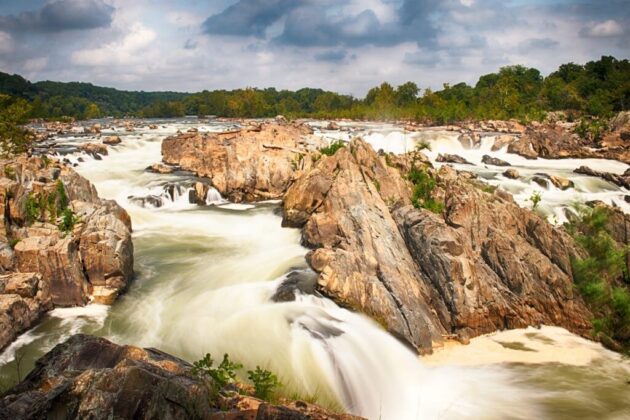
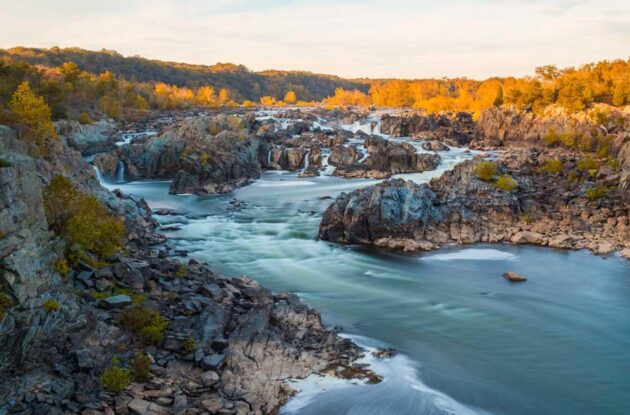
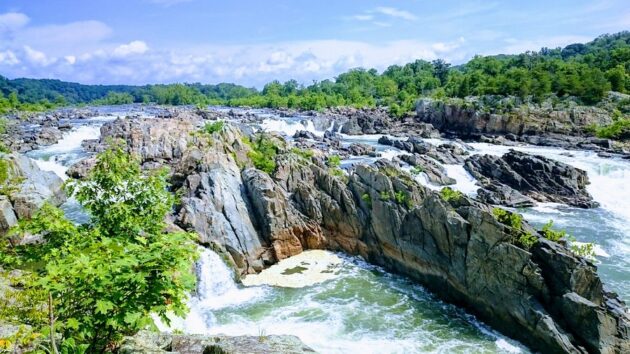
Great Falls Park, located just 15 miles from Washington, D.C., is a stunning 800-acre natural gem managed by the U.S. National Park Service. Situated along the Potomac River in northern Fairfax County, Virginia, the park is renowned for its dramatic waterfalls, where the river cascades over steep, jagged rocks into the narrow Mather Gorge. With its blend of breathtaking scenery, historical significance, and diverse recreational activities, Great Falls Park is a must-visit destination for nature lovers, history buffs, and outdoor adventurers. This guide will help you plan an unforgettable trip.
Why Visit Great Falls Park?
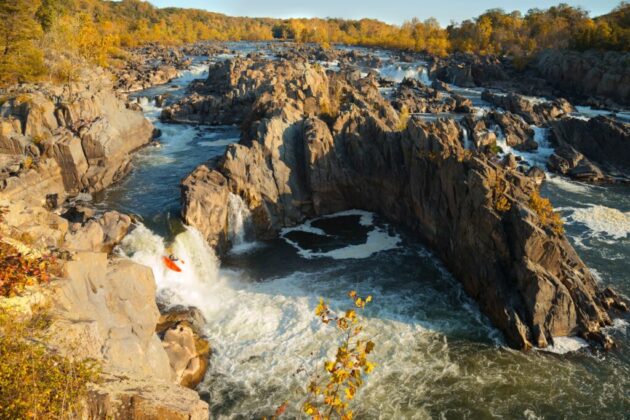
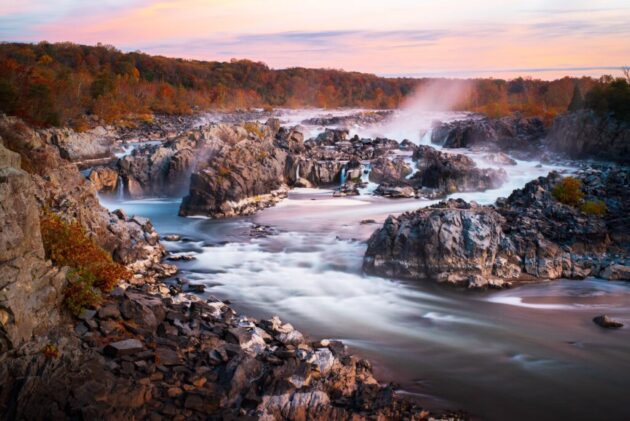
Great Falls Park offers a rare opportunity to experience nature and history so close to the nation’s capital. The park’s centerpiece is the powerful Great Falls, where the Potomac River roars through a narrow gorge, creating a mesmerizing spectacle. Beyond the falls, visitors can explore the remnants of the Patowmack Canal, a George Washington-backed project from 1785, and enjoy 15 miles of hiking trails, rock climbing, and picnicking. The park’s proximity to D.C. makes it an ideal day trip, offering a serene escape with opportunities for adventure and relaxation.
How to Get There
By Car: From Washington, D.C., take the George Washington Memorial Parkway north to I-495, then exit at Route 193 West (Georgetown Pike). Turn right onto Old Dominion Drive, which leads directly to the park’s entrance (about a 3-mile drive from the exit). The drive from central D.C. takes 25–40 minutes, depending on traffic. Parking is available at the park’s visitor center, but spaces fill up quickly on weekends and holidays, so arrive early. Parking is included with the entrance fee.
By Public Transportation: There’s no direct public transit to the park, but you can take the Washington D.C. Metro Silver Line to Spring Hill Station (6 miles away). From there, a taxi or rideshare (e.g., Uber, Lyft) costs approximately $15–20 and takes 10–15 minutes.
By Bike or Foot: Cyclists and pedestrians can access the park via the Potomac Heritage National Scenic Trail or nearby bike paths, but note that local roads lack sidewalks and can be challenging for biking.
Tip: Avoid driving between 3:00 PM and 6:00 PM on weekdays due to heavy traffic.
Best Time to Visit
Year-Round Appeal: The park is open daily from 7:00 AM to 30 minutes after sunset, offering unique experiences in every season.
Spring (March–May): Mild weather and blooming wildflowers make it ideal for hiking and photography. Summer (June–August): Warm temperatures (often 80–90°F) are great for picnics, but stay hydrated, as humidity can be high.
Fall (September–November): Vibrant foliage and cooler weather (50–70°F) create stunning views, especially from the overlooks. Early fall is highly recommended. Winter (December–February): Quieter with crisp air, and the falls can look striking with icy accents, though some trails may be slippery.
Note: The park can get crowded on weekends, especially during holidays like Labor Day or Father’s Day, so plan to arrive early (before 11:00 AM) to secure parking.
Tickets and Fees
Entrance Fees (valid for 7 consecutive days): Vehicle: $20 (admits one private, non-commercial vehicle and all passengers); Motorcycle: $15; Individual (by foot, bike, or horse): $10; Children (15 and under): Free; Fees also grant access to the Chesapeake and Ohio Canal National Historical Park in Maryland.
Payment: As of January 1, 2025, the park is cashless. Pay with credit/debit cards, mobile payments, or digital passes. Passes: America the Beautiful annual passes ($80) or Great Falls annual passes ($35) are accepted and can be purchased online or at the entrance station. Fees are waived on National Park Free Entrance Days.
Booking: Purchase passes in advance via Recreation.gov to avoid delays, especially during peak seasons. Cell reception is limited, so save digital passes offline.
Warning: Expect wait times during busy periods, and the entrance may close if parking lots reach capacity. No refunds are offered for closures.
What to See and Do
View the Great Falls: The park features three overlooks near the visitor center, offering spectacular views of the falls. Overlook 1 provides the closest view, while Overlooks 2 and 3 are wheelchair-accessible. The River Trail offers stunning vistas of Mather Gorge. Safety Note: Swimming and wading are strictly prohibited due to dangerous 30+ foot deep currents. An average of seven drownings occur annually, many alcohol-related.
Explore the Patowmack Canal: Visit the ruins of the Patowmack Canal, a National Civil Engineering Landmark built in 1785 with George Washington’s support. The canal’s lock remnants and the nearby Matildaville ruins (a former canal town) offer a glimpse into early American history.
Hiking: The park boasts 15 miles of trails, ranging from easy strolls to rugged paths. Popular options include: River Trail Loop (4.6 miles, moderate): Offers scenic river views and passes the Patowmack Canal ruins. Difficult Run Trail (9.8 miles, challenging): Follows a stream to the Potomac, ideal for experienced hikers. Matildaville Trail (easy): Passes historical ruins and is family-friendly. Trails are well-marked, but carry water, especially in summer, and download a trail map from the NPS website.
Other Activities: Rock Climbing: The cliffs of Mather Gorge are popular for experienced climbers. Check with the visitor center for regulations. Picnicking: An expansive picnic area with grills is available near the visitor center.
Birdwatching: Spot herons, eagles, and over 160 bird species with binoculars. Horseback Riding and Biking: Five miles of multi-use trails (e.g., Old Carriage Road, Ridge Trail) are open to horses and bikes, but bring your own equipment. Fishing: Permitted with a Virginia or Maryland fishing license (not issued on-site). Line fishing only; nets are prohibited.
Visitor Center: Located near the South Gate, the visitor center offers trail maps, historical exhibits, a 10-minute video on park history, and a bookstore. Open daily from 10:00 AM to 4:00 PM, though it may close for renovations (check NPS updates). Rangers and volunteers provide insights, and ranger-led programs are available on weekends.
Where to Eat
On-Site: The park has a small snack bar near the visitor center, offering basic items like sandwiches, drinks, and snacks (¥10–20). Quality is modest, so consider bringing your own food for a picnic.
Nearby: In McLean (5–10 minutes by car), try restaurants like The Old Brogue (Irish pub, 760 Walker Rd) for hearty meals or Kazan (Japanese/Chinese, 6813 Redmond Dr) for quick dining. For upscale options, L’Auberge Chez François (French, 332 Springvale Rd) is a local favorite but requires reservations.
Tip: Pack a picnic with water and snacks, as on-site dining is limited, and the picnic area is ideal for enjoying the scenery.
Where to Stay
Great Falls Park is best visited as a day trip from Washington, D.C., but nearby accommodations are available:
McLean/Tysons Corner (5–10 miles away): The Ritz-Carlton, Tysons Corner (5-star, ~10-minute drive): Luxury with spa and dining, starting at $200/night. Courtyard by Marriott Tysons McLean (3-star, ~10-minute drive): Comfortable and budget-friendly, $100–150/night. Hyatt Regency Tysons Corner (4-star, ~12-minute drive): Modern with easy access to shopping, $120–180/night.
Washington, D.C. (15–20 miles away): Options range from budget hostels ($50–80/night) to luxury hotels like The Willard InterContinental ($250+/night). Camping: No camping is available in Great Falls Park, but nearby Burke Lake Park (15 miles) offers campsites starting at $30/night.
Booking Tip: Use Booking.com or Expedia for deals, and book early for peak seasons (spring/fall).
Tips for a Great Visit
Arrive Early: Parking lots fill by 11:00 AM on weekends, and lines form at the entrance gate. Safety First: Stay on marked trails, as some areas near the falls are slippery. Keep dogs on leashes to avoid fines ($70–200).
No Swimming: The Potomac’s currents are deadly; obey signs prohibiting entry into the water. Bring Essentials: Pack water, sunscreen, bug spray, and comfortable shoes. Cell reception is spotty, so download maps or passes in advance.
Combine Your Trip: Pair your visit with the Maryland side of Great Falls (C&O Canal National Historical Park, accessible via a separate entrance) for a fuller experience, or explore nearby Wolf Trap National Park for the Performing Arts for events.
Final Thoughts
Great Falls Park is a captivating blend of natural splendor and historical intrigue, offering something for everyone—whether you’re hiking along scenic trails, marveling at the roaring falls, or delving into America’s early industrial past. Its accessibility from Washington, D.C., makes it a perfect day trip, and the variety of activities ensures a memorable visit. Plan ahead, respect the park’s rules, and immerse yourself in this breathtaking slice of Virginia’s outdoors.
Happy travels!