A Travel Guide to Shenandoah National Park
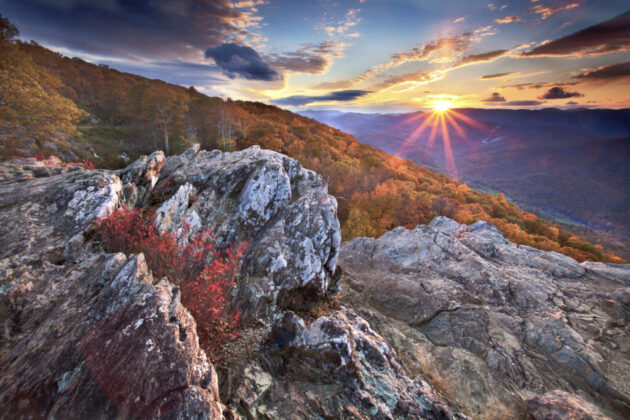
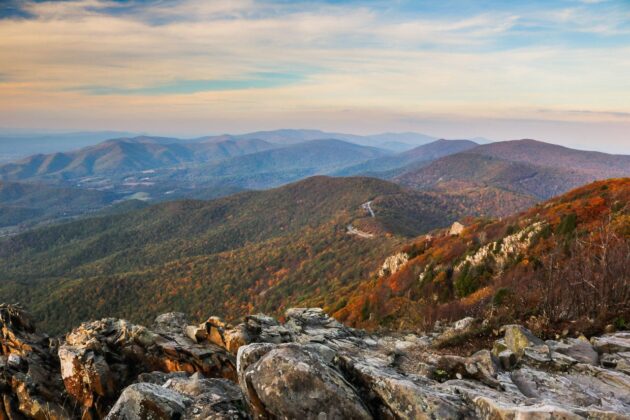
Nestled in the heart of Virginia’s Blue Ridge Mountains, Shenandoah National Park is a breathtaking destination that spans over 200,000 acres of pristine wilderness. Renowned for its scenic Skyline Drive, cascading waterfalls, diverse wildlife, and over 500 miles of hiking trails, this park is a haven for outdoor enthusiasts, history buffs, and anyone seeking a serene escape. Just 75 miles from Washington, D.C., Shenandoah offers a perfect blend of natural beauty and accessibility. Here’s your ultimate guide to exploring this iconic national park.
Why Visit Shenandoah National Park?
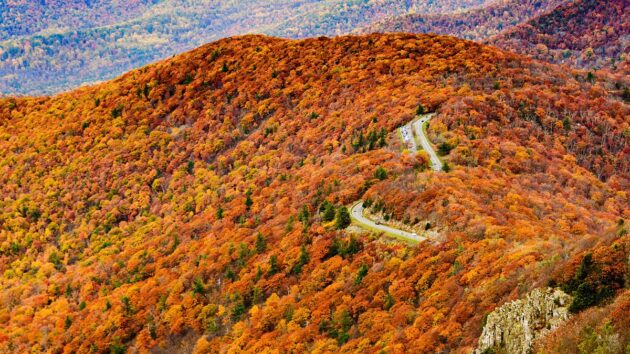
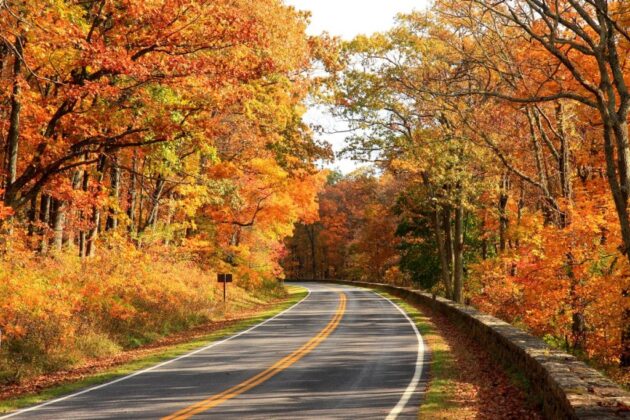
Shenandoah National Park is celebrated for its stunning vistas, vibrant ecosystems, and rich history. The park’s crown jewel, Skyline Drive, stretches 105 miles along the crest of the Blue Ridge Mountains, offering 75 scenic overlooks with panoramic views of the Shenandoah Valley and Virginia Piedmont. With trails leading to waterfalls, historic sites, and diverse flora and fauna—including black bears, deer, and the rare Shenandoah salamander—it’s a year-round destination for adventure and relaxation. Established in 1935, the park also tells the story of early settlers and the Civilian Conservation Corps (CCC), blending natural splendor with cultural heritage.
How to Get There
Shenandoah National Park is easily accessible from major East Coast cities, particularly Washington, D.C., and Richmond, Virginia.
By Car: The park has four main entrances along Skyline Drive: Front Royal (North Entrance): 70 miles west of Washington, D.C., via I-66 and US-340 (1.5-hour drive). Thornton Gap: Near Luray, accessible via US-211 (2 hours from D.C.). Swift Run Gap: Near Elkton, via US-33 (2.5 hours from Richmond). Rockfish Gap (South Entrance): Near Waynesboro, via I-64 (1.5 hours from Richmond).
Note: Skyline Drive is the only public road through the park, with a 35 mph speed limit to ensure safety for wildlife and scenic enjoyment.
By Public Transport: Public transit options are limited. The closest major airport is Washington-Dulles International Airport (IAD), 55 miles from the Front Royal entrance. From there, rent a car or use a ride-hailing service like Uber (approx. $100–150 one way). Amtrak services to Culpeper, VA (30 miles from Swift Run Gap), are available, followed by a taxi or rental car.
By Foot or Bike: Cyclists and pedestrians can enter via any entrance for $15 per person, valid for 7 days. Tip: Renting a car is highly recommended, as attractions are spread out along Skyline Drive, and public transport within the park is nonexistent.
Best Time to Visit
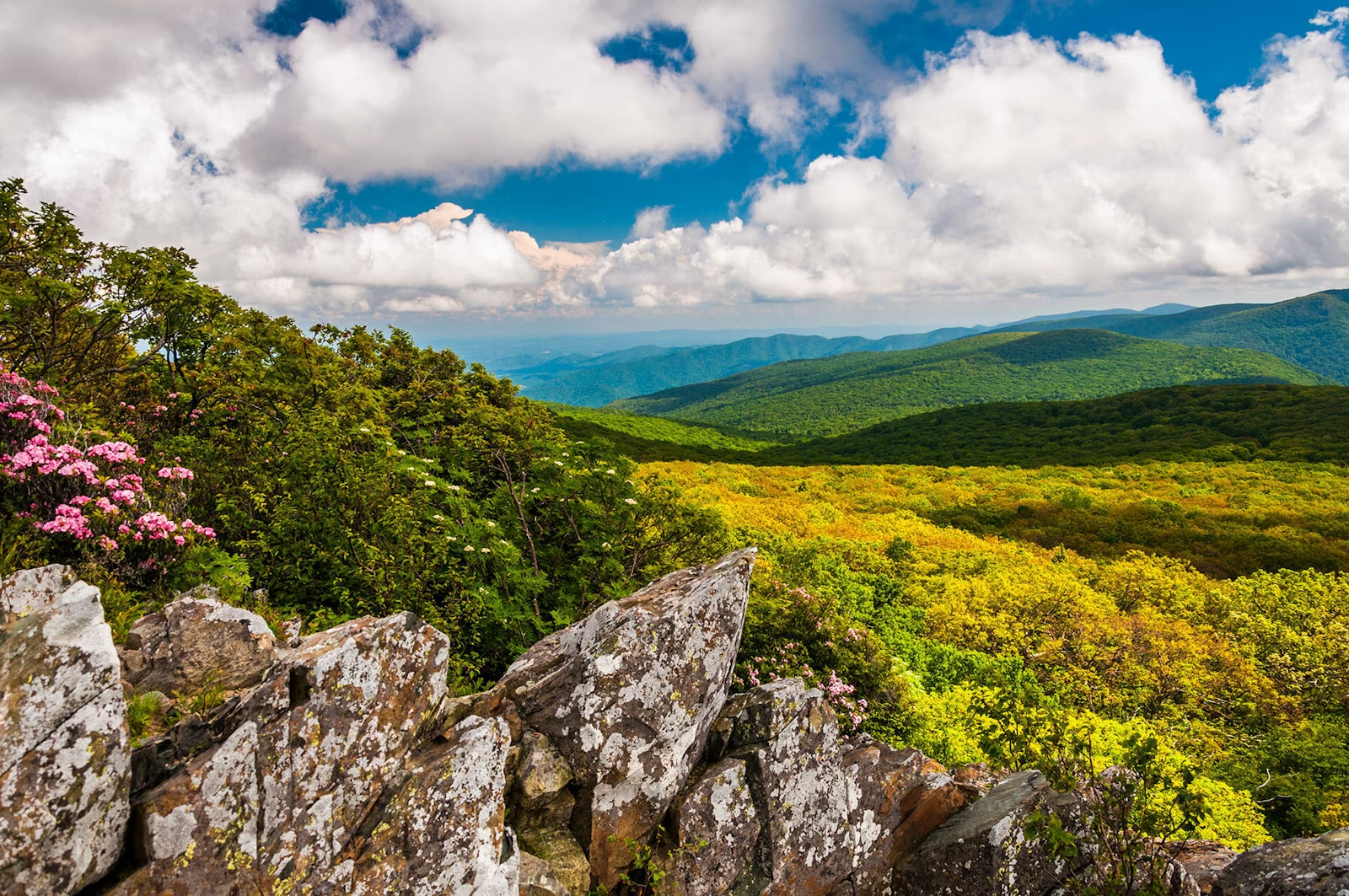
Spring (March–May): Wildflowers like trillium and azaleas bloom, and trails are less crowded. Perfect for hiking and birdwatching. Summer (June–August): Lush greenery and cooler high-elevation temperatures (mid-70s°F) make it ideal for camping and hiking, though it’s peak season, so book accommodations early.
Autumn (September–November): Vibrant fall foliage draws crowds, especially in mid-October. Skyline Drive is packed, so visit midweek to avoid traffic. Winter (December–February): Offers solitude and snowy vistas, but Skyline Drive may close during inclement weather. Call (540) 999-3500 for road conditions.
Weather Tip: Weather can change rapidly, with temperatures dropping at higher elevations. Dress in layers and check forecasts, as storms are common year-round.
Tickets and Fees
Entrance Fees (valid for 7 consecutive days): Private vehicle: $30; Motorcycle: $25; Individual (pedestrian/cyclist): $15; Children 16 and under: Free; Interagency Access Pass: Free or discounted for U.S. citizens or residents with permanent disabilities.
Free Entrance Days: Offered on select federal holidays (check www.nps.gov/shen for dates). Purchase: Buy passes online via recreation.gov to skip lines, especially in peak seasons. Backcountry Camping Permit: $6 (plus $9 recreation fee) for dispersed camping, available at visitor centers.
What to See and Do
Shenandoah offers a wealth of activities, from scenic drives to challenging hikes. Here are the highlights:
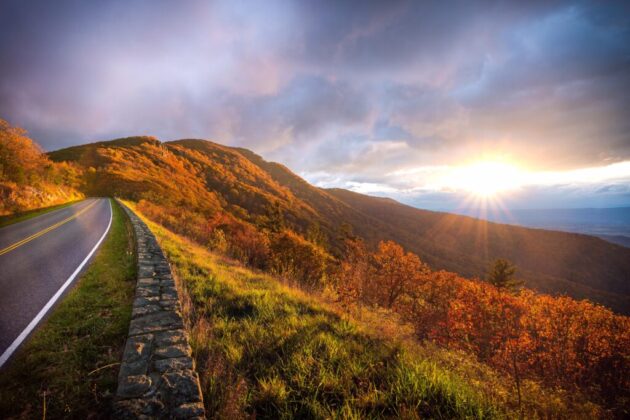
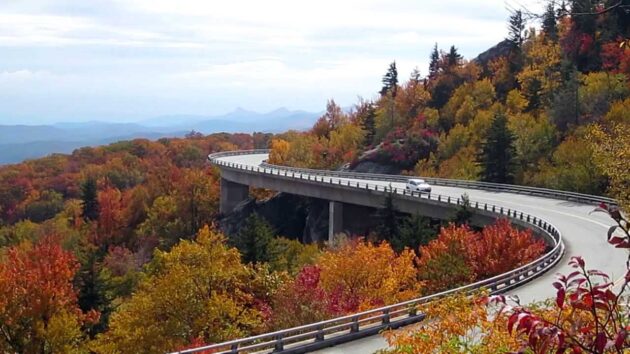
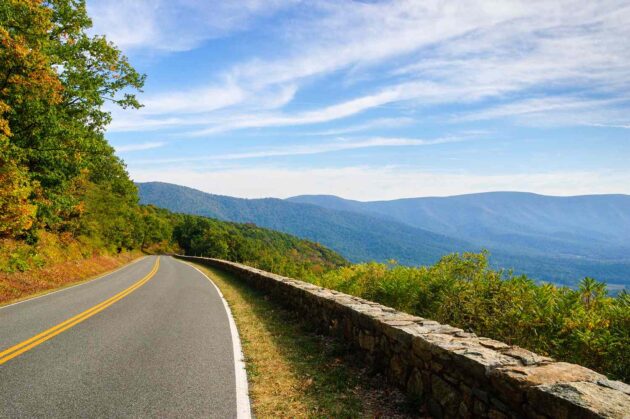
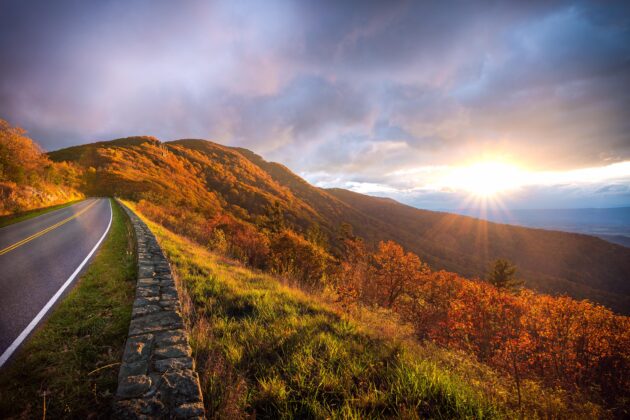
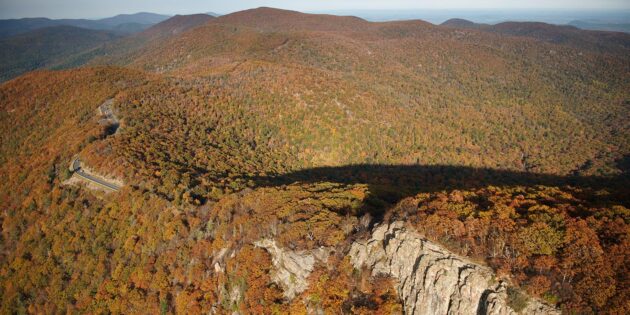
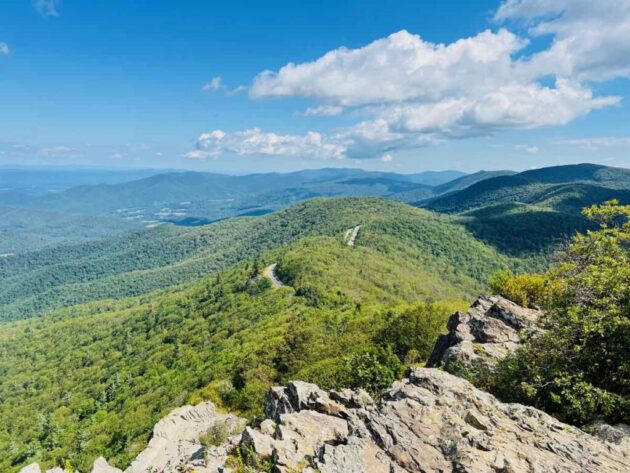
Skyline Drive: This 105-mile National Scenic Byway is the park’s centerpiece, with 75 overlooks offering stunning views. Mileposts (0 at Front Royal to 105 at Rockfish Gap) help navigate key stops like Hawksbill Summit (Mile 46.7) and Big Meadows (Mile 51). Drive slowly to spot wildlife like deer, black bears, and wild turkeys. Roll down windows for fresh mountain air and breathtaking vistas.
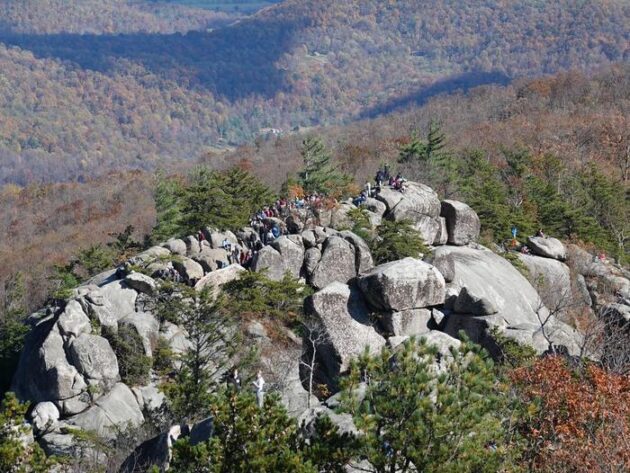
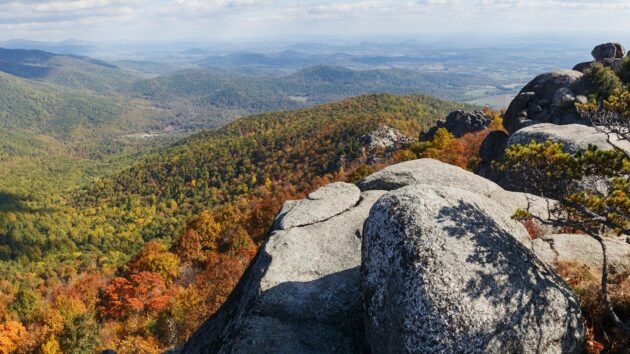
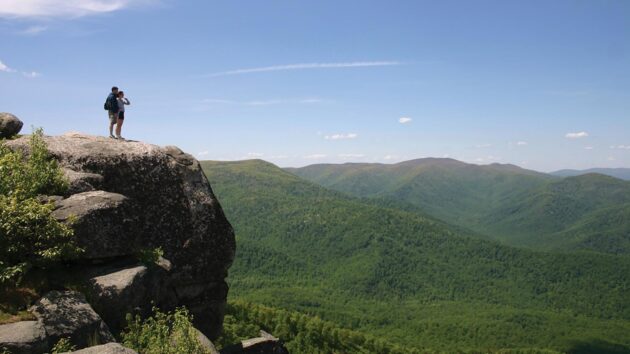
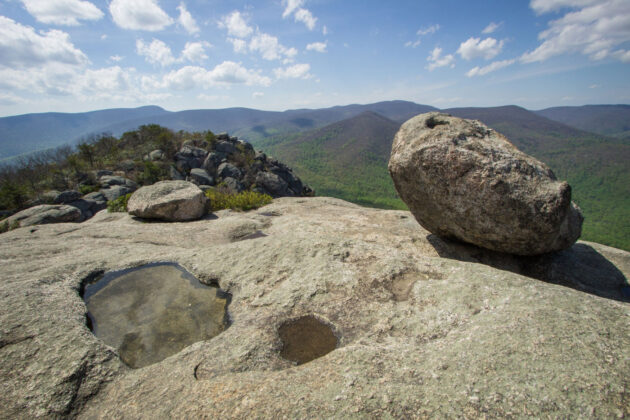
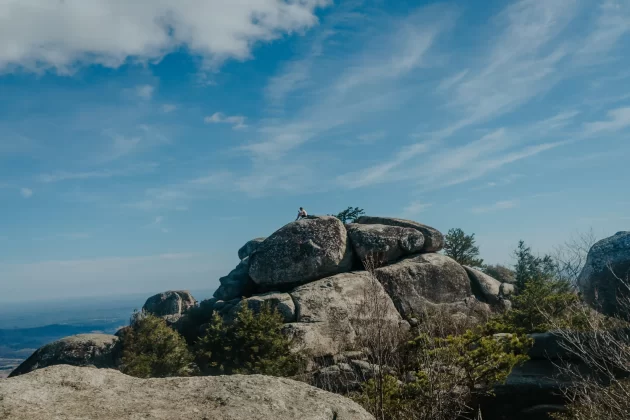
Hiking: With over 500 miles of trails, including 101 miles of the Appalachian Trail, there’s something for every skill level: Old Rag Mountain (8.8 miles, strenuous): A challenging hike with rock scrambles and 360° views. Requires a permit ($1) March–November, booked via recreation.gov.
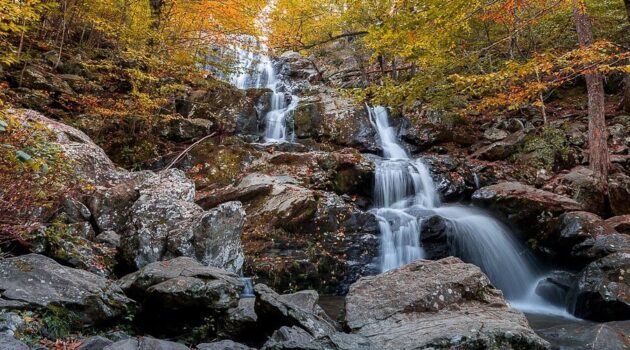
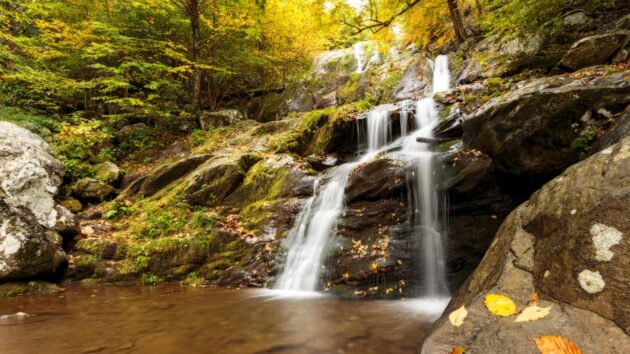
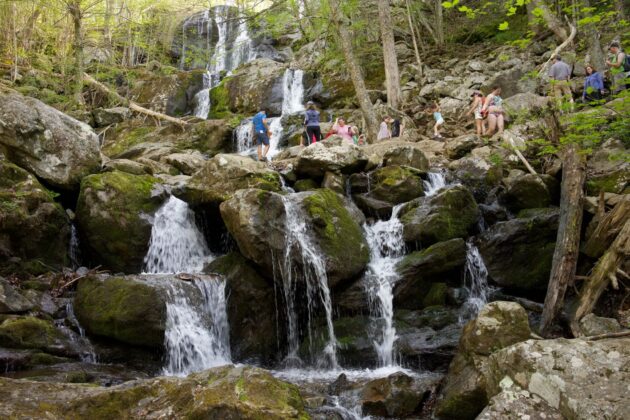
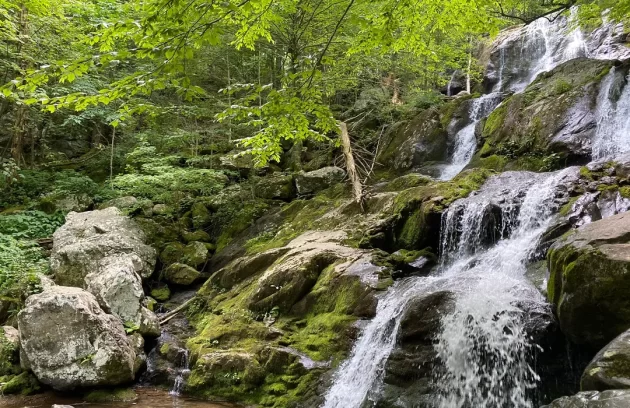
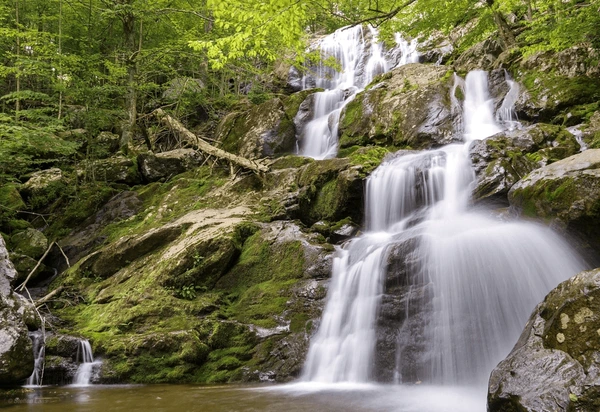
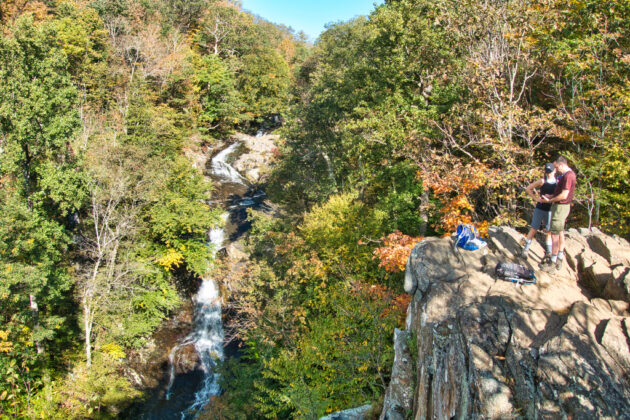
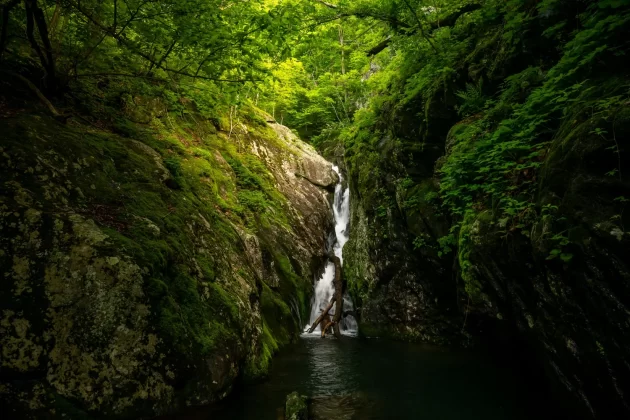
Dark Hollow Falls (1.4 miles, moderate): A short but steep trail to a 70-foot waterfall, popular at Mile 50.7.
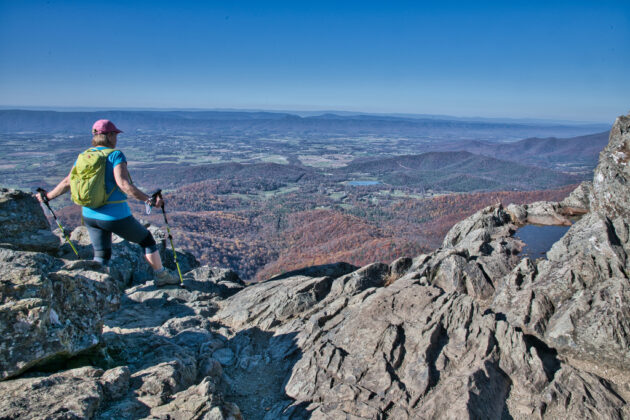
Stony Man Trail (1.6 miles, easy): A family-friendly hike to a scenic overlook at Mile 41.7.

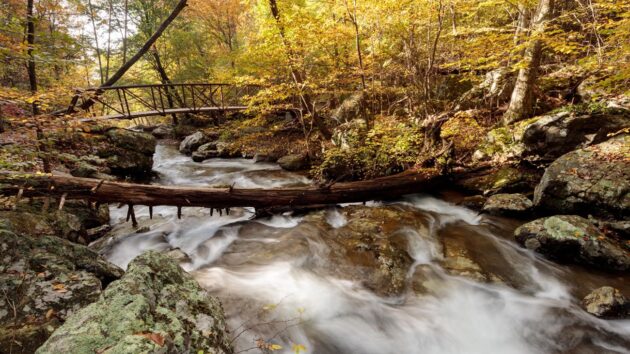
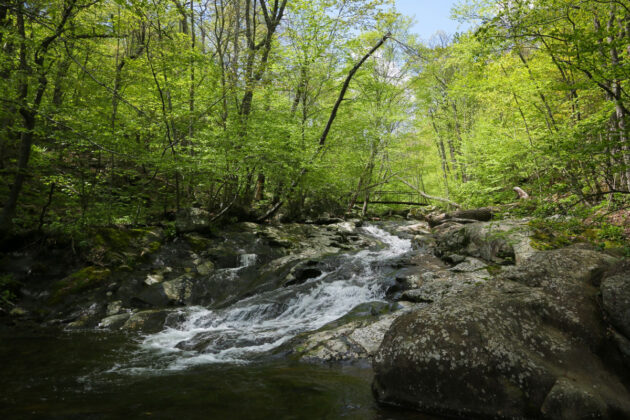
Whiteoak Canyon/Cedar Run Loop (7.3 miles, strenuous): Features seven waterfalls and old-growth trees, starting at Mile 42.6.

Tip: Download trail maps from www.nps.gov/shen or pick up a guide at visitor centers.
Waterfalls and Scenic Spots: Visit Overall Run Falls (93 feet, Mile 21.1), the park’s tallest waterfall, or Rose River Falls (67 feet, Mile 49.4) for stunning cascades. Bearfence Mountain (1.2 miles, moderate): Offers a rock scramble and 360° views at Mile 56.4.
Historical Sites: Rapidan Camp (Mile 52.8): The former summer retreat of President Herbert Hoover, accessible via a 4-mile round-trip hike. Ranger-guided tours are available seasonally. Explore CCC-built structures like stone walls and picnic grounds, listed on the National Register of Historic Places.
Wildlife and Stargazing: Spot black bears, white-tailed deer, bobcats, and over 200 bird species. Keep a safe distance and never feed wildlife. The park’s dark skies are ideal for stargazing, especially at Big Meadows, a designated Leave No Trace Gold Standard Site.
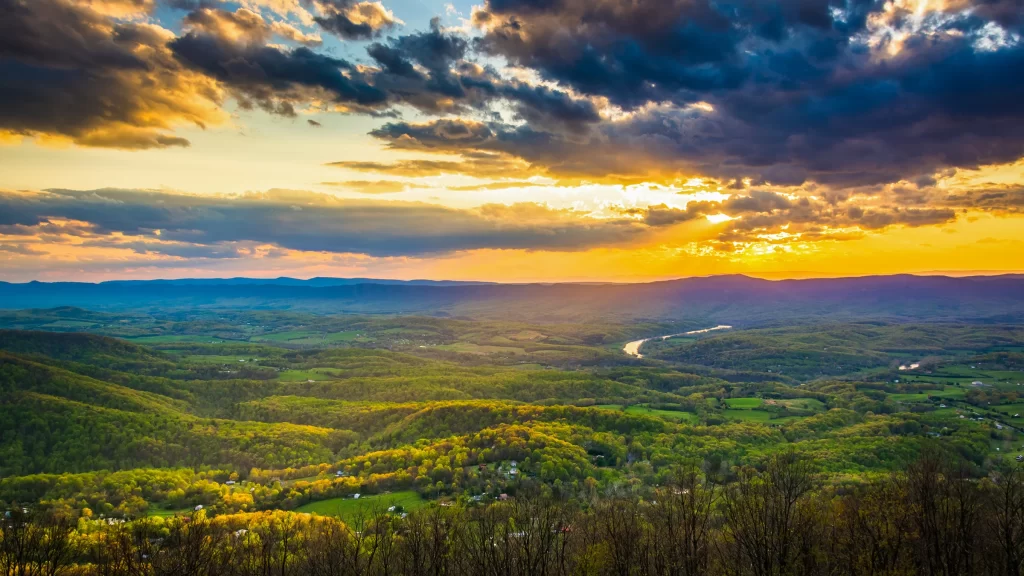
Other Activities: Cycling: Skyline Drive is popular for cyclists, though the hilly terrain is challenging. Horseback Riding: Guided tours are available at Skyland Stables (Mile 42.5, $50–80). Photography: Overlooks like Spitler Knoll (Mile 48) are perfect for sunrise and sunset shots.
Where to Stay
Campgrounds: Big Meadows (Mile 51): The largest campground with 221 sites, including RV and tent options. Features showers and a camp store ($30/night, reservations via recreation.gov). Mathews Arm (Mile 22.1) and Loft Mountain (Mile 79.5): Offer first-come, first-served and reserved sites ($15–30/night). Backcountry Camping: Requires a free permit from visitor centers, ideal for dispersed wilderness camping.
Lodges and Cabins: Skyland Resort (Mile 41.7): Offers 179 rooms, cabins, and suites with valley views. Rates start at $150/night. Book early for pet-friendly options. Big Meadows Lodge (Mile 51): Rustic charm with 25 rooms and cabins, starting at $120/night. Closed in winter. Lewis Mountain Cabins (Mile 57.5): Historic cabins with private baths, starting at $100/night.
Nearby Towns: Front Royal (North): Budget hotels like Super 8 ($70–100/night). Luray (West): Known as the “Cabin Capital,” with options like Luray Caverns Motels ($80–150/night). Waynesboro (South): Offers chain hotels like Holiday Inn Express ($100–160/night).
Where to Eat
Inside the Park: Spottswood Dining Room (Big Meadows Lodge, Mile 51): Serves regional dishes like braised short ribs and blackberry ice cream pie ($15–30). Outdoor terrace seating is available.
Pollock Dining Room (Skyland Resort, Mile 41.7): Offers elevated entrees and valley views ($20–35). New Market Taproom (Big Meadows): Family-friendly with bluegrass music and pub fare ($10–20).
Nearby: Luray and Front Royal have restaurants like Uncle Buck’s (American, $10–25) or Main Street Mill (Italian, $15–30). Tip: Pack a picnic for scenic overlooks or buy snacks at camp stores if dining options are closed in winter.
Tips for a Great Visit
Plan for Skyline Drive Closures: Check road conditions at (540) 999-3500 or text SHENALERTS to 888777 for real-time updates, as weather can close sections of the drive. Hiking Safety: Wear sturdy shoes for rocky trails, carry water, and use bug spray. Old Rag requires advance planning due to permit requirements.
Wildlife Etiquette: Keep a safe distance from animals, especially bears, and store food securely. Visitor Centers: Stop at Dickey Ridge (Mile 4.6) or Byrd Visitor Center (Mile 51) for maps, ranger talks, and exhibits on park history.
Leave No Trace: Follow park guidelines to preserve the ecosystem—pack out all trash and avoid picking plants. Combine Your Trip: Visit nearby attractions like Luray Caverns (15 miles from Thornton Gap) or Shenandoah River State Park for canoeing and biking.
Final Thoughts
Shenandoah National Park is a gem of the East Coast, offering a perfect mix of scenic drives, adventurous hikes, and tranquil moments in nature. Whether you’re cruising along Skyline Drive, summiting Old Rag, or savoring a sunset at a mountain overlook, the park’s beauty and history will leave a lasting impression. Plan ahead for peak seasons, pack for variable weather, and immerse yourself in the timeless allure of Virginia’s Blue Ridge Mountains.
Happy travels!