A Travel Guide to the Lincoln Memorial, Washington, D.C.
The Lincoln Memorial, an iconic landmark in Washington, D.C., stands as a tribute to Abraham Lincoln, the 16th President of the United States. Located at the western end of the National Mall, this majestic monument is not only a symbol of unity and freedom but also a must-visit destination for history enthusiasts, architecture admirers, and anyone exploring the nation’s capital. With its grand marble structure, inspiring inscriptions, and stunning views, the Lincoln Memorial offers a profound experience. Here’s a comprehensive guide to help you plan your visit.
Why Visit the Lincoln Memorial?
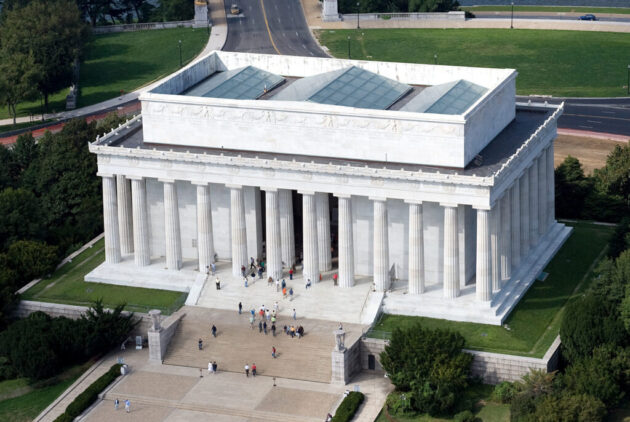
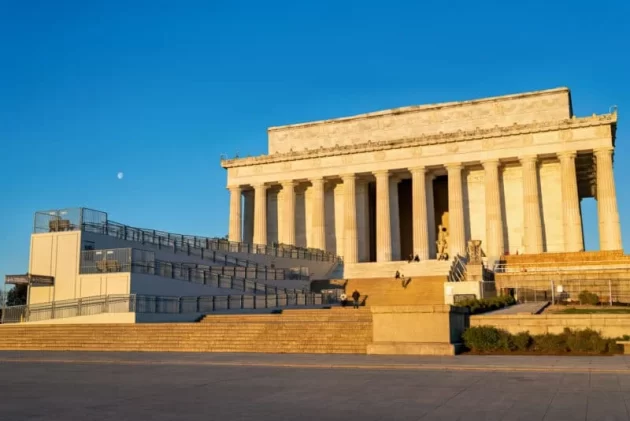
The Lincoln Memorial is one of the most recognizable monuments in the U.S., celebrated for its historical significance and architectural beauty. Dedicated in 1922, it honors Abraham Lincoln’s legacy, particularly his role in preserving the Union and abolishing slavery. The memorial’s 36 Doric columns, towering statue of Lincoln, and inscriptions of his famous speeches (the Gettysburg Address and Second Inaugural Address) make it a powerful site. Its steps have also been a stage for historic moments, including Martin Luther King Jr.’s “I Have a Dream” speech in 1963. Free to visit and open 24/7, it’s a perfect stop for travelers of all ages.
How to Get There
The Lincoln Memorial is located at 2 Lincoln Memorial Circle NW, Washington, D.C., at the west end of the National Mall, near the Potomac River.
By Metro: The closest Metro stations are Foggy Bottom-GWU (Blue, Orange, and Silver Lines) or Arlington Cemetery (Blue Line), both about a 15–20-minute walk away. From Foggy Bottom, walk south on 23rd St. NW toward the memorial. A one-way Metro fare costs $2–6, depending on distance and time of day.
By Bus: The DC Circulator’s National Mall Route stops near the Lincoln Memorial, making it a convenient and affordable option ($1 per ride). Other local buses, like the Metrobus routes 32 or 36, stop nearby at Constitution Ave NW.
By Bike or Scooter: Rent a bike or e-scooter through services like Capital Bikeshare or Lime. Bike racks are available near the memorial. A day pass for Capital Bikeshare costs about $8. The National Mall’s flat terrain makes cycling a pleasant way to explore.
By Car or Rideshare: Limited street parking is available along Constitution Ave NW or Ohio Dr. SW, but it fills up quickly, especially during peak tourist seasons. Rideshare apps like Uber or Lyft are convenient, with a trip from downtown D.C. costing $10–15. Note: The memorial is pedestrian-friendly, and parking lots are farther away, so plan for a short walk.
On Foot: From other National Mall attractions (e.g., Washington Monument or Smithsonian museums), the memorial is a 10–20-minute walk west along the Reflecting Pool.
Tip: Use the National Mall’s wide pathways to combine your visit with nearby sites like the Vietnam Veterans Memorial or Korean War Veterans Memorial.
Best Time to Visit
Year-Round Access: The Lincoln Memorial is open 24 hours a day, 7 days a week, and free to enter, making it accessible any time.
Best Seasons: Spring (March–May): Mild weather and cherry blossoms around the Tidal Basin (a 10-minute walk) make this a picturesque time to visit. Fall (September–November): Comfortable temperatures and fewer crowds enhance the experience.
Summer (June–August): Warm and busy, but early mornings or evenings offer cooler temperatures and stunning sunset views. Winter (December–February): Quieter, with a chance to see the memorial dusted in snow, though it can be chilly (0–10°C).
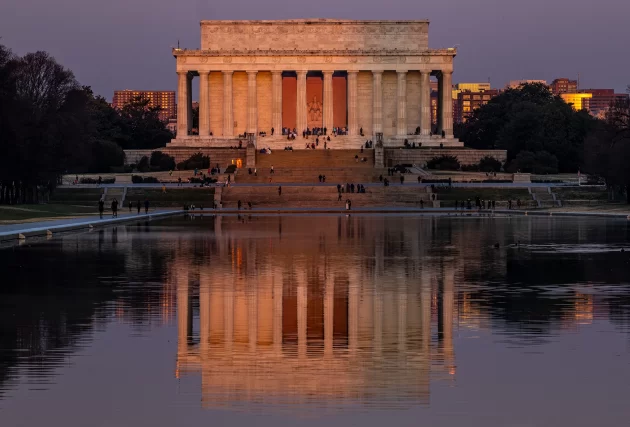
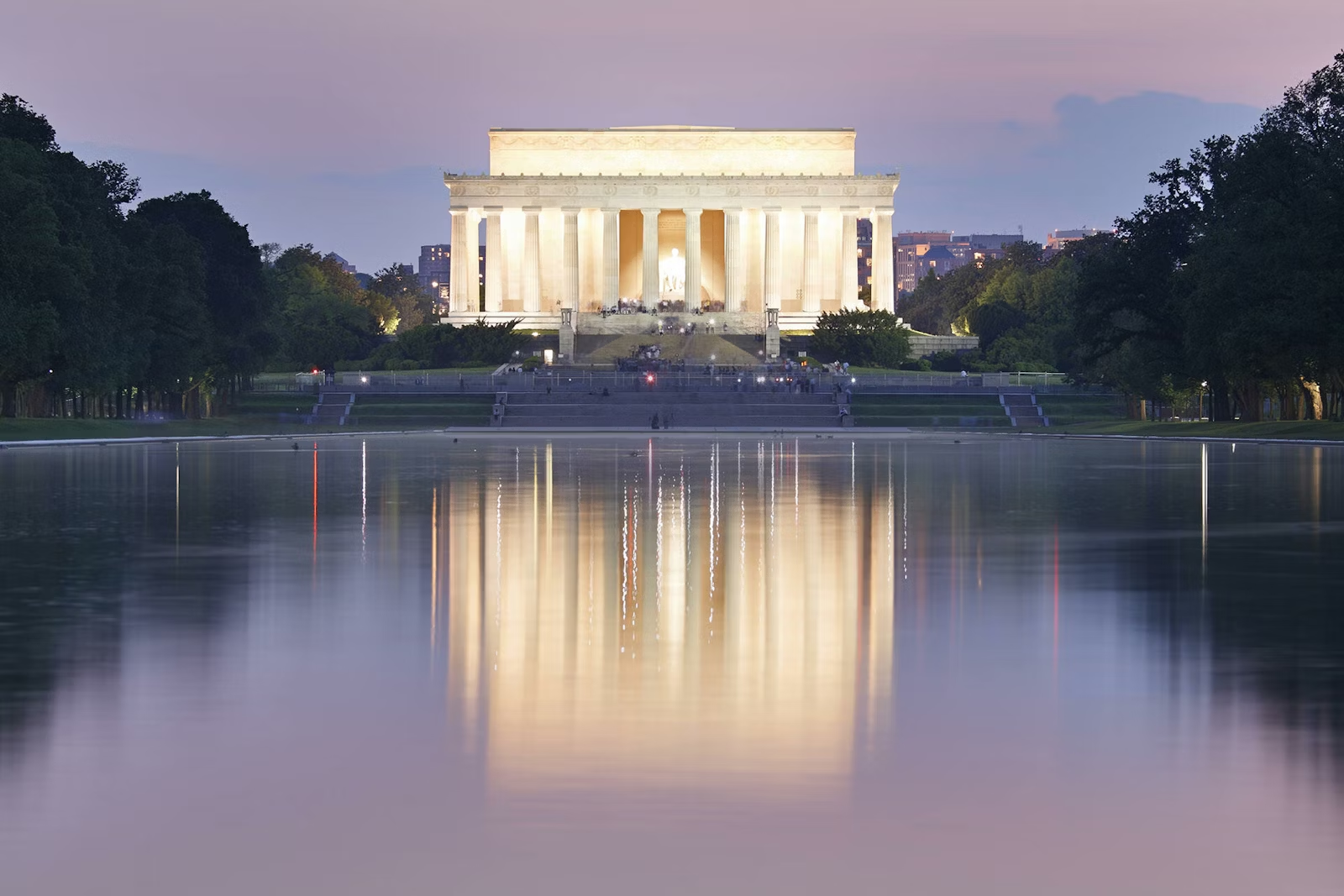
Best Times of Day: Early Morning: Quiet, with soft light perfect for photography. Sunset: The memorial glows beautifully, and the Reflecting Pool reflects the monument and Washington Monument. Night: The illuminated statue and columns create a dramatic effect.
Crowd Tip: Avoid peak hours (10 AM–2 PM) during spring and summer, especially around holidays like Memorial Day or July 4th, when the National Mall sees heavy foot traffic.
What to See and Do
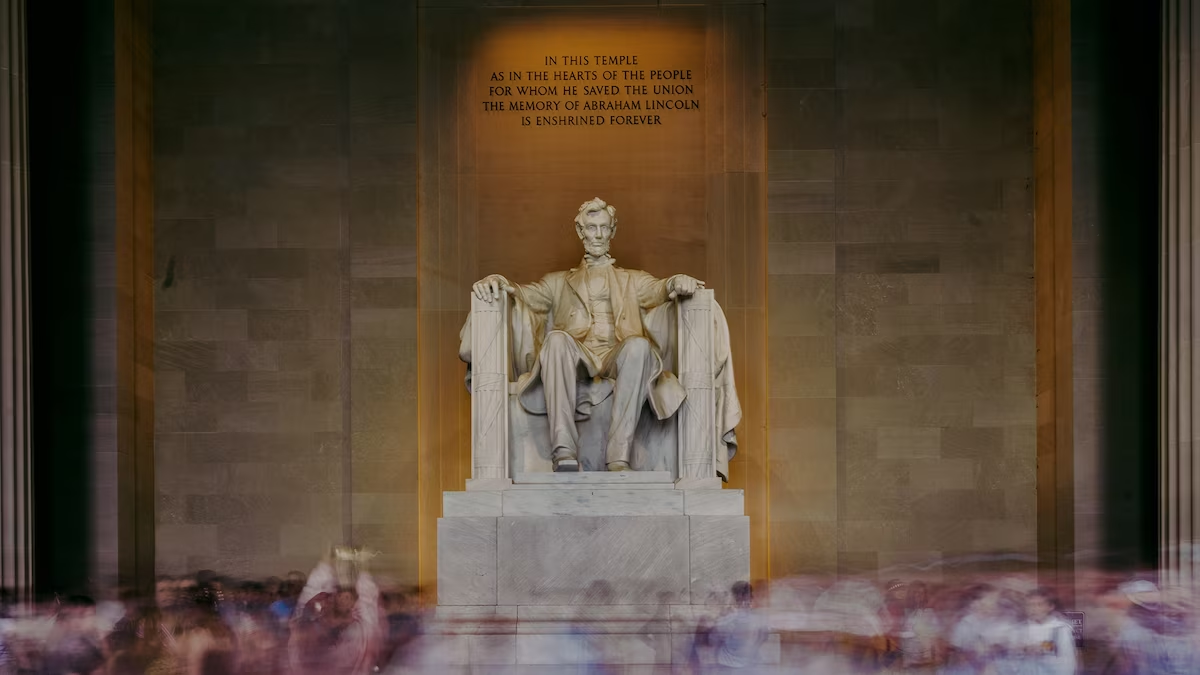
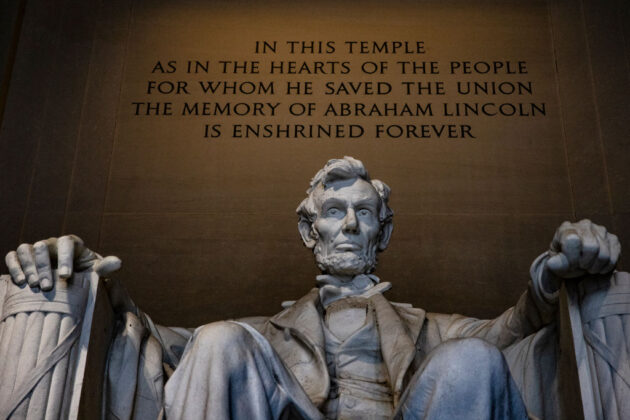
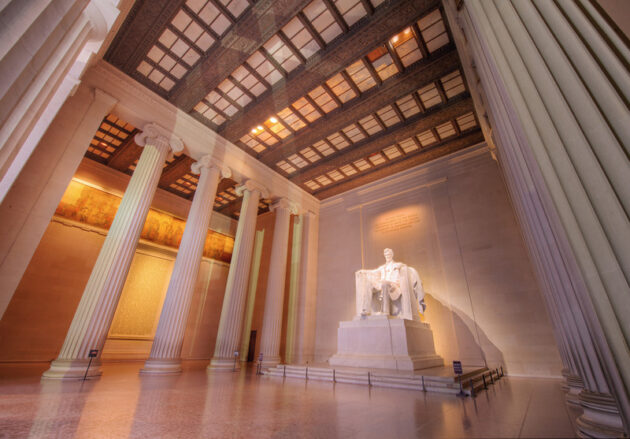
Admire the Architecture: The memorial, designed by Henry Bacon, features 36 Doric columns representing the 36 states in the Union at the time of Lincoln’s presidency. The structure is made of Indiana limestone and Colorado marble, exuding grandeur. Climb the 58 steps to the main chamber for a breathtaking view of the 19-foot-tall seated statue of Abraham Lincoln, sculpted by Daniel Chester French.
Read the Inscriptions: Inside, find the Gettysburg Address (left wall) and Second Inaugural Address (right wall), carved into the marble. These speeches reflect Lincoln’s vision of unity and equality. Look for the marker on the steps commemorating Martin Luther King Jr.’s 1963 speech.
Explore the Exhibit: Below the memorial, the Lincoln Memorial Undercroft Exhibit (accessible via ranger-led tours) offers insights into the monument’s construction and history. Check with National Park Service rangers for tour availability.
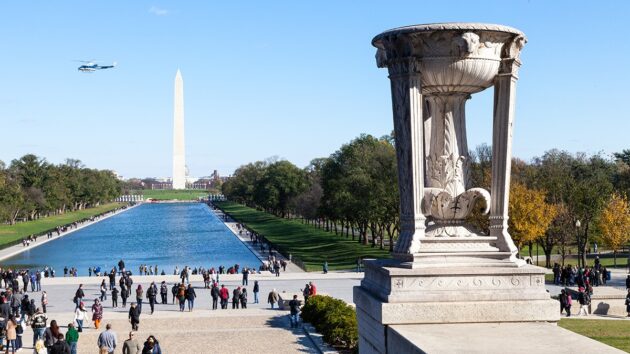
Enjoy the Views: From the top steps, take in the iconic view of the Reflecting Pool, Washington Monument, and U.S. Capitol in the distance—an unforgettable photo opportunity. Walk along the Reflecting Pool for a serene experience, especially at sunrise or sunset.
Nearby Attractions: Vietnam Veterans Memorial (5-minute walk): A somber wall honoring U.S. soldiers who died in the Vietnam War. Korean War Veterans Memorial (5-minute walk): Features statues of soldiers in a hauntingly realistic setting. Tidal Basin (10-minute walk): Home to the Jefferson Memorial and cherry blossoms in spring.
Tours and Ranger Programs
National Park Service Ranger Talks: Free, ranger-led talks are offered daily (typically 10 AM–11 PM, every 30–60 minutes) by the National Park Service. These 15–20-minute talks cover Lincoln’s legacy and the memorial’s history. Check the NPS website or visitor kiosk for schedules.
Guided Tours: Private companies offer guided walking or bike tours of the National Mall, including the Lincoln Memorial. Prices range from $30–60 per person.
Self-Guided: Use the NPS app or brochures available at the nearby kiosk for a self-paced visit.
Practical Information
Admission: Free. Facilities: Restrooms and a small bookstore are located at the base of the memorial. Water fountains are available, but food vendors are scarce, so bring snacks or water.
Accessibility: The memorial is wheelchair-accessible via ramps on the north and south sides. Elevators to the main chamber are available; ask a ranger for assistance.
Photography: Allowed, but tripods may require a permit for professional shoots. The memorial’s open design makes it ideal for wide-angle shots.
Where to Eat
On-Site: No food is sold at the memorial itself, but you can picnic on the surrounding National Mall lawns (bring your own food).
Nearby: Constitution Gardens (5-minute walk): A quiet spot for a picnic with views of the Reflecting Pool. Smithsonian Arts and Industries Building (15-minute walk): Nearby cafes like the Smithsonian’s Courtyard Café offer sandwiches and coffee ($10–15).
Downtown D.C.: Head to Foggy Bottom or Georgetown (10–15-minute drive) for restaurants like Founding Farmers (American cuisine, $15–30) or Farmers Fishers Bakers (waterfront dining, $20–40).
Tip: Food trucks often park along Constitution Ave NW, offering affordable options like tacos or burgers ($8–12).
Where to Stay
Foggy Bottom/West End: The Watergate Hotel (5-star, 10-minute drive): Luxury with river views, starting at $250/night. Hilton Garden Inn Washington DC/Georgetown (3-star, 10-minute drive): Comfortable and central, $120–200/night.
Downtown D.C.: Willard InterContinental (5-star, 15-minute drive): Historic elegance near the White House, $200–350/night. Yotel Washington DC (4-star, 15-minute drive): Modern and budget-friendly, $100–180/night. Budget Option: HI Washington DC Hostel (15-minute drive): Dorm beds from $40–60/night.
Booking Tip: Book via Booking.com or Expedia for deals, especially during off-peak seasons (winter).
Tips for a Great Visit
Dress Comfortably: Wear walking shoes, as you’ll likely explore other National Mall sites. Bring layers for D.C.’s unpredictable weather. Sun Protection: The memorial is exposed, so use sunscreen and hats in summer. Respect the Site: The memorial is a place of reflection; keep noise to a minimum and follow NPS guidelines.
Combine Your Visit: Plan a half-day itinerary to include nearby monuments (Washington Monument, Jefferson Memorial) or Smithsonian museums for a full D.C. experience. Safety: The area is generally safe, but stay aware of your belongings in crowded areas.
Final Thoughts
The Lincoln Memorial is more than a monument—it’s a symbol of American ideals and a place to reflect on history, equality, and leadership. Whether you’re standing before Lincoln’s towering statue, reading his timeless words, or gazing across the Reflecting Pool, the memorial offers a moving and unforgettable experience. Visit at dusk for a magical atmosphere, and let this iconic landmark inspire your journey through Washington, D.C.
Happy travels!