


A Travel Guide to the National Air and Space Museum
The National Air and Space Museum, part of the Smithsonian Institution, is one of the most iconic museums in Washington, D.C., and a must-visit for aviation and space exploration enthusiasts. Located on the National Mall, this world-class museum houses an unparalleled collection of historic aircraft, spacecraft, and artifacts, including the Wright Flyer, the Apollo 11 Command Module, and a real moon rock you can touch. Whether you’re a history buff, a science lover, or traveling with family, this guide will help you plan an unforgettable visit.
Why Visit the National Air and Space Museum?
The museum celebrates humanity’s achievements in flight and space exploration, offering an awe-inspiring journey from the earliest days of aviation to the cutting edge of space technology. With interactive exhibits, immersive simulators, an IMAX theater, and free admission, it’s a perfect destination for visitors of all ages. Its central location on the National Mall also makes it easy to combine with other D.C. landmarks like the National Gallery of Art or the Lincoln Memorial.
How to Get There
The National Air and Space Museum is located at 600 Independence Ave SW, Washington, D.C. 20560, on the south side of the National Mall.
By Metro: The closest Metro station is L’Enfant Plaza (Green, Yellow, Blue, Orange, and Silver lines), a 5-minute walk away. Alternatively, the Smithsonian Station (Blue, Orange, and Silver lines) is about a 7-minute walk. A one-way fare costs $2–$6, depending on distance and time of day. Use a SmarTrip card or contactless payment for convenience.
By Bus: D.C. Circulator’s National Mall Route stops near the museum, as do Metrobus routes like 32, 36, or 70. Fares are $1–$2. Check schedules on the WMATA website for real-time updates.
By Bike or Scooter: Capital Bikeshare stations are scattered around the National Mall, with docks near the museum. Rentals start at $8/day. Electric scooters (e.g., Lime, Bird) are widely available and cost around $1 to unlock plus $0.15–$0.39/minute.
By Car: Parking is limited on the National Mall. The closest public lots are at the Ronald Reagan Building (1300 Pennsylvania Ave NW) or L’Enfant Plaza, costing $15–$25/day. Ride-hailing apps like Uber or Lyft are convenient, with drop-offs near the museum entrance costing $10–$20 from downtown D.C.
Tip: Public transport is recommended due to heavy traffic and limited parking, especially during peak tourist seasons.
Best Time to Visit
Year-Round Appeal: The museum is open daily (except December 25) from 10:00 AM to 5:30 PM, with extended hours during peak seasons (check the Smithsonian website for updates).
Seasonal Considerations: Spring (March–May): Cherry blossom season draws crowds, but early mornings or weekdays are quieter. Summer (June–August): Busy with tourists; arrive at opening to avoid lines for popular exhibits like the simulators.
Fall (September–November): Pleasant weather and fewer crowds make this ideal for a relaxed visit. Winter (December–February): Indoor exhibits make it a great winter destination, though some outdoor displays may be closed.
Best Days: Weekdays (Tuesday–Thursday) are less crowded than weekends. Avoid major holidays like Independence Day or Memorial Day for a more comfortable experience.
Tickets and Admission
Free Admission: As a Smithsonian museum, entry to the National Air and Space Museum is free, making it budget-friendly.
Timed-Entry Passes: Since 2022, the museum requires free timed-entry passes to manage crowds, especially during renovations (ongoing through 2025). Reserve passes online via the Smithsonian’s website up to 30 days in advance or same-day at the entrance (limited availability).
Paid Experiences: IMAX Theater: Tickets cost $9–$12 for adults, $7.50–$10 for children (ages 2–12). Shows feature films like Apollo 11: First Steps or Fighter Pilot. Planetarium: Tickets are $9 for adults, $7.50 for children, offering immersive shows about the cosmos. Flight Simulators: Interactive rides cost $8–$12 per person.
Tip: Book IMAX and simulator tickets early, as they sell out quickly during peak times.
What to See and Do
The museum is divided into two main floors with over 20 galleries, showcasing aviation and space milestones. Key highlights include:
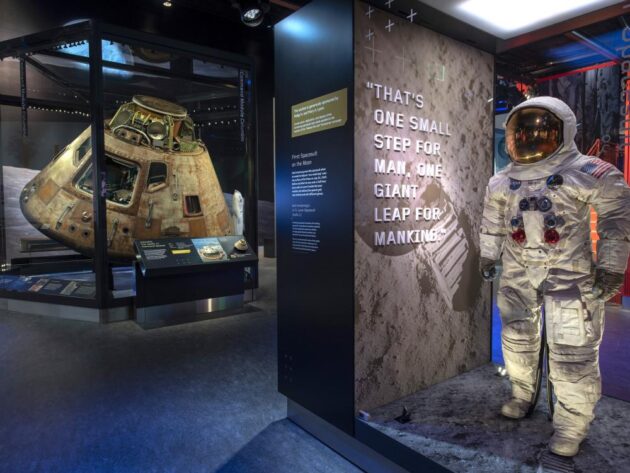
Iconic Artifacts: 1903 Wright Flyer: The world’s first powered airplane, flown by the Wright brothers. Apollo 11 Command Module Columbia: The spacecraft that carried astronauts to the moon in 1969. Lunar Rock: A touchable moon rock from the Apollo 17 mission, a rare hands-on experience.
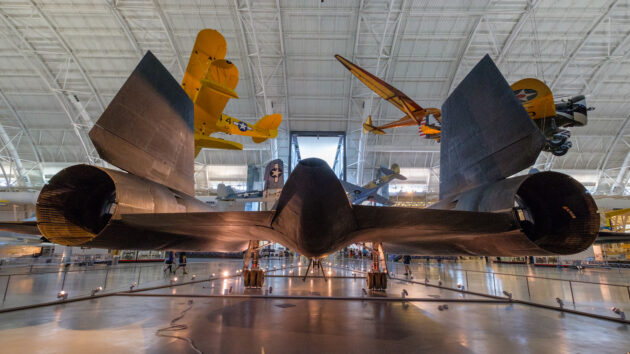
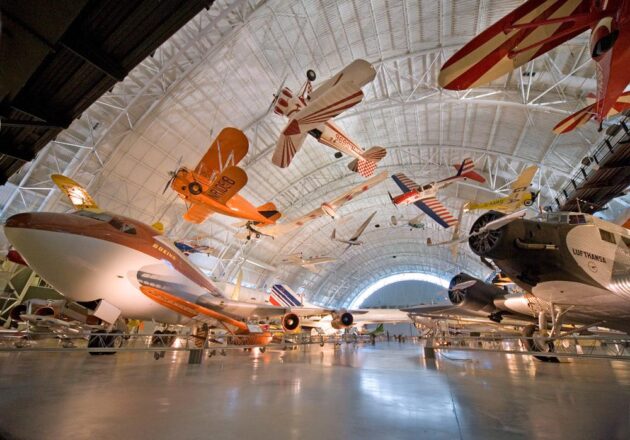
Spirit of St. Louis: Charles Lindbergh’s plane from the first solo transatlantic flight in 1927. Space Shuttle Discovery: A full-scale shuttle displayed at the museum’s Steven F. Udvar-Hazy Center in Chantilly, Virginia (a secondary location worth visiting).
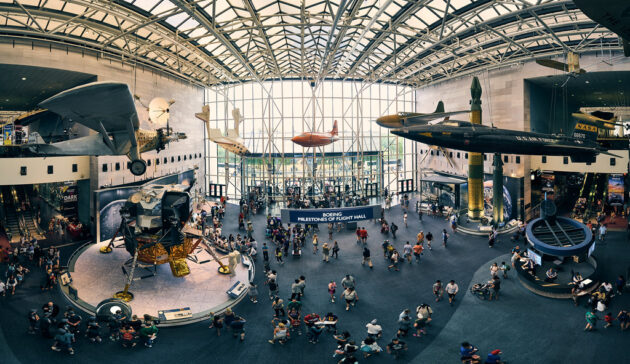
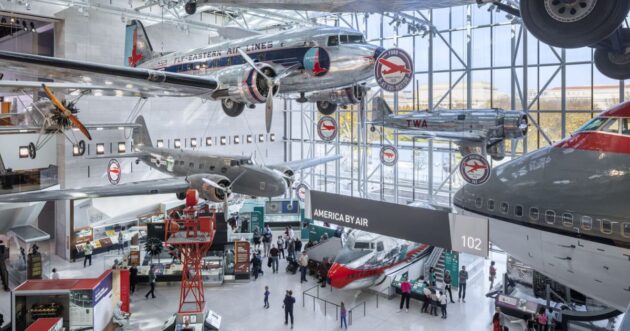
Must-See Galleries: Boeing Milestones of Flight Hall: Features historic aircraft and spacecraft, including the X-15 rocket plane and Mercury capsule. Barron Hilton Pioneers of Flight: Showcases early aviation heroes like Amelia Earhart and her Lockheed Vega. America by Air: Explores the evolution of commercial aviation with interactive displays. Destination Moon: Chronicles the Apollo program with artifacts like Neil Armstrong’s spacesuit.
Interactive Experiences: Flight Simulators: Experience piloting a fighter jet or space shuttle in high-tech simulators (additional fee). VR Experiences: Try virtual reality missions, like walking on the moon (available seasonally, $10–$15). Discovery Stations: Hands-on activities for kids, such as building paper airplanes or learning about aerodynamics.
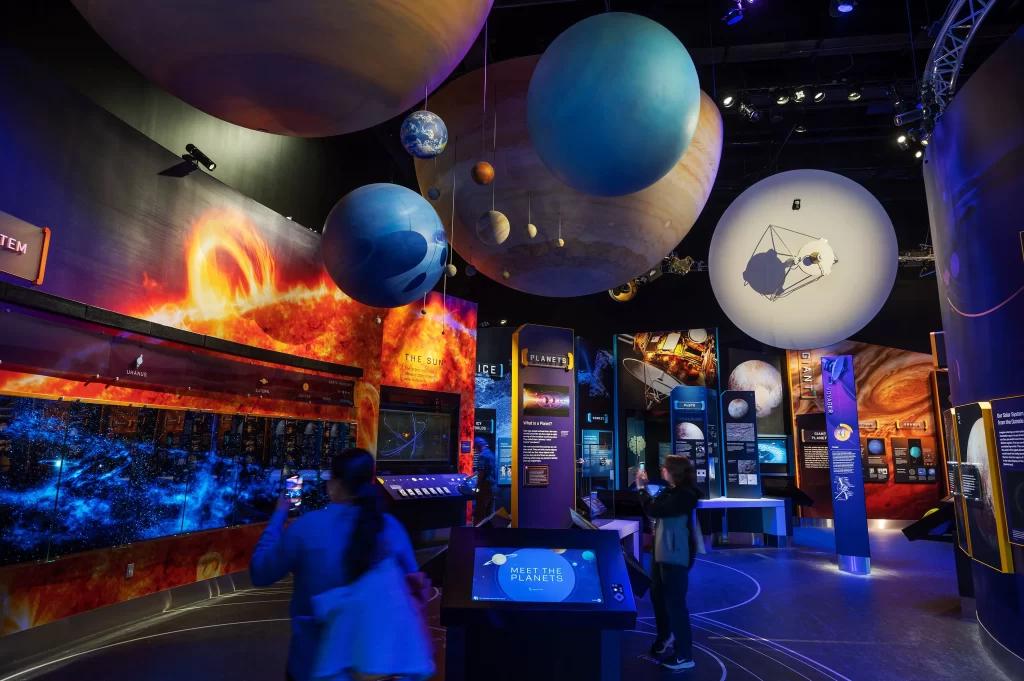
IMAX and Planetarium: Watch breathtaking films in the Lockheed Martin IMAX Theater or explore the stars in the Albert Einstein Planetarium. Check the schedule online for showtimes.
Guided Tours and Events: Free docent-led tours are offered daily (check the information desk for times). Family-friendly events, like “Air & Space Family Day,” include talks and hands-on activities (see the museum’s website for the calendar).
Note: Some galleries may be temporarily closed due to renovations (ongoing through 2025). Check the museum’s website for updates on exhibit availability.
Where to Eat
On-Site Dining: The Mars Café inside the museum offers casual fare like sandwiches, salads, pizzas, and snacks ($8–$15). The café is themed around space exploration, with fun touches like “astronaut ice cream.”
Nearby Options: The National Mall has food trucks and kiosks offering hot dogs, pretzels, and drinks ($5–$10). For sit-down dining, head to the Mitsitam Café at the National Museum of the American Indian (5-minute walk), which serves Native American-inspired dishes ($10–$20).
Tip: Bring a reusable water bottle, as fountains are available, and dining options can be pricey.
Where to Stay
Luxury: Willard InterContinental (1.5 miles away, ~$250–$400/night) or JW Marriott Washington, D.C. (1 mile, ~$200–$350/night) offer upscale comfort near the Mall.
Mid-Range: Hilton Garden Inn Washington, D.C. (1.2 miles, ~$150–$250/night) or Hyatt Place National Mall (0.8 miles, ~$130–$200/night) are convenient and affordable.
Budget: HI Washington, D.C. Hostel (1.5 miles, ~$40–$80/night) is ideal for backpackers.
Booking Tip: Use platforms like Booking.com or Expedia for deals, and book early during peak seasons (spring and summer).
Tips for a Great Visit
Arrive Early: Get there at opening (10:00 AM) to secure timed-entry passes and avoid crowds at popular exhibits. Plan Your Time: Allow 2–3 hours for a standard visit, or 4–5 hours if including IMAX, planetarium, or simulators.
Bring Comfortable Shoes: The museum is large, with extensive walking between galleries. Check Renovation Updates: Some areas may be under construction through 2025, so confirm open exhibits online.
Combine Your Trip: Pair your visit with nearby National Mall attractions like the National Museum of Natural History (5-minute walk) or the Washington Monument (10-minute walk).
Accessibility: The museum is fully wheelchair-accessible, with elevators and ramps throughout. Strollers are allowed but may be restricted in crowded galleries.
Final Thoughts
The National Air and Space Museum is a captivating journey through the skies and beyond, offering a perfect blend of history, science, and interactive fun. From touching a piece of the moon to marveling at the engineering of the Space Shuttle, it’s a place that inspires wonder and curiosity. Plan ahead with timed-entry passes, wear comfortable shoes, and prepare to be amazed by humanity’s greatest achievements in air and space.
Happy exploring!