A Travel Guide to the National Museum of Natural History
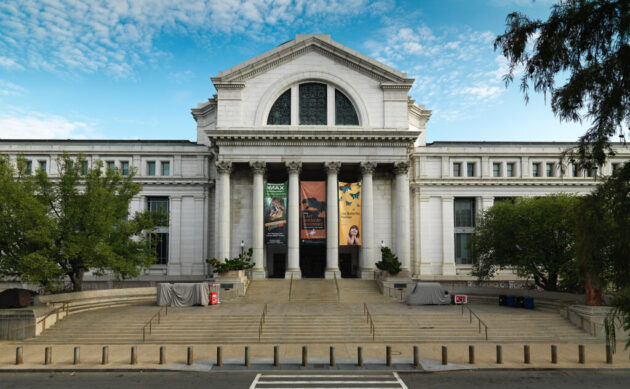
The Smithsonian National Museum of Natural History, located on the National Mall in Washington, DC, is one of the world’s most visited museums, attracting millions annually to explore its vast collection of over 146 million specimens and artifacts. Opened in 1910, this iconic Beaux-Arts building with its distinctive green dome offers a journey through the natural world, from dinosaur fossils to dazzling gems like the Hope Diamond. Whether you’re a science enthusiast, a family with kids, or a curious traveler, this guide will help you plan an unforgettable visit.
Why Visit the National Museum of Natural History?
The museum is a treasure trove of natural wonders, showcasing the planet’s history through engaging exhibits like the David H. Koch Hall of Fossils, the Sant Ocean Hall, and the Janet Annenberg Hooker Hall of Geology, Gems, and Minerals. Its free admission, family-friendly activities, and central location make it a must-see on any DC itinerary. Highlights include the 45.5-carat Hope Diamond, a T. rex skeleton, and interactive spaces like the Q?rius education center, making it ideal for visitors of all ages.
How to Get There
The museum is centrally located on the National Mall at 10th St. & Constitution Ave. NW, Washington, DC 20560. Here are your transportation options:
By Metro: The closest stations are Smithsonian (Blue, Orange, Silver lines, Mall exit) and Federal Triangle (Blue, Orange, Silver lines), both a 5–10-minute walk. The Archives/Navy Memorial (Green, Yellow lines) and Metro Center (Red line) are also nearby. A one-way fare costs $2–6, depending on distance and time of day.
By Bus: DC Circulator (National Mall route) and Metrobus lines like 32, 36, or 52 stop near the museum. Fares are $1–2.
By Car: Public parking is scarce on the National Mall. Nearby commercial lots (e.g., L’Enfant Plaza or Ronald Reagan Building) charge $10–25/day. Use apps like SpotHero or ParkWhiz to reserve parking in advance. Limited accessible parking spaces are available on Constitution Ave.
By Bike or Scooter: Capital Bikeshare stations are located along the Mall. Rentals cost ~$8/day. Electric scooters are also available via apps like Lime or Bird.
Tip: Public transportation is the most convenient option due to limited parking and traffic congestion.
Best Time to Visit
Year-Round: The museum is open daily from 10:00 AM to 5:30 PM, except December 25. Extended hours (until 7:30 PM) apply Thursday–Saturday during spring and summer (verify at naturalhistory.si.edu).
Optimal Timing: Arrive early (10:00 AM) or late afternoon (after 3:00 PM) to avoid peak crowds, especially during spring (cherry blossom season) and summer. Weekdays are less busy than weekends.
Seasonal Highlights: Spring and summer offer extended hours and vibrant programming, while winter is quieter, ideal for a relaxed visit.
Crowd Tip: School groups are common from 11:00 AM to 2:00 PM. Check the museum’s website for a heat map to plan around busy times.
Tickets and Entry
Admission: Free for all exhibits except the Butterfly Pavilion ($8 adults, $7 children ages 2–12, free on Tuesdays with limited tickets).
Passes: No entry passes are required, but expect security screening, including metal detectors and bag checks. Avoid large bags to speed up entry.
Butterfly Pavilion Tickets: Book online in advance (except Tuesdays) to secure a spot, especially during peak seasons.
What to See and Do
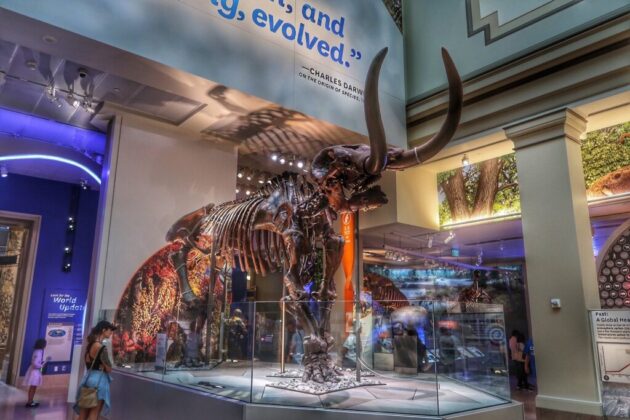
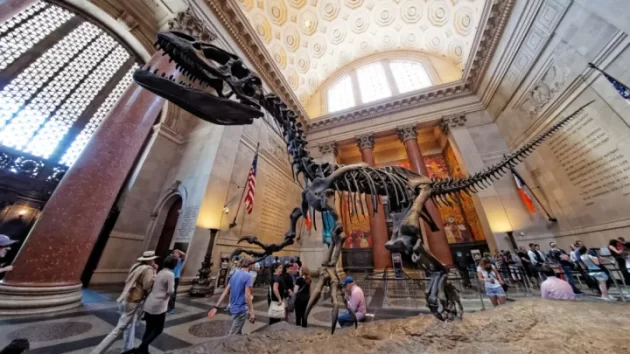
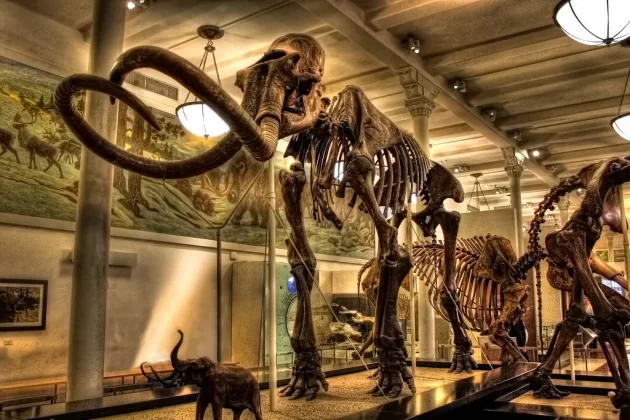
David H. Koch Hall of Fossils – Deep Time (2nd Floor): Explore 31,000 square feet of fossils, including a towering T. rex and Triceratops. The exhibit covers Earth’s history over billions of years, with interactive displays on climate change and evolution. Watch paleontologists work in the Fossil Lab.
Janet Annenberg Hooker Hall of Geology, Gems, and Minerals (2nd Floor): Home to the Hope Diamond (45.5-carat blue gem), the Dom Pedro Aquamarine (10,363 carats), and the Winston Red Diamond. The hall showcases over 2,500 minerals and gems.
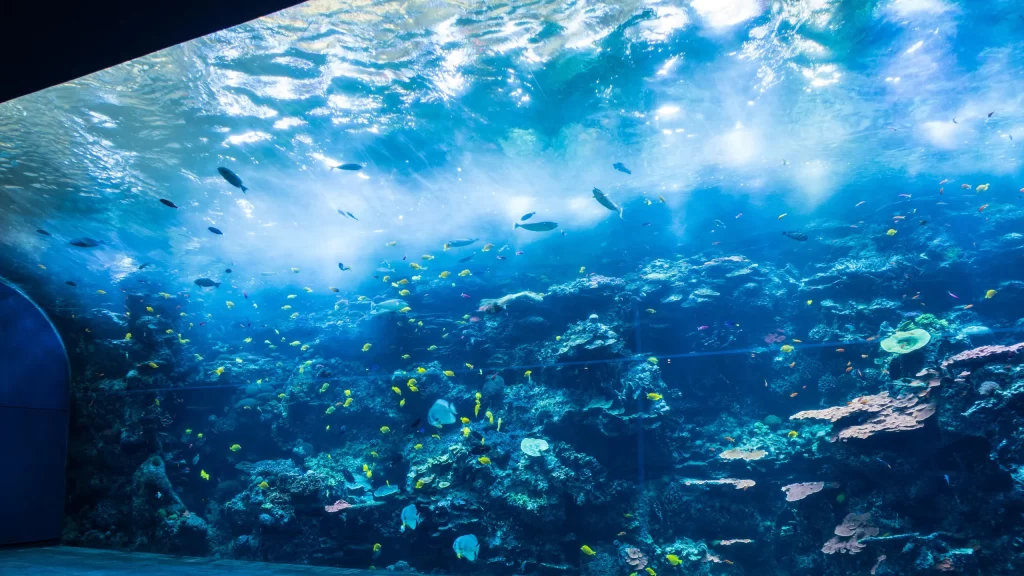
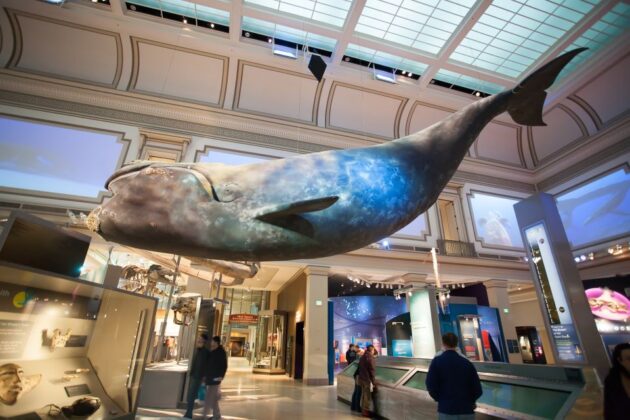
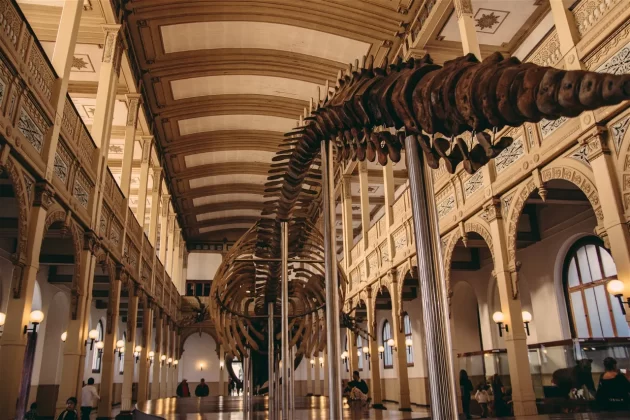
Sant Ocean Hall (1st Floor): Features a 1,500-gallon coral reef aquarium, a replica of a 45-ton North Atlantic right whale, and a giant squid exhibit.
O. Orkin Insect Zoo (2nd Floor): Interactive exhibits with live insects, including daily tarantula feedings. Perfect for kids and curious adults.
Kenneth E. Behring Family Hall of Mammals (1st Floor): Displays over 270 lifelike mammals, from polar bears to giraffes, in their natural habitats.
The Coralyn W. Whitney Science Education Center (Ground Floor): A hands-on lab for teens and tweens to engage in scientific discovery. Free activities include handling specimens and interactive experiments.
Butterfly Pavilion (2nd Floor): Walk among hundreds of live butterflies in a tropical setting. Tickets required (free on Tuesdays, first-come, first-served).
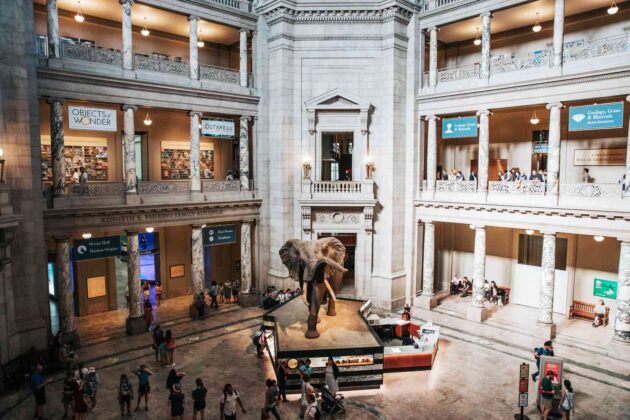
Rotunda: Greeted by Henry, a 14-foot-tall African bush elephant, this iconic space sets the tone for your visit.
Tip: Grab a free museum map at the information desk or download it online to navigate the vast exhibits. Volunteer interpreters are available at select exhibits for added insights.
Where to Eat
Atrium Café (Ground Floor): Offers family-friendly options like burgers, salads, and desserts (open 11:00 AM–3:00 PM, $10–20/meal).
Ocean Terrace Café (1st Floor): Focuses on sustainable, vegetable-forward dishes, including soups and artisan foods (open 11:00 AM–5:00 PM).
Nearby Options: Head to the National Mall for food trucks (sandwiches, tacos, ~$8–15) or nearby museums like the National Museum of American History, which has a cafeteria.
Tip: Bring a water bottle, as dining options inside are limited and can be crowded.
Where to Stay
Downtown DC (0.5–2 miles away): Willard InterContinental (5-star, ~0.7 miles): Luxury near the White House, starting at $250/night. Hilton Washington DC National Mall (4-star, ~0.8 miles): Modern with Mall views, $150–200/night.
Budget Options: HI Washington DC Hostel (~1 mile) offers dorms for $40–60/night. Foggy Bottom (1–2 miles): Hotels like The Watergate Hotel (4-star, $200–300/night) are close to Metro lines.
Booking Tip: Use platforms like Expedia or Booking.com for deals, and book early during peak seasons (spring and summer).
Tips for a Great Visit
Plan Your Route: The museum is vast, so prioritize exhibits based on interest (e.g., dinosaurs for kids, gems for adults). Allow 2–3 hours for a thorough visit. Accessibility: The museum is fully accessible with elevators, wheelchairs (free, limited availability), and a family restroom in the Sant Ocean Hall. A nursing room is available in the Constitution Avenue Lobby.
Photography: Allowed for non-commercial use, but tripods and selfie sticks are prohibited. Media requiring tripods must contact the Press Office. Family-Friendly: Insect Zoo are great for kids. Check the museum’s website for family “play dates” or sleepover events.
Combine Your Trip: Pair your visit with nearby attractions like the National Air and Space Museum (0.2 miles), National Gallery of Art (0.3 miles), or the Washington Monument (0.5 miles). Security: Limit personal belongings to speed up screening. Pets (except service animals) and large bags are not allowed.
Final Thoughts
The National Museum of Natural History is a captivating journey through Earth’s past and present, offering something for everyone—from the awe-inspiring Hope Diamond to the interactive Q?rius lab. Its free admission and central location make it an essential stop on any Washington, DC itinerary. Arrive early, plan your must-see exhibits, and immerse yourself in the wonders of the natural world. For more details, visit naturalhistory.si.edu.
Happy exploring!