A Travel Guide to Washington State
Washington State, nestled in the Pacific Northwest, is a destination of staggering diversity, earning its nickname, the “Evergreen State.” From the vibrant urban energy of Seattle to the serene rainforests of Olympic National Park, rugged volcanoes, and windswept coastal beaches, Washington offers something for every traveler. Whether you’re seeking outdoor adventures, cultural experiences, or culinary delights, this guide will help you plan an unforgettable trip.
Why Visit Washington State?
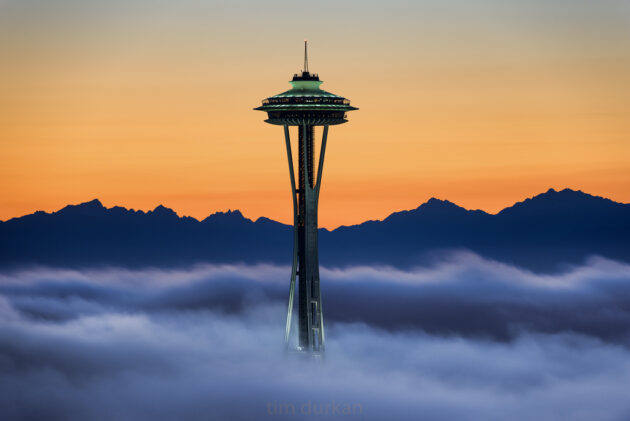
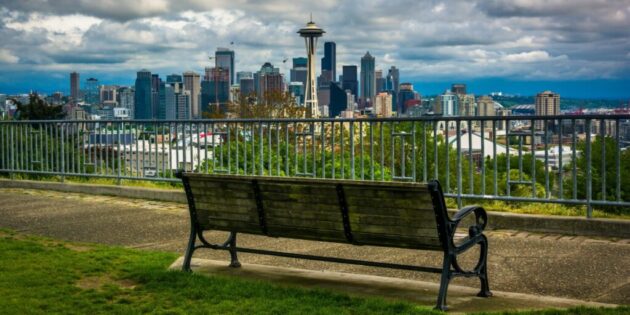
Washington is a haven for nature lovers, urban explorers, and culture enthusiasts alike. Its landscapes range from temperate rainforests and snow-capped volcanoes to arid deserts and pristine islands. Highlights include three stunning national parks (Olympic, Mount Rainier, and North Cascades), world-class wineries, and a rich Native American heritage. Seattle, the state’s largest city, is a hub of innovation, home to iconic landmarks like the Space Needle and Pike Place Market, as well as a thriving music and coffee scene. Whether you’re hiking through alpine meadows, kayaking with orcas, or sipping local Merlot, Washington’s blend of natural beauty and urban charm is hard to beat.
How to Get There
Washington is accessible via multiple transportation options, with Seattle as the primary gateway:
By Air: Seattle-Tacoma International Airport (SEA) is the largest airport in the Pacific Northwest, offering domestic and international flights. It’s located 19 km (12 miles) south of Seattle, with flights from London (9 hours), San Francisco (1 hour 50 minutes), and other major hubs. Smaller airports like Spokane International (GEG) and Bellingham (BLI) serve regional flights.
By Train: Amtrak offers scenic routes, including the Empire Builder (Chicago to Seattle), Coast Starlight (Seattle to Los Angeles), and Amtrak Cascades (Vancouver, BC to Eugene, OR via Seattle). The Seattle station is at 303 South Jackson Street.
By Car: Washington’s road network is well-maintained, with Interstate 5 (I-5) connecting major cities like Seattle, Tacoma, and Bellingham, and I-90 linking Seattle to Spokane. A car is essential for exploring rural areas and national parks, as public transport is limited outside cities.
By Ferry: Washington State Ferries connect Seattle to the Olympic Peninsula, Bainbridge Island, and the San Juan Islands. The Puget Sound region is ideal for cruising, with ferries offering stunning views of mountains and islands.
Tip: Rent a car at SEA for flexibility, but note that parking in Seattle can be expensive or challenging. Consider leaving your car at your hotel for city exploration.
Best Time to Visit
Washington’s climate varies by region, with wet coastal areas and drier eastern plains. The best time depends on your interests:
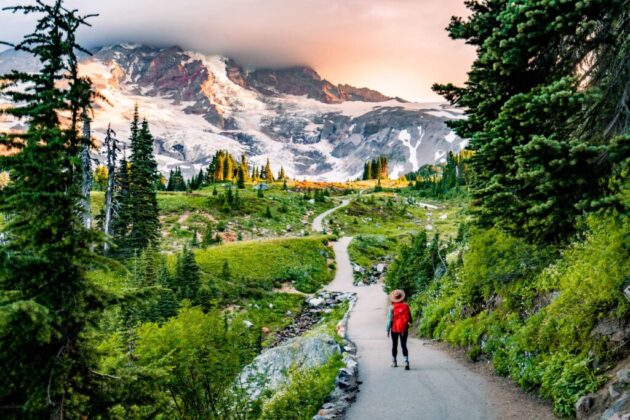
Summer (July–September): Ideal for hiking and exploring national parks, as snow clears from high-altitude trails like the Skyline Trail at Mount Rainier. Expect warm weather (20–30°C) and minimal rain, but book accommodations early due to crowds. Spring (March–May): Wildflowers bloom, and crowds are thinner, but higher trails may still be snowy. The Columbia River Gorge is vibrant with waterfalls.
Autumn (September–October): Cooler temperatures, fewer tourists, and stunning fall foliage make this a great time for hiking and photography. September is ideal for snow-free mountains. Winter (November–March): Perfect for skiing at Mount Baker or Stevens Pass, but rain is frequent in western Washington, and many park areas are snow-covered. Seattle remains vibrant year-round.
Weather Tip: Pack a rain jacket and waterproof shoes, especially for the Olympic Peninsula, where rainforests receive heavy precipitation.
Major Cities
Seattle
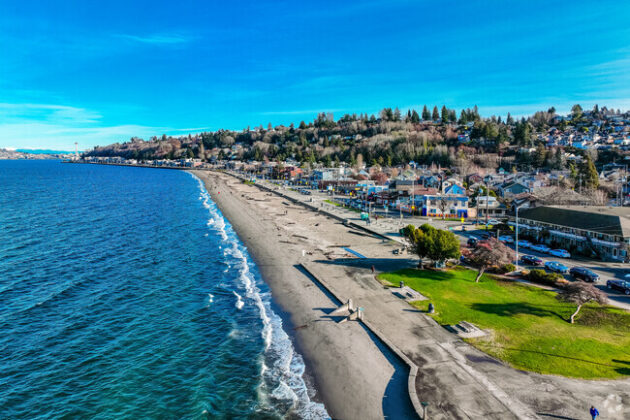
Seattle is a city of contrasts, blending urban sophistication with rugged outdoor opportunities. It’s the birthplace of Starbucks, home to tech giants like Microsoft and Amazon, and a hub for music history (think Nirvana and Jimi Hendrix). The city’s waterfront, diverse neighborhoods, and proximity to mountains and islands make it ideal for travelers seeking both city vibes and nature. Whether you’re a foodie, history buff, or adventure seeker, Seattle has something for everyone.
Top Attractions
Museum of Pop Culture (MoPOP)
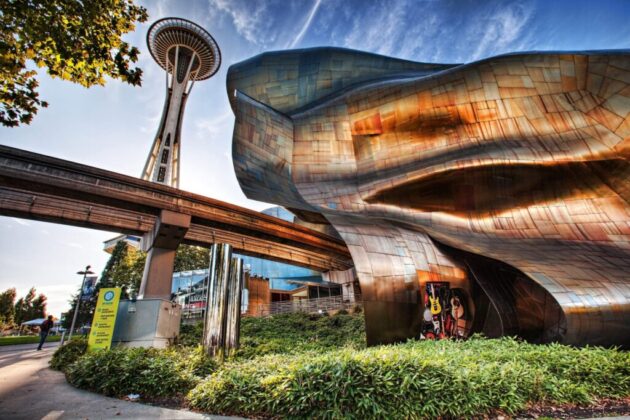
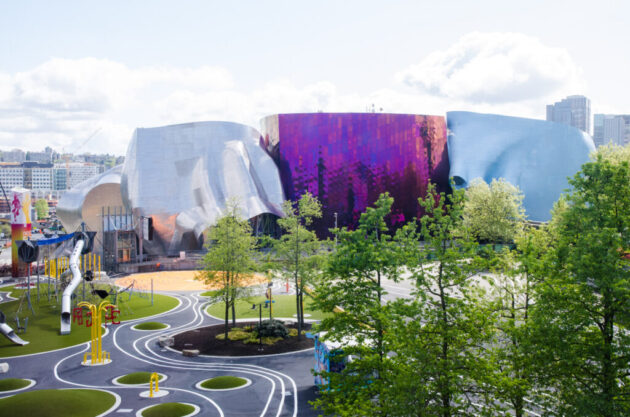
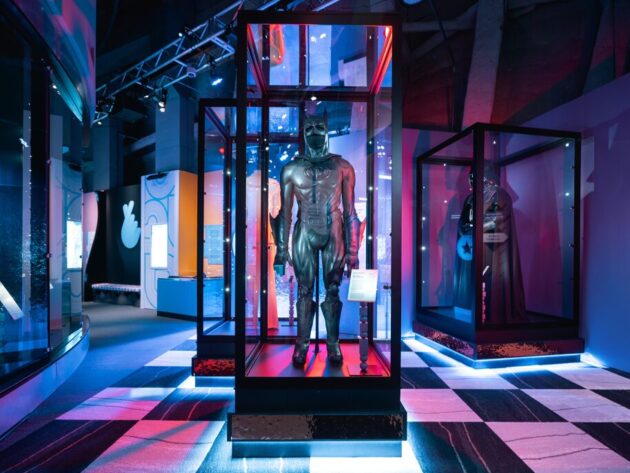
The Museum of Pop Culture (MoPOP), located in the heart of Seattle’s vibrant Seattle Center, is a dynamic celebration of contemporary popular culture. Founded in 2000 by Microsoft co-founder Paul Allen and housed in a striking Frank Gehry-designed building, MoPOP offers an immersive experience with exhibits on music, science fiction, fantasy, horror, and video games. Its interactive displays, iconic artifacts, and engaging programs make it a must-visit for pop culture enthusiasts, families, and anyone curious about the creative forces shaping modern entertainment.


Mount Rainier National Park
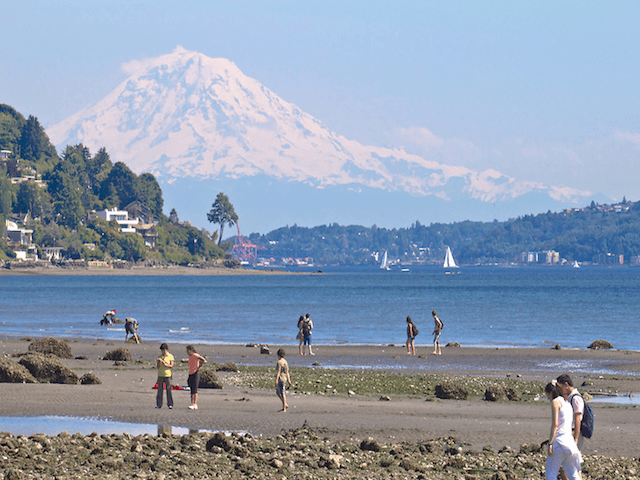
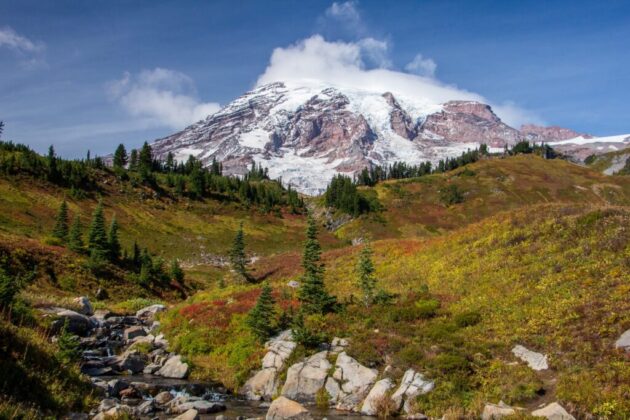
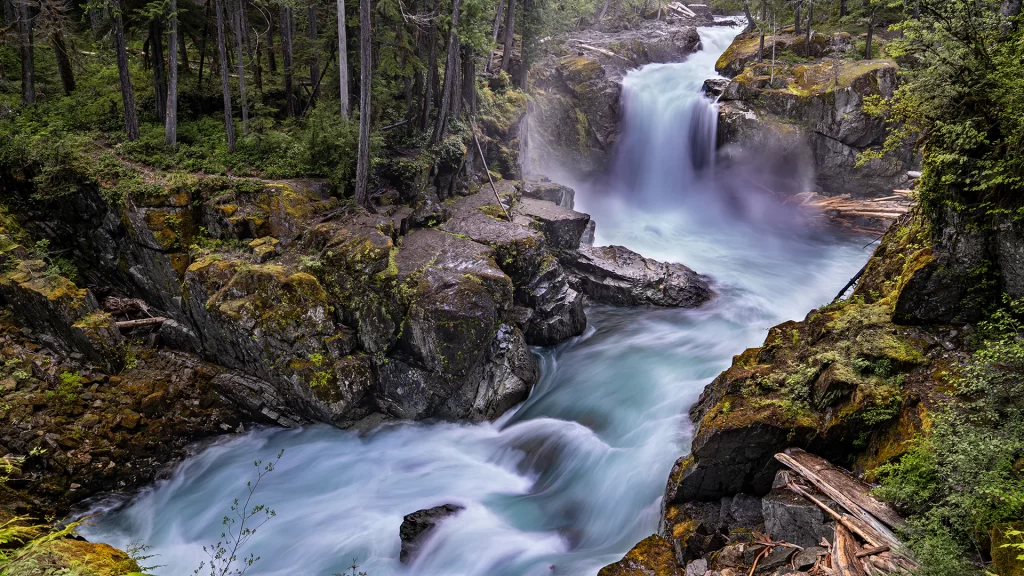
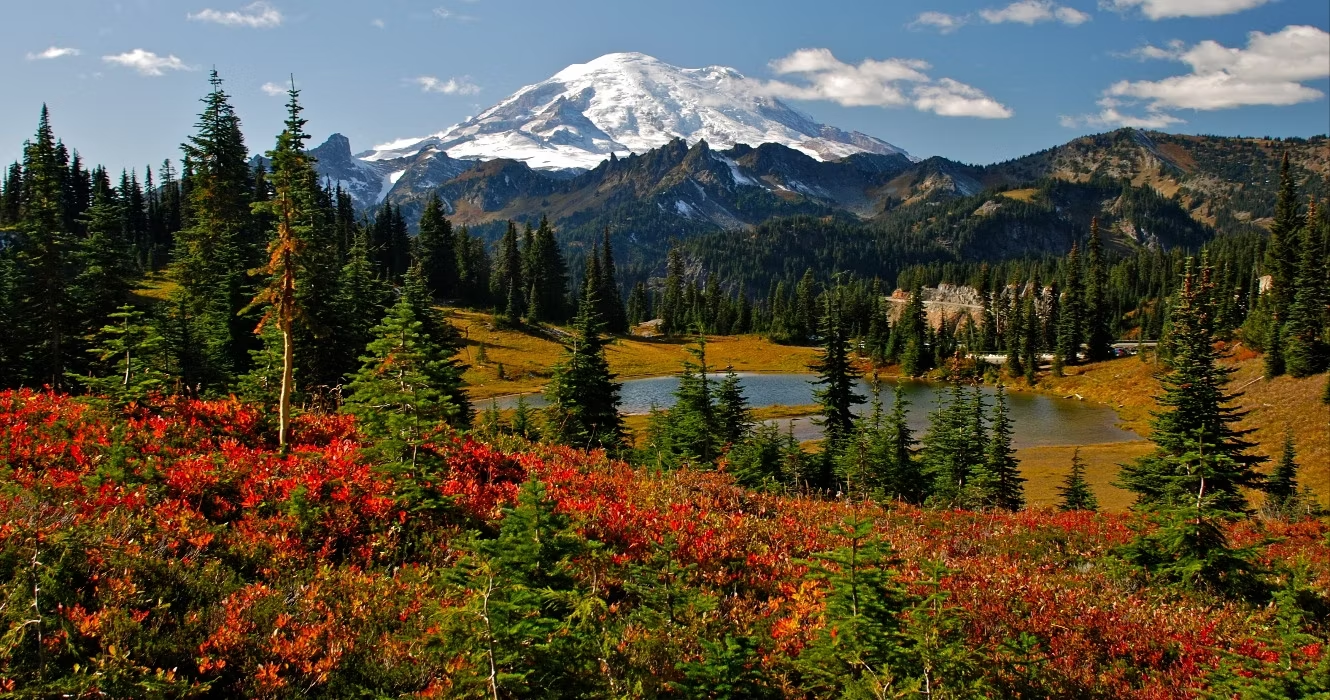
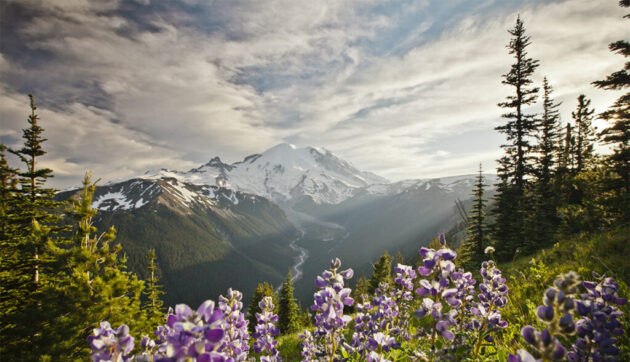
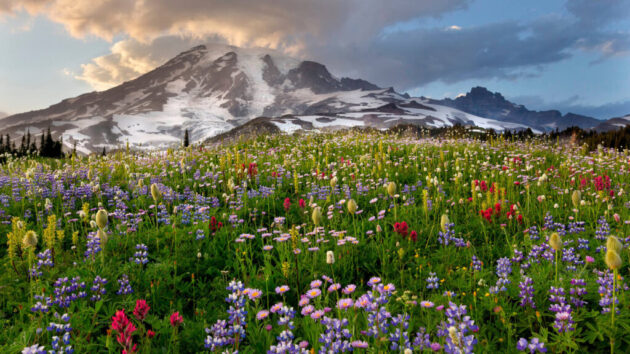
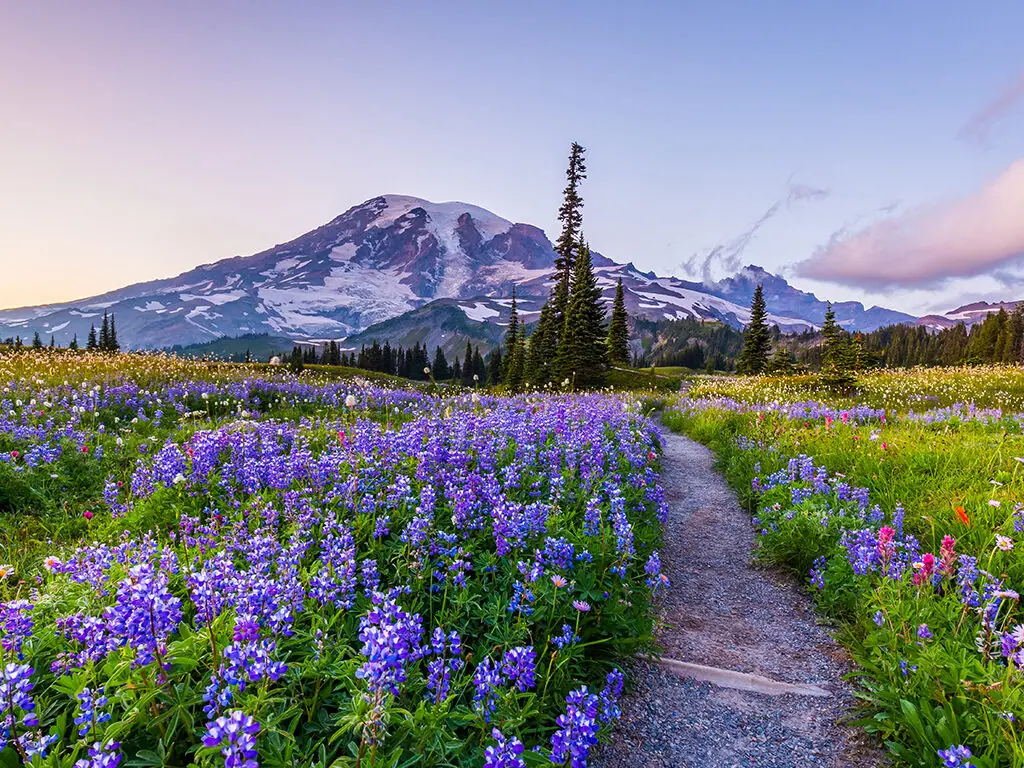
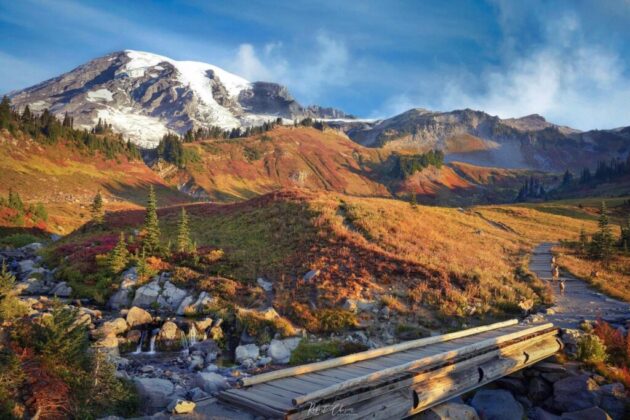
Mount Rainier National Park, located in west-central Washington, is a breathtaking destination centered around the iconic Mount Rainier, a 14,410-foot active stratovolcano, the tallest peak in the Cascade Range and the most glaciated in the contiguous United States. Established in 1899 as America’s fifth national park, it spans 236,000 acres of rugged peaks, wildflower meadows, ancient forests, and glacier-fed rivers.
Olympic National Park
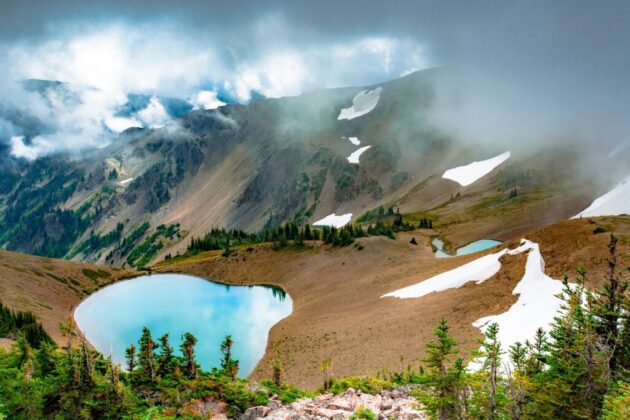
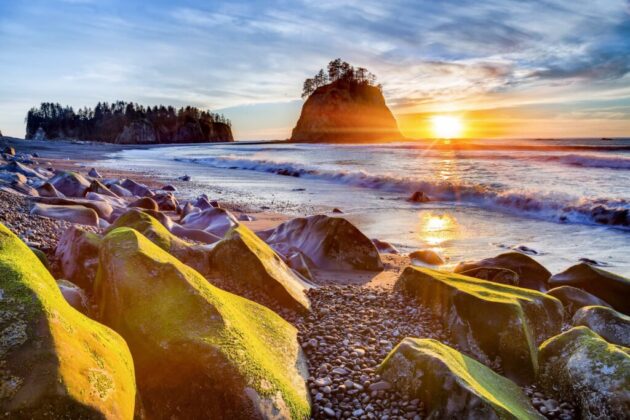
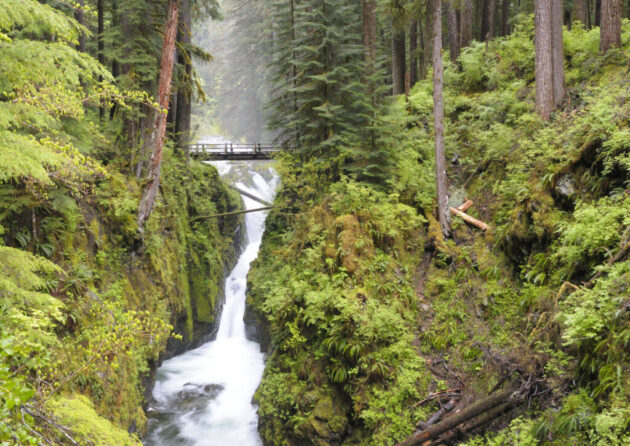
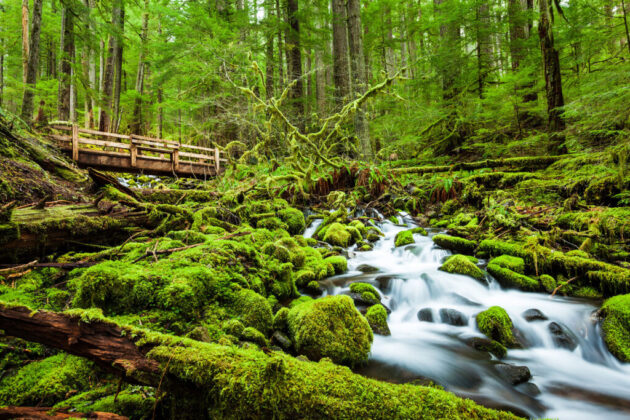
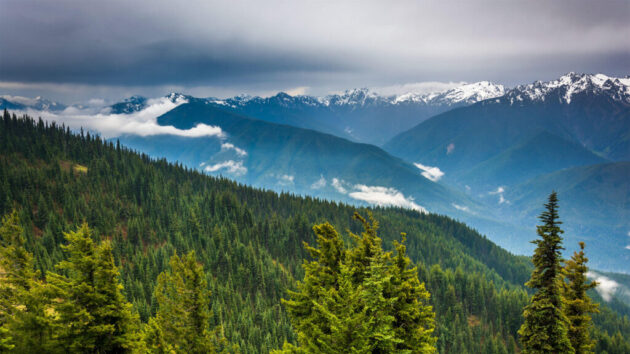
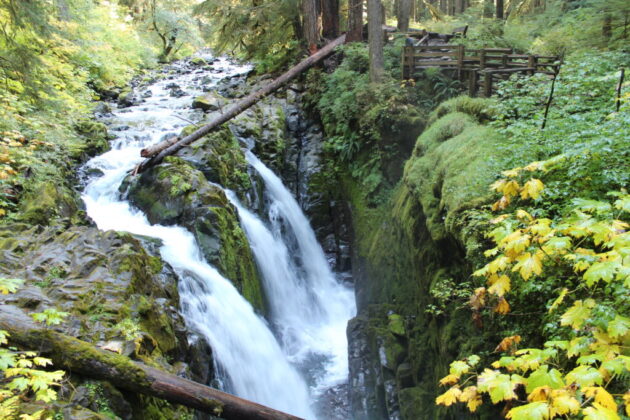
Olympic National Park, located on the Olympic Peninsula in northwestern Washington State, is a UNESCO World Heritage Site and one of the most diverse national parks in the United States. Spanning nearly one million acres, it encompasses rugged Pacific coastlines, lush temperate rainforests, glacier-capped mountains, and serene alpine meadows.
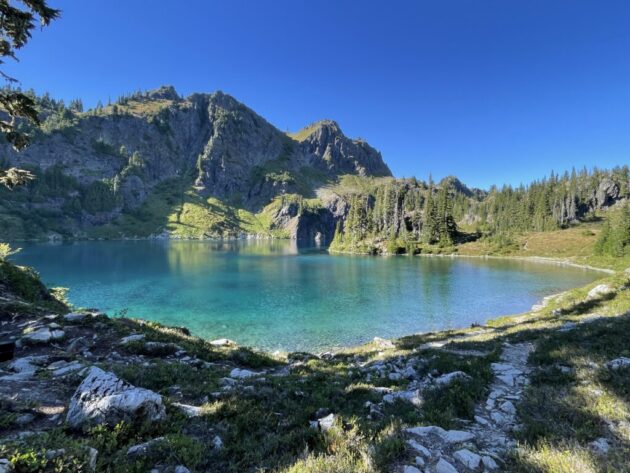
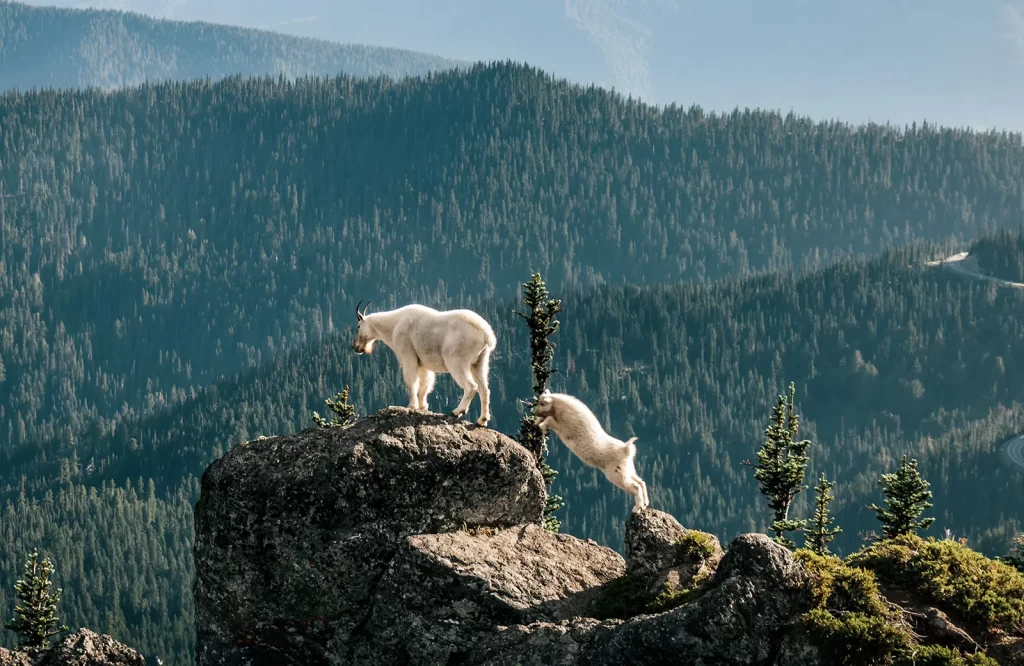
North Cascades National Park
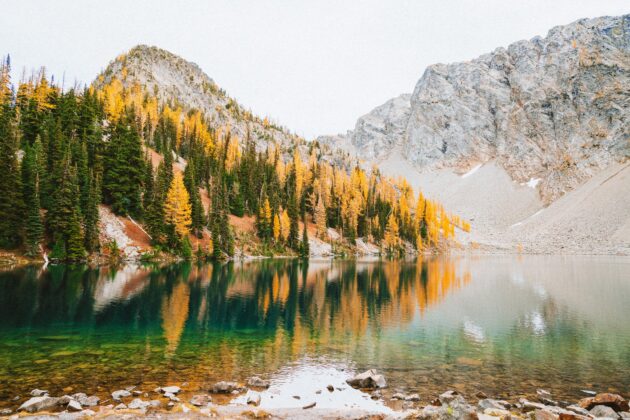
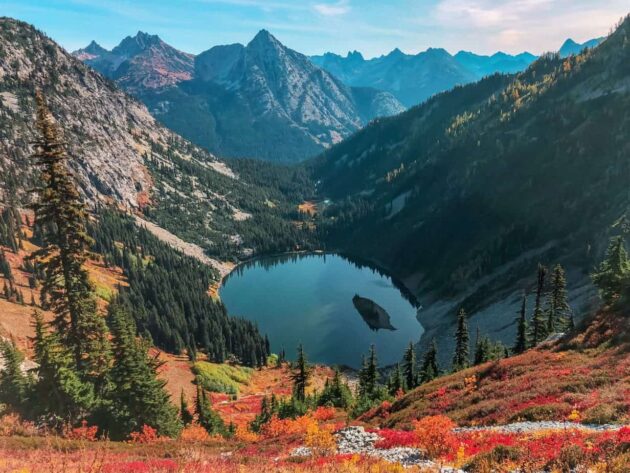
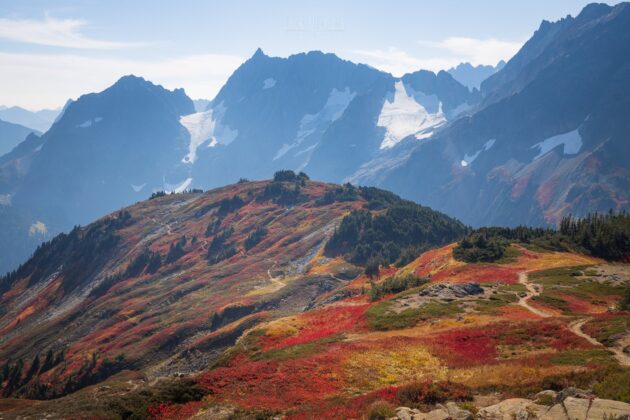
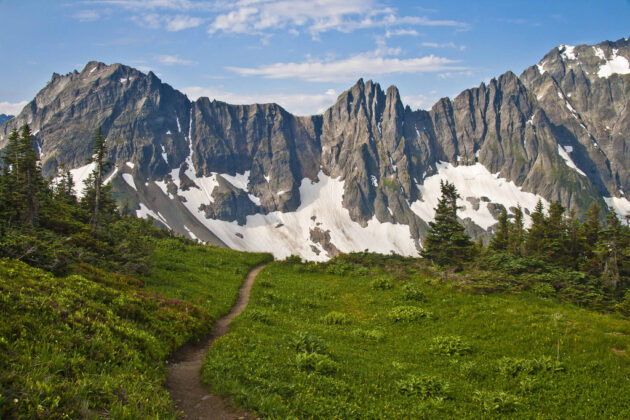
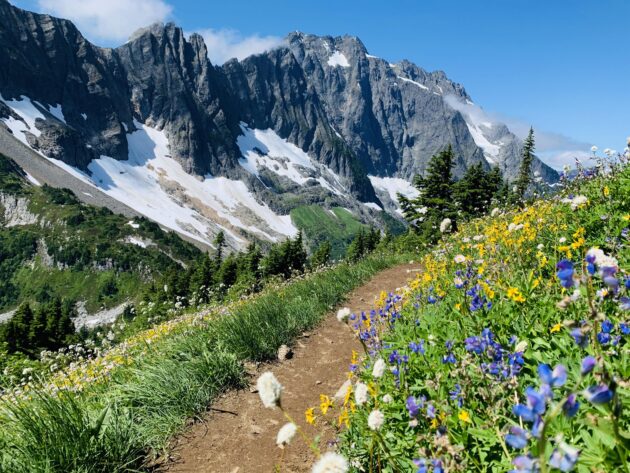
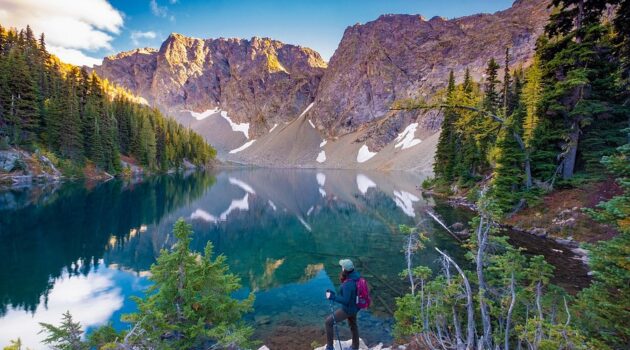
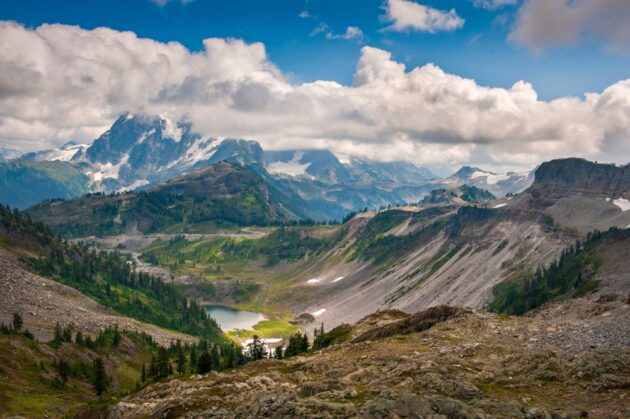
Tucked away in the rugged northwest corner of Washington State, North Cascades National Park is often called the “American Alps” for its dramatic, glacier-clad peaks, pristine alpine lakes, and lush forests. Spanning over 500,000 acres, it’s one of the least visited national parks in the U.S., offering a serene escape for those seeking wilderness, adventure, and breathtaking scenery. With more than 300 glaciers, cascading waterfalls, and over 400 miles of trails, it’s a paradise for hikers, backpackers, and nature lovers.
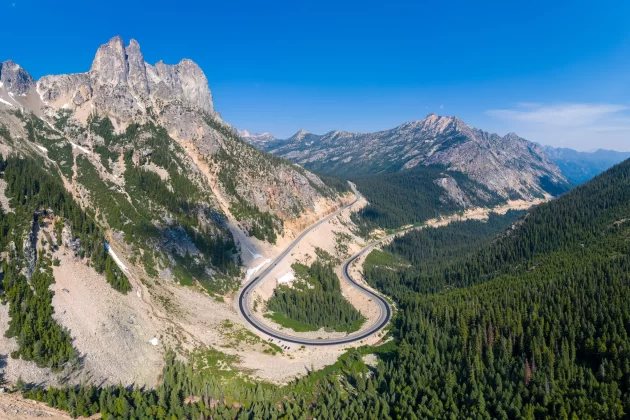
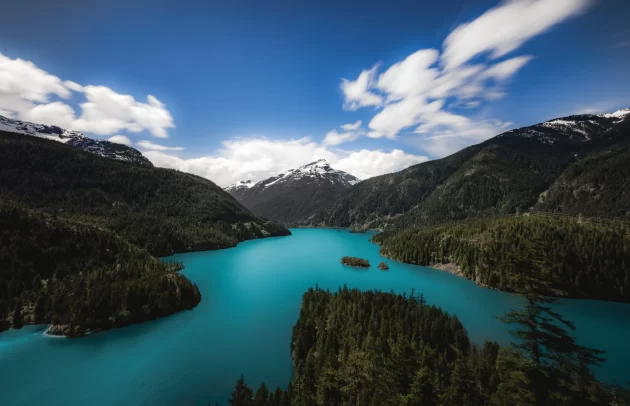
Mt. Baker-Snoqualmie National Forest
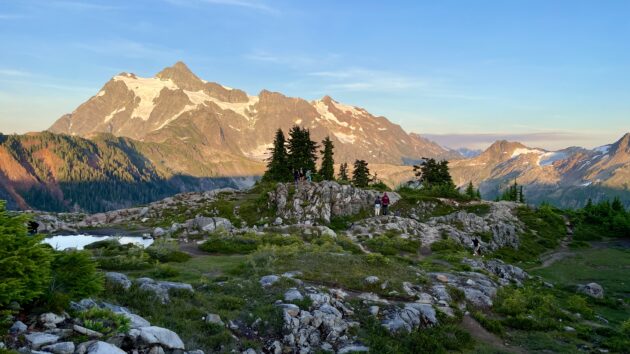
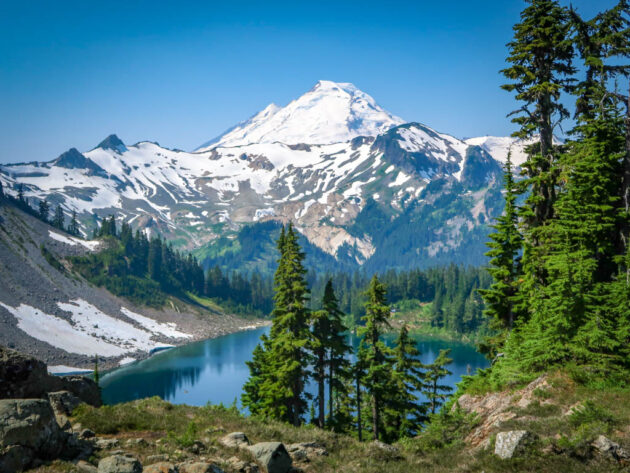
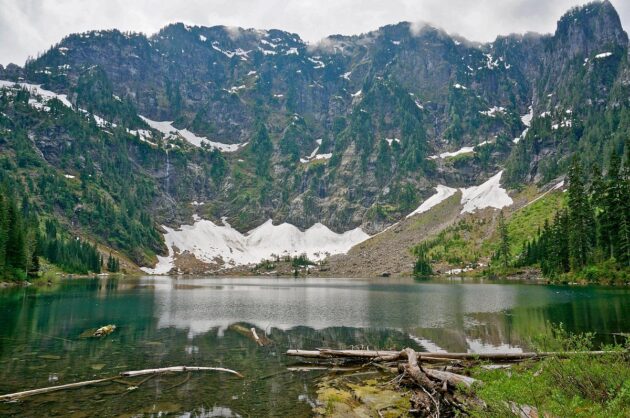
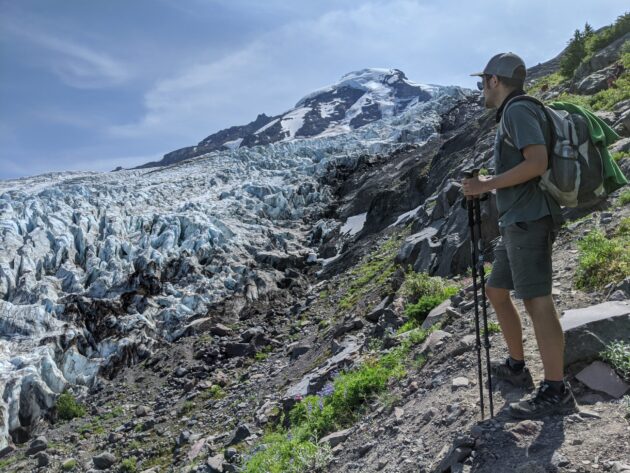
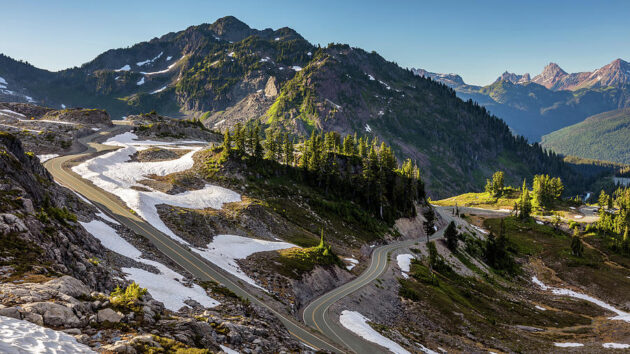
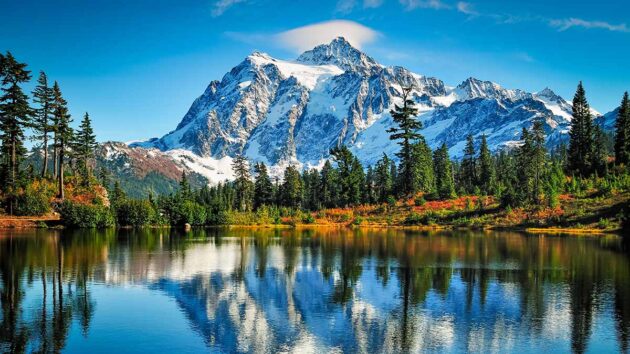
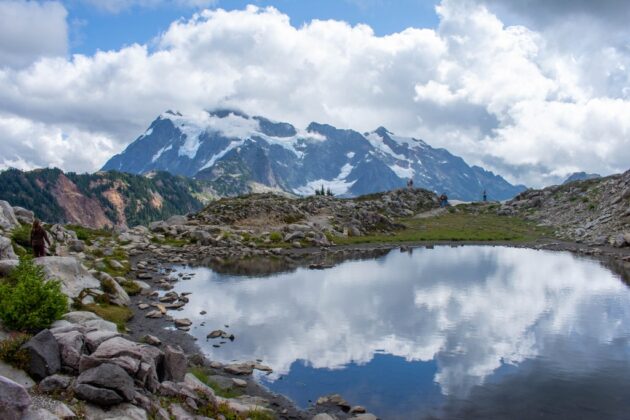
Spanning over 1.7 million acres along the western slopes of the Cascade Mountains, Mt. Baker-Snoqualmie National Forest is one of Washington State’s most breathtaking outdoor destinations. Stretching from the Canadian border to the northern edge of Mt. Rainier National Park, this national forest is renowned for its glacier-covered peaks, old-growth forests, alpine meadows, and over 800 sparkling lakes. With its proximity to Seattle and Vancouver, it’s one of the most visited national forests in the U.S., offering endless opportunities for hiking, camping, skiing, and wildlife viewing.
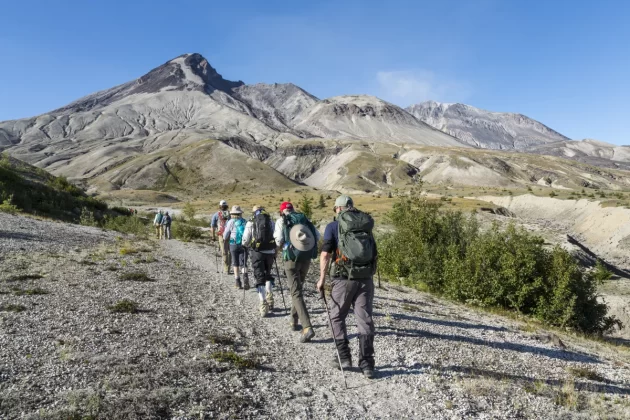
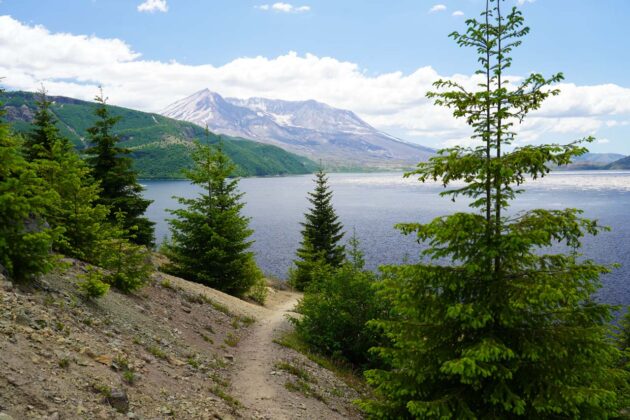
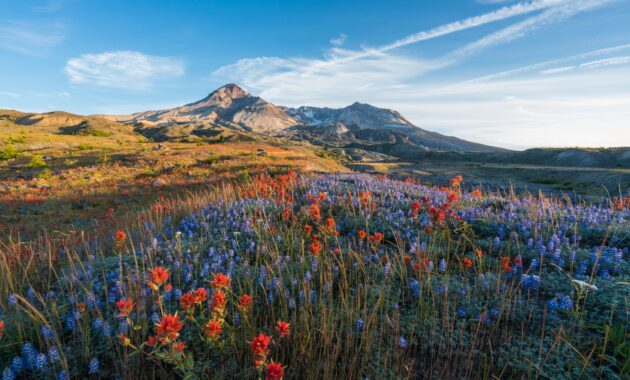
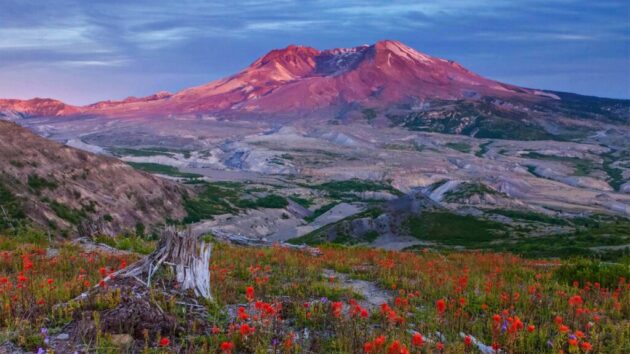
Mount St. Helens National Volcanic Monument
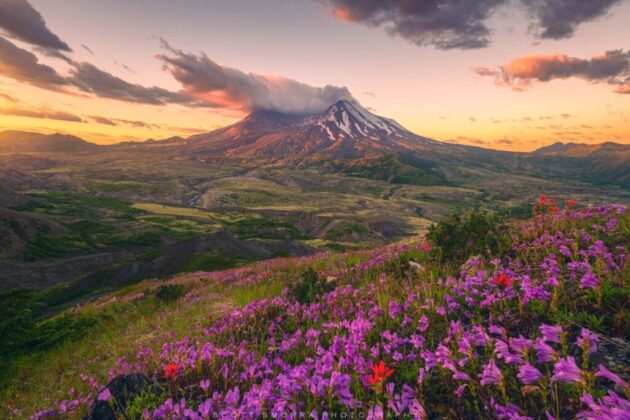
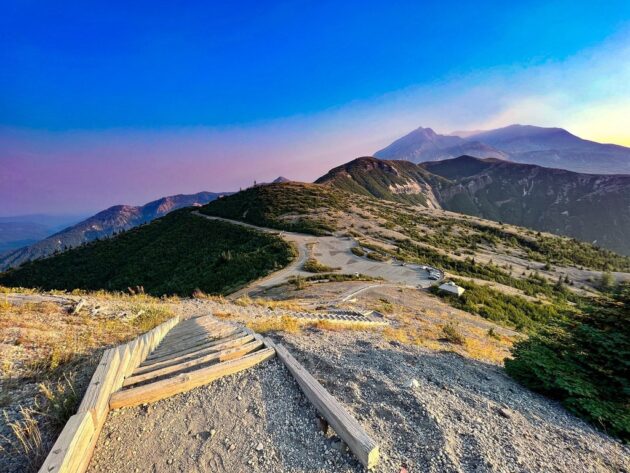
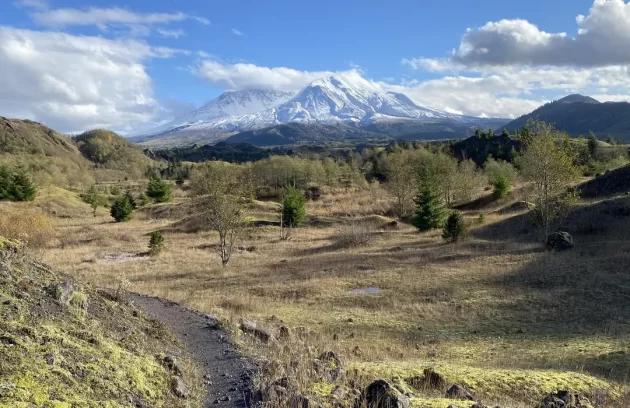
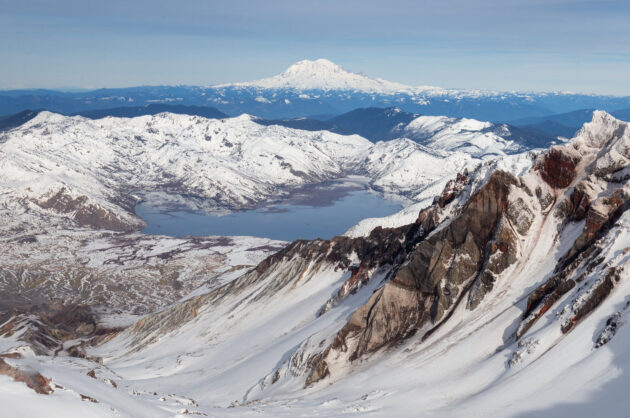
Located in southwest Washington State, the Mount St. Helens National Volcanic Monument is a captivating destination that showcases the raw power of nature and the remarkable recovery of an ecosystem devastated by the 1980 eruption. Spanning 110,000 acres within the Gifford Pinchot National Forest, this monument offers visitors a unique blend of geological wonders, scenic vistas, and educational opportunities.
Palouse Falls State Park
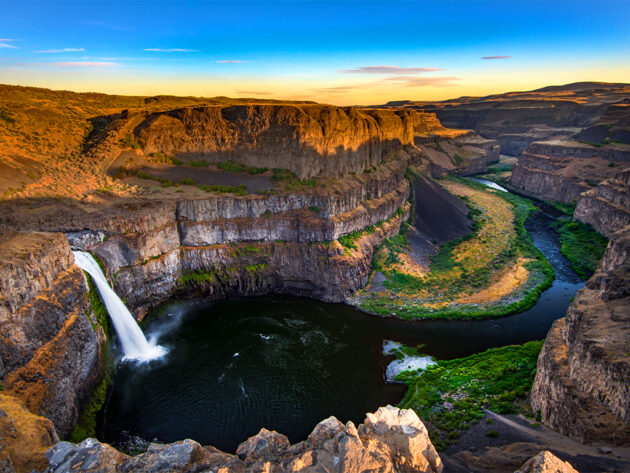
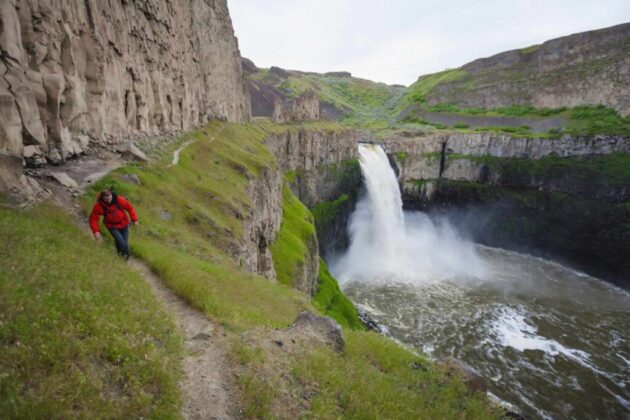
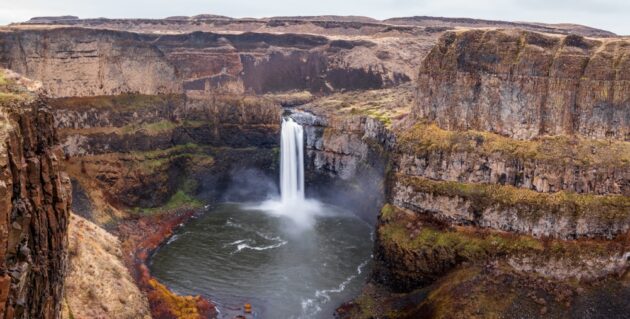
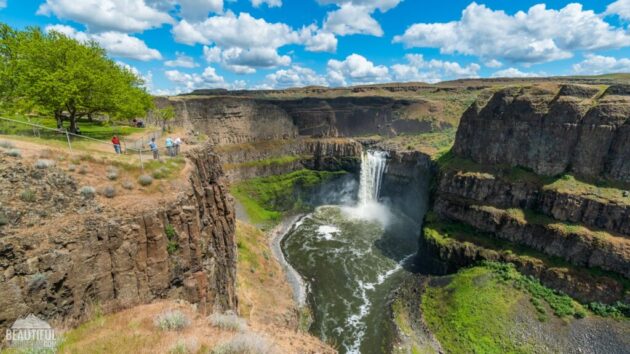
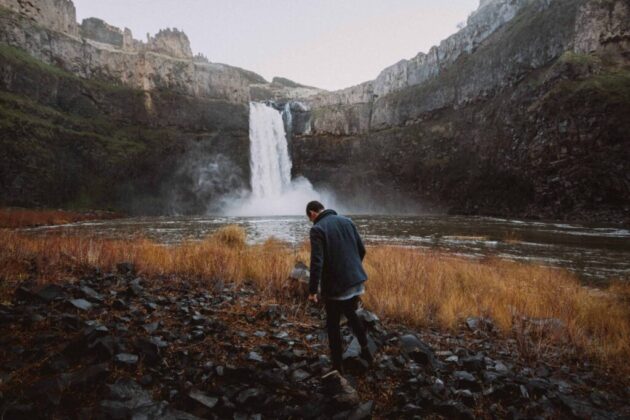
Palouse Falls State Park is a scenic park in Washington, USA, centered around the stunning 198-foot Palouse Falls, where the Palouse River plunges into a dramatic basalt canyon. Spanning 94 acres, it offers breathtaking views, hiking trails, and picnic areas. The park is a popular spot for photography, birdwatching, and enjoying nature, with a campground for overnight stays. It’s remote, located about 23 miles southeast of Washtucna, and best visited in spring for peak water flow.
Cape Disappointment State Park
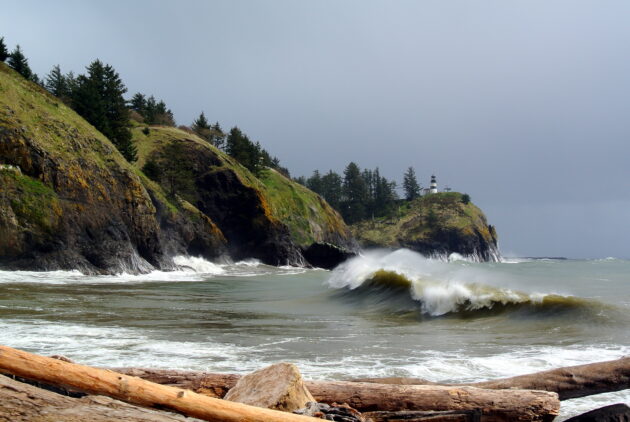
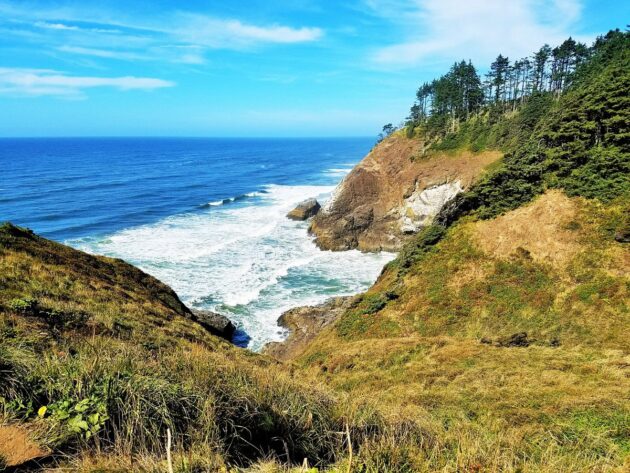
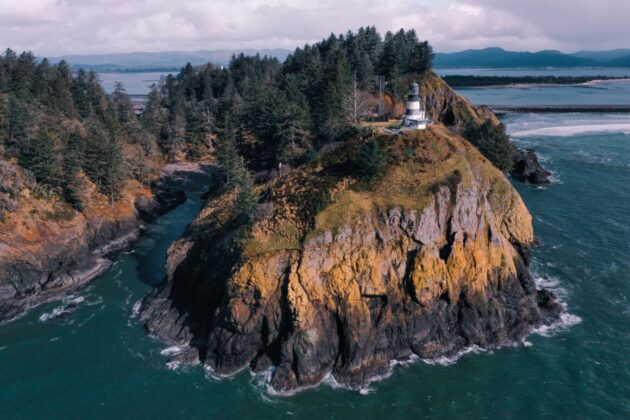
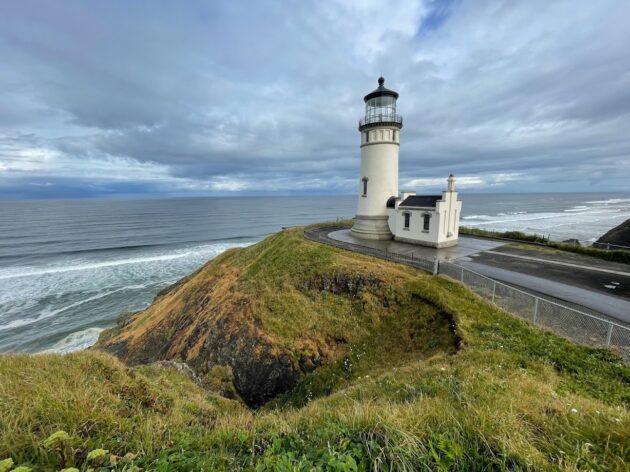
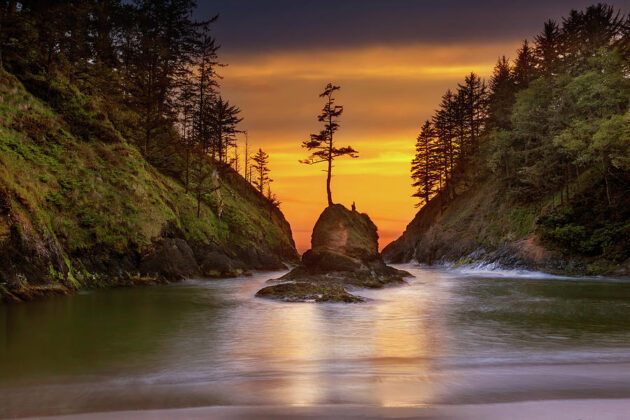
Cape Disappointment State Park, located in southwest Washington, USA, spans 2,000 acres along the Pacific Ocean and Columbia River. Known for its rugged beauty, it features dramatic cliffs, beaches, and old-growth forests. Key attractions include the historic Cape Disappointment Lighthouse, Lewis and Clark Interpretive Center, and trails like the 1.9-mile Cape Disappointment Trail. The park offers camping, hiking, fishing, and surfing, with stunning views of the “Graveyard of the Pacific.” It’s a popular spot for history buffs and outdoor enthusiasts.
Beacon Rock State Park
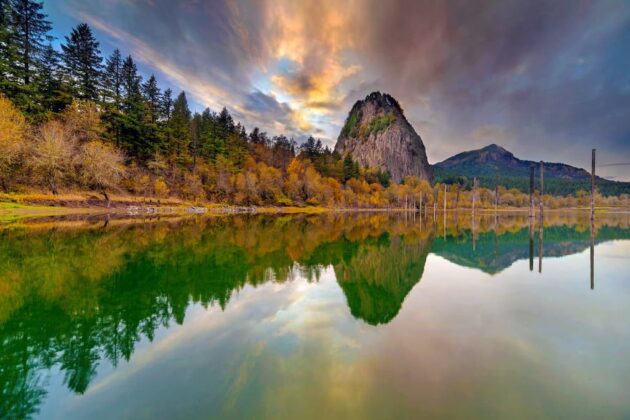
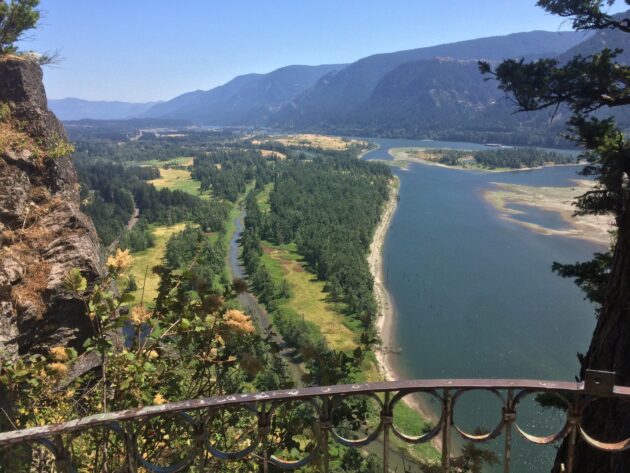
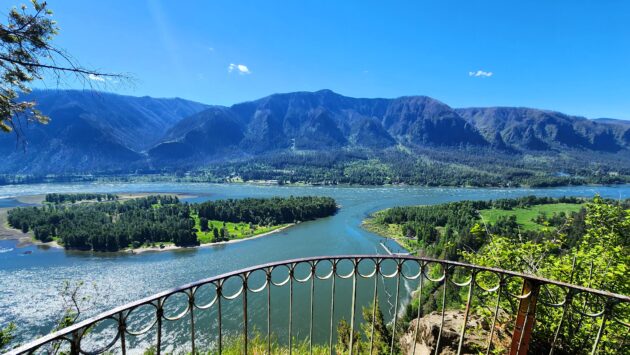
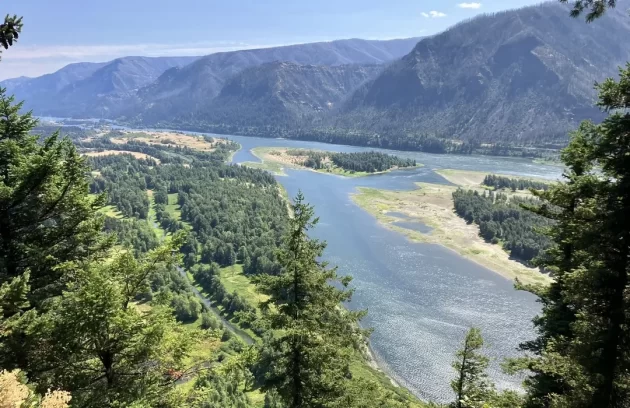
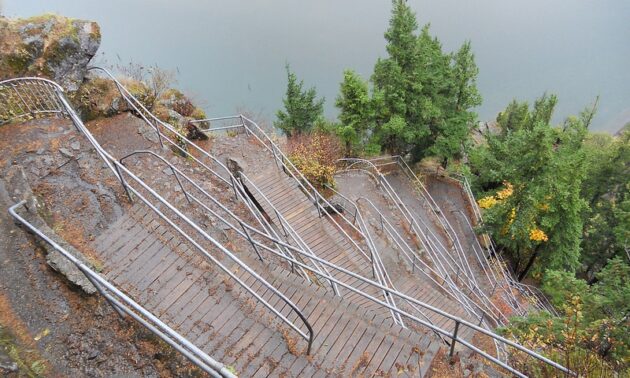
Beacon Rock State Park, located in Washington state along the Columbia River Gorge, is a 4,458-acre park known for its iconic 848-foot Beacon Rock, a basalt monolith offering a challenging hike with stunning panoramic views. The park features over 14 miles of trails for hiking, biking, and horseback riding, plus camping, picnicking, and rock climbing opportunities. It’s a popular spot for outdoor enthusiasts, with diverse flora and fauna, and historical significance tied to the Lewis and Clark Expedition.
Where to Eat
Seattle: Try farm-to-table cuisine at Pike Place Market or seafood at The Pink Door. For coffee, visit Le Panier or Storyville Coffee. Leavenworth: Enjoy German-inspired dishes at München Haus or pastries at Danish Bakery. Olympic Peninsula: Dine on fresh oysters at Hama Hama Oyster Saloon in Lilliwaup.
Budget Tip: Food trucks in Seattle offer diverse, affordable options (e.g., tacos, banh mi) for $8–$15.
Where to Stay
Seattle: The Edgewater (luxury, waterfront): $200–$400/night. Hotel Max (boutique, artsy): $100–$200/night. Green Tortoise Hostel (budget): $30–$60/night.
Olympic Peninsula: Stay in Port Angeles (Red Lion Hotel, $100–$200) or camp at Kalaloch Campground ($20–$30/night).
Leavenworth: LOGE Camps Leavenworth offers cozy cabins ($80–$150/night).
Booking Tip: Reserve accommodations 3–6 months in advance for summer and fall, especially near national parks.
Tips for a Great Visit
Pack for Weather: Bring layers, a rain jacket, and sturdy hiking shoes, as weather can change rapidly, especially in the mountains and rainforests. Plan Ferry Times: Book Washington State Ferry reservations for routes to the San Juan Islands or Olympic Peninsula to avoid long waits.
Drive Smart: Seattle traffic can be heavy, and mountain roads require caution. Check road closures in national parks during winter. Respect Nature: Follow Leave No Trace principles in parks and avoid disturbing wildlife like orcas or elk.
Combine Destinations: Create a 7-day road trip starting in Seattle, visiting Mount Rainier, Olympic, and North Cascades National Parks, with stops in Leavenworth or the San Juan Islands.
Final Thoughts
Washington State is a destination that captivates with its blend of urban sophistication and untamed wilderness. From the iconic skyline of Seattle to the misty trails of the Hoh Rain Forest and the majestic peaks of Mount Rainier, every corner of the state offers a new adventure. Plan your trip around the summer or early fall for the best hiking and weather, and immerse yourself in the Evergreen State’s natural beauty, rich culture, and warm hospitality. Whether you’re sipping coffee at Pike Place or kayaking among orcas, Washington will leave you with memories to last a lifetime.
Happy travels!