A Travel Guide to Columbia River Gorge National Scenic Area
The Columbia River Gorge National Scenic Area, stretching 85 miles along the border of Oregon and Washington, is a breathtaking natural wonder carved by the Columbia River through the Cascade Mountains. As the largest National Scenic Area in the United States, covering 292,500 acres, it boasts dramatic cliffs, over 90 waterfalls, lush rainforests, and arid grasslands, making it a paradise for outdoor enthusiasts, history buffs, and nature lovers. Just 30 minutes east of Portland, Oregon, this guide will help you plan an unforgettable visit to one of the Pacific Northwest’s most iconic destinations.
Why Visit the Columbia River Gorge?
Designated a National Scenic Area in 1986, the Columbia River Gorge is celebrated for its ecological diversity, from temperate rainforests in the west to dry grasslands in the east, shaped by ancient volcanic activity and the cataclysmic Missoula Floods. Home to the highest concentration of waterfalls in North America, including the majestic 620-foot Multnomah Falls, the gorge offers unparalleled opportunities for hiking, windsurfing, biking, and sightseeing. Its rich cultural history, dating back 10,000–15,000 years to Native American stewardship, adds depth to the experience, with historic sites and modern communities like Hood River enhancing its charm.
How to Get There
The Columbia River Gorge is easily accessible from Portland, Oregon, via Interstate 84 or the scenic Historic Columbia River Highway. Here are your options:
By Car: From Portland, drive east on I-84 for about 30 minutes to reach the western edge of the gorge near Troutdale. The journey to key sites like Multnomah Falls takes 30–60 minutes, depending on traffic.
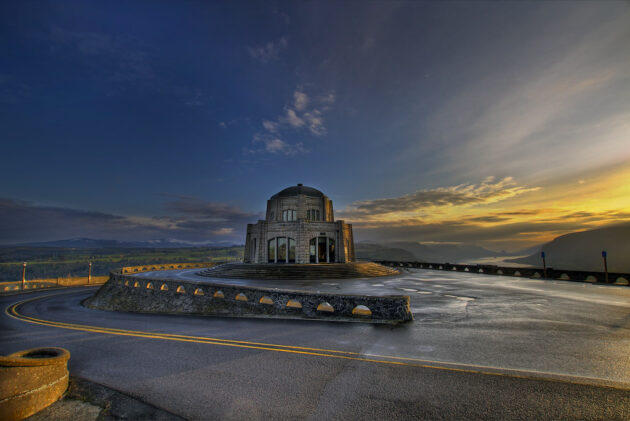
The Historic Columbia River Highway (U.S. Route 30) offers a slower, scenic route with access to waterfalls and viewpoints like Vista House. Note: A day-use permit is required for the waterfall corridor past Multnomah Falls (book via Oregon State Parks). Parking fees at major sites like Multnomah Falls are $5–10/day, and parking can be limited on weekends.
By Public Transport: The Columbia Gorge Express bus runs from Portland’s Gateway Transit Center to key stops like Multnomah Falls, Cascade Locks, and Hood River. Tickets cost $10–15 round-trip. Check schedules on the official Gorge TransLink website, as services are seasonal.
By Guided Tour: Numerous tour operators, like those on Expedia, offer day trips from Portland, combining waterfall visits, hiking, and wine tasting. Prices range from $80–150 per person.
Tip: Start early to avoid crowds, especially at popular spots like Multnomah Falls, where parking lots fill by 10 AM.
Best Time to Visit
Spring (March–May): Wildflowers bloom, particularly on the eastern side, and waterfalls are at their peak due to snowmelt. The Rowena Crest wildflower display is a highlight. Summer (June–August): Ideal for water sports like windsurfing in Hood River, with warm temperatures (70–90°F). Expect crowds at major attractions.
Autumn (September–November): Vibrant foliage and fewer visitors make this a great time for hiking and photography. Winter (December–February): Quieter, but some trails may be icy, and east winds can bring cold storms. The gorge’s dramatic cliffs are still striking.
Note: Check trail and road conditions on the U.S. Forest Service’s Ready, Set, GOrge website or ODOT Trip Check, as closures may occur due to weather or past wildfires.
Tickets and Permits
General Access: The Columbia River Gorge National Scenic Area is free to enter for most areas, though specific sites require permits or fees. Waterfall Corridor Permit: A timed-use permit ($2–5) is required for driving the Historic Columbia River Highway’s waterfall corridor (Multnomah Falls to Ainsworth State Park) from May to September. Book at recreation.gov.
Parking Fees: Day-use fees apply at popular trailheads like Multnomah Falls ($5) or Angel’s Rest ($5–10). An America the Beautiful Pass ($80/year) covers parking at Forest Service sites. Camping and Recreation Passes: Some campgrounds and recreation areas require a Northwest Forest Pass ($30/year or $5/day).
What to See and Do
Waterfalls
The gorge is famous for its 90+ waterfalls on the Oregon side alone, many accessible via short walks or scenic drives along the Historic Columbia River Highway.
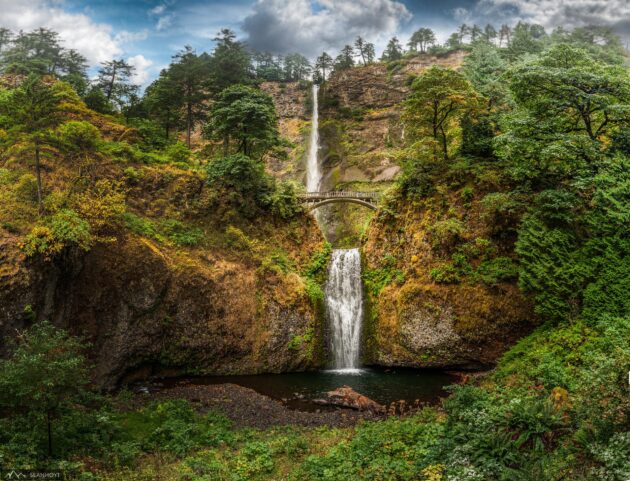
Multnomah Falls: Oregon’s tallest waterfall at 620 feet, featuring a historic lodge and a short hike to the Benson Bridge for stunning views. Arrive early to secure parking. Latourell Falls: A 249-foot plunge just 10 minutes from Vista House, with a 2-mile loop hike for closer views.
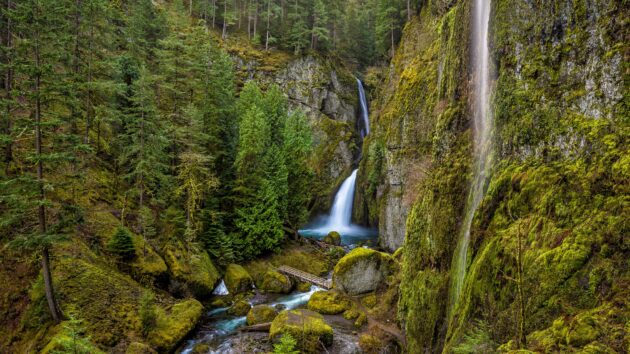
Bridal Veil Falls: A 0.8-mile roundtrip hike leads to this picturesque, two-tiered waterfall resembling a bride’s veil. Wahclella Falls: A 2-mile easy hike along Tanner Creek, ideal for families and less crowded than Multnomah.
Note: Swimming in most waterfalls is not advised due to strong currents and cold water.
Hiking
With over 200 miles of trails, the gorge caters to all skill levels.
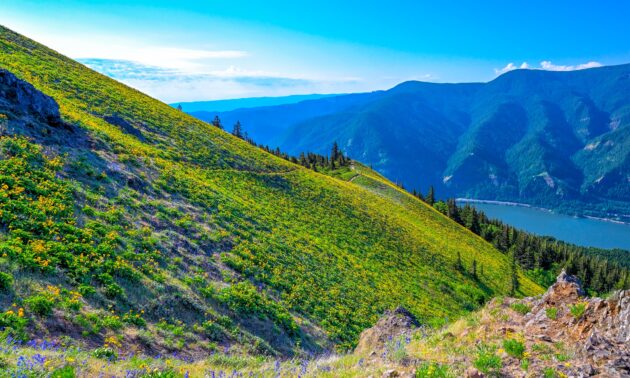
Angel’s Rest Trail: A moderate 4.8-mile roundtrip hike with 1,500 feet of elevation gain, offering 360-degree views of the gorge. Dog Mountain Trail: A strenuous 6-mile hike with wildflower meadows and panoramic vistas, best in spring. Parking is limited, so arrive before 8 AM. Wahkeena Falls Loop: A 5-mile trail connecting Wahkeena and Multnomah Falls, passing multiple cascades and old-growth forests.
Tip: Download trail maps from AllTrails or National Geographic’s Trails Illustrated map for offline use.
Scenic Viewpoints
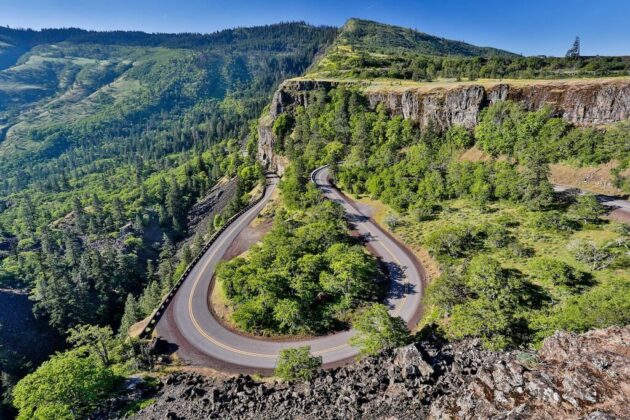
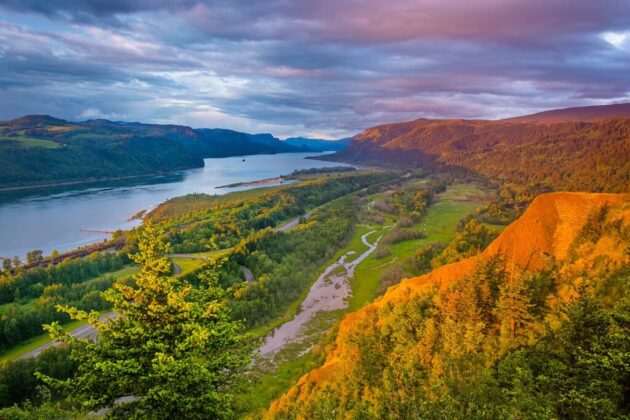
Vista House at Crown Point: A historic 1918 observatory perched 700 feet above the Columbia River, offering sweeping views. Open seasonally with restrooms and a gift shop. Portland Women’s Forum State Scenic Viewpoint: A stunning spot for sunrise photos, overlooking the river and Vista House. Rowena Crest Overlook: A horseshoe-shaped bend on the Historic Columbia River Highway with wildflower views in spring.
Outdoor Activities
Windsurfing and Kiteboarding: Hood River, known as the “windsurfing capital of the world,” offers ideal conditions due to the gorge’s wind tunnel effect. Rentals and lessons are available. Cycling: Bike the Historic Columbia River Highway State Trail, including the car-free Mosier Twin Tunnels section.
Kayaking and Rafting: The Klickitat and White Salmon Rivers are perfect for whitewater adventures. Book with local outfitters like Wet Planet Rafting. Fishing and Birdwatching: The gorge supports 44 fish species and over 200 bird species, with prime spots at Rooster Rock State Park and wildlife refuges.
Cultural and Historical Sites
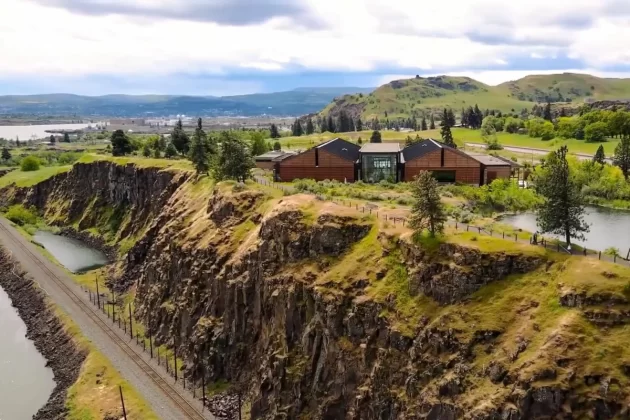
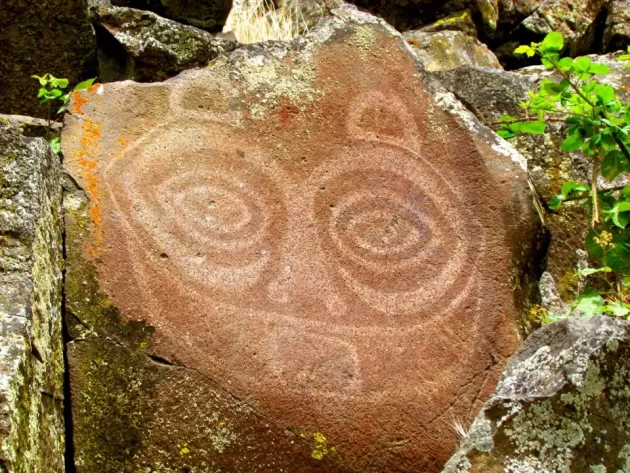
Columbia Gorge Discovery Center & Museum (The Dalles): Explore the region’s geologic and Native American history, including exhibits on the Lewis and Clark expedition. Fort Dalles Museum: A look into pioneer and military history. Native American Petroglyphs: View “She Who Watches” at Columbia Hills Historical State Park (Washington side, guided tours only).
Where to Eat
Multnomah Falls Lodge: Offers casual dining with burgers, sandwiches, and local craft beer (entrées $15–25). Hood River: A vibrant town with farm-to-table restaurants like Solstice Wood Fire Pizza and breweries like Full Sail Brewing (mains $12–20). The Dalles: Try Cousins’ Restaurant & Saloon for hearty American fare or Sunshine Mill Winery for wine and small plates in a historic setting.
Tip: Pack a picnic for trail stops, as dining options are limited outside urban areas like Hood River and The Dalles.
Where to Stay
Hood River: Hood River Hotel (historic, ~$100–150/night): A charming, vintage stay on the National Register of Historic Places. Columbia Cliff Villas: Luxury with river views, starting at $200/night.
Cascade Locks: Best Western Plus Columbia River Inn: Comfortable mid-range option, ~$120–180/night.
Camping: Ainsworth State Park (Oregon): Riverside sites with amenities, $20–30/night. Viento State Park (Oregon): Budget-friendly with river access, $17–24/night.
Booking Tip: Reserve accommodations and campsites early via ReserveAmerica or Oregon State Parks, especially for summer and fall.
Tips for a Great Visit
Plan for Crowds: Popular sites like Multnomah Falls get busy, especially on weekends. Arrive before 9 AM or visit on weekdays. Check Trail Conditions: Some trails and sections of the Historic Columbia River Highway may be closed due to past wildfires or maintenance. Verify status on ReadySetGorge.com.
Dress in Layers: The gorge’s microclimates vary from wet and cool in the west to hot and dry in the east. Bring waterproof gear and sturdy hiking shoes. Respect Nature: Stick to marked trails to protect fragile ecosystems, including 16 endemic wildflower species.
Combine Your Trip: Pair your visit with nearby attractions like Mount Hood (1-hour drive from Hood River) or Portland’s Powell’s Books and OMSI Museum.
Final Thoughts
The Columbia River Gorge National Scenic Area is a masterpiece of nature and history, offering everything from towering waterfalls and rugged hikes to serene river views and vibrant local culture. Whether you’re chasing waterfalls along the Historic Columbia River Highway, windsurfing in Hood River, or exploring Native American heritage, the gorge delivers an unforgettable adventure. Plan ahead, embrace the diversity of this iconic landscape, and let the Columbia River Gorge captivate your senses.
Happy travels!