Mount Rainier National Park Travel Guide (2026)
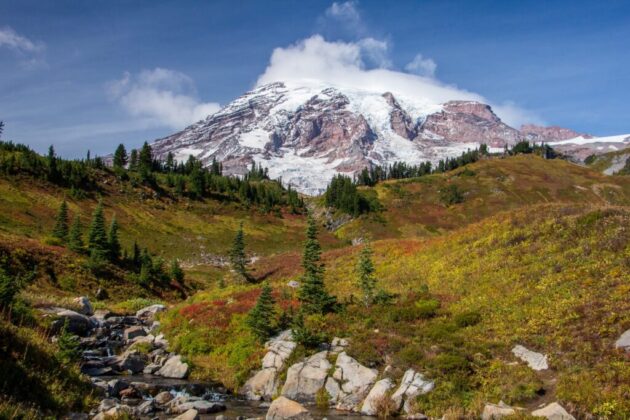
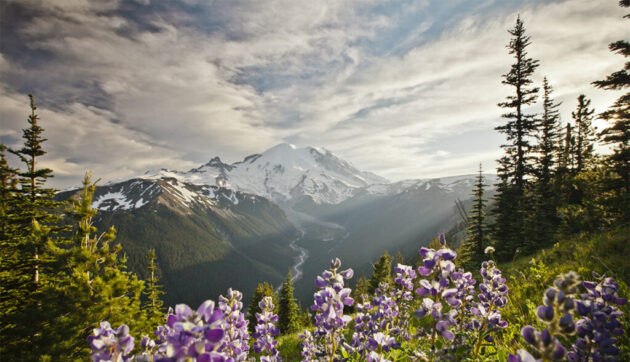
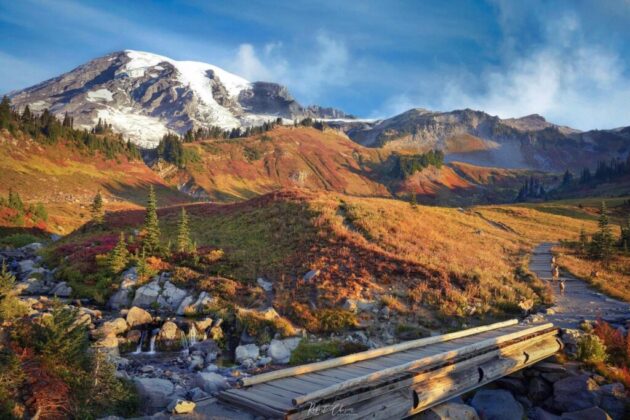
Mount Rainier National Park, located in west-central Washington, is a breathtaking destination centered around the iconic Mount Rainier, a 14,410-foot active stratovolcano, the tallest peak in the Cascade Range and the most glaciated in the contiguous United States.
Established in 1899 as America’s fifth national park, it spans 236,000 acres of rugged peaks, wildflower meadows, ancient forests, and glacier-fed rivers. Whether you’re a hiker, photographer, or nature lover, this guide will help you plan an unforgettable visit to this Pacific Northwest gem.
Why Visit Mount Rainier National Park?
Mount Rainier, known as Tahoma to Indigenous tribes like the Puyallup, is a towering landmark visible from Seattle, Portland, and even Vancouver, Canada on clear days. Its 26 named glaciers, including the massive Emmons Glacier, feed five major rivers, creating a dramatic landscape of waterfalls, alpine lakes, and lush forests.
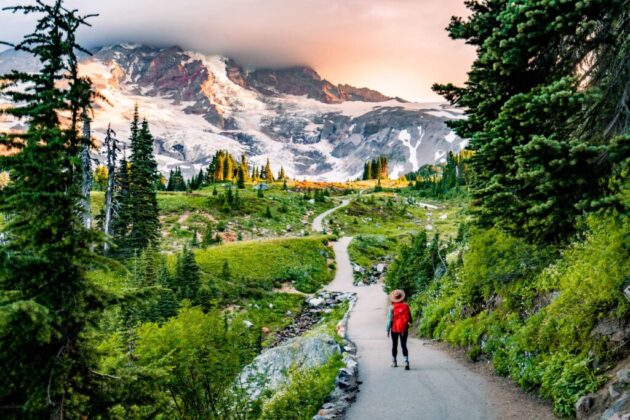
The park’s diverse ecosystems—home to black bears, mountain goats, and marmots—offer endless exploration opportunities. From the vibrant wildflower meadows of Paradise to the serene trails of Carbon River, Mount Rainier is a haven for outdoor enthusiasts and those seeking awe-inspiring views.
How to Get There
By Car:
From Seattle (95 miles, ~2 hours): Take I-5 south to SR 512 (Exit 127), then SR 7 south to SR 706 in Elbe, leading to the Nisqually Entrance (southwest, open year-round).
From Portland (120 miles, ~2.5 hours): Take I-5 north to SR 512, then follow SR 7 and SR 706 to the Nisqually Entrance.
From Yakima (~90 miles): Take US-12 west to SR 123 or SR 410 to the Stevens Canyon or White River Entrances (closed in winter).
Note: Public transportation is limited. The closest city accessible by bus from Seattle is Enumclaw, 32 km from the White River Entrance. Renting a car is recommended for flexibility.
By Tour: Guided day tours from Seattle or Tacoma are available, often including transportation and stops at key sites like Paradise and Narada Falls. Book via operators like Viator or Intrepid Travel.
Park Entrances:
Nisqually (Southwest): Most popular, open year-round, leads to Longmire and Paradise.
Stevens Canyon (Southeast): Access to Ohanapecosh, closed in winter.
White River/Sunrise (Northeast): Leads to Sunrise, the highest point accessible by car (6,400 ft), closed in winter.
Carbon River/Mowich Lake (Northwest): Remote, with limited vehicle access; pedestrian and bike access only beyond the ranger station in summer.
Tip: Fill up your gas tank before entering, as there are no gas stations in the park. Check road conditions on the National Park Service website, as closures are common in winter.
Best Time to Visit
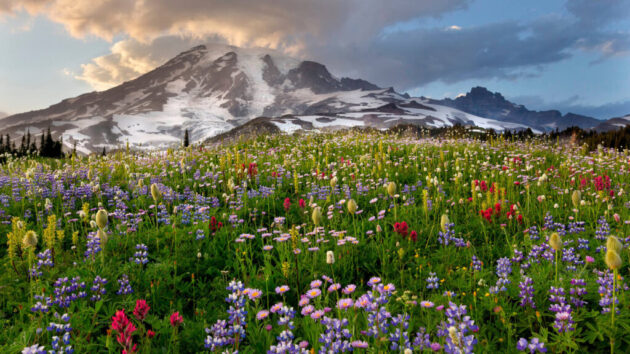
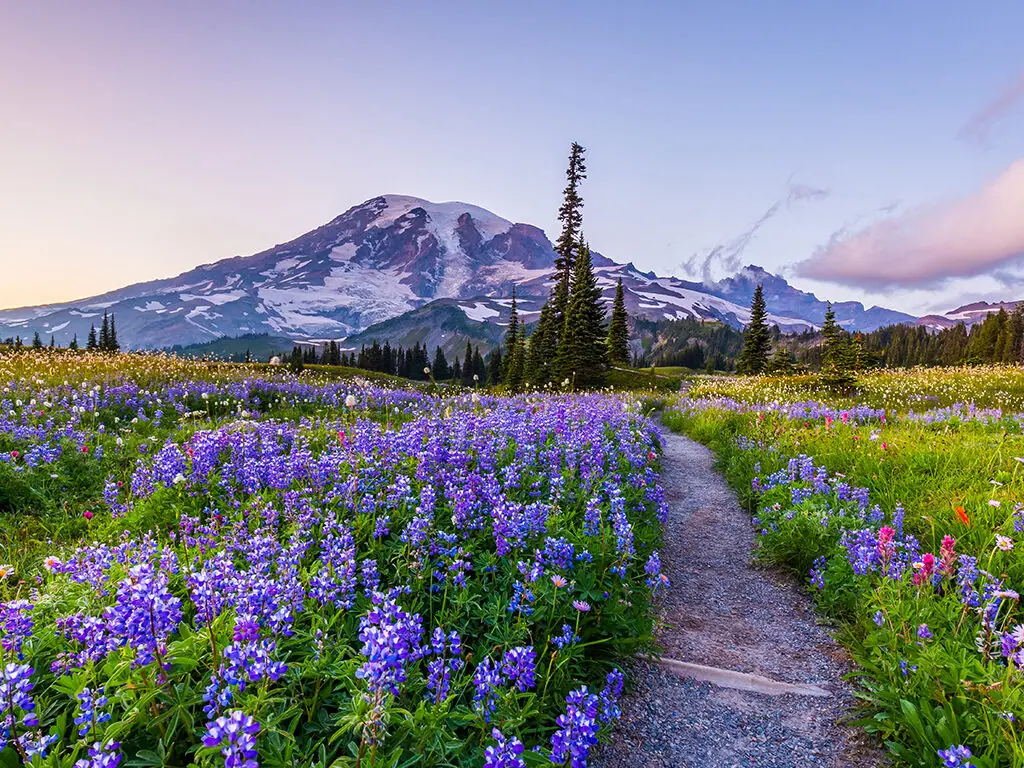
Summer (July–August): Ideal for hiking, with wildflowers blooming in Paradise and Sunrise. Expect warm weather (60–80°F) but crowded trails and parking. Visit mid-week or before 10:00 AM/after 2:30 PM to avoid congestion.
Spring (April–June): Snow lingers at higher elevations, limiting access, but lower trails like Carbon River are open. Wildflowers start blooming in late spring.
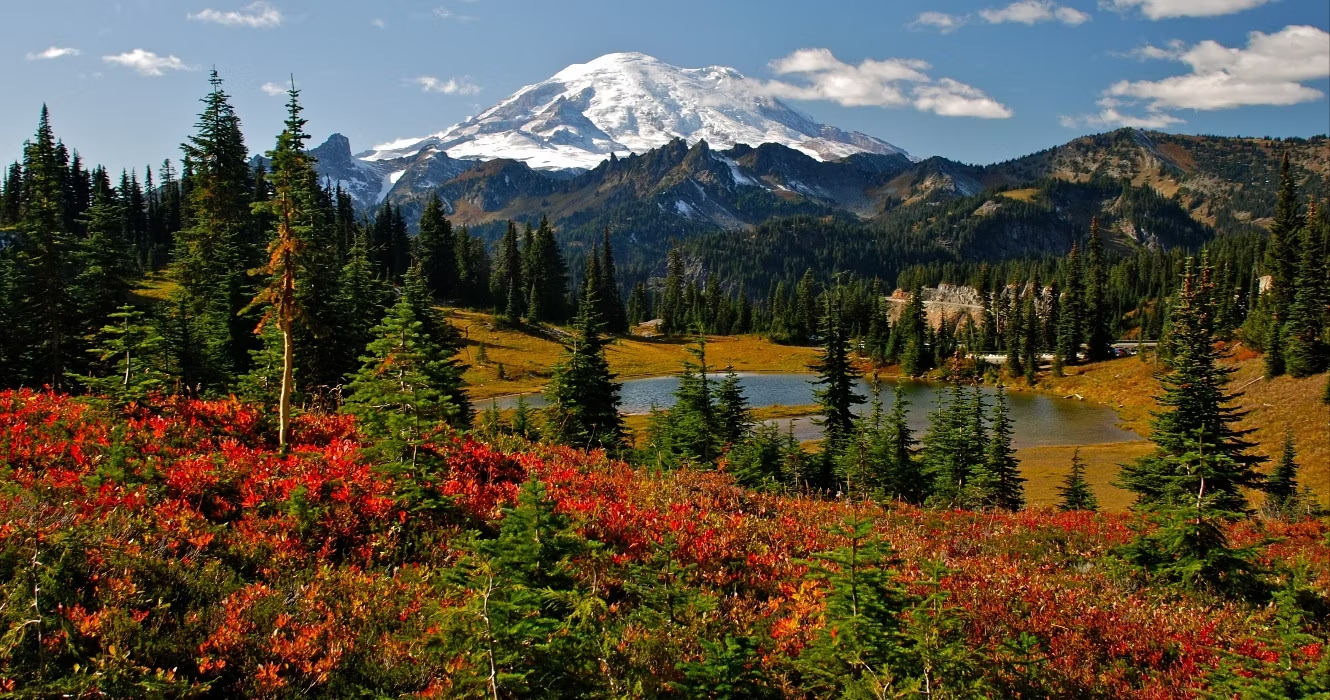
Autumn (September–October): Fewer crowds, vibrant fall colors, and clear views of Mount Rainier. Check for early snow at higher elevations.
Winter (November–March): Paradise transforms into a snowy wonderland, perfect for snowshoeing and skiing. Many roads (e.g., Sunrise, Stevens Canyon) are closed, but Nisqually to Longmire remains open.
Weather Tip: Weather changes rapidly. Pack layers, a raincoat, and snow gear in winter. Check webcams and forecasts on the NPS website before your trip.
Tickets and Fees
Entrance Fee: $30 per vehicle (valid for 7 days), $15 for hikers/bikers, or $55 for an annual Mount Rainier pass. The America the Beautiful Pass ($80) covers all U.S. national parks for a year. Free Entry Days: Offered on select dates, e.g., Martin Luther King Jr. Day, National Park Week’s first day, and National Public Lands Day.
Timed Entry: Required for the Sunrise Corridor (7:00 AM–3:00 PM). Book via Recreation.gov. Climbing Permits: Required for ascents above 10,000 feet or on glaciers ($26). Apply on Recreation.gov and collect in-person at ranger stations. Payment: As of May 2023, the park is cashless; use credit/debit cards or prepay passes online.
What to See and Do
The park has five main areas, each offering unique experiences:
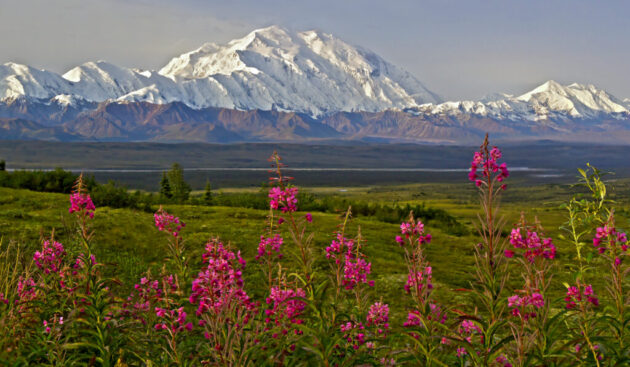
Paradise (South): Famous for wildflower meadows (peak bloom: July–August) and stunning views of Mount Rainier. Skyline Trail Loop (5.5 miles, moderate): A must-do hike with glacier views, waterfalls (Myrtle Falls), and Panorama Point. Start at the Henry M. Jackson Visitor Center. Narada Falls: A short walk from the road, this 188-foot waterfall is framed by a picturesque bridge. Paradise Inn: Historic lodging and dining, open May–October. Activities: Ranger-led snowshoe walks in winter, wildflower photography in summer.
Sunrise (Northeast): At 6,400 feet, the highest point accessible by car, offering close-up views of the Emmons Glacier. Mount Fremont Lookout Trail (5.6 miles, moderate): Leads to a historic fire lookout with panoramic views of Rainier and the Cascades. Tipsoo Lake: A scenic subalpine lake surrounded by meadows, perfect for photography. Sunrise Visitor Center: Offers exhibits, a snack bar, and ranger talks (summer only).
Longmire (Southwest): Historic district with the Longmire Museum and National Park Inn (open year-round). Trail of the Shadows (0.7 miles, easy): A family-friendly loop with a historic cabin and beaver pond. Carter Falls (2.2 miles, moderate): A scenic segment of the Wonderland Trail.
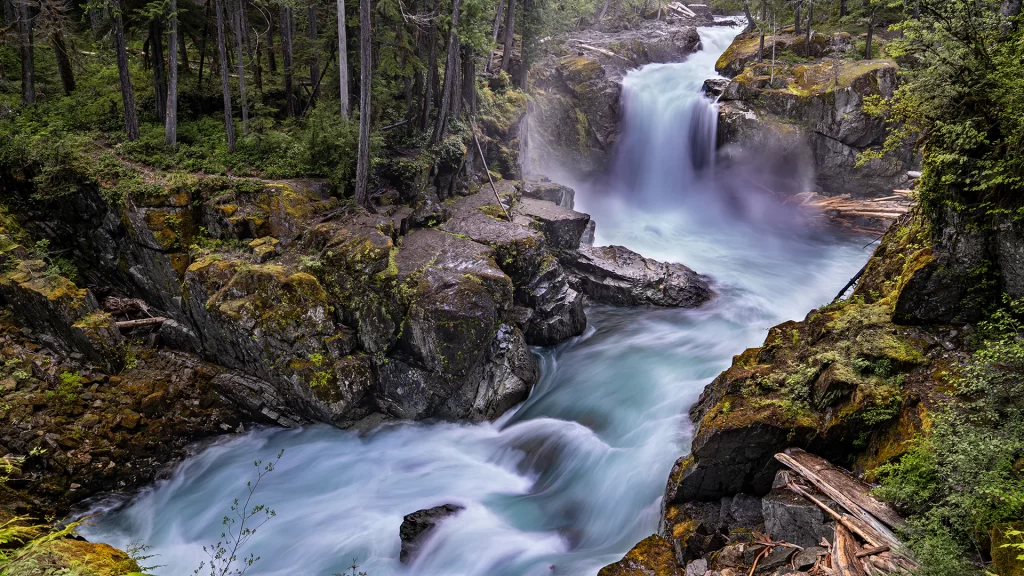
Ohanapecosh (Southeast): Known for old-growth forests and the clear Ohanapecosh River. Silver Falls Loop (2.8 miles, easy): A fairytale-like waterfall trail, accessible from SR 123. Grove of the Patriarchs (1.5 miles, easy): A trail through 1,000-year-old trees (note: closed as of 2023 due to bridge damage).
Carbon River & Mowich Lake (Northwest): A remote area with temperate rainforest and the park’s largest lake. Carbon Glacier (17 miles round-trip, strenuous): The lowest-elevation glacier in the lower 48 states. Mowich Lake: Ideal for canoeing or kayaking (bring your own equipment). Vehicle access is limited; bikes/pedestrians only beyond the ranger station.
Other Activities: Hiking: Over 240 miles of trails, including the 93-mile Wonderland Trail for experienced backpackers (10–14 days, permit required). Climbing: Thousands summit Mount Rainier annually, but it requires glacier experience and permits. Wildlife Viewing: Spot black bears, elk, marmots, and mountain goats from a safe distance. Scenic Drives: The Chinook Scenic Byway offers views of Rainier and other volcanoes.
Where to Eat
Inside the Park: National Park Inn (Longmire): Open year-round, serving Pacific Northwest dishes like bison stew and cedar plank trout. Paradise Inn Dining Room (May–October): Offers breakfast, lunch, dinner, and brunch with views of Rainier. Tatoosh Café provides coffee and snacks. Sunrise Visitor Center: Snack bar and picnic area (summer only). Longmire General Store: Stocks basic groceries and camping supplies.
Tip: Pack a picnic for flexibility, as dining options are limited. Picnic areas are available at Kautz Creek, Longmire, and Sunrise.
Nearby: Ashford/Eatonville: Try Mill Haus Cider Company for craft cider or Carlson Block in Wilkeson for wood-fired pizza. Packwood: Offers casual dining near the Stevens Canyon Entrance.
Where to Stay
Inside the Park: National Park Inn (Longmire): Open year-round, cozy with mountain views (~$150–250/night). Paradise Inn (Paradise): Historic lodge, open May–October (~$200–350/night). Book early. Camping: Campgrounds like Cougar Rock (Paradise) and White River are popular ($20–26/night, reservations recommended). Ohanapecosh Campground is closed in 2025 due to construction.
Nearby: Ashford: Close to Nisqually Entrance, with cabins like Glacier Run or Heartwood Cabin (~$100–200/night). Packwood: Budget-friendly motels and campgrounds near Stevens Canyon (~$80–150/night). Enumclaw: Convenient for Sunrise, with hotels and vacation rentals (~$100–200/night).
Booking Tip: Reserve lodging and campsites 6–12 months in advance via Recreation.gov or park websites, especially for summer.
Tips for a Great Visit
Arrive Early: Parking is limited, especially at Paradise and Sunrise. Aim for 7:00 AM to secure a spot. Pack Essentials: Bring water, sunscreen, sturdy hiking boots, and layers. Cell service is spotty, so download maps offline.
Stay on Trails: Protect fragile wildflower meadows by sticking to designated paths. Take the Mount Rainier Pledge to preserve the ecosystem. Check Conditions: Monitor trail/road closures (e.g., Mowich Lake Road, SR 123 construction in 2025) on the NPS website.
Combine Your Trip: Visit nearby Olympic or North Cascades National Parks for a multi-park adventure. Safety: Mount Rainier is an active volcano with a high eruption risk. Be prepared for rapid weather changes and carry a first-aid kit.
Final Thoughts
Mount Rainier National Park is a majestic destination that captivates with its towering volcano, vibrant meadows, and thundering waterfalls. Whether you’re hiking the Skyline Trail, marveling at Narada Falls, or soaking in the serenity of Tipsoo Lake, the park offers a lifetime of discovery. Plan ahead, embrace the unpredictable weather, and let “The Mountain” leave you in awe of its natural splendor.
Happy travels!