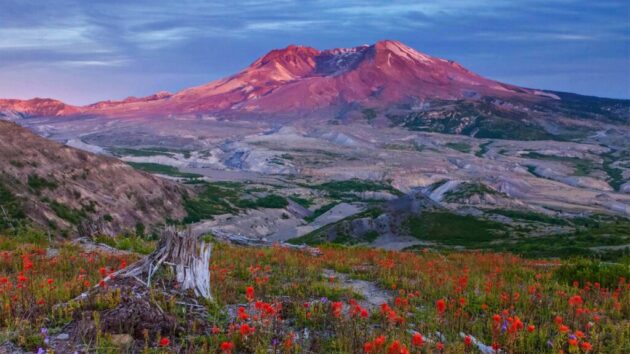
A Travel Guide to Mount St. Helens National Volcanic Monument
Located in southwest Washington State, the Mount St. Helens National Volcanic Monument is a captivating destination that showcases the raw power of nature and the remarkable recovery of an ecosystem devastated by the 1980 eruption. Spanning 110,000 acres within the Gifford Pinchot National Forest, this monument offers visitors a unique blend of geological wonders, scenic vistas, and educational opportunities. Whether you’re a hiker, a geology enthusiast, or simply curious about one of the most significant volcanic events in U.S. history, this guide will help you plan an unforgettable visit.
Why Visit Mount St. Helens National Volcanic Monument?
Mount St. Helens is famous for its cataclysmic eruption on May 18, 1980, which was the deadliest and most destructive volcanic event in U.S. history. The eruption reshaped the landscape, flattening forests, creating a massive crater, and leaving a legacy of scientific study and natural recovery. The monument, established in 1982, preserves this area for research, recreation, and education, allowing visitors to witness the stark beauty of the blast zone, the regrowth of flora and fauna, and the still-active volcano. With hiking trails, visitor centers, and unique geological features like lava tubes, it’s a destination that appeals to adventurers and learners alike.
Note: Due to a landslide in May 2023, the Johnston Ridge Observatory and parts of State Route 504 are closed until 2027. This guide focuses on accessible areas and alternative viewpoints.
How to Get There
Mount St. Helens National Volcanic Monument is located approximately 98 miles south of Seattle, WA, and 52 miles northeast of Portland, OR, making it an accessible day trip from either city. The monument can be approached from multiple directions, with the west and east sides being the most popular entry points.
From Seattle (2.5–3 hours): Drive south on I-5 to Exit 49 (Castle Rock, WA). Take State Route 504 (Spirit Lake Memorial Highway) east toward the west side of the monument, leading to the Mount St. Helens Visitor Center at Silver Lake (30 miles from the volcano). Note that SR 504 is closed beyond milepost 45 due to the landslide, limiting access to Johnston Ridge. For the east side, take I-5 south to Exit 68, then follow US-12 east to Randle, and take Forest Service Road 99 to Windy Ridge (a longer route, ~3.5 hours).
From Portland (1.5–2 hours): Drive north on I-5 to Exit 49, then follow SR 504 for the west side. For the south side, take I-5 to Exit 21 (Woodland, WA), then follow SR 503 to access areas like Ape Cave. For the east side, take I-5 north to Exit 68, then US-12 east to Randle and Forest Service Road 99 to Windy Ridge.
Public Transport: Public transit options are limited. The closest bus services (e.g., Greyhound) stop in Kelso or Longview, WA, requiring a taxi or ride-hailing service (like Uber) to reach the monument.
By Car: Renting a car is recommended for flexibility. The west side (via SR 504) and south side (via SR 503) have paved roads, while the east side (Forest Service Road 99) includes gravel sections. Check road conditions, especially in winter, as snow can close routes.
Tip: The west side (Mount St. Helens Visitor Center) is the easiest to access, while the east side (Windy Ridge) offers closer volcano views but requires a longer drive.
Best Time to Visit
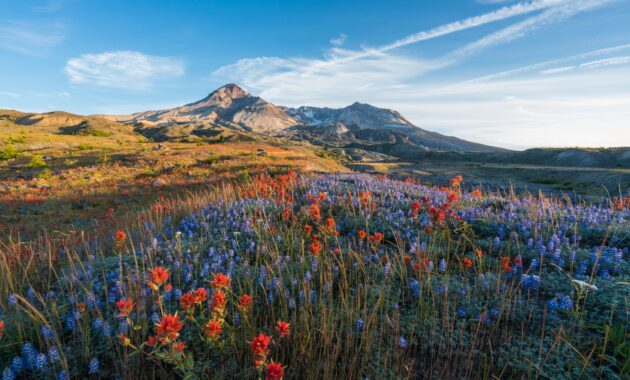
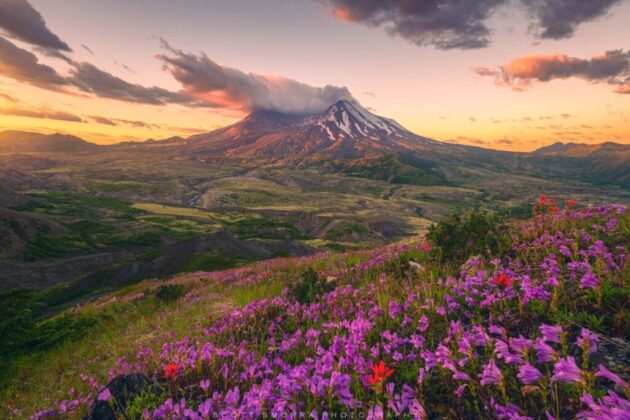
Summer (June–September): The most popular time, with clear roads, open visitor centers, and accessible trails. Wildflowers bloom in the blast zone, and temperatures are mild (60–80°F). Spring (April–May): Snow may linger on higher trails, but lower areas are accessible, and crowds are smaller. Ideal for early-season hiking.
Fall (October–November): Vibrant foliage and fewer visitors make this a scenic time, though some roads may close due to early snow. Winter (December–March): Snow sports like snowshoeing and cross-country skiing are popular, but many roads (e.g., Forest Service Road 99 to Windy Ridge) are closed. A Washington Sno-Park Permit is required for winter activities.
Weather Tip: The monument receives heavy rainfall (140 inches annually) and snow at higher elevations. Check weather forecasts and road conditions via the U.S. Forest Service website or Washington State Department of Transportation.
Tickets and Permits
Entrance Fees: Mount St. Helens Visitor Center at Silver Lake: $5 (adults), $2.50 (ages 7–17), free (ages 6 and under), $15 (family pass). Forest Learning Center: Free, open May–October. Coldwater Science and Learning Center: Fees vary; check with the Mount St. Helens Institute. An America the Beautiful Pass ($80 annually) covers entry to all visitor centers and national forests/monuments.
Climbing Permits: Required for hiking above 4,800 feet, including the summit (Monitor Ridge or Ptarmigan Trail). Permits cost $15 per person, with a limit of 100 climbers per day in summer. Book via the Mount St. Helens Institute website.
Note: Due to the 2023 landslide, access to Johnston Ridge Observatory is closed until 2027. The Coldwater Science and Learning Center serves as a temporary alternative.
What to See and Do
The monument offers diverse activities, from educational exhibits to challenging hikes. Here are the highlights, adjusted for current closures:
Visitor Centers: Mount St. Helens Visitor Center at Silver Lake (Milepost 5, SR 504): Operated by Washington State Parks, this newly renovated center (reopened June 2025) features exhibits on the 1980 eruption, local ecology, and Cowlitz Indian Tribe history. Includes a theater, gift shop, and the half-mile Wetland Haven Trail. Open daily 10 AM–5 PM (summer), 10 AM–4 PM (winter).
Forest Learning Center (Milepost 33, SR 504): Run by Weyerhaeuser, this free center (open May–October, 10 AM–4 PM) offers interactive displays, an “Eruption Chamber,” and views of elk grazing on the mudflow plain. Great for families with a playground.
Coldwater Science and Learning Center (Milepost 43, SR 504): A temporary hub due to Johnston Ridge’s closure, offering exhibits, educational programs, and the accessible Winds of Change Trail #232. Ideal for school groups and self-guided tours.
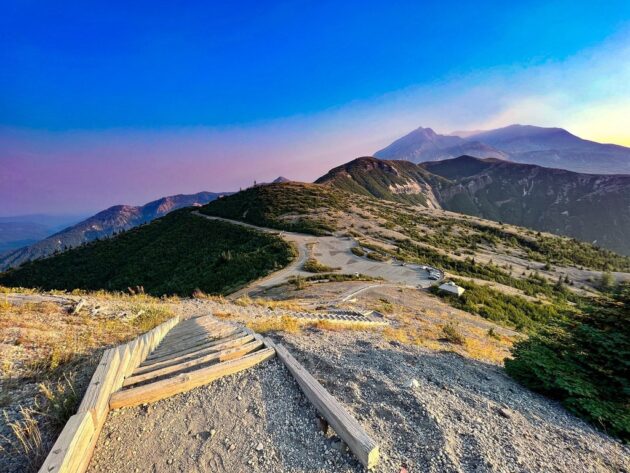
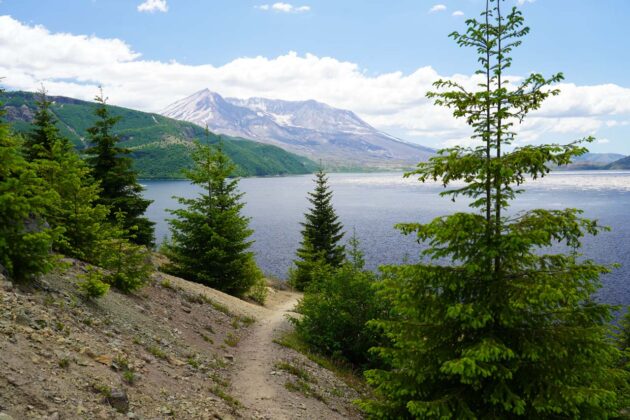
Windy Ridge Interpretive Site (East Side, Forest Service Road 99): Accessible via Randle, this viewpoint offers stunning close-up views of the crater, Spirit Lake, and the blast zone. Climb the 368-step sand ladder for panoramic vistas. Open summer–fall, weather permitting.
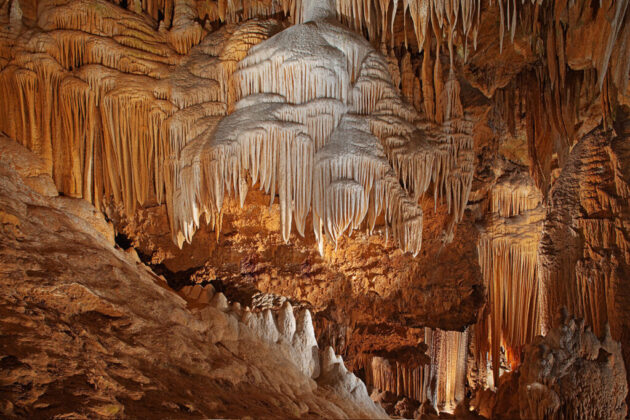
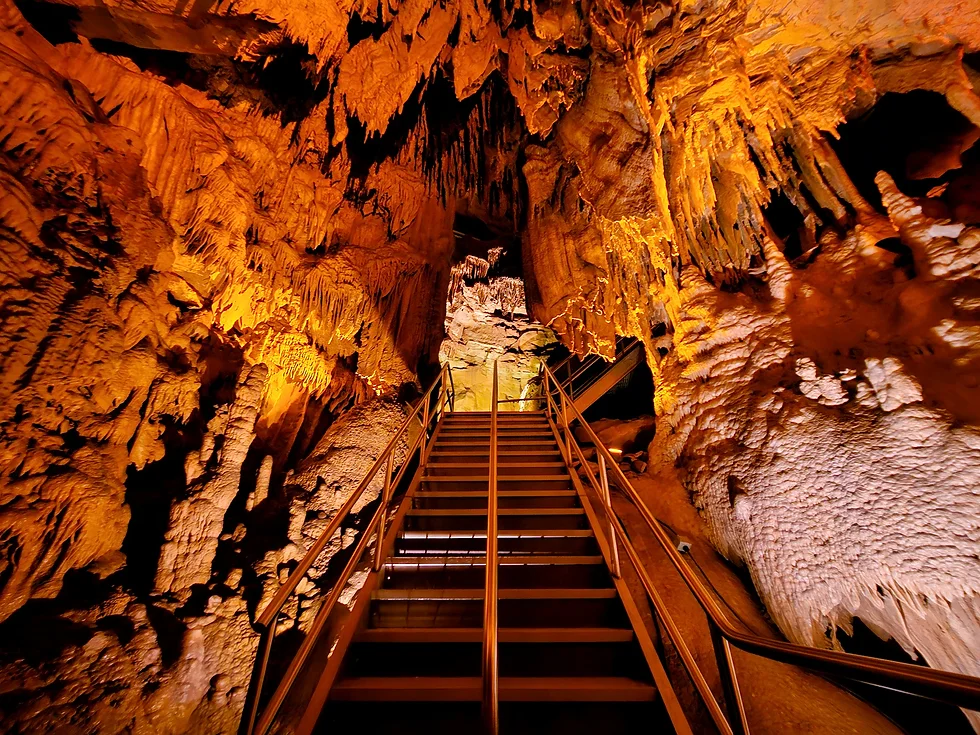
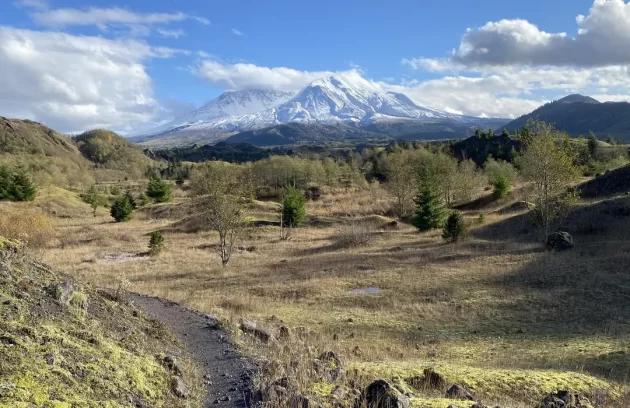
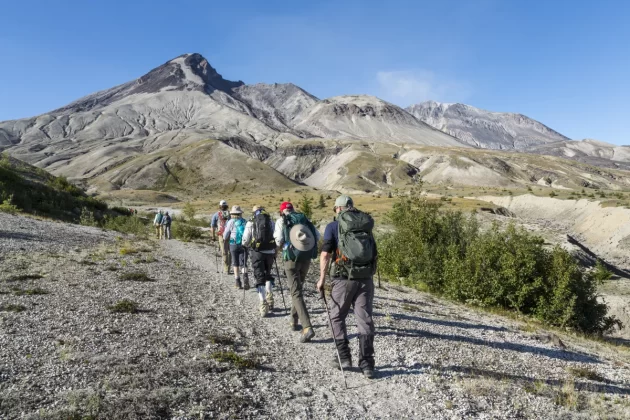
Hiking Trails: Hummocks Trail (West Side, 2.3 miles, easy): A family-friendly loop near Coldwater Lake, showcasing volcanic debris and regrowing vegetation. Ape Cave (South Side, 2.8 miles round-trip, moderate): Explore North America’s third-longest lava tube (2.5 miles), formed 1,900 years ago. Bring a lantern (rentable at Ape’s Headquarters, late June–Labor Day) and warm clothing (42°F inside).
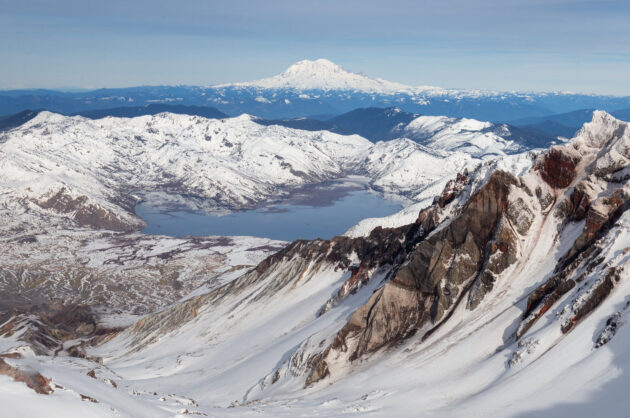
Mount St. Helens Summit via Ptarmigan Trail (West Side, 8.2 miles, strenuous): A challenging climb with 4,583 feet elevation gain to the crater rim (8,365 feet). Offers breathtaking views of the lava dome and Cascade peaks. Permit required. Best in summer/early fall. Harmony Trail (East Side, 2 miles round-trip, moderate): A 600-foot descent to Spirit Lake’s shore, offering a stark view of the eruption’s impact. Loowit Trail (East Side, 28 miles, multi-day): A rugged backpacking loop circling the volcano, ideal for experienced hikers. Allow 3 days.
Other Activities: Climbing: The Monitor Ridge Route (summer) or Worm Flows Route (winter) are popular for summit climbs. Guided trips are available via the Mount St. Helens Institute. Mountain Biking: The Ape Canyon to Plains of Abraham trail (21 miles, 2,700 feet elevation gain) is a scenic singletrack ride through forests and blast zones. Fishing and Boating: Coldwater Lake offers non-motorized boating and fishing (check local regulations). Winter Sports: Snowshoeing and cross-country skiing are available at Marble Mountain Sno-Park (south side) with a Sno-Park Permit.
Where to Eat
On-Site: Food options within the monument are limited. The Mount St. Helens Visitor Center and Forest Learning Center have small snack bars with drinks and light fare (e.g., sandwiches, $5–10). Pack a picnic for more flexibility.
Nearby: Castle Rock (30 miles west): Options include Papa Pete’s Pizza (casual, $10–20) and C & L Burger Bar (burgers, $8–15). Cougar, WA (11 miles south): Cougar Bar & Grill offers hearty American fare ($10–20).
Tip: Stock up on groceries in Kelso or Longview before heading to the monument.
Where to Stay
Camping: Seaquest State Park (near Silver Lake): Offers campsites ($20–35/night), yurts, and group sites. Connected to the Mount St. Helens Visitor Center via a pedestrian tunnel. Book via Washington State Parks. Climbers’ Bivouac (South Side): Dispersed camping with pit toilets, no running water. Ideal for summit climbers. Bring your own supplies. Eco Park Resort (Cougar, WA): RV and tent sites near the south side ($25–50/night).
Hotels: Castle Rock: Budget options like Timberland Inn & Suites ($80–120/night) or 7 West Motel ($60–90/night). Kelso/Longview (40 miles west): Comfort Inn & Suites ($100–150/night) or Red Lion Hotel ($120–180/night). Vancouver, WA (50 miles southwest): Hilton Vancouver (luxury, $150–250/night) or Holiday Inn Express ($100–160/night).
Booking Tip: Reserve accommodations early, especially in summer, via Booking.com or directly through campground websites.
Tips for a Great Visit
Check Road Closures: The 2023 landslide closed SR 504 beyond milepost 45, including Johnston Ridge Observatory (until 2027). Use Forest Service Road 99 for east-side access. Dress in Layers: Weather can change rapidly, with temperatures dropping at higher elevations. Bring waterproof gear and sturdy hiking boots.
Leave No Trace: Pack out all waste, especially on climbs (blue bags required for human/pet waste above 4,800 feet). Photography: The blast zone and crater are best captured from Windy Ridge or the Ptarmigan Trail. Standard cameras work well in daylight, but tripods may require permits for professional shoots.
Safety: Mount St. Helens is an active volcano monitored by the USGS. Stay on designated trails, as some areas are unstable. Check air quality during wildfire season. Combine Your Trip: Pair your visit with nearby attractions like Mount Rainier National Park (50 miles north) or the Columbia River Gorge (60 miles south).
Final Thoughts
Mount St. Helens National Volcanic Monument is a testament to nature’s destructive power and its remarkable ability to heal. From the otherworldly landscapes of the blast zone to the lush regrowth of forests, the monument offers a profound experience for visitors. Despite the temporary closure of Johnston Ridge, alternative viewpoints like Windy Ridge and activities like hiking Ape Cave or summiting the volcano ensure there’s plenty to explore. Plan ahead, respect the fragile ecosystem, and prepare to be awed by this living laboratory of volcanic history.
Happy travels!