Olympic National Park Travel Guide (2026)
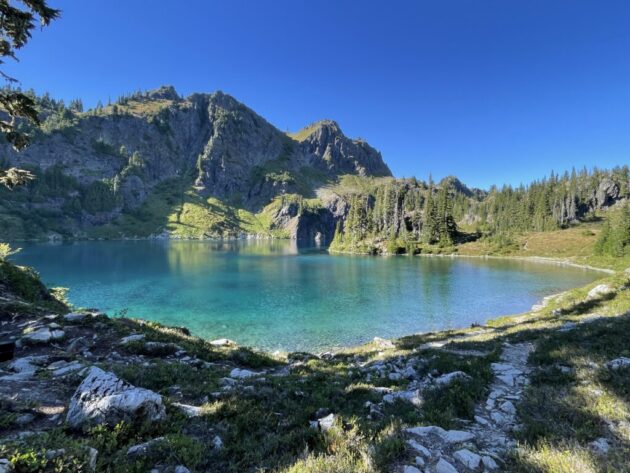
Olympic National Park, located on the Olympic Peninsula in northwestern Washington State, is a UNESCO World Heritage Site and one of the most diverse national parks in the United States. Spanning nearly one million acres, it encompasses rugged Pacific coastlines, lush temperate rainforests, glacier-capped mountains, and serene alpine meadows.
Why Visit Olympic National Park?
Olympic National Park is a treasure trove of natural beauty and biodiversity. Its four distinct regions—Pacific coastline, temperate rainforests, alpine areas, and drier eastern forests—offer a variety of experiences within a single park. Highlights include the enchanting Hoh Rain Forest, one of the finest examples of temperate rainforest in the U.S., the dramatic vistas of Hurricane Ridge, and the wild, driftwood-strewn shores of Rialto Beach.
Designated as a World Heritage Site in 1981 and an International Biosphere Reserve, 95% of the park is protected wilderness, making it ideal for outdoor adventures and serene escapes. The park’s minimal light pollution also makes it a stargazing haven, while its “One Square Inch of Silence” in the Hoh Rain Forest is celebrated as one of the quietest places in the country.
How to Get There
Olympic National Park is vast, with no roads crossing its interior, so planning your route is essential. The park is accessible via U.S. Highway 101, which loops around the Olympic Peninsula, connecting key entry points.
By Air: The nearest major airport is Seattle-Tacoma International Airport (SEA), about 2.5–3 hours’ drive from the park. Rent a car at SEA for flexibility, as public transport options are limited. Alternatively, fly into Victoria International Airport (YYJ) in Canada and take the Black Ball Ferry Line from Victoria to Port Angeles (90 minutes, ~$20–$70 depending on vehicle).
By Ferry: From Seattle, take a Washington State Ferry to Bainbridge Island or Bremerton, then drive to the park via Highway 101. The ferry ride (35–60 minutes) offers scenic views and potential whale sightings, with fares around $9–$20 for passengers and $40–$60 for vehicles.
By Car: From Seattle, drive south on I-5 and connect to Highway 101 (3–4 hours to Port Angeles or Forks). Key entry points include Port Angeles (Hurricane Ridge), Forks (Hoh Rain Forest), and Kalaloch (coastal beaches). A car is essential due to the park’s size and limited public transport.
By Bus: Limited bus services (e.g., Clallam Transit or Jefferson Transit) connect Port Angeles, Forks, and other towns but don’t enter the park’s interior. Expect longer travel times and plan transfers carefully.
Tip: Use the park’s mileage chart to estimate driving times between destinations, as travel between regions (e.g., Hoh Rain Forest to Hurricane Ridge) can take 2–3 hours.
Best Time to Visit
The park is open year-round, but the best time to visit depends on your interests and weather preferences:
Summer (June–September): The driest and busiest season, with average highs of 60–75°F and only 9 rainy days in July. Most trails, campgrounds, and facilities (e.g., ranger-led hikes) are open. Ideal for hiking, stargazing, and beach exploration, but book accommodations early. Spring (April–May): Mild weather (50–65°F) and blooming wildflowers make this a great time for quieter visits. Some high-elevation trails may still have snow.
Fall (October–November): Vibrant foliage and fewer crowds, though rain increases (up to 140–170 inches annually in the Hoh Rain Forest). Winter (December–March): Snow activities at Hurricane Ridge, including skiing and snowshoeing, are popular. Lowland areas remain accessible, but expect frequent rain and potential road closures.
Note: The Hoh Rain Forest gets 12–14 feet of rain annually, so pack waterproof gear regardless of season. Check webcams and weather updates for current conditions, especially for Hurricane Ridge, which may close due to snow.
Tickets and Fees
Entrance Fee: $30 per vehicle, $15 per individual (on foot or bike), valid for 7 days. An Olympic Annual Pass ($55) or America the Beautiful Pass ($80) covers all U.S. national parks for a year. Buy passes at park entrances to ensure more funds go directly to Olympic. Free Entry Days: Fee-free days include Martin Luther King Jr. Day (January 20) and other select dates. Check nps.gov/olym for updates.
Camping/Wilderness Permits: Reservations are required for popular campgrounds (e.g., Hoh, Kalaloch, Mora) and certain backcountry areas. Wilderness permits ($8/person/night) are needed for overnight backpacking. Book via recreation.gov.
Accessibility: The Interagency Access Pass offers free or discounted entry for U.S. citizens or residents with permanent disabilities. Visitor centers at Port Angeles, Hoh Rain Forest, and Hurricane Ridge are wheelchair-accessible.
What to See and Do
Olympic National Park’s diverse ecosystems offer endless activities. Here are the highlights by region:
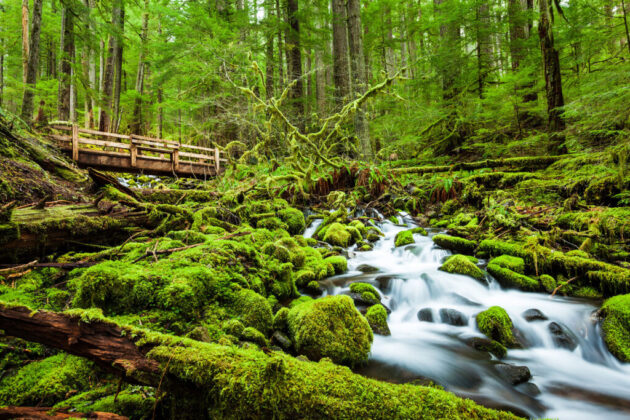
Hoh Rain Forest: Why Visit: One of the wettest places in the U.S., with 140–170 inches of rain annually, this lush temperate rainforest feels like a fairy-tale forest, with moss-draped trees and ferns. It’s home to the “One Square Inch of Silence,” the quietest spot in the U.S.
Top Trails: Hall of Mosses Trail (0.8 miles, easy): A short loop through old-growth trees covered in moss, perfect for families. Spruce Nature Trail (1.2 miles, easy): A scenic loop with river views and interpretive signs. Hoh River Trail (up to 17.3 miles, strenuous): Leads to Glacier Meadows near Mount Olympus, ideal for experienced hikers with a wilderness permit.
Tips: Start at the Hoh Rain Forest Visitor Center for ranger advice. The Upper Hoh Road was recently restored, ensuring access.
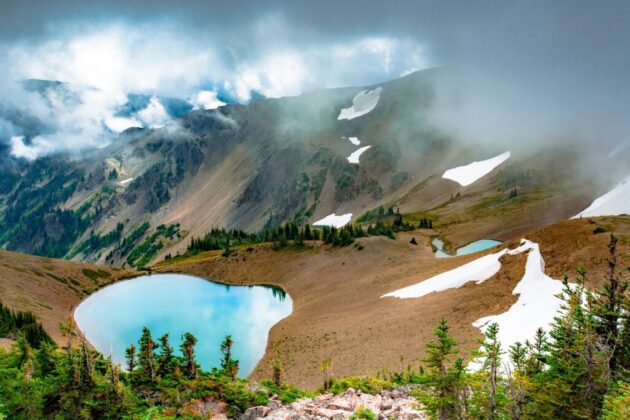
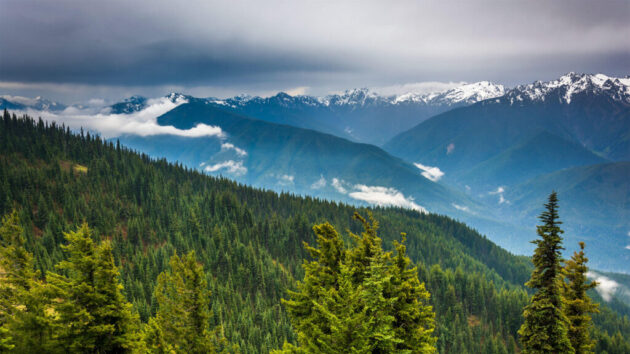
Hurricane Ridge: Why Visit: At 5,242 feet, this alpine area offers panoramic views of the Olympic Mountains and Strait of Juan de Fuca. It’s a stargazing hotspot and a winter sports destination.
Activities: Hiking: Try the Big Meadow Loop (0.25 miles, easy) for quick views or the Klahhane Ridge Trail (8 miles, strenuous) for a challenging trek. Stargazing: Join free summer astronomy programs at Hurricane Ridge with Olympic Telescope. Winter Sports: Ski or snowshoe when snow blankets the ridge (December–March). Check road conditions, as closures are common.
Note: The Hurricane Ridge Visitor Center burned down on May 7, 2023. A Visitor Contact Station with information window is staffed in summer. Restrooms, water, information and maps are available. Guided walks and talks are offered during the summer.
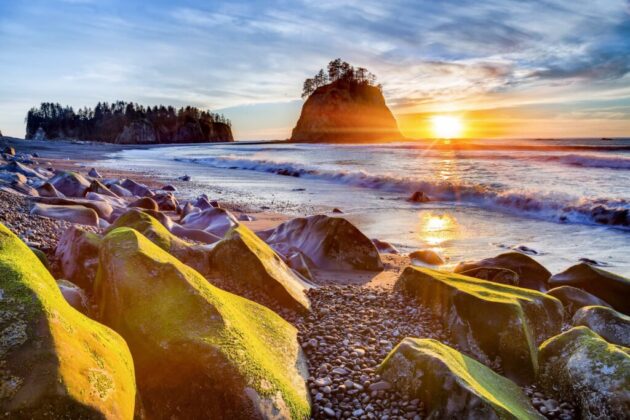
Pacific Coastline: Why Visit: The park’s 73-mile wilderness coast features dramatic sea stacks, tidepools, and driftwood-strewn beaches. It’s part of the Olympic Coast National Marine Sanctuary.
Top Spots: Rialto Beach: Known for sea stacks and the “Hole in the Wall” rock formation. A 3.3-mile round-trip hike is perfect for sunset views. Ruby Beach: Famous for its rose-colored sand and scenic sea stacks. Ideal for photography. Kalaloch Beach: Home to the iconic “Tree of Life,” a Sitka spruce defying erosion. Visit Beach 4 for tidepool exploration (check tide charts).
Tips: Follow tidepool etiquette and stay 150 feet from wildlife (e.g., seals, sea lions). Be cautious of powerful waves, as the coast has seen fatalities.
Lake Crescent: Why Visit: A glacially carved lake with crystal-clear waters, surrounded by lush forests and trails.
Activities: Hiking: The Marymere Falls Trail (1.8 miles, easy) leads to a 90-foot waterfall. The Mount Storm King Trail (4.1 miles, hard) offers stunning lake views but is steep and requires caution. Water Activities: Kayak or paddleboard on Lake Crescent (rentals at Lake Crescent Lodge, ~$20–$40/hour). Fishing is allowed with permits.
Tip: Stay at the historic Lake Crescent Lodge for a cozy retreat (open May–October).
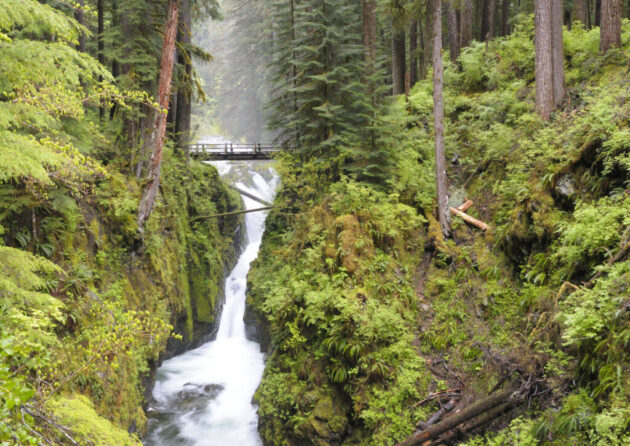
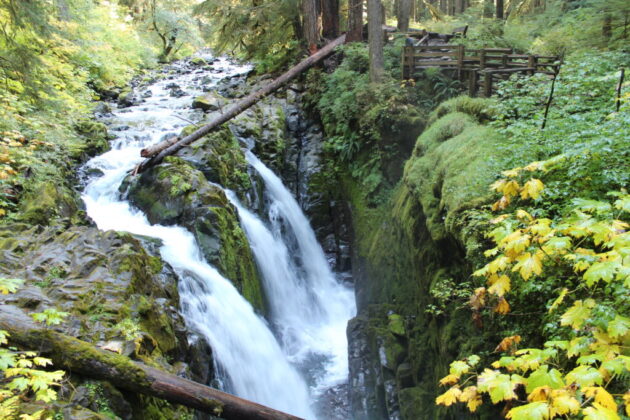
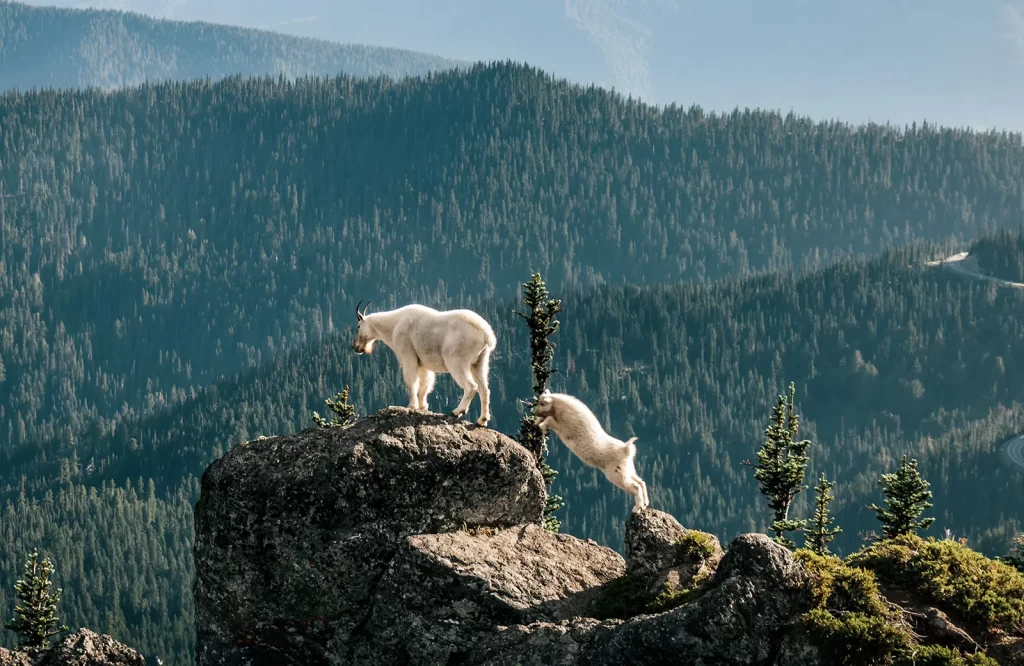
Other Highlights: Sol Duc Falls: A breathtaking waterfall accessible via a 1.6-mile round-trip trail. Soak in nearby Sol Duc Hot Springs ($15–$18 entry). Lake Quinault: Part of the Quinault Rainforest, this lake offers scenic drives, hiking, and the historic Lake Quinault Lodge. Wildlife Watching: Spot Roosevelt elk, black bears, bald eagles, and whales (bring binoculars). Maintain a safe distance (150 ft for bears, 75 ft for other animals).
Where to Stay
Inside the Park: Lodges: Lake Crescent Lodge: Historic, scenic, open May–October (~$150–$300/night). Kalaloch Lodge: Year-round, oceanfront, with cabins and rooms (~$200–$400/night). Sol Duc Hot Springs Resort: Seasonal, with hot spring pools (~$180–$350/night). Campgrounds: Popular sites like Hoh, Kalaloch, Mora, and Fairholme require reservations ($20–$40/night). Heart o’ the Hills has 105 first-come, first-served sites. Spot D29 at Kalaloch is a coveted ocean-view site. Backcountry Camping: Requires a wilderness permit ($8/person/night). Reserve via recreation.gov for popular areas like Seven Lakes Basin.
Nearby: Port Angeles: Gateway to Hurricane Ridge. Stay at Olympic Lodge ($150–$250/night) or budget-friendly Angeles Motel ($80–$120/night). Forks: Close to Hoh Rain Forest and Rialto Beach. Try Quillayute River Resort ($150–$250/night) or glamping at Mossquatch ($225/night). Sequim or La Push: Offer budget motels and unique stays like Quileute Oceanside Resort (~$100–$200/night).
Tip: Book accommodations 6–12 months in advance for summer, as they fill quickly. Spring and fall offer better deals and fewer crowds.
Where to Eat
Inside the Park: Dining is limited. Lake Crescent Lodge and Kalaloch Lodge offer restaurants with local dishes like salmon or clam chowder (~$15–$30). The Hoh Rain Forest Visitor Center has no food services, so pack snacks.
Nearby: Port Angeles: Try Next Door Gastropub for burgers and craft beer ($10–$20) or Bella Italia for Italian cuisine ($15–$30). Forks: Visit Calvin’s Crab House in Neah Bay for fresh seafood (~$15–$25). Sequim: Nourish Sequim offers farm-to-table meals (~$12–$25).
Tip: Bring a cooler with food and water for remote areas, as options are sparse. Picnic spots abound, especially at Rialto Beach or Lake Quinault.
Tips for a Great Visit
Pack for Variable Weather: Bring waterproof jackets, sturdy hiking boots, and layers. The rainforest is wet year-round, and higher elevations can be cold. Follow Leave No Trace: Stay on trails, pack out trash, and respect wildlife to preserve the park’s pristine wilderness.
Check Trail Conditions: Recent washouts (e.g., Upper Hoh Road) and the 2023 Hurricane Ridge fire may affect access. Visit nps.gov/olym for updates. Safety: Be cautious on coastal trails due to strong waves and tides. For hikes like Mount Storm King, check route difficulty and carry a map (e.g., Washington Trails Association guides).
Combine Your Trip: Explore nearby Cape Flattery (northwesternmost point of the contiguous U.S.) or the Olympic Discovery Trail for cycling. Forks is a must for Twilight fans.
Final Thoughts
Olympic National Park is a masterpiece of nature, offering a rare chance to explore rainforests, mountains, and rugged coastlines in one trip. Its untouched wilderness, diverse ecosystems, and serene beauty make it a must-visit for adventurers and tranquility seekers alike. Plan ahead for reservations, pack for rain, and embrace the park’s magic—from mossy trails to starry skies. Whether you’re hiking to waterfalls or watching whales from the coast, Olympic promises memories that will last a lifetime.
Happy travels!