A Travel Guide to West Virginia
Known as the “Mountain State,” West Virginia is a hidden gem in the Appalachian region of the United States, offering rugged natural beauty, rich history, and a wealth of outdoor adventures. From the dramatic landscapes of New River Gorge National Park to charming small towns and vibrant fall foliage, West Virginia is perfect for travelers seeking an authentic, off-the-beaten-path experience. This guide will help you plan an unforgettable trip to this scenic state.
Why Visit West Virginia?
West Virginia is a paradise for outdoor enthusiasts, with over 36 state parks, nine state forests, and the nation’s newest national park, New River Gorge National Park and Preserve. Its rolling hills, dense forests, and rushing rivers provide endless opportunities for hiking, whitewater rafting, and rock climbing. Beyond nature, the state boasts a compelling cultural heritage, with Civil War history, Appalachian traditions, and quirky attractions like the Mothman Museum. Whether you’re chasing waterfalls, exploring historic towns, or savoring local cuisine, West Virginia’s charm lies in its blend of adventure and tranquility.
How to Get There
West Virginia is bordered by Virginia, Kentucky, Ohio, Pennsylvania, and Maryland, making it accessible from major East Coast cities.
By Air: The main airport is Yeager Airport (CRW) in Charleston, the state capital, with connections from hubs like Atlanta, Charlotte, and Washington, D.C. Smaller airports include Tri-State Airport (HTS) in Huntington and North Central West Virginia Airport (CKB) in Clarksburg. From major cities like Washington, D.C., or Pittsburgh, flights take about 1 hour and cost $100–300 round-trip.
By Car: West Virginia is a 3–5-hour drive from cities like Washington, D.C., Baltimore, or Pittsburgh via major highways like I-79, I-77, or I-64. Renting a car is highly recommended, as many attractions are spread across rural areas. Sample drive times: Washington, D.C. to Harpers Ferry (1 hour), Pittsburgh to Morgantown (1.5 hours).
By Bus or Train: Amtrak’s Cardinal train stops in Charleston, Huntington, and White Sulphur Springs, connecting from Chicago or New York City. Tickets range from $30–100. Greyhound and regional buses serve cities like Charleston and Huntington, though schedules are limited.
Tip: A car is essential for exploring West Virginia’s scenic byways and remote parks. Rent one in Charleston or nearby cities for flexibility.
Best Time to Visit
Spring (March–May): Mild weather (50–70°F) and blooming wildflowers make this ideal for hiking and waterfall chasing. The West Virginia Waterfall Trail is a highlight. Summer (June–August): Warm temperatures (70–85°F) are perfect for whitewater rafting and camping, though expect occasional humidity and crowds at popular sites.
Autumn (September–November): West Virginia’s fall foliage is among the best in the U.S., with vibrant reds, oranges, and yellows peaking in mid-October. Ideal for scenic drives and photography. Winter (December–February): Snow transforms the state into a haven for skiing and snowboarding, especially at resorts like Snowshoe Mountain. Temperatures can drop below 30°F.
Tip: For bioluminescent-like experiences, visit during a new moon for stargazing at Watoga State Park, a designated Dark Sky Park. Avoid peak holidays like Labor Day for fewer crowds.
Top Attractions
Harpers Ferry National Historical Park
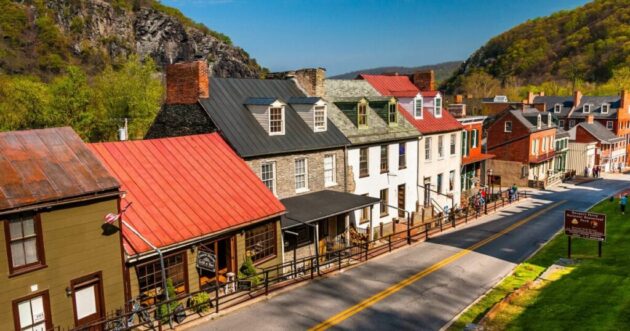
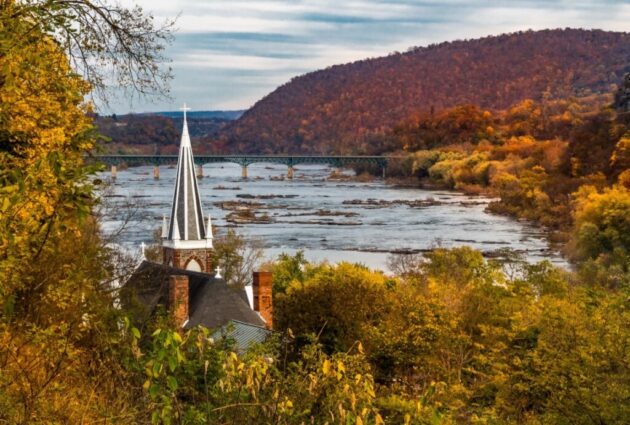
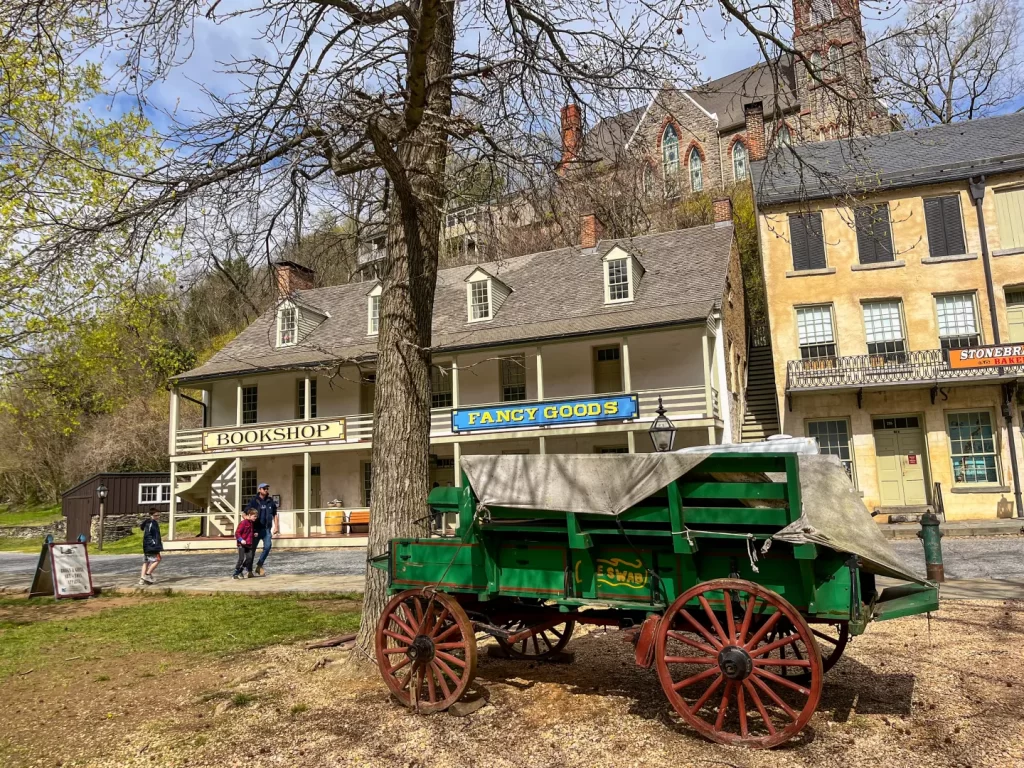
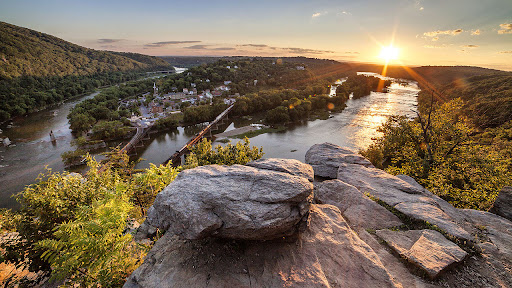
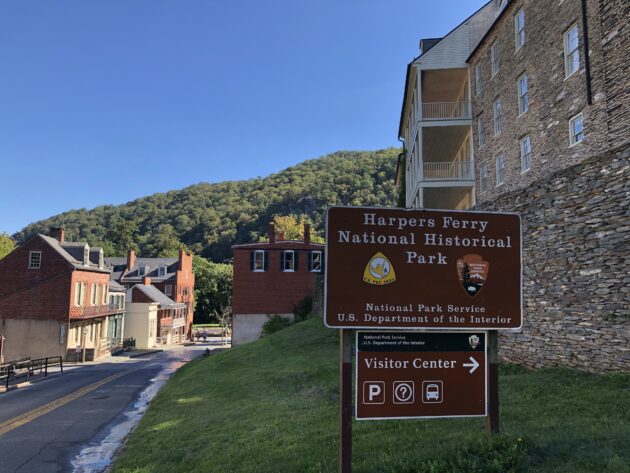
Nestled at the confluence of the Potomac and Shenandoah rivers, where West Virginia, Virginia, and Maryland meet, Harpers Ferry National Historical Park is a captivating blend of history, nature, and adventure. Spanning nearly 4,000 acres, this National Park Service site is renowned for its pivotal role in American history, particularly John Brown’s 1859 raid, and its stunning Blue Ridge Mountain scenery.
New River Gorge National Park and Preserve
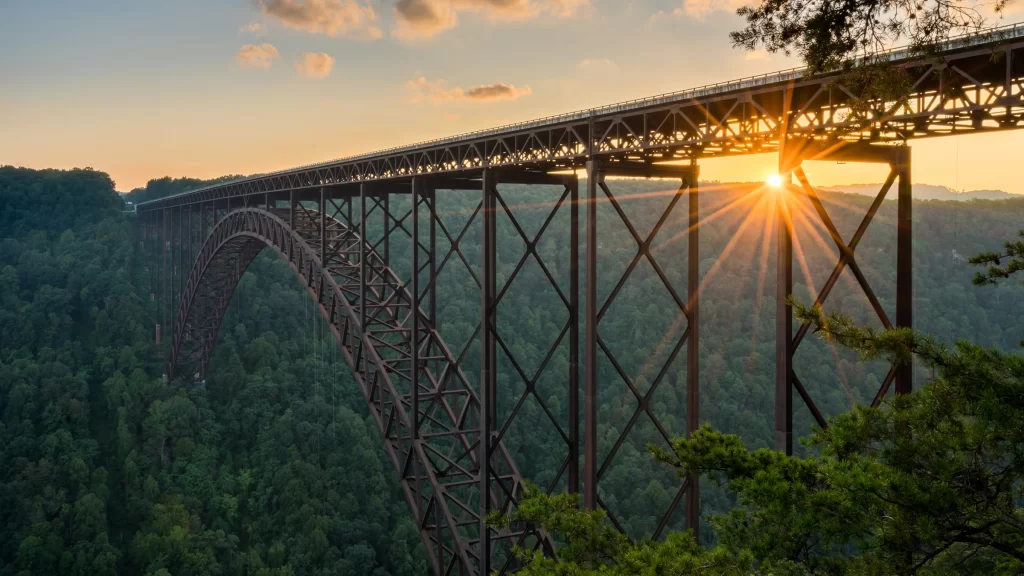
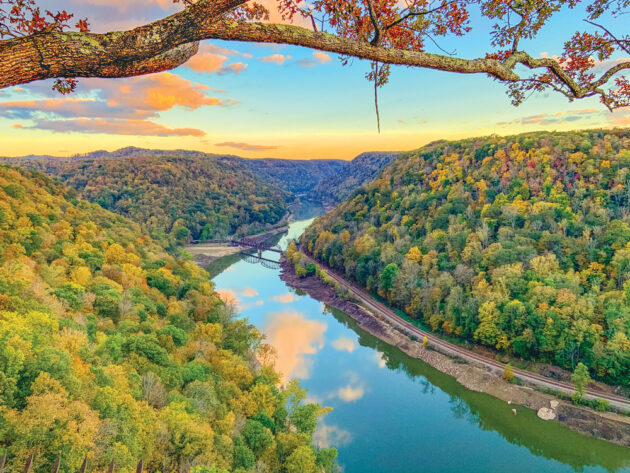
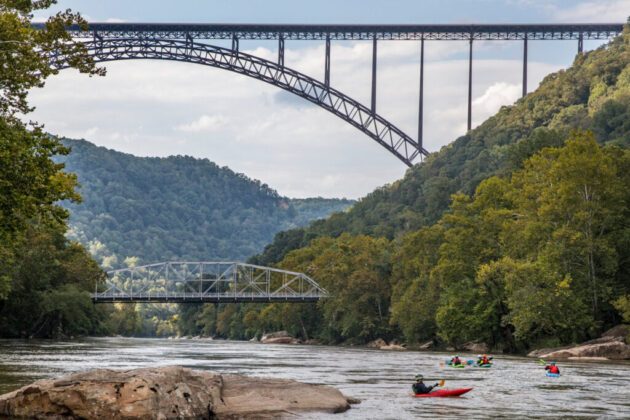
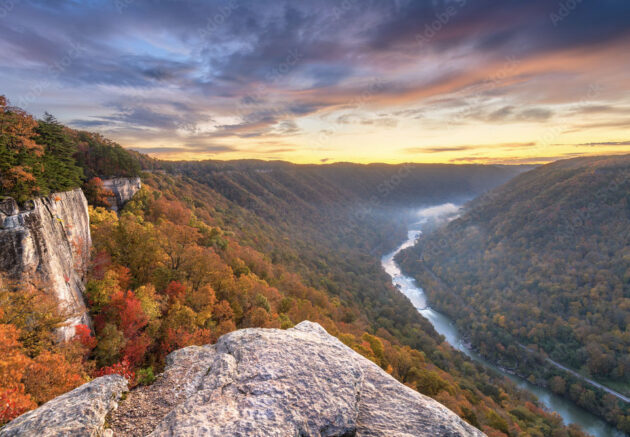
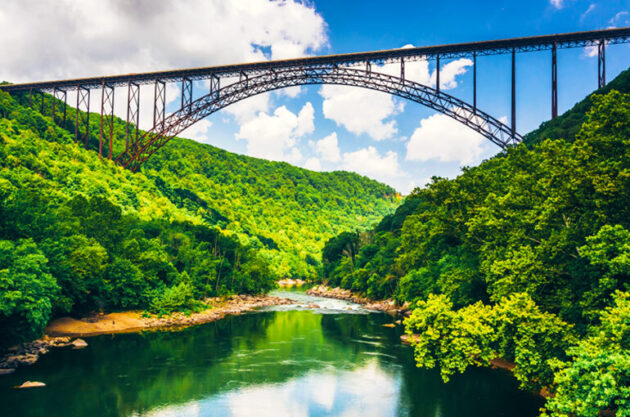
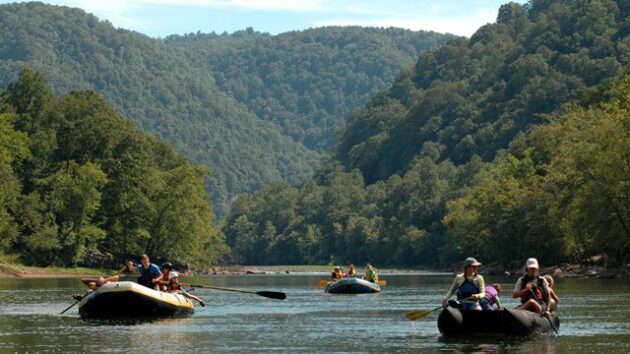
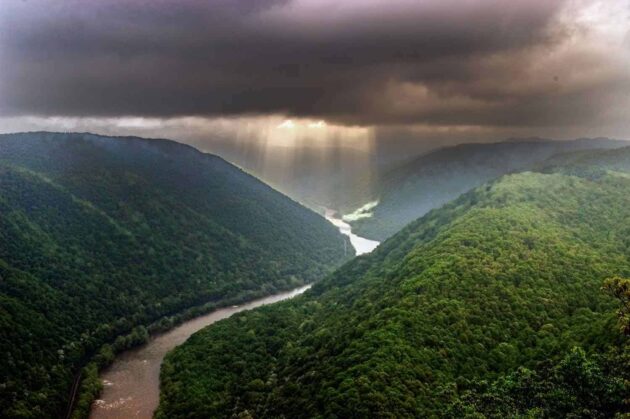
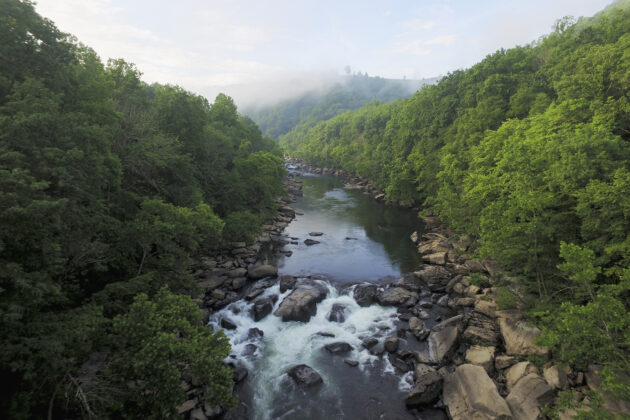
Nestled in the heart of southern West Virginia, New River Gorge National Park and Preserve spans over 70,000 acres of rugged landscapes, making it one of America’s newest national parks, designated in December 2020. Home to one of the oldest rivers in the world, the New River, this park offers breathtaking scenery, world-class outdoor adventures, and a rich tapestry of cultural and industrial history.
West Virginia Waterfall Trail
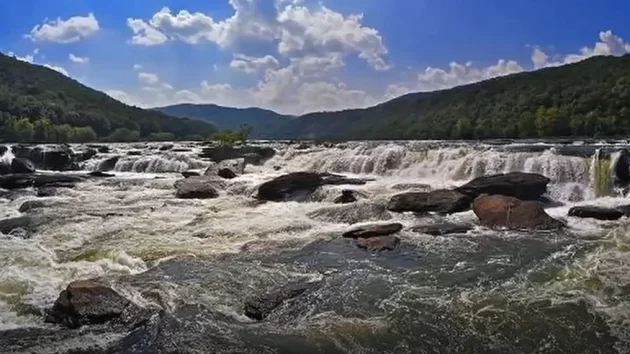
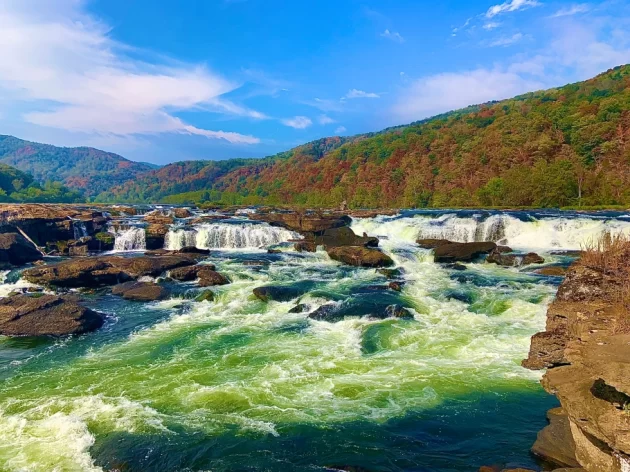
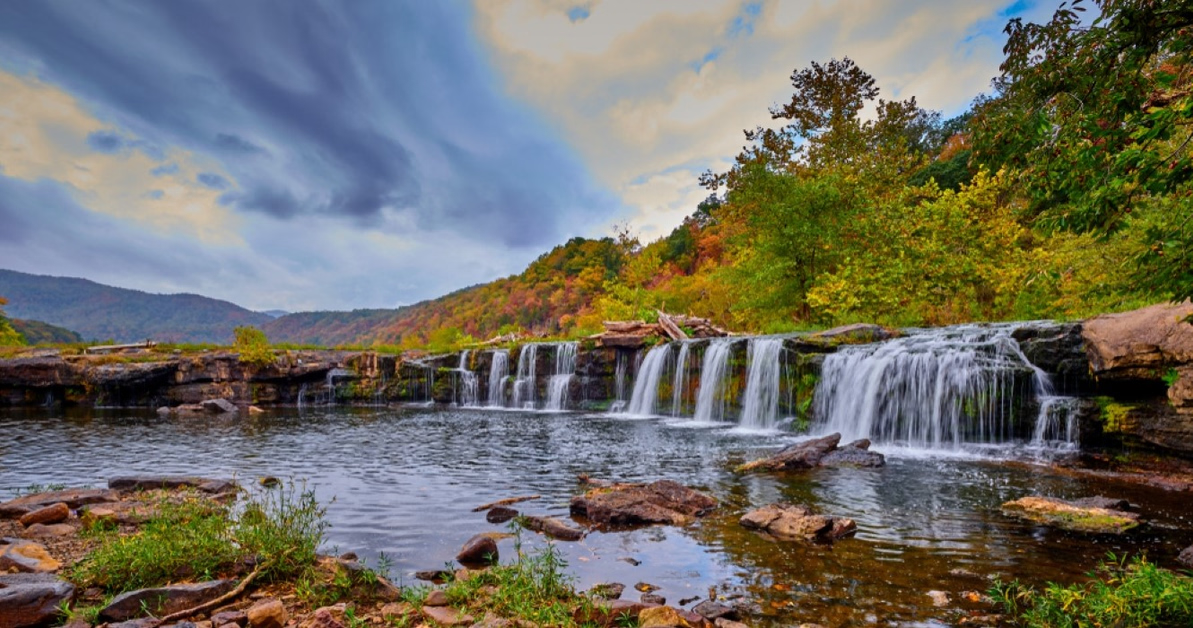
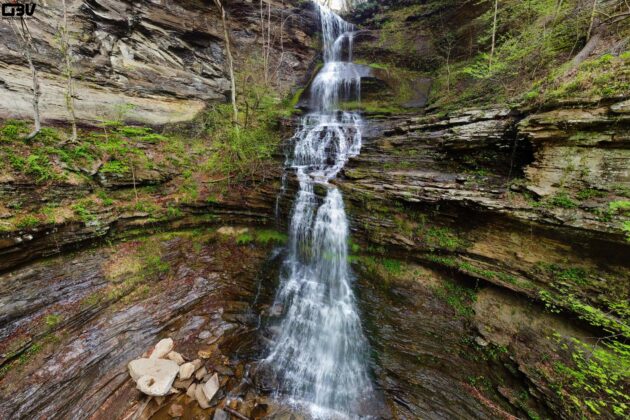
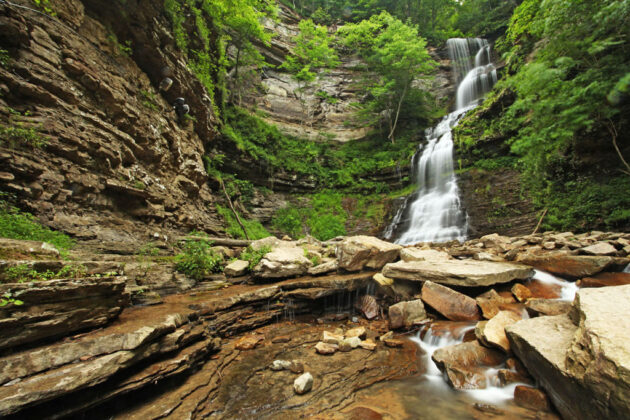
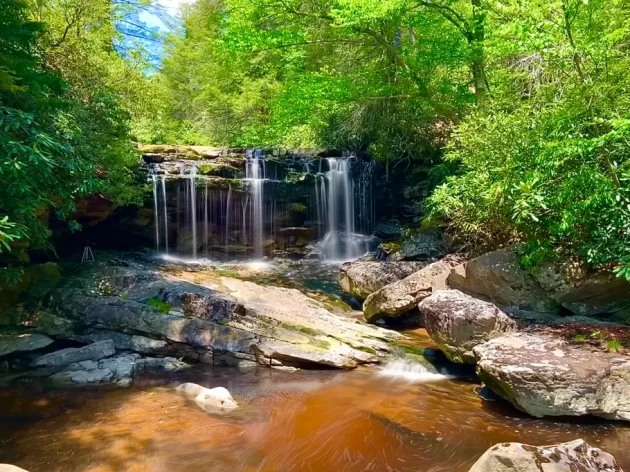
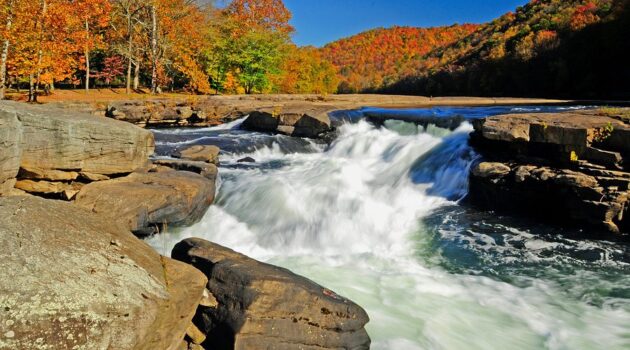
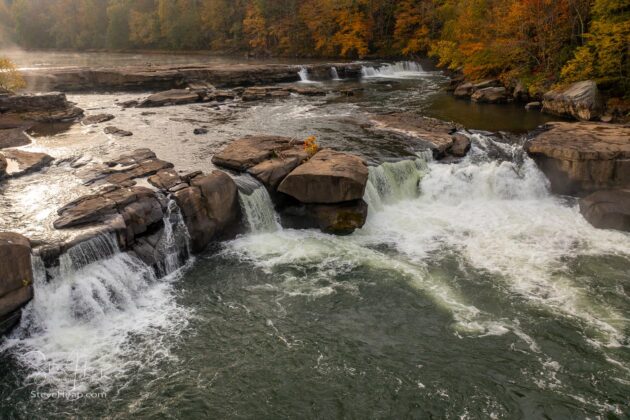
The West Virginia Waterfall Trail is a unique adventure showcasing over 40 stunning waterfalls across the Mountain State, known as “Almost Heaven.” Unlike a single linear trail, it’s a collection of cascades spread throughout West Virginia, offering a choose-your-own-adventure experience. With a digital passport system that rewards exploration, this trail combines breathtaking natural beauty with the thrill of discovery, making it perfect for hikers, photographers, and nature lovers.
The Greenbrier
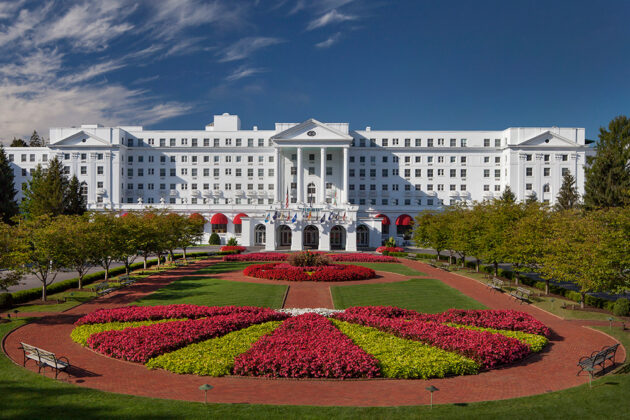
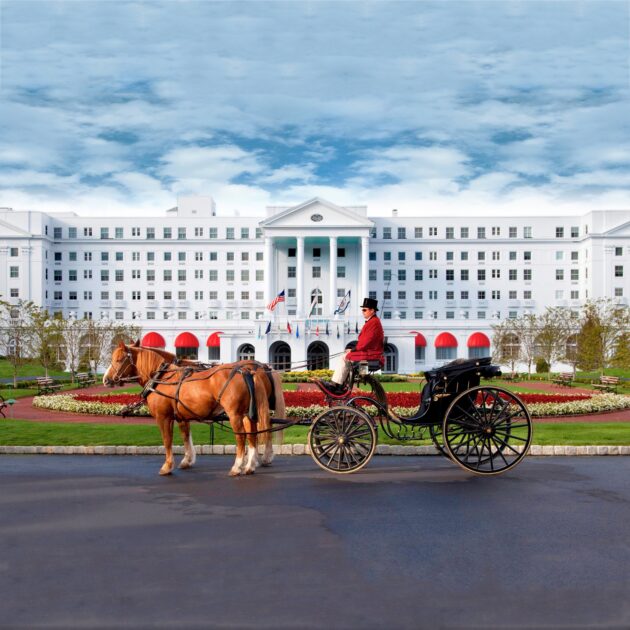
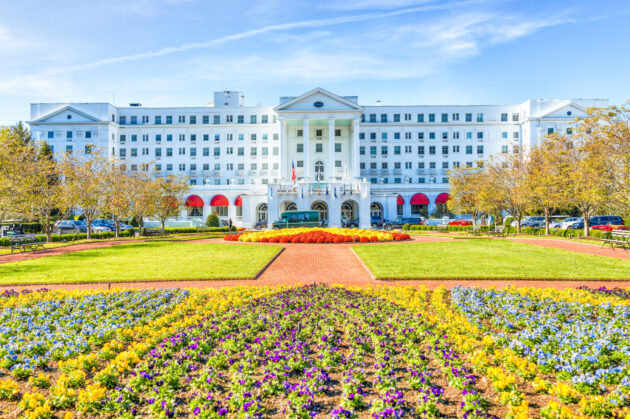
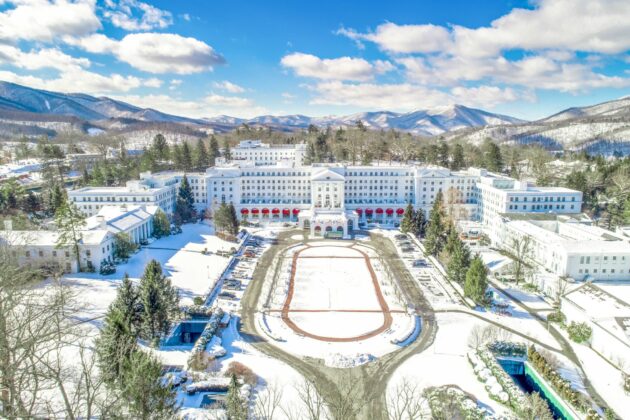
The Greenbrier is a historic luxury resort located in the Allegheny Mountains of White Sulphur Springs, West Virginia, United States. Established in 1778 and designated a National Historic Landmark, this iconic 11,000-acre destination is renowned for its Southern hospitality, world-class amenities including championship golf courses, a mineral spa, and a famous Cold War-era underground bunker designed to house Congress.

Where to Eat
Local Cuisine: Try Appalachian specialties like pepperoni rolls, ramps (wild leeks), and cornbread. Tamarack Marketplace offers a food court with local dishes (~$10–15). Charleston: Bluegrass Kitchen serves farm-to-table Southern comfort food (entrees $12–20). Pies & Pints is popular for craft pizza and beer (~$15).
Fayetteville: Near New River Gorge, Cathedral Café offers cozy breakfasts and sandwiches ($8–15). On-Site Dining: Many state parks have basic cafes, but options are limited. Pack snacks or picnic supplies for remote areas.
Tip: For a unique experience, try J.Q. Dickinson Salt-Works near Charleston, where you can tour an ancient salt mine and sample artisan salt.
Where to Stay
Luxury: The Greenbrier (White Sulphur Springs): A historic resort with rooms starting at $250/night. Offers golf, spa, and fine dining. Stonewall Resort (Roanoke): Lakeside luxury with rooms from $150/night.
Mid-Range: Country Inn & Suites (Beckley): Near New River Gorge, ~$80–120/night. Hampton Inn (Charleston): Comfortable and central, ~$100/night.
Budget: Camping: New River Gorge offers free primitive sites like Grandview Sandbar or paid campgrounds ($10–30/night). Watoga State Park has cabins and tent sites. Hostels/Airbnb: Harpers Ferry and Morgantown have budget options from $30–60/night.
Unique Stays: Adventures on the Gorge (Lansing): Glamping tents and cabins near New River Gorge, $50–150/night. Rail Explorers (Clay): Combine a stay with a railbike tour along the Elk River ($100–200 for tour + lodging).
Tip: Book accommodations early for fall foliage season (September–October) and major events like Bridge Day (third Saturday in October).
Tips for a Great Visit
Pack for Adventure: Bring sturdy hiking boots, layered clothing (weather varies widely), and bug spray for rural areas. Plan Around Events: Check for festivals like Bridge Day (base jumping at New River Gorge) or the Mothman Festival for a lively experience.
Respect Nature: Stick to marked trails and follow Leave No Trace principles to protect West Virginia’s pristine landscapes. Connectivity: Cell service can be spotty in rural areas like Monongahela National Forest. Download offline maps or carry a physical guide.
Combine Destinations: Pair a visit to New River Gorge with nearby Beckley or Fayetteville, or explore Harpers Ferry with a side trip to Shepherdstown.
Final Thoughts
West Virginia, with its rugged mountains, rushing rivers, and warm Appalachian hospitality, offers a refreshing escape from crowded tourist destinations. Whether you’re rafting the Gauley River, hiking through Monongahela National Forest, or soaking in the history of Harpers Ferry, the state’s diverse attractions promise adventure and serenity. Plan your trip around the seasons, embrace the slower pace of mountain life, and let West Virginia’s “Almost Heaven” charm captivate you.
Happy travels!