

A Travel Guide to Harpers Ferry National Historical Park
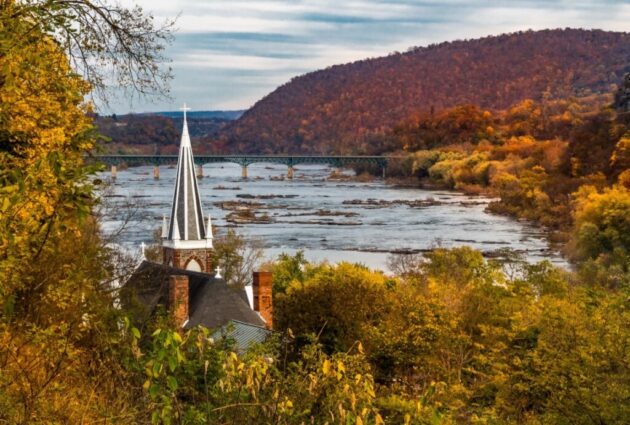
Nestled at the confluence of the Potomac and Shenandoah rivers, where West Virginia, Virginia, and Maryland meet, Harpers Ferry National Historical Park is a captivating blend of history, nature, and adventure. Spanning nearly 4,000 acres, this National Park Service site is renowned for its pivotal role in American history, particularly John Brown’s 1859 raid, and its stunning Blue Ridge Mountain scenery. Whether you’re a history buff, outdoor enthusiast, or seeking a family-friendly getaway, this guide will help you plan an unforgettable visit to Harpers Ferry.
Why Visit Harpers Ferry National Historical Park?
Harpers Ferry is a unique destination where history and nature converge. It’s famous for John Brown’s abolitionist raid, a catalyst for the Civil War, and was a strategic battleground during the conflict. The park also encompasses the charming Lower Town, a restored 19th-century village with museums and exhibits, and serves as the headquarters of the Appalachian Trail Conservancy. With over 20 miles of hiking trails, river activities, and breathtaking views, Harpers Ferry offers something for everyone, earning accolades from Lonely Planet, Southern Living, and Condé Nast Traveler.
How to Get There
Harpers Ferry National Historical Park is located in Harpers Ferry, West Virginia, approximately 65 miles from Washington, D.C., and 55 miles from Baltimore, Maryland, making it an ideal day trip or weekend escape.
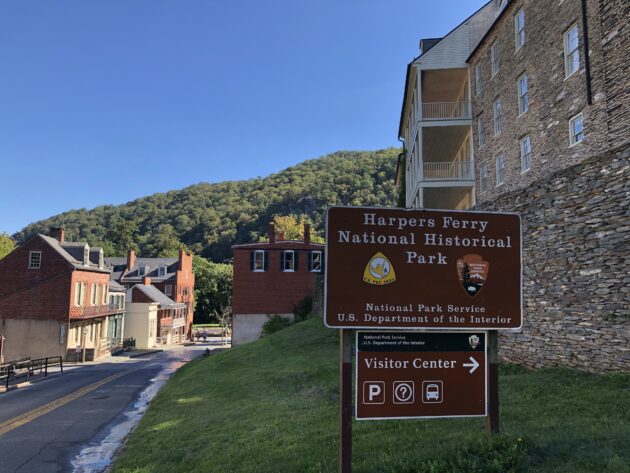
By Car: From Washington, D.C., take I-270 N to US-340 W; the drive takes about 1–1.5 hours. From Baltimore, use I-70 W to US-340 W (about 1 hour). Parking is available at the Visitor Center (171 Shoreline Drive, Harpers Ferry, WV 25425) for $15 per vehicle, unless you have an America the Beautiful National Parks Pass. A free shuttle runs from the Visitor Center to Lower Town every 10–15 minutes (5-minute ride).
By Public Transit: Train: Amtrak’s Capitol Limited and MARC’s Brunswick Line stop at Harpers Ferry Station, a short walk from Lower Town. Trains from D.C.’s Union Station take about 1 hour and cost $10–20 one way. Bus: No direct buses serve Harpers Ferry, but regional buses to nearby Frederick, MD, connect via taxi or rideshare (e.g., Uber, ~$20–30).
By Foot or Bike: The Appalachian Trail and Chesapeake & Ohio (C&O) Canal towpath run through the park, accessible via footbridges from Maryland. Cyclists can use the C&O Canal trail (bikes must be walked across the footbridge).
Tip: Parking in Lower Town is extremely limited, so use the Visitor Center lot and shuttle to avoid hassle.
Best Time to Visit
Spring (March–May): Mild weather (50–70°F) and blooming wildflowers make this ideal for hiking. The park is less crowded than summer. Summer (June–August): Warm (70–90°F) and busy, perfect for river activities like rafting or tubing. Book tours early.
Autumn (September–November): Vibrant foliage peaks around mid-October, offering stunning views, especially from Maryland Heights. Crowds increase during this period. Winter (December–February): Quieter with cooler temperatures (20–40°F). The greenhouse and indoor museums remain open, and the park’s trails are ideal for stargazing due to low light pollution.
Note: Check the park’s website (nps.gov/hafe) for current facility statuses, as some areas may close seasonally or for maintenance.
Tickets and Opening Hours
Opening Hours: Park grounds: Open daily, sunrise to sunset. Visitor Center and museums: 9:00 AM–5:00 PM (may vary seasonally; check nps.gov/hafe).
Admission: Entrance fee: $20 per vehicle, $15 per motorcycle, or $10 per person (pedestrian/cyclist), valid for 7 days. America the Beautiful Pass ($80 annually) covers entry for a vehicle and all passengers. Free entry for children under 16 and passholders. Tickets can be purchased at the Visitor Center or online via recreation.gov.
Guided Tours: Ranger-led tours are free or low-cost ($5–10); check schedules at the Visitor Center. Private tours (e.g., Harpers Ferry Park Association) cost $15–30 per person.
What to See and Do
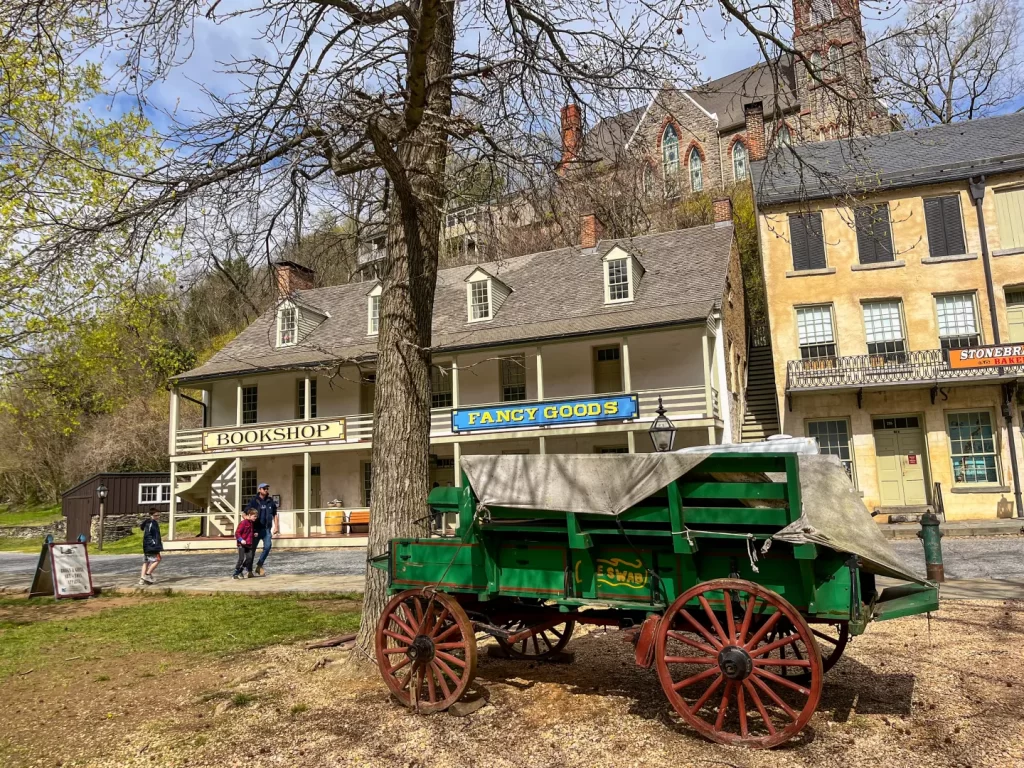
Lower Town Historic District: Wander the cobblestone streets of this restored 19th-century village, featuring exhibits in historic buildings like the John Brown Museum, which details the 1859 raid, and the Restoration Museum, showcasing local life. The White Hall Tavern, once a community hub, offers a glimpse into 1850s pub culture.
Visit The Point, where the Potomac and Shenandoah rivers meet, offering panoramic views of three states. Thomas Jefferson called it “one of the most stupendous scenes in nature.”
John Brown’s Fort: Located at Arsenal Square, this iconic site is where abolitionist John Brown made his stand in 1859, a pivotal event sparking the Civil War. The fort, originally an armory guardhouse, is West Virginia’s most visited tourist site.
Storer College Campus: Explore the historic campus of Storer College, one of America’s first integrated schools, established post-Civil War. Learn about its role in civil rights, including W.E.B. Du Bois’ 1906 Niagara Movement meeting.
Hiking Trails: The park boasts 22 miles of trails. Top picks include: Maryland Heights Trail (4.5–7 miles, moderate-strenuous): Offers sweeping views of Harpers Ferry and the rivers from a rocky overlook. Allow 3–4 hours.
Lower Town Loop Trail (1.7 miles, easy): A scenic walk through historic sites and Virginius Island ruins. Appalachian Trail: The trail’s midpoint passes through Harpers Ferry, with the Appalachian Trail Conservancy Headquarters offering maps and hiker stories. Trails also connect to the C&O Canal towpath and Potomac Heritage Trail.
Outdoor Adventures: Rafting and Tubing: Paddle or float down the Potomac and Shenandoah rivers with outfitters like River Riders. Both rivers were voted among the best for summer floating by USA Today.
Fishing: Cast for smallmouth bass in the rivers (license required). Biking: Cycle the C&O Canal towpath, a 184-mile trail accessible via the park’s footbridge.
Cultural Events and Workshops: Join ranger-guided tours, living history demonstrations (e.g., blacksmithing), or seasonal events like archaeology workshops. Check the park’s calendar for schedules. Visit the Harpers Ferry Park Association Bookshop for books, postcards, and souvenirs.
Where to Eat
Inside the Park: Limited options include snack stands near the Visitor Center offering drinks and light bites (e.g., sandwiches, $5–10). Picnicking is popular; bring your own food for scenic spots like The Point.
Lower Town: The Coffee Mill: A cozy spot for coffee, pastries, and sandwiches ($5–12). Canal House Cafe: Offers farm-to-table dishes like salads and burgers ($10–20).
Nearby: High Street in Harpers Ferry has restaurants like The Anvil Restaurant (seafood and American fare, $15–30) and True Treats Historic Candy for unique historical sweets.
Where to Stay
In Harpers Ferry: The Town’s Inn (179 High Street): A historic B&B with cozy rooms, starting at $100/night. Angler’s Inn Bed and Breakfast: Ideal for fishing enthusiasts, with gourmet breakfasts, ~$120–150/night.
Budget Options: Harpers Ferry/Civil War Battlefields KOA: Offers cabins and campsites from $40–100/night. Riverkeeper Inn: A waterfront cottage with great reviews, ~$80–120/night.
Luxury: Bavarian Inn (15-minute drive): European-inspired resort with river views, starting at $150/night. Camping: Hipcamp lists private sites near the park, like farms with mountain views or river access, starting at $30/night.
Booking Tip: Reserve accommodations early, especially in autumn, via Booking.com or the park’s website.
Tips for a Great Visit
Wear Comfortable Shoes: Trails and cobblestone streets require sturdy footwear. Bring Bug Spray: Mosquitoes are common near the rivers, especially in summer.
Photography: The glow of bioluminescent bays (like Puerto Rico’s) doesn’t apply here, but The Point and Maryland Heights are prime photo spots. Drones are prohibited without a permit.
Eco-Friendly Practices: Stick to trails and follow park guidelines to protect the ecosystem, home to rare plants and wildlife like the Allegheny woodrat.
Combine Your Trip: Visit nearby Antietam National Battlefield (30-minute drive) or the C&O Canal National Historical Park for a deeper dive into Civil War history.
Final Thoughts
Harpers Ferry National Historical Park is a gem where America’s past comes alive amidst breathtaking natural beauty. From exploring John Brown’s Fort to hiking the Appalachian Trail or rafting the Potomac, the park offers a rich tapestry of experiences. Plan your visit around the seasons, arrive early to avoid crowds, and immerse yourself in the stories and landscapes that make Harpers Ferry a must-see destination.
Happy travels!