Grand Teton National Park Travel Guide (2026)
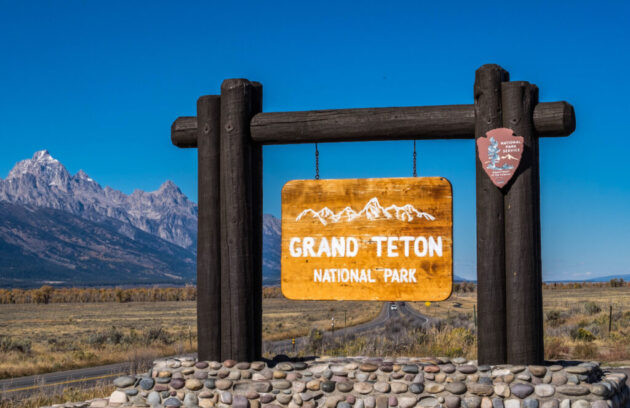
Grand Teton National Park, located in northwestern Wyoming, is a breathtaking destination renowned for its dramatic Teton Range, pristine lakes, and abundant wildlife. Spanning 310,000 acres, the park offers stunning vistas, diverse outdoor activities, and a rich cultural history, making it a must-visit for nature lovers, adventurers, and photographers.
Connected to Yellowstone National Park via the John D. Rockefeller, Jr. Memorial Parkway, Grand Teton is often paired with its northern neighbor for an epic American West road trip.
Why Visit Grand Teton National Park?
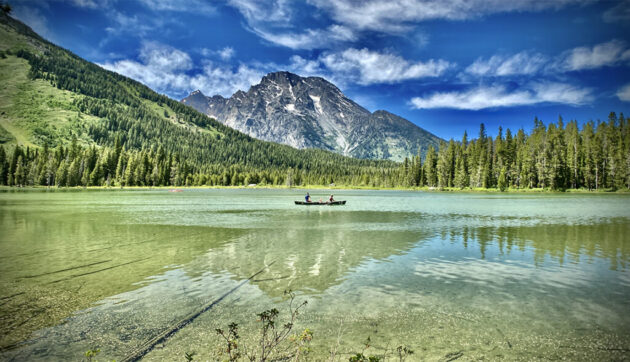
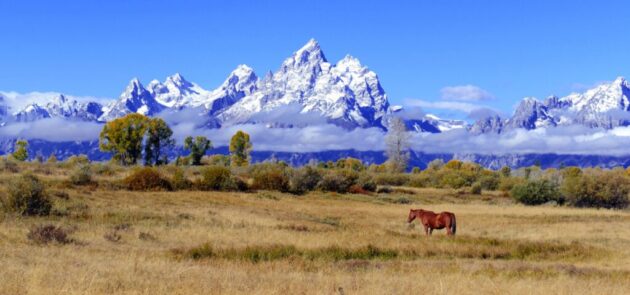
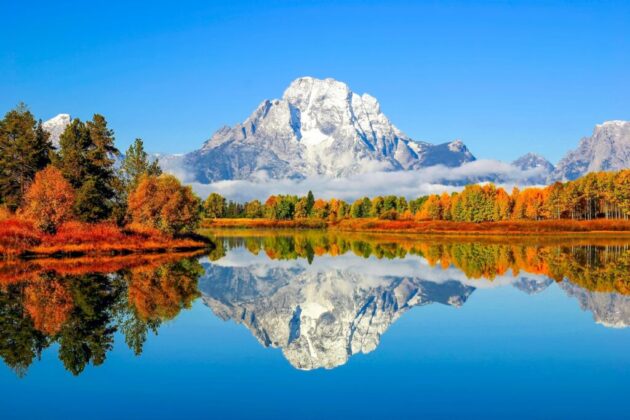
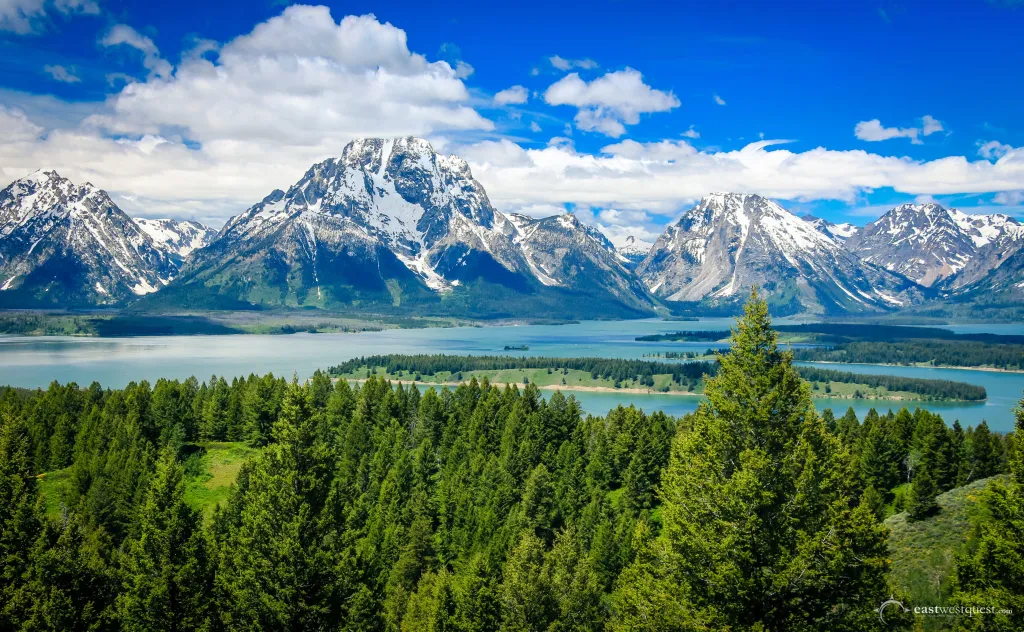
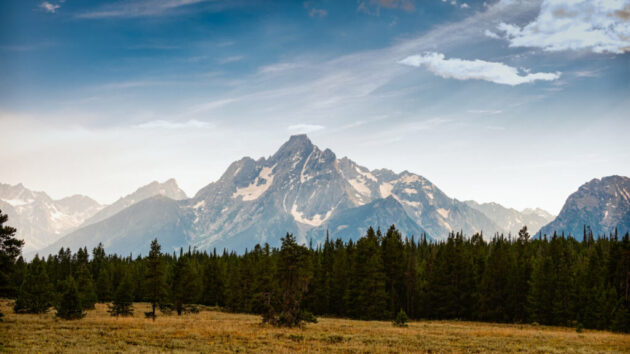
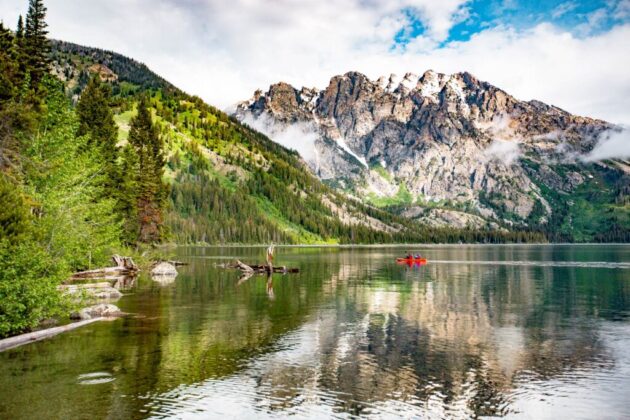
Grand Teton National Park is a jewel of the American West, with its jagged, snow-capped peaks rising over 7,000 feet above the Jackson Hole Valley. The park’s centerpiece, the 13,775-foot Grand Teton, is a magnet for climbers, hikers, and photographers, while its serene lakes, like Jenny Lake and Jackson Lake, offer stunning reflections of the mountains.
The park is a haven for wildlife, including moose, elk, bison, black bears, and grizzlies, and over 300 bird species, such as bald eagles and peregrine falcons. Its rich history, from Native American tribes to 19th-century homesteaders, adds cultural depth, with iconic sites like Mormon Row and the Moulton Barns.
How to Get There
Grand Teton National Park is located just north of Jackson, Wyoming, and south of Yellowstone National Park, making it accessible by air, car, or as part of a larger itinerary.
By Air: Jackson Hole Airport (JAC): Uniquely located within the park, this is the only commercial airport inside a U.S. national park. It offers direct flights from major cities like Denver, Salt Lake City, and Chicago. Book a window seat (right side for northbound landings, left for southbound) for stunning Teton views. Travel time from Salt Lake City is about 5–6 hours by car (300 miles), and from Denver, it’s 8–10 hours (550 miles).
By Car:
From Salt Lake City: Drive east on I-80 to Evanston, Wyoming, then north on US-89 through Star Valley (5–6 hours).
From Rock Springs, Wyoming: Take US-189 north via the Wind River Range (4–5 hours).
From Yellowstone: Enter via the John D. Rockefeller, Jr. Memorial Parkway from the south entrance of Yellowstone (1 hour). For the most dramatic views, approach from the northeast via Moran and Highway 26, where the Tetons appear as you descend Togwotee Pass.
From Casper, Wyoming: A scenic 4.25-hour drive through Shoshone, the Wind River Reservation, and Bridger-Teton National Forest, crossing the Snake River near Jackson Lake.
By Bus or Shuttle: Limited shuttle services operate from Jackson to the park. Check with local operators like Teton Stage Lines for schedules.
Tip: Renting a car is recommended for flexibility, as public transport within the park is limited.
Best Time to Visit
Summer (July–August): Peak season with warm temperatures (up to 80°F), open facilities, and vibrant wildflower meadows. Ideal for hiking, boating, and wildlife viewing, but expect crowds (2.8–3.3 million annual visitors).
Spring (May–June): Fewer crowds, cooler temperatures, and active wildlife. Some roads and facilities may be closed until mid-May, but Teton Park Road opens briefly for cyclists and skaters.
Fall (September–October): Stunning autumn colors with golden aspens, fewer visitors, and excellent wildlife spotting. Cooler weather makes hiking comfortable.
Winter (December–March): A quieter season with snow-covered landscapes, ideal for cross-country skiing, snowshoeing, and backcountry skiing. Many roads and facilities close, but the main highway (US-191) and parts of Teton Park Road remain open for non-motorized activities.
Photography Tip: The east-facing Tetons are best for sunrise shots, as the mountains glow dramatically. Visit before official sunrise for optimal lighting.
Tickets and Opening Hours
Opening Hours: The park is open 24/7, 365 days a year, but some roads, visitor centers, and facilities have seasonal hours (reduced in winter). Visitor centers are typically open from spring to fall (check www.nps.gov/grte for exact dates).
Entrance Fees: Vehicle: $35 (valid for 7 days); Individual (on foot/bike): $20; Motorcycle: $30. America the Beautiful Pass: $80 for annual access to all U.S. national parks, recommended if visiting multiple parks like Yellowstone.
Reservations: No entry reservations are required, but book campsites, lodges, or guided tours well in advance, especially for summer.
Tip: Download the NPS App for real-time park info, maps, and updates. Contact a ranger at 307-739-3399 for visitor inquiries.
What to See and Do
Grand Teton offers a range of activities for all interests, from scenic drives to challenging hikes. Here are the highlights:
Scenic Drives:
42-Mile Scenic Loop: A must-do drive covering Teton Park Road and US-191, with stops at Jenny Lake, Snake River Overlook (famous from Ansel Adams’ 1942 photograph), and Signal Mountain Summit for panoramic views.
Moose-Wilson Road: An 8-mile drive from Teton Village to Moose, offering access to hiking trails like Death Canyon.
Signal Mountain Summit Road: A short detour with sweeping views of the Tetons and Jackson Lake.
Hiking:
Jenny Lake Trail to Hidden Falls and Inspiration Point: A 7.6-mile round-trip (or shorter with a boat shuttle) with stunning lake views and waterfalls. Popular but rewarding.
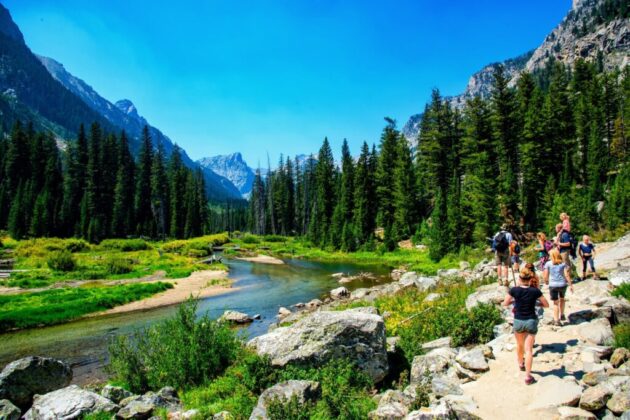
Cascade Canyon Trail: A 13-mile round-trip for experienced hikers, offering epic Teton views and possible moose sightings.
Teton Crest Trail: A 35–45-mile backcountry adventure for serious hikers, traversing the Teton Range at high elevations.
Taggart and Bradley Lakes: A 5.5-mile moderate hike with glacier-fed lakes and mountain vistas.
Note: Over 200 miles of trails cater to all levels. Check trail conditions and carry bear spray, as wildlife is common.
Water Activities:
Jenny Lake: Rent kayaks or take a boat tour for mirror-like Teton reflections. The Jenny Lake Visitor Center, housed in a 1920s photography studio, is a great starting point.
Jackson Lake: The largest lake in the park, ideal for boating, waterskiing, fishing (Wyoming fishing license required), or relaxing at Colter Bay Village. Rent canoes or join a lake cruise.
Snake River: Offers scenic float trips or thrilling whitewater rafting. Book with operators like Barker-Ewing Scenic Float Trips.
Wildlife Viewing: Spot moose, elk, bison, black bears, and grizzlies in areas like Willow Flats, Cascade Canyon, or near Jackson Lake. Spring is ideal for wildlife activity. Keep a safe distance (100 yards for bears, 25 yards for other animals) and follow bear country guidelines. Birdwatching is excellent, with over 300 species, including bald eagles and ospreys. Bring binoculars for designated observation points.
Cultural and Historical Sites:
Mormon Row and Moulton Barns: Iconic 1890s homesteads with the Tetons as a backdrop, perfect for photography.
Chapel of the Transfiguration: A nearly 100-year-old log chapel near the Moose Entrance, offering a historic and picturesque stop.
Laurance S. Rockefeller Preserve: A 1,100-acre refuge with a meditative visitor center and quieter trails, donated by the Rockefeller family.
Winter Activities: Cross-country skiing and snowshoeing on groomed roads like Teton Park Road or around Bradley and Taggart Lakes. Backcountry skiing is available for experts. Snowmobiling is permitted on designated routes. Check winter closures, as many facilities are closed from mid-December to mid-March.
Photography: Top spots include Snake River Overlook, Schwabacher Landing, and Jenny Lake Overlook for iconic Teton shots. Sunrise is best for lighting. The Moulton Barns are among the most photographed spots in the park.
Accessibility Note: The North Pathway, a 20-mile paved trail from Jackson to Jenny Lake, is wheelchair-accessible. Check Teton Adaptive’s website for adaptive activities like paddling or skiing.
Where to Eat
Inside the Park:
Jackson Lake Lodge: A National Historic Landmark with a lakeside terrace restaurant offering stunning Teton views. Serves American cuisine (mains ¥20–40).
Colter Bay Village: Offers casual dining with options like burgers and sandwiches (¥10–20).
Jenny Lake Lodge: Upscale dining with a focus on local ingredients (reservations recommended, mains ¥30–50).
Outside the Park (Jackson):
Snake River Grill: Known for local delicacies like bison and trout (mains ¥25–50).
The White Buffalo Club: Upscale dining with a Western flair (mains ¥30–60).
Tip: Bring snacks and water for hikes, as dining options within the park are limited. Picnicking is popular near Jenny Lake or Jackson Lake.
Where to Stay
Inside the Park:
Jackson Lake Lodge: A historic lodge with luxurious rooms and cabins (¥200–400/night). Book early.
Jenny Lake Lodge: Upscale cabins with gourmet dining (¥300–500/night).
Colter Bay Village: Budget-friendly cabins and tent sites (¥80–150/night).
Campgrounds: Options like Colter Bay, Gros Ventre, and Jenny Lake offer sites for tents and RVs (¥30–60/night). Reservations recommended via www.recreation.gov.
Near the Park (Jackson or Teton Village):
Bentwood Inn: A cozy lodge with Teton views (¥150–300/night).
Inn on the Creek: A charming inn with excellent food (¥120–250/night).
The Rusty Parrot Lodge and Spa: Upscale with a spa and gourmet dining (¥200–400/night).
Budget Options: Motels and hostels in Jackson start at ¥60–100/night.
Tip: Book accommodations 6–12 months in advance for summer. Camping requires permits for backcountry sites.
Tips for a Great Visit
Plan for Wildlife Safety: Carry bear spray, travel in groups in bear country, and maintain safe distances from animals. Pet Policy: Pets are allowed but must be leashed and are prohibited on trails, in facilities, on swimming beaches, or in the backcountry (except service animals).
Pack Appropriately: Bring layers for variable weather, sturdy hiking boots, sunscreen, and a hat. Winter visits require warm clothing and snow gear. Avoid Crowds: Arrive early for trailheads and popular spots like Jenny Lake. May, September, and October offer fewer crowds.
Combine with Yellowstone: A 7-day itinerary covering both parks is popular. The America the Beautiful pass saves on entry fees. Check Road Closures: Some roads (e.g., Teton Park Road) close in winter or early spring. Verify conditions on www.nps.gov/grte.
Photography: Use a tripod at Schwabacher Landing or Snake River Overlook for sunrise shots. Avoid flash to respect wildlife. Guided Tours: Book through operators like Get Your Guide for wildlife safaris, rafting, or climbing tours if you prefer guided experiences.
Final Thoughts
Grand Teton National Park is a masterpiece of nature, where towering peaks, shimmering lakes, and abundant wildlife create an unforgettable experience. Whether you’re hiking to Hidden Falls, kayaking on Jackson Lake, or capturing the iconic Moulton Barn against the Teton backdrop, the park offers something for everyone.
Plan your visit for spring or fall for fewer crowds, pack for adventure, and immerse yourself in the wild beauty of Wyoming’s crown jewel. Pair it with Yellowstone for a once-in-a-lifetime road trip through the American West.
Happy travels!