Yellowstone National Park Travel Guide (2026)
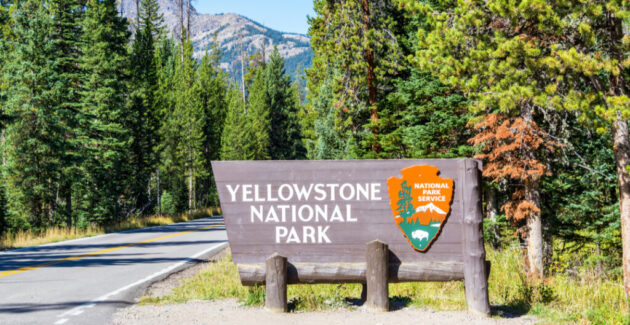
Yellowstone National Park, established in 1872 as the world’s first national park, spans over 2.2 million acres across Wyoming, Montana, and Idaho. Renowned for its geothermal wonders, diverse wildlife, and breathtaking landscapes, Yellowstone is a bucket-list destination for nature lovers, adventure seekers, and families alike.
Why Visit Yellowstone National Park?
Yellowstone is a geological and ecological marvel, home to more than 10,000 geothermal features, including geysers, hot springs, and mudpots—more than half the world’s total. It’s also a haven for wildlife, with bison, grizzly bears, wolves, and elk roaming its vast wilderness.
The park’s dramatic landscapes, from the Grand Canyon of the Yellowstone to serene lakes and towering mountains, offer endless opportunities for exploration, photography, and adventure. Whether you’re hiking, wildlife watching, or simply soaking in the natural beauty, Yellowstone delivers an unparalleled outdoor experience.
How to Get There
Yellowstone National Park is remote but accessible via several gateways:
By Air:
Closest Airports: Yellowstone Regional Airport (COD) in Cody, WY (55 miles from the East Entrance): Small but convenient for regional flights. Jackson Hole Airport (JAC) in Jackson, WY (56 miles from the South Entrance): Offers more flights, served by major airlines like Delta and United.
Bozeman Yellowstone International Airport (BZN) in Bozeman, MT (90 miles from the North Entrance): The largest nearby airport with the most connections. From these airports, rent a car for flexibility, as public transport within the park is limited.
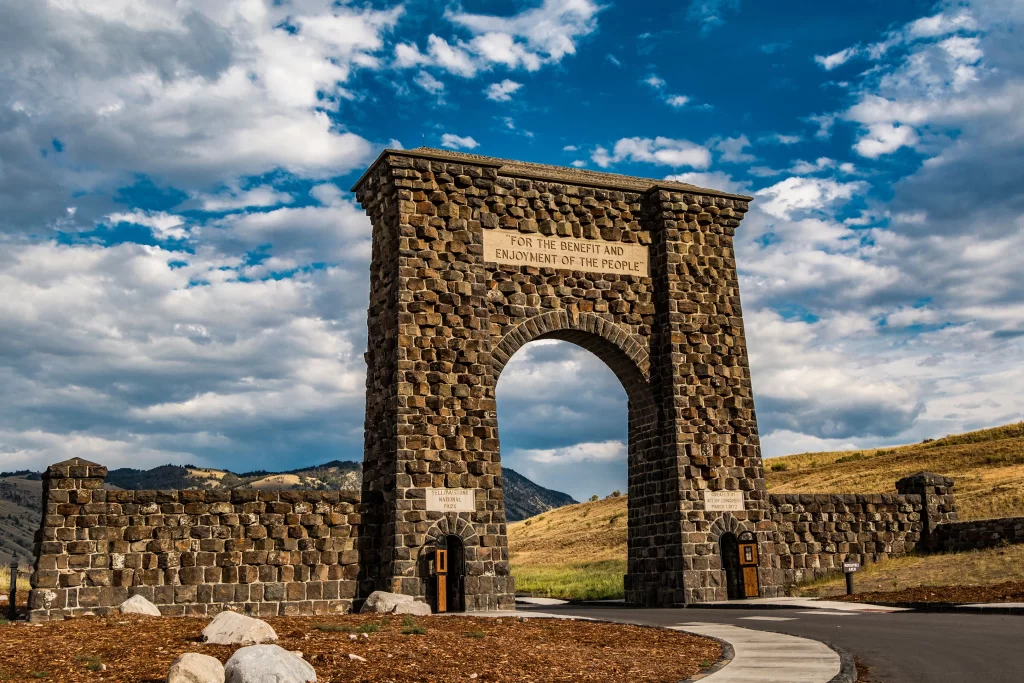
By Car: Yellowstone has five entrances: North (Gardiner, MT), Northeast (Cooke City, MT), East (Cody, WY), South (Jackson, WY), and West (West Yellowstone, MT). The West Entrance is the most popular, with West Yellowstone offering ample lodging and amenities.
Driving times from major cities: Salt Lake City, UT: ~5 hours to the South Entrance; Denver, CO: ~9 hours to the East Entrance; Billings, MT: ~2.5 hours to the North Entrance. Note: Some entrances (e.g., East and Northeast) close in winter due to snow. Check the National Park Service (NPS) website for road status.
By Bus or Shuttle: Limited shuttle services operate from Bozeman, Jackson, or West Yellowstone to park entrances. Companies like Yellowstone Vacation Tours offer guided day trips from nearby towns. No public buses operate within the park, so a car is recommended for exploration.
Tip: Rent a 4WD vehicle if visiting in spring or fall, as weather can be unpredictable, and some roads may be rough.
Best Time to Visit
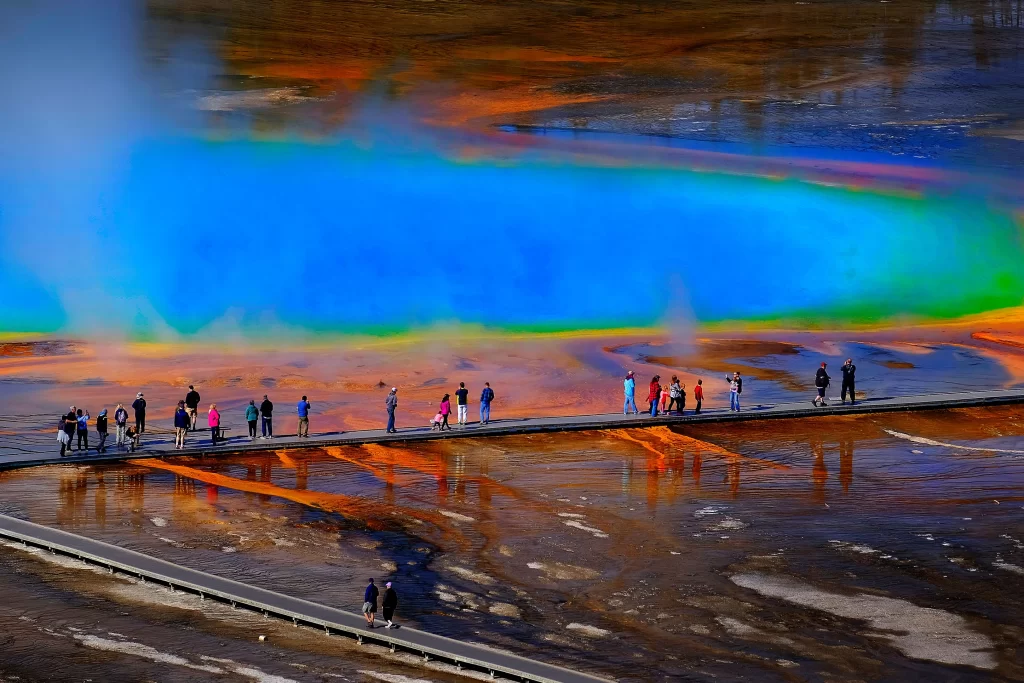
Summer (June–August): Peak season with warm weather (60–80°F), open roads, and full access to facilities. Expect crowds, especially at Old Faithful and Grand Prismatic Spring. Book lodging 6–12 months in advance.
Spring (April–May): Fewer crowds, cooler weather (30–60°F), and active wildlife (bison calves, bears). Some roads and facilities may be closed until mid-May.
Fall (September–October): Vibrant foliage, cooler temperatures (20–60°F), and fewer visitors. Elk rut season offers spectacular wildlife viewing. Some roads close by late October.
Winter (December–March): A magical time for snow-covered landscapes, snowshoeing, and snowcoach tours. Only the North Entrance remains open to cars; others require guided snowmobile or snowcoach access. Temperatures can drop below 0°F.
Crowd Tip: Visit early morning or late afternoon to avoid peak crowds at popular sites. Mid-week visits are quieter than weekends.
Tickets and Fees
Entrance Fee: $35 per vehicle (valid for 7 days), $30 for motorcycles, or $20 per person for non-motorized entry (e.g., biking or walking). The fee covers both Yellowstone and Grand Teton National Parks if visited within 7 days. America the Beautiful Pass: $80 annual pass, valid for all U.S. national parks, is cost-effective if visiting multiple parks.
Operating Hours: The park is open 24/7, but some entrances and visitor centers have seasonal hours. Check the NPS website for details. Booking: No reservations are needed for entry, but purchase passes online via Recreation.gov to save time. Guided tours and lodging require advance booking.
What to See and Do
Yellowstone’s attractions are spread across five regions (Mammoth, Roosevelt, Canyon, Lake, and Geyser Country). Here are the highlights:
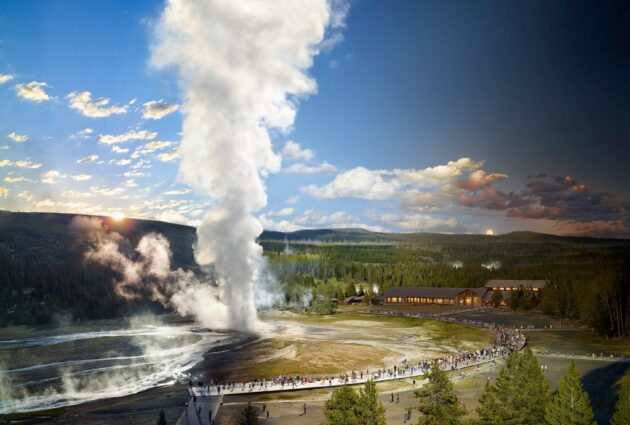
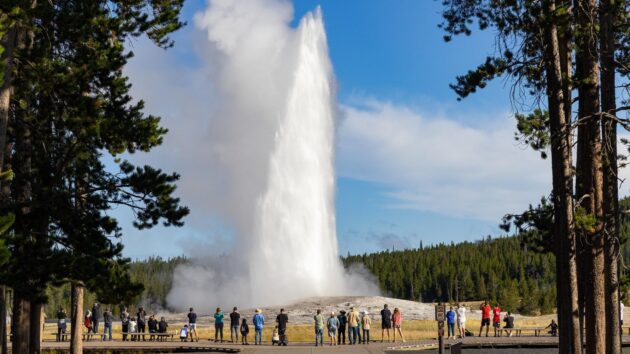
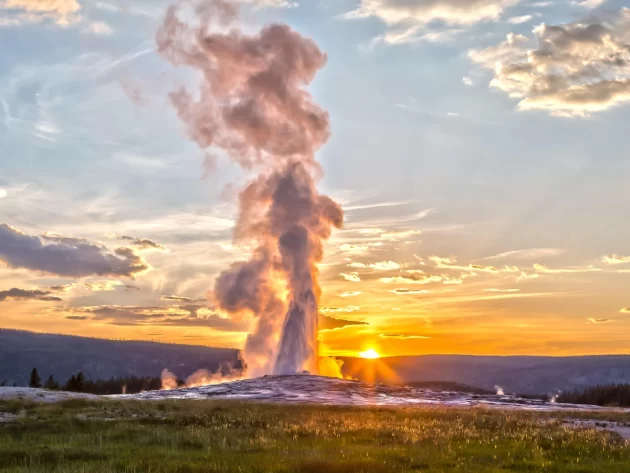
Geothermal Wonders: Old Faithful (Geyser Country): The park’s most famous geyser, erupting every 60–90 minutes (check predicted times at the Old Faithful Visitor Center). Watch from the boardwalk or hike to Observation Point for a higher view.
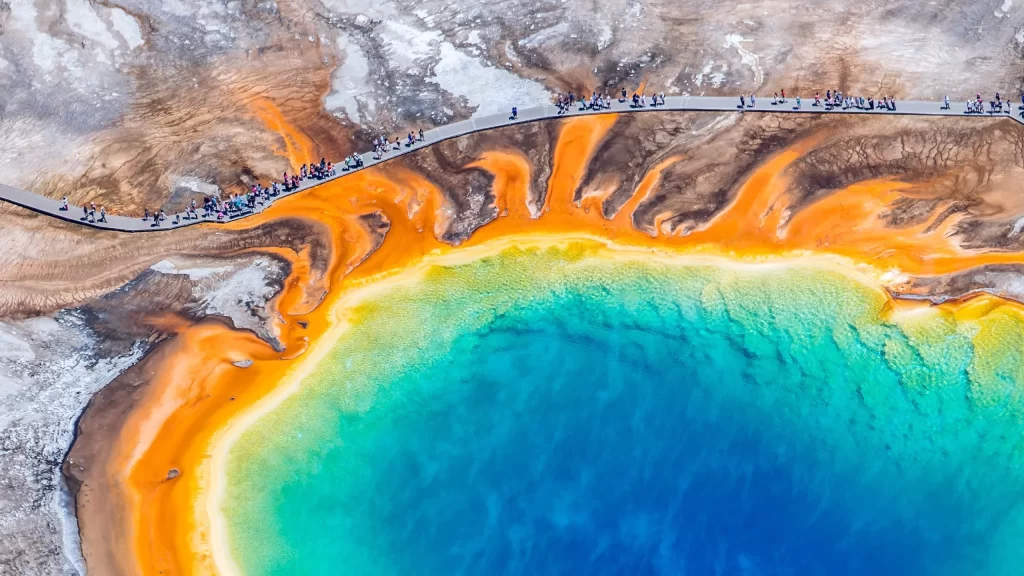
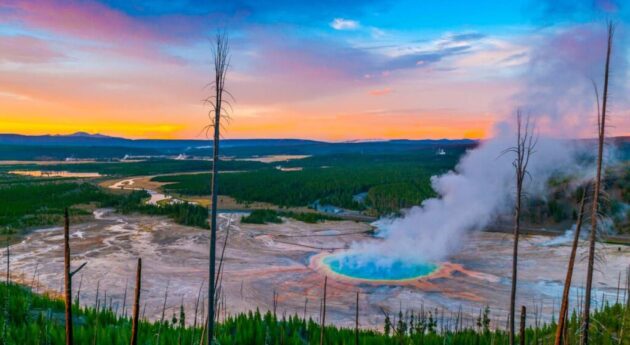
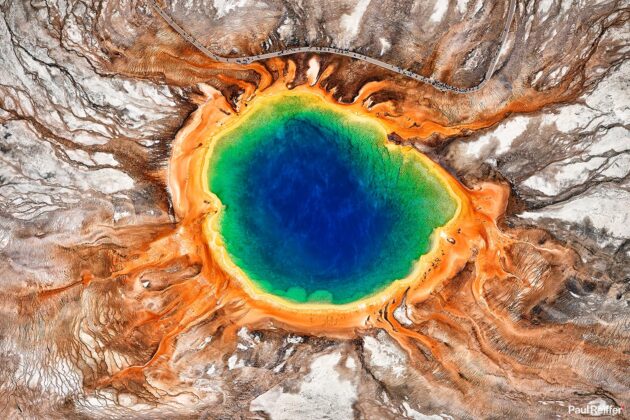
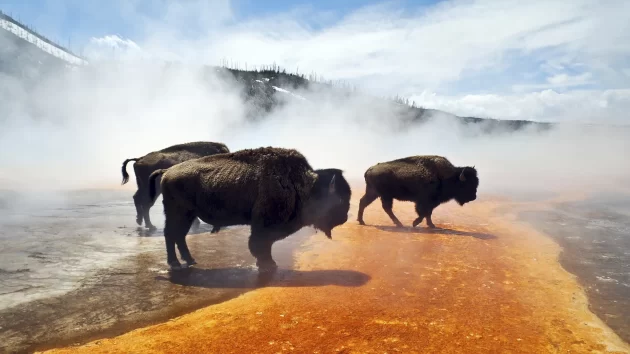
Grand Prismatic Spring (Midway Geyser Basin): America’s largest hot spring, known for its vibrant rainbow colors. The Fairy Falls Trail offers an elevated overlook.
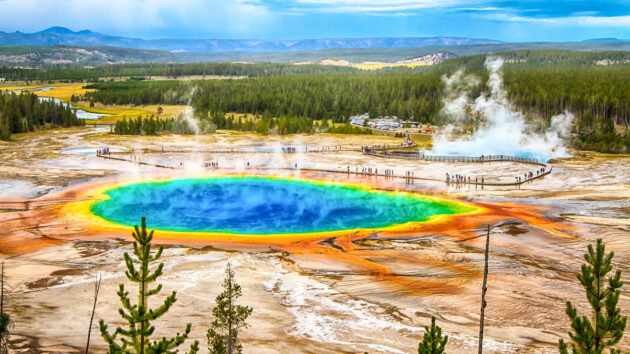
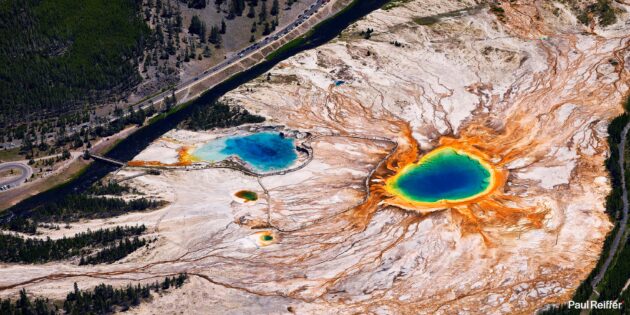
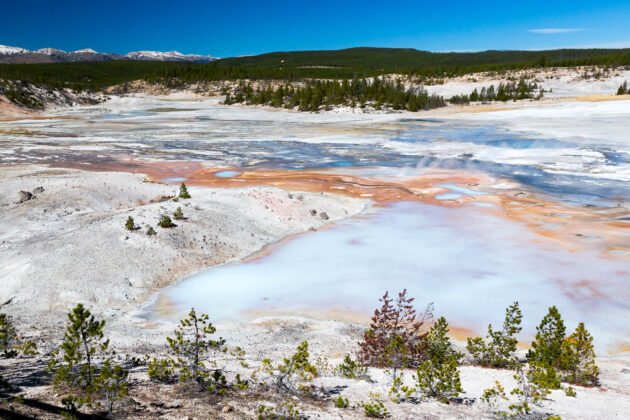
Norris Geyser Basin: Home to the hottest and most dynamic geysers, including Steamboat Geyser, the world’s tallest active geyser.
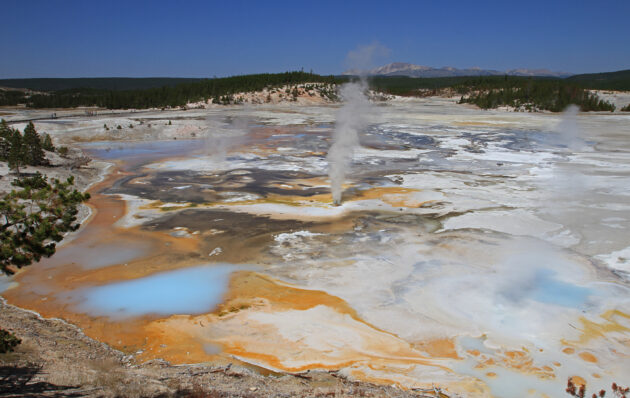
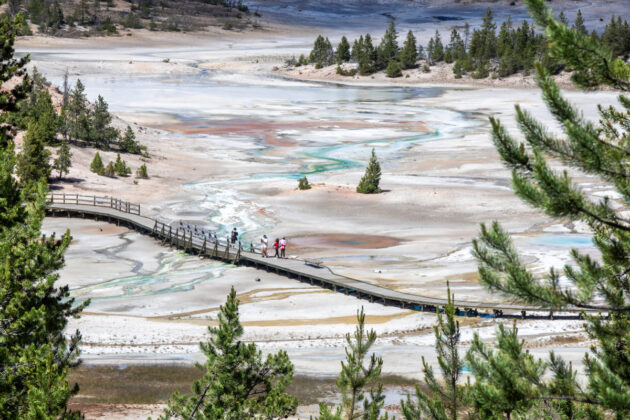
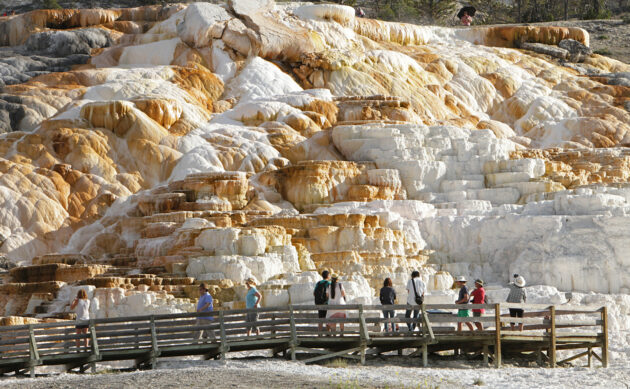
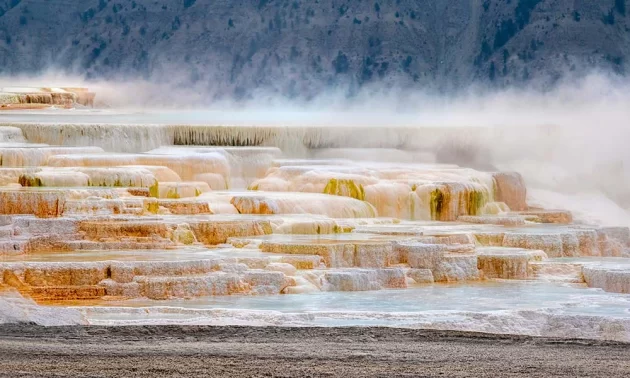
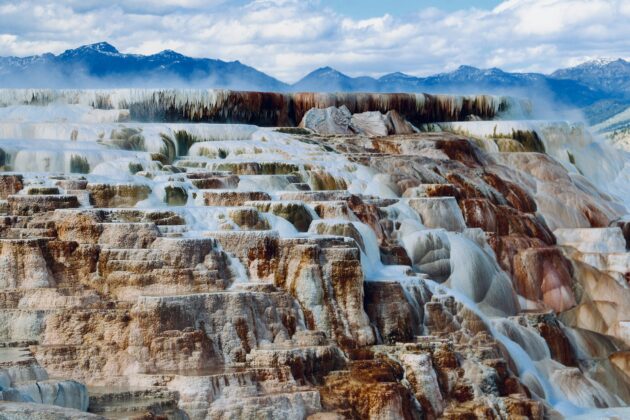
Mammoth Hot Springs: Stunning terraced limestone formations created by mineral-rich waters.
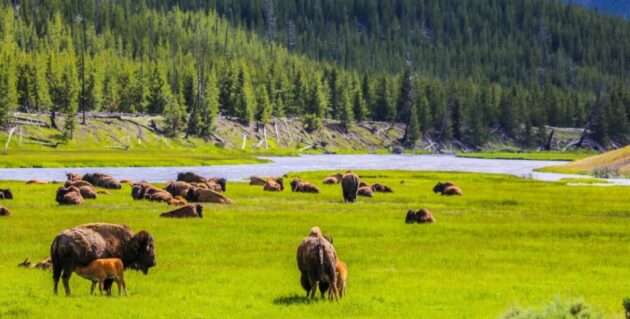
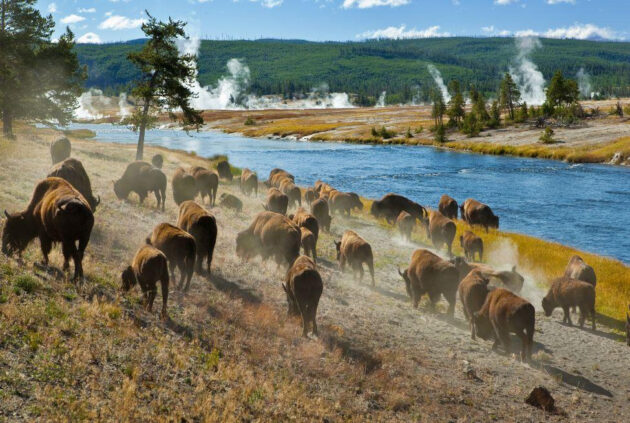
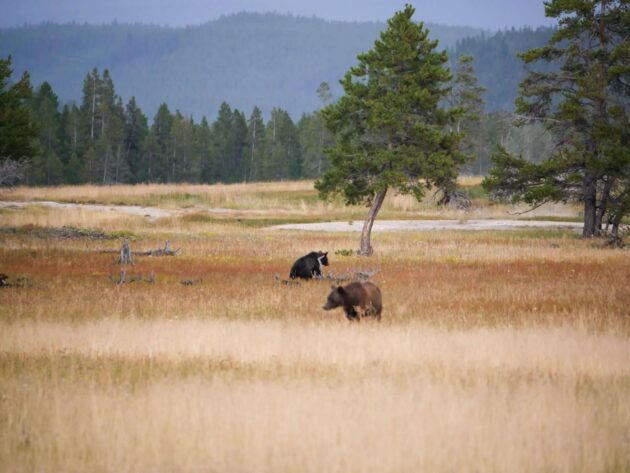
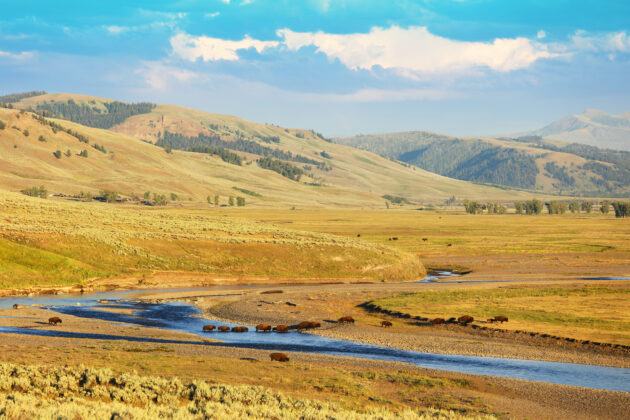
Wildlife Viewing: Yellowstone is one of the best places in the U.S. to see wildlife. Look for bison in Lamar and Hayden Valleys, grizzly bears near Fishing Bridge, and wolves in Lamar Valley (early morning or dusk is best). Bring binoculars and maintain a safe distance (100 yards for bears/wolves, 25 yards for bison/elk). Guided wildlife tours, like those from Yellowstone Forever, enhance spotting chances.
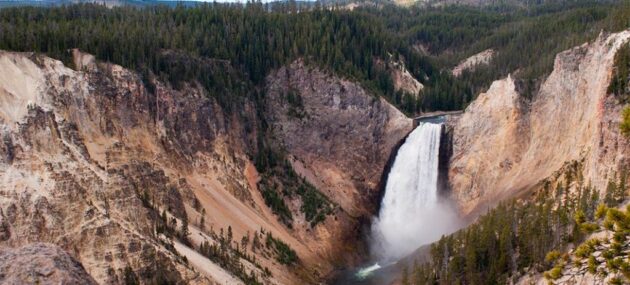
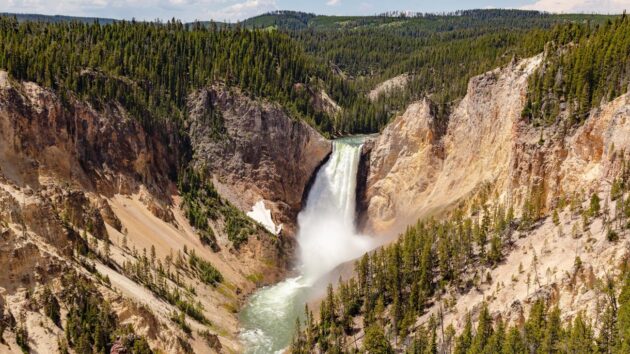
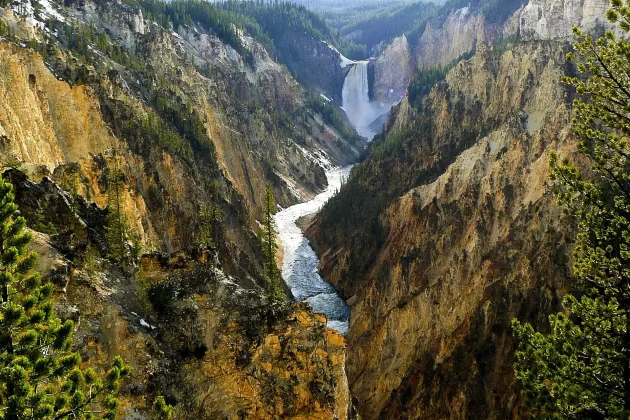
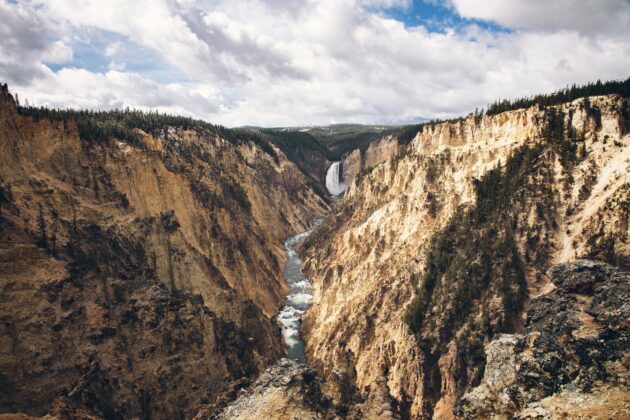
Scenic Landmarks: Grand Canyon of the Yellowstone (Canyon Country): A 20-mile-long canyon with dramatic waterfalls (Upper and Lower Falls). View from Artist Point or hike Uncle Tom’s Trail for close-ups.
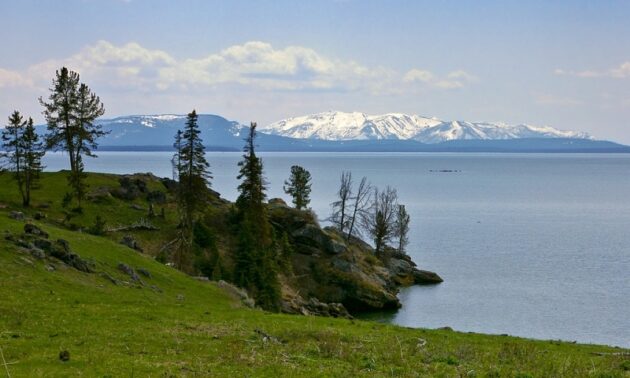
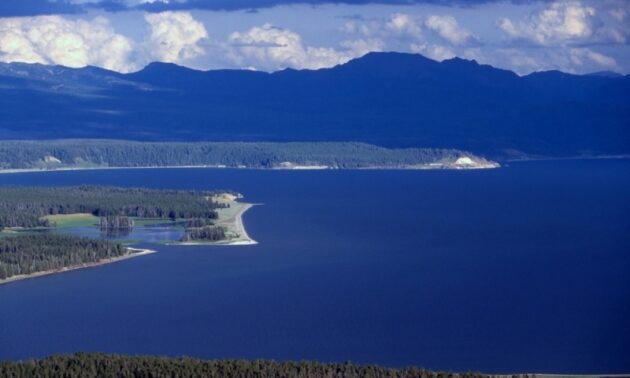
Yellowstone Lake: North America’s largest high-altitude lake, ideal for kayaking, fishing (with a permit), or scenic drives.
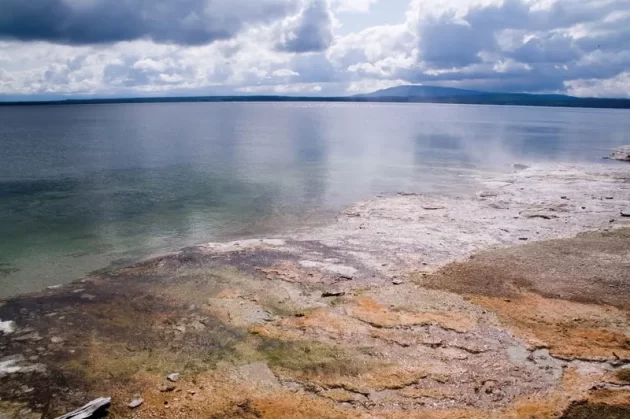
Lamar Valley: Known as the “Serengeti of North America” for its abundant wildlife and open vistas.
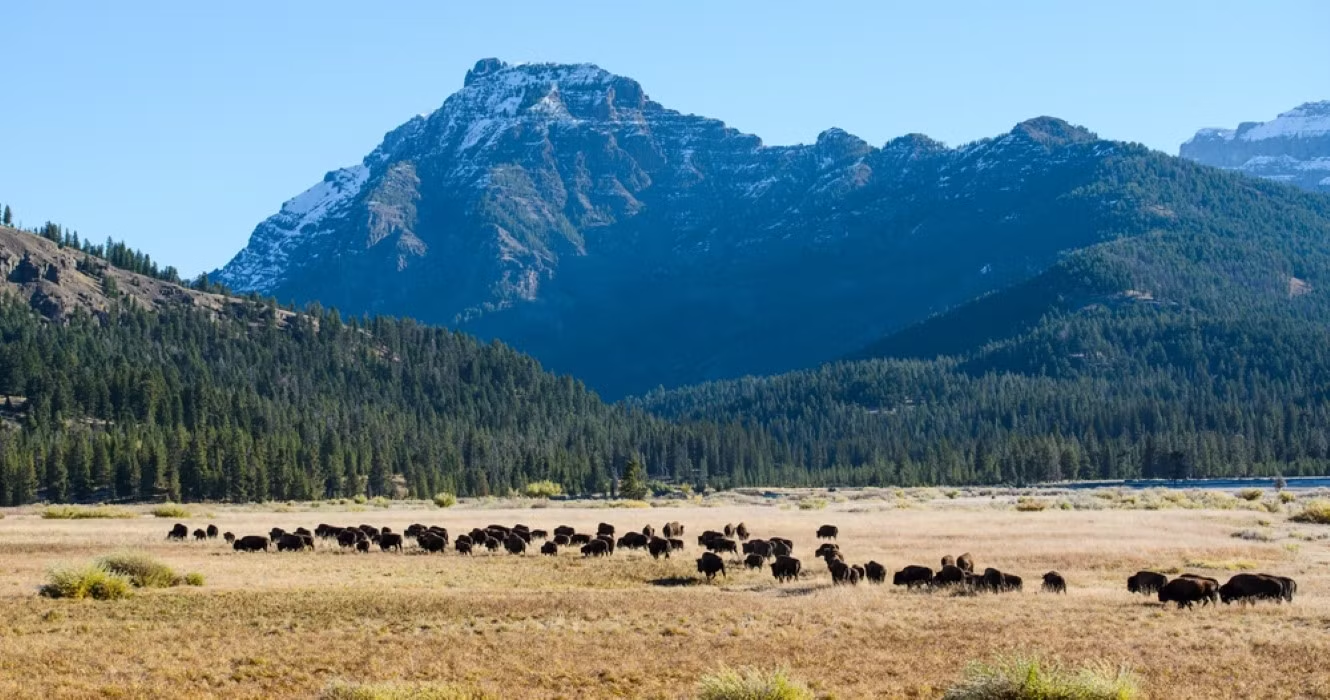
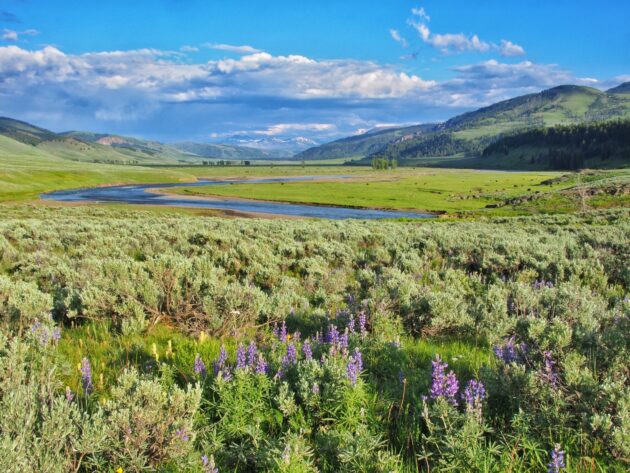
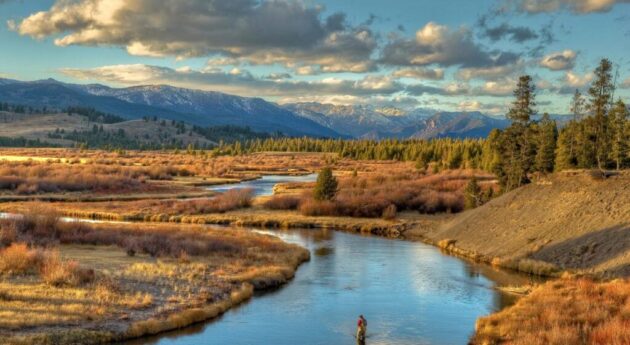
Outdoor Activities: Hiking: Over 900 miles of trails, from easy walks (e.g., Fairy Falls, 5 miles round-trip) to challenging backcountry treks (e.g., Mt. Washburn, 6.2 miles). Always carry bear spray and hike in groups. Fishing: Yellowstone’s rivers and lakes are renowned for trout. A fishing permit ($20–40) is required. Winter Activities: Snowshoeing, cross-country skiing, or snowcoach tours to see geothermal sites in a snowy wonderland.
Cultural Sites: Old Faithful Inn: A historic log lodge with rustic charm, open for tours and dining (May–October). Fort Yellowstone (Mammoth): Explore the park’s early history at this former U.S. Army post.
Where to Eat
Inside the Park: Old Faithful Inn Dining Room: Offers upscale meals (reservations recommended, entrées $20–40). Canyon Lodge Eatery: Casual dining with burgers, salads, and vegetarian options ($10–20). General Stores (e.g., Mammoth, Old Faithful): Sell snacks, sandwiches, and picnic supplies ($5–15).
Outside the Park: West Yellowstone: Try Running Bear Pancake House for breakfast or Wild West Pizzeria for hearty meals. Gardiner, MT: Yellowstone Grill offers local flavors like bison burgers.
Tip: Pack a cooler with snacks and water for flexibility, as dining options are limited and spread out.
Where to Stay
Yellowstone’s lodging fills up quickly, so book 6–12 months in advance for summer.
Inside the Park: Old Faithful Inn: Iconic and centrally located, from $150–$400/night (May–October). Lake Yellowstone Hotel: Elegant with lake views, $200–$500/night. Canyon Lodge & Cabins: Modern cabins, $100–$300/night. Mammoth Hot Springs Hotel: Open year-round, $100–$250/night.
Campgrounds: 12 sites (e.g., Madison, Grant Village) from $20–$50/night. Book via Recreation.gov for reservable sites like Madison; others are first-come, first-served.
Outside the Park: West Yellowstone, MT: Budget-friendly motels like Stagecoach Inn ($100–$200/night) or luxury at Explorer Cabins ($300–$600/night). Jackson, WY: Upscale options like Rustic Inn Creekside Resort ($200–$500/night). Gardiner, MT: Affordable lodges like Yellowstone Gateway Inn ($100–$250/night).
Tip: For backcountry camping, obtain a permit ($5/person, max $15/night) from a ranger station.
Tips for a Great Visit
Plan Ahead: Create an itinerary, as the park is vast (driving between sites can take 1–2 hours). Focus on 1–2 regions per day. Safety First: Stay on boardwalks near geothermal areas to avoid burns. Carry bear spray ($40–50, available at park stores), and know how to use it.
Pack Smart: Bring layers (weather changes rapidly), sturdy hiking boots, sunscreen, and a reusable water bottle. Cell service is spotty, so download offline maps (e.g., NPS app). Respect Wildlife: Never approach or feed animals. Use telephoto lenses for photography.
Combine Your Trip: Pair Yellowstone with Grand Teton National Park (1-hour drive from South Entrance) for stunning mountain scenery.
Final Thoughts
Yellowstone National Park is a place of wonder, where steaming geysers, thundering waterfalls, and roaming wildlife create a landscape unlike any other. Whether you’re watching Old Faithful erupt, hiking through alpine meadows, or spotting a grizzly in the wild, Yellowstone offers a profound connection to nature. Plan your visit carefully, respect the park’s rules, and prepare for an adventure that will leave you in awe of America’s wild heart.
Happy travels!