
A Travel Guide to Khiva (2026)
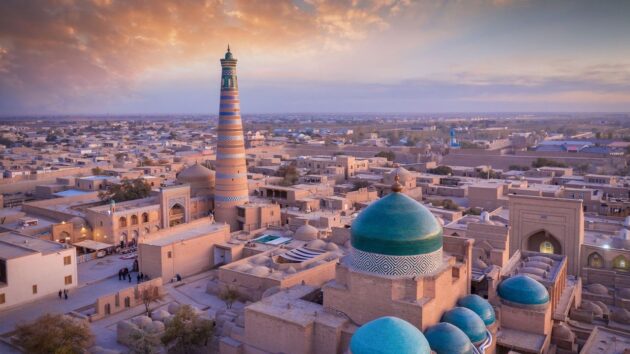
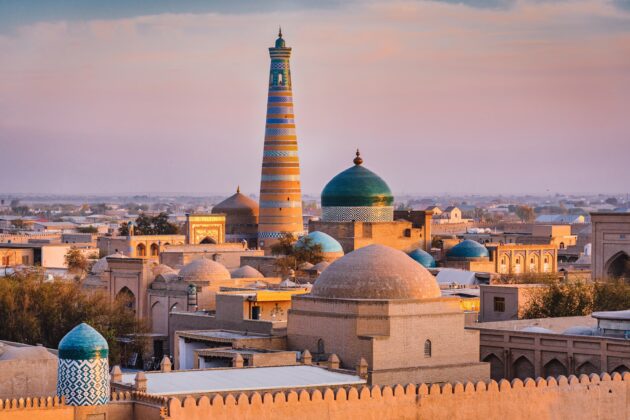
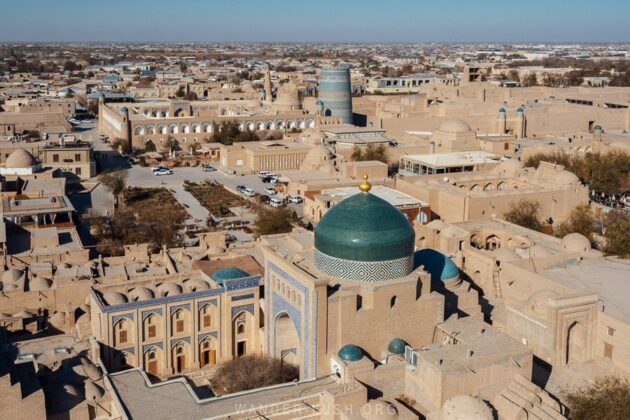
Khiva, a jewel of the ancient Silk Road in western Uzbekistan, feels like stepping into a living fairy tale. Its perfectly preserved inner city, Itchan Kala — a UNESCO World Heritage Site since 1991 — is an open-air museum of stunning Islamic architecture, intricate tilework, towering minarets, and labyrinthine alleyways.
Once the capital of the Khanate of Khiva, this desert oasis offers a more intimate and less crowded experience compared to Samarkand and Bukhara. In 2026, Khiva is gaining global attention as one of National Geographic’s top destinations, thanks to improved connectivity and new tourism developments.
Why Visit Khiva?
Khiva stands out for its remarkably well-preserved 18th–19th century monuments, vibrant blue-and-turquoise mosaics, and authentic Silk Road atmosphere. Unlike larger Silk Road cities, it feels compact and walkable, with fewer tourists allowing for peaceful exploration. Highlights include the unfinished Kalta Minor Minaret, the forest of wooden columns in Juma Mosque, panoramic views from watchtowers, and the chance to wander among madrasas, palaces, and mausoleums that tell tales of khans, poets, and traders.
How to Get There
By Air: Fly into Urgench International Airport (UGC) from Tashkent or other cities. The airport is undergoing major expansion. From there, take a taxi (around 7–15 USD, 30–50 minutes) or pre-arrange a transfer through your hotel. Yandex Go app is useful for local taxis.
By Train: Trains run from Tashkent via Samarkand and Bukhara. A new high-speed bullet train service launching in 2026 will significantly cut travel time from Tashkent to about 7–8 hours. Khiva’s modern train station is convenient.
By Road: Shared taxis or buses from Urgench are cheap but less comfortable.
Once in Khiva, the old city is compact and best explored on foot.
Best Time to Visit
Khiva has a continental desert climate with extreme temperatures:
Optimal seasons: Spring (March–May) and autumn (September–November) offer mild weather, clear blue skies, and photogenic light on the tiles. March and November are particularly pleasant shoulder months.
Avoid summer (June–August: scorching heat over 40°C/104°F) and winter (December–February: freezing cold).
What to Do
Most attractions are concentrated inside the Itchan Kala (walled inner city). A combined ticket or individual entries are available.
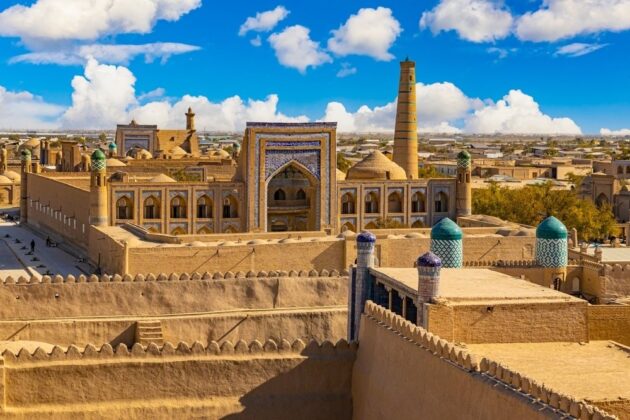
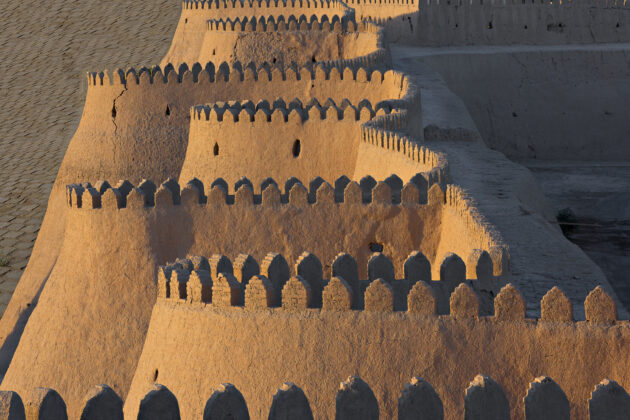
Itchan Kala — Wander the narrow streets, city walls, and gates. Climb sections of the walls for views.
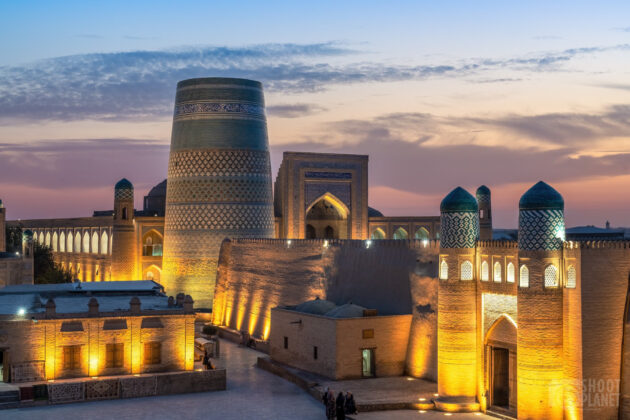
Kalta Minor Minaret — The iconic unfinished turquoise minaret near the west gate — stunning day or night.
Juma Mosque — Famous for its 213 intricately carved wooden columns (some dating to the 10th century) and unique covered courtyard.
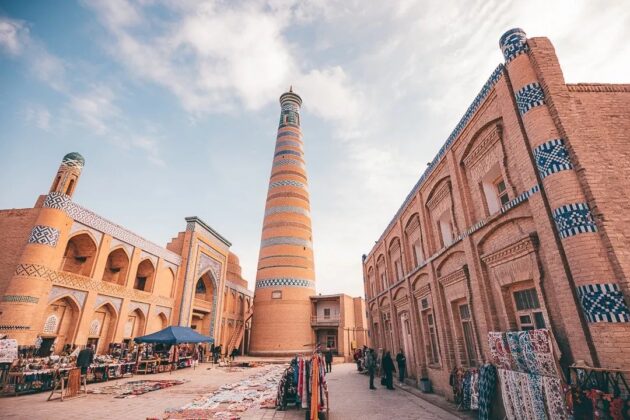
Islam Khoja Minaret — The tallest in Khiva; climb for panoramic views over the old town.
Kuhna Ark (Old Citadel) — Former residence of Khiva’s rulers, with a watchtower offering one of the best sunset viewpoints.
Pahlavan Mahmud Mausoleum — Beautifully tiled complex honoring Khiva’s patron saint (a wrestler-poet).
Tash Hauli Palace — Ornate 19th-century palace with harem quarters and impressive tilework.
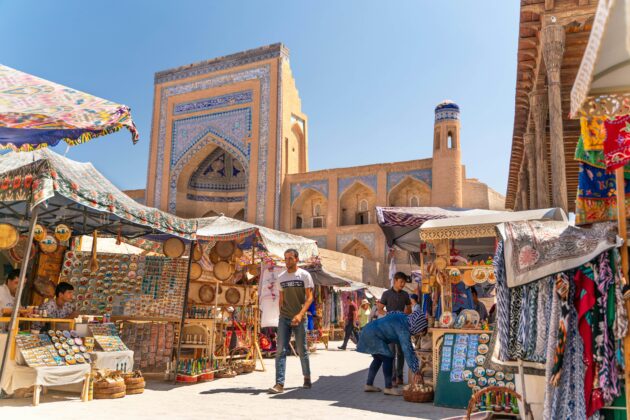
Madrasas and Workshops — Visit working silk, carpet, or wood-carving workshops for souvenirs and cultural insight.
Additional experiences: Watch sunset from the Kuhna Ark watchtower or city walls. Explore beyond the walls in Dishan Kala (outer town) for a more local feel. Take a guided walking tour for historical context. Day trips to ancient desert fortresses or even Muynaq (the “Aral Sea ship graveyard”) if time allows.
Two full days are ideal: one for deep exploration of Itchan Kala and another for relaxed wandering, viewpoints, and nearby sights.
Where to Stay
Options range from boutique guesthouses in historic buildings to newer hotels:
Inside or near Itchan Kala: Traditional guesthouses or boutique hotels for atmosphere (e.g., family-run B&Bs with rooftop terraces).
Upcoming luxury: Mercure Khiva (planned five-star) and properties like Farovon Khiva or the Arda Khiva complex (with modern amenities, pools, and even gondola canals).
Budget to mid-range: Hotels like Asia Khiva or Sulton-Sayyor offer convenient locations.
Book in advance, especially for stays inside the old city.
Where to Eat
Uzbek cuisine shines here with plov (rice pilaf with meat and carrots — UNESCO-listed), shashlik (grilled skewers), laghman (noodles), and fresh breads. Try rooftop restaurants with views over the old town (book ahead for prime tables). Look for traditional teahouses and local spots serving Khorezm-style dishes. Vegetarian options exist but are limited; meat dominates.
Practical Tips
Entrance fees — A combined ticket for Itchan Kala monuments is cost-effective; some sites have separate small fees.
Photography — The tiles and architecture are incredibly photogenic, especially at golden hour or blue hour.
What to bring — Comfortable walking shoes (cobblestones), sun protection, modest clothing (shoulders and knees covered for religious sites), and a scarf for women if visiting mosques.
Safety — Uzbekistan is generally very safe for tourists, with low crime against visitors.
Money & language — Uzbek som; cards are increasingly accepted, but carry cash. English is limited outside tourist areas — basic Russian or a translation app helps.
Sustainability — Support local artisans and avoid single-use plastics in this desert environment.
Final Thoughts
Khiva offers one of Central Asia’s most enchanting and immersive Silk Road experiences — a compact, magical city where history feels alive. With new high-speed rail and growing infrastructure, it’s becoming easier to reach while retaining its timeless charm. Whether you have one day or two, allow time to get lost in its alleys, admire the dazzling mosaics, and soak in the desert sunset over ancient minarets.
Combine Khiva with Bukhara and Samarkand for a classic Uzbekistan itinerary, or add desert adventures for contrast. This underrated gem might just become your favorite stop on the Silk Road.
Safe travels and enjoy the wonders of Khiva!