

A Travel Guide to the United Kingdom (2026)
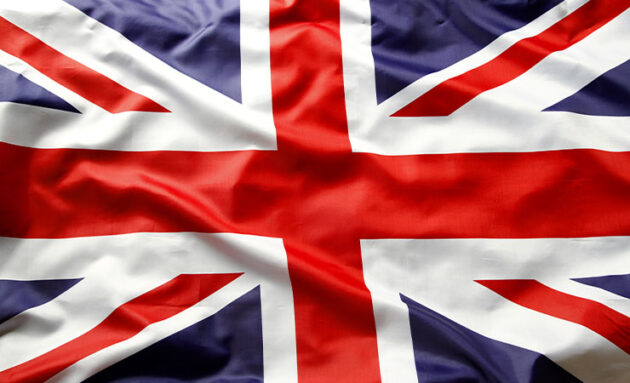
The United Kingdom (UK), comprising England, Scotland, Wales, and Northern Ireland, is a captivating destination offering a rich tapestry of history, culture, natural beauty, and modern vibrancy. From the iconic landmarks of London to the rugged Highlands of Scotland, the UK is a compact yet diverse country that caters to history buffs, nature lovers, foodies, and adventure seekers alike.
Why Visit the United Kingdom?
The UK blends ancient history with contemporary flair. Explore medieval castles, world-class museums, and picturesque countryside, or immerse yourself in vibrant cities with thriving arts and culinary scenes. Each region offers a distinct flavor: England’s historic grandeur, Scotland’s wild landscapes, Wales’ rugged coastlines, and Northern Ireland’s dramatic cliffs. With a well-connected transport network and a wealth of cultural experiences, the UK is perfect for both short getaways and extended adventures.
How to Get There
By Air: Major Airports: London Heathrow (LHR): The UK’s busiest airport, with connections worldwide. London Gatwick (LGW): A major hub for budget and long-haul flights. Manchester (MAN), Edinburgh (EDI), and Belfast (BFS): Serve international and domestic routes. Flights: Direct flights from the US, Asia, and Europe are plentiful. From New York, flights to London take about 7 hours and cost $300–$800 round-trip. From Asia (e.g., Beijing), expect 10–12 hours and $500–$1,200.
By Train: Eurostar: Connects London to Paris, Brussels, and Amsterdam via the Channel Tunnel. A Paris–London trip takes ~2.5 hours and costs £50–£150 one way. Within Europe: High-speed trains from continental Europe make the UK accessible without flying.
By Ferry: Ferries from France, Belgium, or Ireland (e.g., Dover–Calais) are scenic and affordable, starting at £30 per person.
Tip: Book flights or trains 2–3 months in advance for the best deals. Use Skyscanner or Trainline for comparisons.
Getting Around the UK
Trains: The UK’s rail network is efficient, connecting major cities like London, Edinburgh, Cardiff, and Belfast. Book via National Rail or Trainline. A London–Edinburgh ticket costs £50–£150 (4.5 hours). Consider a BritRail Pass for unlimited travel.
Buses: National Express and Megabus offer budget-friendly intercity travel (£10–£30). Local buses serve rural areas.
Car Rentals: Ideal for exploring countryside like the Cotswolds or Highlands. Rentals start at £30/day. Note: Drive on the left, and parking in cities can be costly.
London Transport: Use the Underground (Tube), buses, or Oyster Card (£7 daily cap for unlimited travel in Zones 1–2).
Domestic Flights: Budget airlines like Ryanair or easyJet connect cities (e.g., London–Edinburgh, ~1 hour, £20–£80).
Tip: Book train tickets early for discounts, and avoid peak travel times (e.g., Friday evenings).
Best Time to Visit
Spring (March–May): Mild weather (10–15°C), blooming gardens, and fewer crowds. Ideal for city sightseeing and countryside walks.
Summer (June–August): Warmest months (15–25°C), perfect for festivals (e.g., Glastonbury) and coastal trips. Crowds and prices peak, especially in London.
Autumn (September–November): Cooler (8–15°C), vibrant foliage, and quieter attractions. Great for hiking in Scotland or Wales.
Winter (December–February): Chilly (0–8°C), with festive markets (e.g., London’s Winter Wonderland) and fewer tourists. Indoor attractions like museums shine.
Weather Tip: The UK’s weather is unpredictable—pack layers, waterproof clothing, and sturdy shoes year-round.
Major Cities
London
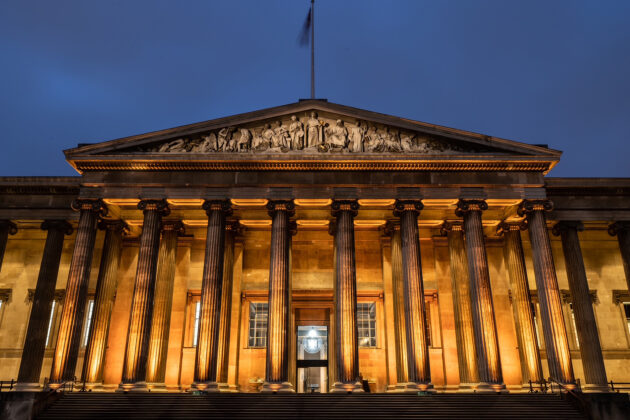
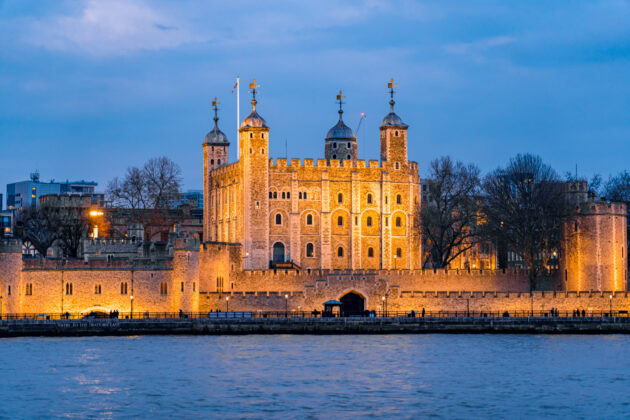
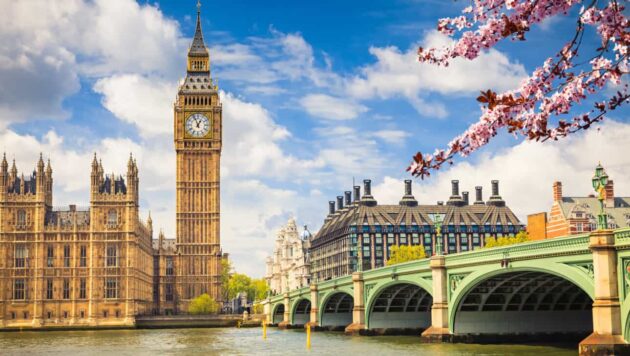
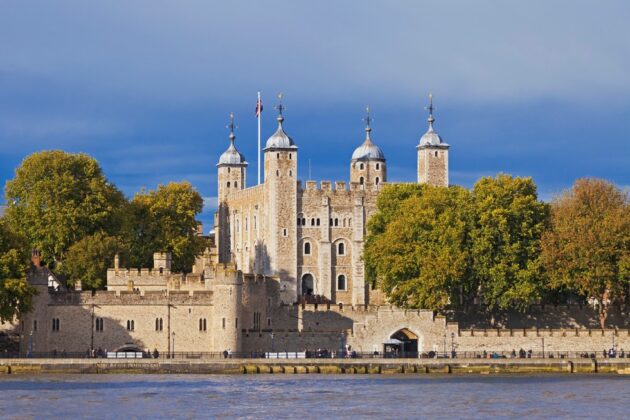
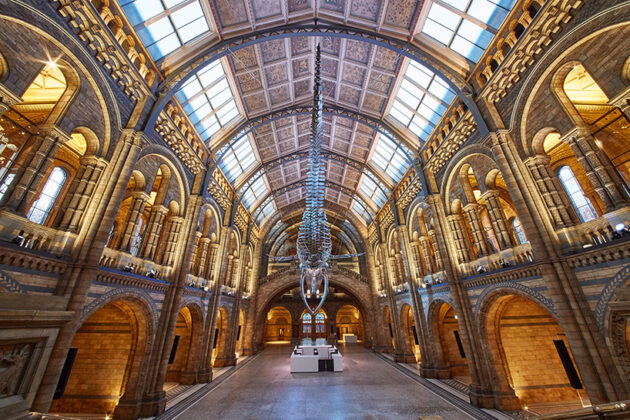
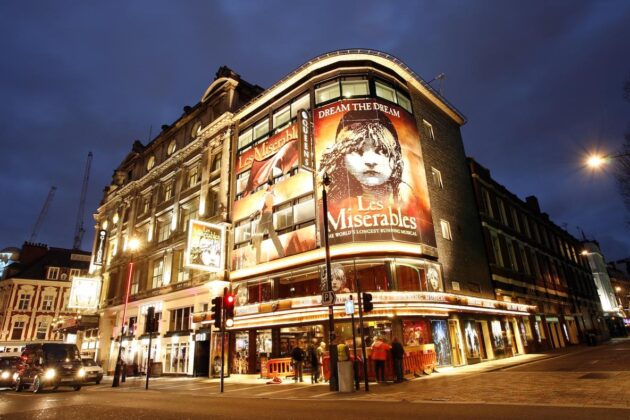
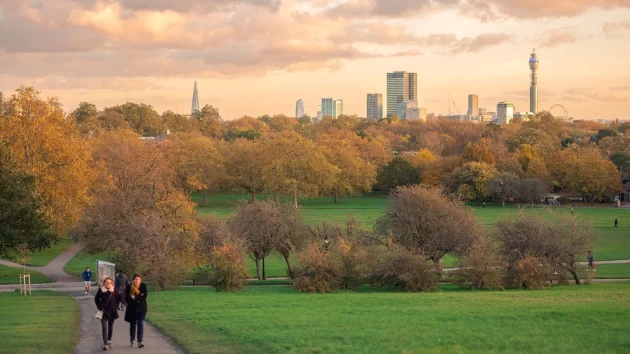
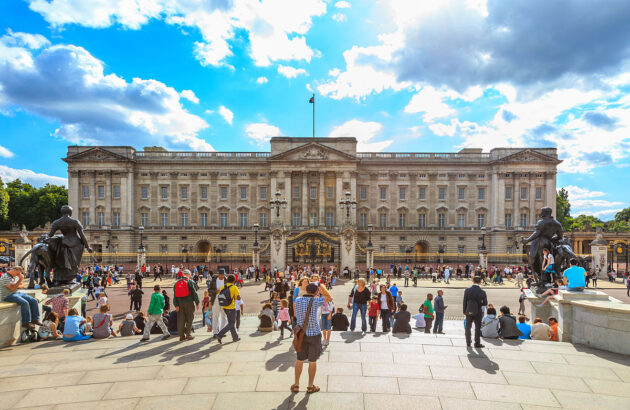
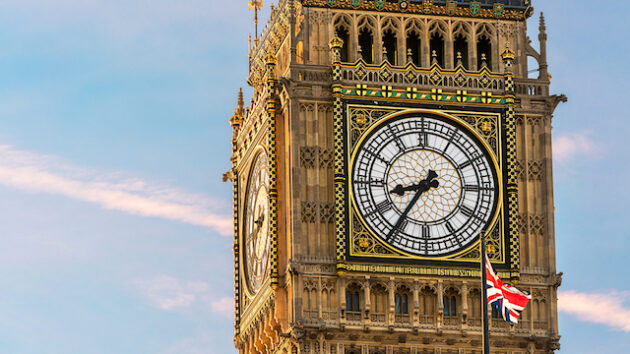
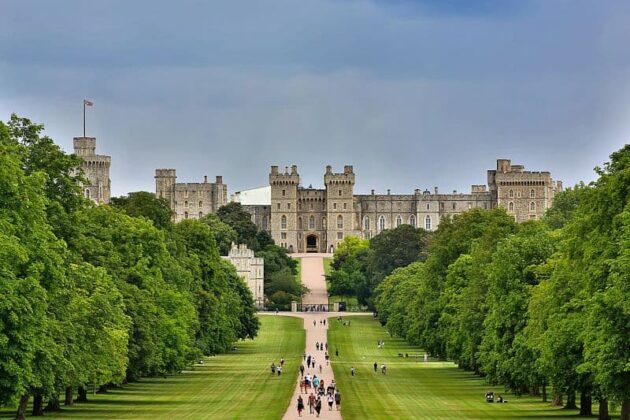
London, the vibrant capital of the United Kingdom, is a city where history meets modernity, offering a rich tapestry of iconic landmarks, cultural diversity, and endless activities. From the grandeur of Buckingham Palace to the trendy streets of Shoreditch, London captivates travelers with its blend of tradition and innovation.
Edinburgh
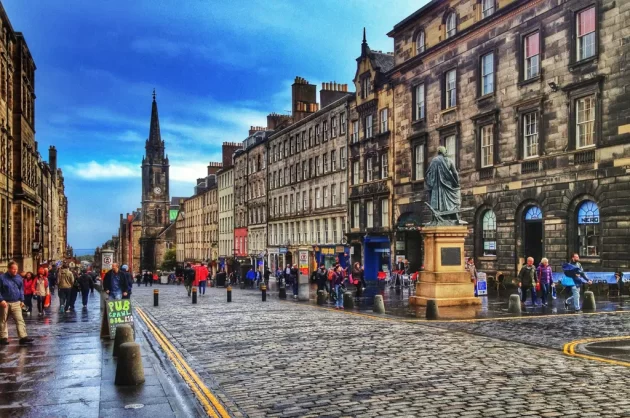
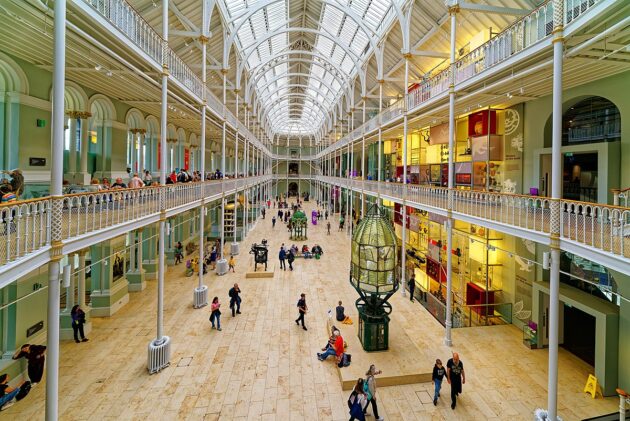
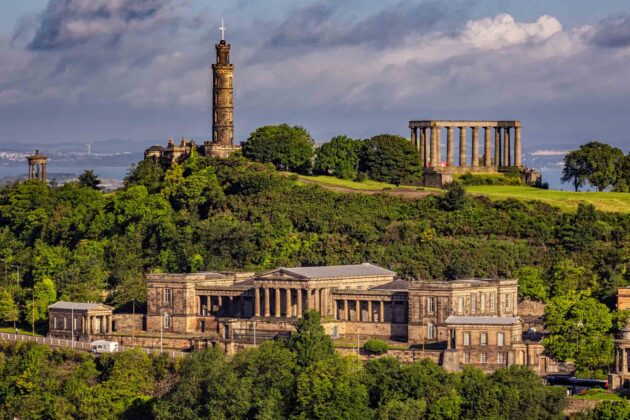
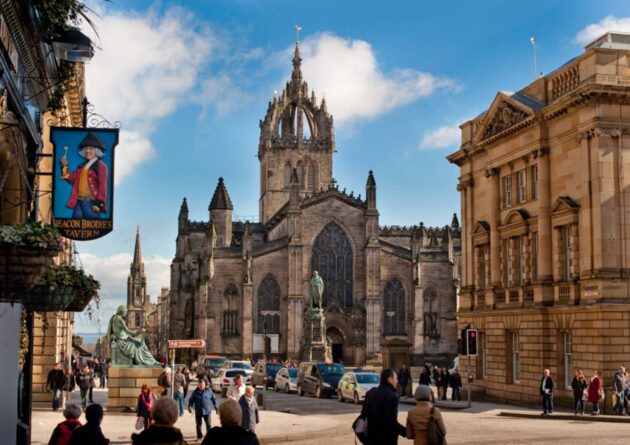
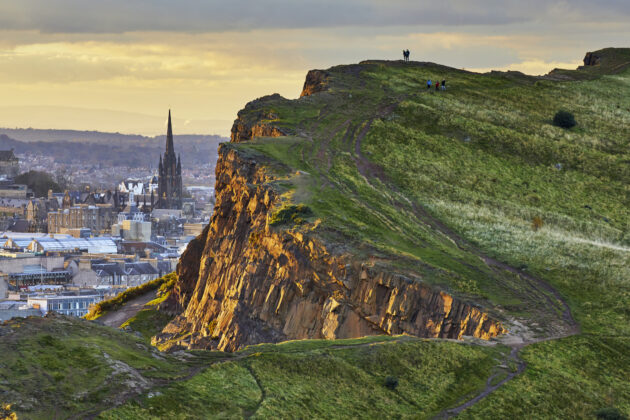
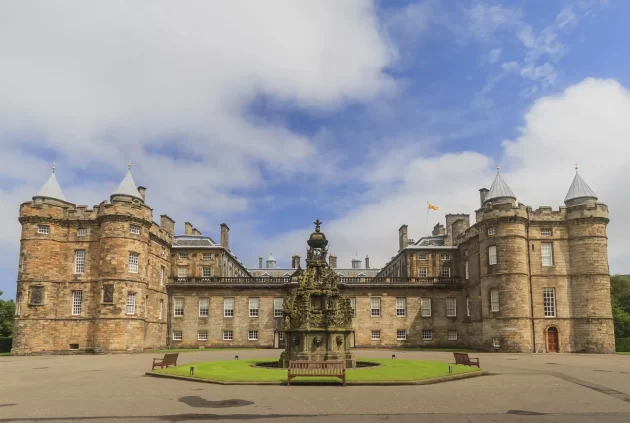
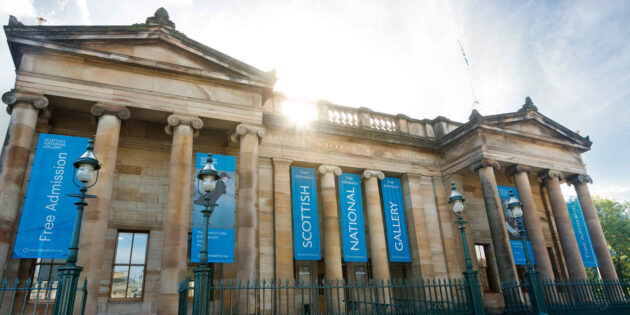
Edinburgh seamlessly blends history with modernity, offering something for everyone. Its UNESCO-listed Old Town and New Town showcase contrasting architectural styles, while landmarks like Arthur’s Seat provide breathtaking views. The city is a cultural hub, famous for the Edinburgh Festival Fringe, the world’s largest arts festival, held every August.
Top Attractions
Eryri National Park
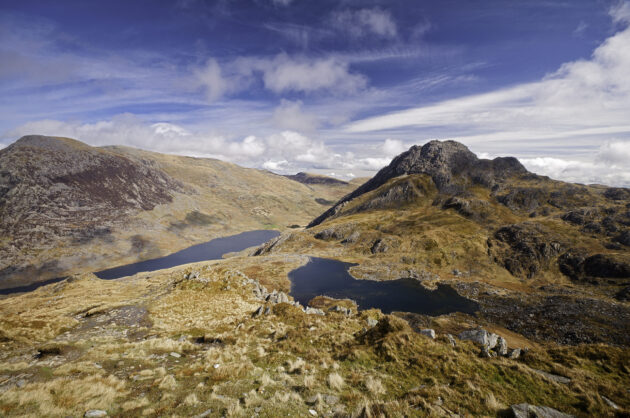
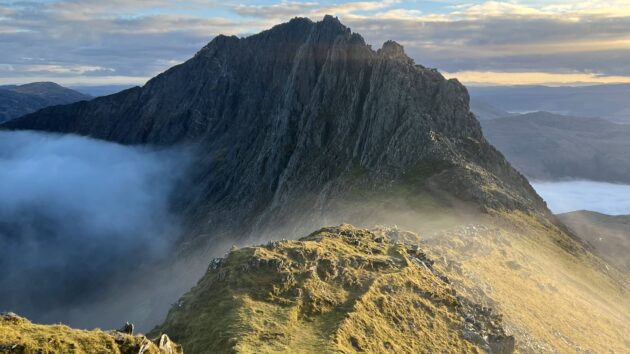
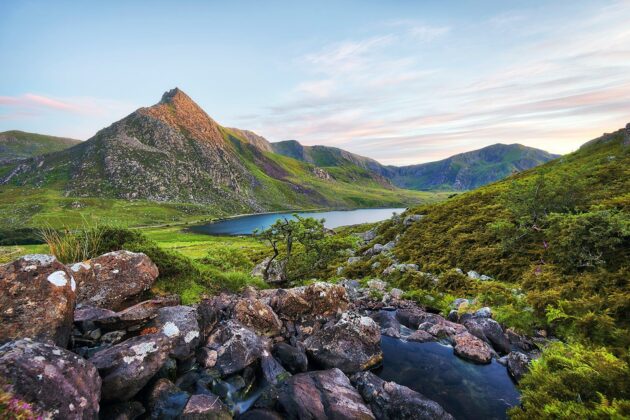
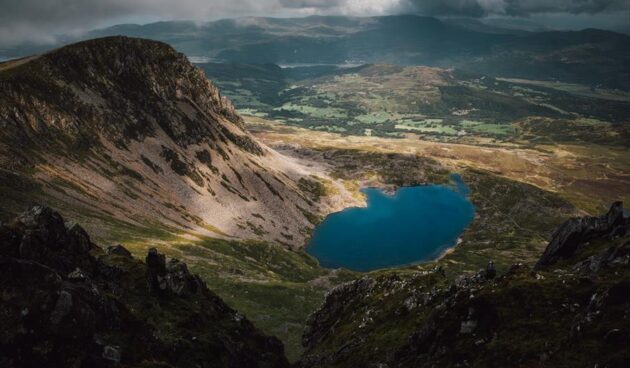
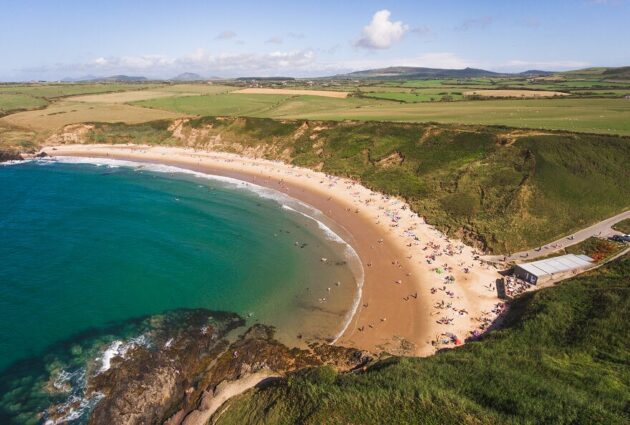
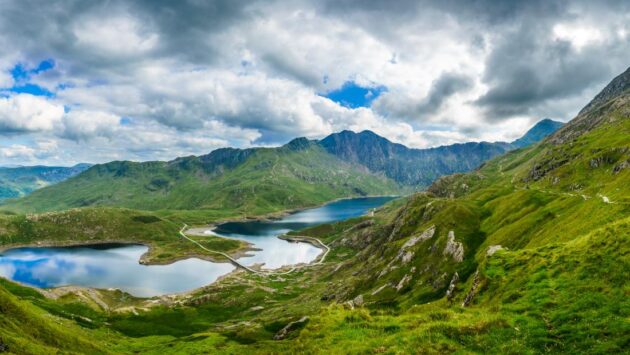
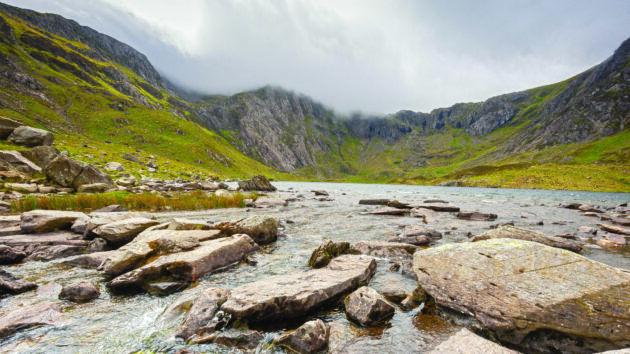
Nestled in the dramatic landscapes of northwest Wales, Eryri National Park—formerly known as Snowdonia and officially renamed in Welsh in 2022—spans 823 square miles of rugged mountains, serene lakes, ancient woodlands, and coastal cliffs. As Wales’ largest and oldest national park, established in 1951, it is a haven for outdoor adventurers, nature lovers, and those seeking cultural immersion.

Lake District National Park
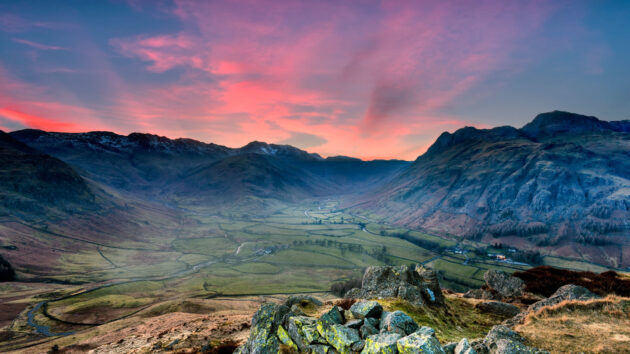
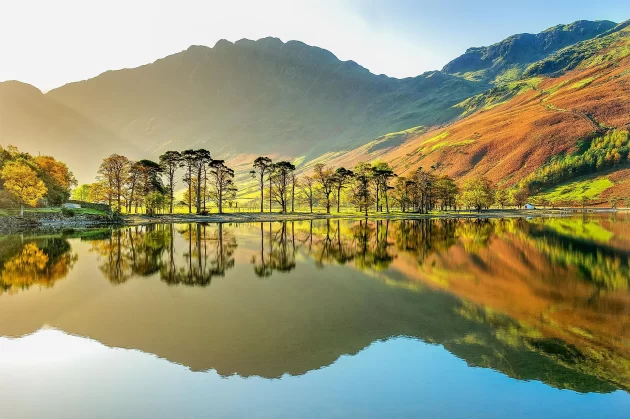
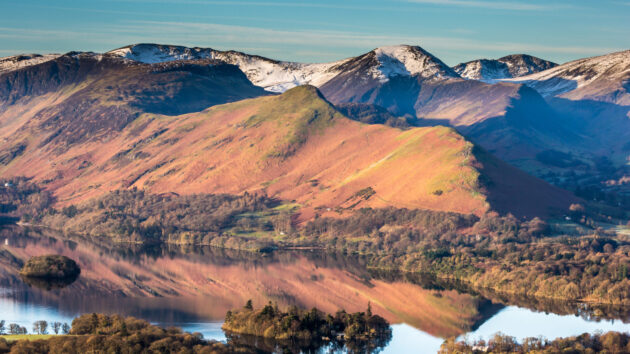
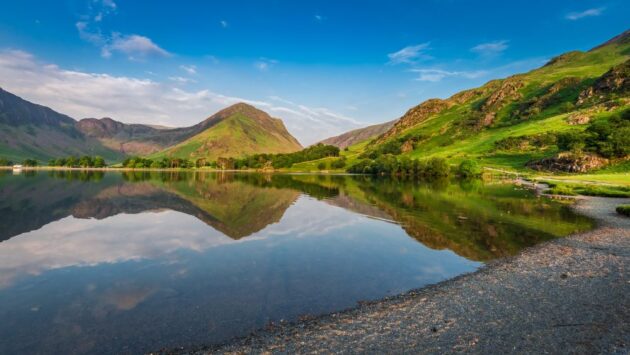
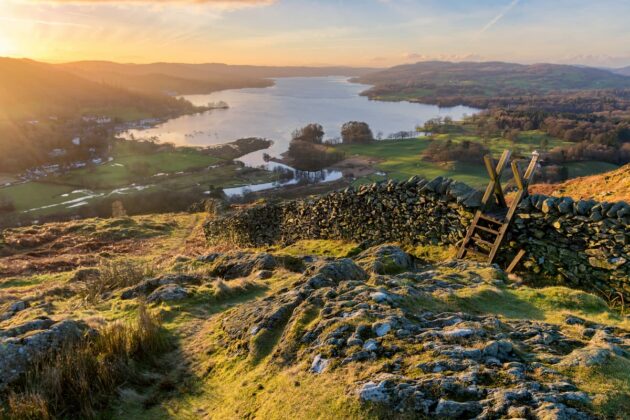
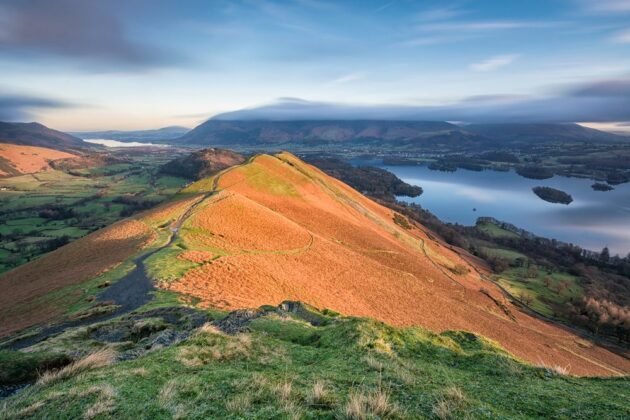
Nestled in the northwest of England, the Lake District National Park is a UNESCO World Heritage Site and England’s largest national park, spanning 912 square miles (2,362 square km) of dramatic landscapes. Characterized by over 200 rugged fells (mountains), serene lakes, ancient woodlands, and charming villages, it has inspired poets like William Wordsworth and Beatrix Potter, as well as filmmakers from Star Wars: The Force Awakens to Bridget Jones: Mad About The Boy.

Peak District National Park
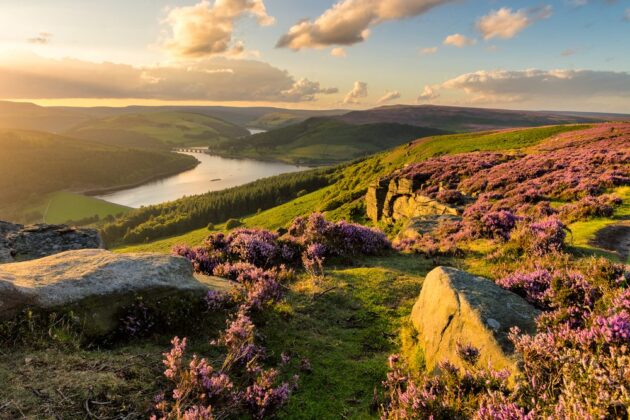
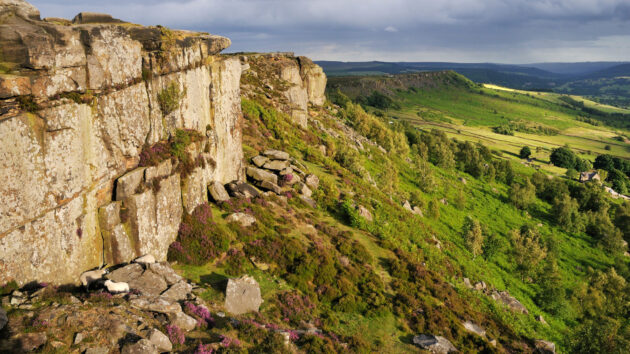
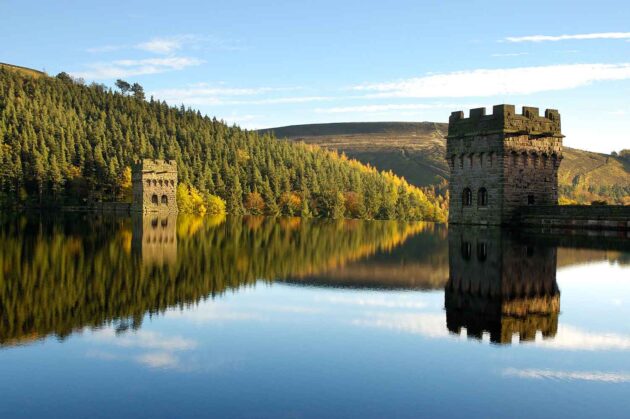
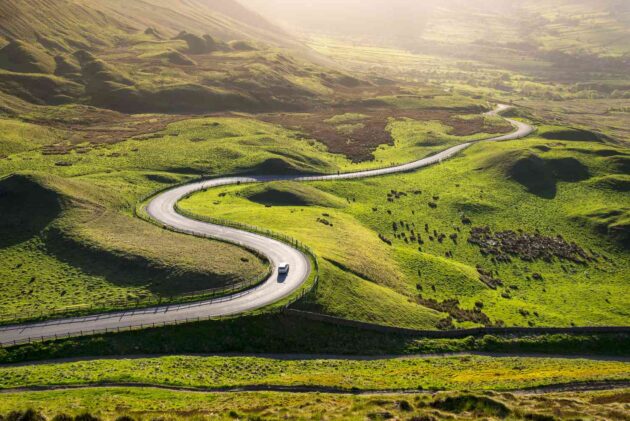
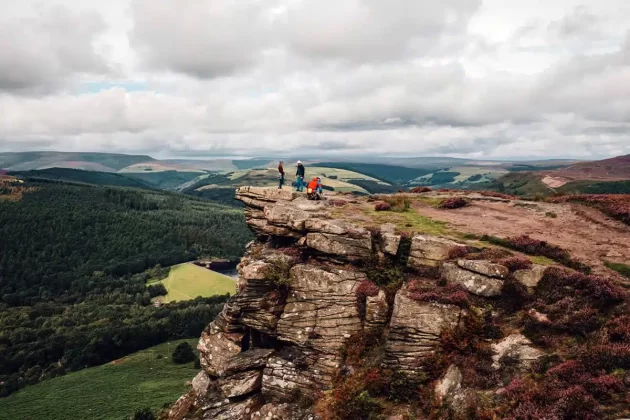
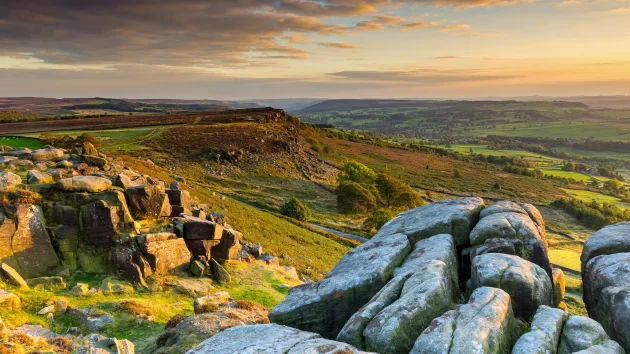
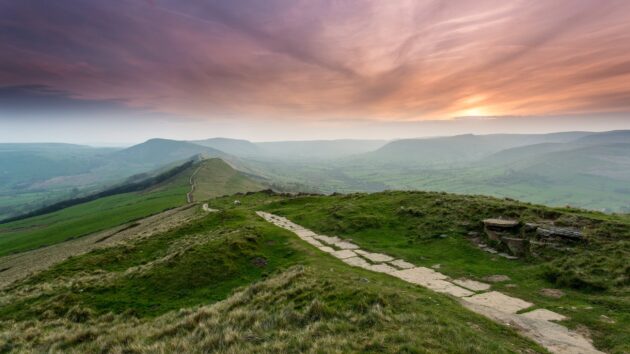
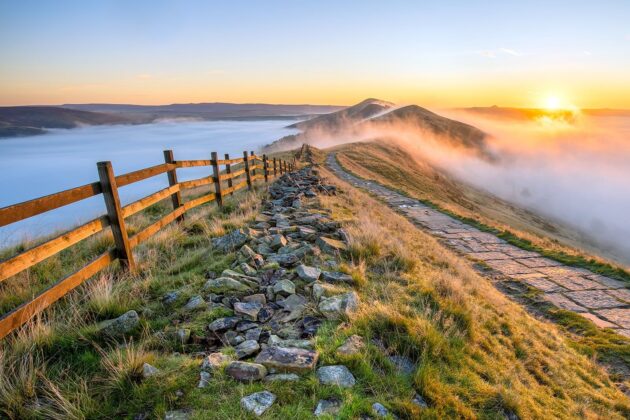
Nestled in the heart of England, the Peak District National Park is the UK’s oldest national park, established in 1951. Spanning 555 square miles (1,438 square kilometers) across Derbyshire, Cheshire, Staffordshire, Yorkshire, and Greater Manchester, it offers a dramatic tapestry of rugged moorlands, limestone dales, gritstone edges, and rolling hills.

Yorkshire Dales National Park
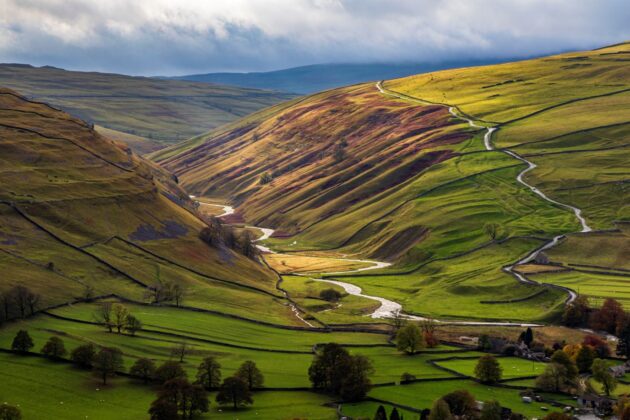
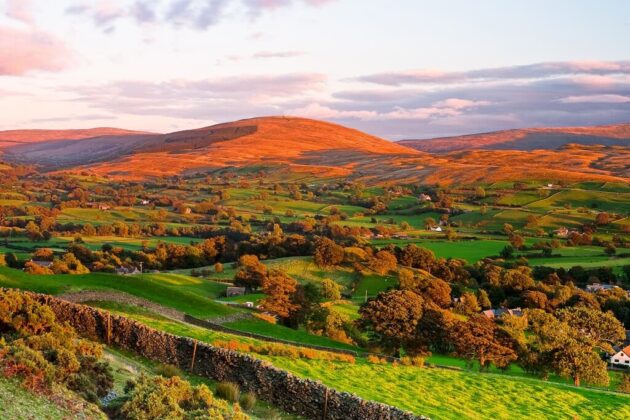
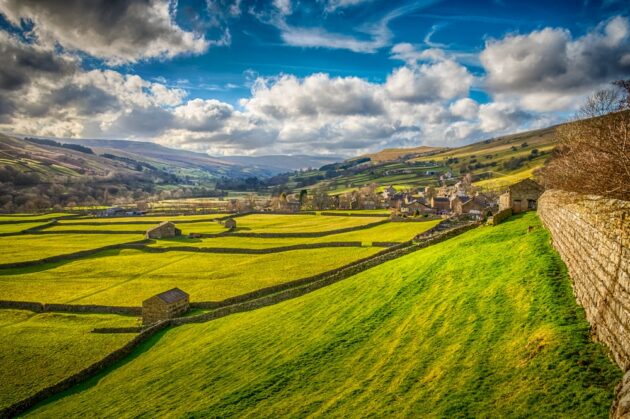
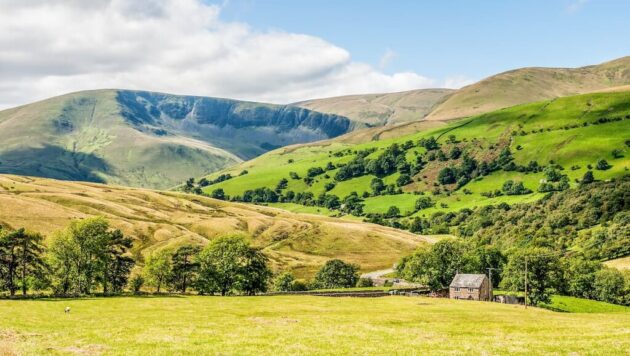
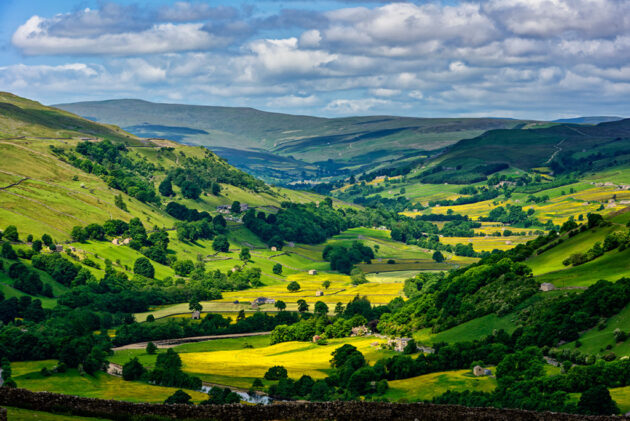
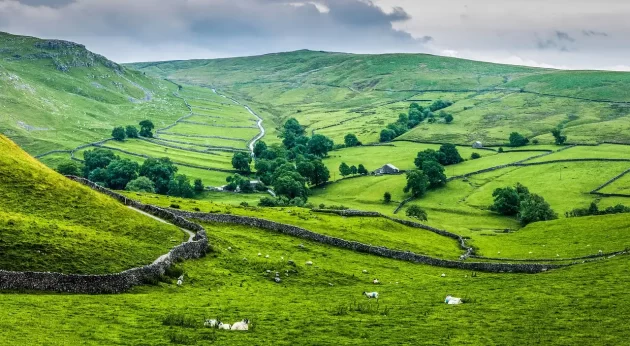
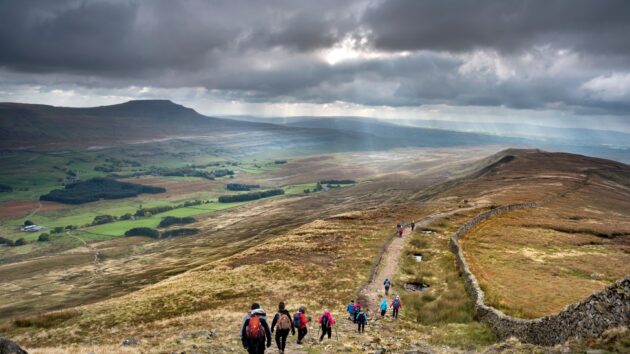
Nestled in the heart of northern England, Yorkshire Dales National Park spans over 840 square miles of dramatic limestone landscapes, rolling green valleys, and timeless stone villages. Established in 1954, this UNESCO-protected area—home to the Pennine “backbone of England”—offers a perfect blend of rugged wilderness and pastoral charm. With its dry-stone walls, heather-clad moors, and iconic peaks, the Dales inspire hikers, cyclists, and nature lovers alike.

Giant’s Causeway
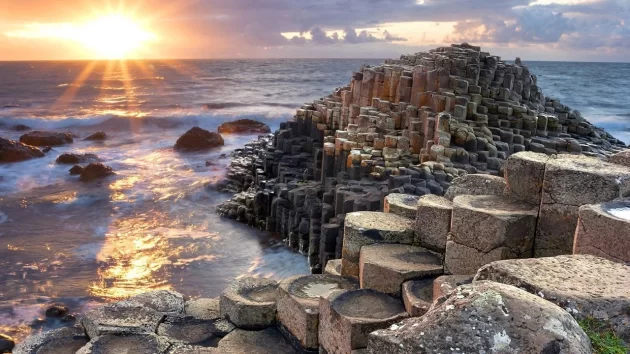
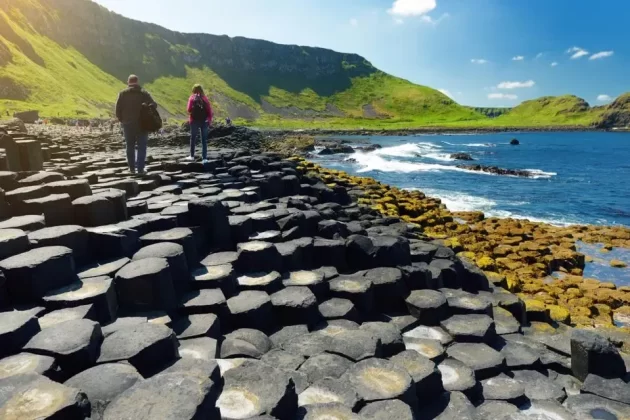
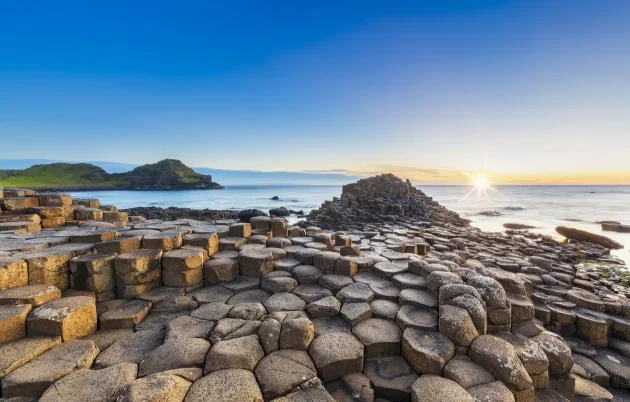
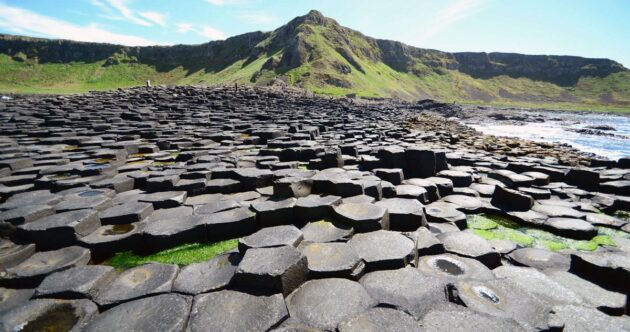
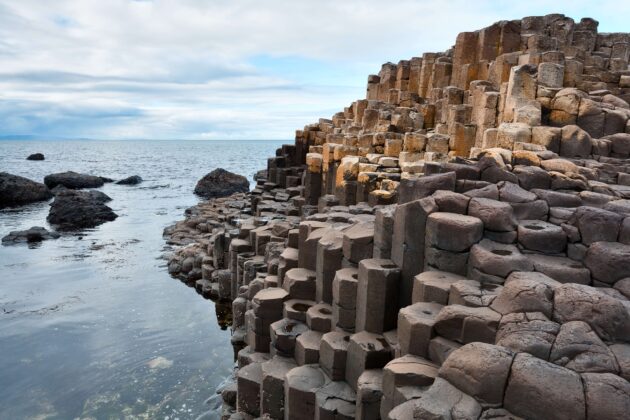
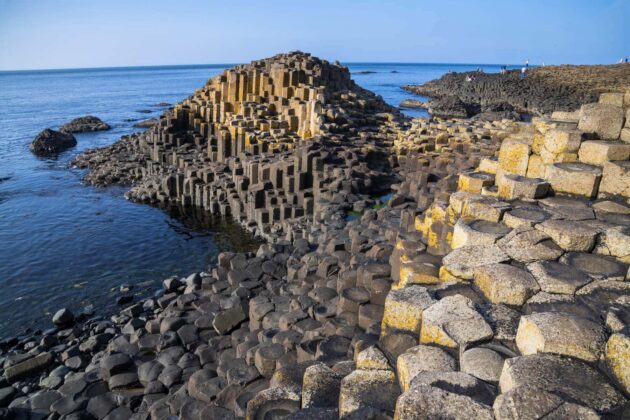
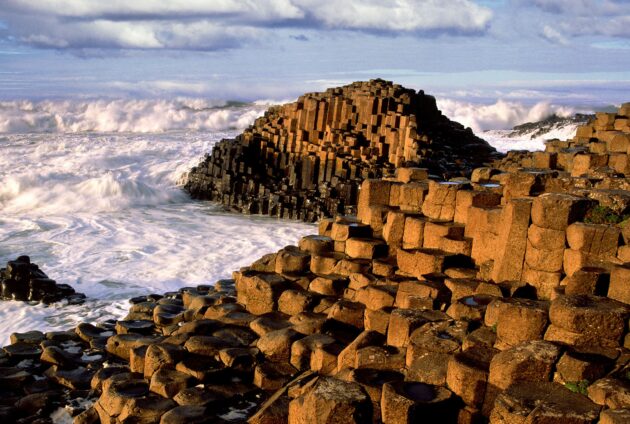
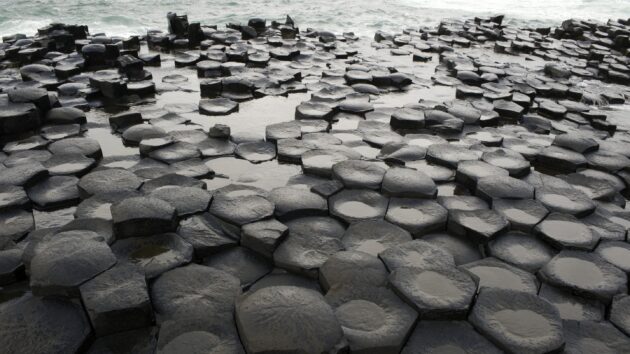
The Giant’s Causeway, located on the rugged north coast of County Antrim, Northern Ireland, is a UNESCO World Heritage Site and one of the UK’s most iconic natural wonders. Famous for its 40,000 interlocking basalt columns formed by volcanic activity 60 million years ago, this geological marvel is steeped in myth, most notably the legend of the giant Finn McCool.
Brecon Beacons National Park
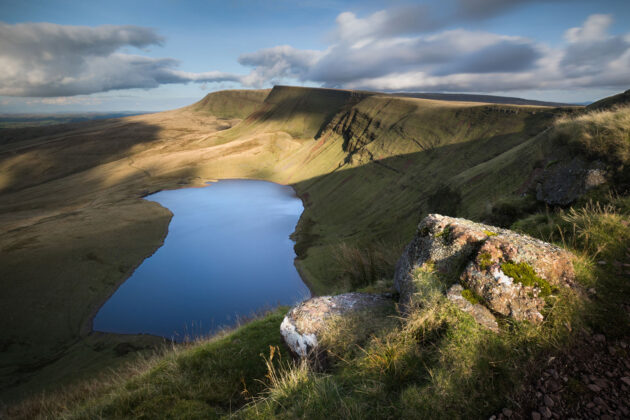
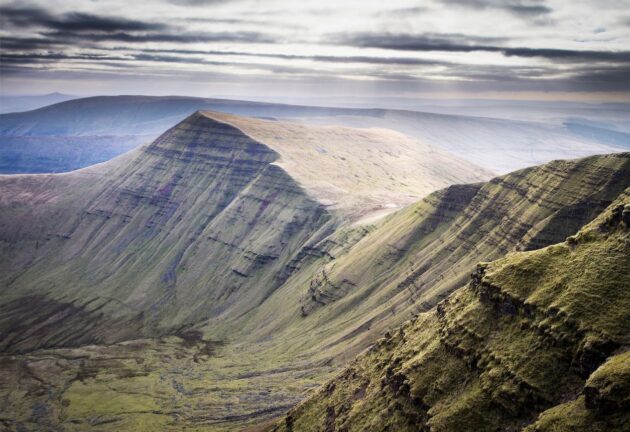
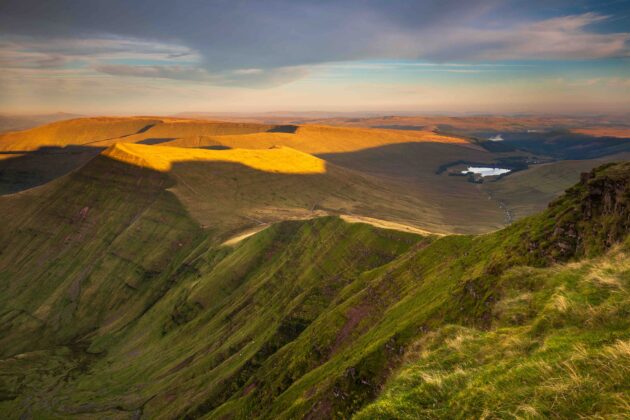
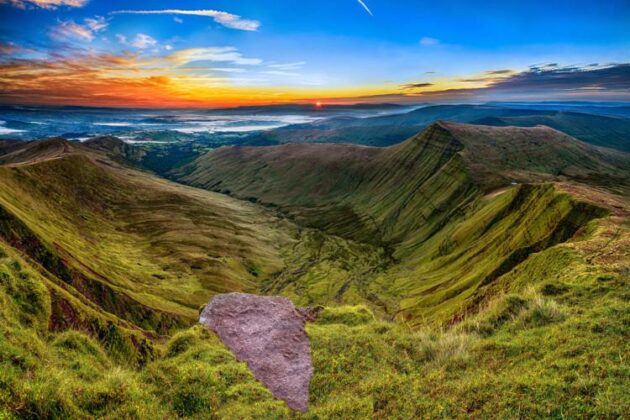
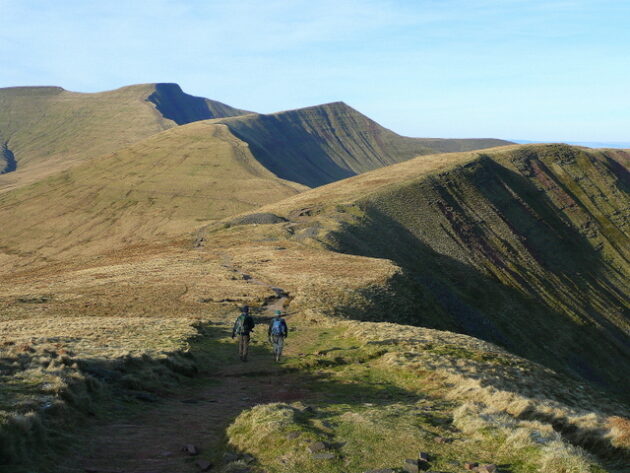
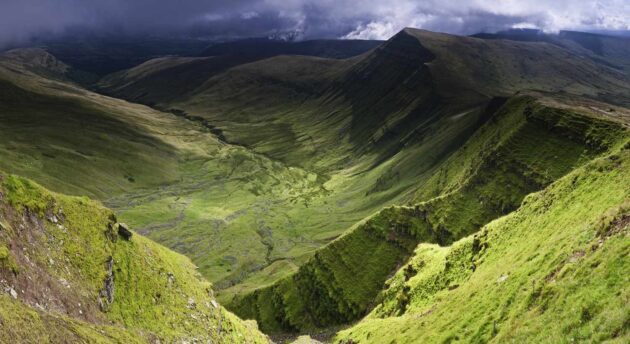
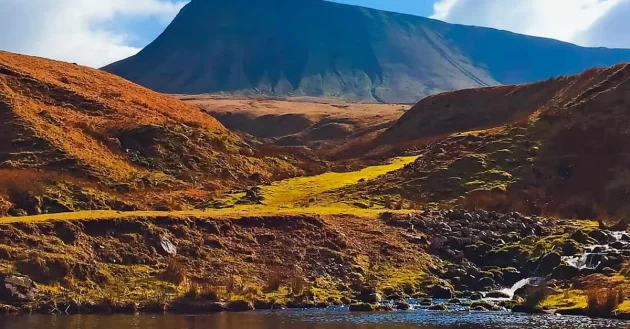
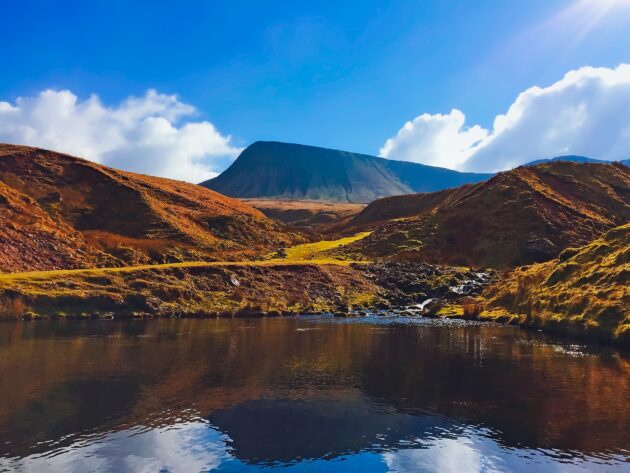
Nestled in the heart of South Wales, Brecon Beacons National Park (now officially known as Bannau Brycheiniog) is a breathtaking expanse of rugged mountains, cascading waterfalls, lush valleys, and ancient moorlands. Covering over 519 square miles, it was established in 1957 as one of the UK’s 15 national parks and is renowned for its dramatic landscapes that inspired J.R.R. Tolkien’s Middle-earth.
Where to Eat
Traditional Dishes: Try roast beef with Yorkshire pudding, Scottish salmon, Welsh rarebit, or Northern Irish soda bread.
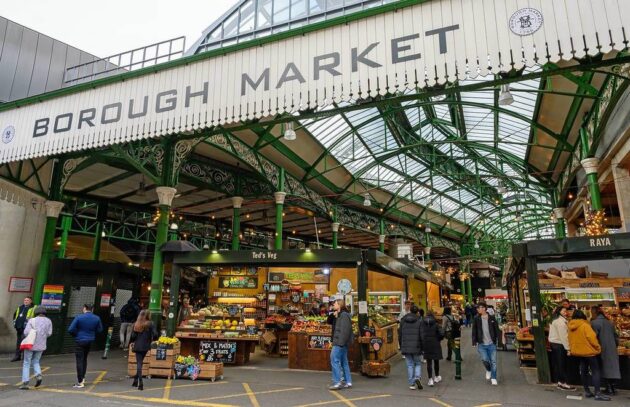
London: Diverse options from Michelin-starred restaurants (e.g., Dishoom for Indian, £20–£40) to street food at Borough Market.
Pubs: Classic spots like The Eagle in Cambridge or The Old Forge in Scotland serve hearty meals (£10–£20).
Afternoon Tea: A quintessentially British experience, try Fortnum & Mason in London (£40–£80).
Budget Options: Chains like Pret A Manger or Greggs offer sandwiches and pastries (£5–£10).
Tip: Tipping is optional (10–15% in restaurants if service isn’t included).
Where to Stay
London: Luxury: The Savoy or Claridge’s (£400–£800/night). Mid-Range: Premier Inn or Travelodge (£80–£150/night). Budget: Hostels like YHA London St Pancras (£20–£50/night).
Edinburgh: Stay at The Witchery by the Castle (luxury, £300+) or Ibis Edinburgh Centre (£80–£150).
Cardiff: Parkgate Hotel (upscale, £100–£200) or NosDa Hostel (budget, £20–£50).
Belfast: Titanic Hotel Belfast (themed, £150–£250) or Vagabonds Hostel (£15–£40).
Countryside: Consider B&Bs or Airbnb cottages for a local experience (£50–£150).
Tip: Book accommodations 3–6 months in advance for summer or festive seasons. Use Booking.com or Airbnb for deals.
Practical Tips
Visa: US, EU, and many Asian citizens don’t need a visa for stays up to 6 months. Check UK.gov for requirements.
Currency: British Pound (£, GBP). Cards are widely accepted; carry some cash for small vendors.
Language: English is universal, with regional accents. Welsh is spoken in parts of Wales, and Gaelic in Scotland.
Power: UK uses Type G plugs (230V). Bring a universal adapter.
Safety: The UK is generally safe, but beware of pickpockets in crowded areas like London’s Tube.
Connectivity: Buy a prepaid SIM (e.g., EE or Vodafone, £10–£20 for 10GB) or use free Wi-Fi in cafes and museums.
Etiquette: Queue politely, say “please” and “thank you,” and avoid loud conversations in public.
Sample Itinerary (7 Days)
- Day 1–3: London – Explore landmarks, museums, and West End shows.
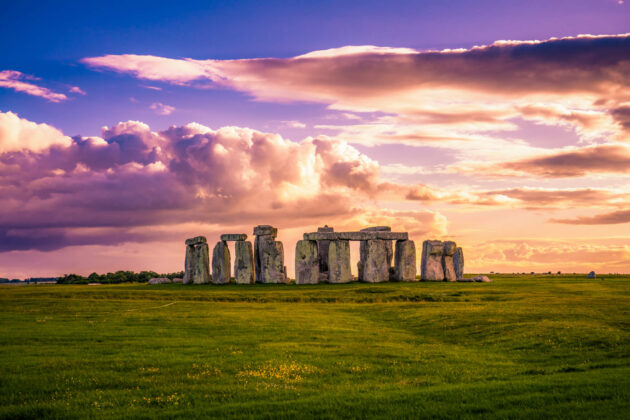
- Day 4: Stonehenge & Bath – Day trip to see the ancient stones and Roman baths.
- Day 5–6: Edinburgh – Visit the castle, hike Arthur’s Seat, and explore the Royal Mile.
- Day 7: Day Trip to Loch Ness or Giant’s Causeway – Experience Scotland or Northern Ireland’s natural wonders.
Final Thoughts
The United Kingdom is a destination that seamlessly blends history, culture, and breathtaking landscapes. Whether you’re wandering London’s vibrant streets, hiking in the Scottish Highlands, or tracing myths in Wales, the UK offers endless discoveries. Plan ahead for popular attractions, embrace the unpredictable weather, and savor the diverse experiences each region brings. From cozy pubs to ancient castles, your UK adventure promises memories to last a lifetime.
Happy travels!