

Ultimate Travel Guide to Greece (2026)
Greece, the cradle of Western civilization, beckons with its sun-drenched islands, ancient ruins, and azure Mediterranean waters. From the bustling streets of Athens to the whitewashed cliffs of Santorini, this Mediterranean gem offers a perfect blend of history, adventure, and relaxation. Whether you’re a history buff exploring the Acropolis or a beach lover island-hopping in the Cyclades, Greece delivers unforgettable experiences. With over 6,000 islands (only 227 inhabited) and a coastline stretching 13,676 km, it’s a destination that rewards both first-timers and return visitors.
Best Time to Visit
Greece’s Mediterranean climate means hot, dry summers and mild, wet winters. Shoulder seasons offer the sweet spot for travel.
| Season | Weather | Crowds & Prices | Highlights |
|---|---|---|---|
| Spring (Mar-May) | 15–25°C (59–77°F), blooming wildflowers | Low crowds, affordable | Hiking in Crete, fewer lines at ruins |
| Summer (Jun-Aug) | 25–35°C (77–95°F), sunny & hot | Peak crowds, high prices | Island beaches, festivals like Athens Epidaurus (May-Oct) |
| Fall (Sep-Oct) | 20–28°C (68–82°F), warm seas | Moderate crowds, value deals | Olive harvests, wine tours |
| Winter (Nov-Feb) | 10–15°C (50–59°F), rainy | Very low, budget-friendly | City museums, fewer tourists on mainland |
Pro Tip: Avoid July-August if possible—ferries and flights book up fast, and prices surge 20–50%. Book ferries early via Direct Ferries or Hellenic Seaways apps.
Getting There
By Air: Fly into Athens International Airport (ATH) via major hubs like London, New York, or Dubai. Budget carriers like Ryanair and Aegean Airlines offer cheap flights (€50–150 one-way from Europe). For islands, direct flights to Santorini (JTR) or Mykonos (JMK) from summer.
By Sea: Ferries from Italy (Bari/Brindisi to Patras/Igoumenitsa) or Turkey (to Greek islands) take 8–20 hours (€40–100).
By Land: Drive or bus from neighboring Bulgaria or Albania, but expect border delays.
Once there, rent a car (€20–50/day) for mainland flexibility or use KTEL buses (€10–40 for long hauls).
Top Destinations
Athens
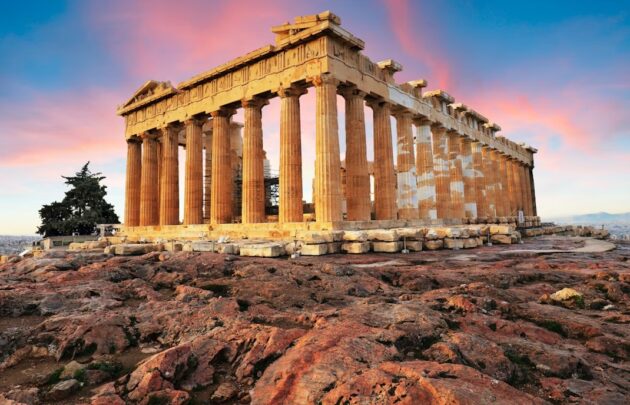
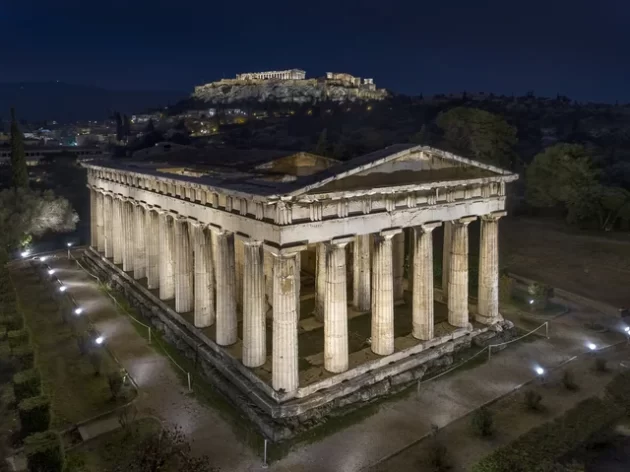
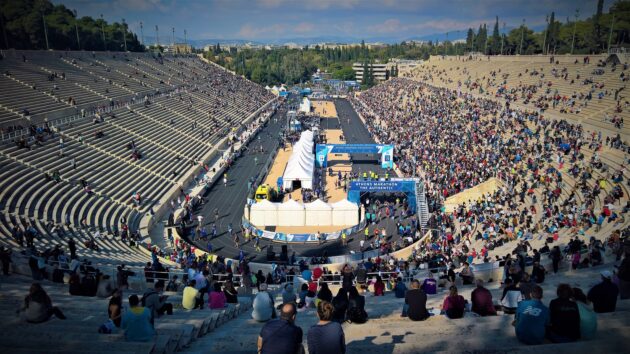
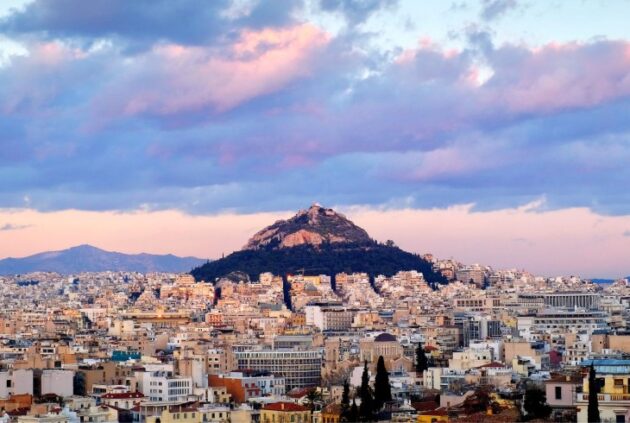
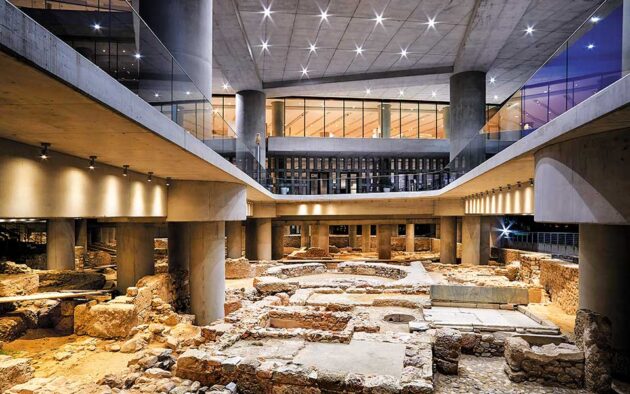
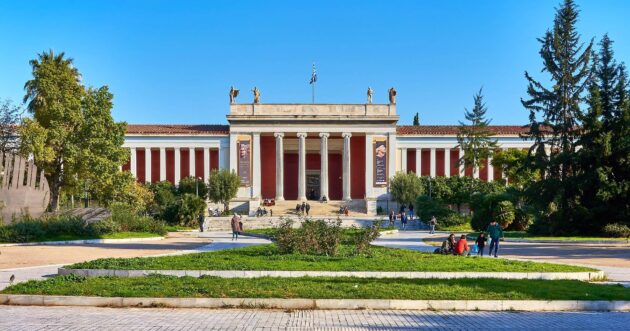
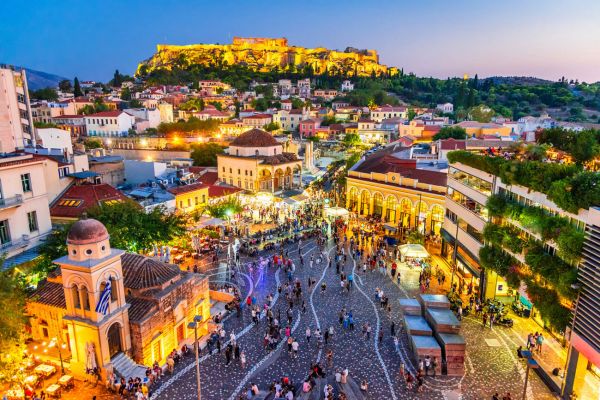
Athens, the cradle of Western civilization, is a vibrant metropolis where ancient history meets modern energy. Founded over 5,000 years ago, this sprawling city of more than 3 million people blends iconic ruins like the Acropolis with lively neighborhoods, world-class museums, and a thriving food scene. Whether you’re a history buff exploring marble temples or a foodie savoring souvlaki in hidden tavernas, Athens offers an unforgettable mix of culture, cuisine, and coastal charm.
Santorini
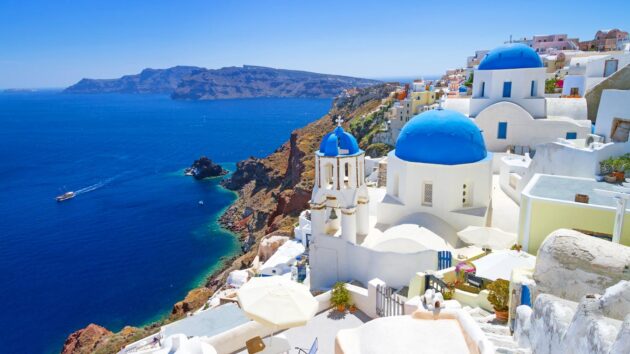
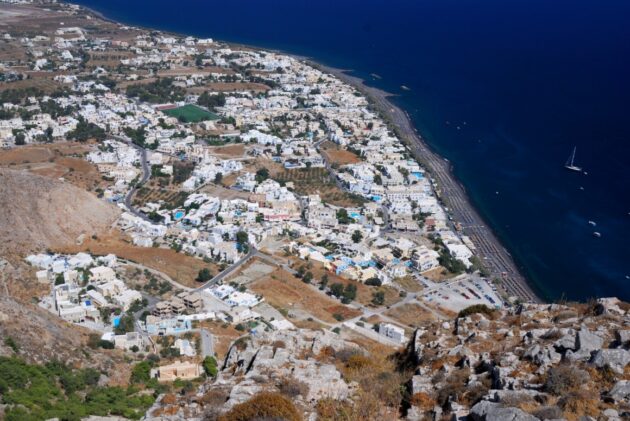
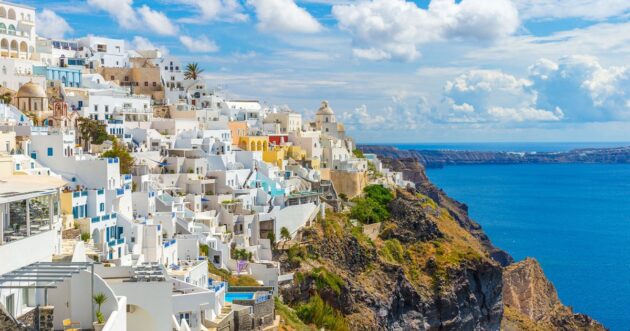
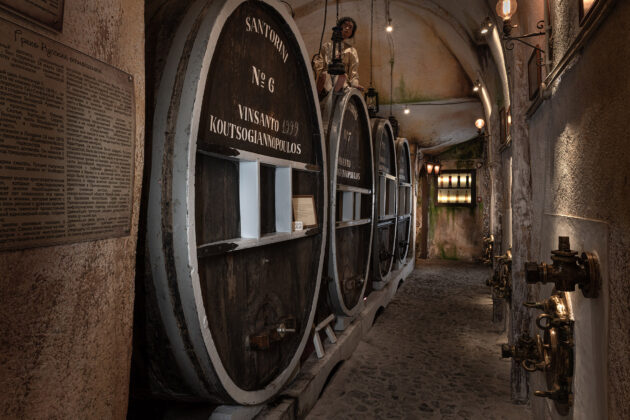
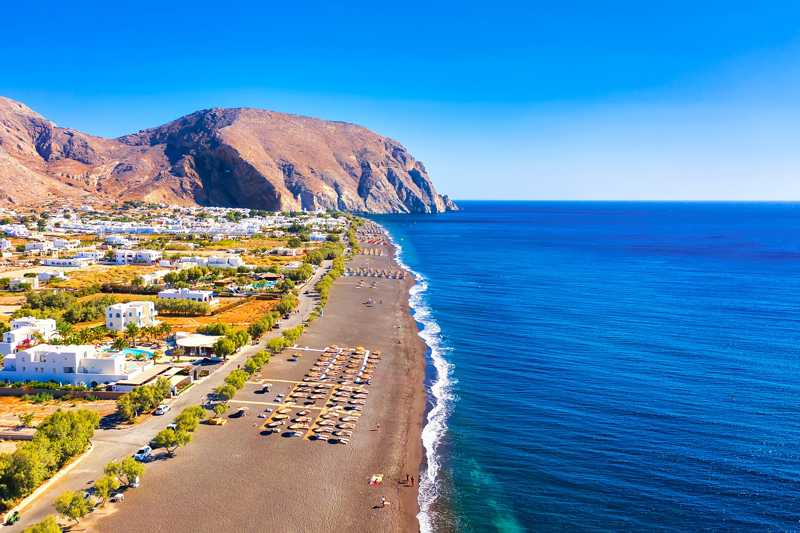
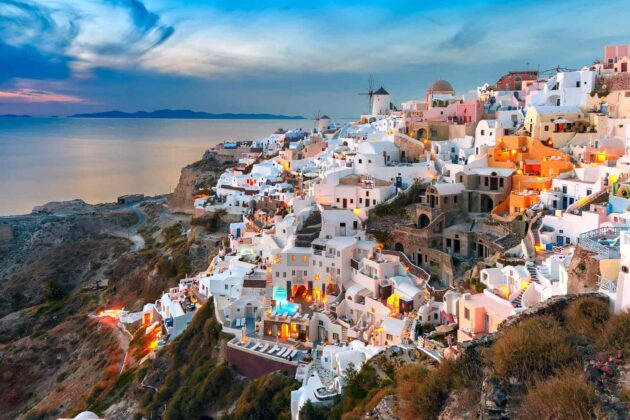
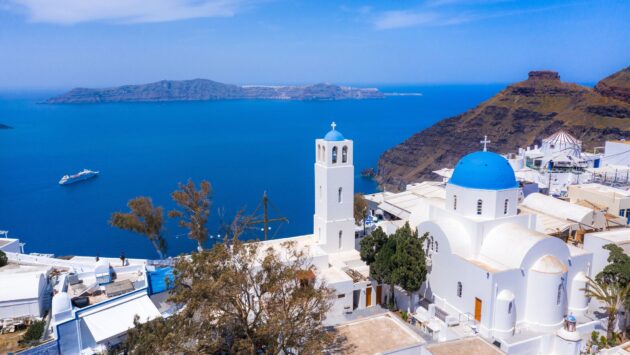
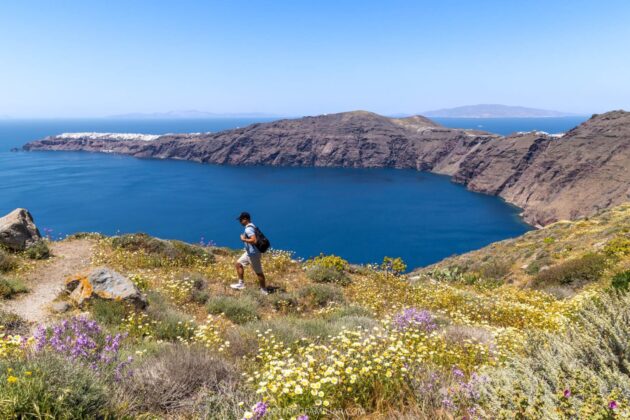
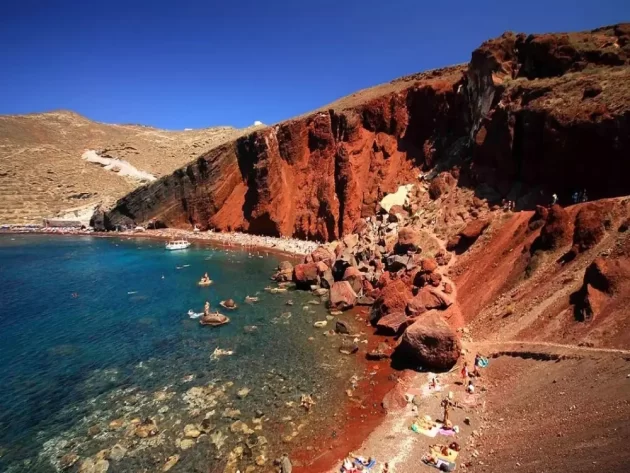
Santorini, also known as Thira or Thera, is Greece’s crown jewel in the Aegean Sea—a volcanic island famed for its dramatic caldera cliffs, white-washed buildings topped with blue domes, and legendary sunsets that draw romantics, honeymooners, and photographers from around the world. Shaped by a massive ancient eruption around 1600 BCE, it offers a blend of luxury, history, and natural beauty, from black-sand beaches to ancient ruins and world-class wines.
Mykonos
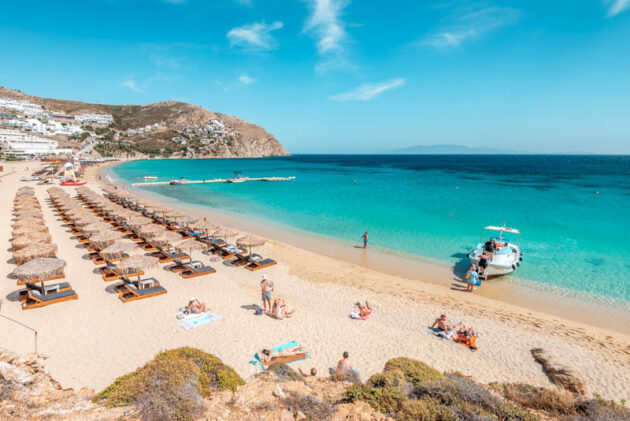
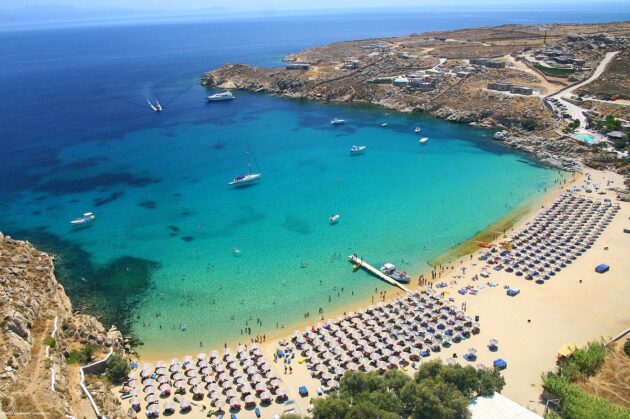
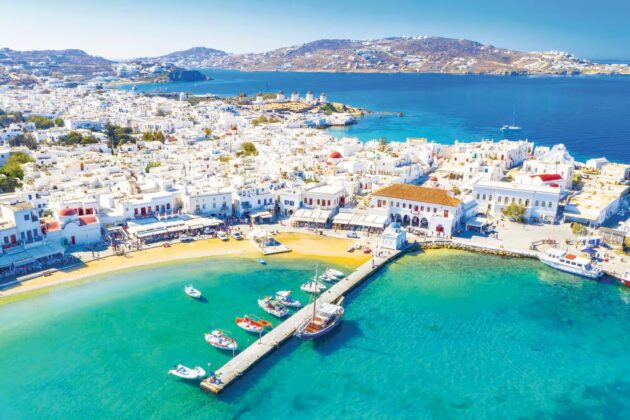
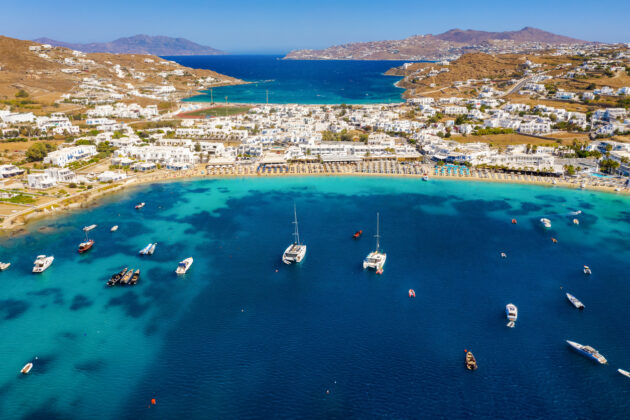
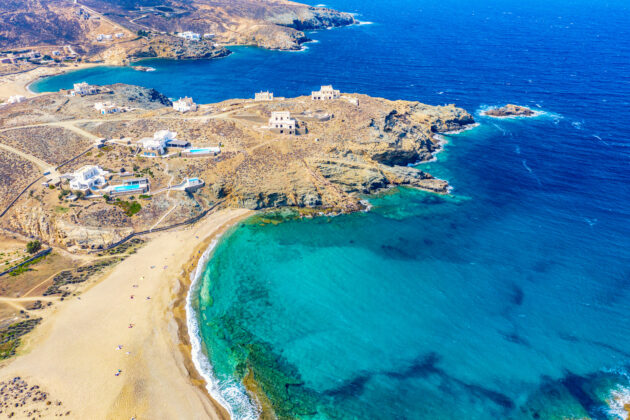
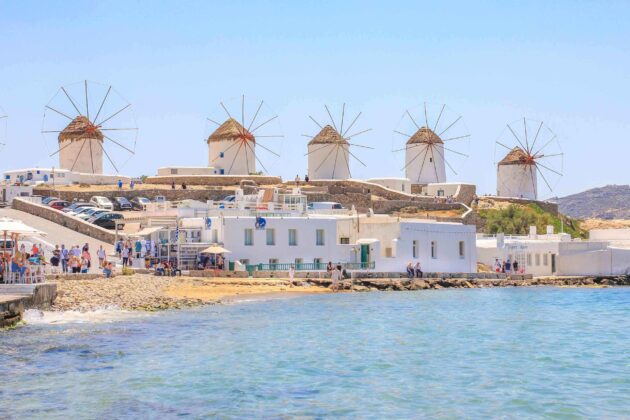
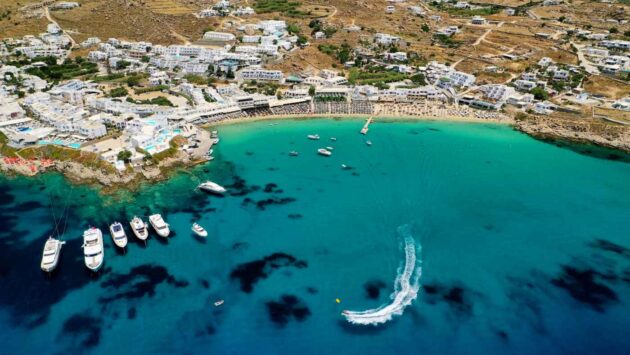
Mykonos, one of the Cyclades islands in the Aegean Sea, is synonymous with sun-soaked glamour, where whitewashed buildings cascade down hillsides, turquoise waters lap at golden sands, and the party never truly ends. Often dubbed the “Island of the Winds,” it’s a playground for jet-setters, history buffs, and beach lovers alike.
Heraklion
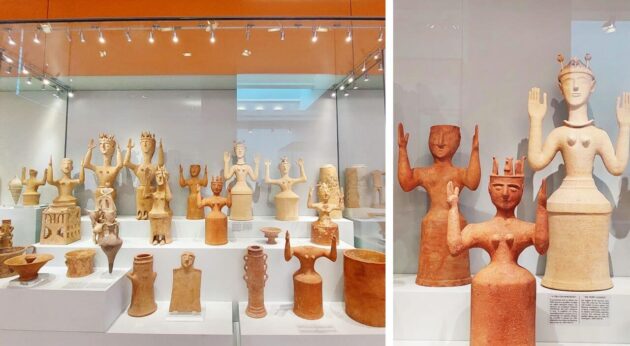
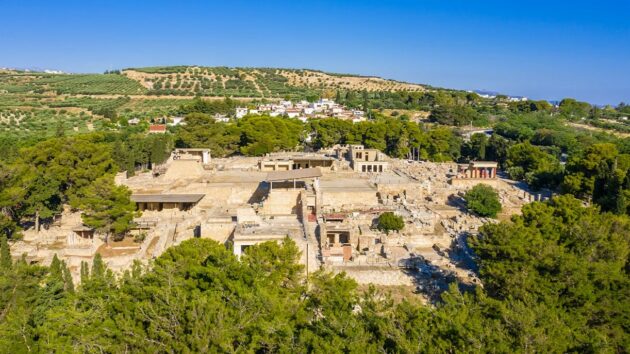
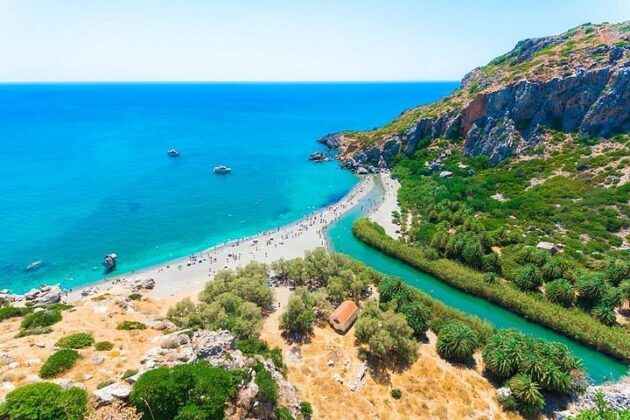
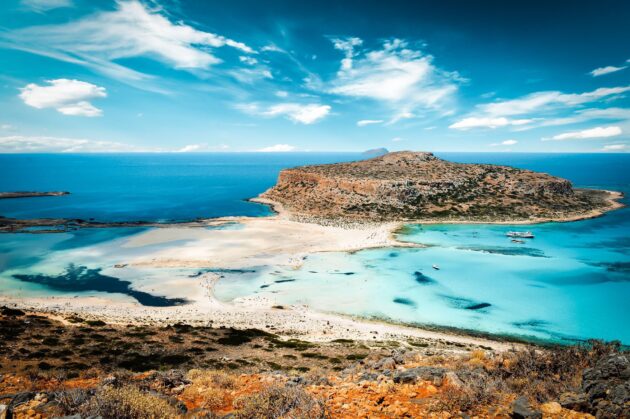
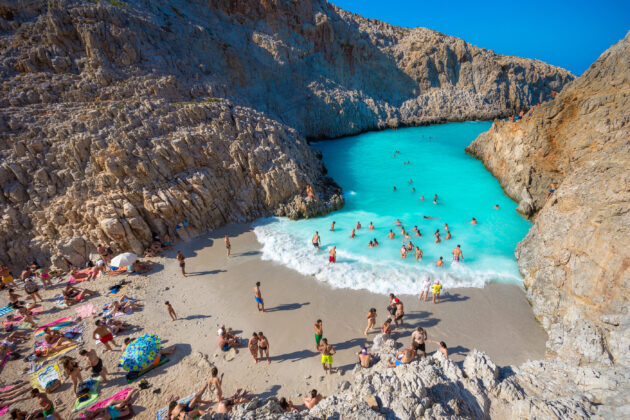
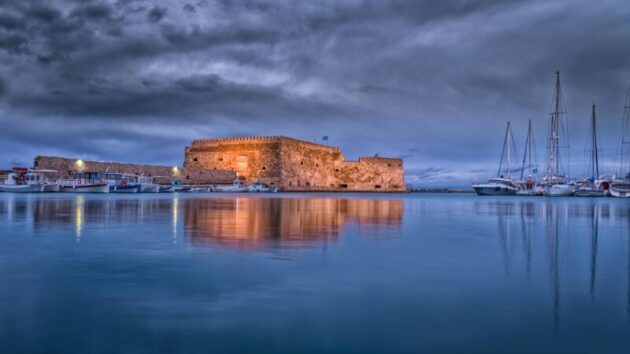
Heraklion (also known as Iraklio), the vibrant capital of Crete and Greece’s fourth-largest city, is a captivating blend of ancient Minoan wonders, Venetian architecture, and lively Mediterranean culture. As one of Europe’s oldest continuously inhabited cities—dating back over 5,000 years—Heraklion serves as the gateway to Crete’s rich history and stunning landscapes.
Suggested Itineraries
1 Week (First-Timers): Days 1–3: Athens (Acropolis, markets). Day 4: Ferry to Santorini (beaches, wine tasting €50). Days 5–7: Relax in Oia, fly back.
2 Weeks (Island Hopper): Week 1: Athens + Delphi ruins (€12 entry). Week 2: Ferry-hop Cyclades (Mykonos → Naxos → Paros; €35/trip average).
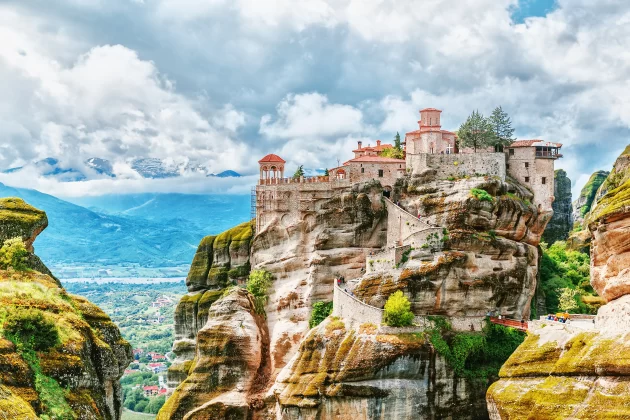
3+ Weeks (Deep Dive): Athens → Meteora train (€20). Then Crete (east/west split), ending in Ionian islands via flight (€30–50).
Use the Ferryhopper app for schedules—overnight ferries save on lodging.
Food & Drink
Greek cuisine is fresh, simple, and soulful—think olive oil, feta, and seafood. Daily budget: €15–30.
Must-Tries: Gyros (€3–6), souvlaki (€7–12), moussaka (€10–15), and fresh grilled octopus. Vegetarian? Spanakopita and Greek salad (€8–12).
Islands Specialties: Cretan dakos (tomato-cucumber salad) or Santorini fava (split pea puree).
Drinks: Ouzo shots (€3), house wine (€3–6/glass), or frappe coffee (€3–4). Join a cooking class (€70–100) for hands-on tzatziki-making.
Dining Tip: Eat where locals do—tavernas over tourist traps. Athens’ Varvakios Market is a feast for the senses.
Where to Stay & Budget Breakdown
Greece is backpacker-friendly, with options for all wallets.
| Category | Daily Cost (EUR) | Examples |
|---|---|---|
| Backpacker | 40–60 | Hostels (dorms €15–20), street food, buses |
| Midrange | 100–130 | Budget hotels (€40–60), meals out (€12–25), ferries |
| Luxury | 200+ | Boutique hotels (€120+), tours, car rental |
Accommodation: Hostels in Athens (€15–20/night), family guesthouses on islands (€50–80). Book via Booking.com; Airbnbs €25–50 for rooms. Peak season: Reserve 3–6 months ahead.
Getting Around: Buses (€1–5 in cities), ferries (€10–60), domestic flights (€20–35 via Ryanair).
Practical Tips & Safety
Currency & Payments: Euro (€); cards widely accepted, but carry cash for islands. ATMs everywhere; no exchange fees on cards.
Language: English is common in tourist spots; learn “efharisto” (thank you) for charm.
Connectivity: EU roaming free; get a Vodafone SIM (€10 for 20GB).
Sustainability: Use reusable water bottles (tap water safe in cities), support eco-tours, and avoid single-use plastics on beaches.
Safety: Very safe—low crime, but watch for pickpockets in Athens’ Monastiraki. Solo travelers: Standard precautions; islands are welcoming. Drive defensively (aggressive roads); emergencies: Dial 112.
Greece isn’t just a trip—it’s a timeless embrace of myth and modernity. Pack light layers, sturdy shoes for ruins, and an open heart. Yia sas (cheers)! For more, check Nomadic Matt’s guide. Safe travels!