
A Travel Guide to Santorini (2026)
Santorini, also known as Thira or Thera, is Greece’s crown jewel in the Aegean Sea—a volcanic island famed for its dramatic caldera cliffs, white-washed buildings topped with blue domes, and legendary sunsets that draw romantics, honeymooners, and photographers from around the world. Shaped by a massive ancient eruption around 1600 BCE, it offers a blend of luxury, history, and natural beauty, from black-sand beaches to ancient ruins and world-class wines. Whether you’re seeking cliffside relaxation or adventure, Santorini promises an unforgettable escape.
Why Visit Santorini?
This Cyclades island stands out for its postcard-perfect vistas overlooking the sparkling Mediterranean, where every corner feels like a scene from a dream. Highlights include exploring Minoan ruins at Akrotiri (the “Pompeii of the Aegean”), sipping Assyrtiko wine amid volcanic vineyards, and watching the sun dip below the horizon from Oia—often called the world’s most beautiful sunset spot. Beyond the glamour, hidden gems like quiet villages and pebbly beaches offer a more authentic side, away from cruise-ship hordes. It’s ideal for couples, foodies, and history buffs, with activities ranging from catamaran sails to scuba dives in the caldera.
How to Get There
Santorini is accessible primarily by air or sea, with the small Santorini Airport (JTR) handling flights and the Athinios Port serving ferries.
By Air: Direct flights from major European hubs (e.g., Athens, London, Berlin) via Aegean Airlines or Ryanair take 45–60 minutes from Athens. From the U.S., connect through Athens or European cities. Taxis from the airport to Fira (the capital) cost €25–30; buses run for €2.50 and align with arrivals.
By Ferry: From Athens’ Piraeus Port, high-speed ferries (e.g., Blue Star or Hellenic Seaways) take 5–8 hours (€40–70 one-way). Use Ferryhopper for bookings. From other islands like Mykonos or Naxos, it’s 1–3 hours. Expect €35–40 taxi rides from Athinios to Oia during the day (more at night).
Pro tip: Book flights/ferries 2–3 months ahead for peak season.
Best Time to Visit
Santorini shines year-round, but timing matters for weather, crowds, and costs.
Shoulder Seasons (April–May & September–November): Ideal for mild temps (18–27°C/64–80°F), fewer tourists, and 30–40% lower prices. Late March to early May or late September to early November offer blooming flowers, harvest vibes, and prime hiking weather.
Peak Summer (June–August): Hot (27–30°C/80–85°F) and bustling with cruise crowds; expect double accommodation rates and lines at hotspots.
Winter (December–March): Quieter and cheaper, but cooler (9–15°C/48–59°F) with rain; many spots close.
Aim for May or October for the sweet spot—warm seas for swimming without the heatwave risks.
Top Things to Do
Oia
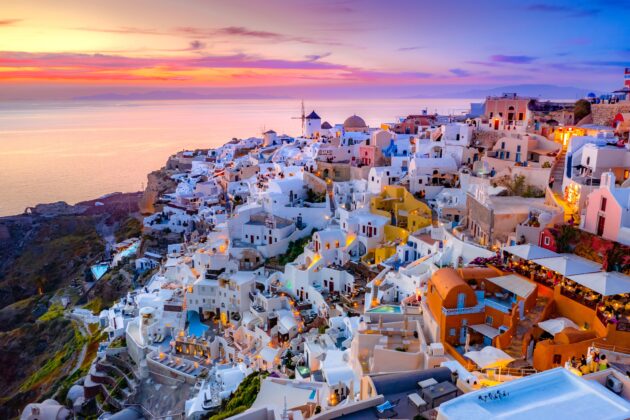
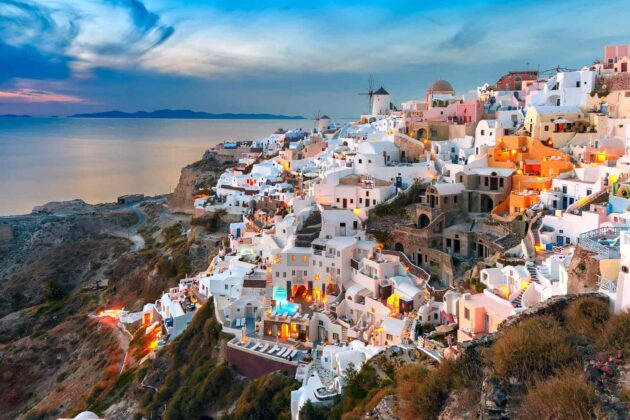
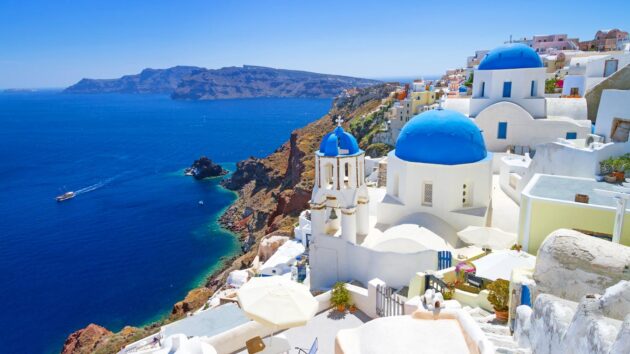
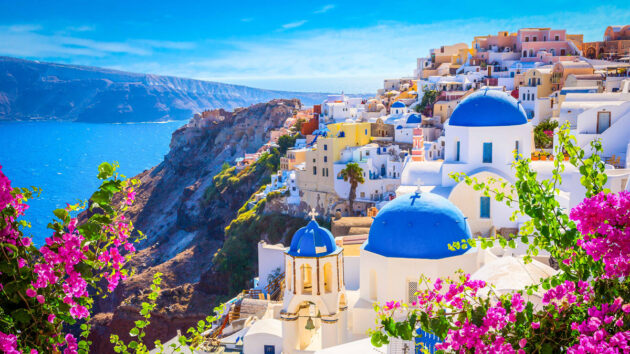
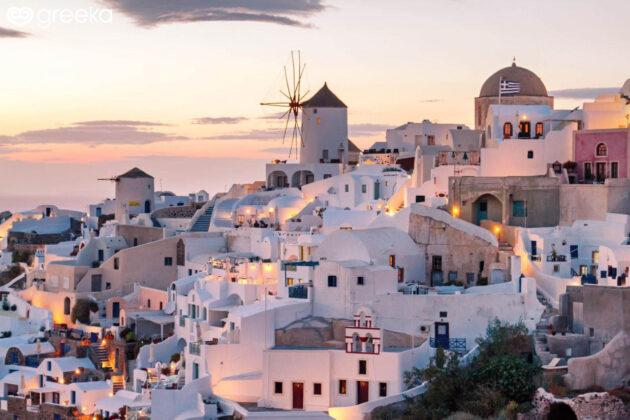
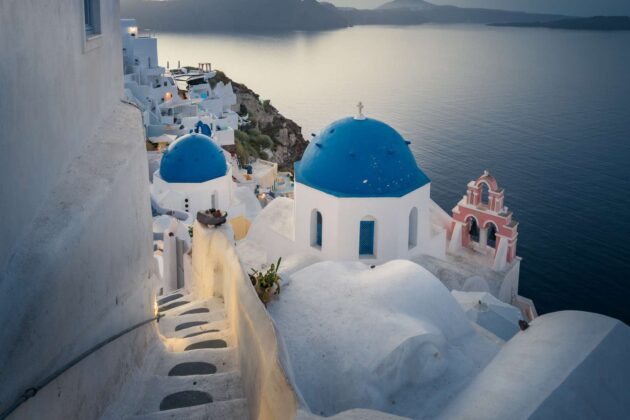
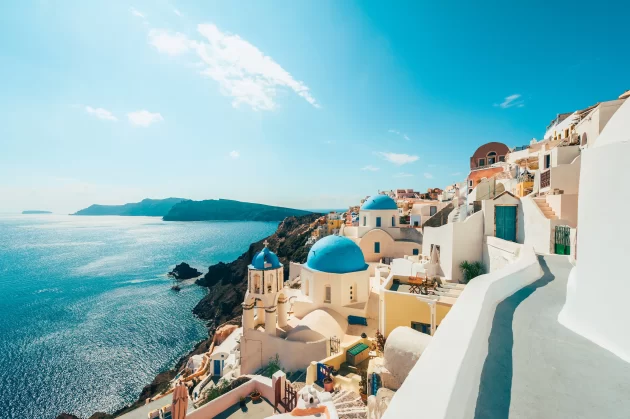
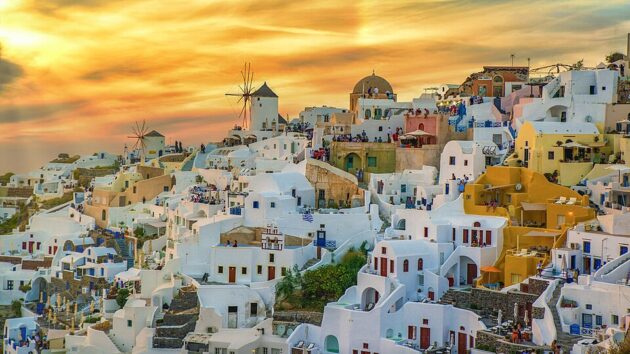
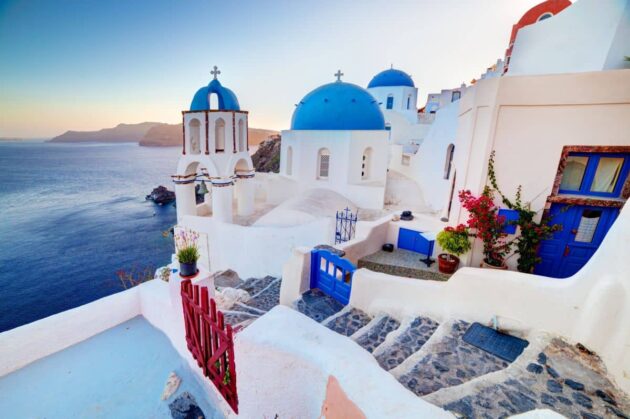
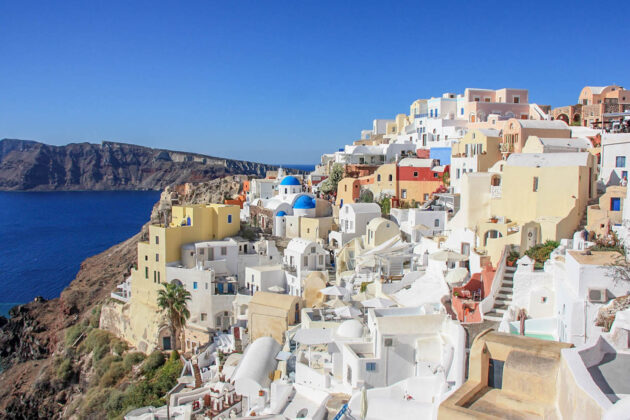
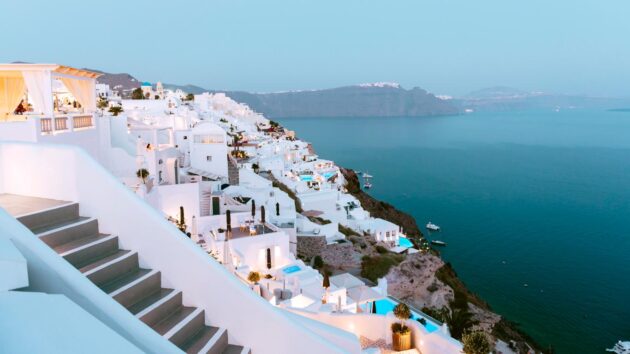
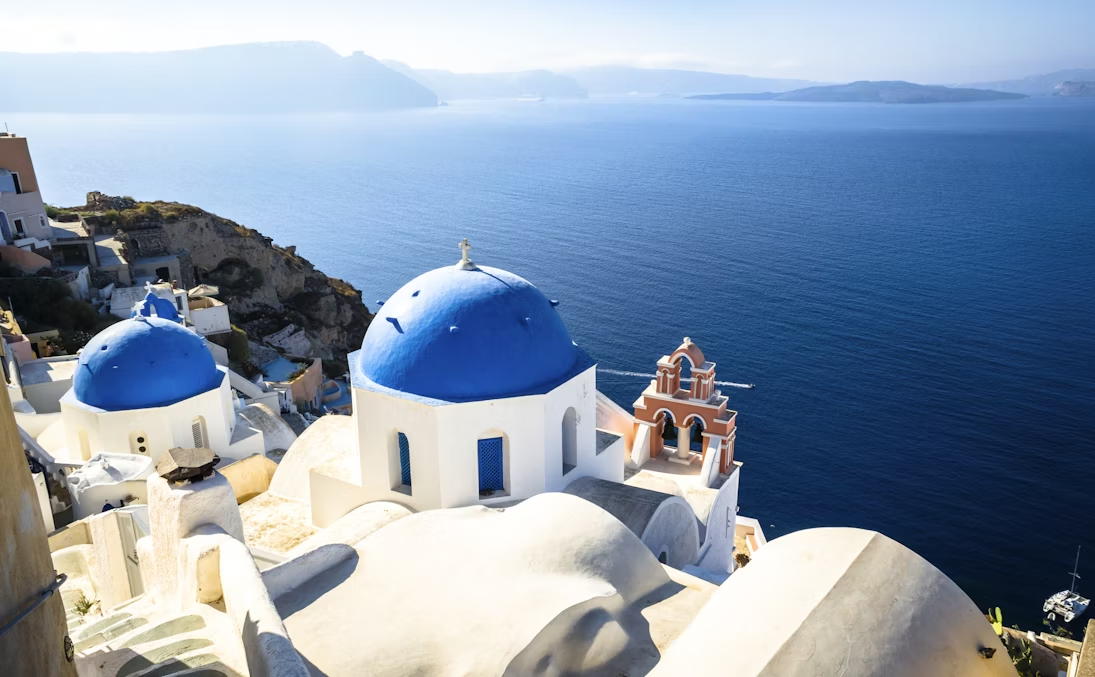
Oia, perched on the northwestern tip of Santorini, is the epitome of Greek island allure—a postcard-perfect village of whitewashed buildings, cobalt-blue domes, and breathtaking caldera views. Famous for its legendary sunsets that paint the Aegean Sea in hues of orange and pink, Oia draws romantics, photographers, and luxury seekers from around the world.
Imerovigli
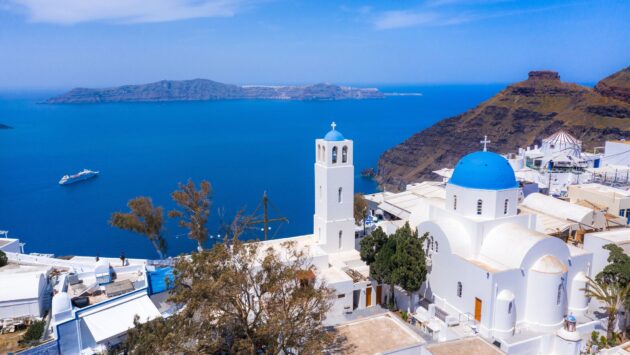
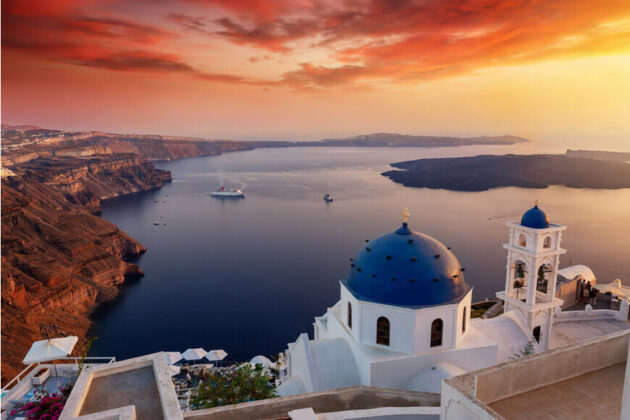
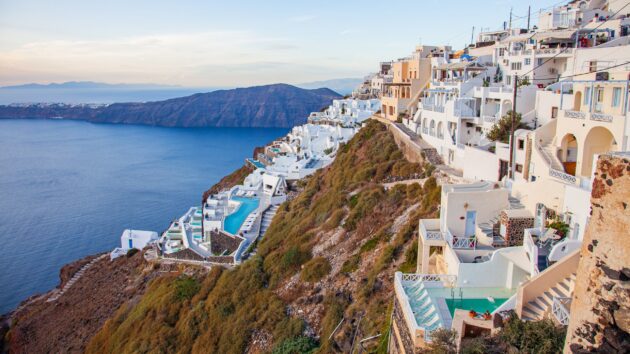
Imerovigli, perched on the cliffs of Santorini, Greece, is a serene, upscale village renowned for its breathtaking caldera views, whitewashed cubic houses, and romantic sunsets. Often called the “Balcony of the Aegean,” it offers quiet elegance compared to busier towns like Fira, making it a perfect retreat for travelers seeking beauty, tranquility, and panoramic vistas over the volcanic islands and deep blue sea.
Fira
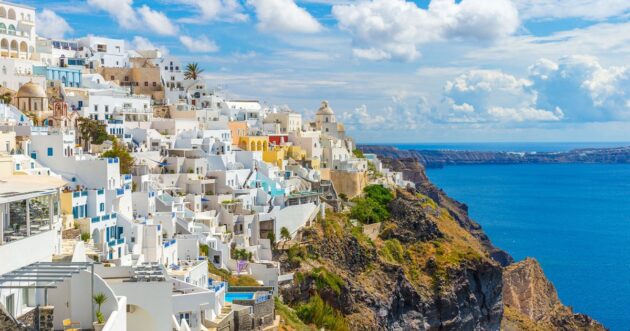
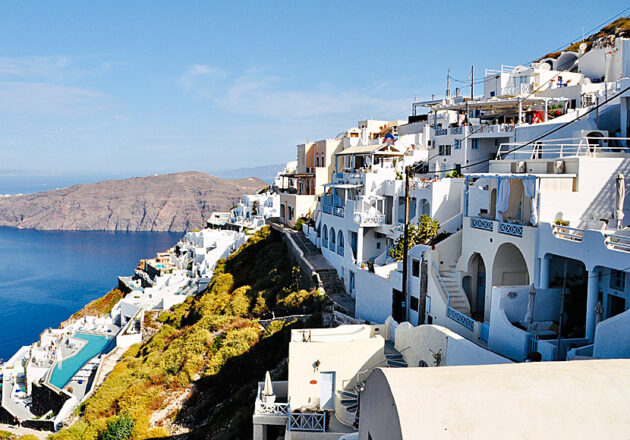
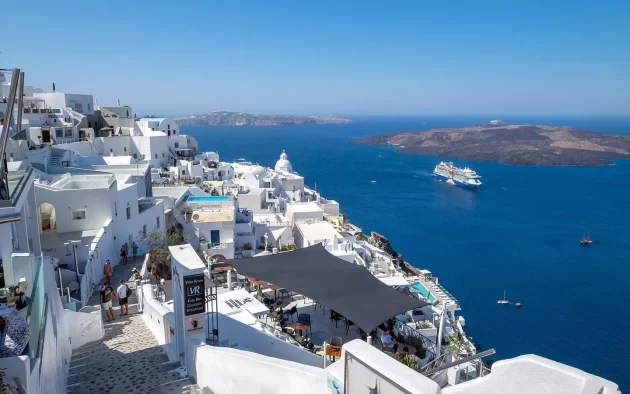
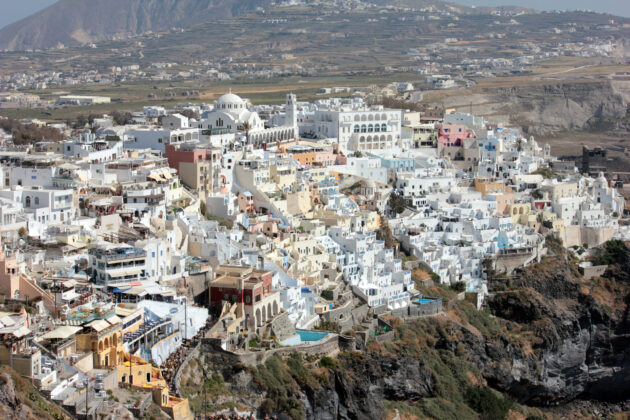
Fira, the vibrant capital of Santorini, Greece, is perched on the edge of a dramatic volcanic caldera, offering breathtaking views of the Aegean Sea, white-washed buildings with blue domes, and iconic sunsets. A lively hub of shops, restaurants, and nightlife, it blends Cycladic charm with modern energy, making it the perfect gateway to explore ancient Thera, black-sand beaches, and the island’s unique geology.
Explore Akrotiri Ruins: Delve into this 3,500-year-old Bronze Age site preserved under volcanic ash (€15 entry). It’s a fascinating glimpse into Minoan life.
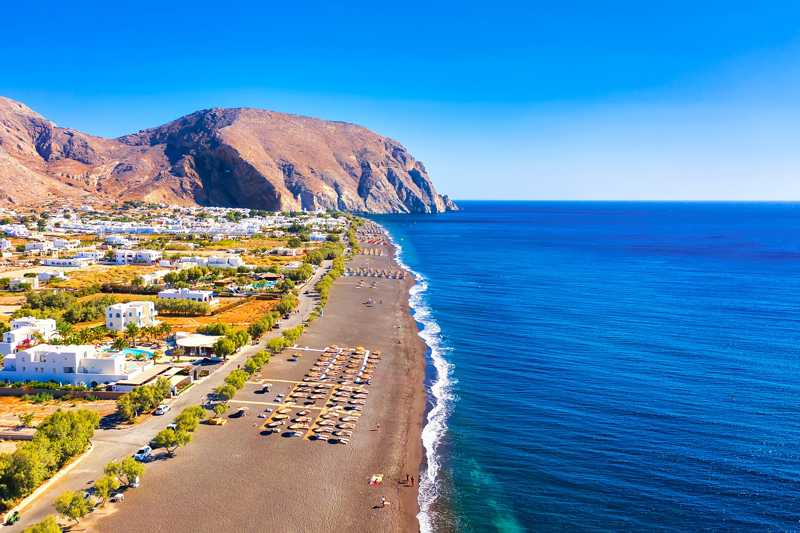
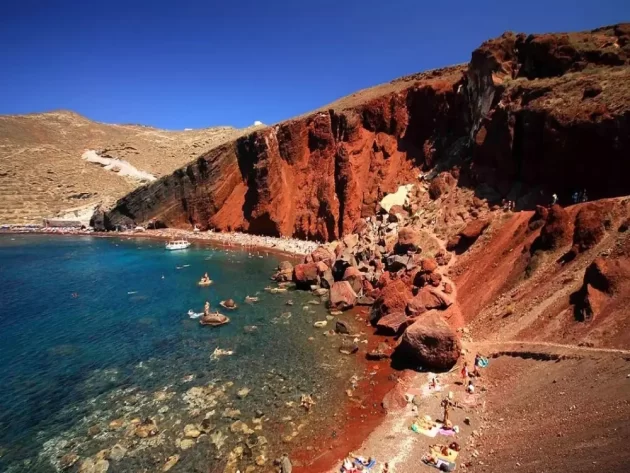
Hit the Beaches: Relax at Red Beach’s dramatic red cliffs (short hike required; avoid swimming due to rockfalls), Black Beach in Perissa for volcanic sands, or secluded White Beach by boat.
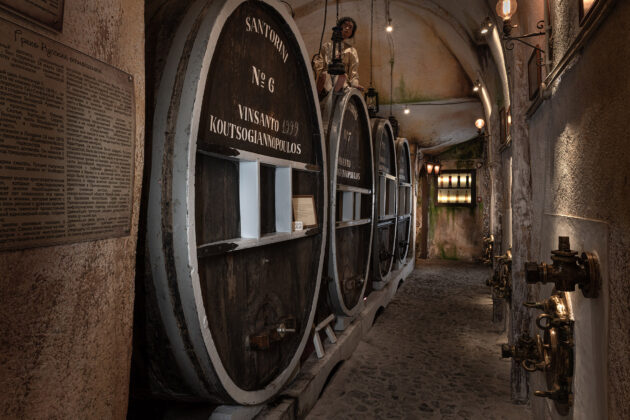
Wine Tasting Tour: Visit family-run wineries like Santo Wines or Venetsanos for Assyrtiko varietals and caldera views (tours from €160 half-day).
Volcano & Hot Springs Boat Trip: Sail to Nea Kameni island for a hike up the active volcano, then soak in sulfurous hot springs (€20–26).
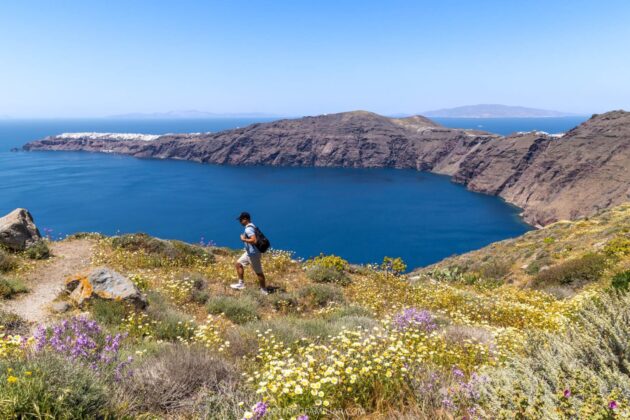
Hike Fira to Oia: Tackle the 10km clifftop trail (3 hours) for panoramic views—sunrise start beats the heat.
Other Gems: Dive the caldera (€90+), join a catamaran cruise with snorkeling (€35+), or attend a Greek wedding show with plate-smashing fun.
For a 4–5 day itinerary, base in Fira, day-trip to Oia and Akrotiri, beach-hop south, and end with a sunset sail.
Where to Stay
With luxury cliffside hotels and budget options, Santorini caters to all. Expect €70–130/night for midrange off-peak; doubles in summer.
Fira: Bustling hub with views and nightlife; try budget hotels like Aressana Sphinx (€100+) or hostels (€21–65 dorms).
Oia: Romantic but pricey (€150+); opt for Finikia nearby for value and charm.
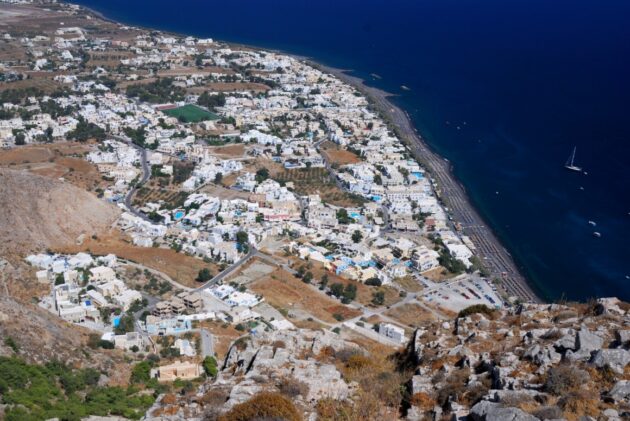
South/East Side (e.g., Perissa, Akrotiri): Quieter beaches and cheaper stays (€45–100); great for families.
Hidden Spots: Imerovigli or Megalochori for serene villages.
Book via Booking.com or Hostelworld; note cliff hotels’ pools may lack privacy.
Where to Eat and Drink
Santorini’s cuisine fuses fresh seafood, fava beans, and tomato keftedes with volcanic terroir wines. Budget €12–15/lunch, €25–35/dinner per person.
Must-Tries: Gyros (€5–7.50 street food), Greek salads, and local wines (€4/glass, €5/bottle at stores). Don’t miss cliffside sunsets with meze at spots like Argo in Fira.
Top Picks: Fanari in Oia for seafood; cheap tavernas in Perissa; cooking classes (€180).
Tips: Tip 10% at restaurants; avoid tourist traps—eat where locals do. Groceries at Sklaventis in Fira for self-catering (€55–65/week). Tap water isn’t potable—buy bottled (€1.50).
Practical Tips
Getting Around: KTEL buses (€2–3.10, cash/exact change) connect main spots; rent scooters (€17–40/day) or cars (€15+/day) for freedom, but roads are winding—helmets mandatory. Taxis €25–30/ride; avoid if possible.
Costs (Daily Budget): Backpacker €75 (hostel, buses, gyros); Midrange €150 (private room, eating out); Luxury €285+. Save with off-season travel and happy hours.
Connectivity: eSIMs from Airalo for data; Wi-Fi spotty in remote areas.
Safety & Essentials: Low crime, but watch pockets at beaches. Dial 112 for emergencies; Santorini Hospital in Fira. Pack sunscreen, reusable bottle, light layers, and quick-dry clothes. No drones near ruins; respect no-swim zones at Red Beach.
Sustainability: Use reef-safe sunscreen; support local wineries over chains.
Santorini’s magic lies in its contrasts—bustle and bliss, ancient and ethereal. Plan ahead, embrace the slow pace, and let the island’s glow inspire you. Safe travels!