A Comprehensive Travel Guide to Bolivia (2026)
Bolivia is a land of extremes — one of South America’s most underrated gems, offering surreal landscapes, rich indigenous cultures, high-altitude adventures, and incredible value for money. From the world’s largest salt flat to the highest navigable lake and thrilling mountain descents, this country delivers unforgettable experiences for adventurers, nature lovers, and culture seekers.
Why Visit Bolivia?
Bolivia remains relatively untouched by mass tourism, preserving authentic traditions and raw natural beauty. Highlights include the mind-bending Salar de Uyuni, the vibrant city of La Paz (one of the world’s highest capitals), sacred Lake Titicaca, and adrenaline-pumping activities like biking the infamous Death Road. It’s budget-friendly, culturally diverse (with strong Aymara and Quechua influences), and perfect for those seeking off-the-beaten-path adventures.
Best Time to Visit
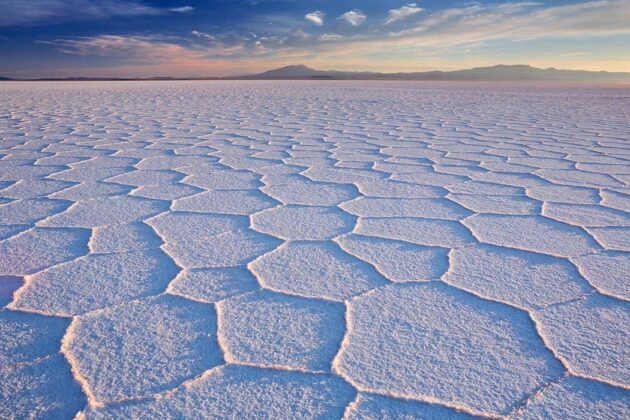
Dry season (May–October) — Ideal for most travel: clearer skies, better roads, and perfect for hiking and salt flats (geometric patterns visible).
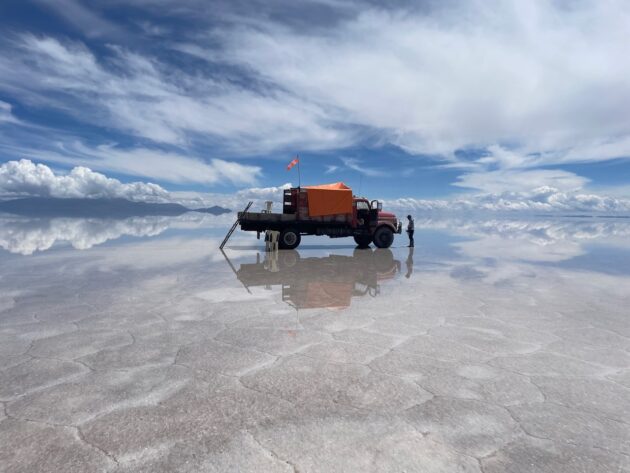
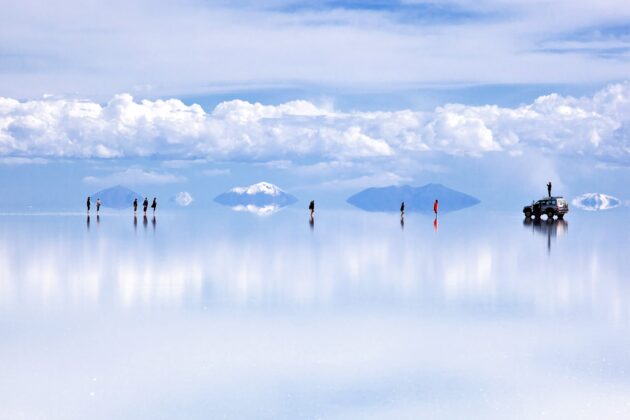
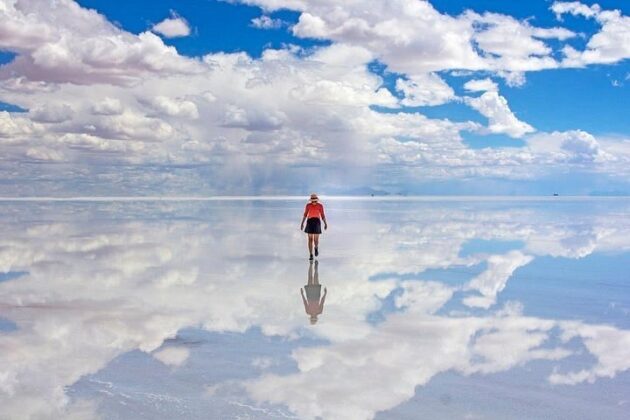
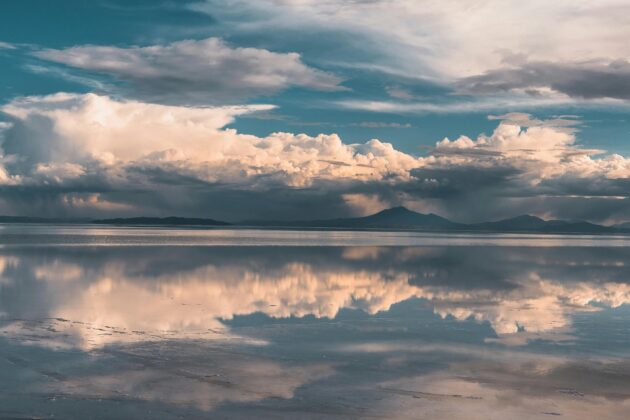
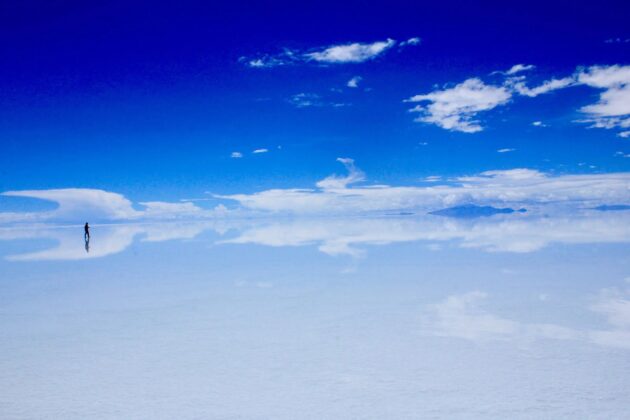
Rainy season (November–April) — Best for the famous mirror effect on Salar de Uyuni, but expect roadblocks, rain, and tougher travel in some areas.
Altitude is a year-round factor — pack layers!
Safety & Practical Tips
Bolivia is generally safe for travelers who take standard precautions, but civil unrest, roadblocks (common due to protests), and petty crime occur. Exercise increased caution overall; avoid the Chapare region entirely due to crime risks.
Visa — Many nationalities (including US citizens) enter visa-free for tourism (up to 90 days). Check your specific requirements.
Altitude sickness — Common above 2,500m. Acclimatize slowly, drink coca tea, and consider acetazolamide (Diamox).
Transportation — Buses are cheap but slow/unreliable; domestic flights (e.g., La Paz to Uyuni) save time. Use reputable companies.
Money — ATMs are widespread but bring USD cash. Budget: $30–60/day (hostels, local food, buses).
Top Attractions
Salar de Uyuni
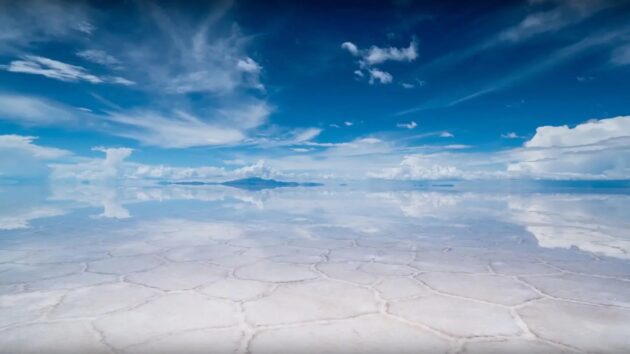
Salar de Uyuni, the world’s largest salt flat, is one of South America’s most surreal and breathtaking natural wonders. Spanning over 10,582 km² in southwest Bolivia at an elevation of about 3,656 meters (12,000 ft), this ancient dried-up prehistoric lake offers endless white horizons, geometric salt patterns, colorful lagoons, and — during the rainy season — the famous mirror effect that turns the sky and earth into one infinite reflection.

La Paz
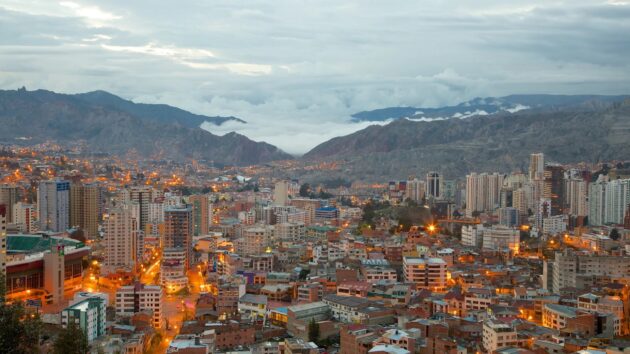
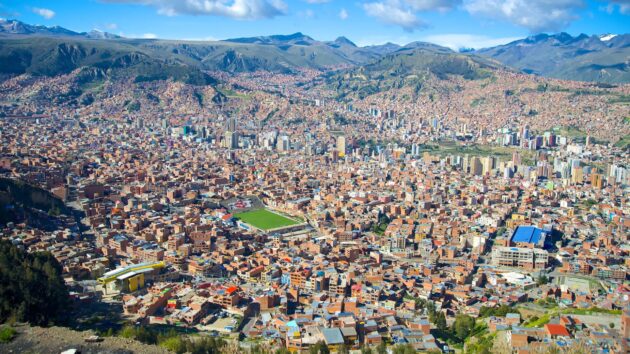
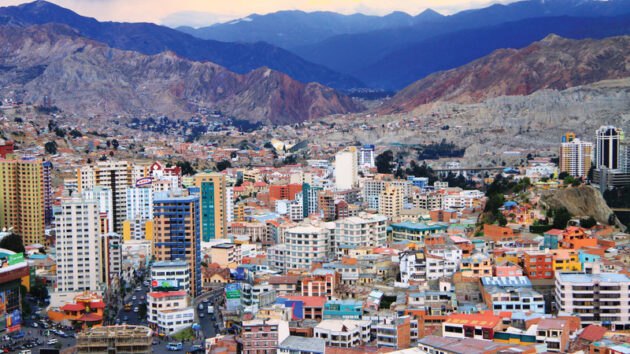
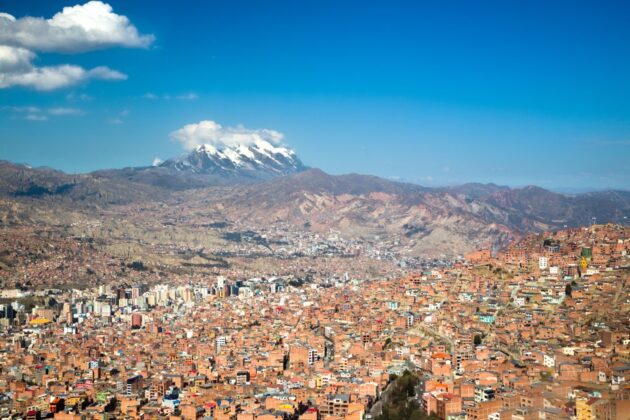
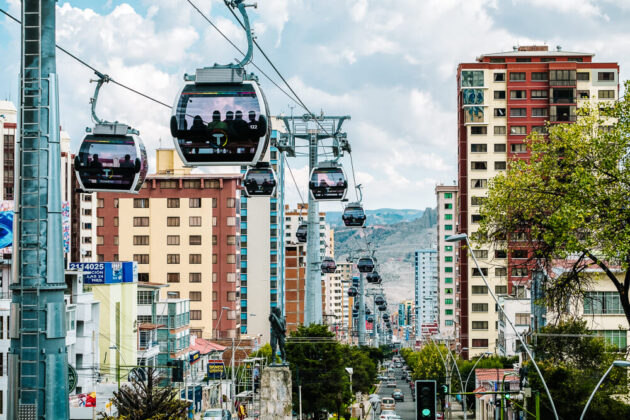
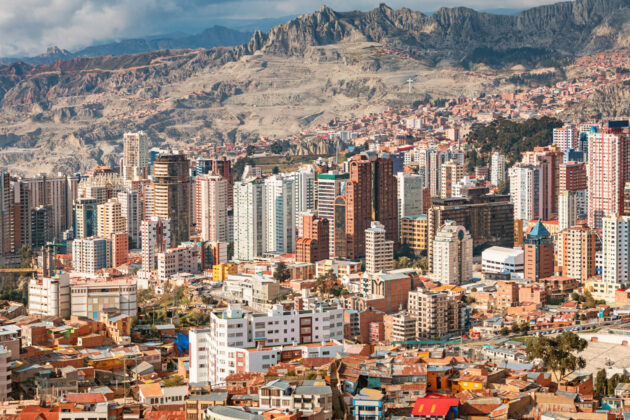
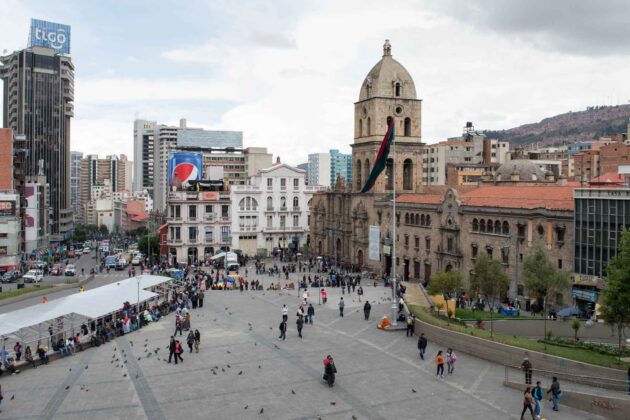
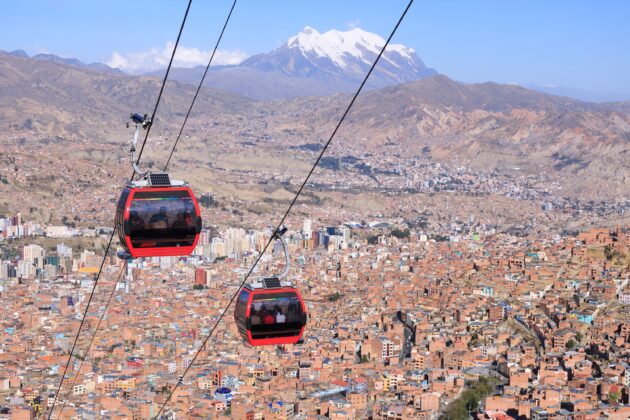
La Paz, the administrative capital of Bolivia (Sucre is the constitutional capital), is one of the most dramatic and unique cities in the world. Nestled in a deep canyon at an average altitude of 3,650 meters (11,975 feet), it’s the highest major capital city on Earth. Surrounded by towering Andes peaks like Illimani, the city offers a stunning mix of indigenous Aymara culture, colonial history, chaotic markets, and modern innovation — most famously its world-record-breaking Mi Teleférico cable car system.
Death Road
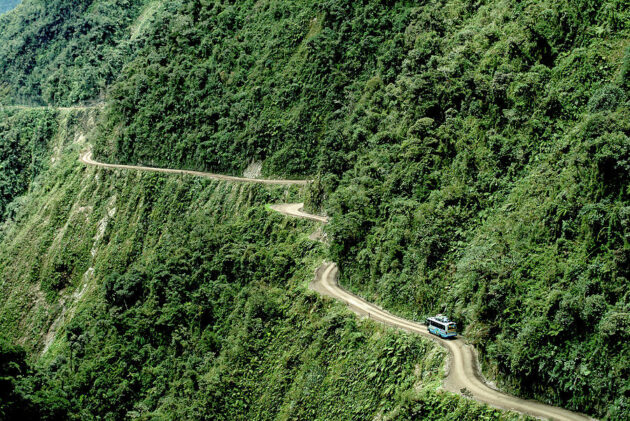
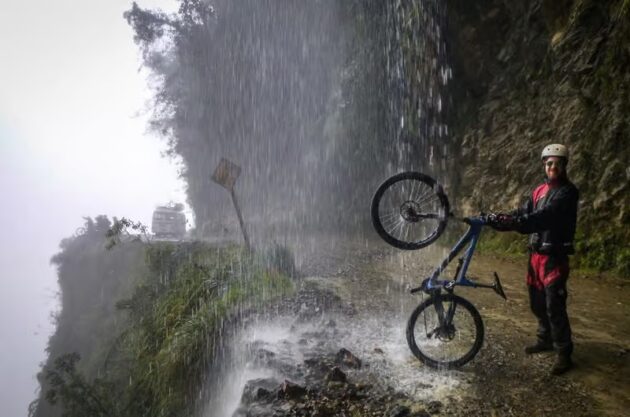
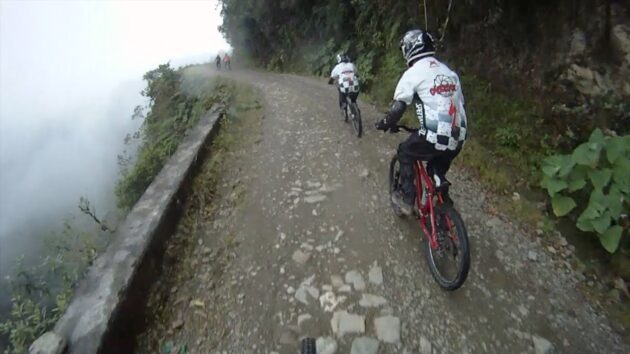
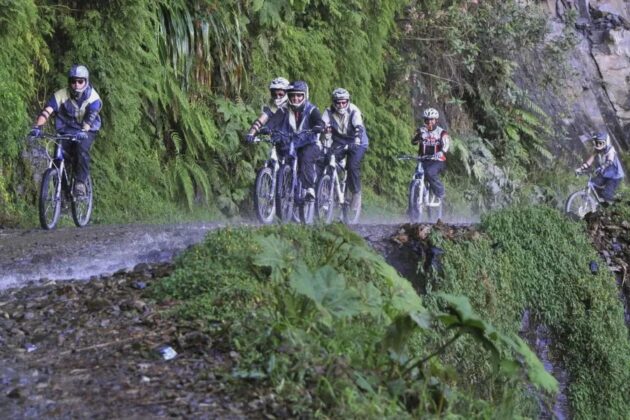
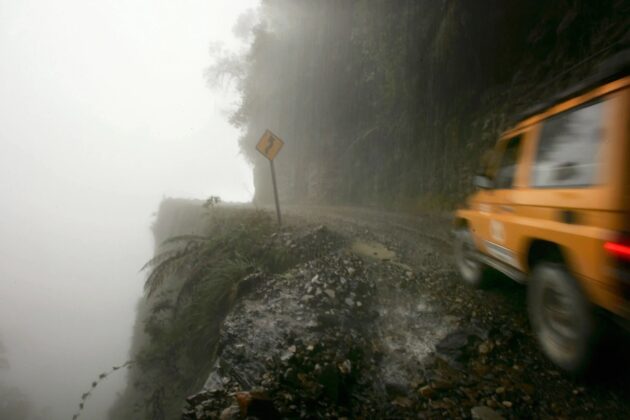
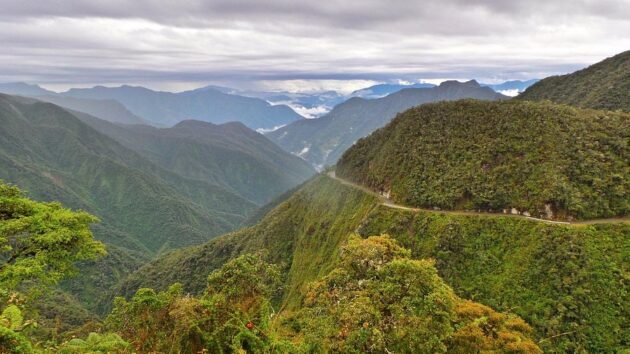
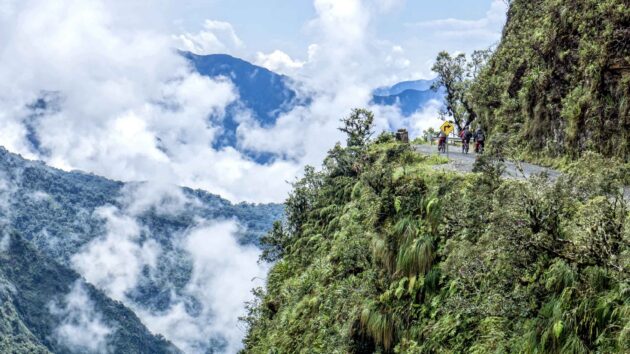
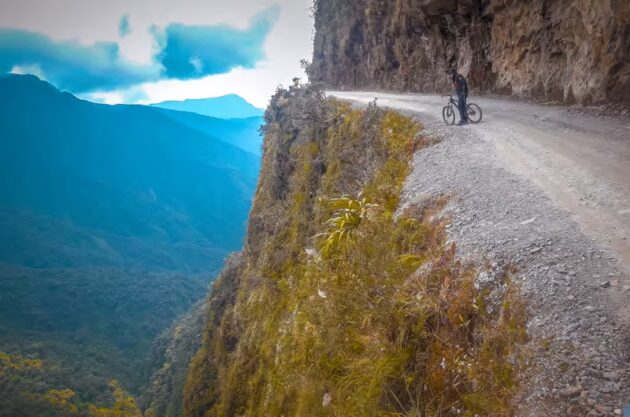
Death Road, officially known as North Yungas Road (or Camino de la Muerte), is one of the world’s most legendary adventure destinations. This infamous route, carved into the steep Andean mountains, drops dramatically from high-altitude plains near La Paz down into the lush subtropical Yungas region. Once feared as the world’s most dangerous road (with hundreds of annual fatalities in its heyday), it has transformed into a thrilling mountain biking experience since a safer new highway opened in 2006–2007.
Tiwanaku Archaeological Complex
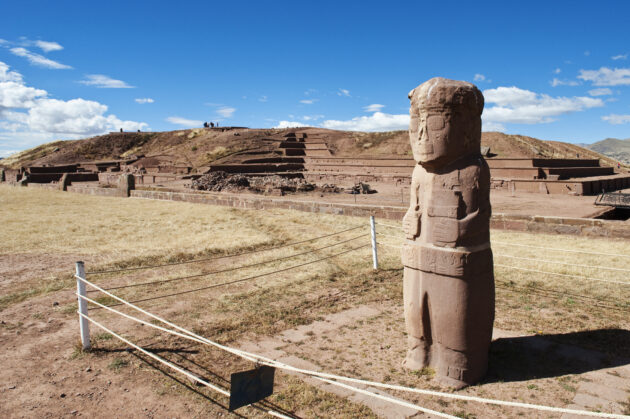
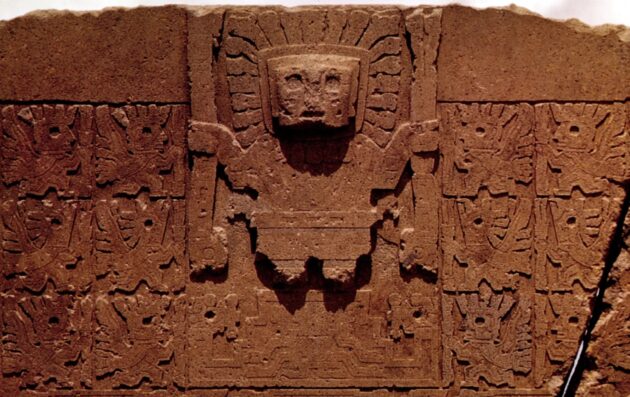
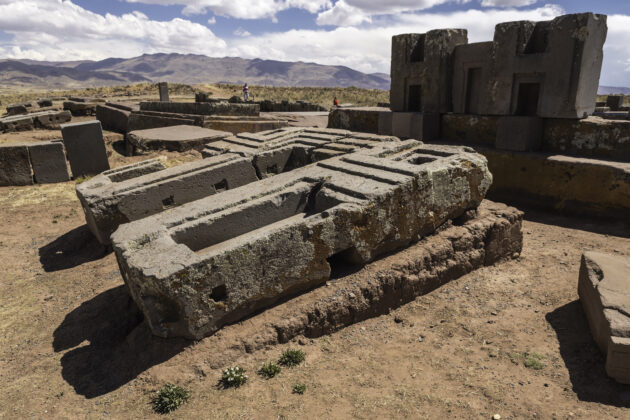
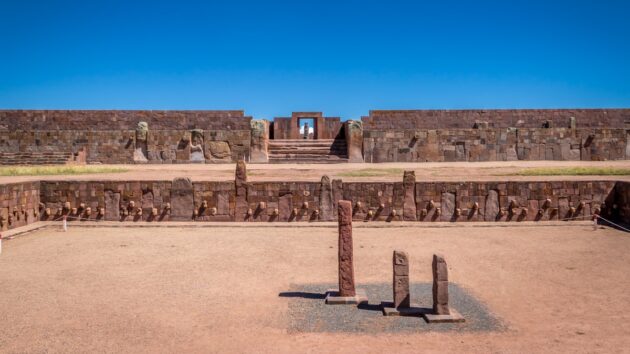
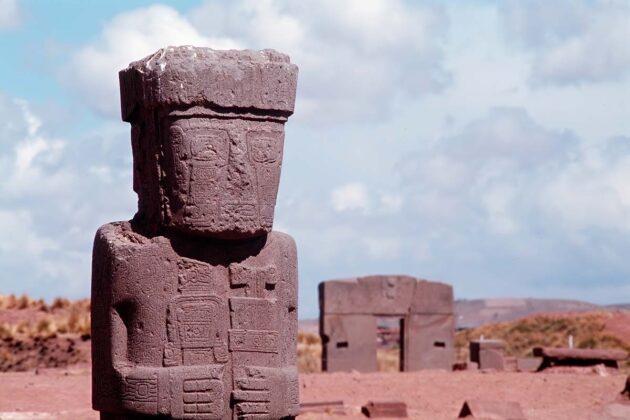
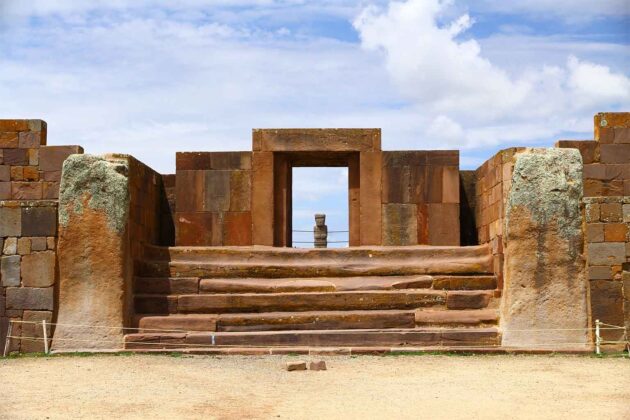
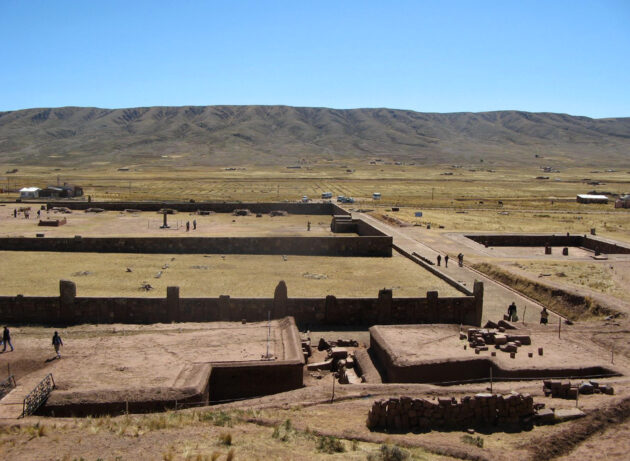
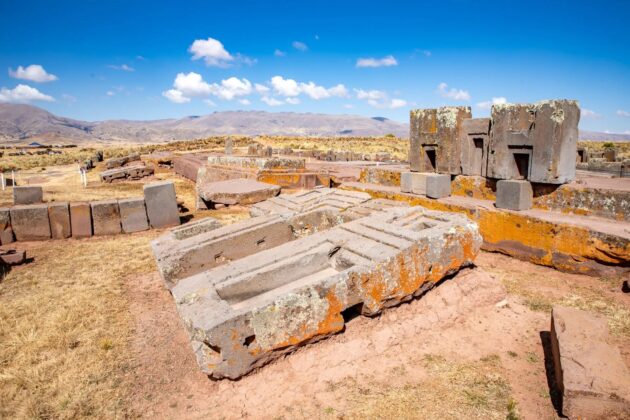
Tiwanaku (also spelled Tiahuanaco) is one of South America’s most enigmatic and important pre-Columbian archaeological sites. Located on the high Altiplano near the southern shore of Lake Titicaca, this UNESCO World Heritage Site was the spiritual and political center of the powerful Tiwanaku civilization, which flourished between approximately 500–1000 AD — long before the rise of the Inca Empire. The site features massive stone architecture, precise stone carvings, and monumental structures that continue to puzzle researchers and visitors alike.
Final Tips
Book Uyuni tours in advance (especially peak season).
Respect indigenous cultures — ask before photographing people.
Pack: Warm layers, sun protection, rain gear, good shoes.
Travel insurance is essential (covers altitude, adventure activities).
Bolivia rewards those who embrace its challenges with some of the planet’s most extraordinary sights. Safe travels — this is adventure at its purest!