
A Travel Guide to the Skeleton Coast (2026)
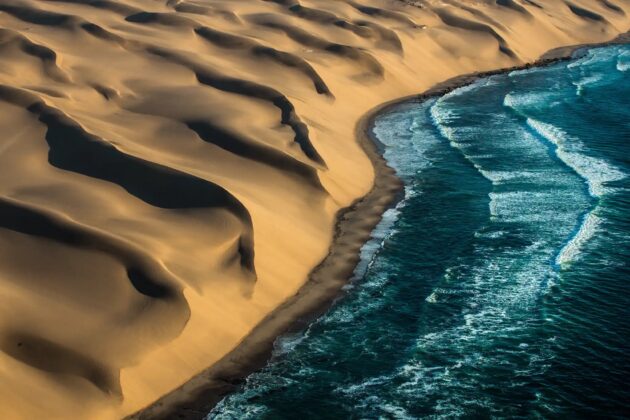
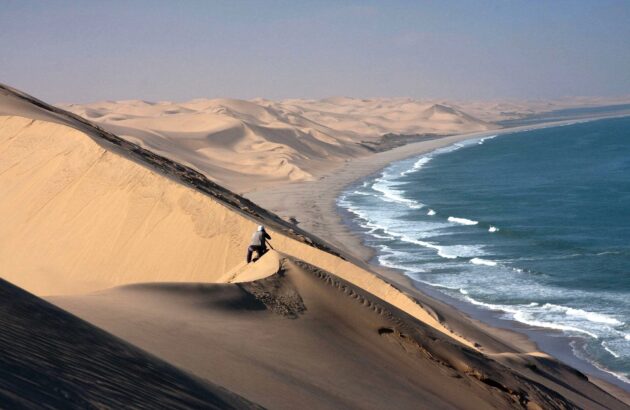
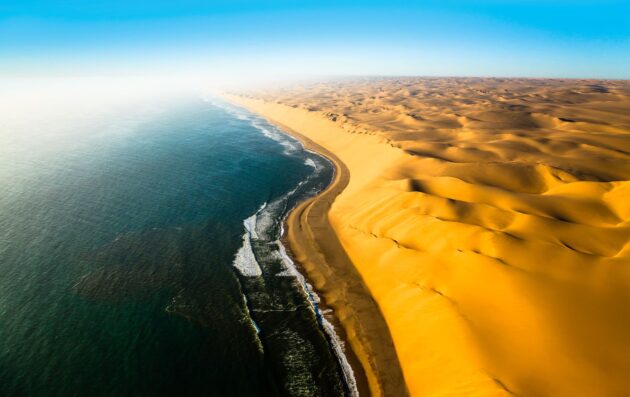
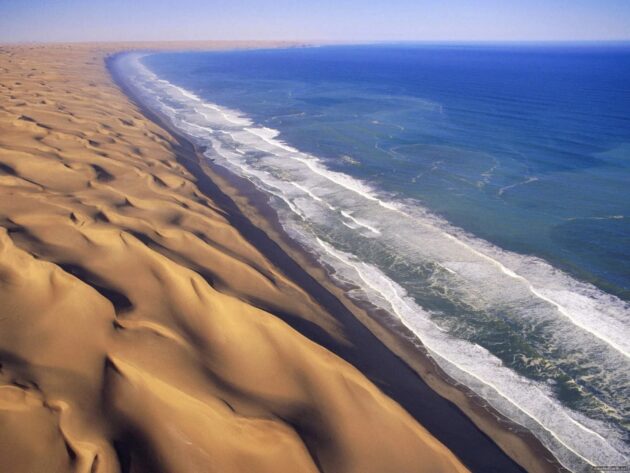
The Skeleton Coast in Namibia is one of the most remote, hauntingly beautiful, and otherworldly destinations on Earth. Stretching roughly 500 km along the Atlantic Ocean from the Ugab River in the south to the Kunene River near the Angolan border, this desolate coastline is where the Namib Desert dramatically meets the cold Benguela Current. Famous for its rusting shipwrecks, whale bones, dense coastal fog, towering dunes crashing into the sea, and surprising desert-adapted wildlife, the Skeleton Coast feels like the edge of the world — a place once called “the land God made in anger” by the San people and “the Gates of Hell” by Portuguese sailors.
Why Visit the Skeleton Coast?
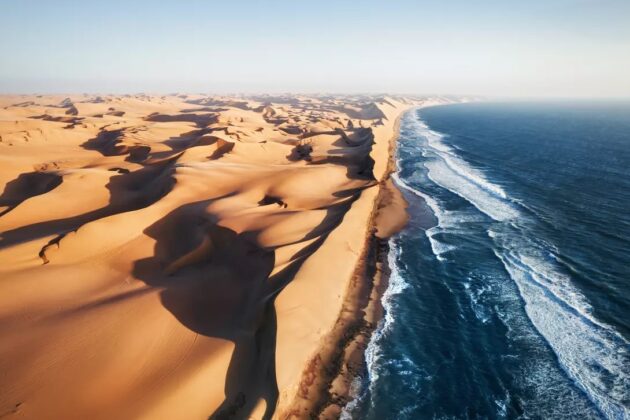
Surreal landscapes where desert dunes tumble directly into the ocean
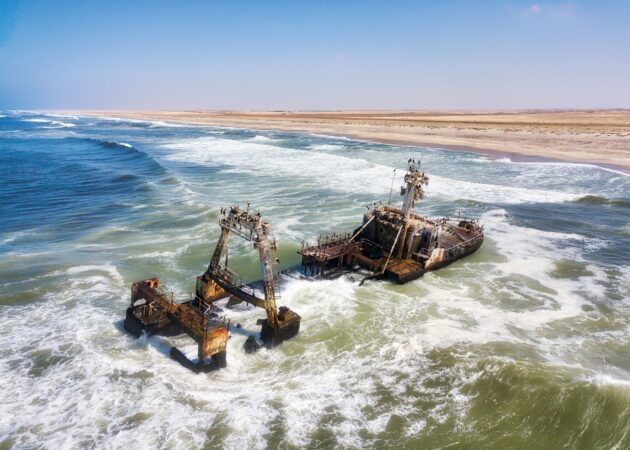
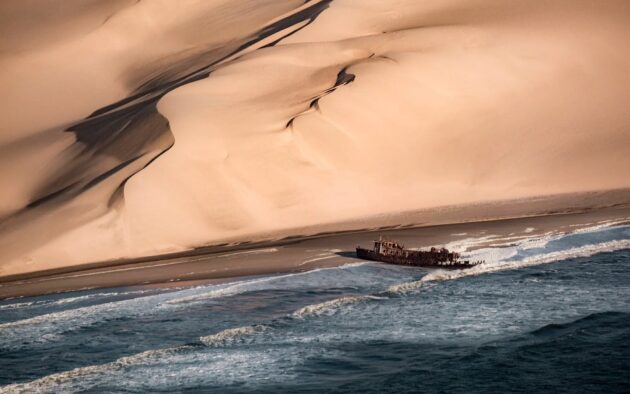
Iconic shipwrecks half-buried in sand
Desert-adapted wildlife (elephants, lions, giraffes, brown hyenas)
Massive Cape fur seal colonies
Almost complete silence and solitude — one of the least-visited places in Africa
Extraordinary photography opportunities, especially during foggy mornings or dramatic sunsets
How to Get There
The Skeleton Coast is extremely remote and divided into sections with different access rules.
Southern Skeleton Coast (Swakopmund to Ugab River Gate): Easily accessible by self-drive on good paved roads. Base yourself in Swakopmund (the adventure capital of Namibia) or Henties Bay. Drive north via the C34 road — this stretch is open to everyone and features the famous Zeila and South West Sea shipwrecks.
Skeleton Coast National Park (Ugab Gate to Terrace Bay and beyond): Requires permits (available at Ugab or Springbokwasser gates). Self-drive possible but only on designated roads; 4×4 strongly recommended. Most visitors fly in to luxury camps in the far north (e.g., Shipwreck Lodge, Hoanib Skeleton Coast Camp) via charter flights from Windhoek, Swakopmund, or Damaraland.
Best Starting Points: Swakopmund — day trips or multi-day drives south of the park. Windhoek — fly-in safaris to northern concessions. Damaraland — combine with overland journeys.
Best Time to Visit
Dry Season (May–October) — Most popular time. Cooler temperatures (daytime 20–28°C / 68–82°F), less fog, clearer skies, better road conditions, and excellent visibility for photography and wildlife spotting.
Summer (November–April) — Warmer (up to 35°C / 95°F), more dramatic fog banks, occasional rain inland, migratory birds, and seal pupping season (late Nov–Jan at Cape Fria).
Avoid heavy fog periods if visibility is important, but embrace it for moody, atmospheric photos.
The Skeleton Coast is visitable year-round — choose based on your preference for weather vs. solitude.
Top Things to Do
Visit Shipwrecks: Zeila (near Henties Bay) — easily accessible. Eduard Bohlen — legendary wreck now far inland due to shifting dunes. Many others — scattered along the coast, often half-buried.
Cape Cross Seal Reserve: Home to tens of thousands of Cape fur seals. Best during pupping season (Nov–Jan) for dramatic scenes.
4×4 Drives & Guided Tours: Explore dunes, dry riverbeds (e.g., Hoarusib, Hoanib), and rocky outcrops. Look for desert-adapted elephants, lions, springbok, oryx, and brown hyenas.
Scenic Flights: Fly over the coast for breathtaking aerial views of dunes meeting the ocean.
Nature Walks & Beachcombing: Search for whale bones, ancient tools, and strange desert plants/lichens.
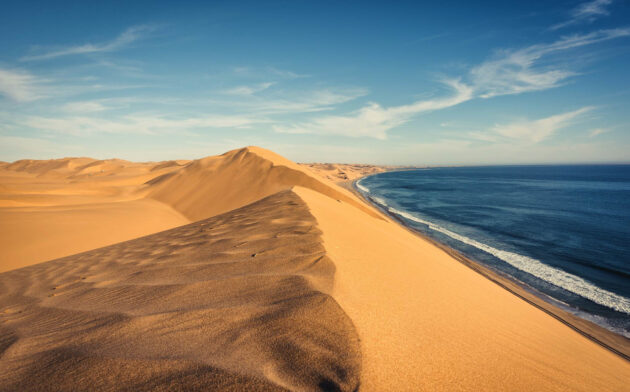
Sunrise/Sunset on the Dunes: Climb high dunes for panoramic views of desert meeting sea.
Note: Swimming is dangerous due to strong currents and cold water — admire from the shore.
Permits & Access Rules
Day visitors — Permits available at Ugab River or Springbokwasser gates (around N$80–100 per person + vehicle fee).
Overnight stays — Book camps/lodges in advance; permits arranged by operators.
Northern restricted zones — Only accessible via fly-in lodges with guided activities.
Self-driving is allowed in certain areas, but most visitors opt for guided 4×4 tours or fly-in safaris due to the remoteness, soft sand, and strict conservation rules.
Where to Stay
Swakopmund — Wide range of hotels, guesthouses, and Airbnbs (base for day trips).
Terrace Bay Resort — Inside the park; basic but iconic (limited availability).
Luxury Fly-in Camps (northern Skeleton Coast):
Shipwreck Lodge — Stunning architecture, remote location.
Hoanib Skeleton Coast Camp — Desert-adapted wildlife focus.
Serra Cafema — Combines Skeleton Coast with Kunene River.
Camping — Very limited (e.g., Terrace Bay in Dec–Jan only); book well ahead.
Practical Tips
Vehicle — 4×4 essential for any off-road or park driving.
What to Bring — Layers (cold mornings/fog), windproof jacket, sunscreen, hat, binoculars, camera with zoom lens, plenty of water, snacks, and a good map/GPS.
Fuel — Fill up in Swakopmund or Henties Bay — no stations inside the park.
Respect the Environment — No off-road driving outside designated tracks; leave no trace.
Combine Your Trip — Pair with Swakopmund adventures, Damaraland (desert elephants), or Etosha National Park for a full Namibia itinerary.
Final Thoughts
The Skeleton Coast is not for everyone — it’s raw, remote, and unforgiving. But for those seeking solitude, surreal beauty, and a true sense of wilderness, it delivers one of the most unforgettable travel experiences on the planet. Whether you explore by 4×4, fly-in, or simply gaze at the endless dunes crashing into the Atlantic, this haunting coastline will stay with you forever.
Safe travels — and watch out for the fog!