
A Travel Guide to Twyfelfontein (2026)
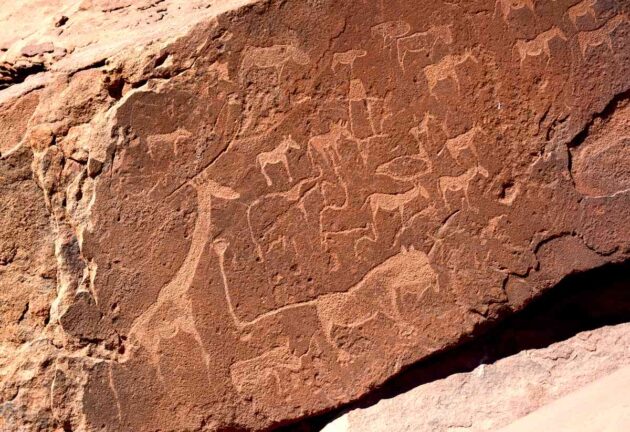
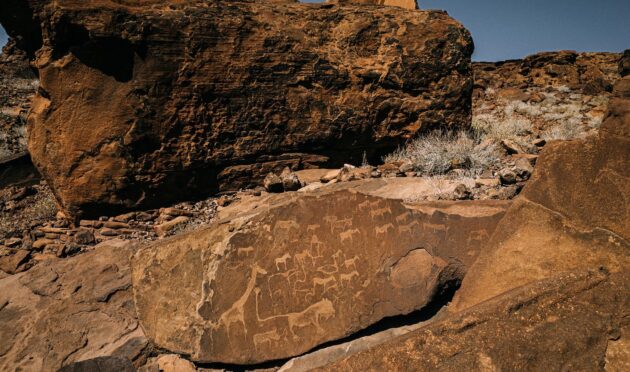
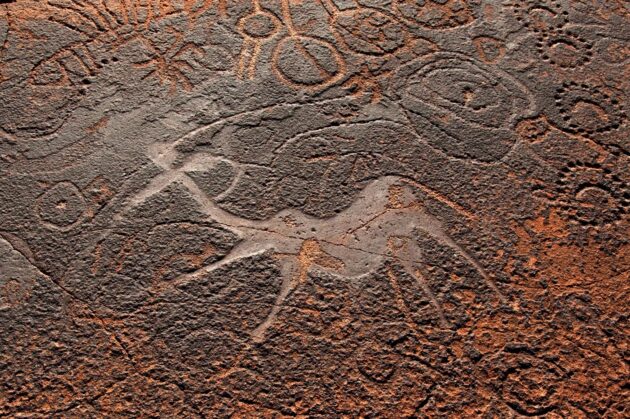
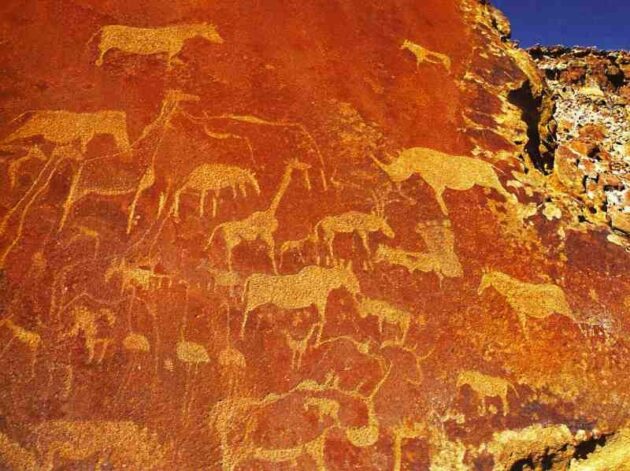
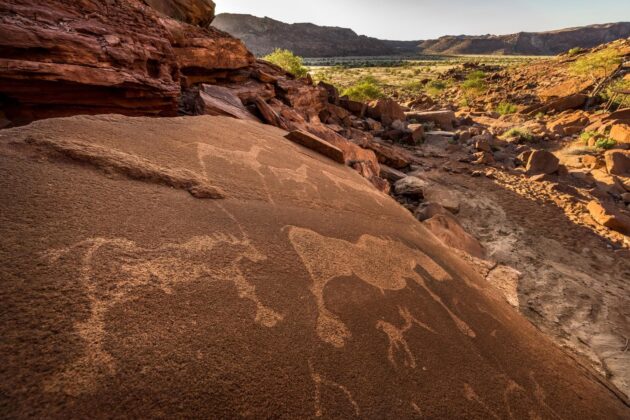
Twyfelfontein is one of Namibia’s most remarkable cultural treasures and the country’s first UNESCO World Heritage Site (inscribed in 2007). Located in the arid Kunene Region (formerly Damaraland) in northwestern Namibia, this site features one of the largest and best-preserved concentrations of ancient rock art in Africa, with over 5,000 petroglyphs (rock engravings) and around 200 rock paintings dating back 2,000 to 10,000 years. Created by San (Bushmen) hunter-gatherers, the carvings depict animals, human figures, footprints, and ritual scenes, offering a profound glimpse into prehistoric spiritual and daily life.
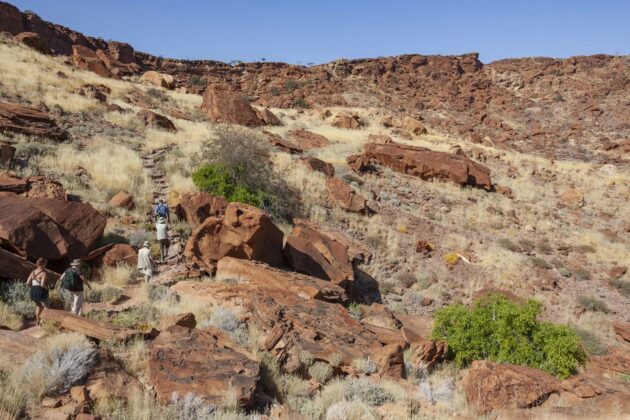
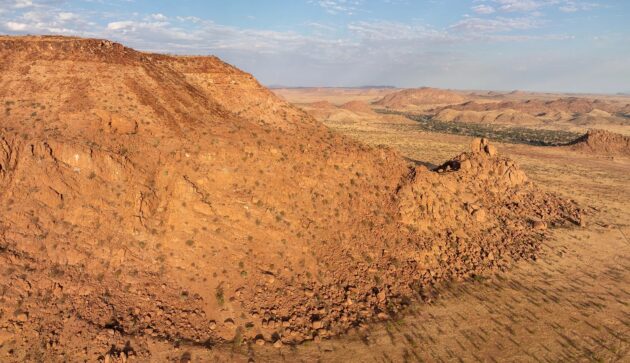
Surrounded by dramatic sandstone hills, red plains, and unique geological formations, Twyfelfontein combines deep cultural history with stunning desert landscapes — making it a highlight for anyone traveling through northern Namibia.
Why Visit Twyfelfontein?
Experience authentic ancient rock art up close, including iconic engravings like rhinos, elephants, giraffes, ostriches, and the famous “Lion Man.”
Explore the surrounding natural wonders: petrified forest, Organ Pipes basalt formations, Burnt Mountain, and desert-adapted wildlife (elephants, oryx, springbok).
Gain insight into San hunter-gatherer rituals, shamanism, and their connection to the land.
Enjoy the remote, otherworldly atmosphere of Damaraland — far from crowds and light pollution.
How to Get There
Twyfelfontein is quite remote, about 430 km from Windhoek and 90–100 km from Khorixas. Self-driving is the most common way to visit.
By Car (Recommended): From Windhoek: Take the B1 north to Otjiwarongo, then continue to Outjo, turn west onto the C39 toward Palmwag, and follow signs via D3706, D2612, D3254, and D3214 to the Twyfelfontein Visitor Centre. Gravel roads for the last ~100 km — a high-clearance 4×4 or sturdy sedan is ideal, especially after rain. Driving time: 6–8 hours from Windhoek; 1.5–2 hours from Palmwag or Khorixas.
Guided Tours: Many Namibia safaris include Twyfelfontein as a stop (often combined with Etosha, Skeleton Coast, or Damaraland desert elephants).
Fly-In: Charter flights to nearby airstrips (e.g., Khorixas or Palmwag) are available for luxury or time-constrained travelers.
Best Time to Visit
Dry Season (May–October): Ideal — cooler temperatures (15–30°C / 59–86°F during the day), clear skies, minimal rain, and excellent visibility for rock art. Wildlife is more concentrated around water sources.
Avoid Peak Summer (November–April): Very hot (often >35–40°C / 95–104°F), dusty, and occasional flash floods can make gravel roads impassable.
Tip: Visit early in the morning (first tours start ~8:00 AM) to avoid midday heat and crowds.
What to Do
All rock art viewing is guided — independent access is not permitted to protect the site.
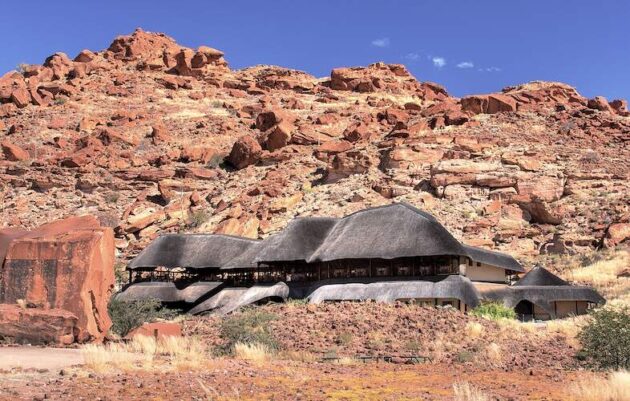
Guided Rock Art Tours (Main Attraction): Start at the modern Visitor Centre (pay entrance fee ~N$270 per person as of recent data). Choose from several short walking routes (1–2 hours each, easy to moderate difficulty, ~2–4 km total). Knowledgeable local guides explain the meaning, techniques, and cultural context of the engravings (hammered into sandstone using stone tools). Highlights: Rhino panel, Lion Man, elephant and giraffe engravings, human-animal transformation motifs.
Nearby Natural Attractions: Burnt Mountain — Striking black and red slopes that look scorched. Organ Pipes — Dramatic vertical basalt columns. Petrified Forest — Ancient fossilized tree trunks (about 20–30 minutes drive away). Desert-Adapted Elephants & Wildlife — Possible sightings in the Huab Valley or nearby areas.
Stargazing & Photography: The dark skies are spectacular — bring a tripod for night shots.
Practical Information
Entrance & Guides: Mandatory guided tour included in the fee. No pre-booking usually needed — arrive early.
What to Bring: Sturdy walking shoes, hat, sunscreen, water (at least 1–2 liters per person), light layers (cool mornings/evenings), binoculars, and a camera.
Facilities: Visitor centre has toilets, small shop, and shaded areas. No food on-site — eat at your lodge or bring snacks.
Respect the Site: No touching engravings, stay on paths, no drones.
Where to Stay
Accommodation is limited but excellent — most visitors stay nearby for 1–2 nights.
Twyfelfontein Country Lodge — Comfortable, scenic lodge with pool, restaurant, and great views. Very close to the site.
Mowani Mountain Camp — Luxury tented camp built into boulders, excellent food and atmosphere.
Camp Kipwe — Rustic yet stylish, eco-friendly option with stunning rock-integrated design.
Twyfelfontein Adventure Camp — More budget-friendly tents and campsite.
Damaraland Camp (nearby) — Upscale Wilderness Safaris lodge, great for desert elephant tracking.
Book in advance, especially during peak dry season.
Tips for a Great Visit
Combine with other Damaraland highlights (desert elephants, Palmwag concession, Vingerklip) for a 2–4 day loop.
Drive carefully on gravel roads — keep speed low and watch for wildlife.
Bring cash (Namibian Dollar) — card facilities may be limited.
Learn a few words of thanks in Damara/Nama or Afrikaans — guides appreciate it.
Final Thoughts
Twyfelfontein is more than just rock art — it’s a moving connection to humanity’s ancient past in one of the planet’s most striking desert landscapes. Whether you’re drawn by archaeology, spirituality, or sheer natural beauty, this UNESCO gem offers a profound and unforgettable experience in the heart of Namibia.
Safe travels and enjoy the silence of the ancient stones!