
A Travel Guide to the National Museum of Qatar (2026)
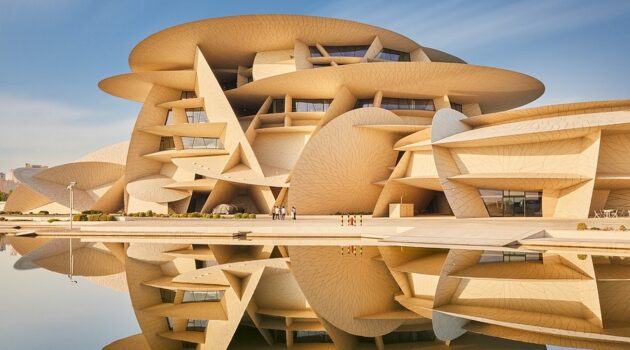
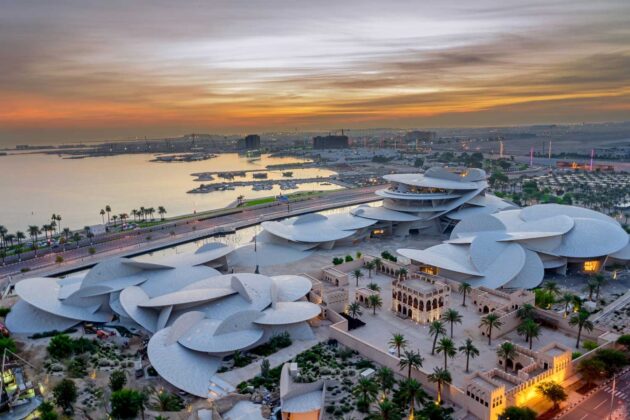
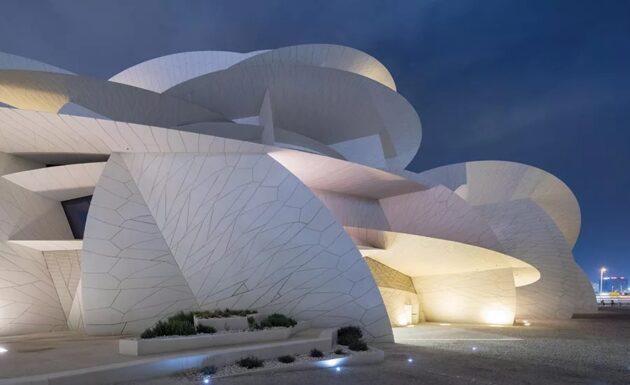
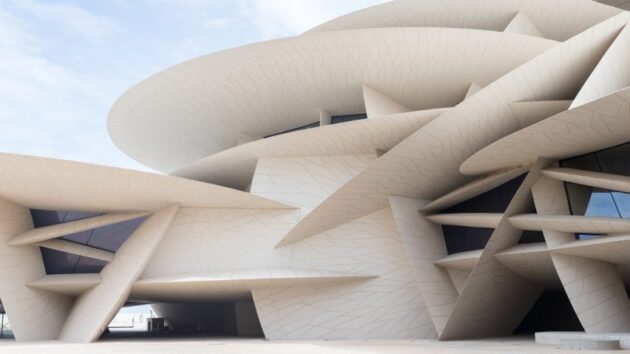
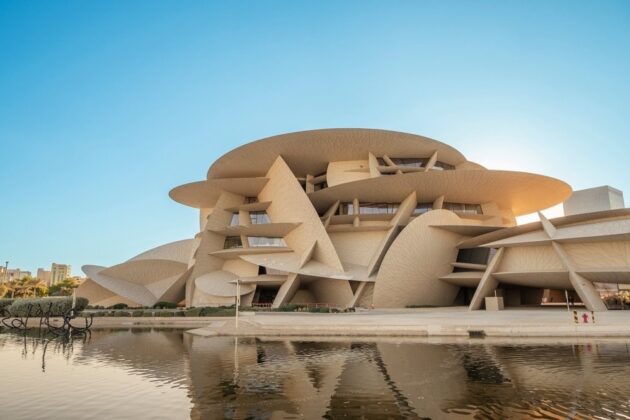
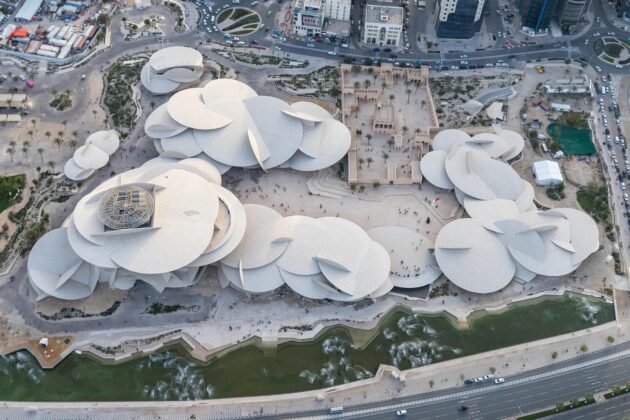
The National Museum of Qatar (NMoQ) is one of Doha’s most iconic cultural landmarks and a must-visit for anyone interested in the country’s rich heritage. Designed by renowned French architect Jean Nouvel, the museum’s striking exterior resembles a giant desert rose crystal, with interlocking cantilevered disks creating a dramatic, futuristic yet organic silhouette. Opened in 2019, it tells the immersive story of Qatar—from its ancient geological beginnings and Bedouin traditions to its rapid modernization and vibrant future—through cutting-edge exhibits, interactive displays, and the preserved historic Palace of Sheikh Abdullah bin Jassim Al Thani at its heart.
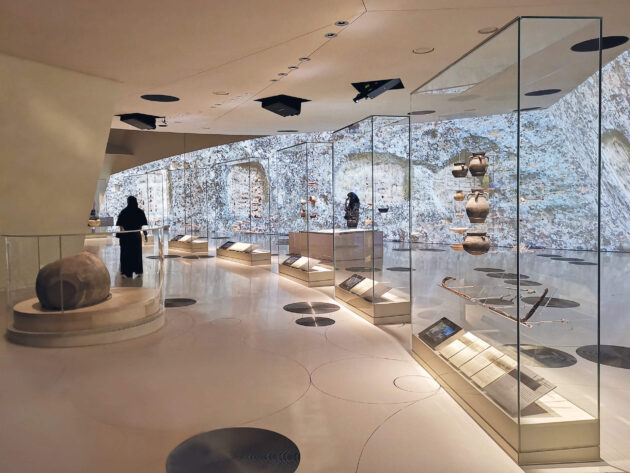
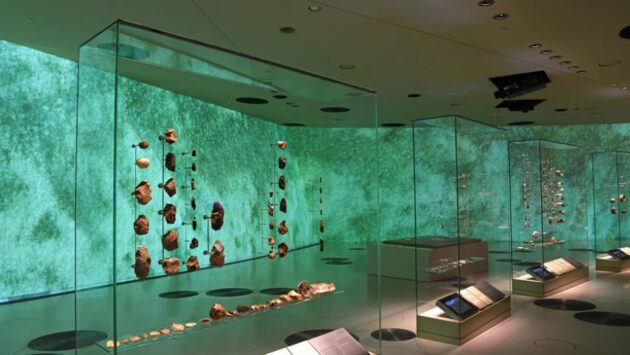
Spanning over 430,500 square feet, NMoQ combines archaeology, natural history, cultural artifacts, manuscripts, jewelry, costumes, and multimedia experiences. It is both an architectural masterpiece and a deeply educational journey into Qatari identity.
Why Visit the National Museum of Qatar?
NMoQ offers a world-class, sensory-rich experience that goes far beyond traditional museums. Highlights include:
11 permanent galleries covering Qatar’s natural environment, pearl diving heritage, desert life, trade history, and contemporary transformation.
The restored Old Palace (Palace of Sheikh Abdullah bin Jassim Al Thani), the museum’s largest artifact and former royal residence and seat of government.
Striking artifacts such as the Pearl Carpet of Baroda (embroidered with over 1.5 million Gulf pearls).
Interactive and family-friendly installations, audio guides, and temporary exhibitions (e.g., “Countryside: A Place to Live, Not to Leave” running into 2026).
Stunning views of the Doha Corniche and integration with surrounding Museum Park.
It is especially rewarding for families, history buffs, and architecture enthusiasts.
How to Get There
The museum is conveniently located on Museum Park Street, off the Doha Corniche, near the waterfront.
By Metro: The easiest public transport option. Take the Gold Line to National Museum Station—just a 2–4 minute walk to the entrance.
By Taxi/Uber/Karwa: Widely available and affordable. From Hamad International Airport, the ride takes about 15 minutes.
By Car: On-site parking is available. Vehicle and pedestrian entrance is from the roundabout at Mathaf and Museum Park Streets.
Walking: Pleasant if you are staying nearby or combining with a Corniche stroll, especially in the cooler months.
Tickets and Admission
Tickets can be purchased on arrival or reserved online in advance via the Qatar Museums website (qm.org.qa/tickets) for preferred time slots.
General admission covers the permanent collection and temporary exhibitions.
Prices (approximate; confirm current rates): Adults: Around 50–100 QAR (roughly $14–$27 USD). Children (under 16) and certain categories often enter free or at reduced rates. Qatar residents may have different pricing (sometimes free). Tickets are valid for a single entry on the selected date only and are non-refundable.
Tip: Book ahead, especially on weekends or during peak tourist seasons, to avoid queues and secure your preferred slot.
Best Time to Visit
Optimal months: November to March, when Doha’s weather is mild (20–25°C / 68–77°F) and more comfortable for outdoor photos around the desert rose structure.
Daily timing: Mornings or late afternoons/evenings to avoid the intense midday heat (especially in summer). Thursday evenings offer extended hours.
Avoid Tuesdays (closed) and Fridays before 1:30 PM.
Weekends can be busier; weekdays are generally quieter.
What to Expect and How Long to Spend
Plan for 2–3 hours for a thorough visit, though you could spend longer exploring the galleries, palace, and park.
Start with the audio guide (available in multiple languages including English, Arabic, Spanish, French, etc.) for a 24-stop highlights tour.
Key experiences: Immersive multimedia shows, hands-on elements for children, and the atmospheric Old Palace.
The museum is air-conditioned and very family-friendly, with engaging displays that bring Qatari history to life.
Visitor Guidelines: No large bags or prohibited items (check website for details). Photography is generally allowed (respect any restrictions on specific artifacts). Dress modestly out of respect for local culture. Food and drink are limited inside; there are dining options on-site or nearby.
Dining and Facilities
The museum offers cafés and restaurants with light meals, Qatari-inspired dishes, and refreshments. There is also a museum shop selling books, souvenirs, and cultural items.
Tips for an Unforgettable Visit
Download the audio guide or use the museum’s digital tools for a deeper experience.
Combine your trip with nearby attractions: Walk along the Doha Corniche, visit the Museum of Islamic Art (MIA) (a short distance away), or explore Souq Waqif.
If traveling with kids, look for the interactive zones and family programs.
Bring water, wear comfortable shoes, and use sunscreen for any outdoor time around the building.
For the best photos, capture the desert rose facade at golden hour (sunset) when the lighting is magical.
Final Thoughts
The National Museum of Qatar is more than a museum—it is a powerful celebration of Qatari heritage, resilience, and vision. Its breathtaking architecture paired with thoughtful, modern storytelling makes it one of the most impressive cultural institutions in the Gulf region. Whether you have a few hours or a full afternoon, NMoQ offers a memorable journey through Qatar’s past, present, and future.
Safe travels and enjoy your time in Doha!