
Doha Travel Guide (2026)
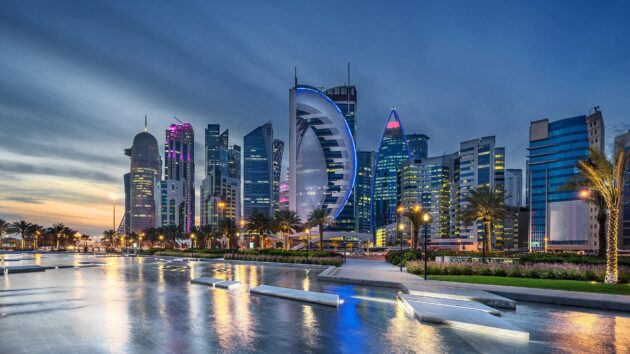
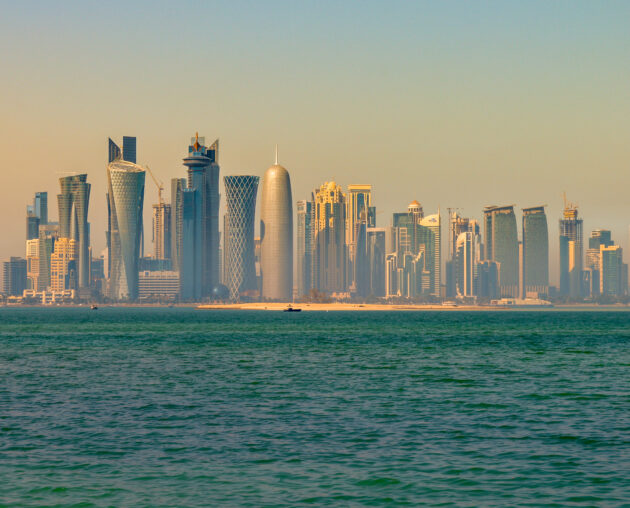
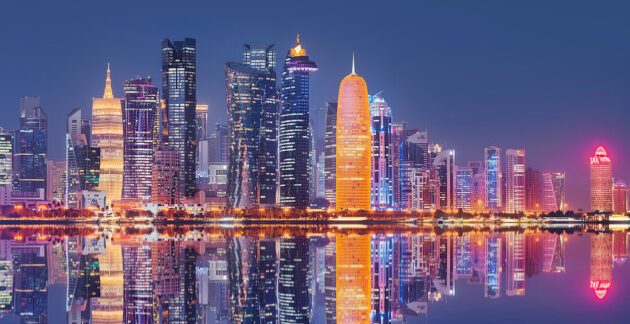
Doha, the vibrant capital of Qatar, is a dazzling blend of ultra-modern skyscrapers, rich Islamic heritage, luxurious waterfronts, and traditional souqs. This rapidly growing Gulf city offers world-class museums, cultural villages, desert adventures, and a cosmopolitan food scene, making it an ideal destination for culture lovers, luxury seekers, and short layovers alike. With its futuristic skyline overlooking the Arabian Gulf and a strong emphasis on hospitality, Doha perfectly fuses tradition and modernity.
Why Visit Doha?
Doha stands out as one of the safest and most welcoming cities in the Middle East. It features iconic landmarks like the Museum of Islamic Art, the lively Souq Waqif, and the elegant Katara Cultural Village. Visitors can enjoy waterfront promenades, luxury shopping on artificial islands, thrilling desert safaris, and high-end dining. Whether you have a few hours during a Qatar Airways layover or several days to explore, Doha delivers a mix of cultural depth, architectural marvels, and modern leisure.
How to Get There
Hamad International Airport (DOH): One of the world’s most impressive airports, known for its art installations (including the giant Lamp Bear) and excellent facilities. Many travelers experience Doha as a convenient stopover.
Visa: Most nationalities receive a free visa on arrival (30–90 days, depending on nationality). Check official Visit Qatar website for the latest requirements. Qatar Airways passengers often enjoy simplified transit procedures.
Getting from the Airport: Taxis (Karwa), ride-hailing apps (Uber/Careem), or the metro (Red Line) are convenient. Many hotels offer free airport shuttles.
Best Time to Visit
The ideal time to visit Doha is from November to March (winter), when temperatures are mild (15–25°C / 59–77°F), perfect for outdoor activities like walking the Corniche or desert excursions. December to February is peak season with pleasant weather and events, though prices and crowds are higher.
Avoid June to September (summer), when temperatures often exceed 40°C (104°F) with high humidity, making outdoor exploration uncomfortable. Shoulder months (October, April, May) offer a good balance of weather and fewer visitors. Note that during Ramadan, business hours may change, and cultural sensitivities should be observed.
Top Things to Do
Souq Waqif
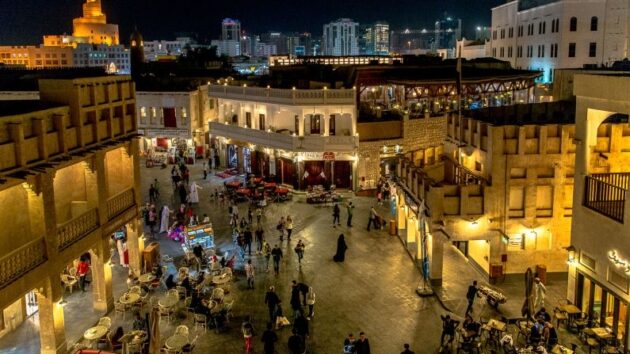
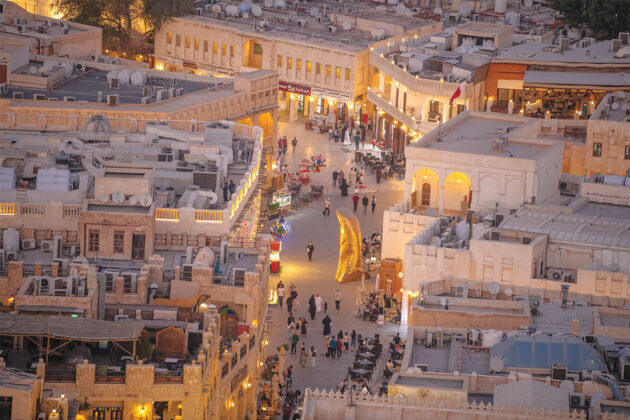
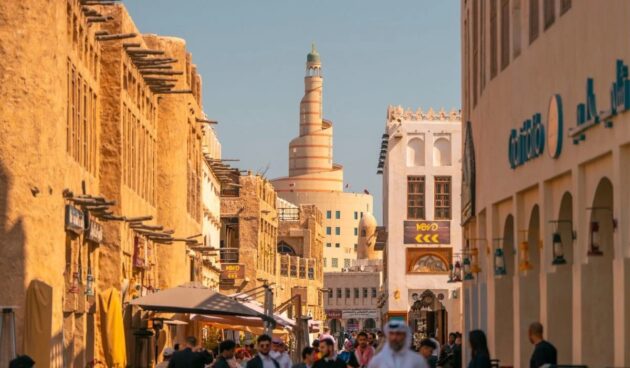
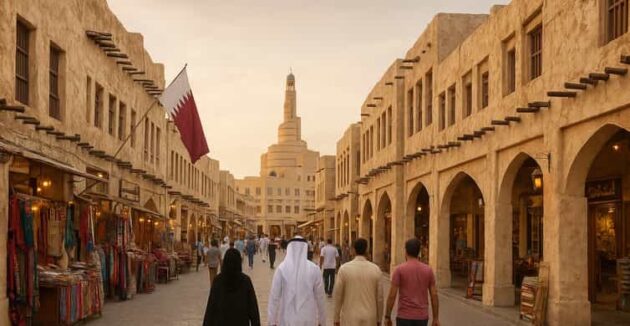
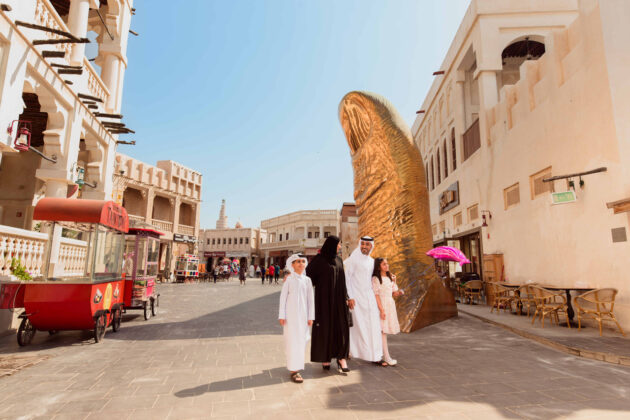
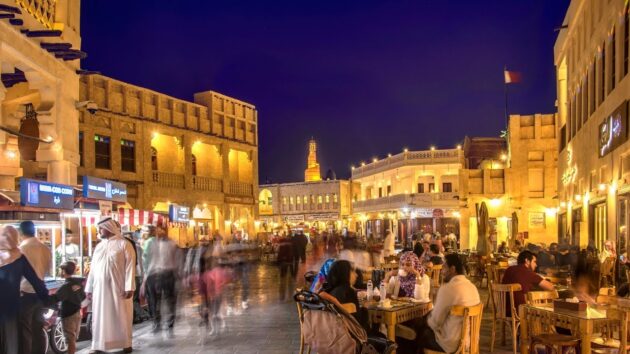
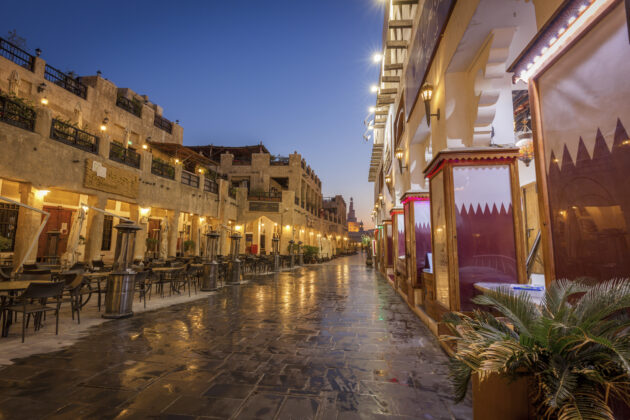
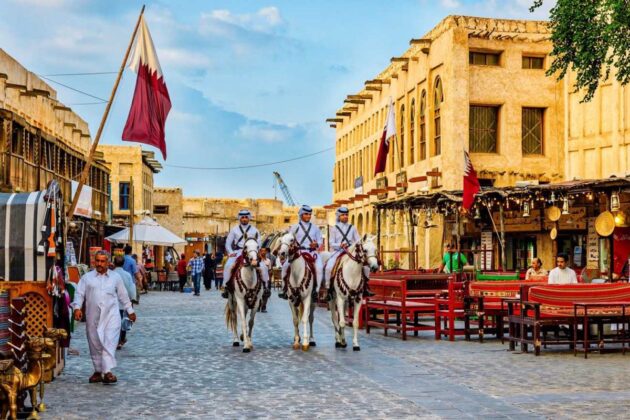
Doha’s restored traditional market is a must-visit. Wander through narrow alleys filled with spices, textiles, handicrafts, gold, and falconry shops. Enjoy street food, shisha cafes, and live performances in the evenings. It’s the vibrant heart of old Doha.
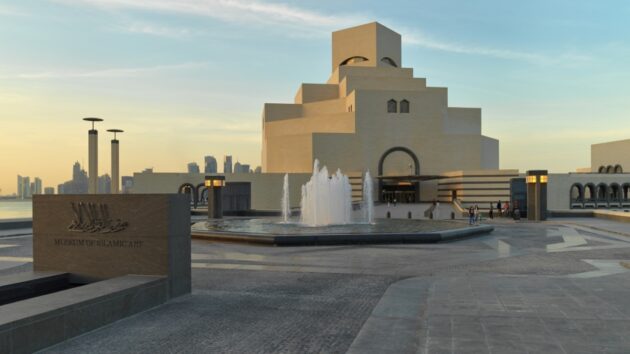
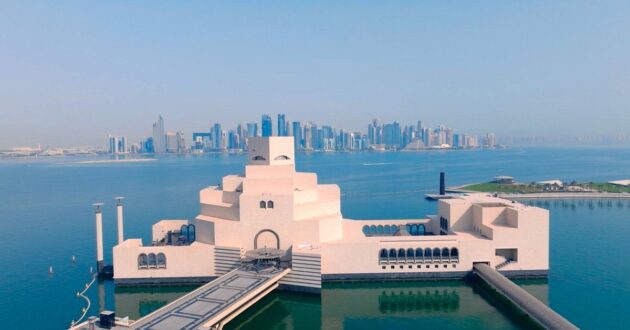
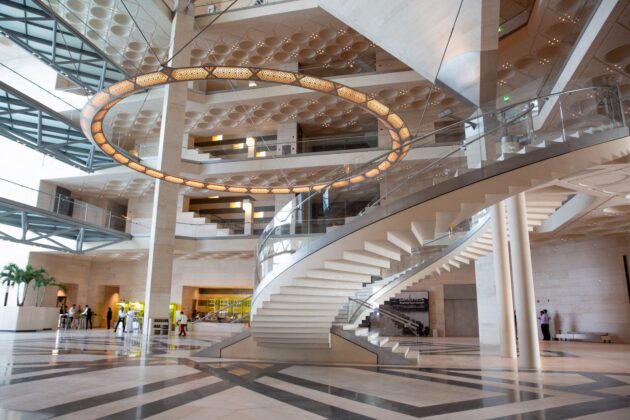
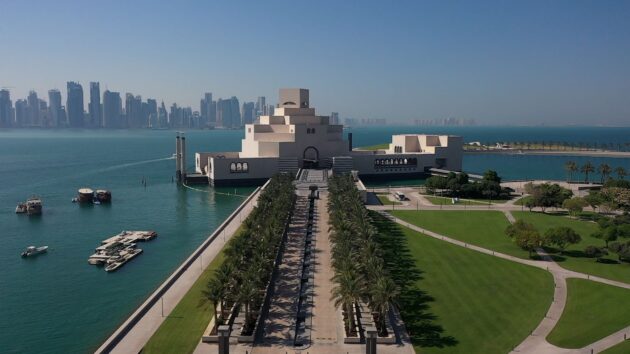
Museum of Islamic Art (MIA)
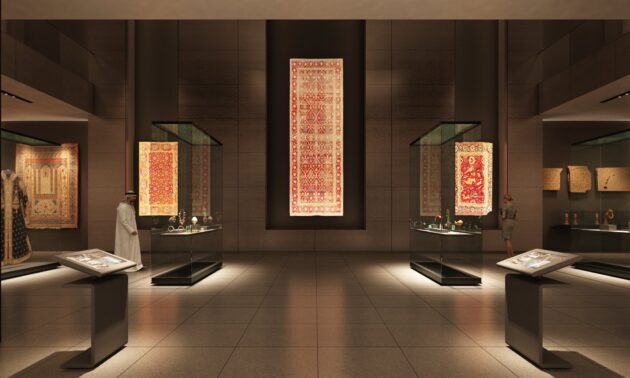
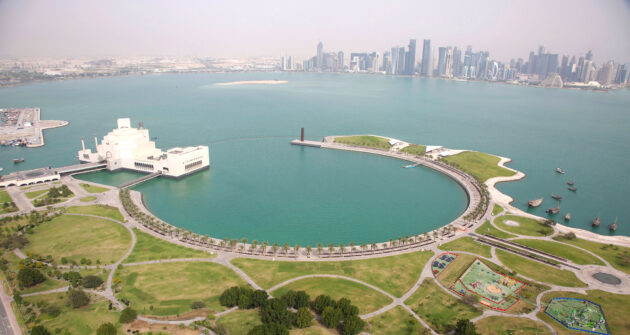
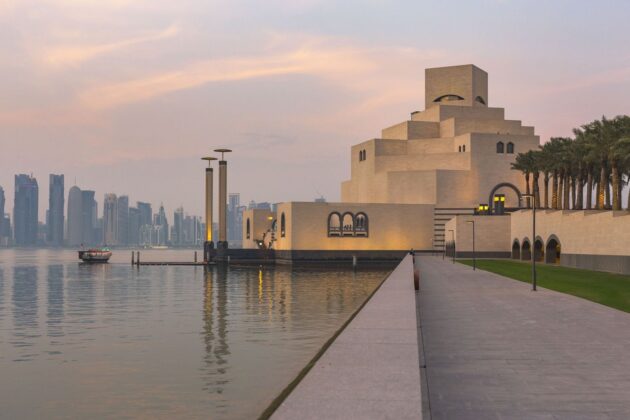
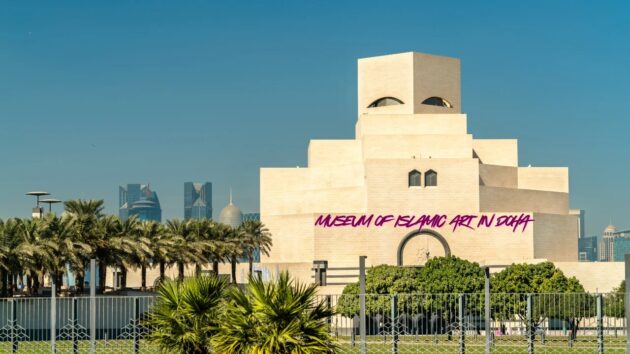
Designed by renowned architect I.M. Pei, this stunning waterfront museum houses a world-class collection of Islamic art spanning 1,400 years. The building itself is a masterpiece, with beautiful views across the bay.
Doha Corniche
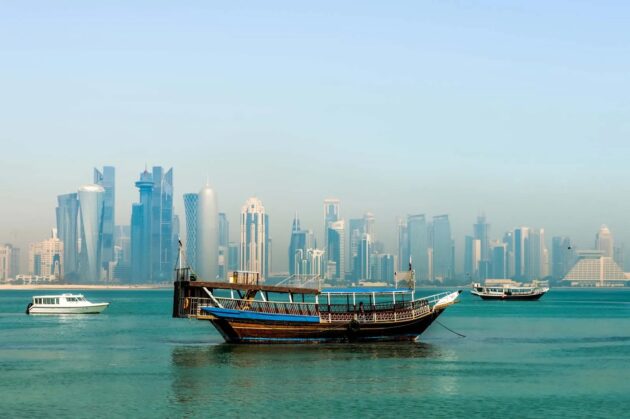
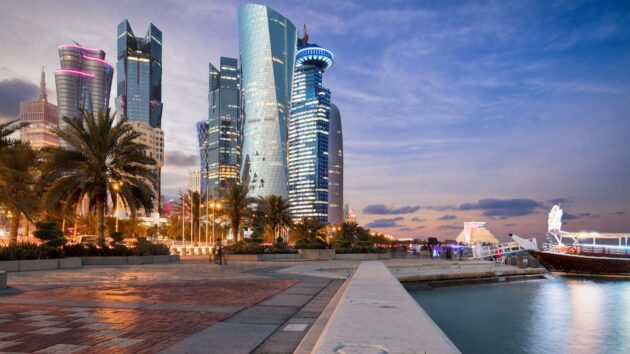
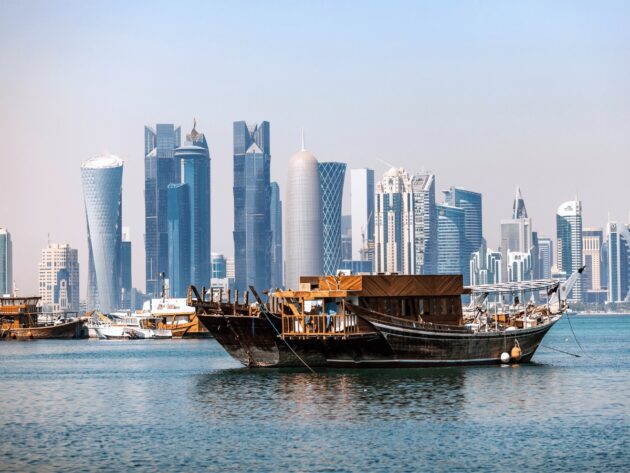
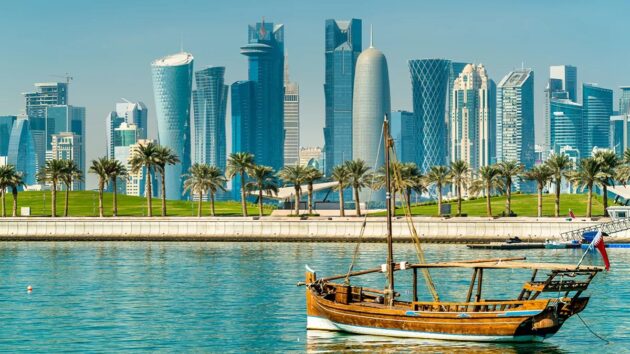
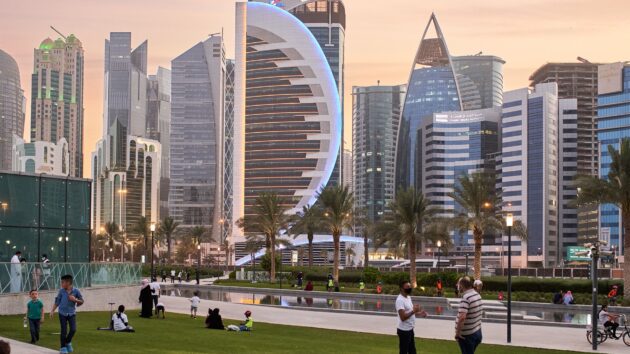
Doha Corniche is one of the most iconic and picturesque landmarks in Qatar’s capital. This elegant 7-kilometer (about 4.3-mile) crescent-shaped waterfront promenade curves along Doha Bay, offering stunning views of the modern skyline, the sparkling waters of the Arabian Gulf, and traditional wooden dhow boats. Lined with palm trees, lush parks, jogging paths, and public art, it serves as a vibrant public space where locals and visitors come to walk, relax, exercise, and enjoy the city’s blend of modernity and tradition.
Katara Cultural Villag
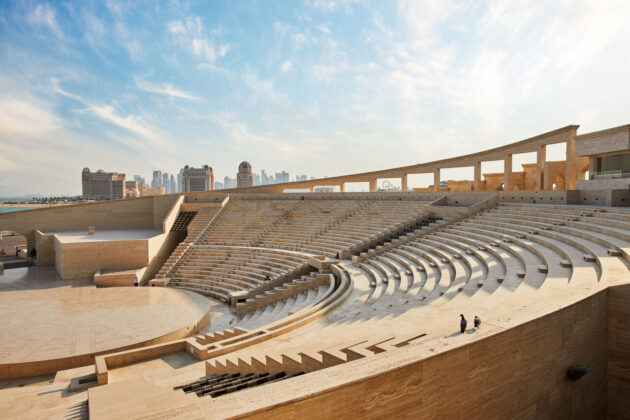
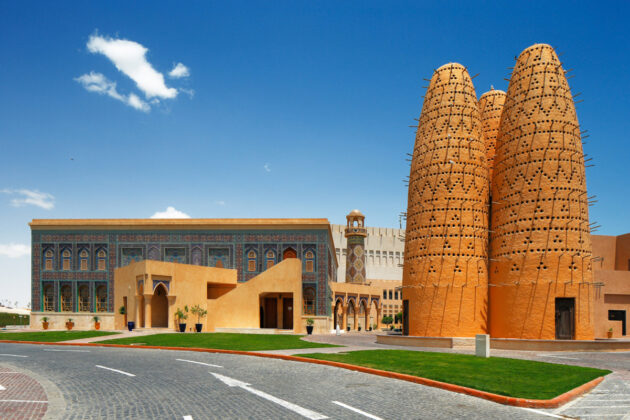
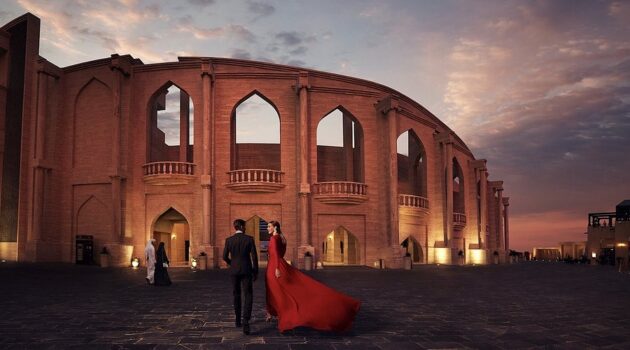
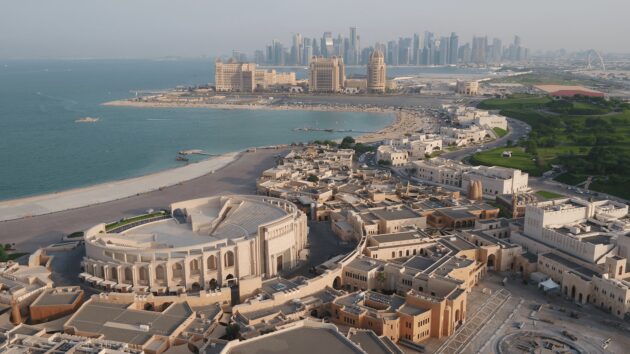
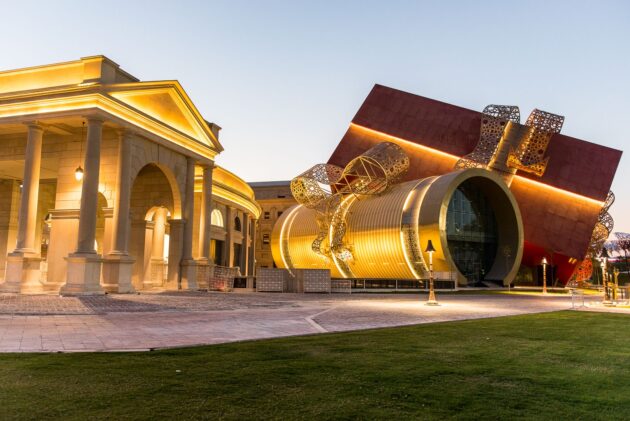
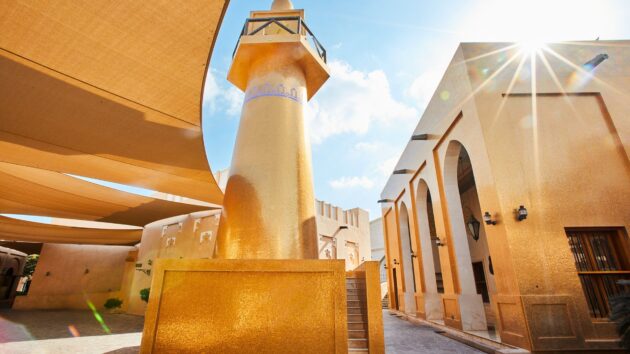
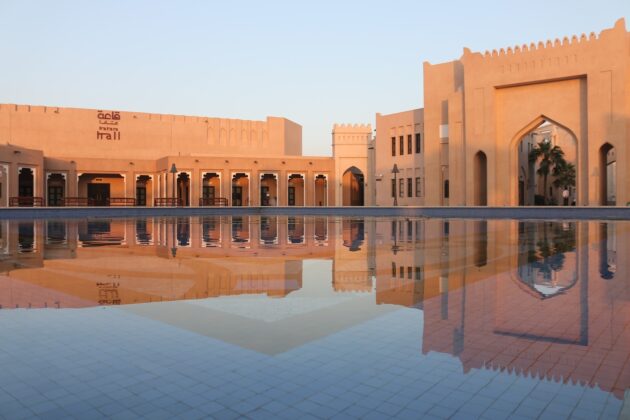
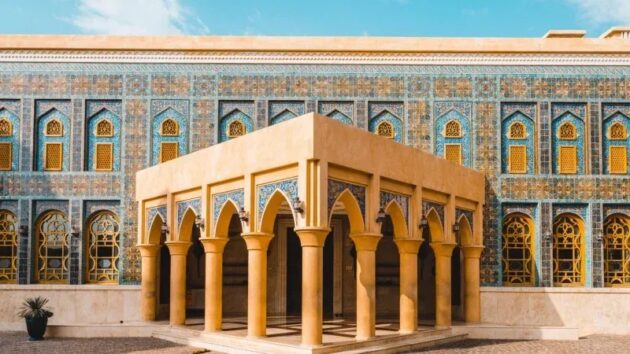
A large cultural complex with amphitheaters, galleries, theaters, and the striking Golden Mosque. It hosts performances, exhibitions, and events celebrating Qatari and Arab heritage. Don’t miss the beach and waterfront here.
The Pearl-Qatar
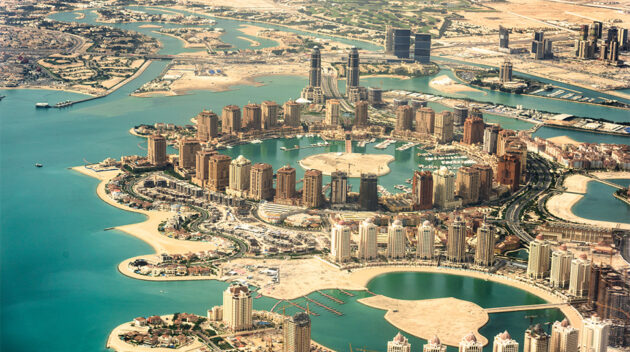
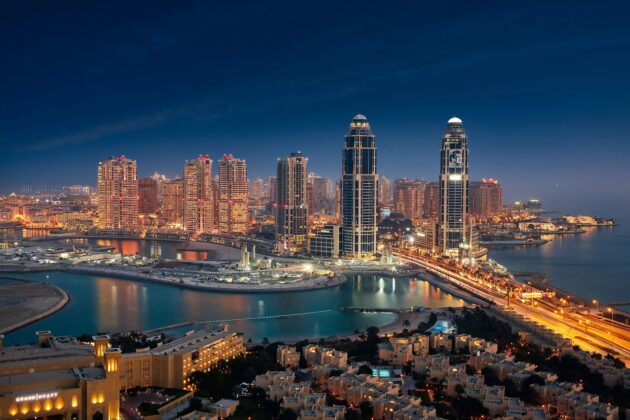
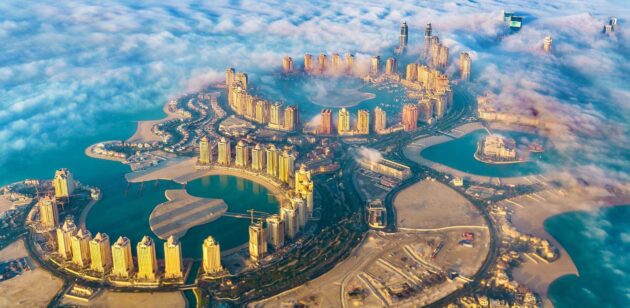
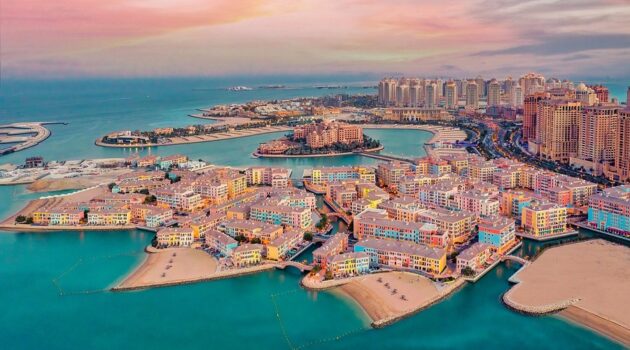
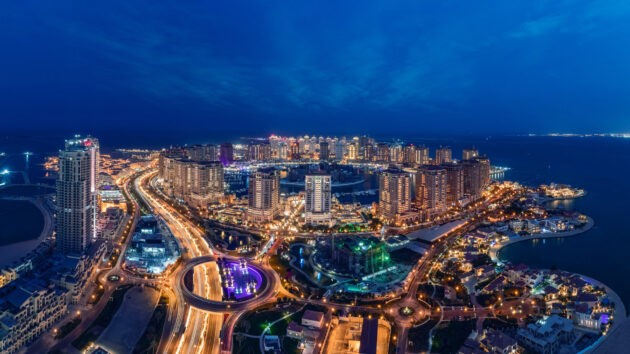
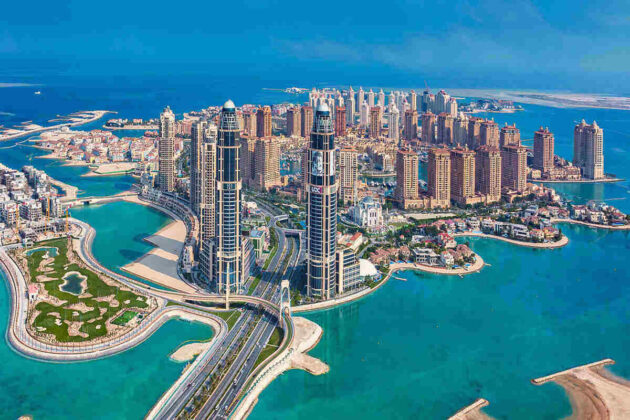
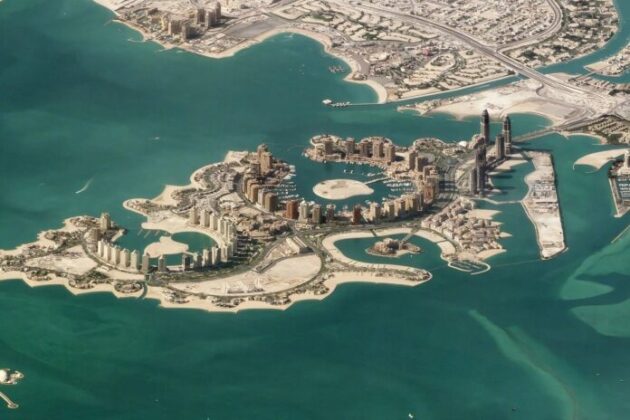
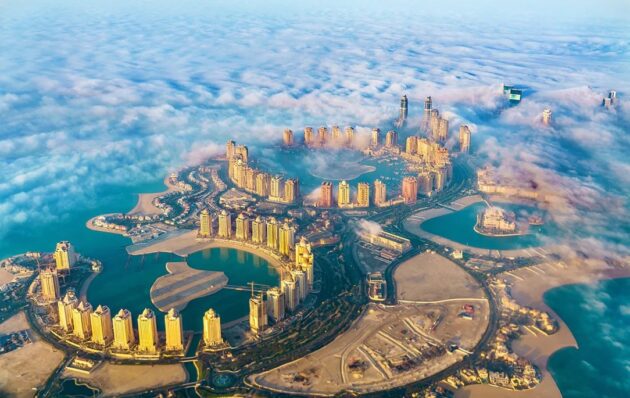
The Pearl-Qatar (often simply called The Pearl) is one of Doha’s most luxurious and picturesque destinations — a stunning man-made island built on reclaimed land off the coast of West Bay. Spanning over 4 million square meters and shaped like a string of pearls, it honors Qatar’s historic pearl-diving heritage while offering a modern “Arabian Riviera” vibe.
National Museum of Qatar
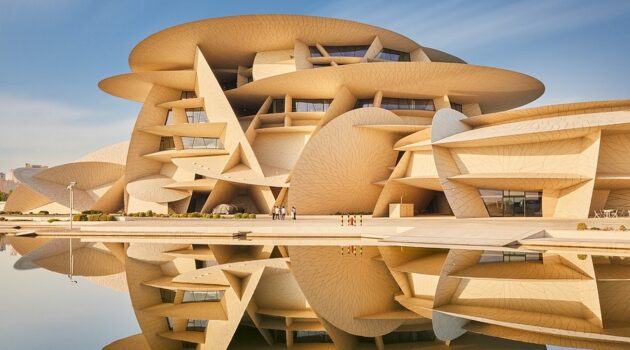
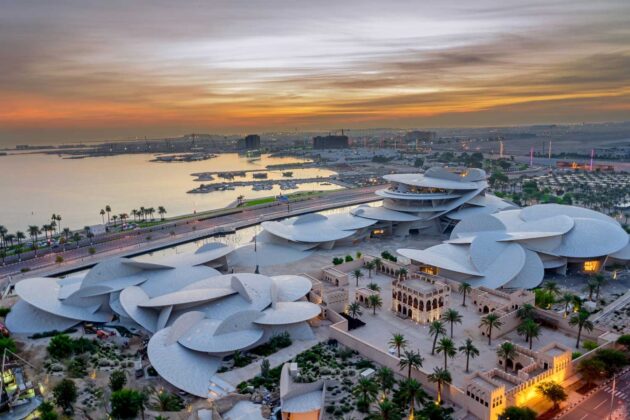
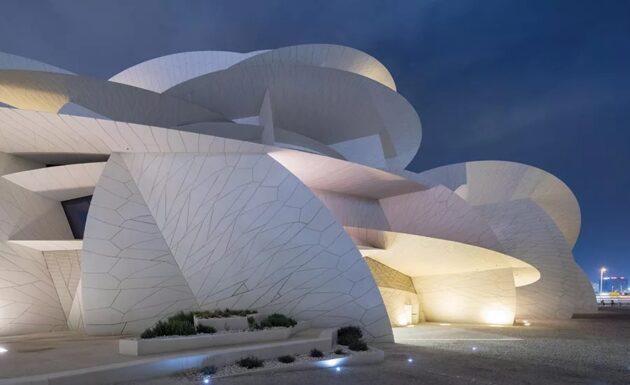
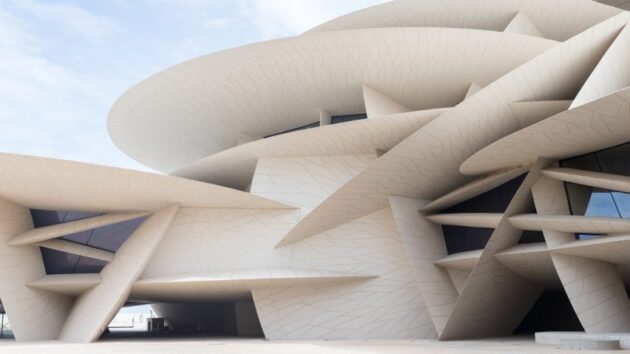
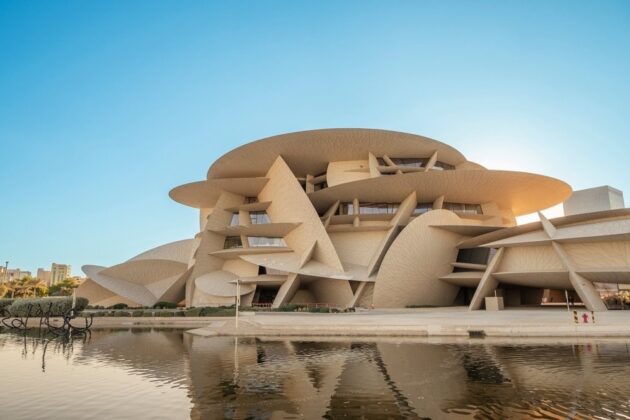
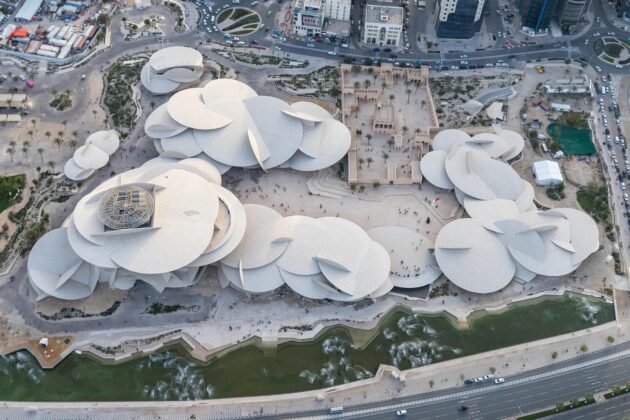
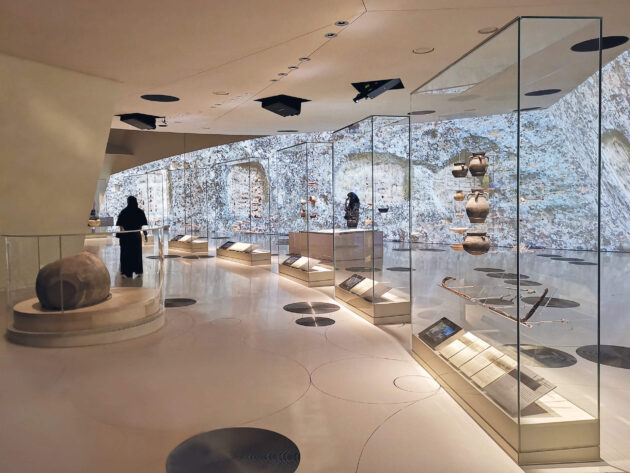
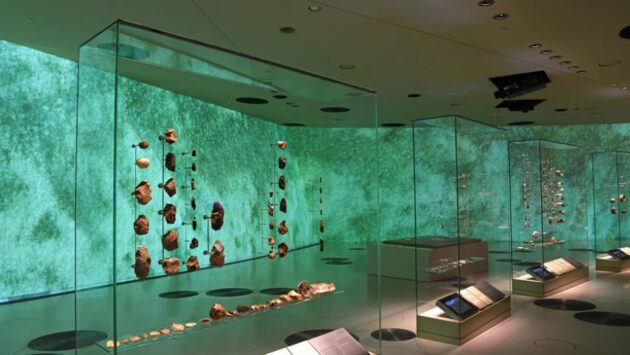
The National Museum of Qatar (NMoQ) is one of Doha’s most iconic cultural landmarks and a must-visit for anyone interested in the country’s rich heritage. Designed by renowned French architect Jean Nouvel, the museum’s striking exterior resembles a giant desert rose crystal, with interlocking cantilevered disks creating a dramatic, futuristic yet organic silhouette.
Desert Adventures
Take a day trip for dune bashing, camel riding, quad biking, or sandboarding. Many tours include traditional dinners with cultural performances under the stars.
Other highlights include Aspire Park, Education City, and various beaches or water sports.
Where to Stay
Souq Waqif / Musheireb Area: Best for atmosphere and walkability to markets and the Corniche. Choose boutique or mid-range hotels for a local feel.
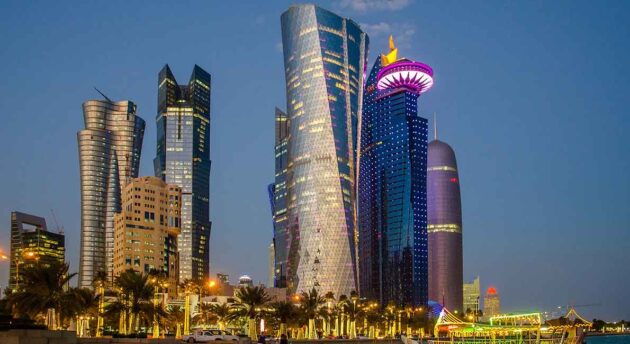
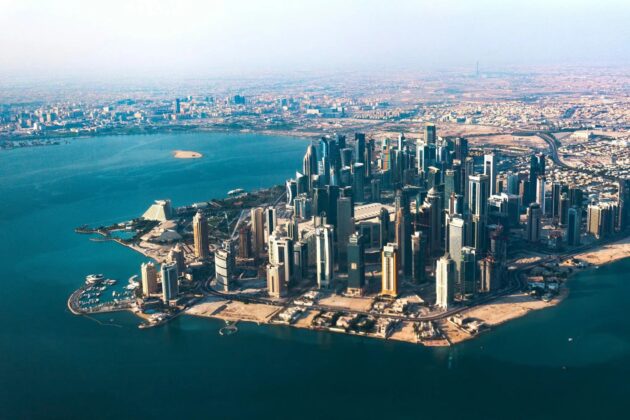
West Bay: Modern high-rises with luxury hotels offering skyline and sea views. Convenient for business and metro access.
The Pearl-Qatar or Katara: Upscale, resort-style stays with marinas and beaches. Ideal for a luxurious experience.
Near the Airport: Good for short layovers (e.g., Oryx Airport Hotel or hotels with shuttles like Radisson Blu or Hyatt Regency Oryx).
Popular luxury options include The Ritz-Carlton Doha, Four Seasons, and The Chedi Katara. Budget and mid-range choices are widely available.
What to Eat
Qatari cuisine blends Bedouin, Persian, and Indian influences. Must-try dishes include:
Machboos — Spiced rice with meat (chicken or lamb), often considered the national dish.
Saloona — Hearty tomato-based stew.
Harees — Slow-cooked wheat and meat porridge.
Madrouba — Creamy rice porridge.
Fresh seafood, grilled meats, and sweets like balaleet (vermicelli breakfast) or traditional dates.
Doha offers everything from street food at Souq Waqif to fine dining (many international celebrity chefs have restaurants here). Most food is halal. Alcohol is available only in licensed hotel bars and restaurants.
Practical Tips
Dress Code: Respect local customs — dress modestly (shoulders and knees covered) in public spaces, especially at religious or cultural sites. Swimwear is fine at private beaches or hotel pools.
Transportation: Doha Metro (clean, efficient, and air-conditioned) is excellent. Taxis and ride-hailing apps are affordable and safe. The city is expanding rapidly, so traffic can be heavy.
Safety: Qatar is one of the safest countries in the world with very low crime rates. Still, take standard precautions.
Currency & Payments: Qatari Riyal (QAR). Cards are widely accepted; ATMs are plentiful.
Language: Arabic is official, but English is widely spoken, especially in tourist areas.
Other: Smoking is restricted in many public places. Tipping (10–15%) is appreciated but often included as service charge. Stay hydrated in the heat.
Final Thoughts
Doha is a forward-looking yet deeply rooted destination that surprises many first-time visitors with its warmth, modernity, and cultural richness. Whether exploring its museums, bargaining in the souq, or relaxing by the sea, you’ll find a city that beautifully balances its heritage with ambitious future vision.
Safe travels and enjoy your time in Doha!