
A Travel Guide to Bishkek (2026)
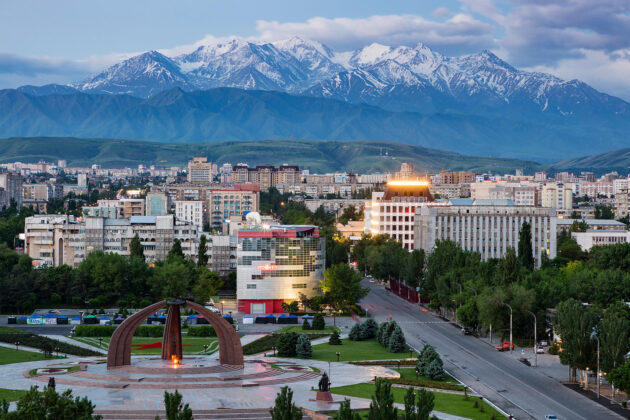
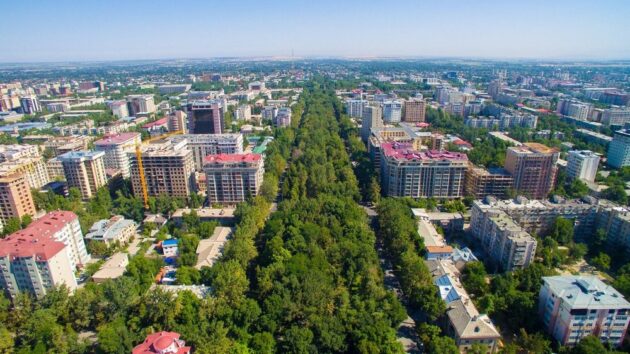
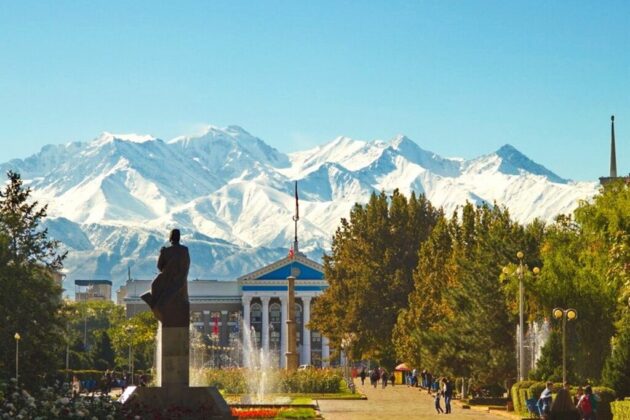
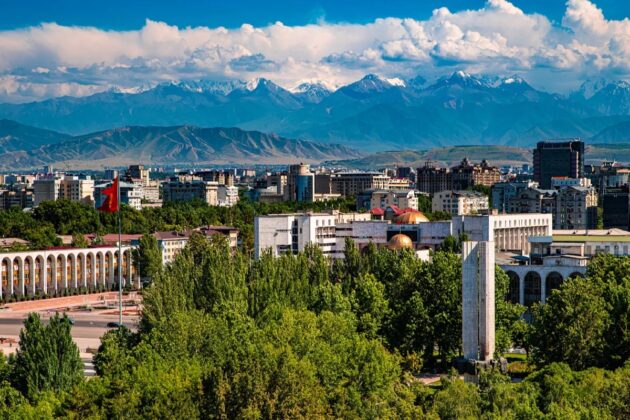
Bishkek, the vibrant capital of Kyrgyzstan, is a fascinating blend of Soviet-era architecture, bustling Central Asian markets, leafy green boulevards, and easy access to the dramatic Tian Shan Mountains. Often called the “Paris of Central Asia” for its tree-lined avenues and relaxed atmosphere, Bishkek serves as the perfect gateway to Kyrgyzstan’s nomadic culture, alpine landscapes, and Silk Road heritage. With a population of around 1 million, it offers a mix of urban energy and proximity to nature, making it ideal for short city breaks or as a base for mountain adventures.
Why Visit Bishkek?
Bishkek is more than just a transit point—it’s a lively city where Soviet history meets Kyrgyz traditions. Stroll through grand squares, haggle at sprawling bazaars, enjoy world-class opera on a budget, and within an hour, you can be hiking in snow-capped peaks. The city is safe, affordable, welcoming to foreigners, and an excellent introduction to Central Asia’s unique charm.
How to Get There
By Air: Most travelers arrive at Manas International Airport (FRU), about 25 km north of the city center. The airport has good connections with Istanbul (Turkish Airlines), Dubai, Beijing, Almaty, and several European and Central Asian cities. A taxi or Yandex Go ride into Bishkek costs around $10–15 and takes 30–45 minutes.
By Land: Bishkek is well-connected by road to Almaty (Kazakhstan, ~4 hours) and other Kyrgyz cities. Shared taxis and minibuses (marshrutkas) are cheap and frequent.
Best Time to Visit
Summer (May–September): Warm to hot (up to 30–35°C/86–95°F in the city), ideal for city exploration and day trips to the mountains. July and August are peak season with long sunny days.
Spring (April–June) and Autumn (September–October): Mild weather, fewer crowds, and beautiful scenery—perfect for hiking in Ala Archa National Park.
Winter (November–March): Cold and snowy, but great for budget travel or skiing nearby. Mountain roads may close.
Avoid extreme summer heat if you plan heavy hiking, and note that mountain passes are best accessed from late May to early October.
What to Do
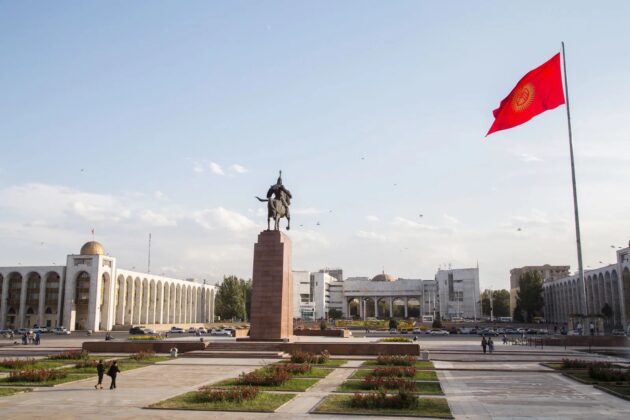
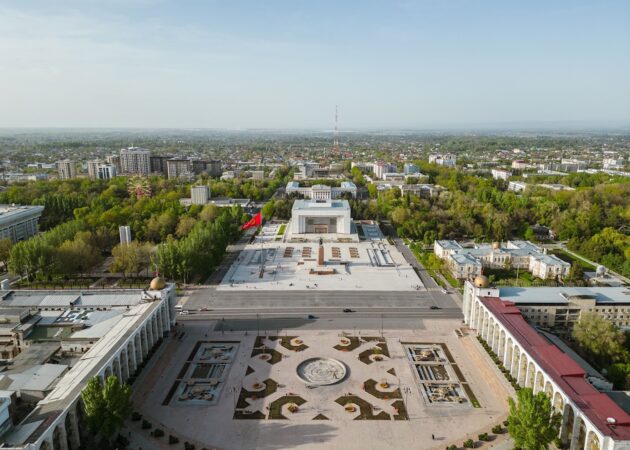
Ala-Too Square — The heart of the city, featuring the giant Manas statue, fountains, the State History Museum, and the changing of the guard. Visit in the evening for light shows.
Osh Bazaar — One of Central Asia’s most vibrant markets. Wander through sections selling spices, dried fruits, fresh bread, horse meat, honey, and Kyrgyz souvenirs. Great for people-watching and trying local snacks.
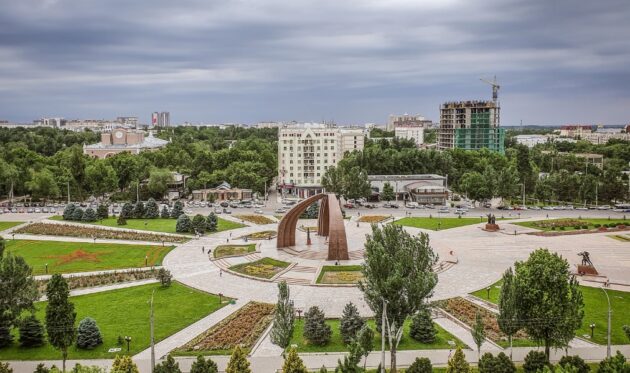
Parks and Soviet Heritage: Oak Park (Dubovy Park): Peaceful green space with sculptures, the Lenin statue, and monuments. Panfilov Park and Victory Square: Relaxing spots with Soviet memorials and local life.
State History Museum — Housed in a striking building on Ala-Too Square, it covers Kyrgyz history from ancient times through the Soviet era.
Ala Archa National Park (must-do day trip) — Just 40 km south of Bishkek. Hike along rivers and gorges with stunning glacier views. Easy trails suit all levels; marshrutka #265 from Osh Bazaar gets you close.
Cultural Experiences: Attend a performance at the Kyrgyz National Opera and Ballet Theatre—tickets are very affordable. Visit the White House (presidential residence) and other brutalist architecture. Explore Dordoi Bazaar (huge wholesale market) for clothes and goods.
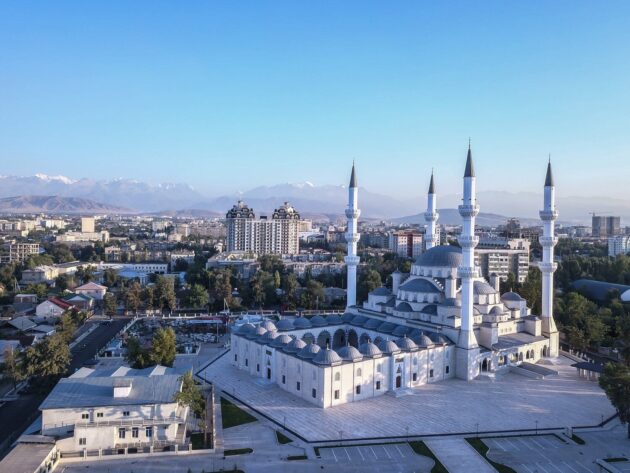
Other Highlights: Erkindik Boulevard for street life, the Central Mosque, and nearby horse-riding or yurt experiences.
Where to Stay
Luxury/Mid-range: Hyatt Regency Bishkek or Novotel for comfort and central location.
Boutique & Guesthouses: Options in the city center or near Ala-Too Square, often with helpful hosts.
Budget/Hostels: Plenty of clean, social hostels around $10–20/night. Areas near Victory Square or the university are convenient.
Tip: Stay centrally to walk to main sights; many guesthouses arrange airport transfers and tours.
What to Eat and Drink
Beshbarmak (national dish: boiled meat with noodles and broth).
Plov (rice pilaf with meat and carrots).
Lagman (spicy noodle soup), fresh non bread, and manti (dumplings).
At Osh Bazaar, try kumis (fermented mare’s milk), shashlik (grilled skewers), and honey.
Modern cafes serve excellent coffee, pastries, and fusion food. Vegetarian options are available but limited—ask for “bez myasa.”
Drink local tea, try Kyrgyz cognac, or enjoy craft beer in trendy spots.
Practical Tips
Getting Around: Walk the center. Use the Yandex Go app for affordable taxis (safer and cheaper than street hails). Marshrutkas are very cheap but can be crowded.
Safety: Bishkek is generally safe—exercise normal precautions. Avoid walking alone late at night in quiet areas, watch for pickpockets at markets, and use registered taxis. Petty crime is the main concern; serious incidents are rare for tourists.
Money: ATMs are widespread; bring some cash (som) for markets. Cards are accepted in larger places.
Language: Russian is widely spoken; English is limited outside tourist areas. A translation app helps. Kyrgyz is the official language.
What to Bring: Comfortable walking shoes for markets and hikes, modest clothing for mosques, sunscreen, and a reusable water bottle. Download offline maps (e.g., Maps.me).
Tours: Many operators offer day trips to Ala Archa, Issyk-Kul Lake, or horse trekking. Book through your hotel or reputable agencies for reliability.
Final Thoughts
Bishkek is an underrated gem—energetic yet laid-back, with a unique Soviet-Central Asian fusion and the mountains literally on the doorstep. Spend 2–3 days exploring the city and Ala Archa, then venture further to Issyk-Kul or Song-Kul for the full Kyrgyz experience. It’s affordable, hospitable, and full of authentic surprises.
Whether you’re drawn to bustling bazaars, alpine hikes, or cultural immersion, Bishkek offers a warm welcome and unforgettable memories of Kyrgyzstan.
Safe travels and enjoy the “Paris of the Tian Shan”!