
Fatehpur Sikri Travel Guide (2026)
Fatehpur Sikri, often called the “City of Victory,” is a magnificent UNESCO World Heritage Site located about 37–40 km (roughly 45–60 minutes’ drive) west of Agra in Uttar Pradesh, India. Built by Mughal Emperor Akbar between 1571 and 1585, this red sandstone ghost city briefly served as the Mughal capital before being abandoned due to water scarcity.
Today, it stands as one of the finest examples of Mughal architecture, blending Persian, Indian, and Islamic styles in a stunning hilltop complex. A perfect half-day or full-day trip from Agra, Fatehpur Sikri complements visits to the Taj Mahal and Agra Fort as part of India’s iconic Golden Triangle (Delhi–Agra–Jaipur) itinerary.
Why Visit Fatehpur Sikri?
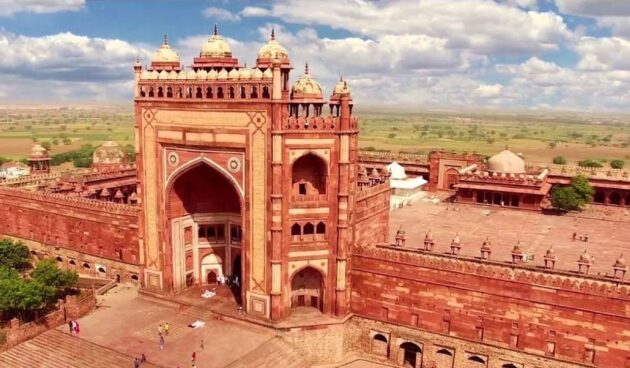
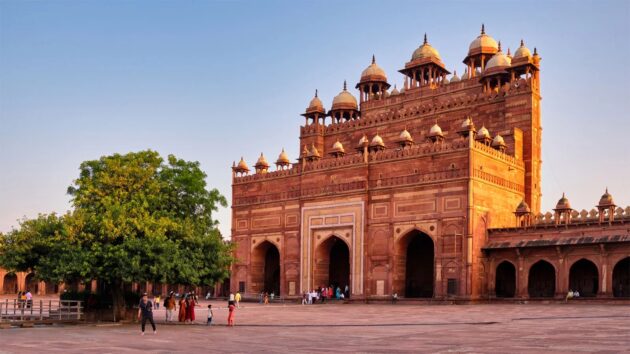
The site showcases Akbar’s vision of religious tolerance and architectural innovation. Highlights include the massive Buland Darwaza (one of the world’s tallest gateways), the elegant Jama Masjid, the marble Tomb of Salim Chishti (a popular pilgrimage spot), the multi-tiered Panch Mahal, and the royal palaces. The warm red sandstone glows beautifully in morning or late afternoon light, making it a photographer’s dream.
How to Reach Fatehpur Sikri
From Agra (most common): 45–60 minutes by private taxi, cab, or organized tour. Taxis cost around ₹1,500–3,000 for a round trip (negotiable). Buses from Agra’s Idgah or other stands take 1–2 hours and are cheaper but slower.
From Delhi: About 4–5 hours by road; often included in Golden Triangle tours.
From Jaipur: Around 4 hours; many travelers stop here en route to Agra.
Nearest Airport: Agra Airport (about 40 km away) or Delhi’s Indira Gandhi International Airport.
On-site Transport: From the parking area, visitors usually take a short government-operated electric/CNG bus or walk to the entrance. No private vehicles are allowed inside the main complex.
Hiring a private driver or joining a guided day trip from Agra is the most convenient and recommended option.
Best Time to Visit
October to March (Winter): Ideal, with pleasant temperatures (15–25°C / 59–77°F). Mornings and late afternoons offer the best light and fewer crowds.
Avoid: Peak summer (April–June) due to extreme heat, and heavy monsoon rains (July–September).
Daily Timings: Sunrise to sunset (approximately 6:00 AM–6:00 PM in summer; slightly shorter in winter). Visit early morning or after 3 PM for cooler weather and better photos.
Entry Fees
Indian & SAARC/BIMSTEC citizens: ₹50 per person
Foreign tourists: ₹550–₹610 per person
Children under 15: Free
Tickets can be purchased at the counter or online via ASI platforms. Keep your ticket handy as it may be checked inside.
Note: Photography is generally allowed (no flash in certain areas); drones are strictly prohibited.
Top Attractions & What to See
Spend 2–4 hours exploring the complex. Key highlights include:
Buland Darwaza — The soaring 54-meter “Gate of Magnificence,” built to celebrate Akbar’s victory in Gujarat. Climb the stairs for panoramic views.
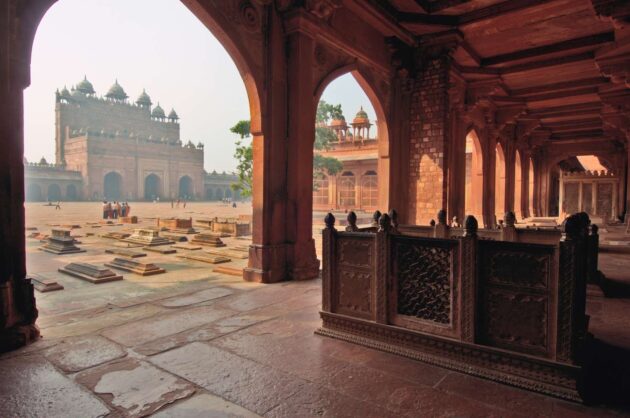
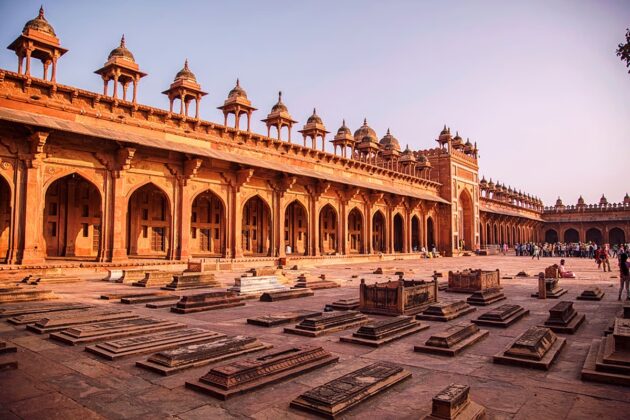
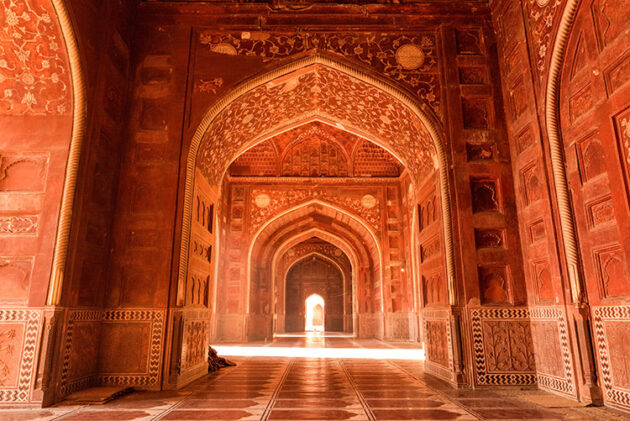
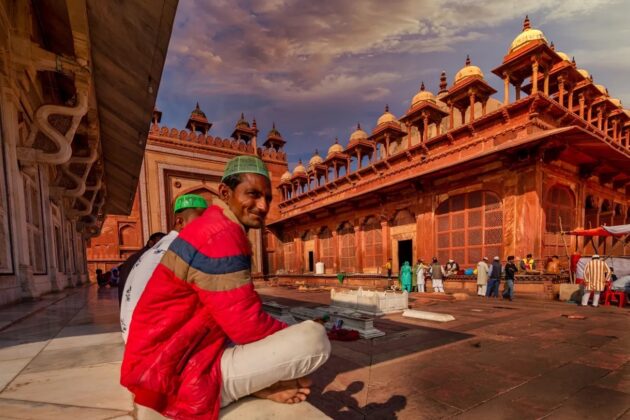
Jama Masjid — One of India’s largest mosques, with beautiful courtyards and arches.
Tomb of Salim Chishti — A white marble shrine inside the mosque courtyard. Visitors tie threads here for wishes (a living Sufi pilgrimage site).
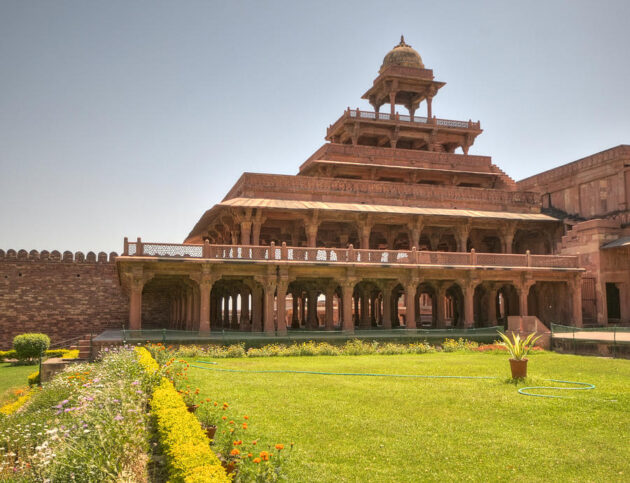
Panch Mahal — A five-tiered, open pavilion resembling a Buddhist temple, designed for cool breezes.
Jodha Bai’s Palace — The largest residential building, with intricate carvings, balconies, and Hindu-inspired elements reflecting Akbar’s respect for his Rajput queen.
Diwan-i-Khas (Hall of Private Audience) — Famous for its central carved pillar and unique design where Akbar discussed philosophy and religion.
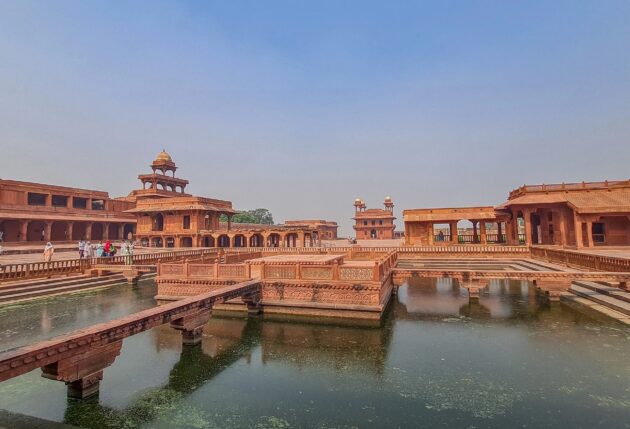
Diwan-i-Am, Anup Talao, Birbal’s House & Turkish Sultana’s Pavilion — Additional palaces and pavilions showcasing the fusion of styles.
The entire site is spread across a ridge, so wear comfortable shoes and expect some walking.
Tours & Guides
Hiring a licensed guide (available near the ticket counter) is highly recommended to understand the history and symbolism. Official guides charge around ₹400–800 depending on group size and duration. Avoid unofficial “guides” who may overcharge or pressure you. Many Agra-based tours combine Fatehpur Sikri with Agra Fort or the Taj Mahal.
What to Bring & Practical Tips
Comfortable walking shoes, hat, sunglasses, sunscreen, and a reusable water bottle (bottled water is allowed inside).
Modest clothing: Cover shoulders and knees, especially when entering the mosque.
Cash for guides, tips, or small purchases.
Respect religious sites — remove shoes where required and maintain silence near the tomb.
Beware of aggressive hawkers and unofficial guides near parking/entrance areas. Stick to licensed ones.
Where to Stay
Most visitors stay in Agra (plenty of hotels from budget to luxury, many with Taj views) and do a day trip. Options near Fatehpur Sikri itself are limited. If you want a quieter base, consider Bharatpur (Keoladeo National Park area, about 18–20 km away).
Combining with Other Sites
Golden Triangle Route: Delhi → Agra (Taj + Fort) → Fatehpur Sikri → Jaipur.
Add Sikandra (Akbar’s Tomb) or Mathura/Vrindavan for a fuller Mughal and cultural experience.
Final Thoughts
Fatehpur Sikri offers a fascinating glimpse into Mughal grandeur, religious harmony, and architectural brilliance. Its relatively uncrowded atmosphere (compared to the Taj Mahal) lets you wander peacefully through history. Plan it as a relaxed half-day excursion from Agra, and you’ll leave with unforgettable memories of red sandstone palaces rising against the sky.
Safe travels and enjoy this hidden gem of the Mughal Empire!