
Agra Travel Guide (2026)
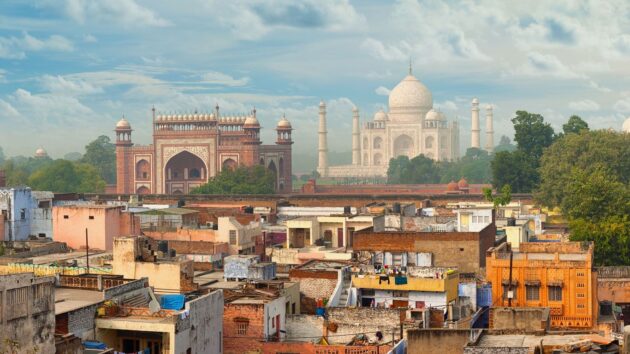
Agra, located in the northern Indian state of Uttar Pradesh, is world-famous as the home of the Taj Mahal, one of the New Seven Wonders of the World. Built in the 17th century by Mughal Emperor Shah Jahan as a mausoleum for his beloved wife Mumtaz Mahal, the Taj Mahal is an architectural masterpiece of white marble that draws millions of visitors each year. But Agra offers far more than just this iconic monument—it is a key stop on India’s Golden Triangle (Delhi–Agra–Jaipur) and boasts rich Mughal history, impressive forts, gardens, and vibrant local culture.
Why Visit Agra?
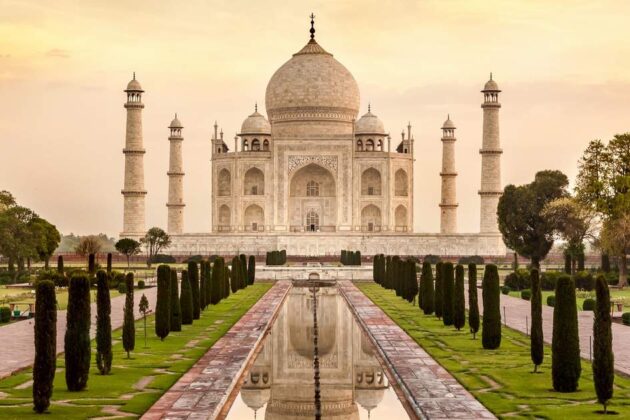
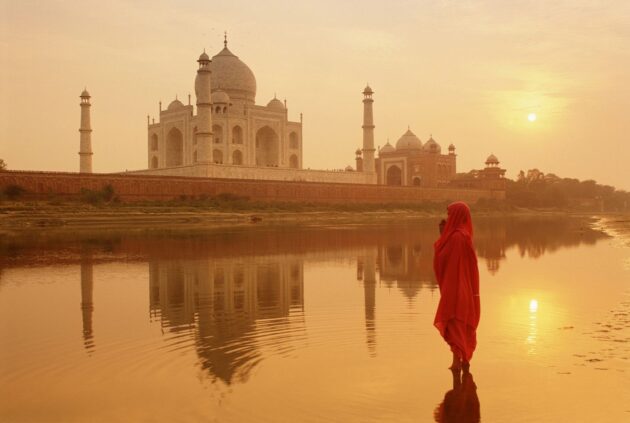
Iconic Taj Mahal — A symbol of eternal love with stunning symmetry, intricate inlay work (pietra dura), and changing hues at sunrise and sunset.
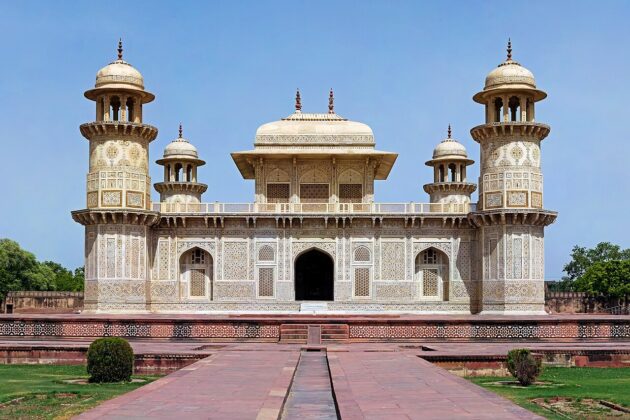
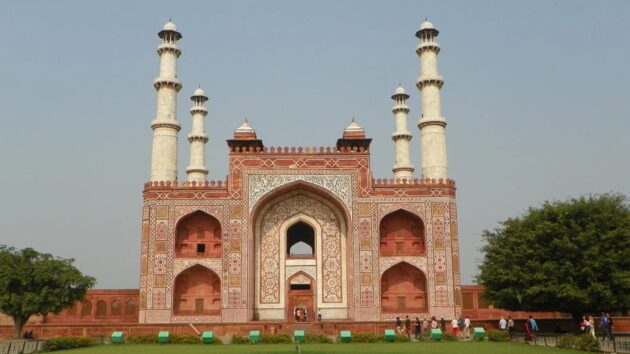
Mughal Heritage — Explore grand forts, tombs, and mosques from the Mughal era.
Cultural Experience — Wander bustling bazaars, enjoy Mughlai cuisine, and witness traditional crafts like marble inlay and leather goods.
Convenient Location — Easily combined with Delhi (about 3–4 hours away) and Jaipur.
Best Time to Visit
The ideal period is October to March, when temperatures are pleasant (15–25°C / 59–77°F) and skies are clearer for photography.
December–February: Coolest months; great for sunrise views, though morning fog can occasionally obscure the Taj.
Avoid: April–June (extreme heat up to 45°C / 113°F) and July–September (monsoon rains). Peak crowds occur during weekends and Indian holidays.
For the best experience, visit the Taj Mahal at sunrise to beat crowds and enjoy magical light.
How to Get There
From Delhi: The most popular route.
Train: Fastest and most convenient. Take the Gatimaan Express (about 1.5–2 hours) or Taj Express (around 3 hours). Book via IRCTC or 12Go Asia in advance.
Road: 3–4 hours by private car, taxi, or bus via the Yamuna Expressway.
Flight: Limited domestic flights to Agra’s Kheria Airport (AGR), then a short taxi ride.
Within Agra: Use Uber/Ola, auto-rickshaws, cycle rickshaws, or hire a private driver for the day (recommended for multiple sites). Taxis are affordable but negotiate rates upfront.
Top Attractions
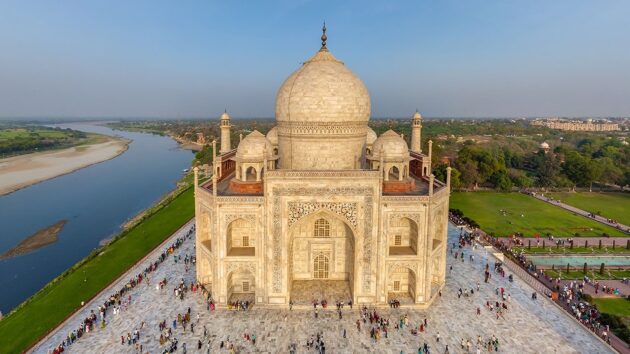
Taj Mahal
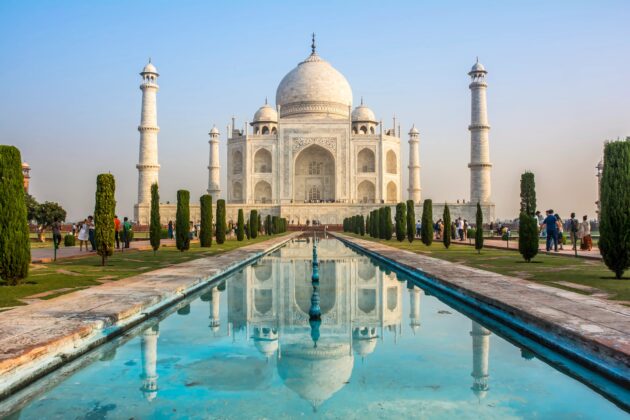
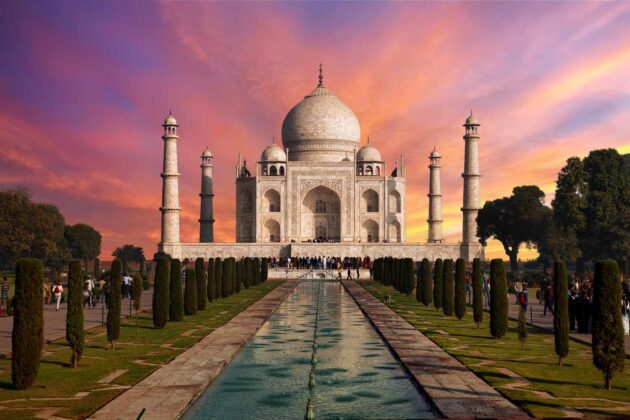
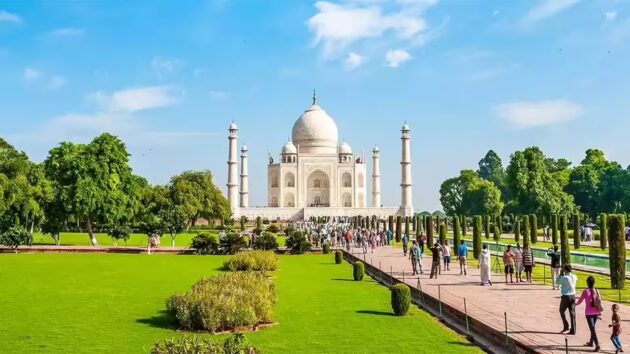
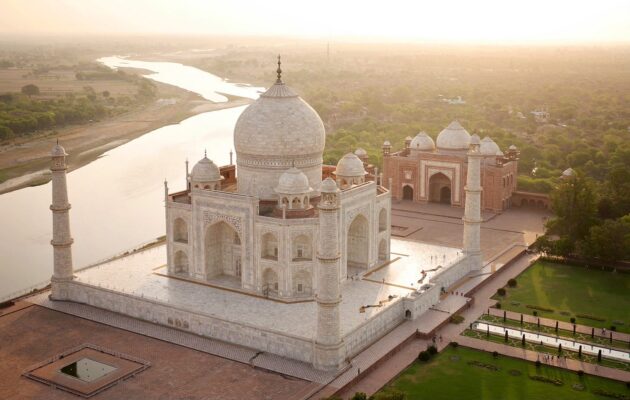
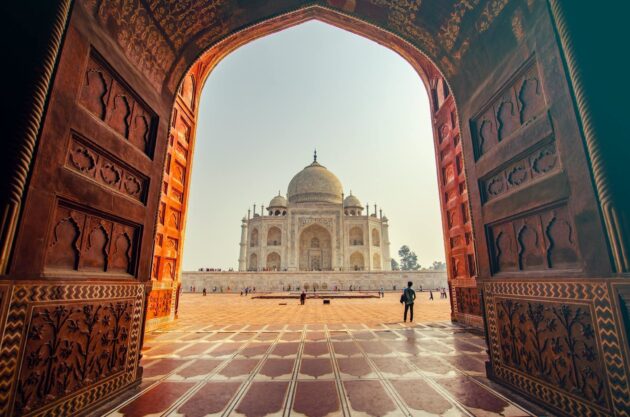
The Taj Mahal, built between 1632 and 1653 by Mughal Emperor Shah Jahan in memory of his beloved wife Mumtaz Mahal, is an iconic symbol of eternal love. This stunning white marble mausoleum, with its perfect symmetry, intricate inlay work (pietra dura), and serene gardens, attracts millions of visitors every year.
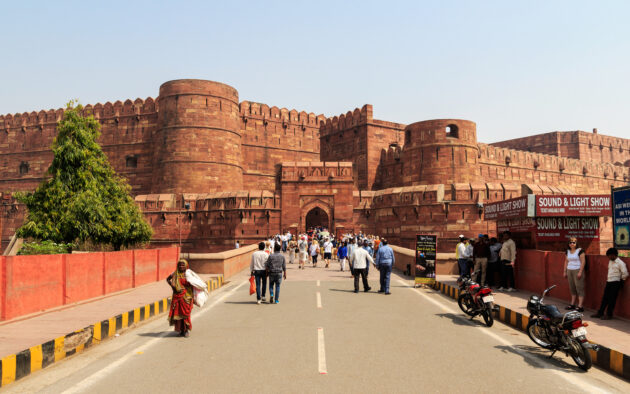
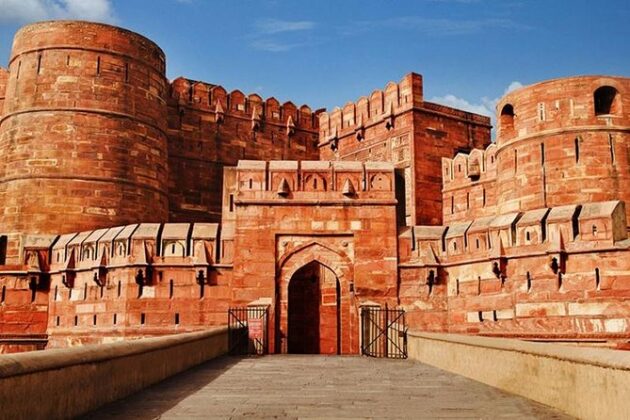
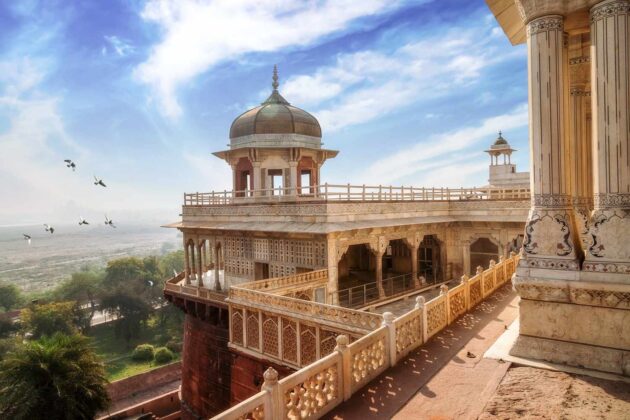
Agra Fort (Red Fort)
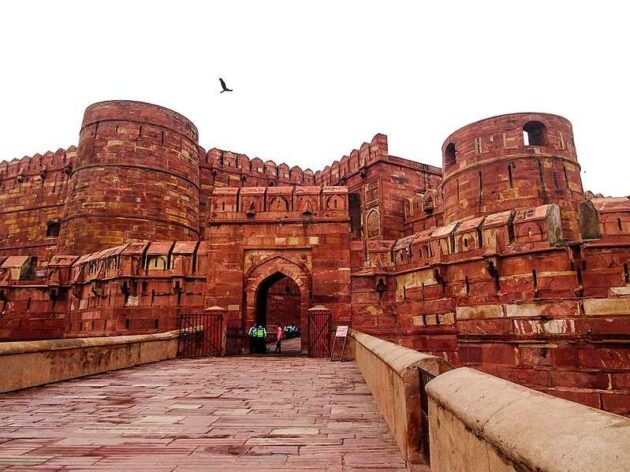
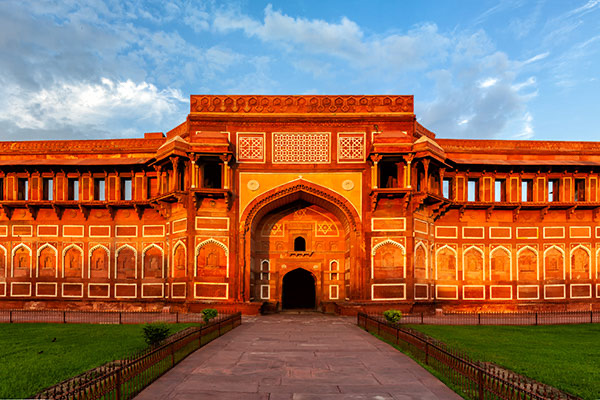
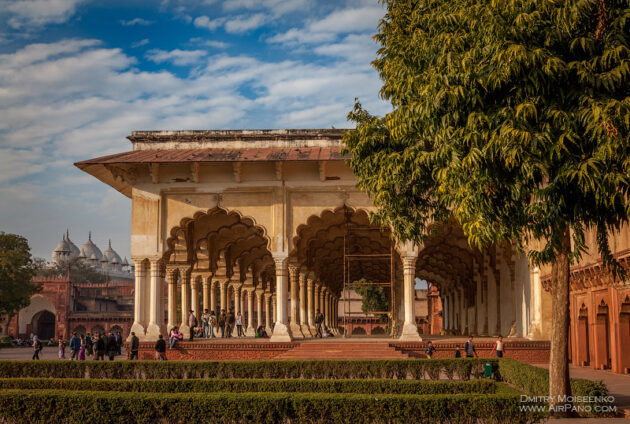
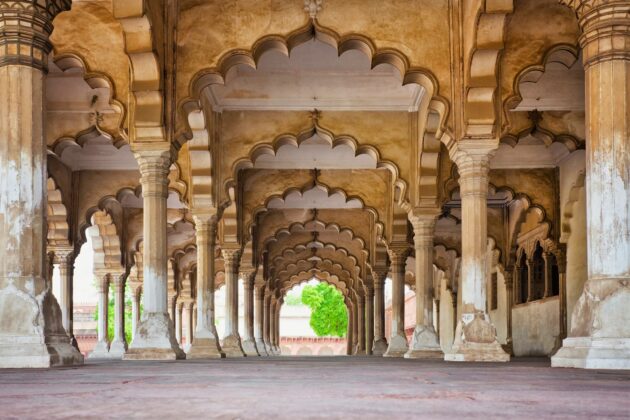
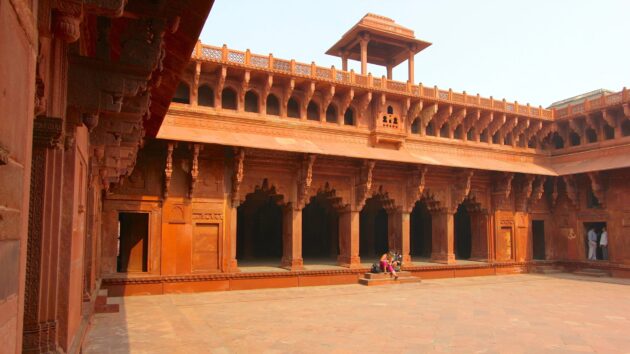
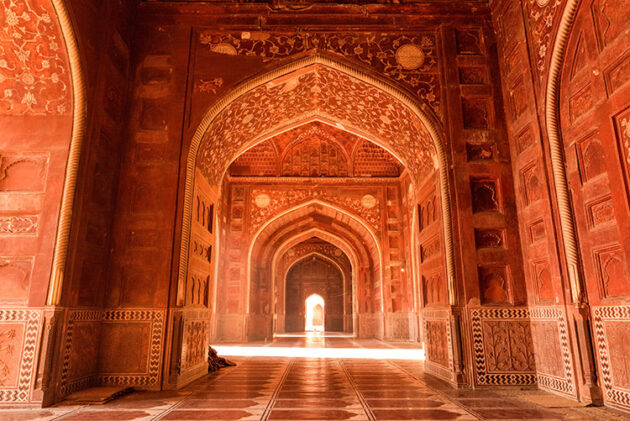
Agra Fort, also known as the Red Fort of Agra or Lal Qila, is a magnificent UNESCO World Heritage Site and one of India’s most impressive examples of Mughal architecture. Built primarily by Emperor Akbar in 1565 and later expanded by his successors, including Shah Jahan (the builder of the Taj Mahal), this massive red sandstone fortress served as the main residence and seat of power for the Mughal emperors for generations.
Fatehpur Sikri (about 40 km / 1 hour from Agra)
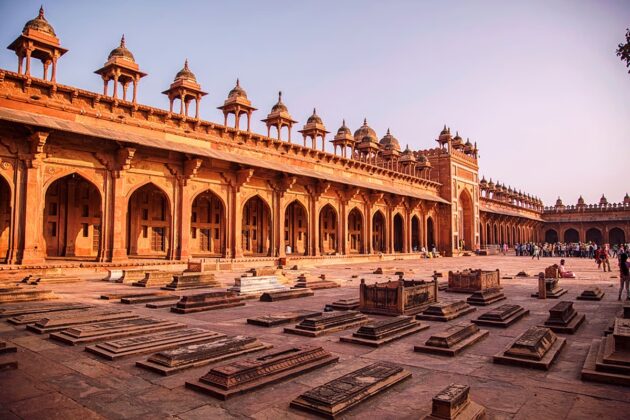
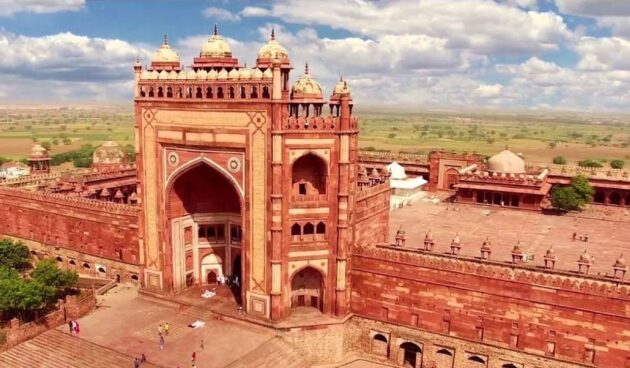
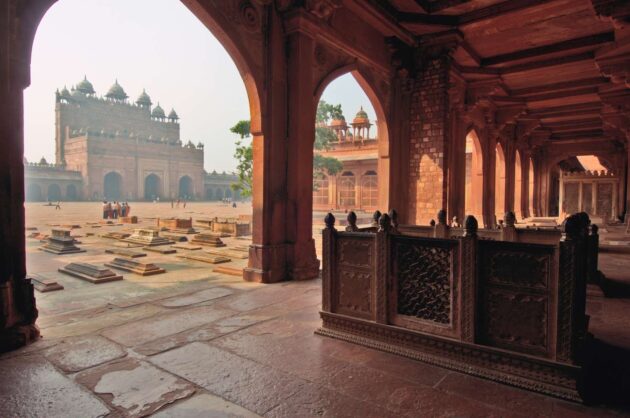
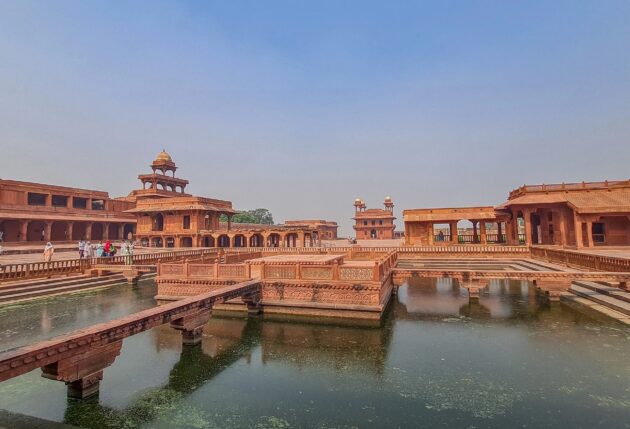
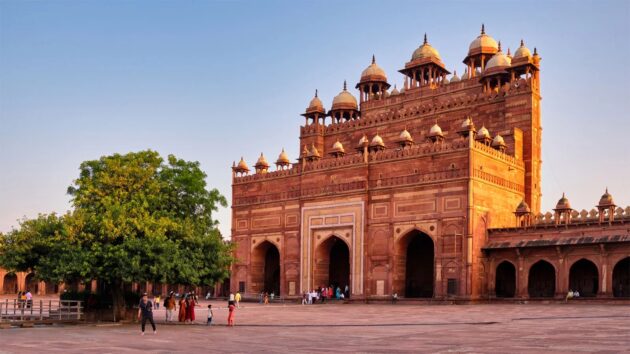
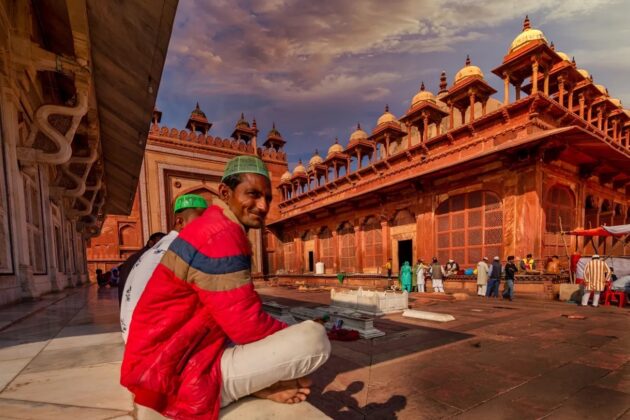
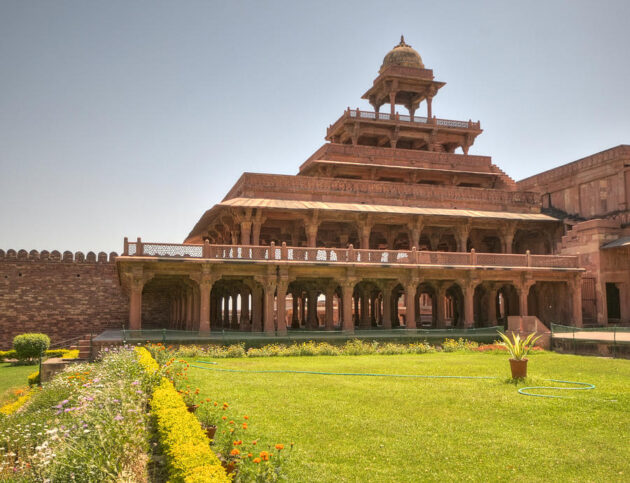
Fatehpur Sikri, often called the “City of Victory,” is a magnificent UNESCO World Heritage Site located about 37–40 km (roughly 45–60 minutes’ drive) west of Agra in Uttar Pradesh, India. Built by Mughal Emperor Akbar between 1571 and 1585, this red sandstone ghost city briefly served as the Mughal capital before being abandoned due to water scarcity.
Where to Stay
Luxury: The Oberoi Amarvilas (iconic views of the Taj Mahal from most rooms and restaurants) or ITC Mughal (elegant Mughal-inspired architecture with excellent dining and spa).
Mid-range: Radisson Hotel Agra, Trident Agra, or Crystal Sarovar Premiere.
Budget/Unique: Homestays or guesthouses near the Taj East Gate (e.g., Coral Tree Homestay or similar properties with rooftop views). Many hotels offer Taj views from rooftops.
Staying close to the Taj Mahal is recommended for easy sunrise access.
What to Eat
Agra is known for rich Mughlai cuisine:
Must-tries: Petha (sweet pumpkin candy), Dal Moth, Bedai with Aloo Sabzi, Mughlai Paratha, and kebabs.
Fine dining: Esphahan or Bellevue at Oberoi Amarvilas; Peshawri at ITC Mughal for tandoori and Northwest Frontier flavors.
Street food: Explore Sadar Bazaar or Taj Ganj area (stick to hygienic spots and bottled water).
Cooking classes or food tours are popular for immersive experiences.
Practical Tips
Tickets & Crowds: Book Taj Mahal tickets online. Avoid Fridays (closed) and weekends if possible.
Dress Code: Modest clothing (shoulders and knees covered) for religious sites. Remove shoes before entering the Taj mausoleum.
Photography: The Taj looks different throughout the day—bring a good camera for details.
Safety: Agra is generally safe for tourists in main areas, but exercise normal caution. Watch for touts, overcharging rickshaws, and scams near the Taj. Use official guides if needed. Tourist police are present.
Health: Drink only bottled water, use hand sanitizer, and consider vaccinations (Hep A, Typhoid). Air quality can be poor in winter—check AQI.
What to Bring: Comfortable shoes, hat/sunscreen, reusable water bottle, cash (small notes), and a scarf for dust/modesty.
Sustainability: Avoid feeding monkeys, don’t litter, and support ethical shops (e.g., authentic marble inlay artisans).
Final Thoughts
Agra is a whirlwind of history and beauty that will leave you in awe. The Taj Mahal alone makes the trip worthwhile, but exploring the surrounding Mughal gems reveals the grandeur of India’s past. Plan ahead, rise early, and immerse yourself in this timeless destination.
Safe travels and enjoy the magic of Agra!