
Agra Fort Travel Guide (2026)
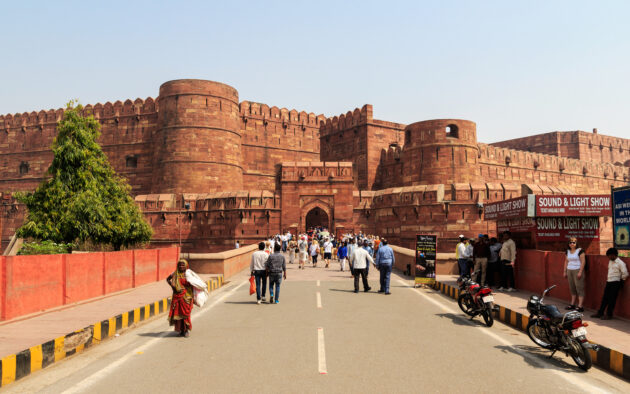
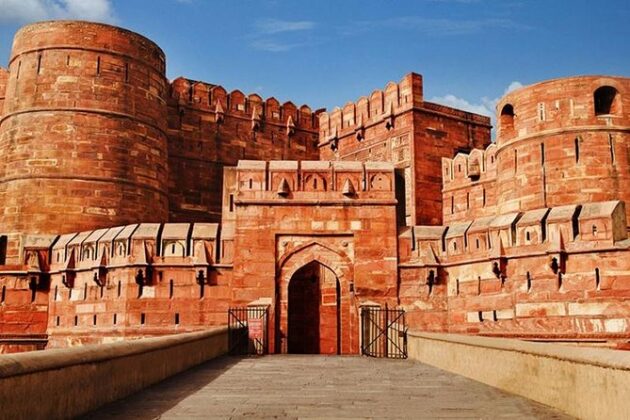
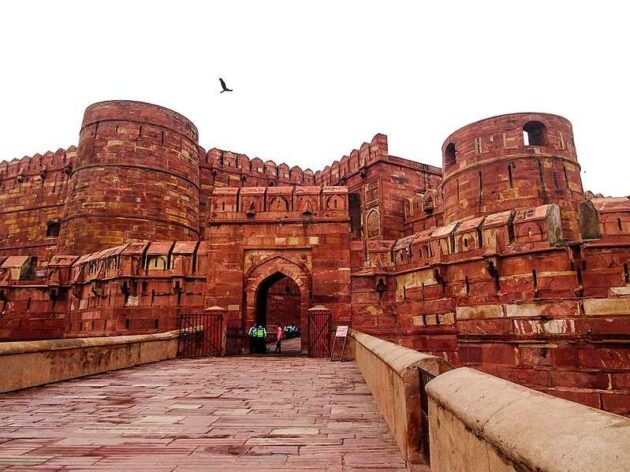
Agra Fort, also known as the Red Fort of Agra or Lal Qila, is a magnificent UNESCO World Heritage Site and one of India’s most impressive examples of Mughal architecture. Built primarily by Emperor Akbar in 1565 and later expanded by his successors, including Shah Jahan (the builder of the Taj Mahal), this massive red sandstone fortress served as the main residence and seat of power for the Mughal emperors for generations.
Spanning about 94 acres with 2.5 km of enclosing walls, it offers a fascinating glimpse into Mughal history, opulent palaces, grand audience halls, and stunning views of the Taj Mahal across the Yamuna River. Visiting Agra Fort is an essential part of any trip to Agra and pairs perfectly with the Taj Mahal, providing historical context and a “prequel” to the iconic white marble mausoleum.
Why Visit Agra Fort?
Historical Significance: It was the heart of the Mughal Empire, where emperors like Akbar, Jahangir, Shah Jahan, and Aurangzeb lived and ruled. Shah Jahan was famously imprisoned here by his son Aurangzeb, gazing at the distant Taj Mahal until his death.
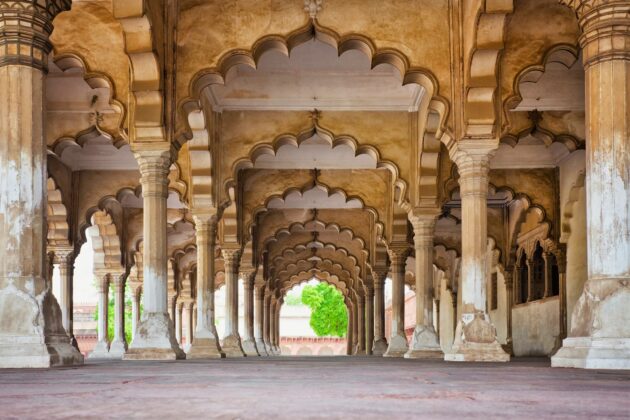
Architectural Marvel: The fort blends Islamic, Persian, and Hindu architectural styles with intricate carvings, marble inlays, mirror work, and red sandstone structures.
Highlights Inside:
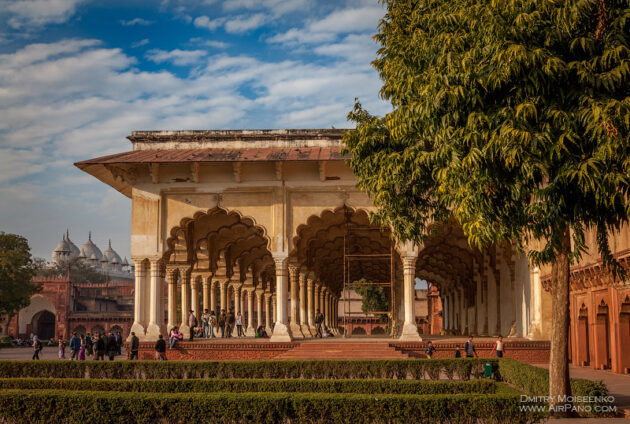
Diwan-i-Aam (Hall of Public Audience): A pillared hall where the emperor met the public.
Diwan-i-Khas (Hall of Private Audience): For meetings with dignitaries, featuring ornate designs.
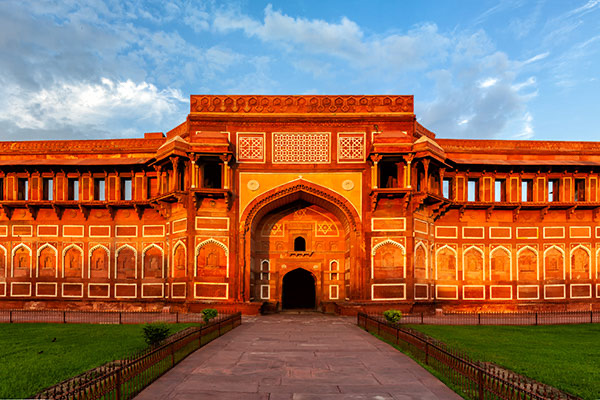
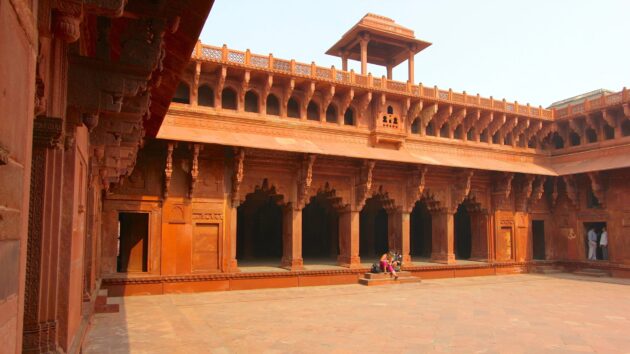
Jahangiri Mahal: Akbar’s palace for his son Jahangir, showcasing red sandstone with Hindu-inspired elements.
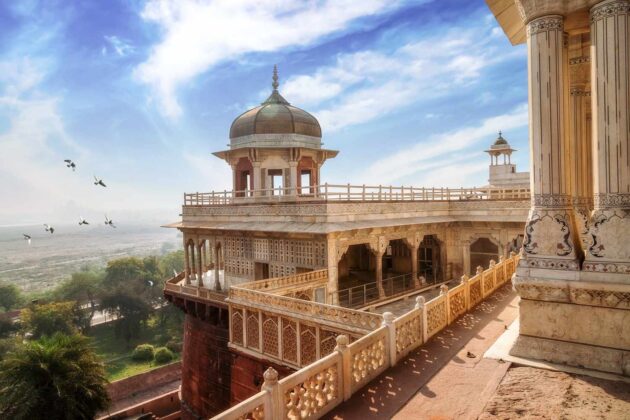
Khas Mahal: Shah Jahan’s private white marble palace with beautiful pavilions and views of the river.
Sheesh Mahal (Mirror Palace): Walls and ceilings adorned with tiny mirrors for a glittering effect.
Nagina Masjid (Gem Mosque): A delicate white marble mosque for the royal ladies.
Musamman Burj: The octagonal tower where Shah Jahan was confined.
Panoramic views of the Taj Mahal from various pavilions.
The fort feels like a self-contained imperial city with palaces, mosques, courtyards, and remnants of zenanas (women’s quarters).
How to Get There
Agra is well-connected and part of India’s Golden Triangle (Delhi–Agra–Jaipur).
From Delhi:
Train (recommended): Fast trains like the Gatimaan Express take about 1.5–2 hours from New Delhi or Hazrat Nizamuddin stations to Agra Cantt (AGC) or Agra Fort station.
Car/Taxi: 3–4 hours by private car or cab.
Bus: Around 4 hours from Delhi’s ISBT Kashmiri Gate.
Within Agra: The fort is about 2–3 km from the Taj Mahal. Take an auto-rickshaw, e-rickshaw, or taxi (₹100–200). Entry is mainly through Amar Singh Gate.
Many visitors combine Agra Fort with the Taj Mahal in a single day, starting at the fort in the morning and heading to the Taj later (or vice versa).
Best Time to Visit
Optimal Season: October to March (winter), when temperatures are pleasant (8–25°C / 46–77°F). This is the peak tourist season with clear skies, ideal for sightseeing and photography.
Shoulder Seasons: September–October or March–April for fewer crowds and milder weather.
Avoid: April–June (extreme heat up to 45°C) and July–September (monsoon rains, though fewer crowds).
Daily Timing: Open daily from sunrise to sunset (approximately 6:00 AM to 6:00 PM). Arrive early in the morning to beat crowds and enjoy cooler temperatures. Last entry is usually around 5:30 PM.
Note: The Taj Mahal is closed on Fridays, so plan your Agra itinerary accordingly if visiting both.
Tickets and Practical Information
Entry Fees (approximate, confirm on-site or official ASI sites): Indian/SAARC/BIMSTEC adults: ₹40–50 Foreign tourists: ₹650 (sometimes discounted for cashless or Fridays); Children under 15: Free.
Tickets can be purchased on-site or online via official portals like asiagracircle.in or tajmahal.gov.in. Online booking helps skip long queues.
Allow 2–3 hours to explore the fort comfortably.
Audio guides or official guides are available (hire inside or via tours for deeper historical insights; bargaining possible for private guides).
What to Bring and Tips for Visitors
Essentials: Comfortable walking shoes (the fort is large with uneven surfaces), hat, sunglasses, sunscreen, water bottle (allowed), and a light scarf or shawl for sun protection.
Photography: Bring a camera for stunning architecture and Taj Mahal views. Tripods may have restrictions.
Dress Code: Modest clothing (shoulders and knees covered) is respectful, especially near mosques.
Respect Rules: No large bags, food (except water), or smoking inside. Follow “Do’s and Don’ts” signs.
Crowd Avoidance: Early morning or late afternoon visits are best. Weekdays are quieter than weekends.
Hiring a Guide: Highly recommended for context—official guides bring the stories of Mughal intrigue, love, and power to life.
Safety: Agra is generally safe for tourists, but stick to licensed taxis/rickshaws and be cautious of touts near entrances.
Where to Stay in Agra
For convenience, stay near the Taj Mahal or Agra Fort:
Luxury: The Oberoi Amarvilas (iconic Taj views), Taj Hotel & Convention Centre, or Jaypee Palace.
Mid-range: Clarks Shiraz, Trident Agra, or Four Points by Sheraton.
Budget: Many guesthouses and hotels in Taj Ganj area with rooftop views.
Combining with Other Attractions
Taj Mahal: Visit the fort first for historical background, then the Taj (or enjoy sunset views of the Taj from the fort’s riverside pavilions).
Fatehpur Sikri: Another UNESCO site about 40 km away, worth a half-day trip.
Mehtab Bagh: A garden across the Yamuna with beautiful Taj views, especially at sunset.
Many operators offer full-day tours including Taj Mahal + Agra Fort with transport, guide, and tickets.
Final Thoughts
Agra Fort is more than just ruins—it’s a living testament to the grandeur, artistry, and drama of the Mughal era. Its massive scale, intricate details, and romantic connection to the Taj Mahal make it unforgettable. Whether you’re a history buff, architecture lover, or first-time visitor to India, Agra Fort deserves at least 2–3 hours of your time.
Plan your visit during the cooler months, arrive early, and let the stories of emperors and empires unfold as you wander its majestic halls. Pair it with the Taj Mahal for a complete Mughal experience you’ll never forget.
Safe travels and enjoy the magic of Agra!