
Amber Palace (Amer Fort) Travel Guide (2026)
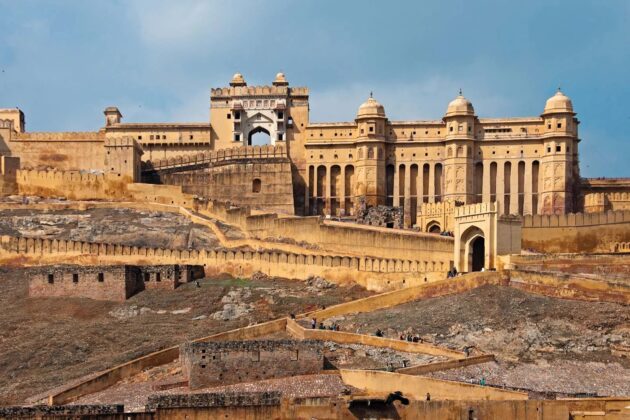
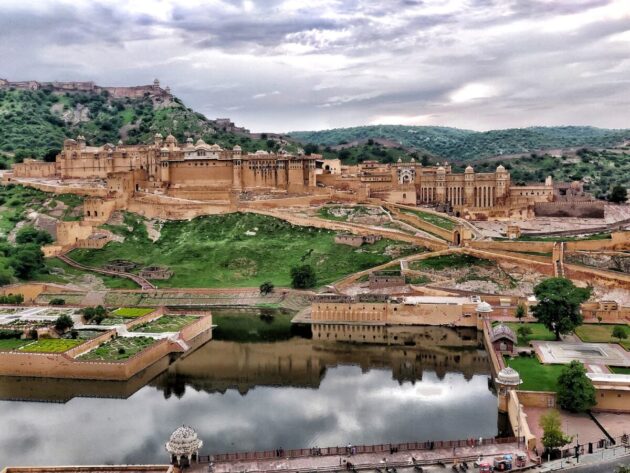
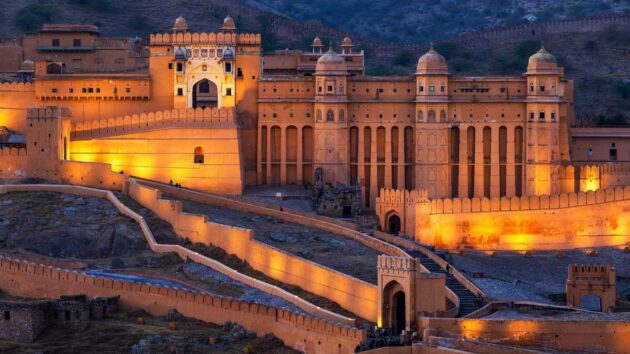
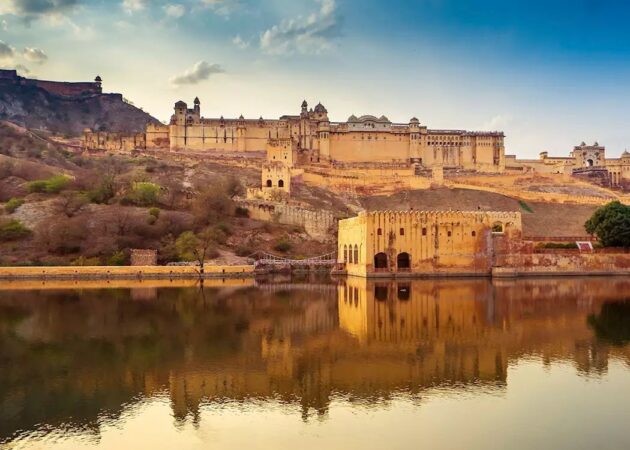
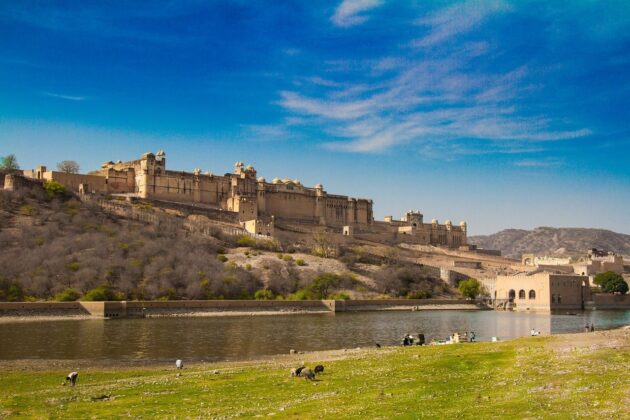
Amber Palace, also known as Amer Fort or Amber Fort, is one of Jaipur’s most iconic landmarks and a UNESCO World Heritage Site. Perched on a hill overlooking Maota Lake about 11 km north of Jaipur’s city center, this magnificent Rajput fortress-palace showcases stunning blend of Hindu and Mughal architecture, intricate mirror work, courtyards, and royal quarters. Built primarily in the 16th century by Raja Man Singh I (and expanded later), it served as the capital of the Amber kingdom before shifting to Jaipur.
A visit here feels like stepping into a royal fairy tale, with panoramic views, hidden tunnels, and the world-famous Sheesh Mahal (Mirror Palace). It is a must-see on any Rajasthan itinerary.
Why Visit Amber Palace?
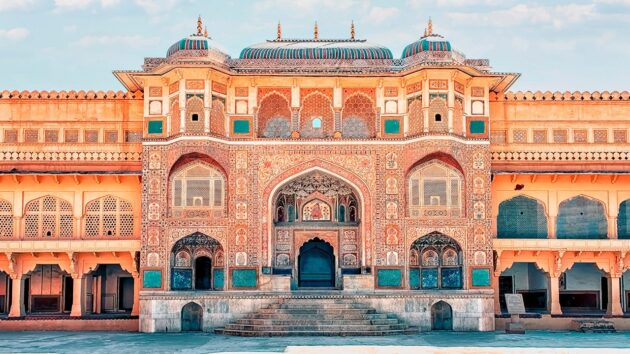
Architectural Marvel: Red sandstone and marble structures with detailed carvings, frescoes, and mirror mosaics that sparkle like stars.
Historical Significance: Home to kings, queens, and legends of valor and palace intrigue.
Highlights: Sheesh Mahal, Diwan-i-Aam (Hall of Public Audience), Ganesh Pol, Sukh Niwas, and secret tunnels connecting to Jaigarh Fort.
Scenic Beauty: Views over Maota Lake and the surrounding Aravalli hills, especially magical at sunset or during the evening light and sound show.
How to Get There
Amber Fort is easily accessible from Jaipur:
By Taxi/Uber/Ola: The most convenient option; takes 20–40 minutes from the city center depending on traffic. Private drivers or day tours are ideal if combining with other sites like Jaigarh Fort or Jal Mahal.
By Auto-rickshaw or Bus: Budget-friendly but slower; buses depart from Ajmeri Gate or MI Road.
Reaching the Entrance: From the base (near Maota Lake), you have options:
Jeep/Golf Cart: Quick and popular (around ₹400–500 round trip for a jeep).
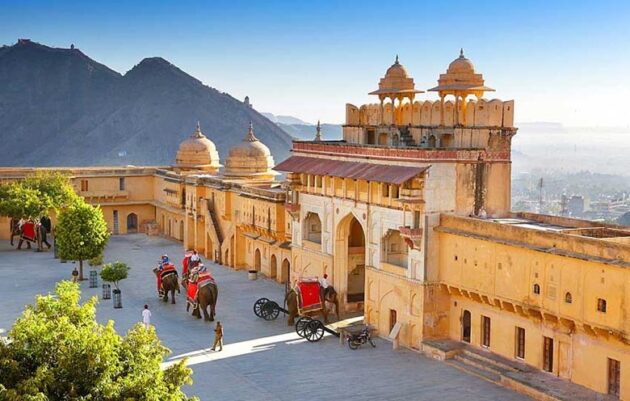
Elephant Ride: Iconic but controversial due to animal welfare concerns; available mainly in the morning until ~11 AM (approx. ₹1,100–1,200 per elephant for two people, one way). Many visitors now prefer jeeps for ethical reasons.
Walk: Steep ramp; doable but tiring in heat—wear comfortable shoes.
Best Time to Visit
October to March: Pleasant weather (cool mornings/evenings); ideal for exploring outdoors. Winters (Nov–Feb) are peak season but most comfortable.
Avoid: April–June (extreme heat, up to 40°C+) and monsoon (July–Sept, slippery paths).
Daily Timing: Generally open 7:00 AM – 9:00 PM. Day visits: 8:00 AM – 5:30 PM (last entry ~5:00 PM). Evening access for light & sound show.
Pro Tip: Arrive early (by 8–9 AM) to beat crowds and heat. Sunset or evening visits offer beautiful illuminated views.
What to See and Do
Spend 2–4 hours exploring the four main courtyards and palaces:
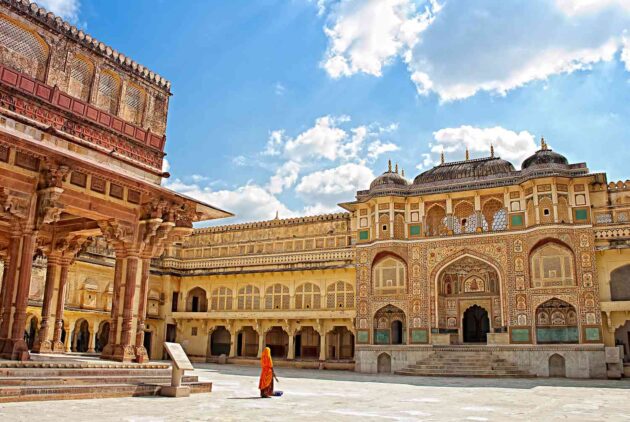
Jaleb Chowk — First courtyard with elephant stables and grand entrances (Suraj Pol/Sun Gate and Chand Pol/Moon Gate).
Diwan-i-Aam — Hall of Public Audience with ornate pillars.
Ganesh Pol — Beautiful painted gateway leading to private areas.
Sheesh Mahal (Mirror Palace) — The star attraction: walls inlaid with thousands of tiny mirrors that reflect light dramatically.
Sukh Niwas & Jai Mandir — Royal chambers with ivory inlays and cooling systems.
Zenana (Women’s Quarters) — Intricate lattice screens for privacy.
Shila Devi Temple — Ancient temple within the fort.
Secret Tunnels — Explore the restored underground passage to Jaigarh Fort (if open).
Evening Light & Sound Show: Held at the base (Kesar Kyari Garden area). English shows typically start around 6:30–7:30 PM (season-dependent), Hindi follows. Duration ~50–60 minutes. Tickets extra (approx. ₹100–250).
Other Experiences: Hire a local guide (₹200–500) for deeper stories, or enjoy a royal meal at 1135 AD restaurant inside the fort.
Tickets and Entry Fees
Prices vary slightly by source and may include audio guides or change; check official Rajasthan tourism site for latest:
Indians: ₹100–200 per adult; students lower (₹20–50).
Foreigners: ₹500–1,000+ per adult; students ₹150–500.
Children under 7–15: Often free or discounted.
Composite Ticket: Covers multiple Jaipur sites (good value if visiting Hawa Mahal, Jantar Mantar, etc.).
Light & Sound Show: Additional ₹100–250 (English/Hindi).
Buy at the counter or online via Rajasthan government portal to skip lines. Fast-track or guided options available via platforms like GetYourGuide or Klook.
Where to Stay
Stay in Jaipur city for convenience (many hotels near Hawa Mahal or in heritage havelis). For a luxurious experience near Amber Fort, consider upscale resorts with fort views. Budget options abound in the old city.
Tips for a Great Visit
Dress Code & Essentials: Modest clothing (cover shoulders/knees for temple areas). Comfortable walking shoes, hat, sunscreen, water, and a light jacket for evenings. No large bags.
Crowds & Photography: Very busy mid-morning; early arrival helps. Mirrors in Sheesh Mahal are hard to photograph well—enjoy the moment!
Guides: Highly recommended for history and hidden details.
Respect & Sustainability: Follow rules; avoid feeding animals; consider skipping elephant rides if concerned about welfare.
Combine Visits: Pair with Jaigarh Fort (same hill), Nahargarh Fort, or a full Jaipur Pink City tour.
Food: Limited options inside; bring snacks or dine at the fort’s restaurant. Try local Rajasthani thali nearby.
Safety: Standard tourist precautions; watch for touts near the base.
Final Thoughts
Amber Palace is a highlight of the “Pink City” that beautifully captures Rajasthan’s royal heritage. Whether you explore its sunlit halls by day or see it glow under the stars at the light show, the experience is unforgettable.
Plan ahead, start early, and immerse yourself in the grandeur of Amber Fort—happy travels!