
A Travel Guide to Jaipur (2026)
Jaipur, the vibrant capital of Rajasthan, is famously known as the Pink City due to its distinctive terracotta-pink buildings. Founded in 1727 by Maharaja Sawai Jai Singh II, Jaipur is a UNESCO World Heritage City and a cornerstone of India’s Golden Triangle (along with Delhi and Agra). With its majestic forts, opulent palaces, bustling bazaars, and rich Rajasthani culture, Jaipur offers a perfect blend of history, architecture, shopping, and cuisine. Whether you’re a history buff, foodie, or adventure seeker, this guide will help you plan an unforgettable trip.
Why Visit Jaipur?
Jaipur showcases Rajasthan’s royal heritage through stunning pink sandstone architecture, hilltop forts with panoramic views, and lively markets filled with colorful textiles, jewelry, and handicrafts. It’s a gateway to experiencing traditional Rajasthani culture, including folk dances, block printing workshops, and delicious local sweets. As part of the Golden Triangle, it’s easily combined with trips to the Taj Mahal in Agra and historic sites in Delhi.
How to Get There
By Air: Jaipur International Airport (JAI) has direct flights from major Indian cities (Delhi, Mumbai, Bangalore) and some international destinations (Dubai, Bangkok, Singapore). The airport is about 10–12 km from the city center; taxis, Uber/Ola, or pre-paid cabs are readily available.
By Train: Excellent rail connections, especially from Delhi (about 4–5 hours on the Shatabdi Express or other fast trains). Jaipur Junction is well-connected across India.
By Road: Around 5–6 hours by car or bus from Delhi. Hiring a private driver or joining a Golden Triangle tour is convenient for multi-city trips.
Once in Jaipur, use auto-rickshaws (tuk-tuks), electric rickshaws, taxis, or Uber/Ola for getting around. Hiring a full-day taxi or guided tour is recommended for visiting spread-out forts.
Best Time to Visit
The ideal time to visit Jaipur is October to March, when the weather is cool and pleasant (daytime temperatures 15–27°C / 59–81°F). This period avoids the extreme summer heat (April–June can exceed 40°C / 104°F) and coincides with festivals like Diwali. Monsoon (July–September) brings rain but fewer crowds. Avoid peak summer unless you’re prepared for intense heat.
Top Things to Do and Attractions
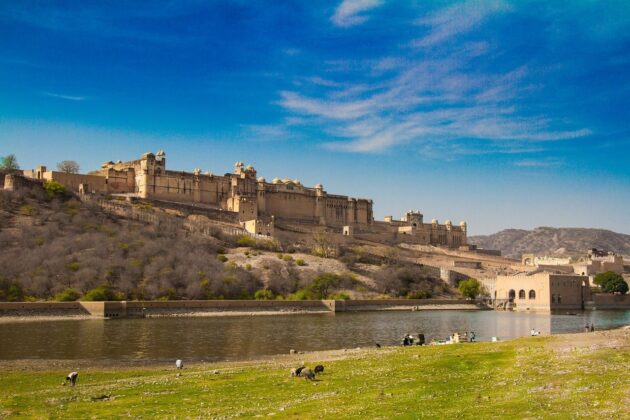
Amber Fort (Amer Fort)
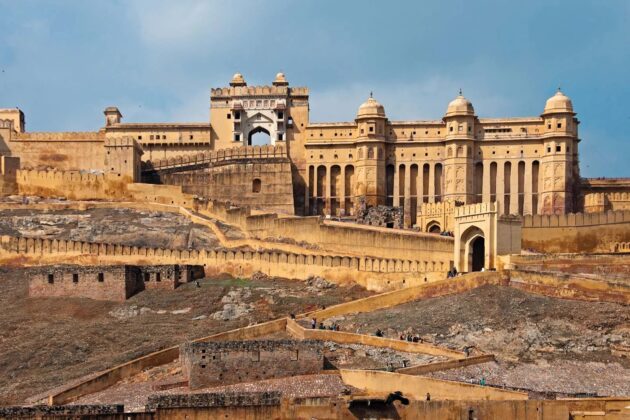
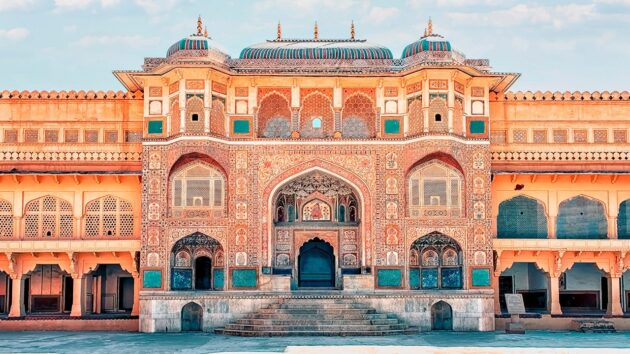
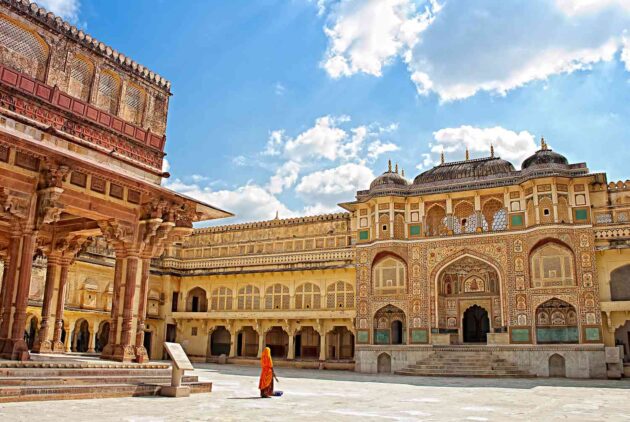
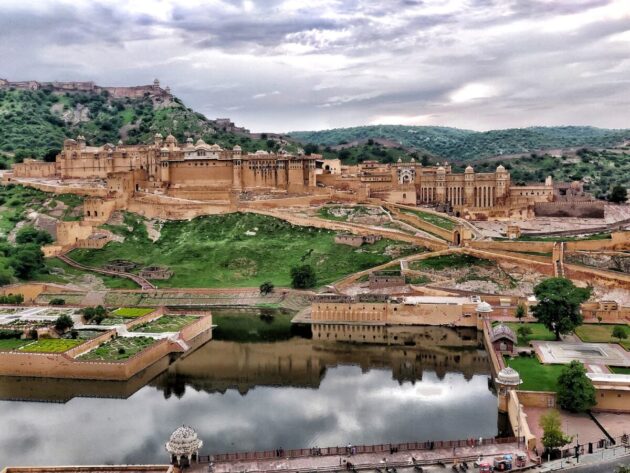
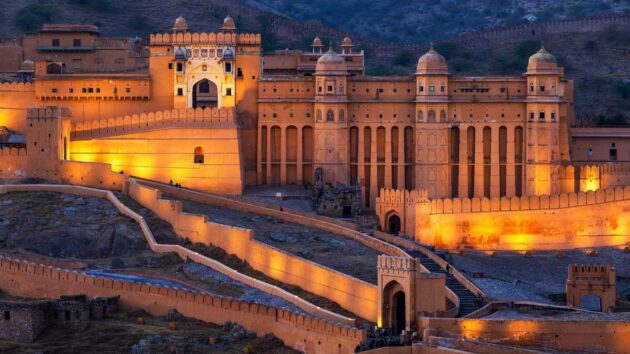
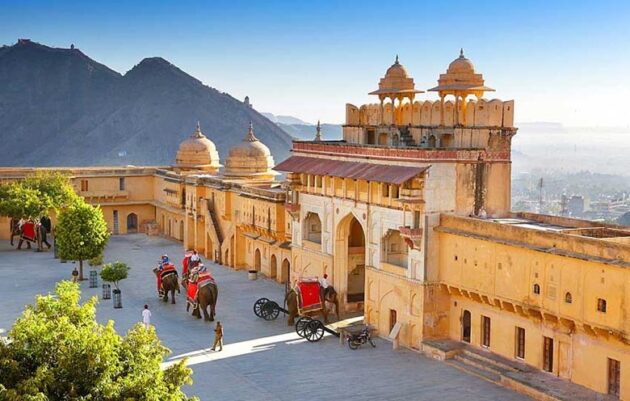
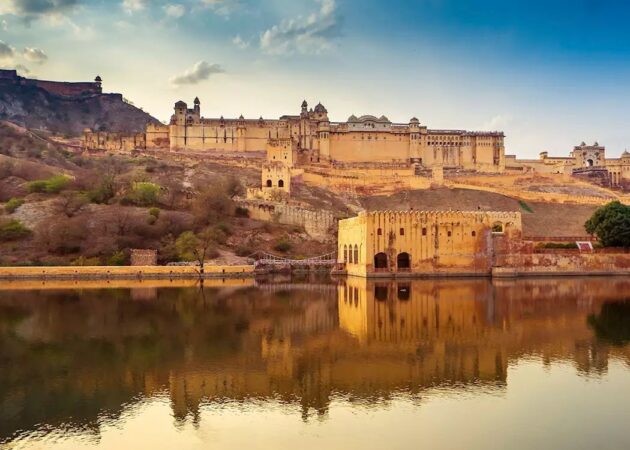
A majestic hilltop fortress (about 11 km from the city) with intricate mirror work (Sheesh Mahal), courtyards, and elephant or jeep rides up the ramp. Combine with nearby Jaigarh Fort for cannon views and panoramic sights. Don’t miss the sound-and-light show in the evening.
City Palace
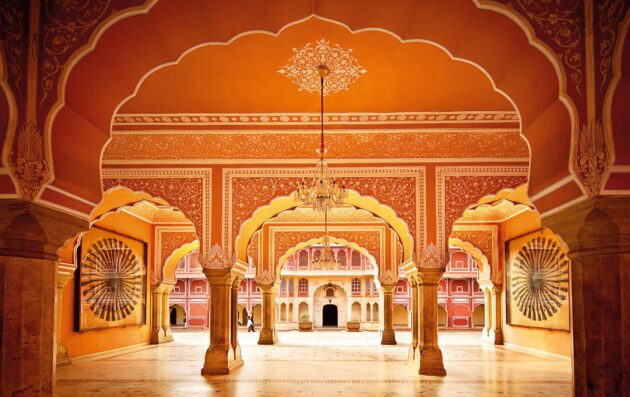
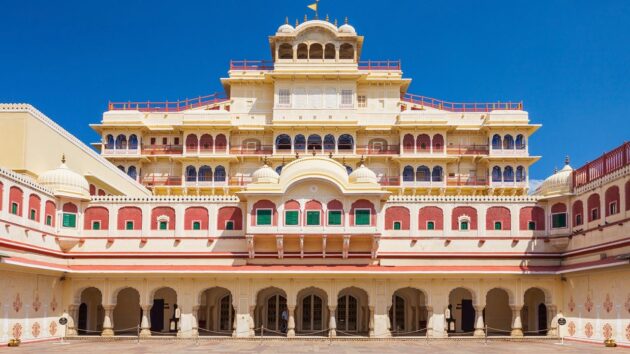
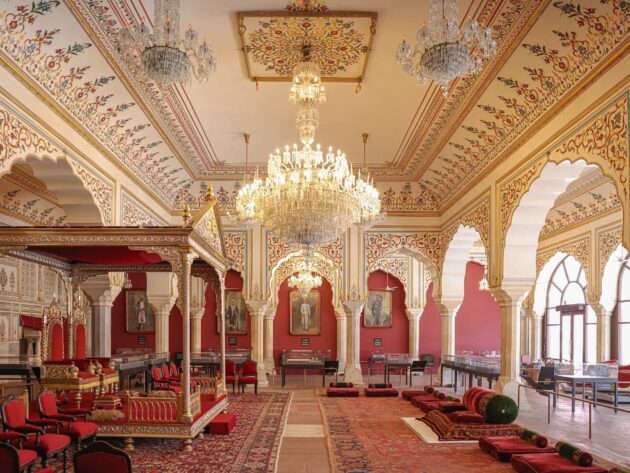
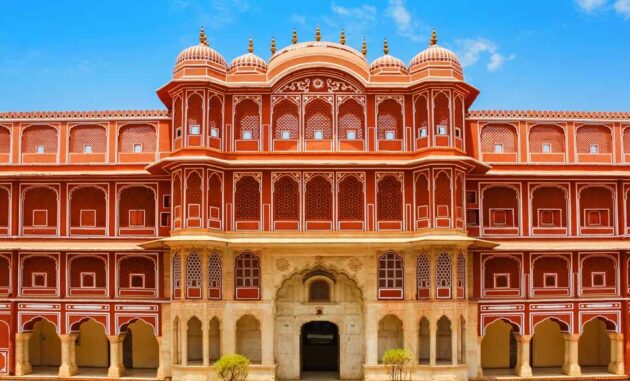
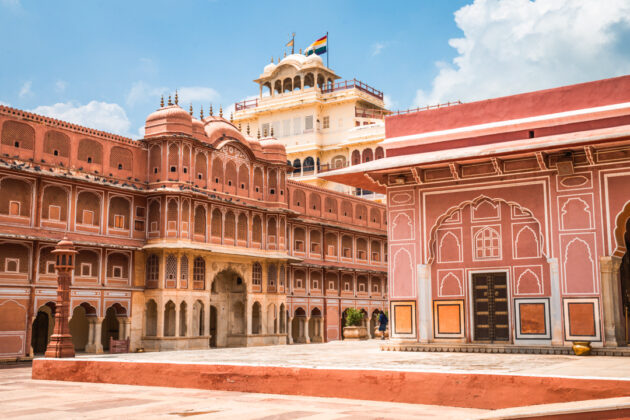
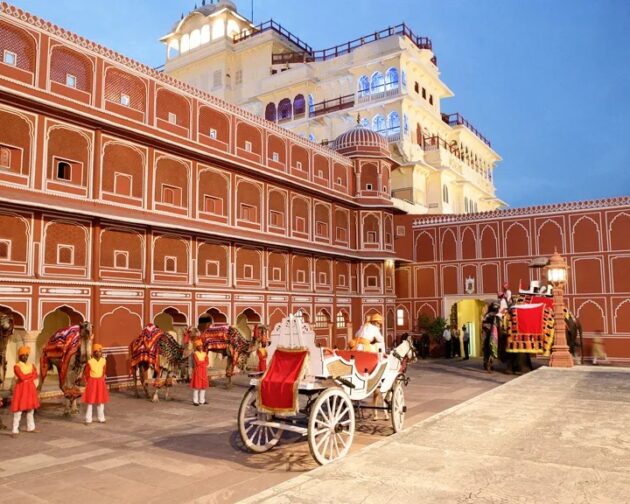
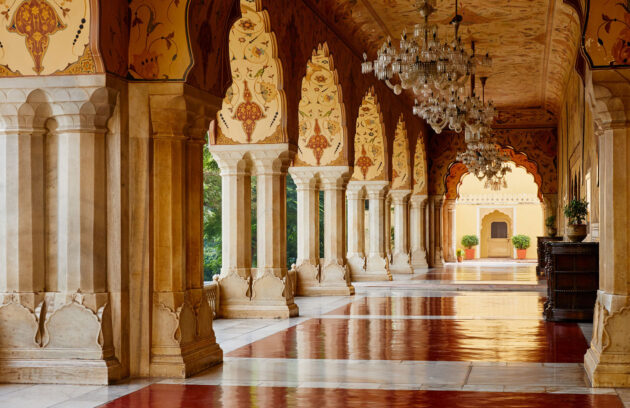
The royal residence in the heart of the old city, featuring museums, courtyards, and artifacts. It blends Mughal and Rajput architecture.
Hawa Mahal (Palace of Winds)
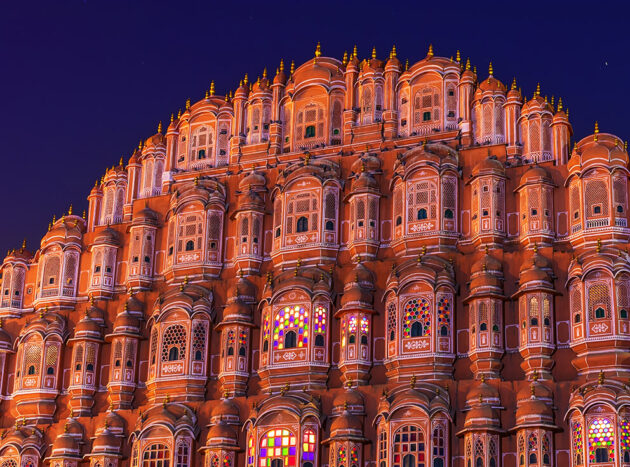
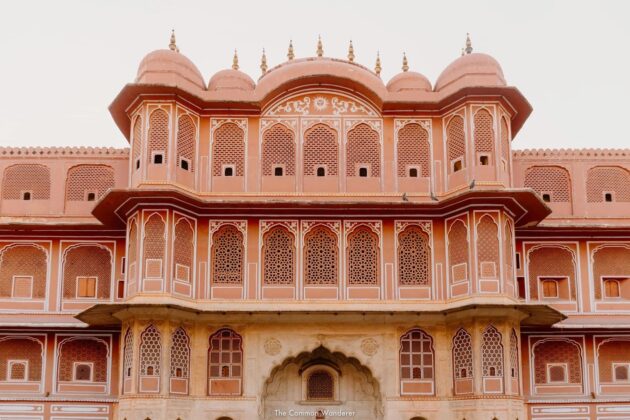
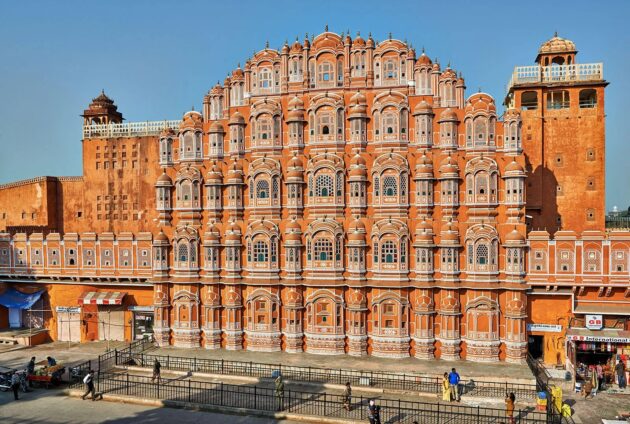
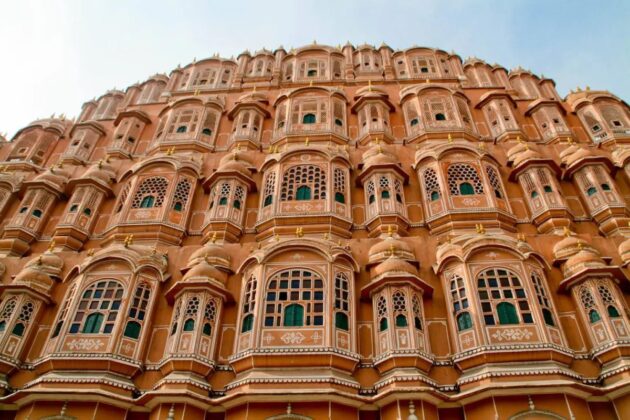
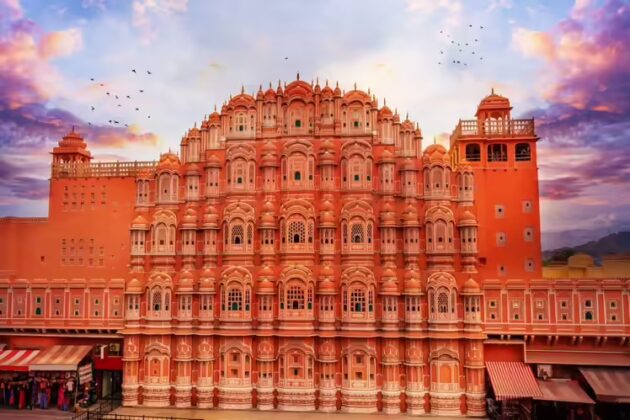
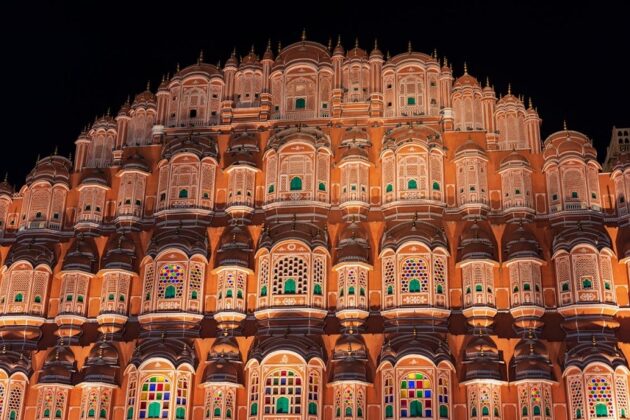
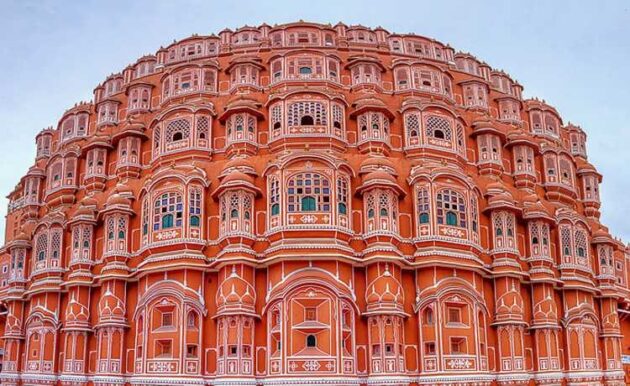
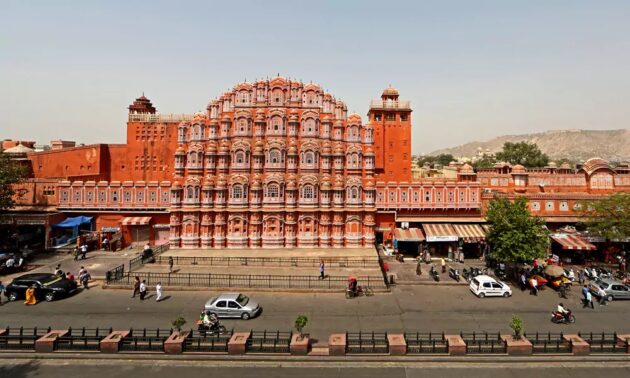
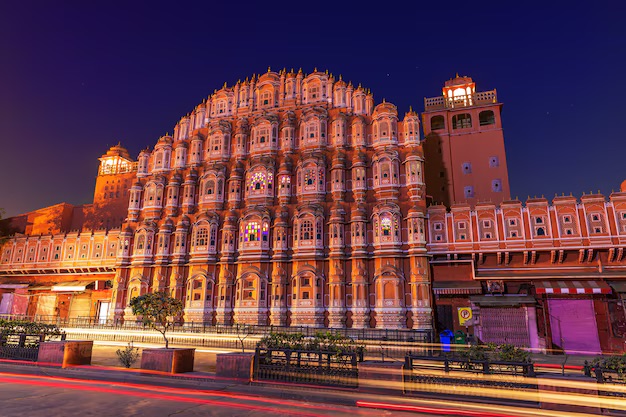
Iconic five-story pink facade with 953 small windows, originally built for royal women to observe street life. Best viewed from the street or a nearby rooftop café; interior visits are possible but the exterior is the highlight.
Nahargarh Fort
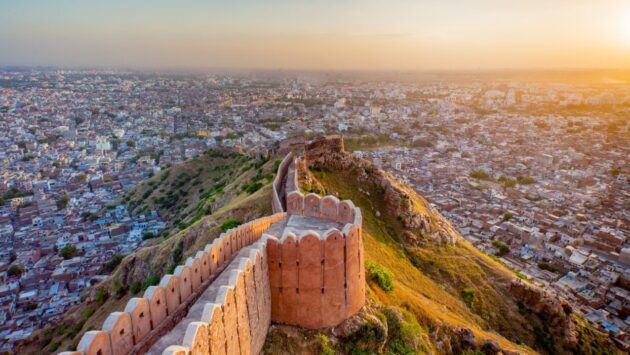
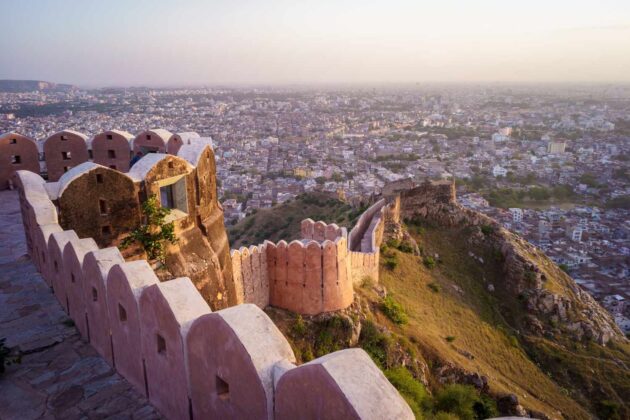
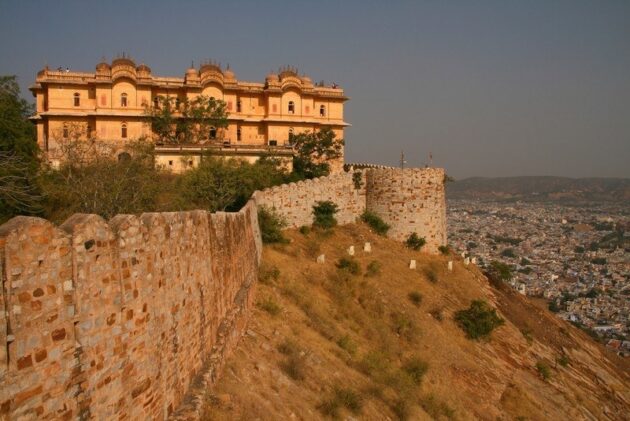
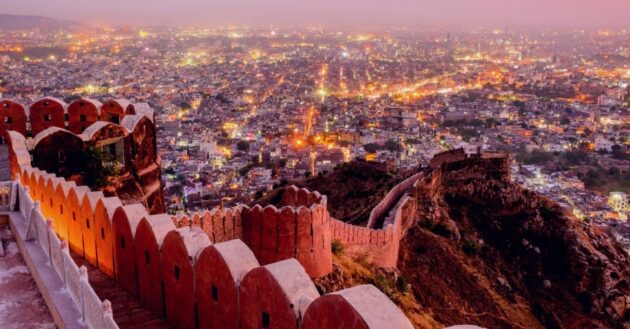
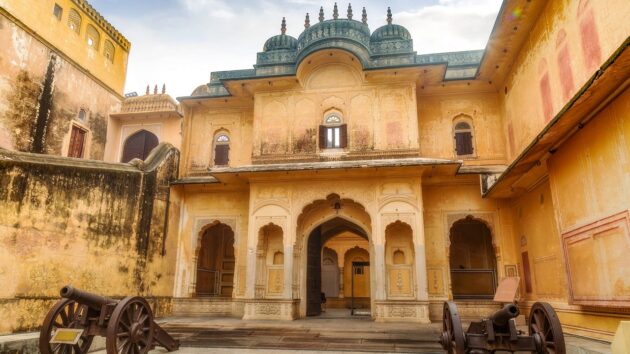
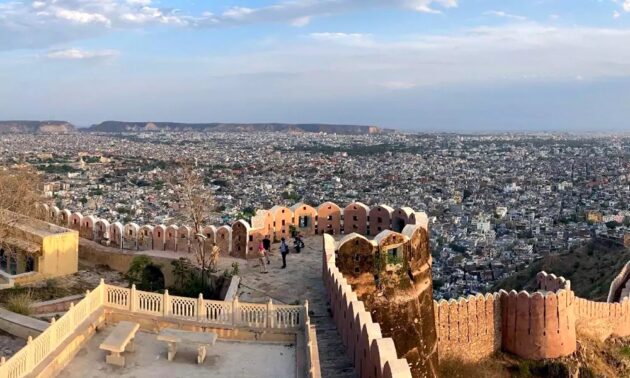
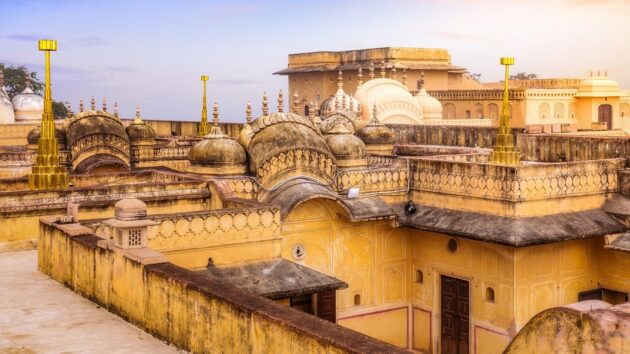
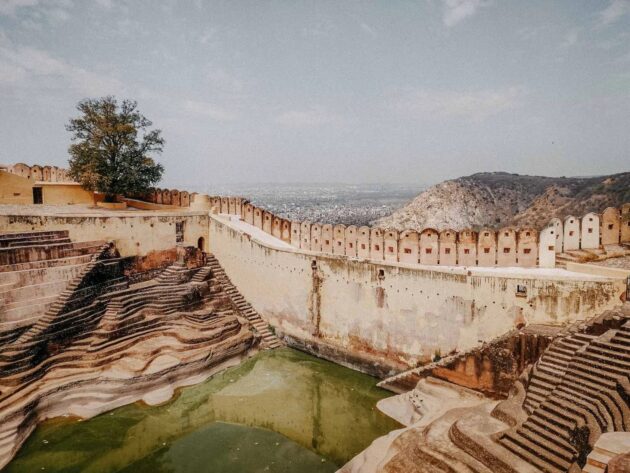
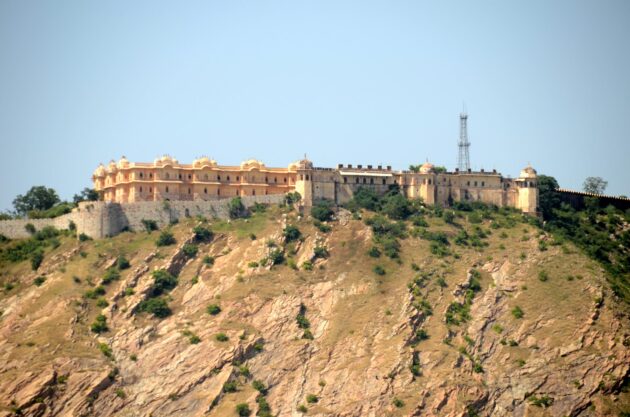
Nahargarh Fort, also known as the “Tiger Fort,” is one of Jaipur’s most iconic landmarks, perched dramatically on the Aravalli Hills overlooking the “Pink City.” Built in 1734 by Maharaja Sawai Jai Singh II, it was originally named Sudershangarh and served as a defensive stronghold and royal retreat. Today, it offers breathtaking panoramic views of Jaipur, especially at sunset, making it a favorite spot for photographers, history buffs, and travelers seeking a mix of heritage and scenic beauty.
Where to Stay
Jaipur offers excellent options across budgets:
Luxury/Heritage: Taj Rambagh Palace, Fairmont Jaipur, or converted havelis like Alsisar Haveli or Narain Niwas Palace for royal ambiance.
Mid-range: Hotels in the old city or C-Scheme area (e.g., near MI Road).
Budget: Guesthouses and hostels in the walled city for easy access to markets.
Staying in a heritage property enhances the experience with traditional decor and dining.
What to Eat
Rajasthani cuisine is hearty and flavorful. Must-tries:
Dal Baati Churma (wheat balls with lentils and sweet churma).
Ker Sangri, Gatte ki Sabzi, and Laal Maas (spicy mutton).
Sweets: Ghevar, Rasgulla, and falooda at Laxmi Mishthan Bhandar (LMB).
Street food: Pyaaz Kachori and Mirchi Bada.
Rooftop restaurants overlooking Hawa Mahal offer great ambiance.
Vegetarian options abound; inform restaurants if you have dietary preferences.
Shopping and Souvenirs
Jaipur is a shopper’s paradise. Look for:
Gemstones and jewelry (Johari Bazaar).
Block-printed textiles and bandhani sarees.
Blue pottery and marble inlay work.
Leather juttis (traditional shoes).
Always bargain and beware of touts pushing “gem factories” — stick to reputable shops.
Practical Tips
Getting Around: Use apps like Uber/Ola; hire a driver for forts to avoid hassle.
Entry Fees & Timing: Most sites open early (around 8–9 AM); buy combo tickets where available to save time.
Dress Modestly: Respect local customs, especially at religious sites.
Safety: Jaipur is generally safe for tourists, including solo travelers. Exercise standard precautions: avoid isolated areas at night, watch for pickpockets in crowded bazaars, and politely decline unsolicited “guides” or shop touts. It’s one of Rajasthan’s safer cities.
Health: Stay hydrated, use sunscreen, and consider a local SIM card or eSIM for navigation.
Visa & Entry: Most visitors need an Indian e-Visa or regular visa. Check current requirements before travel.
Currency: Indian Rupee (INR); ATMs and cards are widely accepted in tourist areas.
Language: Hindi and English are commonly spoken in tourist spots.
Final Thoughts
Jaipur’s blend of royal grandeur, colorful chaos, and warm hospitality makes it a highlight of any India trip. Plan at least 2–3 days to soak in the Pink City’s magic, and consider extending your stay for nearby excursions like Pushkar or Ranthambore National Park. Embrace the vibrancy, haggle with a smile, and let the Pink City’s timeless charm captivate you.
Safe travels and enjoy your Rajasthan adventure!