
A Travel Guide to Nahargarh Fort (2026)
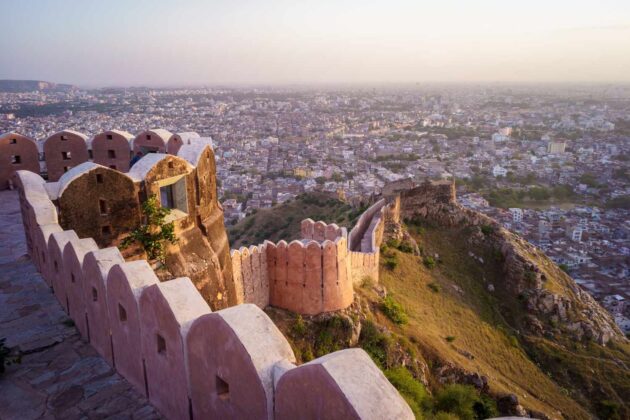
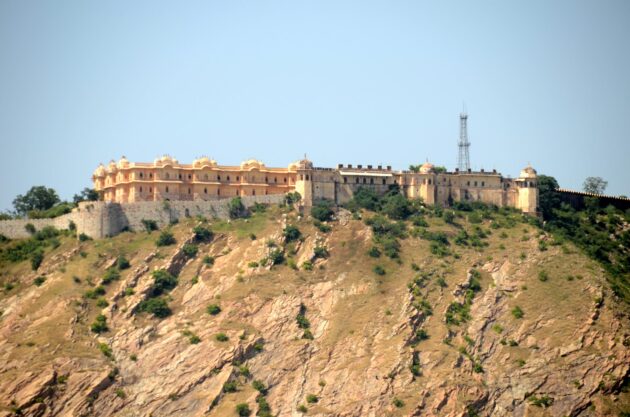
Nahargarh Fort, also known as the “Tiger Fort,” is one of Jaipur’s most iconic landmarks, perched dramatically on the Aravalli Hills overlooking the “Pink City.” Built in 1734 by Maharaja Sawai Jai Singh II, it was originally named Sudershangarh and served as a defensive stronghold and royal retreat. Today, it offers breathtaking panoramic views of Jaipur, especially at sunset, making it a favorite spot for photographers, history buffs, and travelers seeking a mix of heritage and scenic beauty. Along with Amber Fort and Jaigarh Fort, it forms part of the defensive ring around the city.
Why Visit Nahargarh Fort?
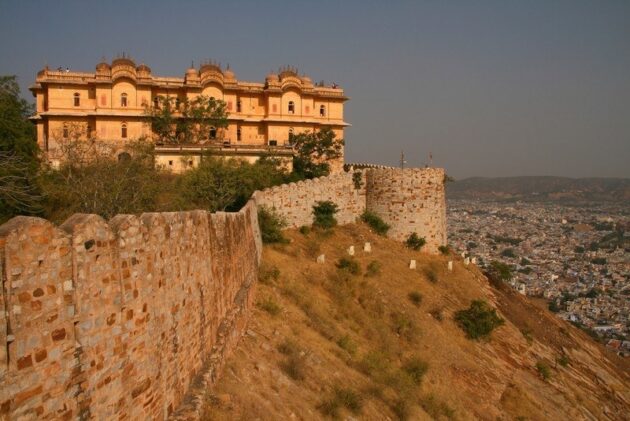
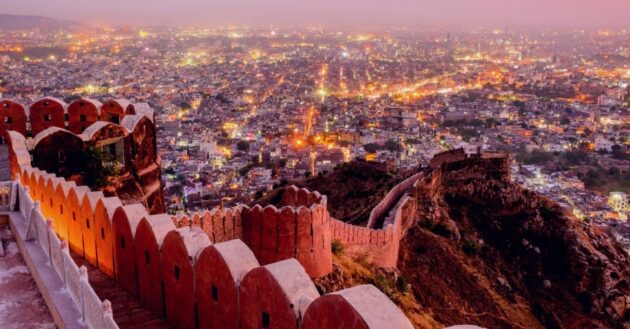
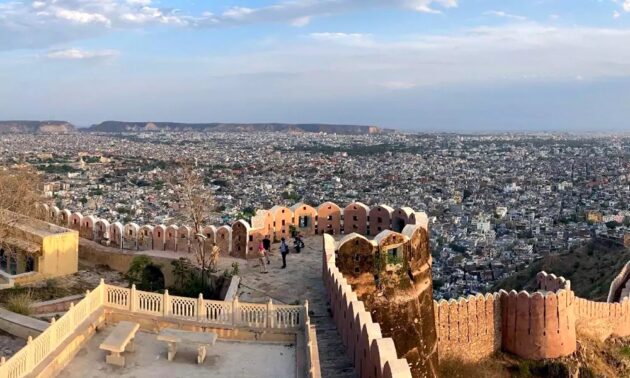
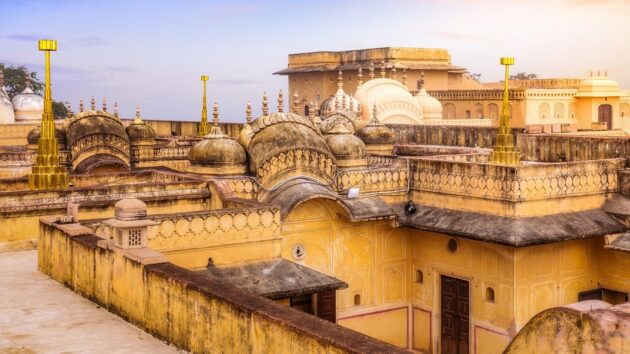
Nahargarh Fort stands out for its strategic location at about 1,970 feet (600 meters) above sea level, providing sweeping 360-degree views of Jaipur’s pink-hued buildings, the old city, and surrounding hills. The fort blends Rajput and Mughal architectural elements, with impressive walls, bastions, courtyards, and the elegant Madhavendra Bhawan palace complex. Additional attractions like the Jaipur Wax Museum, Sculpture Park, and open-air theater add modern appeal. It’s particularly magical at sunset when the city lights up below, creating an unforgettable golden-hour experience.
History in Brief
Commissioned for the defense of the newly founded Jaipur, the fort never faced a major attack but witnessed historical events, including treaties with the Marathas. Later expansions included summer retreats for the royal family. The name “Nahargarh” (abode of tigers) comes from local legends involving a spirit or tiger symbolism. Restoration efforts in recent years, along with new attractions, have revived its popularity.
How to Get There
Nahargarh Fort is located about 8–15 km north of Jaipur’s city center (depending on your starting point, such as the Old City or railway station).
By Taxi or Cab: The most convenient option. A round-trip taxi from central Jaipur costs around ₹500–800. The winding road up the hill offers scenic views but has sharp turns—book a return trip as ride-sharing apps may have limited availability at the top.
By Auto-Rickshaw or Bike/Scooter: Affordable for budget travelers (₹300–500 round trip). Two-wheelers are popular for the adventurous drive.
Public Transport: Limited options; you can take a bus toward Amer Fort and then switch, but it’s not straightforward. Hiring private transport is recommended.
Hiking Option: A steep cobblestone path starts near the base (from Nahargarh Road off Chandpole Bazaar). Fit travelers can hike up in 30–45 minutes, ending near a sunrise viewpoint.
The drive itself is picturesque, especially in the early morning or late afternoon.
Best Time to Visit
Overall Season: October to March (winter) is ideal, with pleasant temperatures (15–25°C / 59–77°F), clear skies, and comfortable exploration. Avoid peak summer (April–June) due to extreme heat (up to 45°C / 113°F).
Time of Day: Morning (right after opening) for fewer crowds and softer light. Late afternoon to sunset (arrive by 4–5 PM) for the most spectacular views—widely considered Jaipur’s best sunset spot.
Note: The fort is surrounded by forests and a biological park, so it’s advisable not to linger too late after dark for safety reasons. Extended evening hours (up to 9–10 PM) may apply during peak season.
What to Do and See
Panoramic Views and Sunset Point: Head to the terraces and ramparts for stunning vistas of Jaipur. The dedicated sunset viewpoint near Kali Burj is a highlight.
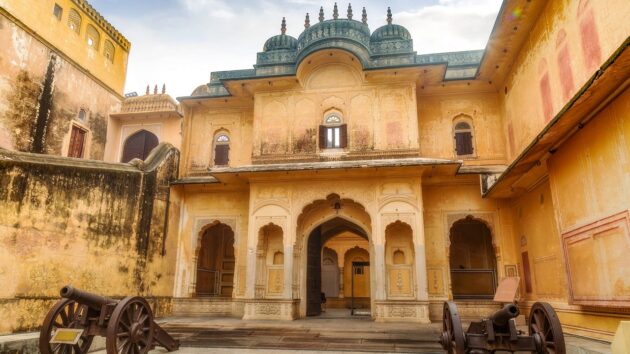
Madhavendra Bhawan: Explore this two-story palace built as a summer retreat, featuring beautiful frescoes, courtyards, and royal apartments.
Jaipur Wax Museum: A fun addition with life-size wax figures of Indian and international personalities (separate entry fee).
Sculpture Park and Open-Air Theater: Contemporary art installations and cultural performances add a modern touch.
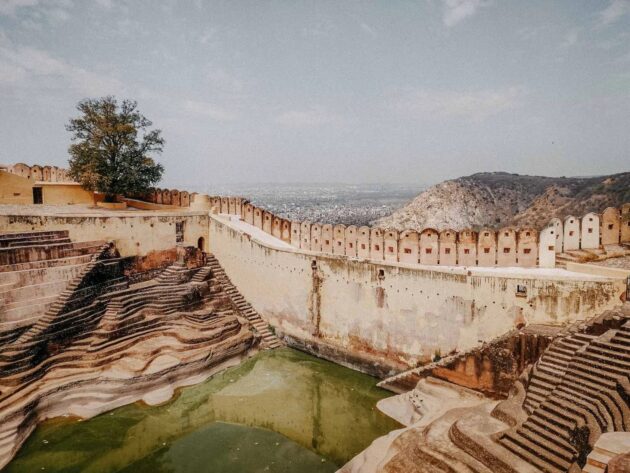
Stepwells and Historic Structures: Wander through ancient tanks, stepwells, cannons, and corridors that showcase the fort’s defensive past.
Photography and Stargazing: Capture golden-hour shots or enjoy the twinkling city lights at night.
Spend 1.5–3 hours here, depending on whether you visit additional attractions.
Entry Fees and Timings
Timings: Generally 10:00 AM to 5:30 PM daily (may extend to 9:00–10:00 PM in peak season). Confirm on-site as hours can vary.
Entry Fees: Indian adults: ₹50; Indian students: ₹5–20; Foreign tourists: ₹200; Foreign students: ₹25–100.
Additional fees may apply for the Wax Museum (₹500–700), camera (still/video), or vehicle parking (₹30–300 depending on type).
Composite tickets for multiple Jaipur monuments are sometimes available and can offer better value.
A small refreshment (drink) may be included with the main fort ticket in some cases.
What to Bring and Tips
Comfortable walking shoes (there are stairs, uneven paths, and climbing involved).
Water bottle, sunscreen, hat, and light snacks—facilities are limited at the top.
Wear modest clothing suitable for a historical site.
Hire a local guide for deeper historical insights (available on-site or via tours).
Respect the environment: No littering, and follow rules in the forested area.
Combine with nearby sites: Many visitors pair Nahargarh with Amber Fort and Jaigarh Fort for a full “forts day.”
Safety: The road has hairpin bends—drive cautiously. Avoid solo late-night visits.
Where to Stay and Combine Your Trip
Jaipur offers excellent accommodation options from luxury heritage hotels (like those in the Old City) to budget guesthouses. Stay in the walled city or near Amer Road for easy access to the forts.
For a perfect itinerary, visit Nahargarh in the evening after exploring Amber Fort in the morning. Add a stop at the nearby Nahargarh Biological Park (zoo) if time allows.
Final Thoughts
Nahargarh Fort delivers a perfect blend of history, architecture, and jaw-dropping views with minimal crowds compared to more famous sites like Amber Fort. Whether you’re watching the sun dip below the Pink City or wandering its tranquil corridors, it’s an essential stop that captures the essence of Jaipur’s royal legacy and natural beauty.
Plan your visit around sunset for maximum magic, and you’ll leave with unforgettable memories of Rajasthan’s charm. Safe travels!