
City Palace Travel Guide (2026)
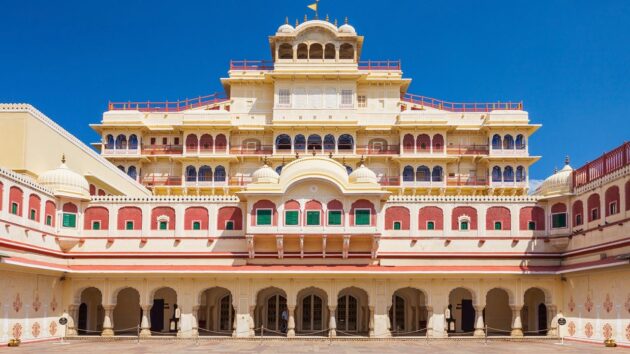
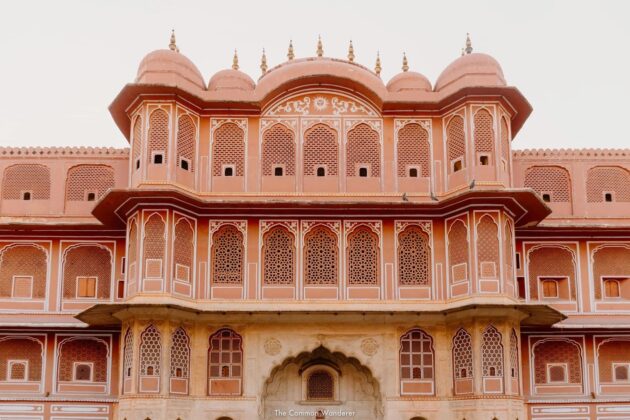
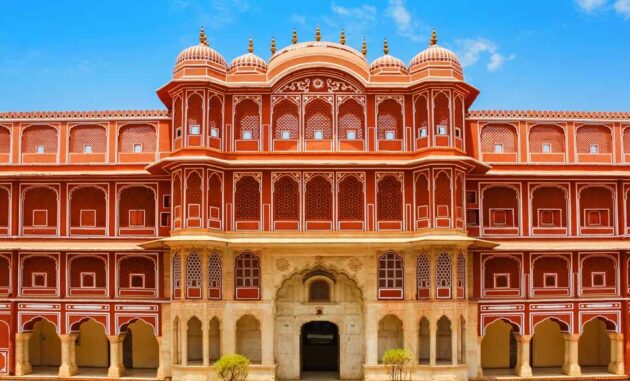
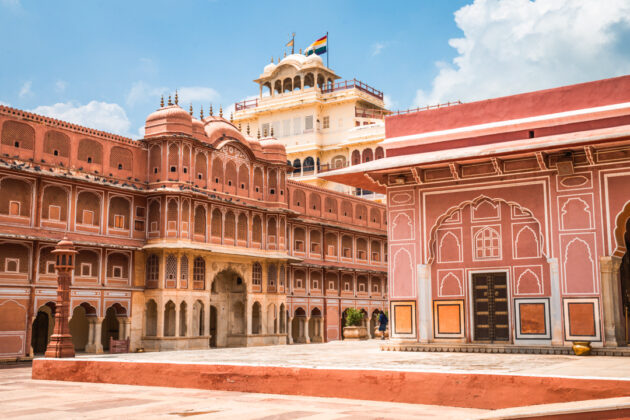
The City Palace in Jaipur, Rajasthan, is a magnificent royal complex that blends Rajput and Mughal architectural styles. Built between 1729 and 1732 by Maharaja Sawai Jai Singh II (the founder of Jaipur), it served as the seat of the ruling Kachwaha dynasty. Today, it remains a living palace where parts are still occupied by the royal family, while the rest has been opened to the public as a museum showcasing royal artifacts, textiles, weapons, and opulent courtyards. Located in the heart of the Pink City’s old walled area, it is one of Jaipur’s top attractions and a perfect introduction to the city’s royal heritage.
Why Visit City Palace?
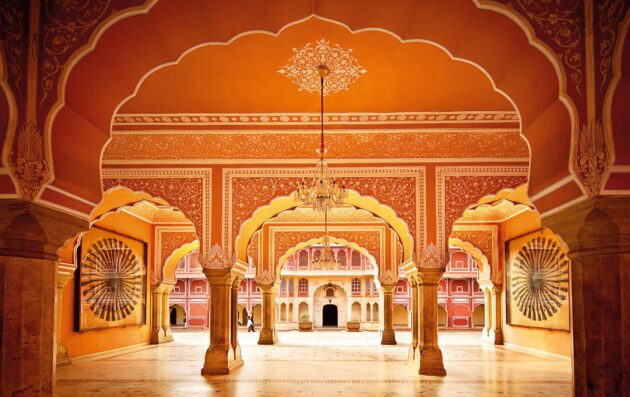
Explore stunning interconnected courtyards, ornate gates, and halls that reflect centuries of royal life.
Admire the famous Pritam Niwas Chowk with its four beautifully painted seasonal gates (Peacock Gate for autumn, Lotus Gate for summer, etc.).
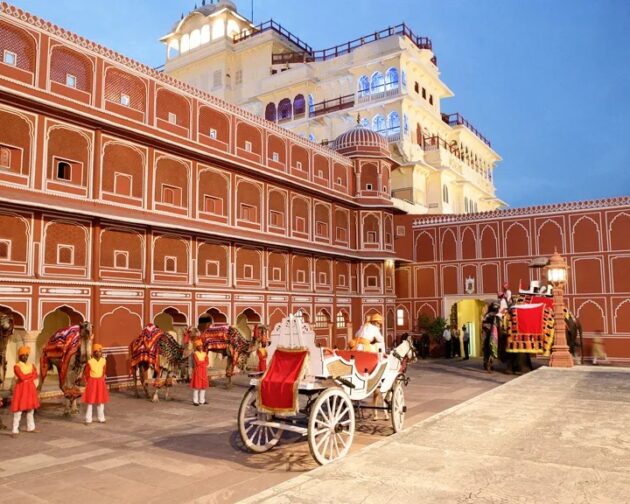
Visit museums housing royal costumes, armor, paintings, and vintage carriages.
Enjoy a blend of history, architecture, and culture in one compact yet grand complex.
How to Get There
From Jaipur International Airport (JAI): About 12–13 km away (30–40 minutes by taxi or app-based cab like Uber/Ola). Pre-paid taxis or hotel transfers are convenient.
From Jaipur Junction Railway Station: Approximately 5–6 km (15–20 minutes). Auto-rickshaws, cycle rickshaws, or taxis are easily available.
Within Jaipur: The palace sits in the old city near Hawa Mahal, Jantar Mantar, and Govind Dev Ji Temple. Walking or short rickshaw rides work well if you’re staying nearby.
Best Time to Visit
October to March: Pleasant weather with mild days and cool evenings — ideal for exploring outdoors.
Avoid peak summer (April–June) due to extreme heat, and the monsoon (July–September) when rains can make courtyards slippery.
Visit early morning (just after opening) to beat crowds and enjoy softer light for photography. Evening or night visits offer a different magical atmosphere with special lighting.
Opening Hours & Ticket Information
Museum Tour: 9:30 AM – 6:30 PM (last tickets sold by 6:00 PM).
Museum at Night: 7:00 PM – 7:30 PM (short experience with special lighting).
Closed: On Dhulandi (second day of Holi festival).
Ticket Prices (approximate):
Indians: ₹300–₹500 (Museum/Composite).
Foreigners: ₹700–₹1,200+ (higher for foreigners; includes more access).
Concessions for students, children (7–12 years), seniors, and defense personnel.
Composite tickets often include access to nearby sites like Jaigarh Fort.
Additional paid options: Royal tours (Chandra Mahal private access) or night shows.
Tickets can be purchased on-site or via the official website/e-ticketing portals.
What to See
Mubarak Mahal — The reception palace, now a textile museum with exquisite royal costumes and fabrics.
Pritam Niwas Chowk — The highlight courtyard with the iconic four seasonal gates — perfect for photos.
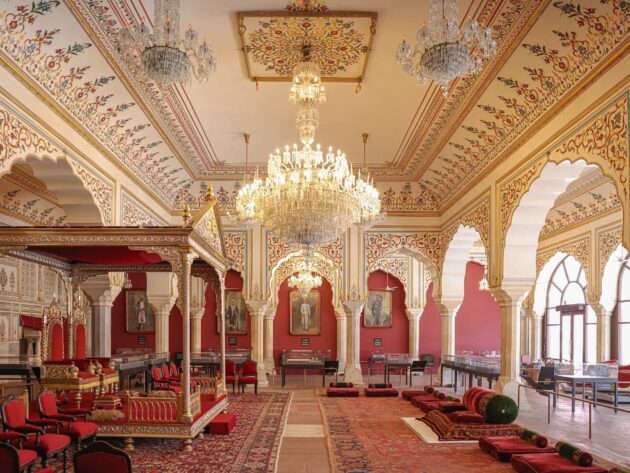
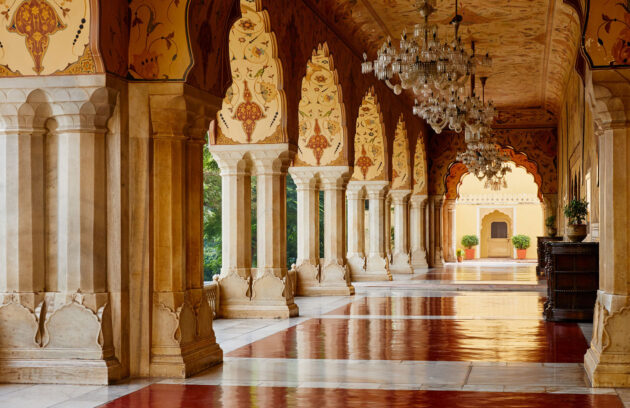
Diwan-e-Khas & Sabha Niwas — Audience halls with marble work, chandeliers, and royal artifacts.
Chandra Mahal — The seven-storied moon palace (limited access; part of premium tours).
Armory & Painting Galleries — Displays of weapons, miniature paintings, and carriages.
Sarvato Bhadra — A beautiful white marble pavilion.
The complex is mostly outdoors with some indoor galleries, so plan for 2–3 hours to explore thoroughly.
Guided Tours & Experiences
Hire an official guide at the entrance for deeper historical insights (English available).
Audio guides are sometimes offered.
Combine with nearby attractions: Hawa Mahal (photo stop), Jantar Mantar (UNESCO observatory), and Albert Hall Museum via composite tickets or full-day city tours.
What to Bring & Practical Tips
Comfortable shoes — you’ll do a lot of walking on stone surfaces.
Sun protection (hat, sunscreen, sunglasses) and water, especially in warmer months.
Photography is generally allowed in courtyards, but restrictions may apply inside certain museums (e.g., no photos in Chandra Mahal sections).
Dress modestly out of respect for the royal and cultural site.
There is a café inside for snacks and drinks (try the chocolate muffins if available!).
The site is largely accessible for wheelchair users, but confirm in advance for specific needs.
Respect rules: No touching artifacts, follow guide instructions, and avoid littering.
Where to Stay Nearby
For convenience, stay in the old city or nearby areas like Bani Park, C-Scheme, or luxury heritage hotels. Options range from budget guesthouses to royal palaces turned hotels (e.g., Taj Rambagh Palace or Fairmont Jaipur for a splurge).
Final Thoughts
A visit to the City Palace offers a fascinating glimpse into Jaipur’s royal past and the grandeur of Rajasthan’s Maharajas. Whether you’re a history buff, architecture lover, or first-time visitor to the Pink City, it’s an unmissable stop that pairs perfectly with the energetic streets of Jaipur. Plan your visit early, take your time wandering the courtyards, and soak in the timeless elegance of this living heritage site.
Safe travels and enjoy the royal experience in Jaipur!