
Hawa Mahal Travel Guide (2026)
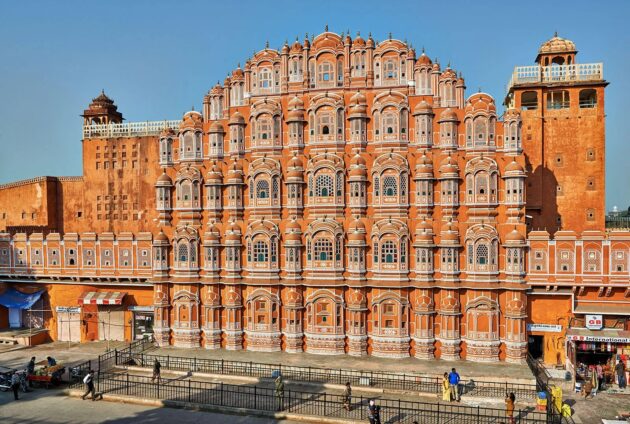
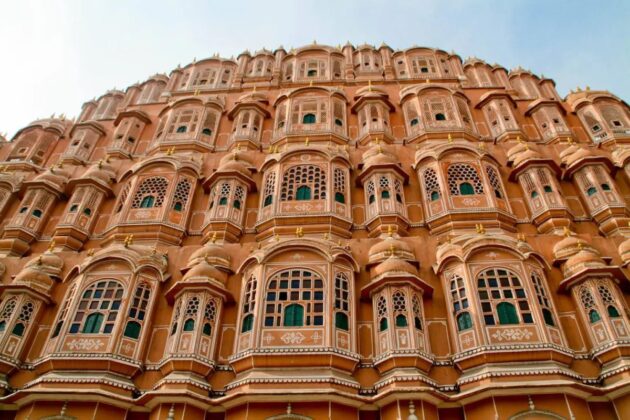
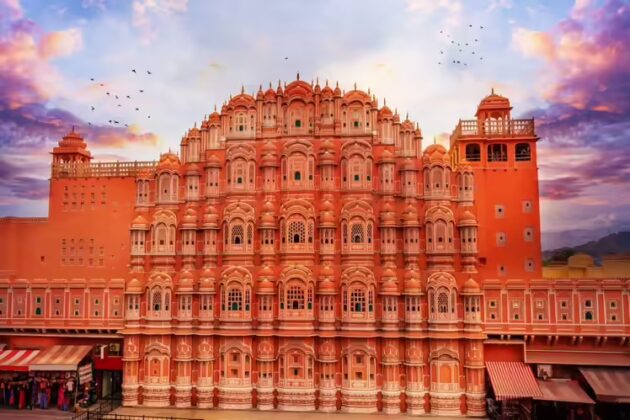
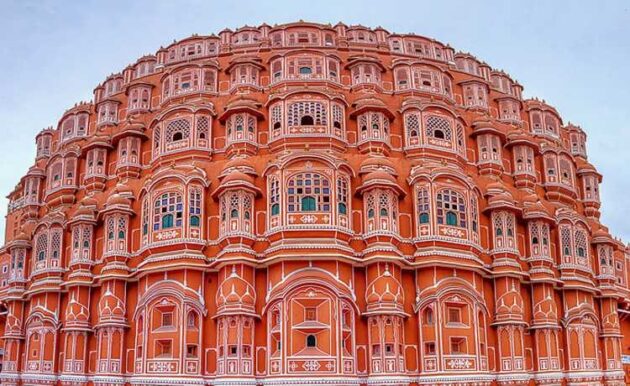
Hawa Mahal, famously known as the Palace of Winds, is one of Jaipur’s most iconic landmarks and a symbol of the “Pink City.” This five-storey, honeycomb-shaped palace was built in 1799 by Maharaja Sawai Pratap Singh as an extension of the City Palace. Designed by architect Lal Chand Ustad, it features 953 small windows (called jharokhas) that allowed royal women to observe street life and processions below while remaining unseen, in keeping with the purdah tradition.
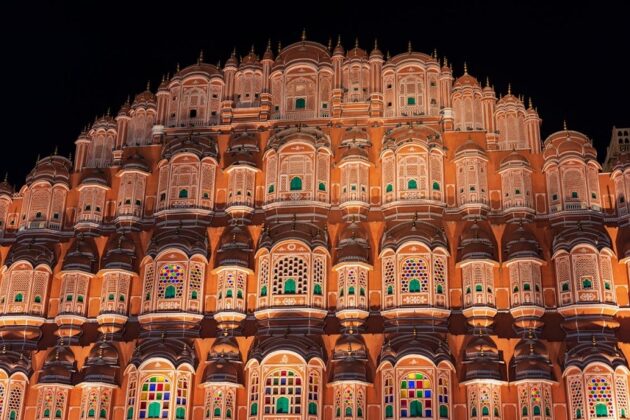
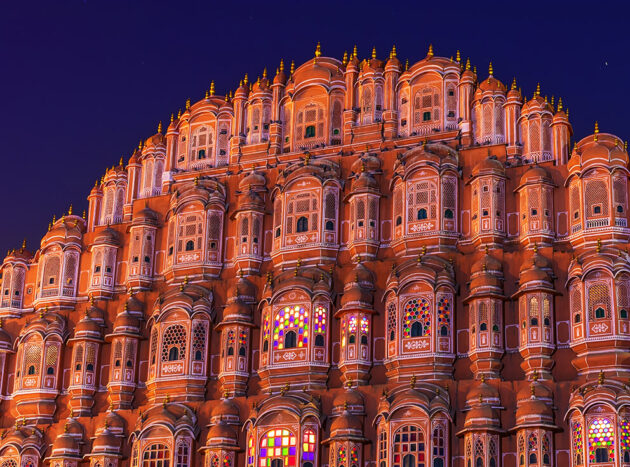
The intricate latticework and pink sandstone façade create excellent natural ventilation, earning it the name “Palace of Winds.” Its unique pyramidal shape, resembling Lord Krishna’s crown, makes it a stunning example of Rajput-Mughal architecture.
Why Visit Hawa Mahal?
Architectural Marvel — The façade is a photographer’s dream, especially when bathed in golden morning light.
Historical Insight — It offers a glimpse into royal life in 18th-19th century Jaipur.
Central Location — Perfectly situated in the heart of the old Pink City, it’s easy to combine with nearby attractions.
Unique Experience — Climb the narrow ramps and staircases to enjoy breezy views and a small museum inside.
Best Time to Visit
Season: October to March (cooler winter months) is ideal. Avoid the extreme summer heat (April–June) and monsoon (July–September).
Time of Day: Early morning (just after opening) offers the best light for photography and fewer crowds. Late afternoon provides softer side lighting that highlights the 3D texture of the windows.
Avoid: Midday sun and weekends, when it can get busier.
The palace is open daily from 9:00 AM to 5:00 PM (some sources note closing at 4:30 PM). Plan to spend 45 minutes to 1.5–2 hours exploring.
Entry Fees & Tickets
Indian Nationals: ₹50 per adult (students ₹20 with valid ID)
Foreign Tourists: ₹200 per adult (students ₹100 with valid ID)
Composite Ticket (recommended if visiting multiple sites): ₹300 (Indians) or ₹1,000 (foreigners) for 2 days, covering Hawa Mahal, Amber Fort, Jantar Mantar, Nahargarh Fort, Albert Hall Museum, and more.
Tickets can be purchased on-site or online via official Rajasthan tourism portals. Audio guides are available at the ticket counter. Entry is free on certain days like World Heritage Day (April 18) and World Tourism Day (September 27).
Note: Shoes may need to be removed or covered in some areas; comfortable walking shoes are essential as you’ll climb stairs and ramps.
How to Reach Hawa Mahal
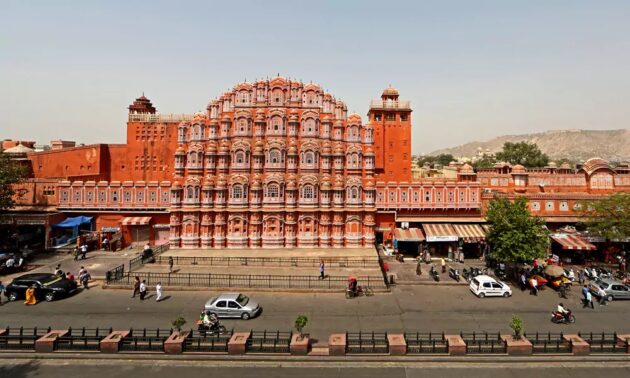
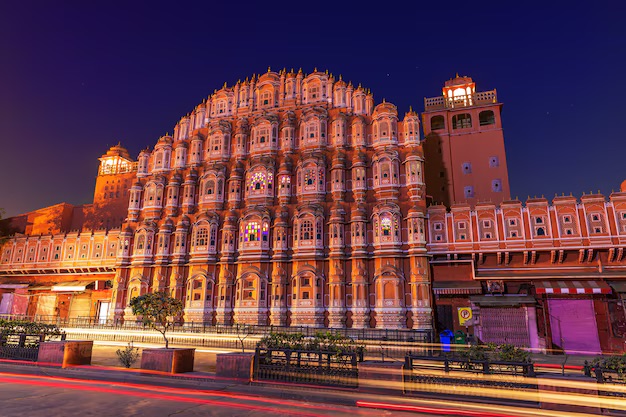
Hawa Mahal is located at Badi Chaupar in the Pink City area, near Tripolia Bazaar.
By Air: Jaipur International Airport is about 12–15 km away (30–45 minutes by taxi).
By Train: Jaipur Junction Railway Station is roughly 5 km away. Take a taxi, auto-rickshaw, or app-based cab (Uber/Ola).
By Road: Easily accessible by taxi, auto-rickshaw, or cycle rickshaw from anywhere in Jaipur. It’s only a short walk from City Palace and Jantar Mantar.
Local Transport: Jaipur Metro (nearest station: Chandpole) is convenient, followed by a short rickshaw ride.
Hiring a private driver or joining a guided city tour makes exploring multiple Pink City sites hassle-free.
What to See and Do
The Iconic Façade — Admire the pink sandstone exterior from the street or opposite rooftops/cafés for classic photos.
Inside Exploration — Enter from the rear (via ramps originally designed for palanquins). Wander through the narrow corridors, small chambers, and upper floors for panoramic views of the old city.
Small Museum — Displays artifacts and information about the palace’s history.
Photography Spots — Best shots are from the front in the morning. For unique angles, try rooftops nearby or combine with views from Nahargarh Fort at sunset.
Nearby Attractions (walkable or very short distance): City Palace (adjacent); Jantar Mantar (700 meters); Johari Bazaar and colorful markets; Albert Hall Museum (about 2.5 km).
Many visitors combine Hawa Mahal with a full-day Jaipur heritage tour.
Tips for Visitors
Dress Code: Wear modest, comfortable clothing (light cotton for comfort). Respect local customs—cover shoulders and knees if possible.
Photography: The windows don’t photograph well from inside; focus on exterior shots. Early morning light is magical.
Crowds & Safety: Go early to beat the heat and crowds. Stay hydrated and watch for pickpockets in busy bazaar areas.
Guided Tours: Join a knowledgeable guide to understand the stories behind the architecture and royal legends.
What to Bring: Water bottle, sunscreen, hat, comfortable shoes, and cash for small purchases in nearby markets.
Sustainability: Avoid littering and support local vendors responsibly.
Where to Stay Nearby
For convenience, stay in the Pink City or nearby areas:
Heritage hotels like Taj Rambagh Palace or Narain Niwas Palace (luxury)
Budget options in Bani Park or near City Palace
Boutique guesthouses in the old city for an authentic vibe
Final Thoughts
Hawa Mahal is more than just a pretty façade—it’s a window into Rajasthan’s royal past and one of Jaipur’s most photogenic treasures. Whether you’re a history buff, architecture lover, or photography enthusiast, this Palace of Winds deserves a spot on your Jaipur itinerary.
Combine it with Amber Fort, City Palace, and a stroll through the vibrant bazaars for a memorable Pink City experience. Safe travels and enjoy the breeze! 🌬️🏰