
A Travel Guide to Galle Fort (2026)
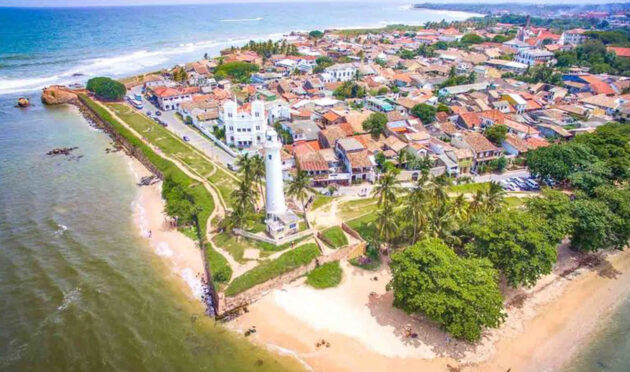
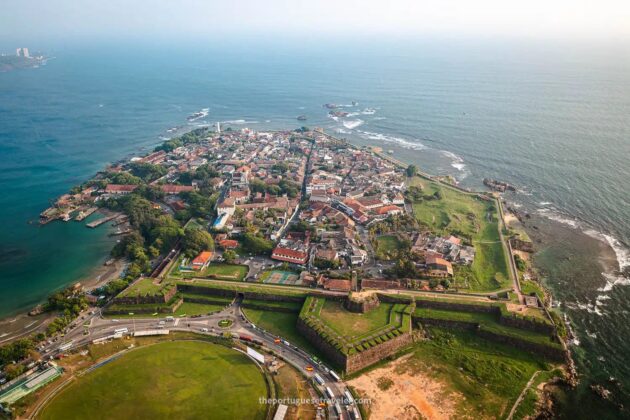
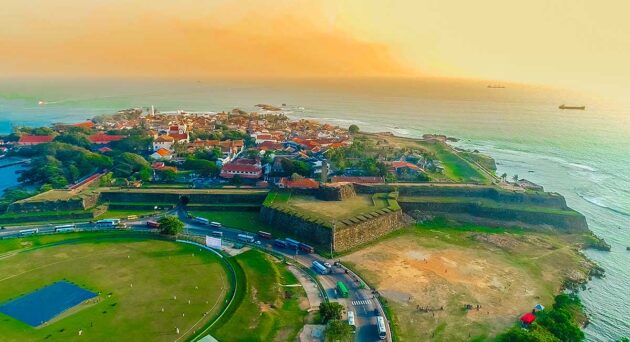
Galle Fort, a living UNESCO World Heritage Site on Sri Lanka’s southwest coast, is one of the country’s most enchanting destinations. This historic walled town blends 16th-century Portuguese origins, 17th-century Dutch fortifications, and British colonial influences with vibrant local life. Surrounded by the Indian Ocean on three sides, the fort features cobblestone streets, colonial-era buildings, boutique hotels, cafés, and ramparts offering stunning ocean views. Often called a “living museum,” it’s perfect for history lovers, photographers, foodies, and anyone seeking a romantic, walkable escape.
Why Visit Galle Fort?
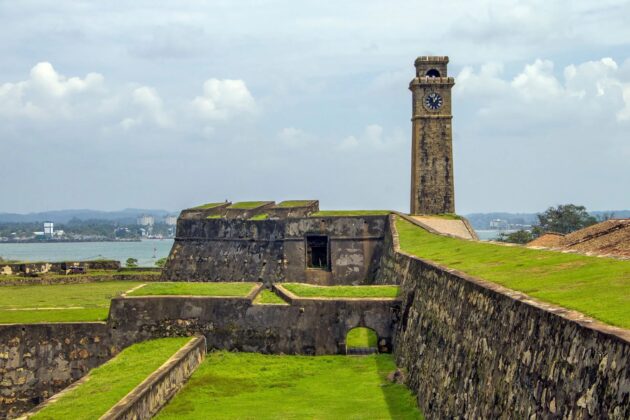
Galle Fort stands out as the best-preserved European-built fortified city in South and Southeast Asia. Its thick ramparts protected it even during the 2004 tsunami. Today, it’s a charming mix of heritage sites, artisan shops, art galleries, and restaurants. Wander the narrow lanes, watch locals play cricket in the open square, enjoy sunset walks along the walls, and soak in the fusion of cultures. It serves as an ideal base for exploring the south coast, including nearby beaches like Unawatuna.
How to Get There
Galle Fort is conveniently located about 2–3 hours south of Colombo:
By Train: The scenic coastal train from Colombo Fort Station to Galle takes around 2.5–3 hours. It’s affordable and offers beautiful ocean views (book in advance for first-class seats during peak season).
By Bus: Frequent buses run from Colombo (about 2–3 hours). Air-conditioned options via the Southern Expressway are faster and more comfortable.
By Taxi or Private Transfer: The quickest and most convenient option (around 2 hours). Many hotels arrange pickups from Colombo or the airport.
From Nearby Spots: Only 10–15 minutes from Unawatuna and about 30 minutes from Mirissa by tuk-tuk or taxi.
Once in Galle, the fort is compact and best explored on foot. Entry to the fort itself is free.
Best Time to Visit
The ideal time to visit Galle Fort is during the dry season from December to April, when the weather is sunny, warm, and relatively dry with minimal rainfall. December to March is peak season—perfect for beach days and rampart walks but busier and more expensive.
Shoulder months (October–November and May) can still be pleasant with fewer crowds. Avoid the main southwest monsoon (May to September) if possible, though short showers are common year-round. Evenings and early mornings are best for exploring to avoid midday heat.
What to Do
Galle Fort is highly walkable—plan at least half a day to a full day (or overnight for a relaxed vibe):
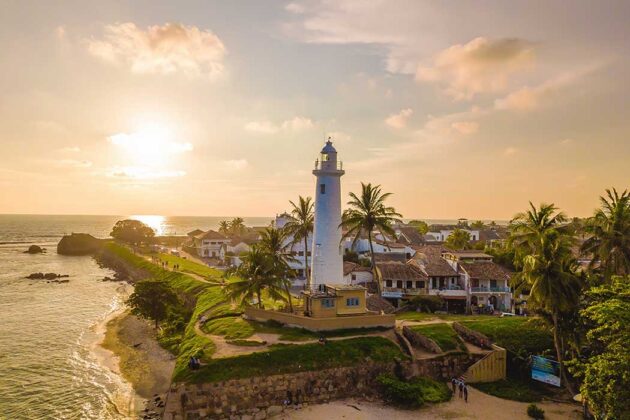
Walk the Ramparts and Walls: The highlight for most visitors. Stroll the 2.5–3 km of historic fortifications for panoramic Indian Ocean views. Sunset here is magical—locals gather, kites fly, and the lighthouse glows golden.
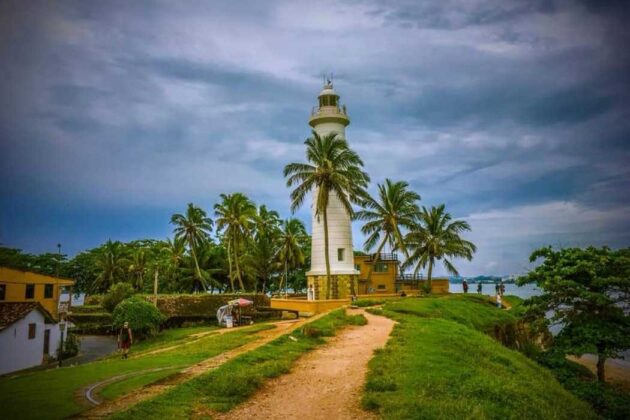
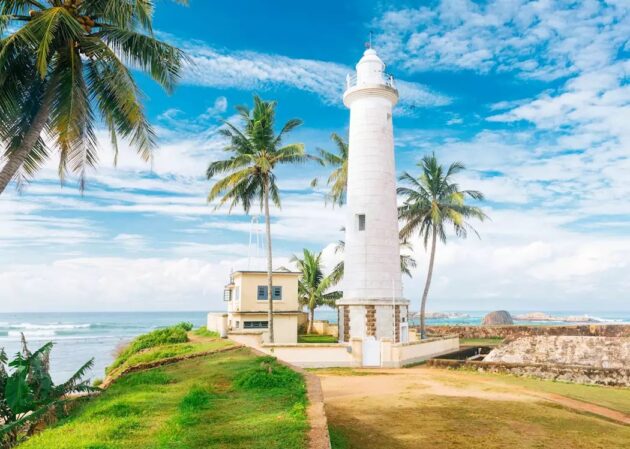
Galle Lighthouse: Climb or view the iconic white lighthouse (built in 1875) for great photos and vistas.
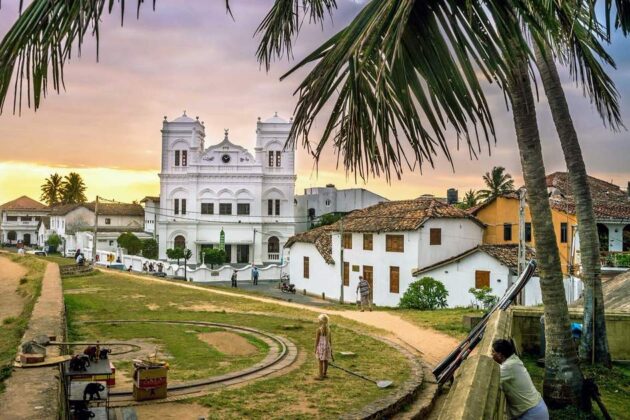
Explore the Cobblestone Streets: Wander lanes lined with colonial villas, churches, mosques, and temples. Key spots include the Dutch Reformed Church (Groote Kerk), All Saints Church, National Maritime Archaeology Museum, and the Old Dutch Hospital (now a shopping and dining complex).
Shopping and Galleries: Browse for souvenirs on Pedlar Street—antiques, jewelry, spices, handmade crafts, and vintage posters at places like Stick No Bills. Many shops occupy restored historic buildings.
Cultural Experiences: Join a guided walking tour with a local guide for deeper history. Visit art galleries or watch traditional cricket in the main square.
Day Trips: Head to Unawatuna Beach for swimming and the famous rope swing, or combine with whale watching in Mirissa (seasonal).
Where to Eat
Galle Fort offers diverse dining in atmospheric settings—fresh seafood, Sri Lankan curries, and international fare:
Pedlar’s Inn Café — A long-time favorite for casual meals and coffee.
Aqua Forte or Fort Printers Restaurant — Elegant spots for fine dining with colonial ambiance.
Two Minutes by Tuk Tuk or A Minute by Tuk Tuk (at the Dutch Hospital) — Fun, relaxed vibes with good food.
Other recommendations: Charlie’s Bar & Bistro, Poonie’s Kitchen, or spots serving crab feasts and jackfruit desserts.
Try local specialties like fresh coconut sambol, rice and curry, or seafood straight from the ocean.
Where to Stay
Staying inside the fort enhances the experience with its peaceful, historic atmosphere:
Boutique Heritage Hotels: The Fort Printers, Amangalla, or The Dutch House—restored mansions with charm and luxury.
Mid-Range Options: Fort Thari Inn or similar guesthouses with clean rooms and central locations.
Outside the Fort: Modern resorts or beach hotels in Galle town or nearby Unawatuna if you prefer pools and easier access.
Many properties offer rooftop terraces with ocean views.
Practical Tips
What to Bring: Comfortable walking shoes (cobblestones and ramparts involve stairs), sunscreen, hat, reusable water bottle, and cash (some places are cash-only; ATMs are available).
Best Time of Day: Early morning or late afternoon/evening to avoid the heat. Rampart walks are hottest around midday.
Safety: Galle Fort is very safe and tourist-friendly. Sri Lanka in general is welcoming to visitors in 2026. Use common sense, especially at night.
Dress Modestly: When visiting religious sites like churches or mosques.
Photography: The fort is highly photogenic—sunset on the walls is a must.
Combine Your Trip: Pair with south coast beaches, whale watching, or a train journey along the coast for a fuller Sri Lanka itinerary.
Final Thoughts
Galle Fort feels like stepping back in time while enjoying modern comforts. Its blend of history, culture, ocean breezes, and laid-back charm makes it one of Sri Lanka’s highlights. Whether you spend a few hours wandering or a couple of relaxing nights, the fort’s timeless appeal will leave a lasting impression.
Safe travels and enjoy this pearl of the Indian Ocean!