
Pashupatinath Temple Travel Guide (2026)
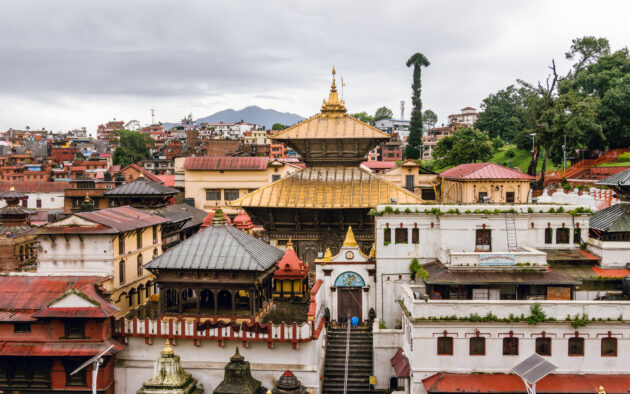
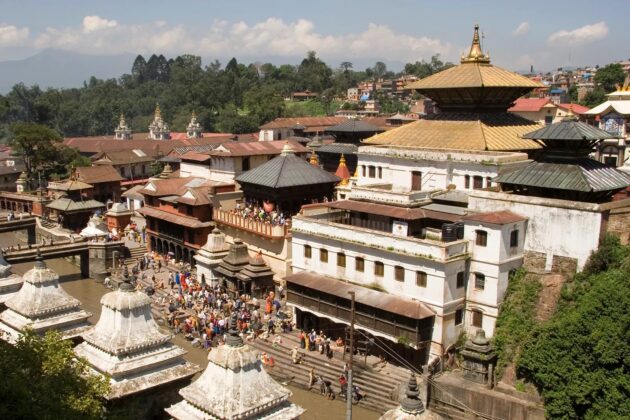
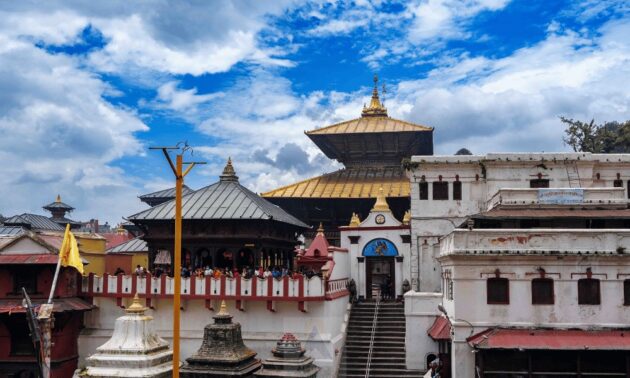
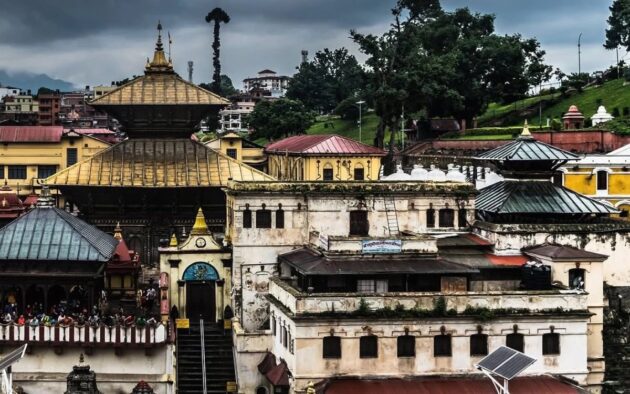
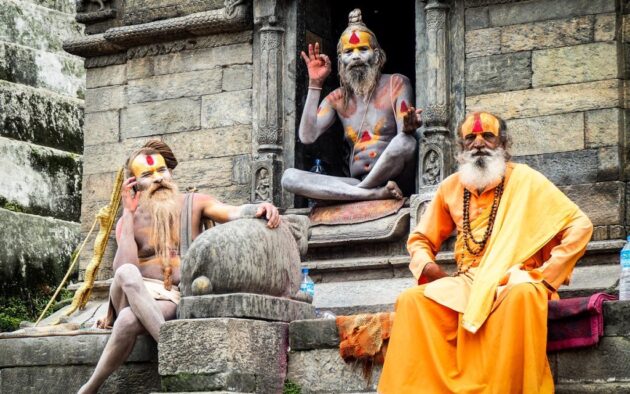
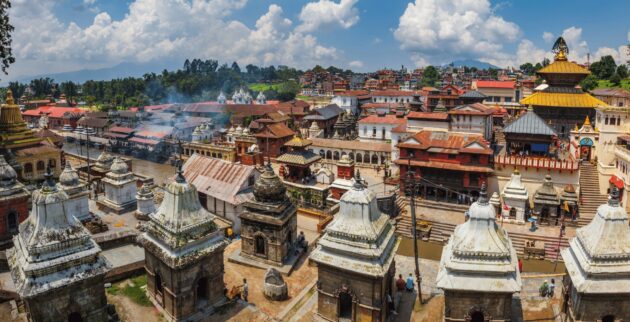
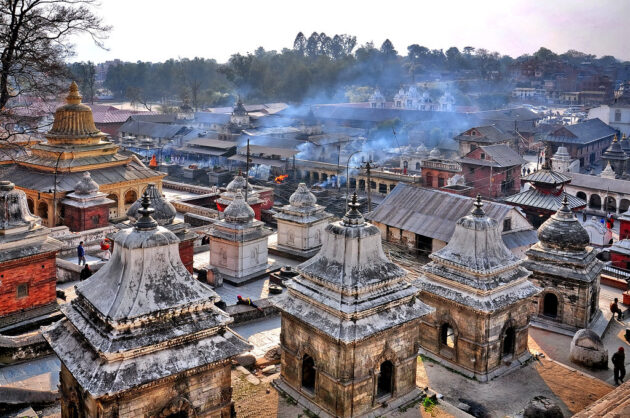
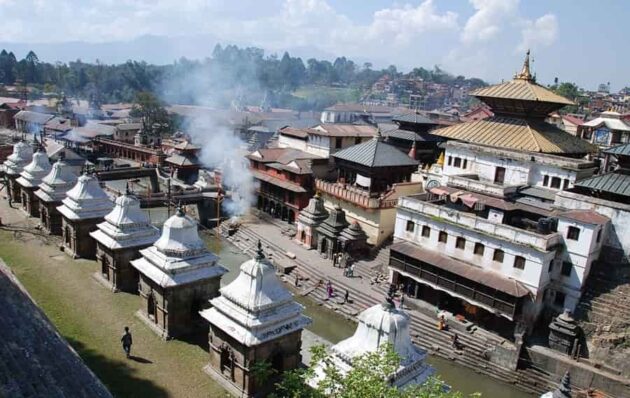
Pashupatinath Temple is Nepal’s most sacred Hindu shrine, dedicated to Lord Shiva in his form as Pashupati (Lord of Animals). It sits on the banks of the holy Bagmati River in eastern Kathmandu and forms part of the Kathmandu Valley UNESCO World Heritage Site. The complex features ornate pagoda-style architecture with golden roofs, numerous smaller shrines, sadhus (holy ascetics), and open-air cremation ghats where Hindu funeral rites occur.
Non-Hindus cannot enter the main temple or inner sanctum housing the sacred Shiva lingam, but visitors can explore the wider complex, view the temple from the eastern terraces across the river, and observe the vibrant spiritual atmosphere.
History and Significance
The site has been a place of worship since at least the 5th century CE (Licchavi period), with the current structures largely dating to the 15th–17th centuries. Legends link it to Shiva manifesting as a deer in the Kathmandu Valley. It ranks among the most important Shiva temples in South Asia and is sometimes regarded as one of the 12 Jyotirlingas. Hindus believe dying or being cremated here brings spiritual liberation.
Major festivals include Maha Shivaratri (February/March), which draws hundreds of thousands of devotees for all-night vigils, and Teej (August), celebrated especially by women.
Visiting Hours and Entry Fees
Opening hours: Generally 4:00 AM – 12:00 PM and 5:00 PM – 9:00 PM daily (midday closure for maintenance). Evening aarti (ceremony with lamps, chants, and music) around 6:00–7:00 PM is a highlight.
Entry fees (collected by the Pashupati Area Development Trust): Nepali citizens and Indian nationals: Free (or nominal in some reports; Indians often treated similarly to locals for darshan). SAARC nationals: Around NPR 1,000. Other foreign nationals: NPR 1,000–1,500 (approx. USD 7–10). Children under 10: Free. Hindus may access the inner sanctum; others view from designated areas.
Fees support preservation. Confirm exact amounts on-site, as they can vary slightly.
How to Reach Pashupatinath Temple
Taxi: Most convenient and affordable (NPR 300–800 from Thamel or airport; use metered taxis or ride apps like Pathao/InDrive where available). Pre-book airport transfers if needed.
Local bus/microvan: Cheap (NPR 20–30) from Ratna Park or Chabahil, but slower and crowded.
Walking: Possible from nearby areas (e.g., ~45 minutes from Thamel or short walk from airport), but not ideal with luggage or in heat.
Guided tours: Many combine Pashupatinath with Boudhanath Stupa or other sites, including pickup.
From the airport, follow the Ring Road toward Gaushala.
What to Expect and Things to Do
Wander the outer complex and riverbanks to see smaller temples, shrines (including Guhyeshwari and Gorakhnath), and sadhus.
Observe (from a respectful distance) the cremation ghats along the Bagmati River—daily Hindu funeral rites occur here, similar to Varanasi’s ghats. Maintain silence and solemnity.
Watch the evening aarti on the ghats for a mesmerizing spiritual experience with fire, bells, and chants.
Explore the surrounding Deupatan village area for local atmosphere.
The site blends devotion, daily life, and rituals, making it intense and profound rather than a typical tourist spot.
Visitor Tips and Etiquette
Dress code: Modest clothing required—cover shoulders and knees. Women may wear salwar kameez, saree, or long skirt; men long trousers. Remove shoes before entering designated areas (use provided racks). Avoid leather items (shoes, belts, bags) inside the main premises.
Behavior: Remove hats, speak softly, and avoid pointing or interrupting prayers/rituals. Non-Hindus must stay in permitted viewing areas.
Photography: Allowed in outer areas and along the river (from distance), but strictly prohibited inside the main temple, near the inner sanctum, and during cremations (out of respect for families). Never photograph grieving families or rituals without permission. Some sources note no photography near active cremation sites.
Cremation etiquette: Observe quietly from across the river if desired. Do not intrude, take close photos, or treat it as a spectacle—these are real funerals.
Practicalities: Carry small NPR notes for donations or sadhus. Stay hydrated (especially in spring/autumn). The area can feel crowded and sensory-overwhelming; go early morning for calmer vibes or evening for aarti.
Safety: Generally safe for tourists, but watch for pickpockets in busy areas. Solo travelers and women should exercise normal caution.
Best time to visit
Weather-wise: Autumn (Sep–Nov) or spring (Mar–May) for pleasant temperatures.
Spiritually: Early morning for peace or during Maha Shivaratri for energy (expect huge crowds).
Avoid midday heat and monsoon rains (Jun–Aug) if possible, though the site remains open year-round.
Nearby Attractions
Boudhanath Stupa (Buddhist, ~ a short drive away): One of the world’s largest stupas.
Swayambhunath (Monkey Temple): Hilltop Buddhist site with city views.
Kathmandu, Patan, or Bhaktapur Durbar Squares for architecture and culture.
Many tours link Pashupatinath + Boudhanath efficiently.
Final Thoughts
Pashupatinath offers a raw, authentic glimpse into Nepali Hindu spirituality—approach with respect, and it becomes one of Kathmandu’s most memorable experiences.