
Everest Base Camp Travel Guide (2026)
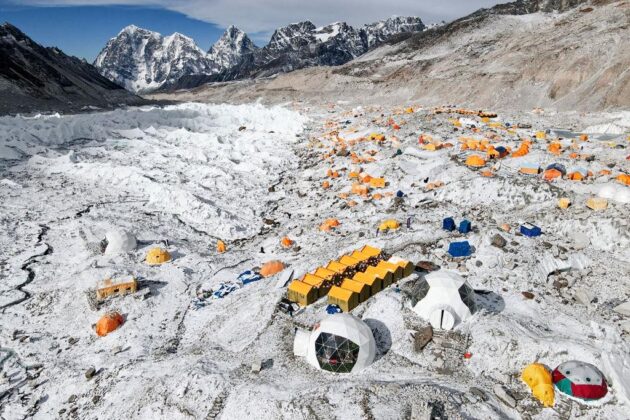
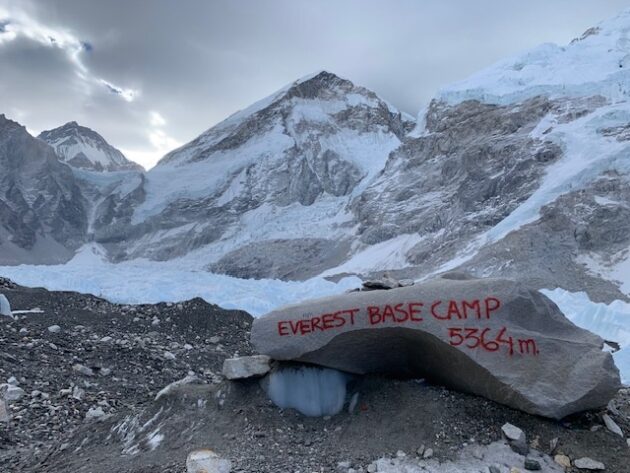
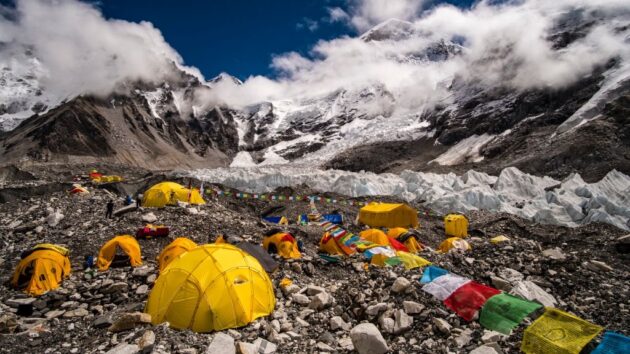
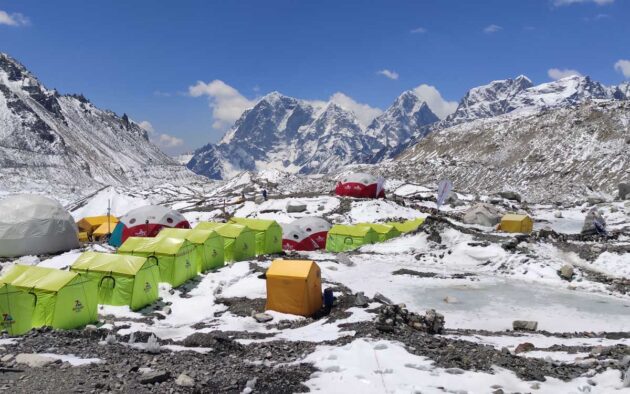
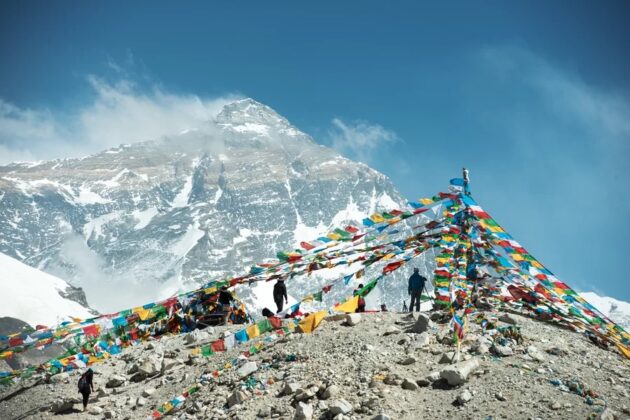
This iconic adventure takes you to the base of the world’s highest mountain (Mount Everest, 8,849 m / 29,032 ft), offering stunning Himalayan views, Sherpa culture, and high-altitude challenges. The trek itself reaches about 5,364 m (17,598 ft) at EBC, with the best viewpoints often at Kala Patthar (5,545 m / 18,192 ft).
Overview and Difficulty
Duration: Most standard treks last 12–14 days (including 8–9 days up and 3–4 days down), with options for longer variants via Gokyo Lakes or the Three Passes. Add 2–4 days in Kathmandu for arrival/departure and buffers for weather.
Distance: Roughly 110–130 km (68–80 miles) round trip from Lukla.
Difficulty: Moderate to challenging. It’s not technical climbing, but expect 5–8 hours of daily hiking on rocky, uneven trails with steep ascents/descents and suspension bridges. The main hurdles are altitude and endurance. It’s suitable for fit beginners with proper preparation, but not for those with serious health issues.
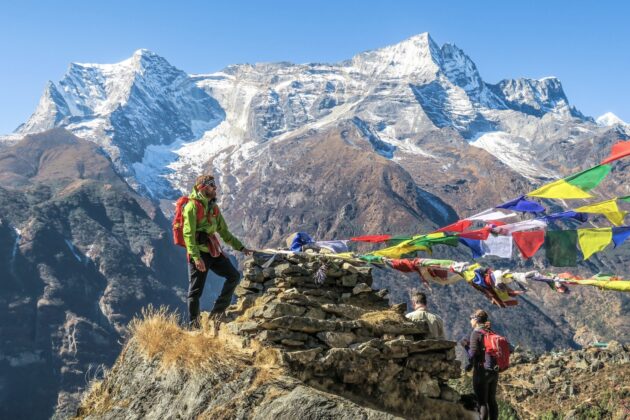
Highlights: Sherpa villages (Namche Bazaar, Tengboche), monasteries, rhododendron forests (in spring), glaciers, and panoramic Everest views. Wildlife includes Himalayan tahr and birds.
Best Time to Visit
The prime seasons offer stable weather and clear skies:
Spring (March–May): Warmer days, blooming rhododendrons, longer daylight. March and April are popular; May can be windier. Crowds increase toward peak season.
Autumn (September–November): Crisp air, excellent visibility, fewer monsoon remnants. October is often ideal for views and festivals. Late September or November can mean fewer crowds.
Avoid monsoon (June–August: rain, leeches, poor visibility) and deep winter (December–February: very cold, snow, shorter days, flight risks). Shoulder periods like late February or December are possible for experienced trekkers but colder.
Itinerary (Standard 12–14 Day Classic Route)
A typical guided itinerary builds in acclimatization to reduce risks. Here’s a common outline (adjustable):
Day 1: Fly Kathmandu to Lukla (2,860 m / 9,383 ft), trek to Phakding (2,610 m).
Day 2: To Namche Bazaar (3,440 m / 11,286 ft).
Day 3: Acclimatization day in Namche (hike to Everest View Hotel ~3,880 m and return).
Day 4: To Tengboche or Phortse (3,810–3,860 m).
Day 5: To Dingboche (4,350 m / 14,272 ft).
Day 6: Acclimatization in Dingboche (hike to Nangkartshang or Chhukung ~4,700–5,100 m and return).
Day 7: To Lobuche (4,930 m).
Day 8: To Gorak Shep (5,165 m), afternoon hike to Kala Patthar for sunrise/sunset Everest views.
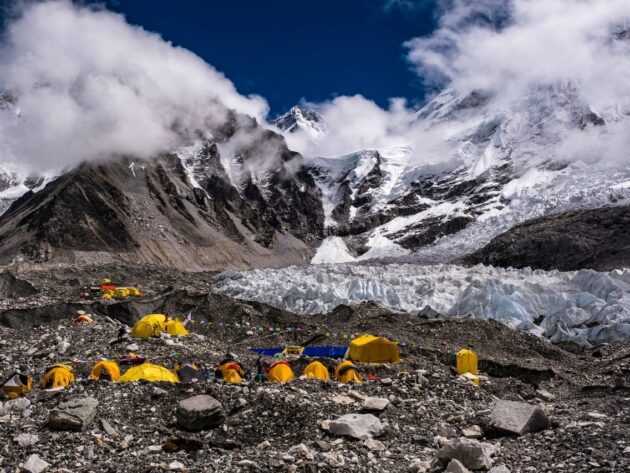
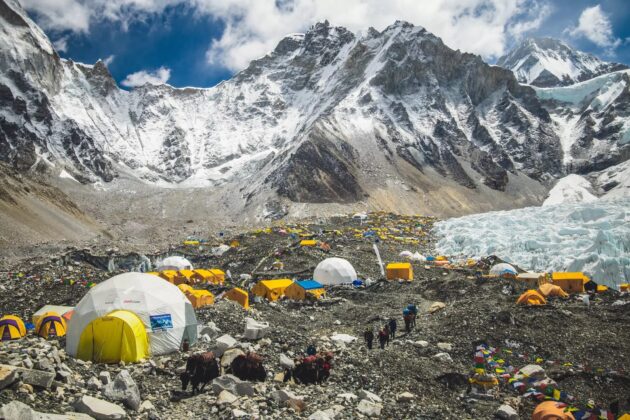
Day 9: Early visit to EBC (5,364 m), return to Gorak Shep or descend toward Pheriche.
Descent: Via same route back to Namche, then Lukla (faster downhill, 3–4 days). Buffer for weather delays.
Variations include helicopter returns from EBC/Gorak Shep or adding side trips.
Permits and Regulations
Required Permits: Sagarmatha National Park entry (~NPR 3,000 / ~$22 USD) + Khumbu Pasang Lhamu Rural Municipality fee (~NPR 2,000 / ~$15 USD). TIMS card may still apply in some contexts.
Rules: All trekkers in the Everest region (Sagarmatha National Park) must affiliate with a registered trekking agency and be accompanied by a licensed guide. Independent/solo trekking without support is restricted for safety and monitoring reasons. This helps with emergencies and reduces accidents.
Book through a reputable Nepali operator—they handle permits, logistics, and compliance.
Cost
Budget guided trek: $1,200–$1,800 USD (basic teahouses, shared services).
Standard/mid-range: $1,500–$2,500 USD (better guides, hotels in Kathmandu, full board on trek).
Luxury/private: $2,500–$3,500+ USD.
Extras: International flights to Kathmandu, visa, travel insurance (mandatory—must cover high-altitude evacuation/helicopter rescue up to 6,000 m+), tips (~$100–200 for guide/porter), gear rental, meals in Kathmandu. Lukla flights ~$200–300 round trip (weather-dependent).
Costs vary by group size, inclusions (meals, porters), and season. Porters carry ~10–15 kg of your gear.
Getting There
Fly into Tribhuvan International Airport, Kathmandu.
Then fly to Lukla (Tenzing-Hillary Airport)—a thrilling, weather-sensitive 30–40 minute flight. Delays are common; have buffer days. Some opt for a drive to a lower starting point like Jiri (longer trek, 18+ days) or helicopter transfers.
Return the same way.
Preparation and Training
Fitness: Build cardio (hiking with a pack, stairs, running) for 3–6 months. Aim for 6–8 hour hikes with elevation. Strength for legs/core helps with descents.
Acclimatization: Follow a slow itinerary with rest days (“climb high, sleep low”). Stay hydrated (3–4 liters/day), eat carbs, avoid alcohol/smoking.
Altitude Sickness (AMS): Symptoms include headache, nausea, fatigue. Prevent with gradual ascent, Diamox (consult doctor), and descent if symptoms worsen. Serious cases (HAPE/HACE) require immediate descent and oxygen/medical help. Reliable insurance with evacuation is essential.
Health: Get a pre-trip medical check. Vaccinations (hepatitis, typhoid, etc.) recommended. Bring basic meds (painkillers, Diamox, altitude aids).
Packing List Essentials
Layering is key—temperatures swing from 15–25°C daytime lower elevations to -10°C or colder at night/high altitudes.
Clothing: Waterproof jacket/pants (Gore-Tex), down jacket (warm, packable), fleece mid-layer, base layers (merino), trekking pants/shorts, 3–4 pairs socks, gloves, hat, sunglasses.
Footwear: Broken-in trekking boots, camp shoes/sandals.
Gear: Daypack (30–40L) with rain cover, duffel for porter, trekking poles, headlamp, sleeping bag (rated to -10°C / 0°F or colder—rentable), water bottles/hydration bladder (purify water), sunscreen, lip balm.
Other: First-aid kit, toiletries, snacks, power bank, cash (ATMs limited), insurance docs. Rent heavy items (sleeping bag, poles) in Kathmandu if preferred.
Teahouses provide basic lodging and meals (dal bhat, noodles, tea). Bring cash—cards rarely accepted on trek.
Safety and Tips
Use a Reputable Agency: They provide guides, porters, and support. Research reviews; avoid the cheapest options. Guides monitor health and trails.
Lukla Flights: Book early; have contingency plans (helicopter or overland).
Environmental Respect: Follow “Leave No Trace.” The region is fragile—use eco-friendly practices.
Crowds: Peak seasons are busy; book teahouses indirectly via your agency.
Current Conditions: Trails are generally safe and well-maintained, with improved bridges/teahouses. Weather and altitude remain the biggest variables. Check for any updates on regulations or conditions closer to your trip.
Booking and Next Steps
Research operators like those offering departures. Compare inclusions and read recent reviews. Get comprehensive travel insurance early (e.g., covering trekking up to 6,000 m and helicopter rescue).
This trek is demanding but profoundly rewarding—many describe it as life-changing. Start planning 6–12 months ahead for fitness, bookings, and gear. If you’re in good health and prepared, it’s an achievable adventure.
Safe travels, and enjoy the mountains! If you have specifics (e.g., dates, group size, or fitness level), I can refine this further.