
Annapurna Base Camp Travel Guide (2026)
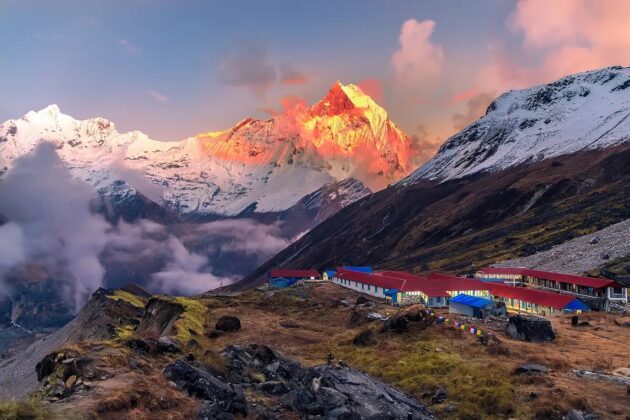
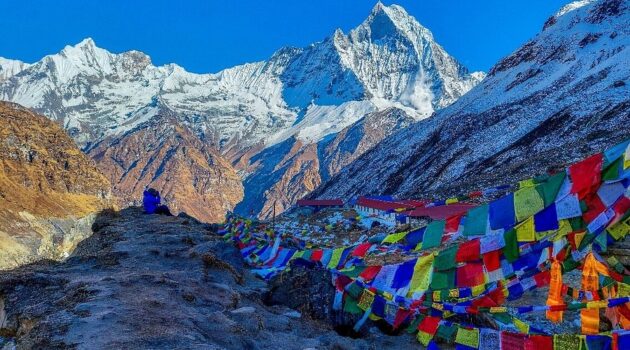
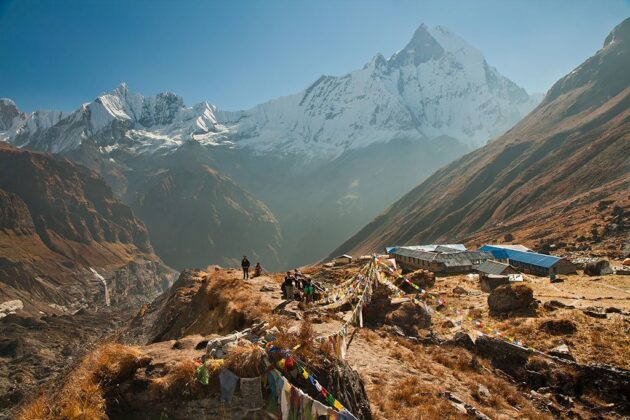
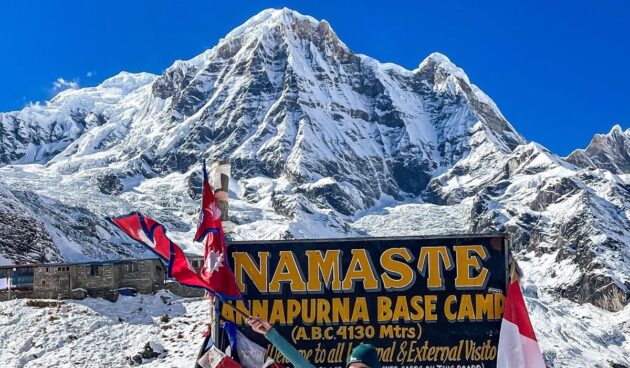
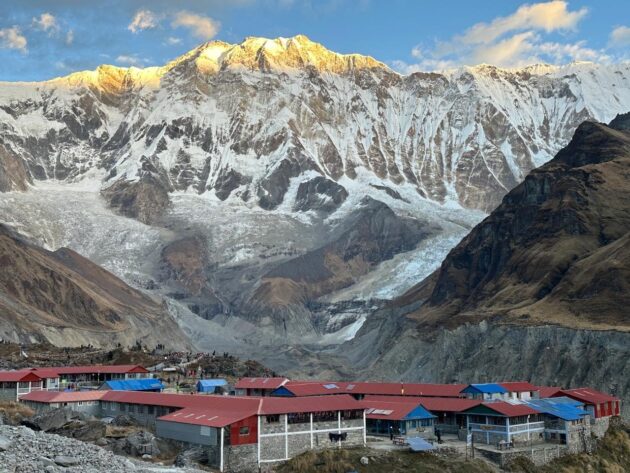
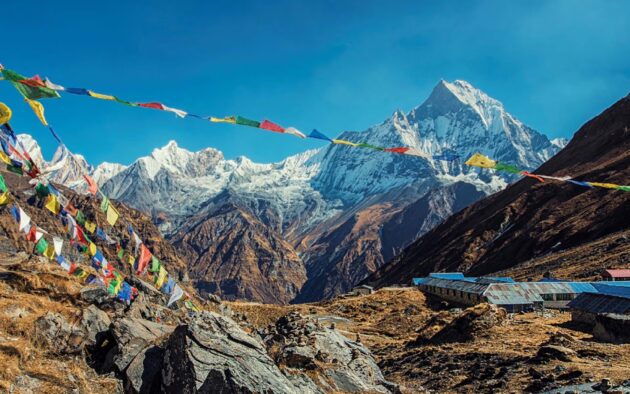
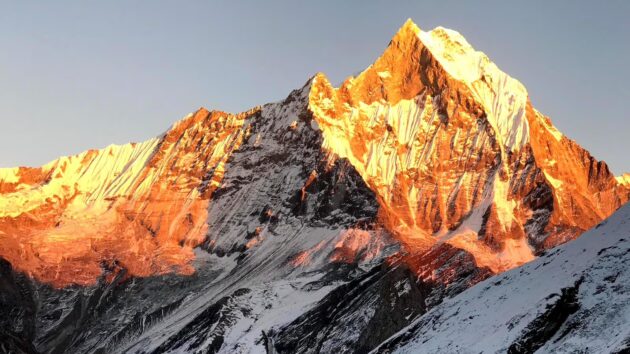
Annapurna Base Camp (ABC) Trek, also known as the Annapurna Sanctuary Trek, is one of Nepal’s most popular and rewarding hikes. It takes you deep into the heart of the Annapurna mountain range in the Annapurna Conservation Area, ending at a dramatic amphitheater surrounded by towering peaks like Annapurna I (8,091 m / 26,545 ft), Machapuchare (Fishtail), and others. The maximum elevation is about 4,130 m (13,550 ft), making it more accessible than longer high-altitude treks like Everest Base Camp, while still delivering stunning Himalayan views, diverse landscapes, and Gurung village culture.
Why Trek to Annapurna Base Camp?
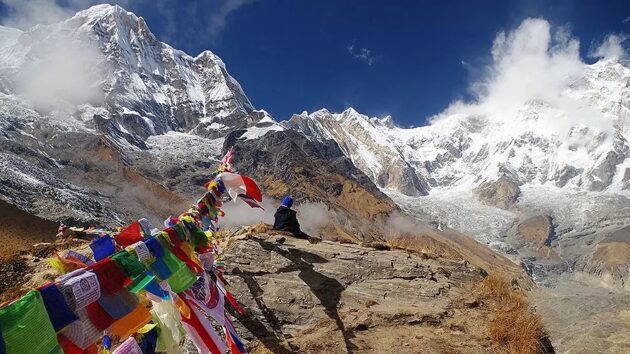
Highlights: Panoramic 360° mountain views at ABC, rhododendron forests (especially in spring), terraced rice fields and traditional villages in the lower sections, hot springs at Jhinu Danda, and possible side trips like Poon Hill for sunrise views.
Duration: Typically 7–12 days for the core trek (including travel), depending on whether you start from Nayapul or use jeeps to shortcut lower sections.
Difficulty: Moderate. Suitable for beginners with good fitness, as daily hikes are 4–7 hours on well-maintained trails with stone steps. No technical climbing required, but altitude gain and steep sections (e.g., Ulleri steps) demand preparation. Daily ascents/descents can total 500–1,000 m.
Best Time to Visit
Peak Seasons (Recommended): Autumn (September–November): Clear skies, stable weather, excellent visibility, mild temperatures. October–November is often ideal for fewer clouds.
Spring (March–May): Blooming rhododendrons, warmer days, good views (though occasional afternoon clouds or pre-monsoon showers possible in May).
Shoulder/Alternative: Late February, early December, or November/December for quieter trails and snowy landscapes (colder nights).
Avoid: Monsoon (June–August) brings heavy rain, slippery trails, leeches, and poor visibility. Winter (January) is possible but very cold with potential snow/ice.
How to Get There
Fly or bus from Kathmandu to Pokhara (25–30 min flight or 6–8 hours by tourist bus).
From Pokhara, drive by jeep/taxi to the trailhead: Classic: Nayapul (about 1–2 hours). Shortcut options: Drive further to Jhinu Danda, Siwai, or similar to reduce lower-altitude walking days.
Return the same way, often ending with a drive back to Pokhara.
Permits are checked at Birethanti or similar entry points.
Sample Itinerary
A flexible 10–12 day package is common (including buffer days). Here’s a typical outline starting/ending in Pokhara (adjust for shortcuts):
Day 1: Pokhara → Nayapul/Birethanti → Tikhedhunga/Ulleri (acclimatization hike).
Days 2–3: Ulleri → Ghorepani (Poon Hill sunrise optional) → Tadapani/Chhomrong.
Days 4–6: Chhomrong → Bamboo → Dobhan/Deurali → Machapuchare Base Camp (MBC) → Annapurna Base Camp (overnight at ABC for sunrise/sunset views).
Days 7–9/10: Descent via same or alternative route (e.g., via Jhinu hot springs) → Drive back to Pokhara.
Extra: Add rest/acclimatization days or side trips.
Shorter versions (7–9 days) use jeep transfers to skip initial days. Longer ones combine with Poon Hill or other loops.
Permits
Annapurna Conservation Area Permit (ACAP): Required. ~NPR 3,000 (~USD 23) for foreigners; cheaper for SAARC. Obtain via NTNC offices in Kathmandu/Pokhara or online systems (digital/QR options expanding).
TIMS Card: Often still needed (~NPR 2,000 / ~USD 15 for foreigners); usually arranged through a registered trekking agency.
Solo independent trekking is possible but strongly discouraged for safety—many opt for a guide/porter via an agency.
Permits support conservation and local communities.
Cost
Independent/Budget: USD 500–800 (teahouses, food, transport, permits). Possible lower if experienced and minimal.
Guided Package (most common, includes guide, porter, meals, transport, permits): USD 600–1,200+ depending on group size, luxury level, and duration. Fixed departures often around USD 800–1,100.
Daily Teahouse Expenses (if independent): Rooms ~USD 2–5/night (often free/discounted if eating there); meals ~USD 5–10 each (Dal Bhat is cheapest/reliable staple). Budget ~USD 25–35/day total for food + lodging + extras (hot shower/WiFi ~USD 2–5 extra).
Prices rise slightly in peak season and at higher altitudes (portered supplies).
Accommodation and Food
Teahouses: Basic to comfortable lodges with twin beds, shared bathrooms (some attached), blankets, and dining rooms. WiFi, charging, and hot showers available (paid). Cleaner and better in lower villages.
Food: Nepali Dal Bhat (rice, lentils, veggies—unlimited refills), momos, noodles, pancakes, soups, tea/coffee. Vegetarian options common. Bring snacks/energy bars for variety.
Difficulty, Preparation, and Safety
Fitness: Build cardio (hiking with elevation) and leg strength 2–3 months prior. Acclimatize properly—follow “climb high, sleep low.”
Altitude: Risk of Acute Mountain Sickness (AMS) above 3,000 m. Symptoms: headache, nausea. Carry Diamox (consult doctor), descend if needed. Hydrate, eat well, go slow.
Safety Tips: Hire a licensed guide/porter (recommended for navigation, emergencies, cultural insight). Trails are busy but watch for landslides, icy sections in winter, or weather changes. Travel insurance with high-altitude evacuation essential. No major recent trail closures reported, but check locally.
Packing List Essentials
Layering is key for varying temperatures (warm days below 2,500 m; freezing nights at ABC).
Clothing: Quick-dry base layers, fleece mid-layer, down jacket (warm, -10°C+ rating), waterproof jacket/pants, hiking pants/shorts, warm hat/gloves, sun hat, sunglasses.
Footwear: Broken-in waterproof hiking boots, trekking poles, extra socks.
Gear: 30–50L daypack (porter carries main bag), sleeping bag (comfort -10°C or colder), headlamp, water bottles/purifier, first aid (blister care, personal meds, altitude meds), sunscreen, toiletries.
Other: Snacks, cash (ATMs scarce), power bank, lightweight towel.
Pack light (10–15 kg total; porter limit often 13–15 kg). Rent gear in Pokhara if needed.
Tips for a Great Trip
Book with a reputable local operator for reliability and support.
Respect local customs and environment (leave no trace; use porters ethically).
Carry cash (NPR); cards rarely accepted on trail.
Consider combining with Pokhara relaxation (lakes, paragliding) before/after.
Final Thoughts
This trek offers an unforgettable mix of challenge, culture, and jaw-dropping scenery without extreme technical demands. If you’re fit and prepared, it’s highly doable and worth it. For personalized itineraries or current trail updates, consult a licensed Nepali trekking agency closer to your dates. Safe travels—Namaste!