
Paro Taktsang Travel Guide (2026)
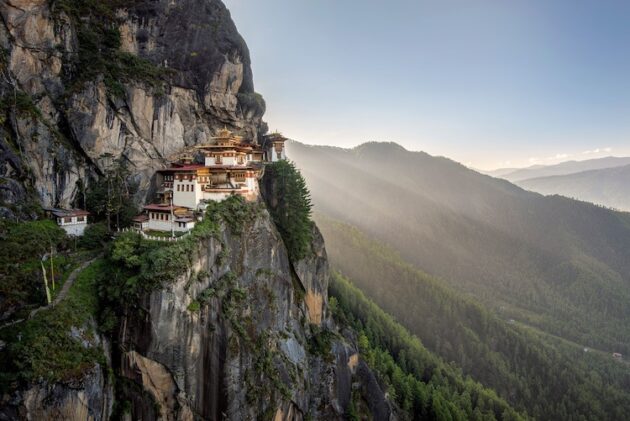
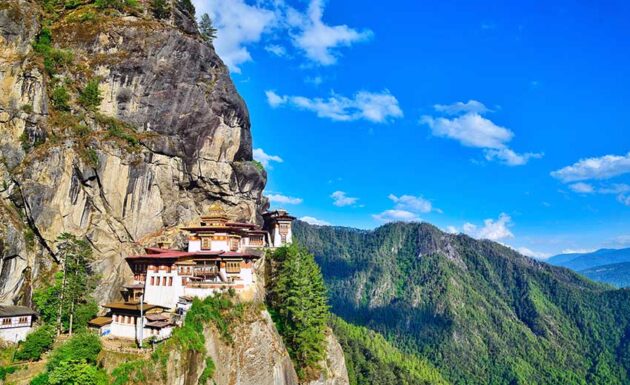
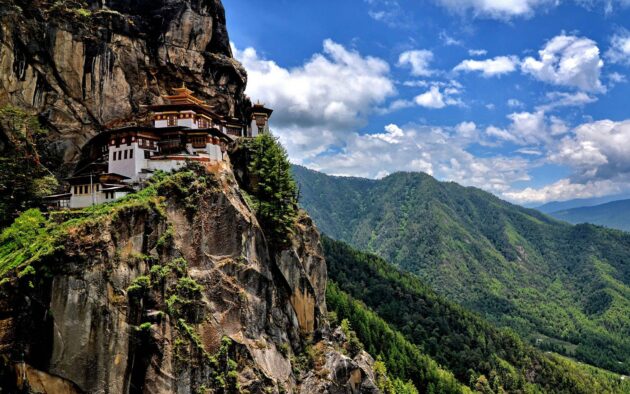
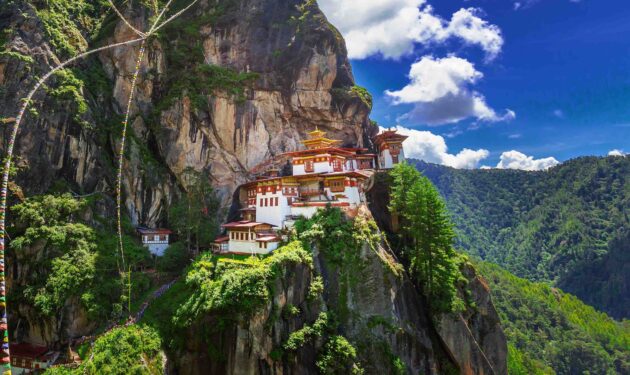
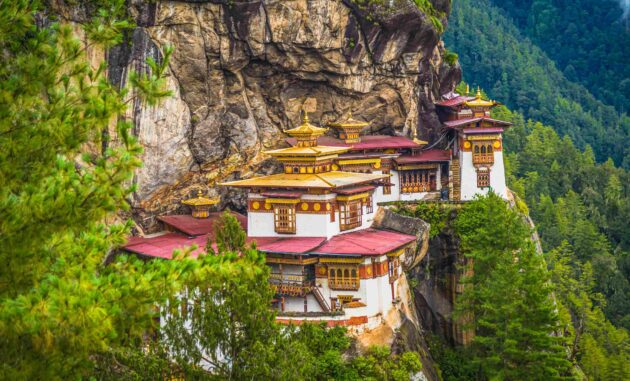
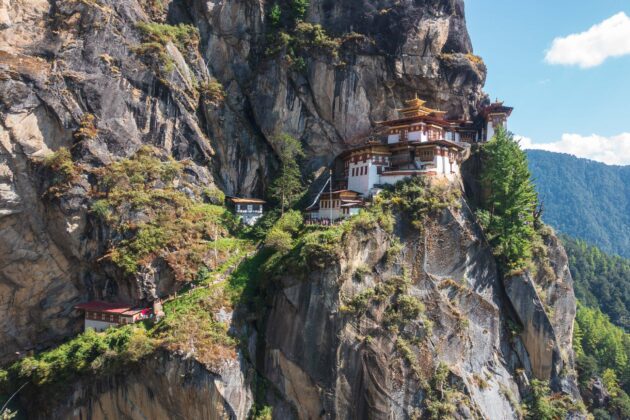
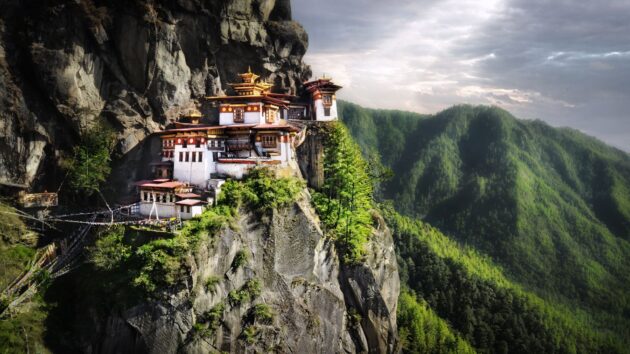
Paro Taktsang, commonly known as Tiger’s Nest Monastery (or Taktsang Palphug), is Bhutan’s most iconic landmark. It clings dramatically to a sheer cliff 900 meters (about 2,950 feet) above the Paro Valley floor, at an elevation of roughly 3,120 meters (10,232 feet).
History and Significance
According to legend, in the 8th century, Guru Rinpoche (Padmasambhava)—the revered figure who introduced Vajrayana Buddhism to Bhutan—flew to the site on the back of a tigress (or “tigress lair,” hence the name Taktsang). He meditated in a cave there for three years, three months, three weeks, three days, and three hours, subduing demons and sanctifying the place. The monastery complex was formally built in 1692 by the 4th Druk Desi (secular ruler), Tenzin Rabgye, around the sacred cave (Taktsang Senge Samdup). It is one of 13 “tiger lair” meditation sites linked to Guru Rinpoche.
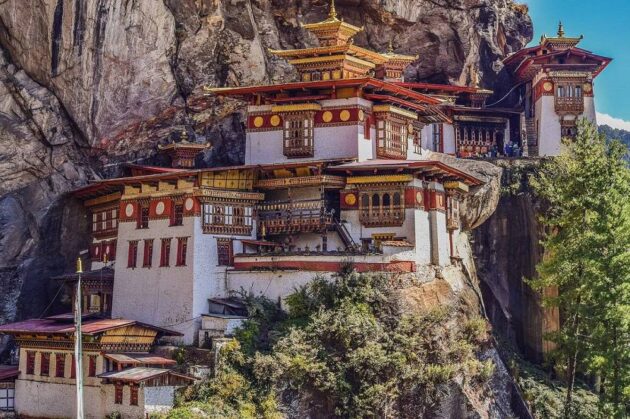
The original structure suffered a major fire in 1998 but was meticulously restored and reopened around 2005, preserving its traditional Bhutanese architecture. Today, it remains an active Buddhist site with temples, shrines, and residential quarters, revered as a place of profound spiritual power. Photography is strictly prohibited inside the monastery and its inner shrines.
How to Get There
Location: About 10–12 km north of Paro town in western Bhutan (roughly a 20–30 minute drive from Paro).
Access: All visitors fly into Paro International Airport (the country’s only international airport). From Paro, a short drive takes you to the trailhead parking area at Ramthangka (around 2,200–2,600 m elevation). No road or cable car reaches the monastery—you must hike (or ride a horse partway).
Bhutan requires most international tourists (except from India, Bangladesh, and Maldives) to travel via a licensed tour operator, with a mandatory guide for the hike in many cases. Indians receive an entry permit on arrival (passport or Voter ID needed) and pay a Sustainable Development Fee (SDF) of Rs 1,200 per person per night.
The Hike: Details and Difficulty
The trail is well-maintained but involves a steady uphill climb:
Distance: Approximately 4–4.5 km one way (8–9 km round trip).
Elevation gain: About 500–900 meters (1,700–2,950 feet), depending on exact starting point.
Time: 2–3 hours up (faster on the way down), plus 1–2 hours at the monastery and viewpoints. Total visit: 5–7 hours.
Difficulty: Moderate. The path is wide and dirt/gravel, with some steep sections and stairs near the end (including a dramatic bridge over a gorge and final ascent). It’s doable for most reasonably fit people, but altitude and incline can affect those with respiratory issues or low fitness. Take it slow, especially on the return descent.
Options: On foot: Recommended for the full experience. Horse/pony: Available from the base to a midway cafeteria (about halfway up, offering great views). Costs roughly Rs 700–1,000; the final section to the monastery must still be hiked. Horses are led by handlers.
Start early (leave Paro by 7–8 AM) to beat crowds, enjoy cooler temperatures, and avoid afternoon clouds or mist that can obscure views.
Opening hours: Generally 8 AM to 4 PM (sometimes with a lunch closure; confirm locally). The monastery is closed to visitors on certain holy days.
Entry Fees
For most tourists: Nu 500 per person (often included in your tour package or SDF).
Indians: Typically Nu 500 (may be bundled with SDF).
No extra charge beyond the national SDF for the hike itself in many packages.
Children under 5 often free; discounts for ages 6–17 at some sites.
Best Time to Visit
Ideal seasons: Spring (March–May) for blooming rhododendrons and mild weather; Autumn (September–November) for clear skies, crisp air, and excellent visibility.
Avoid: Monsoon (June–August) due to slippery trails, rain, and clouds; deep winter (December–February) if snow or ice makes the path hazardous (though clear days offer dramatic views).
Weather at the site can change quickly—layers are essential.
What to Pack and Wear
Footwear: Sturdy hiking shoes or boots with good grip (the trail can be dusty, muddy, or uneven).
Clothing: Moisture-wicking layers (you’ll warm up climbing but cool down at the top or in wind). Long sleeves/pants for modesty at the sacred site. Light jacket or fleece, rain jacket (afternoon showers possible), hat, sunglasses, and sunscreen.
Essentials: Plenty of water (1–2 liters+), energy snacks (nuts, bars, fruit), walking stick/trekking poles (rentable cheaply at the base for ~Rs 50), small backpack. A lightweight daypack is ideal—don’t overstuff it.
Other: Cash for any extras (horses, sticks, cafeteria), camera/phone for exterior shots only. No photography inside; you’ll need to store bags, phones, and cameras in lockers before entering the main complex (bring your own small padlock if possible).
Pace yourself, rest as needed, and descend carefully—many find the downhill harder on the knees.
At the Monastery
After crossing a scenic bridge over a waterfall gorge, you’ll climb stairs to the complex. Explore the temples, caves (including meditation spots linked to Guru Rinpoche), and enjoy panoramic views of the Paro Valley. The site feels serene and otherworldly. Respect rules: remove shoes, dress modestly, maintain silence where appropriate, and follow monk instructions. No photos or recording devices inside.
Tips for a Great Visit
Crowds: Weekends and peak season get busier—start early for a more peaceful experience.
Photography: Best exterior shots from viewpoints along the trail or opposite the cliff (morning light is often ideal; midday can illuminate the facade better after shadows lift). Wide-angle lenses capture the dramatic setting; telephoto for details. Drones are banned in Bhutan.
Safety: Altitude is moderate but can cause mild effects—stay hydrated and acclimatize if coming from lower elevations. The trail is popular and safe, but use caution on steep or slippery parts. A guide is often mandatory or highly recommended.
Cafeteria: Midway stop for tea, snacks, or light meals with views.
Combine with Paro: Pair with Paro Dzong, Rinpung Dzong, or other local sites. Many itineraries allocate 1–2 days in Paro, dedicating one to Tiger’s Nest.
Final Thoughts
Tiger’s Nest is a highlight of any Bhutan trip, blending breathtaking natural beauty, architecture, and spirituality. The hike rewards effort with unforgettable vistas and a sense of accomplishment. Plan through a reputable operator for seamless logistics, especially regarding permits and the SDF. Check current conditions with your tour provider before travel, as rules and fees can update. Safe travels!