
Punakha Dzong Travel Guide (2026)
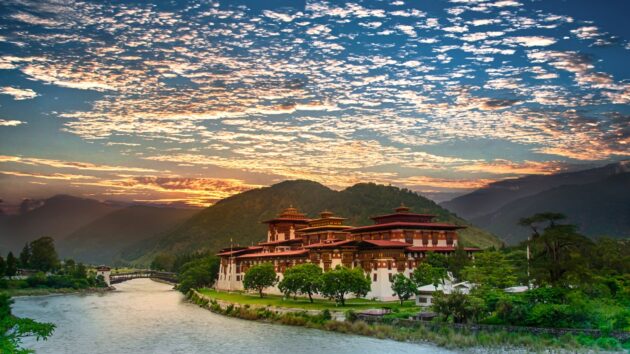
Punakha Dzong, known as the Palace of Great Happiness (or Pungthang Dechen Phodrang), is one of Bhutan’s most iconic and photogenic landmarks. It is the second-oldest and second-largest dzong (fortress-monastery) in the country, built in 1637–38 by Zhabdrung Ngawang Namgyal, the unifier of Bhutan.
History and Architecture
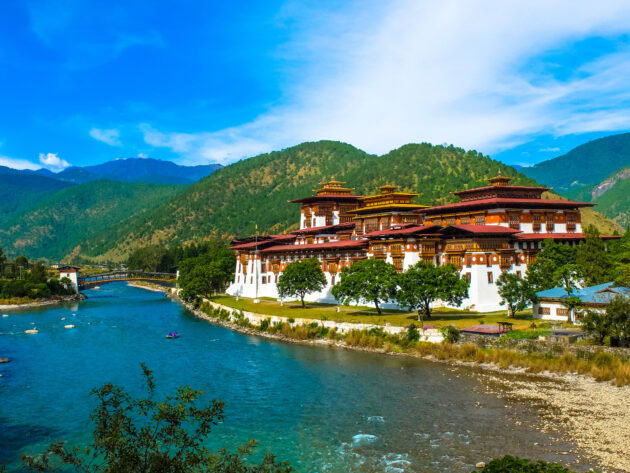
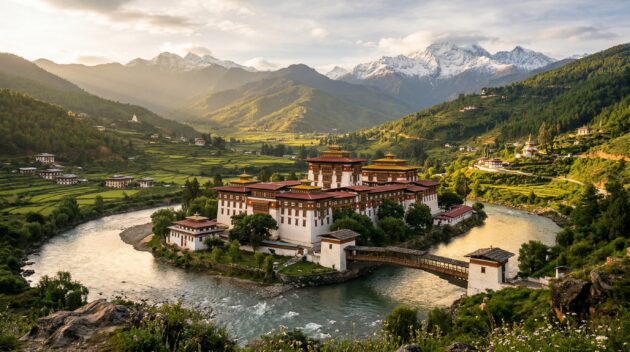
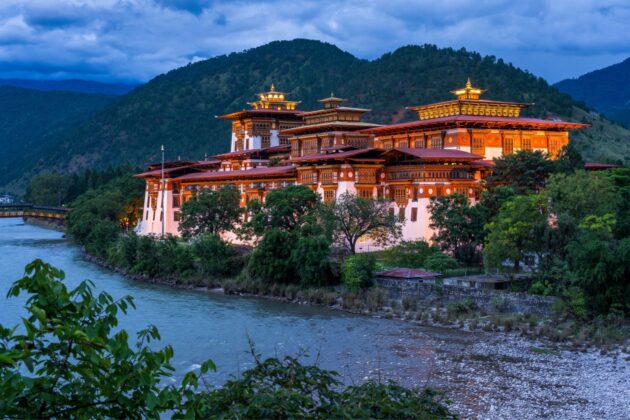
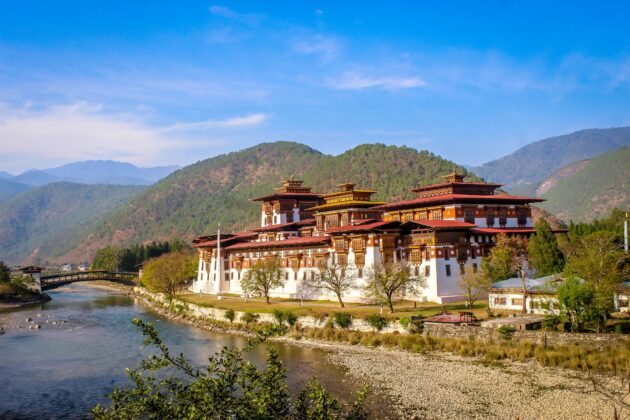
The dzong stands strategically at the confluence of the Pho Chhu (Father River) and Mo Chhu (Mother River) in the Punakha Valley, at about 1,200 meters (3,900 feet) elevation. Its location helped protect against historical invasions, such as from Tibet. It served as Bhutan’s administrative and political center until the mid-20th century, when the capital moved to Thimphu. The structure houses sacred relics, including the preserved body of the Zhabdrung in the Machey Lhakhang (accessible only to certain visitors) and important Buddhist artifacts.
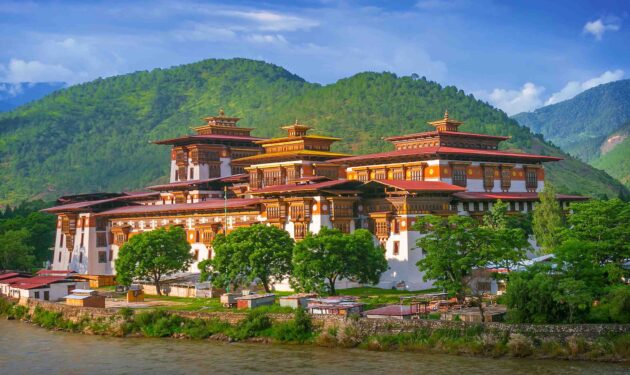
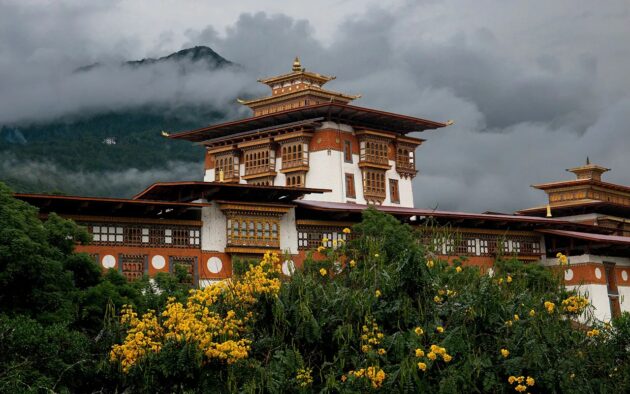
Punakha Dzong exemplifies traditional Bhutanese architecture: massive whitewashed walls, intricate wooden carvings and galleries (no nails used in construction), multi-tiered golden roofs, and vibrant murals. The central utse (tower) rises six stories, with beautiful courtyards, temples, and administrative halls inside. Visitors often note the detailed woodwork, statues of Buddha, Guru Rinpoche, and the Zhabdrung, plus colorful prayer flags and seasonal blooms (like jacaranda trees in spring).
Interior views highlight the spacious stone-paved courtyards, ornate balconies, and painted details.
Visiting Information
Entry: Foreign tourists generally visit as part of a guided, pre-arranged tour (Bhutan requires all international visitors except Indians, Bangladeshis, and Maldivians to travel via a licensed operator). A Sustainable Development Fee (SDF) of USD $100 per night applies (as of 2026; subject to confirmation with your tour provider).
Monument Fee: Around Nu. 500–1,000 (Bhutanese Ngultrum; roughly USD $6–12) for foreigners, depending on nationality and updates—check with your guide or operator. Fees for regional visitors (e.g., Indians) are often lower.
Hours: Typically 9 AM–5 PM in warmer months; in cooler months (mid-November to May), often 11 AM–1 PM and 3 PM–5 PM. Some areas may have restricted access due to monastic use. Dress modestly (shoulders and knees covered; remove shoes/hats inside temples). Photography rules vary—ask your guide.
Best Time to Visit: Spring (March–May) for blooming flowers and festivals (like Punakha Tshechu/Dromche) or autumn (September–November) for clear skies and pleasant weather. Punakha’s lower elevation makes it milder than higher areas like Paro or Thimphu, even in winter. Summers bring monsoon rains; winters are dry and comfortable.
How to Get There
Punakha lies about 70–85 km (43–53 miles) from Thimphu, a scenic 2–3 hour drive over Dochula Pass (with its 108 chortens and Himalayan views on clear days). Most visitors arrive by private vehicle arranged through their tour operator—roads are winding but paved in main sections. Public buses or shared taxis are options from Thimphu but less common for tourists. No direct flights or trains.
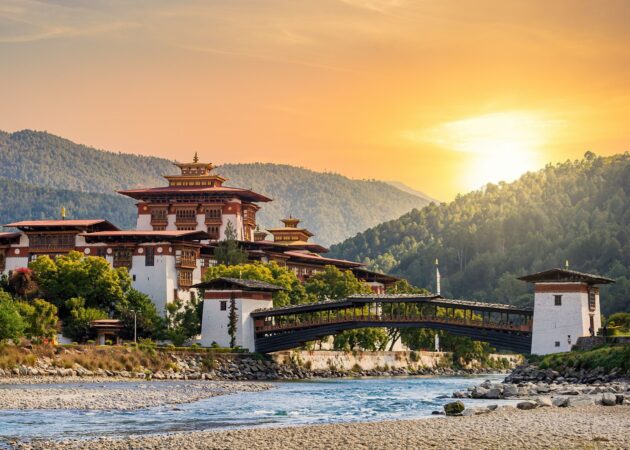
A wooden covered bridge often leads to the dzong, offering great photo opportunities, especially at sunrise/sunset.
Nearby Attractions in Punakha Valley
Combine your dzong visit with these spots (most within a short drive):
Punakha Suspension Bridge: A long, colorful prayer-flag-adorned bridge spanning the river with valley views—fun to cross.
Chimi Lhakhang (Fertility Temple): A charming monastery dedicated to the “Divine Madman” Drukpa Kunley, known for its phallic symbolism and blessings for fertility/childbirth. A short hike from the road; very popular.
Khamsum Yulley Namgyal Chorten: A beautiful stupa with panoramic views, reached by a hike through rice fields.
Other options: River rafting on the Mo Chhu or Pho Chhu, hot springs, or village walks amid terraced fields.
Practical Tips
Accommodation: Options range from luxury resorts (e.g., riverside properties with views) to budget guesthouses and homestays. Many are in or near Punakha town/Khuruthang.
Food: Try Bhutanese dishes like ema datshi (chili cheese), red rice, or momos. Local restaurants and hotel dining; vegetarian options are common due to Buddhist influences.
Etiquette: Respect monastic spaces—no loud talking, appropriate dress, and follow guide instructions. Bhutan emphasizes “high-value, low-impact” tourism.
Planning: All visits are best arranged through a Bhutanese tour operator, who handles permits, guides, and logistics. A day trip from Thimphu is possible, but staying overnight lets you explore the serene valley fully.
Final Thoughts
Punakha Dzong and its valley offer a perfect blend of history, spirituality, and natural beauty—often considered one of Bhutan’s highlights. Safe travels! If you’re planning a full itinerary, consider pairing it with Paro (Tiger’s Nest) and Thimphu.